
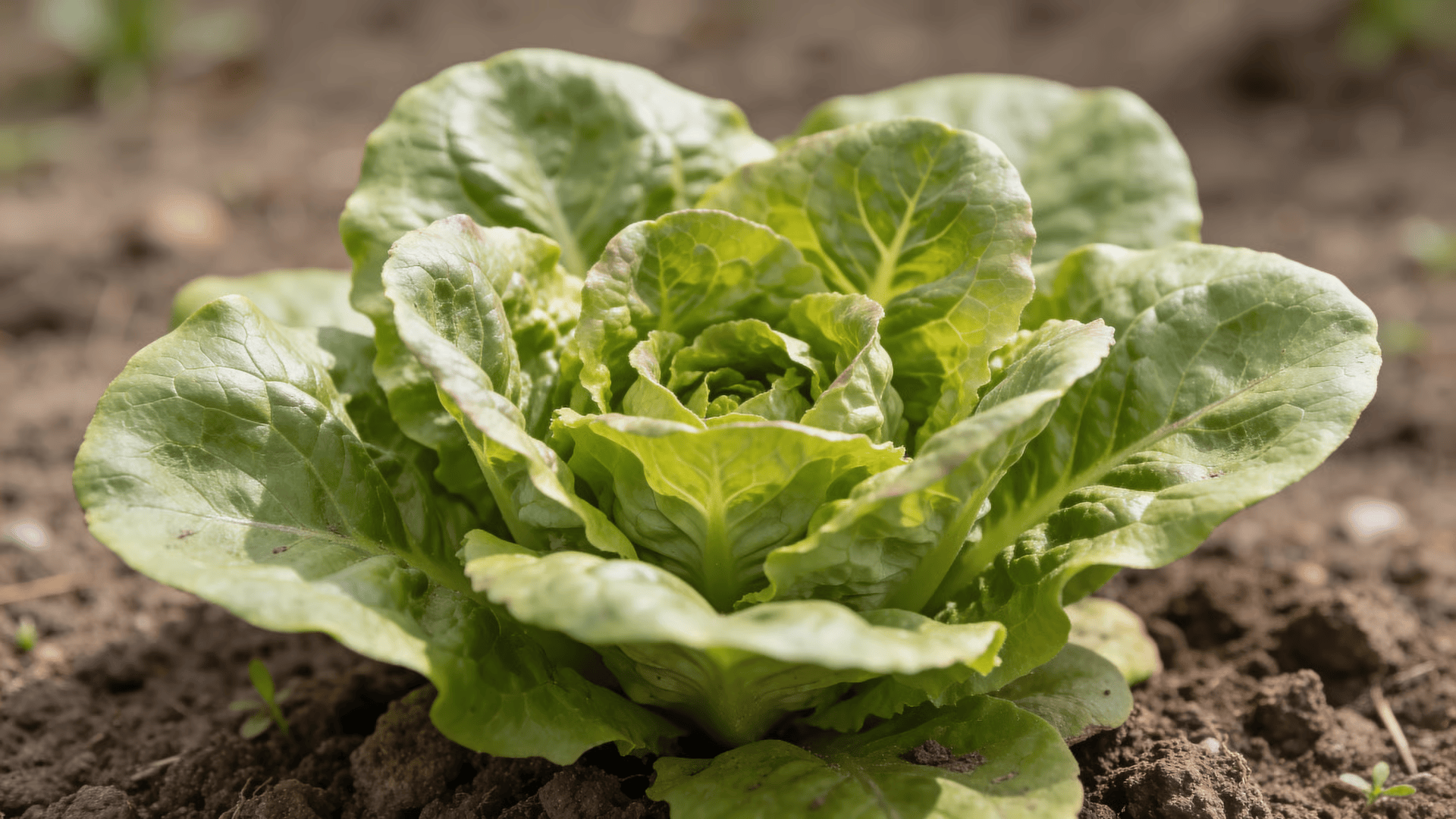
Growing romaine at home feels simple. Harvesting it is where most people get stuck. A lot of advice says to just cut leaves and move on. That sounds easy, but one wrong cut can stop growth for good.
The confusion usually comes from not knowing what part of the plant actually matters.
In this guide, I’ll break down how to harvest romaine lettuce in a way that makes sense, not just what to do but why it works.
We’ll focus on how the plant grows, when it can handle leaf removal, and what causes regrowth to slow or fail. Once that clicks, harvesting stops feeling risky.
What Actually Happens when You Harvest Romaine Lettuce
Romaine survives repeat harvesting because of where it grows from. The center of the plant holds the growth point. This is not the same as the leaves you see spreading outward. New leaves form from that tight cluster in the middle, often called the crown.
Outer leaves are finished doing their main job. They already helped the plant gather energy from light. When you remove them, the plant does not panic. Instead, stored energy gets redirected toward pushing out new leaves from the center.
Leaf tissue and crown tissue behave very differently. Leaves are replaceable. The crown is not. If the crown stays intact, the plant keeps going. If it gets damaged, growth slows or stops completely.
This is why romaine does not regrow from the cut edge of a leaf. Nothing new forms there. Growth always comes from the center. Once you see that clearly, the rules around harvesting stop feeling random.
Many people assume the plant heals at the cut. That never happens. The plant simply keeps growing from the center as long as that area stays safe.
When Romaine Lettuce is Ready to Be Harvested
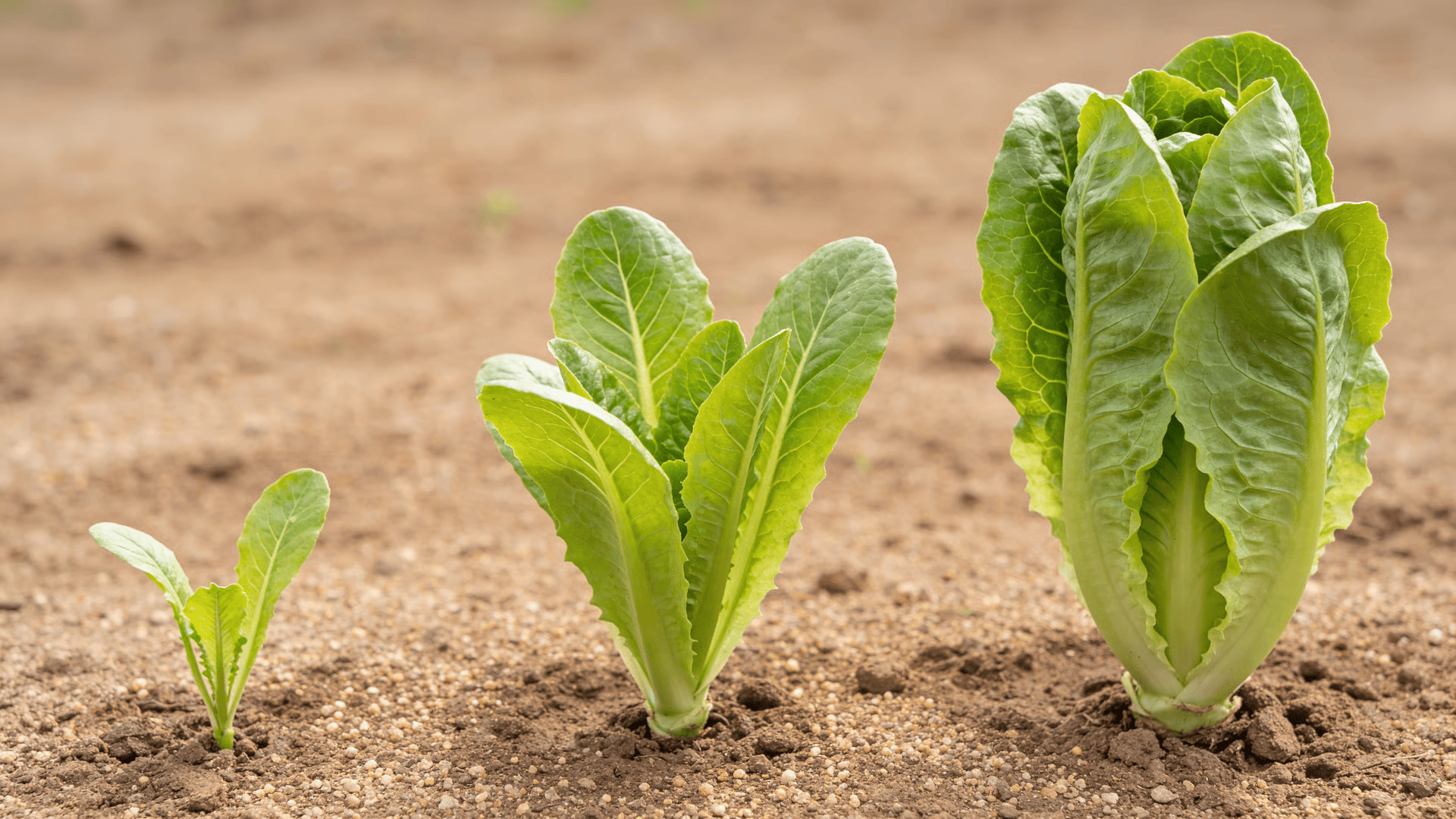
Readiness is about structure, not age. A plant is ready when it has enough leaf mass to lose some without stress. That shows up clearly as the plant moves through growth stages.
- Very young plants have only a few thin leaves and limited reserves. These should be left alone while the plant builds its base.
- Early usable stage plants have leaves that stand upright and feel firm, even if the center is still small. At this point, light harvesting is possible.
- Mid-stage plants show a visible cluster in the center with several outer leaves available for removal. The plant can recover easily at this stage.
- Near-mature plants have thick outer leaves and a strong crown. Harvesting can be heavier, but the remaining window is shorter.
Harvest timing affects future growth. Removing one or two leaves early can slow head formation but extend the harvest window, while waiting longer produces larger leaves over a shorter period.
You do not need to wait for a full head. Romaine remains productive well before that stage, and waiting too long often means missing weeks of usable leaves.
How to Harvest Romaine Lettuce so It Keeps Growing
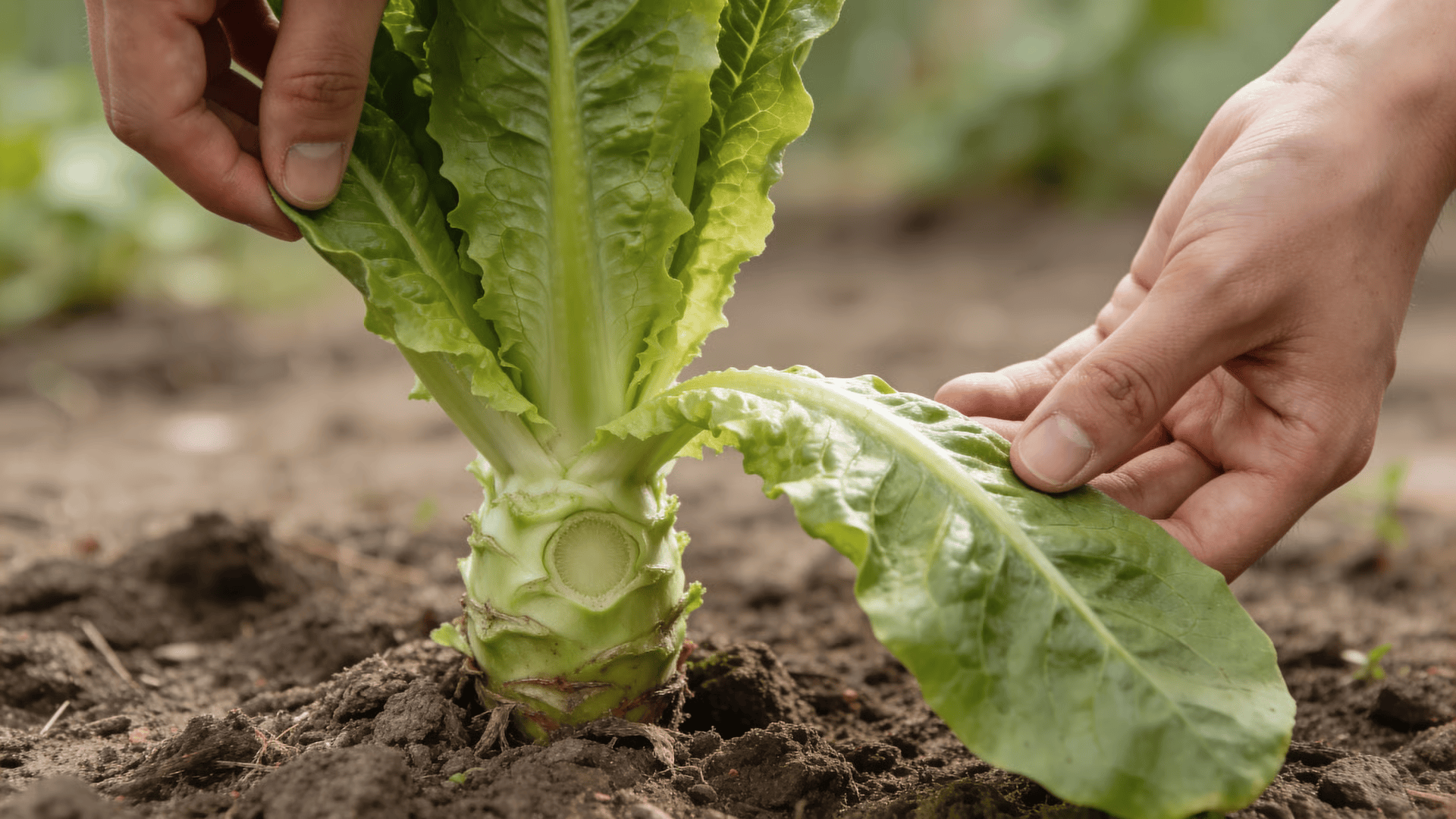
The goal is to remove leaves without touching the growth center. That means being selective and gentle.
Harvesting Outer Leaves One at A Time
Outer leaves are expendable because they are older. They have already done most of their work. Removing them reduces crowding and allows light to reach the center.
A healthy plant can usually lose two to four outer leaves at a time. Taking more than that increases stress. The plant then shifts energy toward survival instead of steady regrowth.
Spacing harvests matters too. Removing a few leaves and waiting for visible new growth is safer than stripping the plant all at once. Regrowth speed depends on how much leaf area remains to collect energy.
Where to Cut or Pinch Each Leaf
Each leaf should be removed close to its base but not flush with the soil. Leave a small stub so the crown stays untouched. Cutting too low risks slicing into the growth point.
A clean removal looks smooth, with no tearing into the center. Damage looks ragged, crushed, or wet near the middle. That kind of injury often leads to stalled growth.
When the inner leaves are disturbed, the plant cannot replace them. Outer leaf removal works because it leaves the engine intact. Once that engine is harmed, regrowth stops no matter how careful you are later.
A common belief is that any cut above soil level is fine. That is not true. Height matters because the crown sits higher than most people expect.
How Often Can Romaine Lettuce Be Harvested
Harvest frequency depends on how much you remove and how well the plant can recover. Romaine needs time between cuts to rebuild energy before producing strong new leaves.
Removing one or two leaves allows quicker recovery than taking several at once. Larger cuts slow regrowth and increase stress, even if the plant survives.
You can gauge recovery by watching the center:
- Healthy recovery shows up as firm new leaves and steady outward growth
- Stress signs include limp inner leaves, slowed growth, and smaller replacements
Frequent harvesting adds up over time. Even careful cuts can weaken the plant if recovery time is skipped. Growth may continue, but leaf size and thickness usually decline.
Romaine growth is not constant. It speeds up and slows down based on weather, moisture, nutrients, and recent harvesting. Some weeks allow frequent cutting. Other weeks require patience.
More harvesting does not trigger more growth. Growth follows recovery, not removal.
When Harvesting Stops Working and Why
Sometimes the method is right, but the plant still fails. This usually comes down to internal changes that harvesting cannot fix.
Bolting and Heat Stress
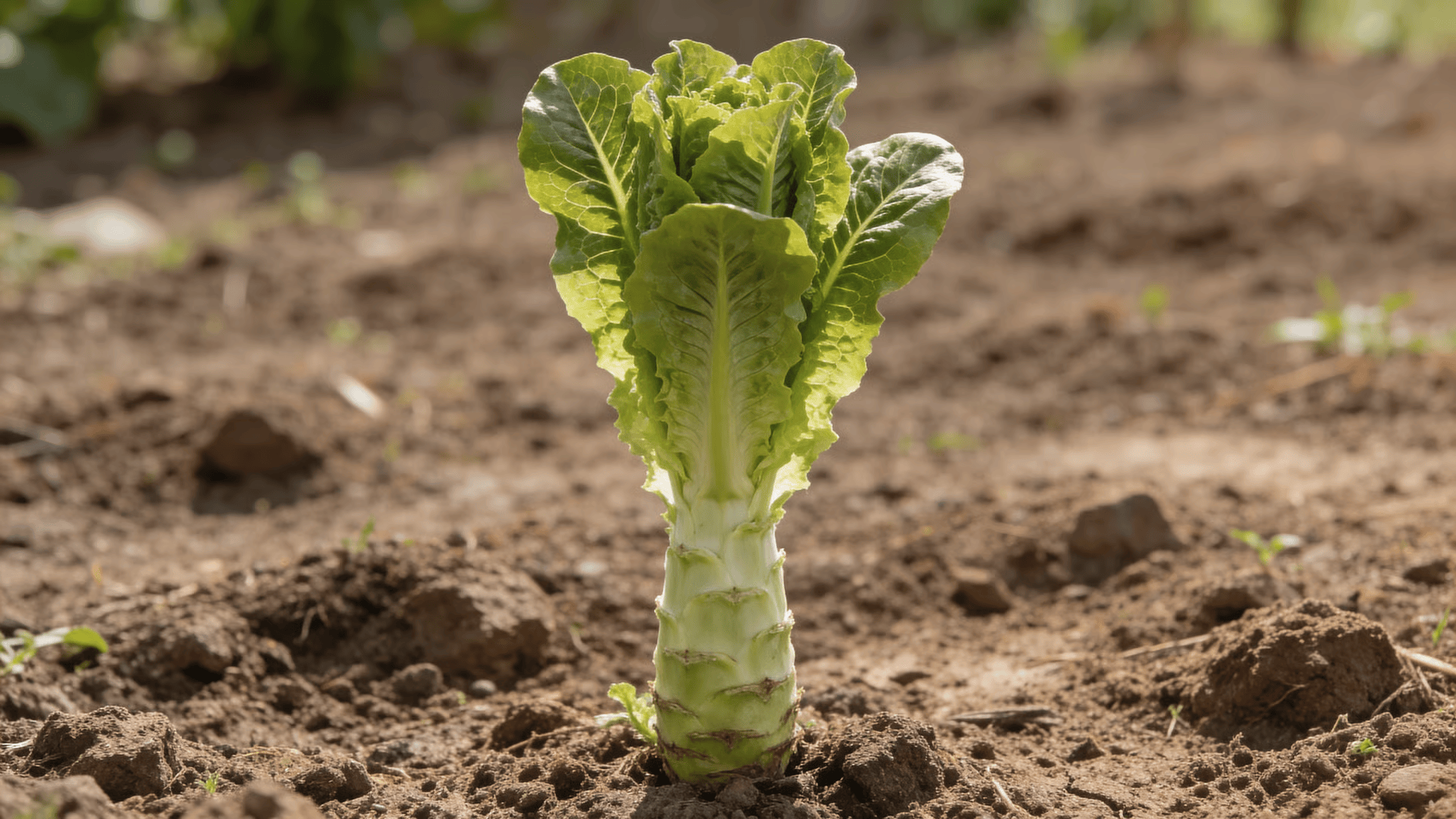
Bolting happens when the plant shifts from leaf growth to seed production. Heat often triggers this change. Once it starts, leaf quality drops fast.
Bolting changes how energy is used. Instead of forming new leaves, the plant sends resources upward. Harvesting does not reverse this shift. Leaves become bitter and growth slows no matter how carefully you cut.
Damage to The Growth Center
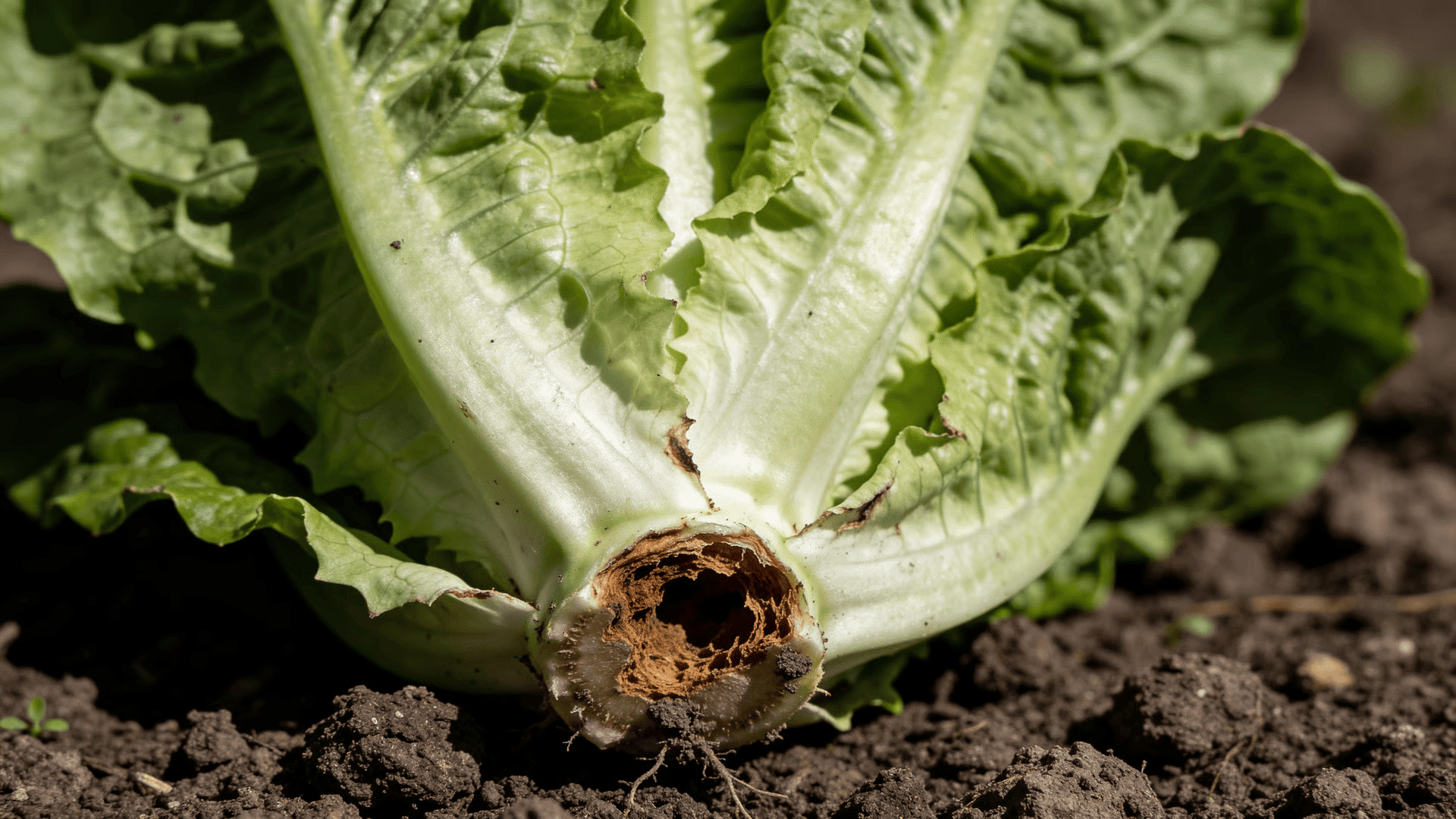
Crown damage is permanent. Visual signs include a hollow center, brown tissue, or leaves that stop emerging from the middle.
This damage breaks the growth cycle. Unlike leaf loss, crown injury cannot be repaired. The plant may stay alive for a while, but it will not produce usable leaves again.
Some problems are temporary. Stress from heavy harvesting can recover. Crown damage cannot. Knowing the difference prevents wasted effort.
Not all stalled plants can be saved by changing technique. Sometimes the growth system itself is gone.
Conclusion
Once you understand where romaine grows from, harvesting stops feeling like guesswork. The plant does not regrow from cuts. It keeps growing from the center as long as that area stays safe.
iming, amount, and cut placement all tie back to that single point. When those pieces line up, regrowth feels predictable instead of random.
If harvesting ever stops working, the reason is usually structural, not mysterious. With that mental model in place, harvesting romaine lettuce becomes a calm, repeatable process rather than a risk you hope works out.



One Response
I’ve seen people who cut the entire plant a few inches from the soil, use that, and the plant regrows. Is the new plant growth inedible?