Lasagna gardening gets talked about like it is either magic or a scam. That alone causes a lot of confusion. Some people think it is just stacking yard waste and walking away. Others think it replaces soil overnight. Neither idea is right.
Lasagna gardening is a real method with a real process, but it only works when certain conditions are met.
In this guide, I will walk you through how lasagna gardening actually functions, why it behaves differently from regular gardening, and where expectations often break down.
By the end, you should understand the system well enough to judge it clearly.
What Is Lasagna Gardening and Why Is It Called That?
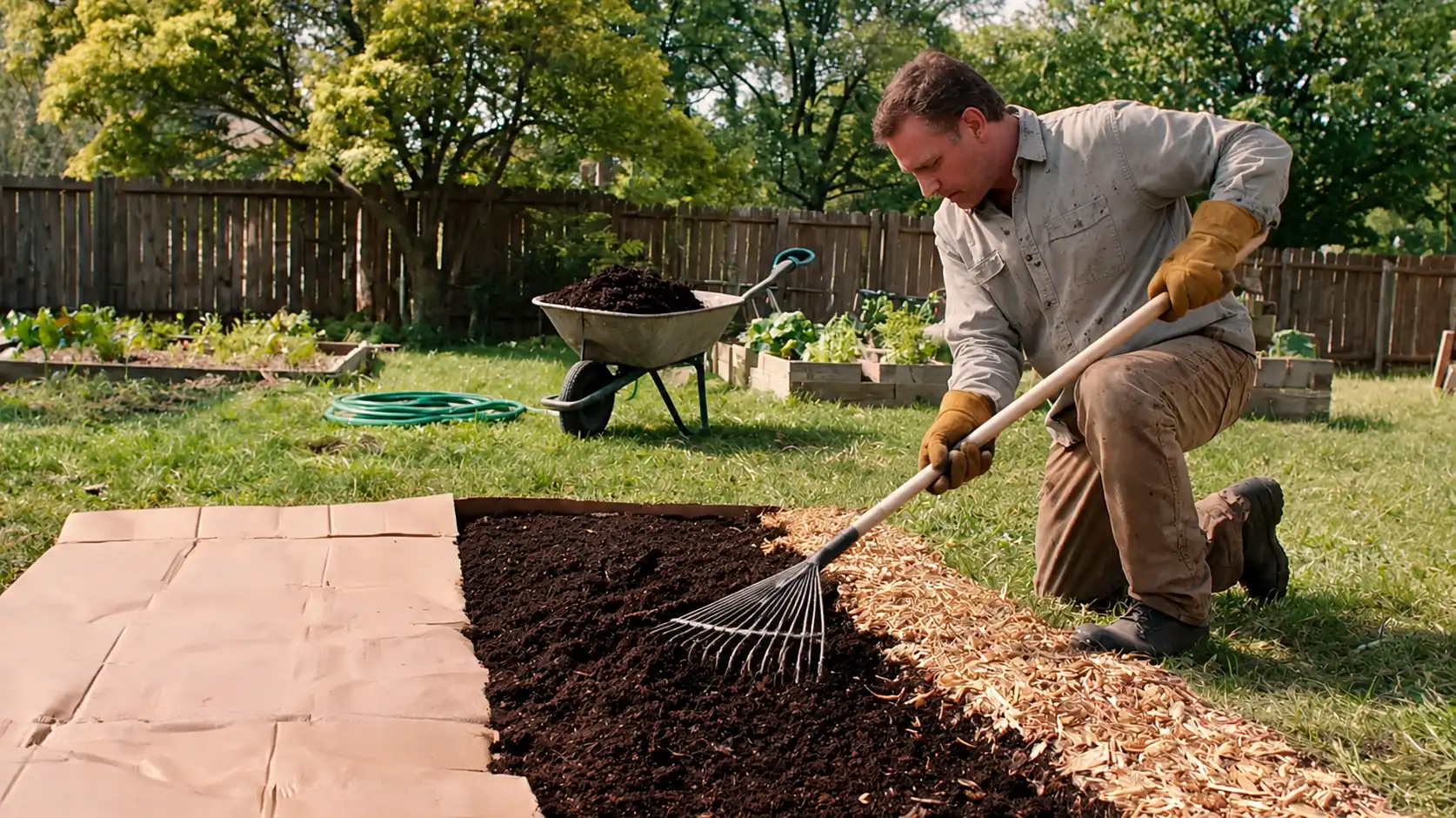
Lasagna gardening is a no-dig gardening method that builds soil by layering organic materials on top of the ground. It is also known as sheet mulching. The name comes from how the materials are stacked in layers, much like a pan of lasagna.
The key idea is simple. Instead of digging soil and mixing compost into it, you place materials in layers and let nature do the work. Over time, those layers break down and turn into usable soil.
This is different from traditional gardening in a few important ways. Traditional beds rely on existing soil structure and disturbance through digging. Lasagna gardening relies on decomposition happening in place. The soil forms gradually from the top down.
A common mistake is treating this as a trendy shortcut. It is not a hack. It is composting that happens where you plan to grow.
How Lasagna Gardening Actually Works Beneath the Surface
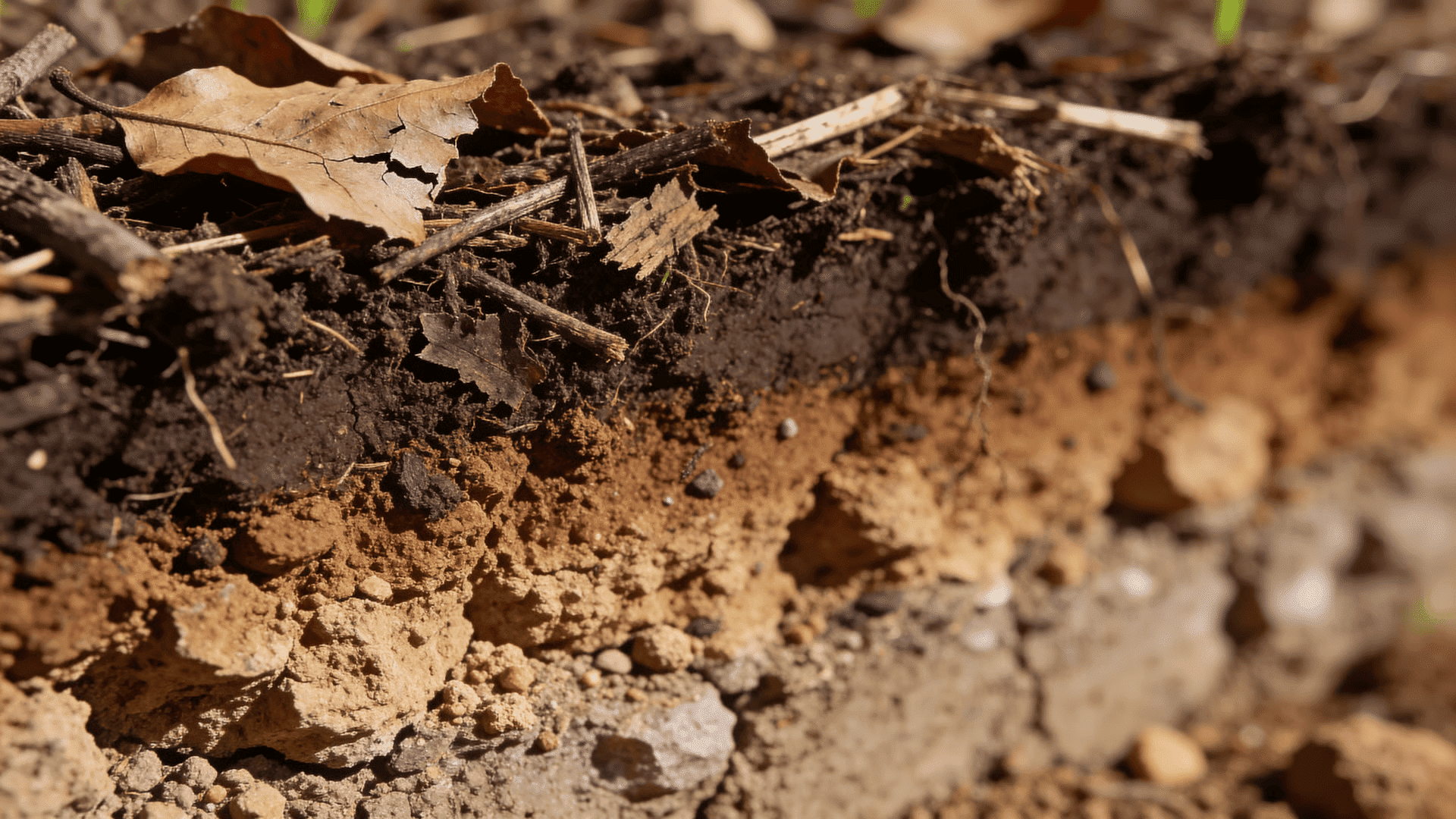
Lasagna gardening works because microbes break down organic matter into smaller parts. That process depends on air, moisture, and food sources staying in balance. When those conditions line up, the stacked layers slowly turn into soil.
The order of layers matters because each one affects airflow, water movement, and microbial activity. Carbon-rich layers slow breakdown but add structure, while nitrogen-rich layers speed breakdown and can cause problems if used alone.
Nothing happens automatically. Decomposition only begins when microbes can breathe, stay moist, and access both carbon and nitrogen at the same time.
What Happens to the Layers Over Time
At first, the layers stay mostly intact. Cardboard softens. Leaves compress. Fresh material heats slightly as microbes get active.
Over weeks and months, the layers settle. Air pockets shrink. Materials lose their original shape. Eventually, what was once a stack becomes a dark, crumbly mass.
This does not happen evenly. Some layers vanish faster than others. Thick or woody materials can stay recognizable for a long time.
Why Decomposition Speed Varies So Much
Breakdown speed depends on several factors working together.
- Moisture matters because microbes need water to survive. Too dry and nothing happens. Too wet and air disappears.
- Temperature matters because microbes slow down in cold conditions.
- Material size matters because smaller pieces break down faster than large ones.
When any of these factors are off, the process slows or stalls.
What Materials Are Used and Why Each One Matters
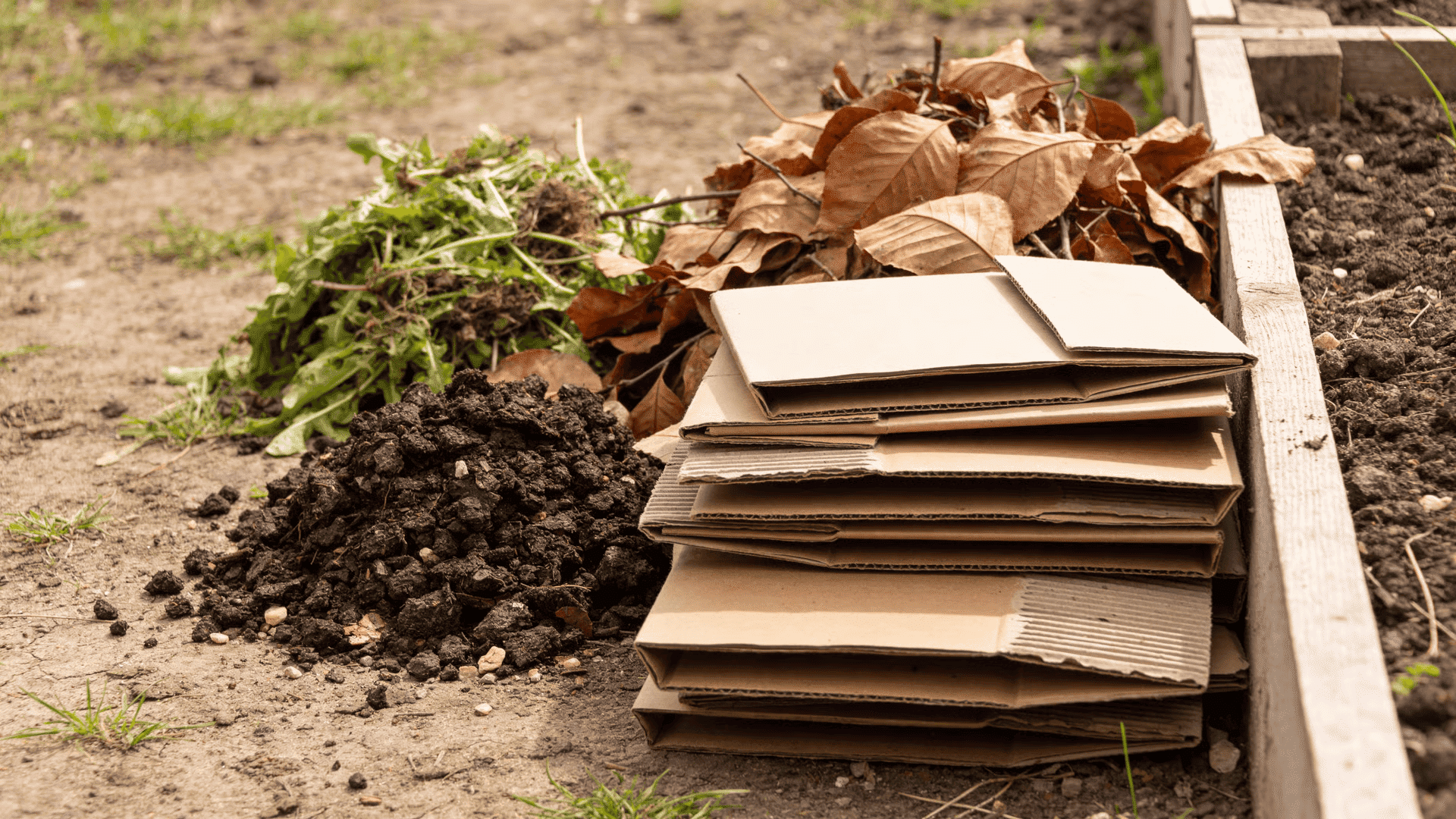
Lasagna gardening relies on different materials playing different roles. Each layer changes how the system behaves.
- Cardboard and paper act as weed barriers and moisture regulators.
- Brown materials provide structure and carbon.
- Green materials provide nitrogen and energy.
- Compost acts as an inoculant that introduces microbes.
Problems start when materials are treated as interchangeable. They are not. Dense materials can block air. Very wet materials can collapse into sludge. Woody materials break down slowly and delay soil readiness.
Carbon Layers vs. Nitrogen Layers Explained
Carbon layers include dry leaves, straw, and paper. They decompose slowly and help keep air in the system.
Nitrogen layers include fresh plant waste and manure. They decompose quickly and feed microbes.
The balance matters because too much nitrogen leads to odor and nutrient lock-up. Too much carbon leads to slow breakdown.
Why Cardboard is Used and When It Becomes a Problem
Cardboard is used because it blocks light, which suppresses weeds, and helps retain moisture near the soil surface. It also breaks down over time, feeding microbes.
Problems start when cardboard is layered too thick or left dry. In that state, it can form a dense barrier that restricts airflow and prevents water from moving through the bed.
How Long Lasagna Gardening Takes and What Controls the Timeline
There is no fixed timeline for lasagna gardening. Some beds settle within a few months, while others take a year or more. The pace depends on how well the biological process is supported, not on the calendar.
Fast breakdown usually happens when conditions stay consistent. Moisture remains steady, materials are layered in a mix of fine and coarse pieces, and temperatures stay moderate. Under these conditions, microbes stay active and layers collapse evenly.
Slow breakdown shows up when one or more inputs are missing. Common causes include:
- Cold seasons that slow microbial activity
- Dry climates or irregular watering
- Beds built mostly from coarse or woody materials
Decomposition also happens in stages. Partial decomposition means the bed looks settled on the surface but still contains active, breaking-down layers below. Full decomposition means the layers are no longer distinct and the bed behaves like finished soil.
You can tell which stage a bed is in by paying attention to physical cues:
- Active beds often feel warm, continue to sink, and show recognizable materials
- Settled beds feel loose, dark, and uniform, with no obvious layers
Understanding these signals helps set realistic expectations and prevents planting too early or assuming the process has stalled.
Benefits of Lasagna Gardening and Why They Occur
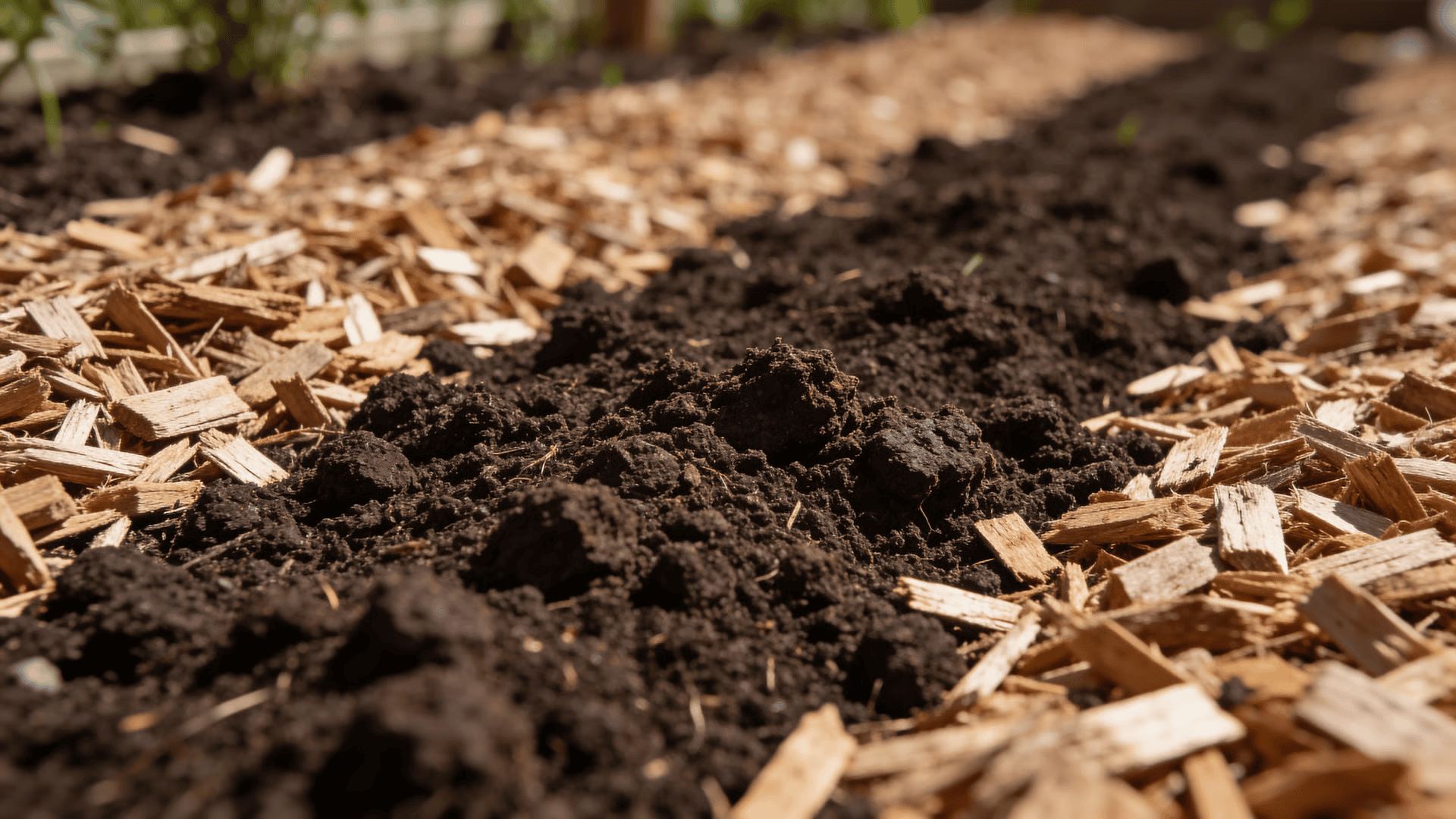
Lasagna gardening offers benefits because it changes soil conditions gradually, not all at once. Each benefit comes from how organic layers break down over time.
- Weed suppression happens because light is blocked, preventing weed seeds from sprouting. As the barrier breaks down, many weeds have already been starved out.
- Improved soil structure develops as organic matter increases pore space, allowing air and water to move more freely.
- Steady nutrient release occurs as materials decompose, reducing sharp nutrient spikes and losses.
- Reduced labor comes from avoiding digging and letting soil form in place.
These benefits build slowly and depend on continued organic input. Without maintenance, the system levels off and behaves like any other unmanaged bed.
Limitations and When Lasagna Gardening Causes Problems
Lasagna gardening can fail when conditions are wrong.
Slow decomposition happens when beds are too dry, too cold, or built from resistant materials.
Pests are attracted when fresh food sources are exposed or layered too thick.
Nutrient lock-up occurs when microbes use available nitrogen to break down carbon-heavy layers, leaving plants short on nutrients.
The method struggles in very wet climates, very cold regions, and areas with heavy pest pressure.
Failure does not mean the method is useless. It usually means expectations did not match conditions.
Who Lasagna Gardening Is Best Suited For
Lasagna gardening works best for people who value soil building over speed.
It fits gardeners with time to let beds mature. It also suits areas where digging is difficult or soil is compacted.
Expectations should be adjusted if fast planting or precise control is required.
For beginners, lasagna gardening can be forgiving because it reduces digging errors. It is not foolproof, but it allows learning through observation rather than correction.
Suitability means alignment, not guaranteed success.
Wrapping Up
Lasagna gardening works when it is understood as a slow biological process, not a shortcut.
Layers do not turn into soil on a schedule. They respond to moisture, air, temperature, and material choices. When those pieces line up, the method builds soil with very little disturbance. When they do not, frustration follows.
If you approach lasagna gardening as composting in place, with patience and realistic timing, the system makes sense and behaves predictably.
For more practical guides and breakdowns, explore other gardening articles on the website.