I’ll be honest. I panicked the first time my dog brushed past my hydrangeas and I wondered if I’d just created a veterinary emergency. Turns out, are hydrangeas poisonous? Yes, they are.
Every part of the plant contains cyanogenic glycosides, compounds that can cause problems if ingested by pets or people.
But here’s what most gardeners don’t realize: the actual risk depends on how much is consumed and who’s doing the consuming.
You don’t need to rip out your beautiful shrubs just yet. Instead, you need to understand what makes these plants toxic, which parts pose the biggest threat, and how to keep your family and furry friends safe while still enjoying those stunning blooms in your yard.
Why Plant Safety Matters at Home
I’ve learned the hard way that not every pretty plant belongs in a home with curious toddlers or pets who taste-test everything. Many common yard and house plants carry compounds that evolved as natural defenses against predators.
These chemicals might not bother us when we’re pruning or planting, but they become problematic when chewed, swallowed, or even touched by sensitive individuals.
Kids and pets face the highest risk because they explore with their mouths. A toddler might grab a colorful leaf during outdoor play. Your dog might nibble on a shrub out of boredom. Neither understands which plants are safe.
You don’t need to turn your yard into a sterile zone. Plant safety is about awareness, not fear.
When you know which greenery poses risks, you can make smarter choices about placement, supervision, and which varieties to skip altogether. That knowledge protects everyone while keeping your space beautiful.
Are Hydrangeas Poisonous?
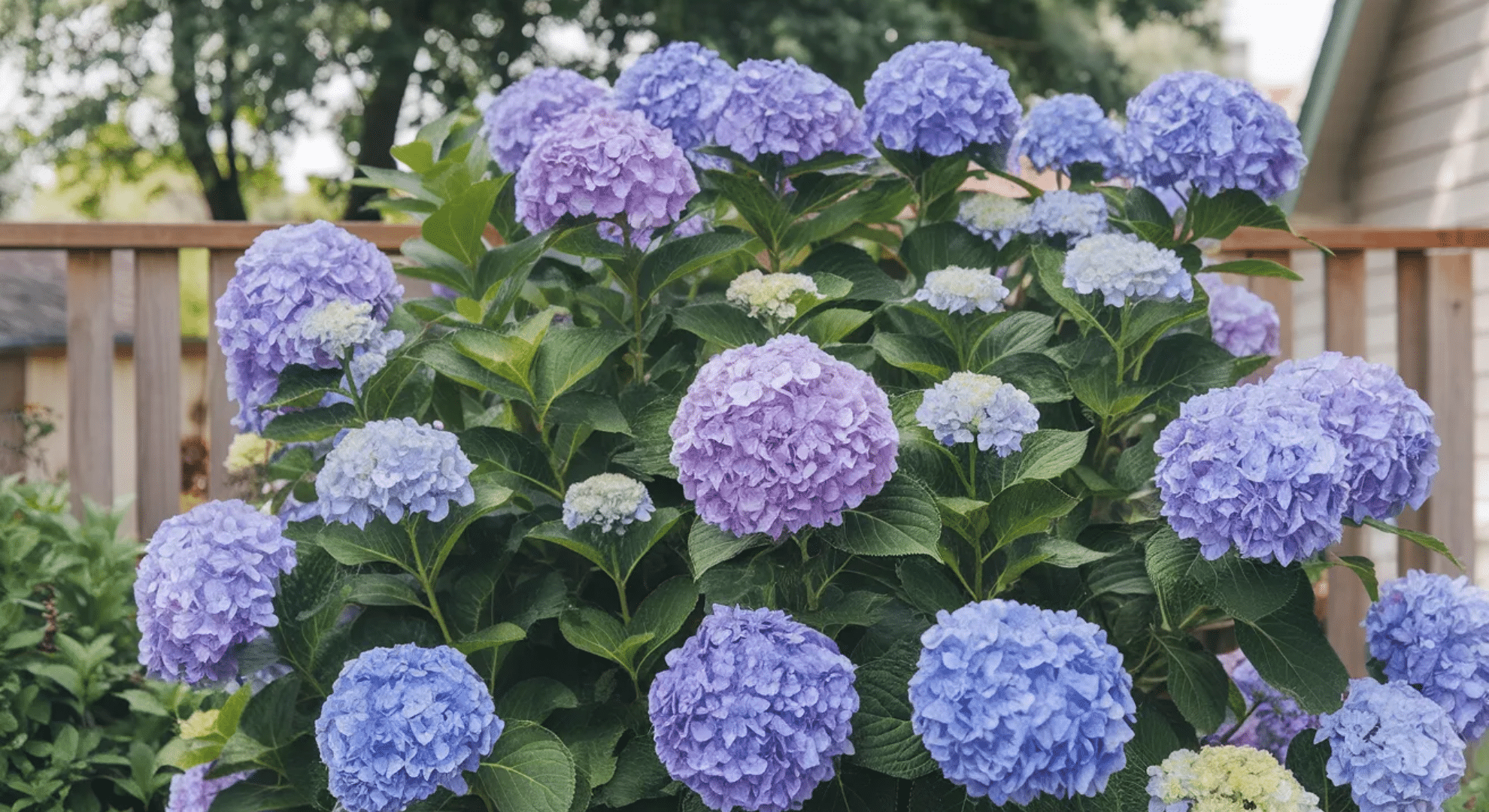
Yes, hydrangeas are poisonous. Every part of the plant contains cyanogenic glycosides, natural compounds that release cyanide when chewed or digested. That sounds scarier than it usually is in practice, but it’s not something to ignore.
The toxicity comes from the plant’s defense mechanism. When leaves, flowers, or stems get crushed or broken down in the digestive system, these compounds activate and can cause symptoms ranging from mild stomach upset to more serious reactions.
The concentration varies between plant parts, with buds and leaves typically holding higher levels than mature blooms.
Here’s the thing: most poisonings from hydrangeas are mild. A curious pet taking one nibble or a toddler tasting a petal rarely ends in crisis. You’ll see vomiting, nausea, or diarrhea more often than severe reactions.
That said, larger amounts or repeated exposure can escalate quickly. The risk is real enough that you need to take it seriously.
What Makes Hydrangeas Toxic
The reason hydrangea toxic reactions happen comes down to one specific compound: cyanogenic glycosides. These chemicals sit quietly inside the plant’s tissues until something breaks them down.
When leaves, stems, or flowers get chewed or digested, enzymes trigger a reaction that releases small amounts of cyanide into the system.
I’ve seen people assume plants are either safe or deadly with nothing in between. Hydrangeas fall somewhere in the middle.
The plant didn’t evolve these compounds to hurt your pets or kids. It developed them to discourage insects and animals from eating it in the wild.
That’s why the toxins only activate when the plant tissue gets damaged.
Your body recognizes cyanide as a threat immediately. Even trace amounts can irritate the stomach lining and interfere with how cells use oxygen. Hydrangeas aren’t food, and your system knows it. That’s why symptoms kick in so fast after ingestion.
Which Parts of a Hydrangea Are Unsafe
Every part of a hydrangea contains some level of toxin, but concentration varies depending on where you’re looking.
Leaves
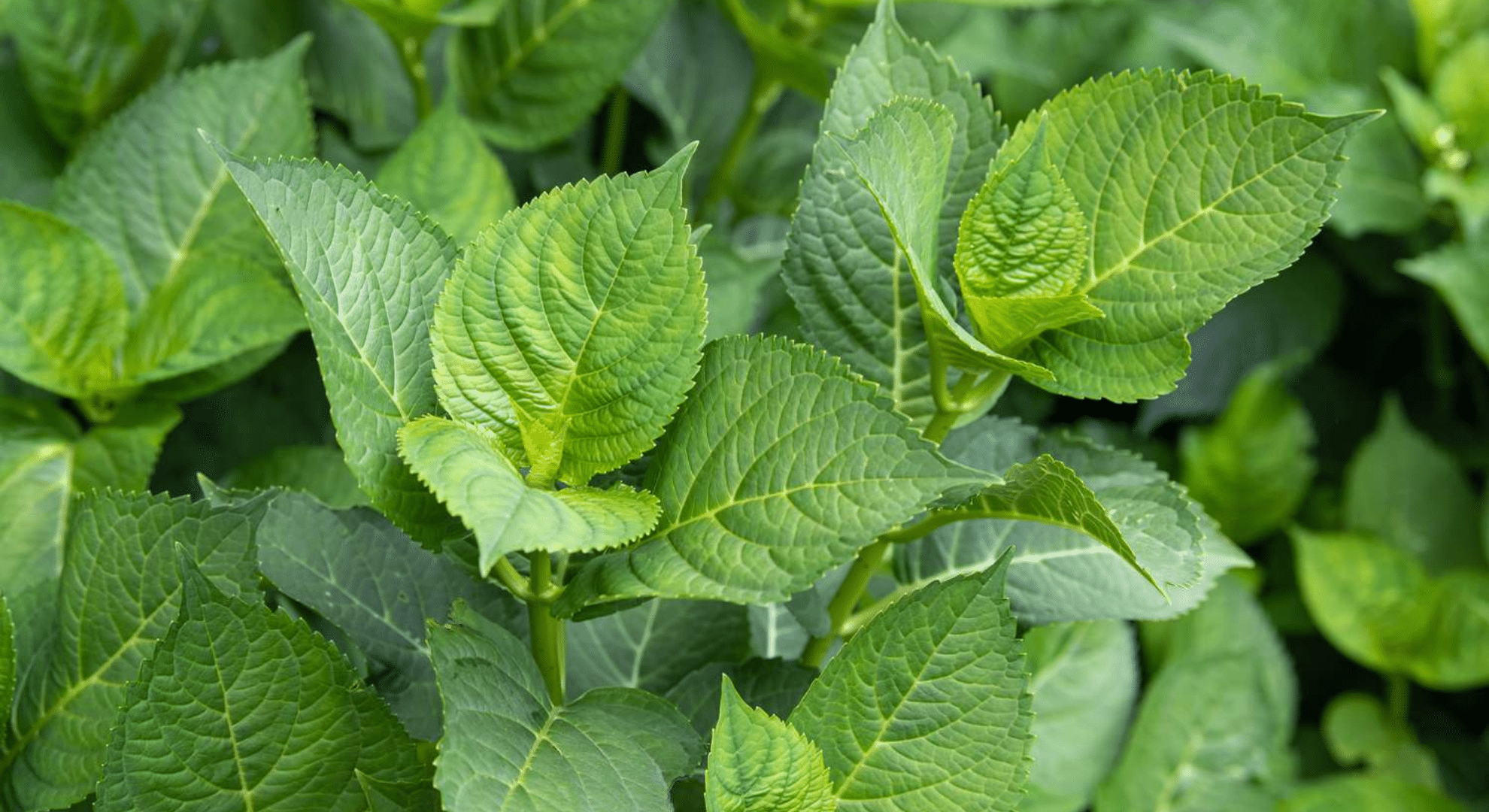
Leaves hold some of the highest toxin levels in the plant. They’re also the part pets and kids encounter most often since they hang at reachable heights. A curious dog chewing on foliage gets a bigger dose than one licking a fallen petal.
Flowers
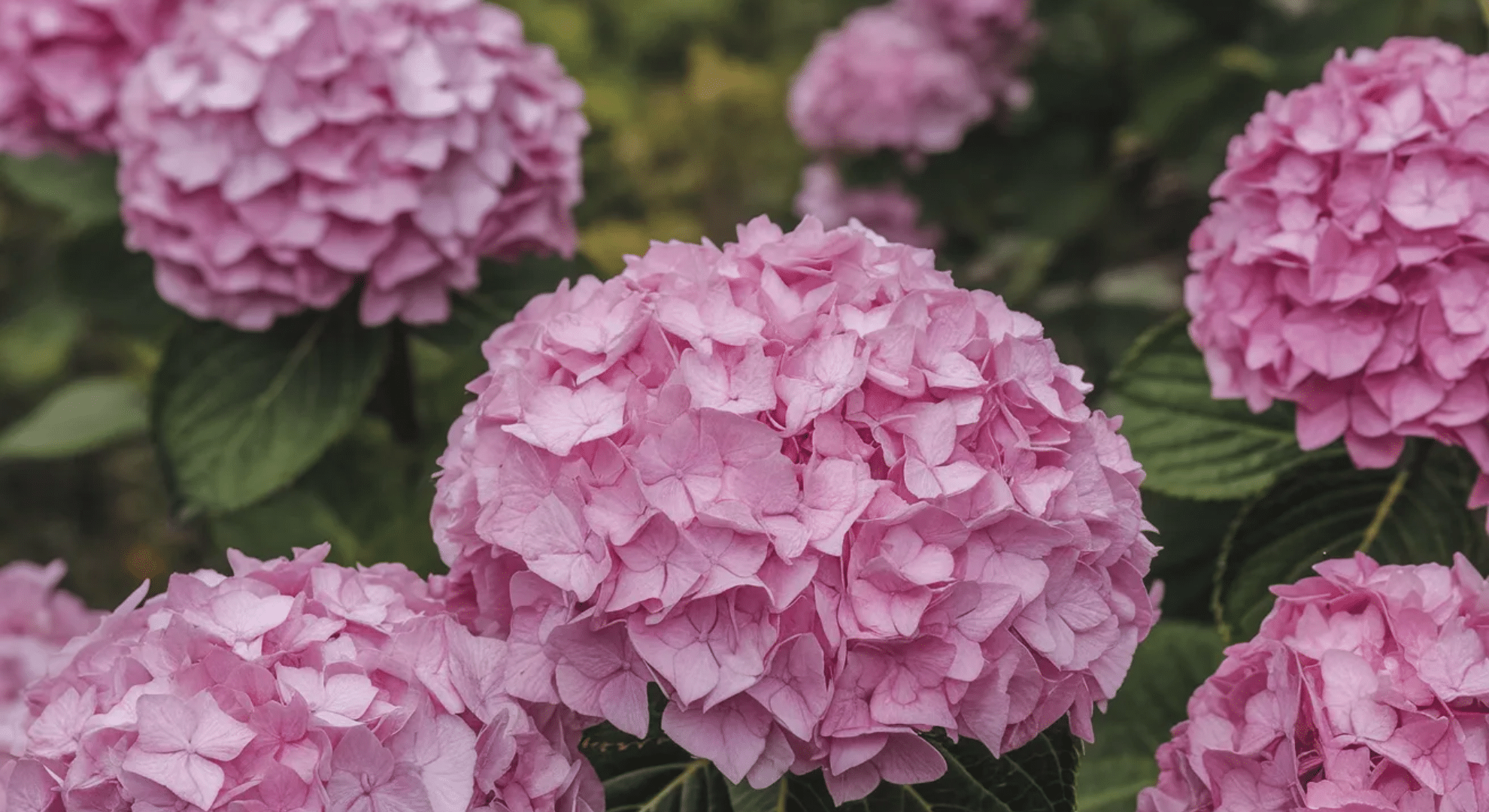
Flowers contain toxins too, but usually at lower concentrations than leaves. The showy blooms attract attention, especially from toddlers who love bright colors. Even though they’re less potent, they’re still not safe to eat.
Buds
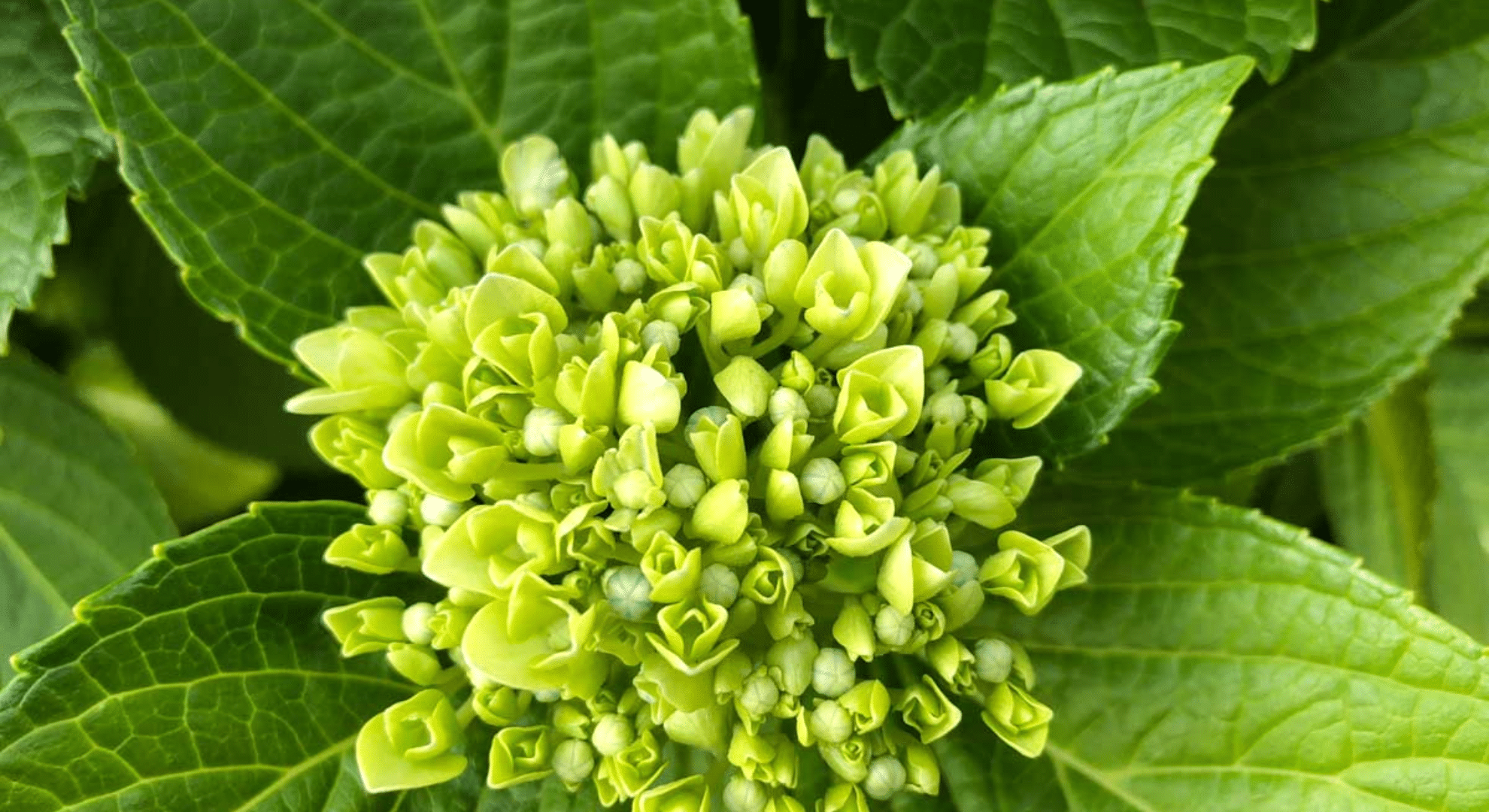
Buds pack more concentrated compounds than mature flowers. They’re young, tender, and full of the plant’s defensive chemicals. Pets sometimes nibble these, thinking they’re treats.
Stems and Bark
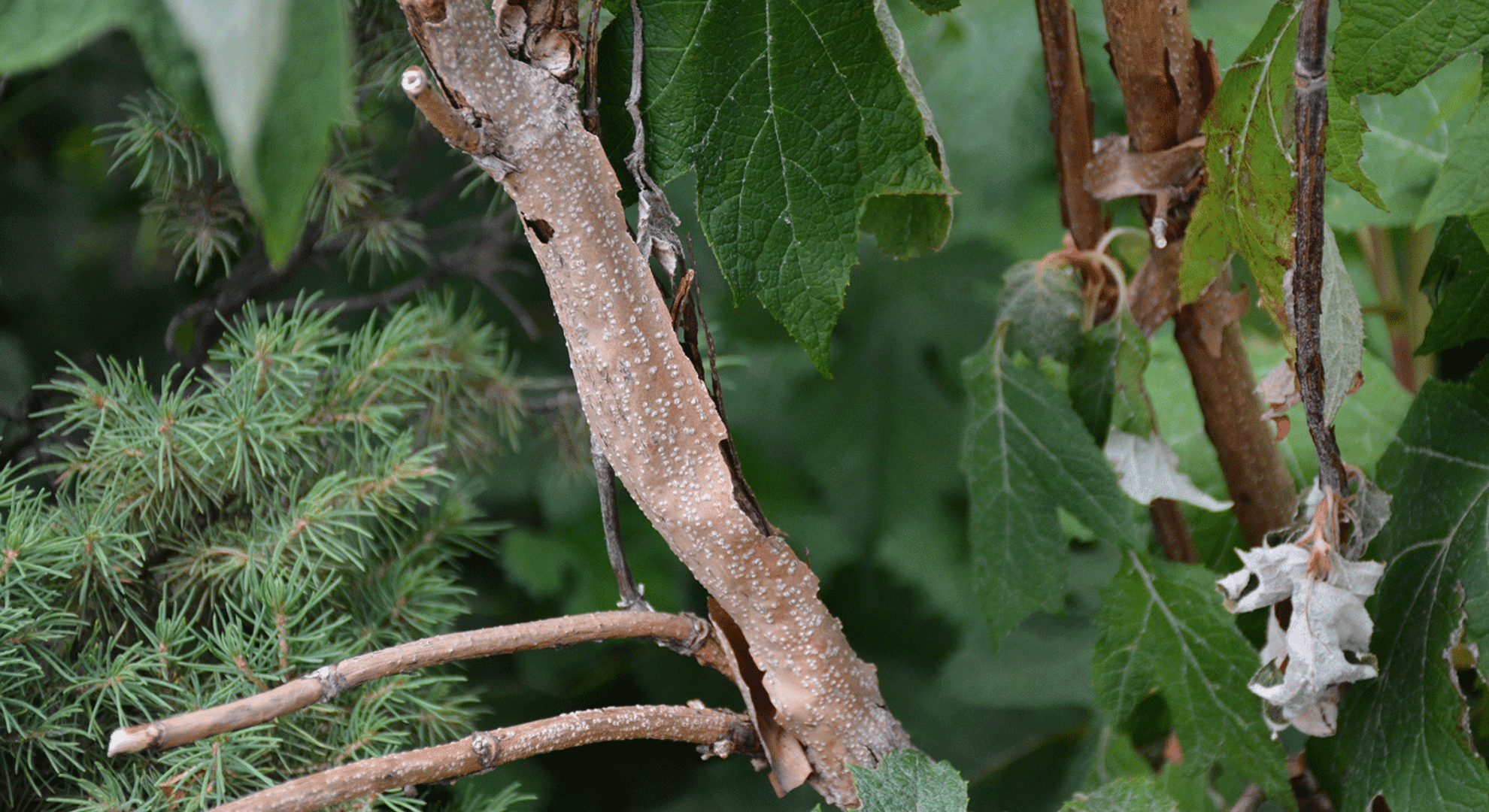
Stems and bark carry toxins throughout the plant’s system. Chewing on a woody stem releases less than crushing fresh leaves, but it’s still risky.
Fresh vs. Dried Hydrangeas

Drying doesn’t eliminate toxins. Dried hydrangeas in arrangements still pose risks if eaten or heavily handled.
Are Hydrangeas Poisonous to Humans
Yes, hydrangeas are poisonous to humans, but the severity depends on who’s eating them and how much gets consumed.
Adults rarely end up in serious trouble from hydrangeas. Your body weight and metabolism can handle small exposures better than a child’s can. If you accidentally ingest a leaf while gardening or taste a petal out of curiosity, you’ll likely experience nausea, stomach cramps, or vomiting.
These symptoms are unpleasant but usually resolve on their own. Eating larger amounts escalates the risk to dizziness, shortness of breath, or rapid heart rate.
Kids face higher danger because their smaller bodies can’t process toxins as efficiently. A toddler who swallows a few leaves might develop severe vomiting or lethargy. Babies are even more vulnerable since they explore everything by mouth.
Tasting releases fewer toxins than chewing and swallowing. Spitting out plant material limits exposure, but you’ll still absorb some compounds through your mouth tissues.
Are Hydrangeas Poisonous to Dogs and Cats
Yes, hydrangeas are poisonous to both dogs and cats. I’ve talked to enough worried pet owners to know this is one of the most common backyard dangers people don’t think about until it’s too late.
Dogs

Dogs are more likely to chew on hydrangeas than cats are. They find with their mouths, especially puppies who treat every plant like a potential toy. If your dog eats hydrangea leaves or flowers, you’ll typically see vomiting and diarrhea within a few hours.
Drooling, lethargy, and loss of appetite follow in moderate cases. Larger amounts can cause tremors or difficulty breathing.
Size matters here. A small dog eating the same amount as a large breed faces higher risk because the toxin concentration hits harder relative to body weight.
Cats
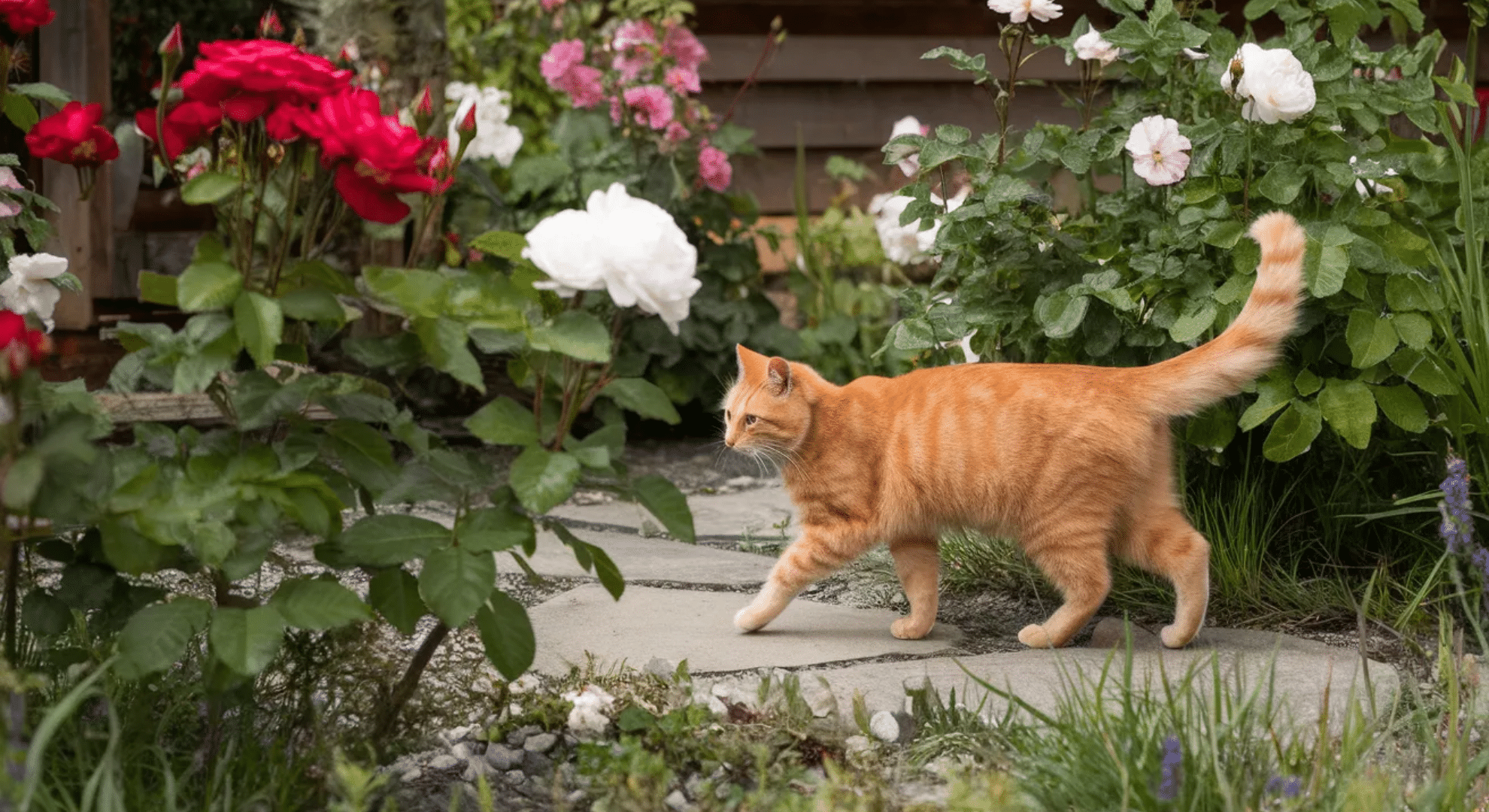
Cats are pickier eaters, so hydrangea poisoning happens less often in felines. But curious cats still nibble on plants occasionally. Symptoms mirror what dogs experience: vomiting, stomach pain, and weakness. Cats may also hide when they feel sick, making it harder to notice something’s wrong early.
Is It Dangerous to Touch Hydrangeas?
Touching hydrangeas is generally safe. The toxins that cause problems when eaten don’t absorb well through intact skin. I’ve pruned hydrangeas dozens of times with bare hands and never had an issue. The real danger comes from ingestion, not casual contact.
That said, some people develop mild skin irritation or rashes after handling hydrangeas for extended periods. If you have sensitive skin or existing dermatitis, the plant’s sap can trigger redness or itching where it makes contact. It’s not common, but it happens.
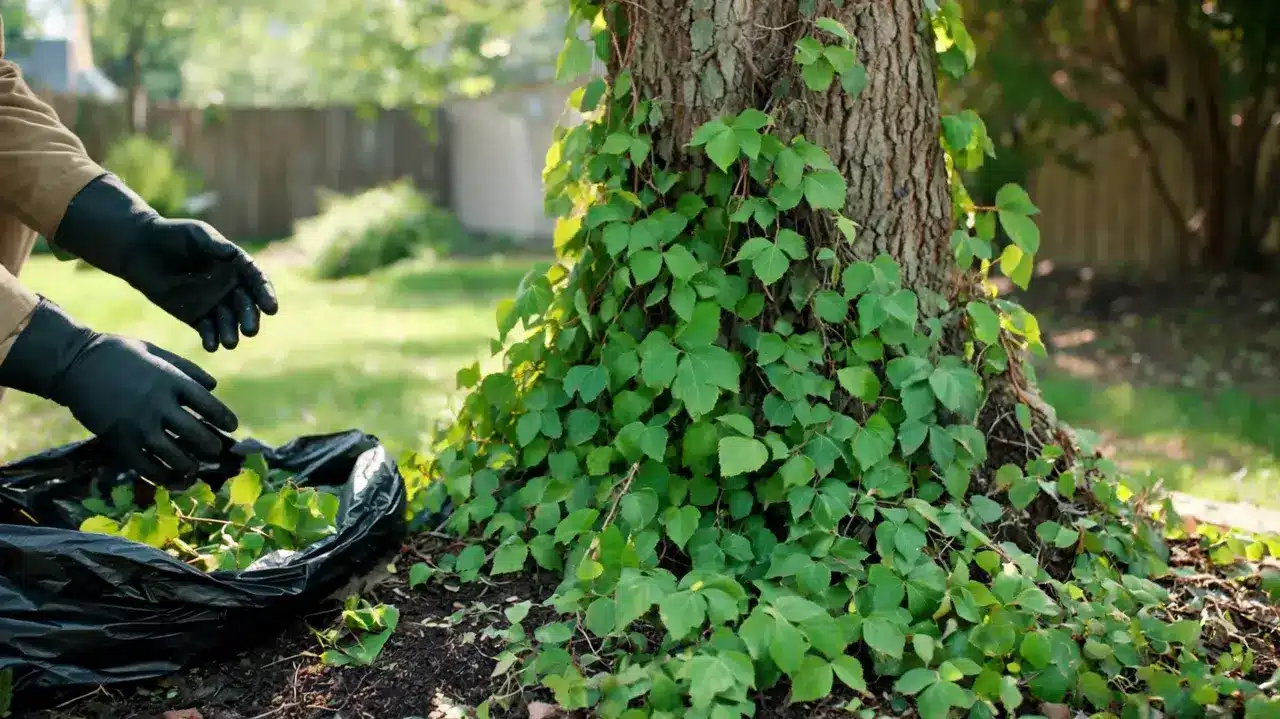
You should wear gloves when pruning, transplanting, or doing heavy garden work with hydrangeas. Gloves protect against sap exposure and prevent you from accidentally touching your face or mouth with residue on your hands. Kids who play near hydrangeas don’t need gloves for brief contact, but teach them to wash hands before eating. If you notice any skin reaction after touching the plant, rinse the area with soap and water immediately.
Signs of Hydrangea Poisoning to Watch For
Knowing what to look for helps you act fast if someone or something eats hydrangea parts.
1. Early Symptoms
The first signs usually show up within 30 minutes to a few hours after ingestion. You’ll notice nausea, excessive drooling, or stomach discomfort. Pets might paw at their mouths or refuse food. Kids often complain their tummy hurts or they feel like throwing up.
Vomiting and diarrhea follow shortly after as the body tries to expel the toxins.
2. Mild vs. More Serious Signs
Mild cases stop at digestive upset. Your pet vomits once or twice, then recovers. A child might have diarrhea for a few hours before bouncing back. More serious poisoning brings different symptoms.
Watch for lethargy, weakness, or difficulty standing. Rapid breathing, increased heart rate, or confusion signal that toxins are affecting more than just the stomach. Seizures or collapse are rare but indicate severe exposure requiring immediate help.
Most reactions start within two to four hours. The faster symptoms appear, the more plant material was likely consumed.
What to Do If Someone Eats a Hydrangea

Quick action matters when hydrangea poisoning happens. Here’s exactly what you should do.
What to Do Right Away
Remove any plant material still in the person’s or pet’s mouth. Don’t wait to see if symptoms develop. For humans, rinse the mouth with water and have them spit it out. Don’t induce vomiting unless a medical professional tells you to. For pets, gently open their mouth and remove visible pieces, then offer small amounts of water.
When to Call Poison Control
Call poison control immediately if a child or adult swallows hydrangea parts. The number is 1-800-222-1222 in the US. They’ll assess the situation based on the amount consumed, the time elapsed, and the symptoms present. Don’t wait for severe symptoms to appear before calling.
When to Contact a Vet or Doctor
Contact your vet right away if your pet ate hydrangeas, even if they seem fine. For humans, head to urgent care or the ER if you see breathing problems, seizures, rapid heart rate, or severe vomiting.
What Not to Do
Don’t give milk or food to neutralize toxins. Don’t induce vomiting without professional guidance.
Hydrangeas and Other Common Toxic Plants
Hydrangeas aren’t the only popular landscaping choice that poses risks. If you’re evaluating plant safety, you should know which other common varieties carry similar dangers.
| Plant | Toxic To | Most Dangerous Parts | Common Symptoms |
|---|---|---|---|
| Azalea | Dogs, cats, humans | Leaves, flowers | Vomiting, diarrhea, drooling, weakness |
| Oleander | Dogs, cats, humans | All parts | Heart problems, tremors, collapse |
| Lily | Cats (highly toxic) | All parts | Kidney failure, lethargy, vomiting |
| Sago Palm | Dogs, cats, humans | Seeds, roots | Liver failure, seizures, death |
| Daffodil | Dogs, cats, humans | Bulbs | Vomiting, diarrhea, tremors |
| Foxglove | Dogs, cats, humans | All parts | Heart arrhythmia, collapse |
| Lily of the Valley | Dogs, cats, humans | All parts | Heart issues, vomiting, confusion |
This isn’t a complete list, but these plants show up in yards and homes frequently. Knowing what’s around you helps you make smarter decisions about where pets and kids play.
Should You Remove Hydrangeas From Your Yard?
You don’t need to rip out every hydrangea just because they’re toxic. I still have them in my yard, and so do millions of other gardeners who take simple precautions.
Remove hydrangeas if you have toddlers who put everything in their mouths or pets who constantly chew on plants. The risk isn’t worth beautiful blooms when supervision becomes impossible. Transplant them to a less accessible area or choose safer alternatives instead.
Keep hydrangeas if you can create barriers. Fencing off garden beds, planting them in raised areas kids and pets can’t reach, or using them as background plants away from play zones all work. Teach older children which plants are off-limits and supervise younger ones during outdoor time.
You know your household best. If your dog ignores plants and your kids are past the exploratory phase, hydrangeas probably aren’t a threat. But if you’re constantly worried or dealing with curious nibblers, safer plants bring more peace of mind.
Conclusion
I used to worry every time my pets wandered near my hydrangeas, but now I know the real risk comes from ingestion, not just proximity. Are hydrangeas poisonous?
Yes, but that doesn’t mean you need to panic or eliminate every plant from your yard. Understanding which parts are most toxic, recognizing early symptoms, and taking smart precautions makes all the difference.
You can enjoy beautiful blooms while keeping your family and pets safe. Position plants strategically, supervise curious kids and animals, and know what to do if someone takes a nibble. Plant safety is about informed choices that protect the ones you love.
Your outdoor space should bring joy, not stress. If you’re rethinking your garden setup or want more plant safety insights, check out other blogs for practical advice on creating a beautiful, worry-free yard!