Planting onions sounds simple. Put them in the ground and wait. That’s how most advice frames it, and that’s why so many gardens end up with skinny bulbs or nothing but leaves.
The real issue is not effort. It’s timing, placement, and early conditions working together. Miss one piece and the plant still grows, just not the way you expect.
In this guide, I’ll walk through planting onions from the ground up. Not shortcuts. Not hype. Just how the plant actually behaves and what it needs at planting time so the rest of the season has a chance to work.
When Should Onions Be Planted to Grow Properly
Onions are built for cool starts. They need to settle in while the soil is still cold, before spring really warms up.
Early planting matters because onions spend their first phase building leaves, not bulbs. Those leaves act like solar panels later. The healthier leaf growth they make early, the more energy they can store for bulbing. Cool soil slows stress and keeps growth steady.
If onions go into warm soil too late, they rush leaf growth. That sounds good, but it backfires. The plant never builds enough structure to support large bulbs later. You get tall tops and small onions.
Plant too early and different problems show up. Frozen soil stalls roots. Repeated hard freezes can damage young plants before they establish. Onions tolerate cold, but they still need workable soil so roots can spread.
The sweet spot is simple:
- The ground can be worked.
- Soil is cool, not frozen.
- Air temperatures still dip low at night.
That early window gives onions time to build strength before bulbing ever starts.
Where Onions Grow Best Once Planted
Onions care more about sun and airflow than protection.
Full sun is non-negotiable. Sunlight drives leaf growth, and each leaf turns into a layer of the bulb. Less sun means fewer leaves. Fewer leaves mean smaller onions, even when everything else looks right.
Soil drainage matters just as much. Onion roots stay shallow and react fast to stress. When soil stays wet, roots can’t breathe. Growth slows. Leaves yellow. Rot shows up near the base.
Raised beds often give better results. Water drains faster. Soil warms earlier in spring. The ground stays loose. None of this changes how onions grow, but it makes good growing conditions easier to keep consistent.
Flat ground can work too. The key is avoiding low spots where water pools or soil compacts. Onions might survive there, but surviving isn’t the same as producing strong, full bulbs.
What Soil Conditions Do Onions Need at Planting Time
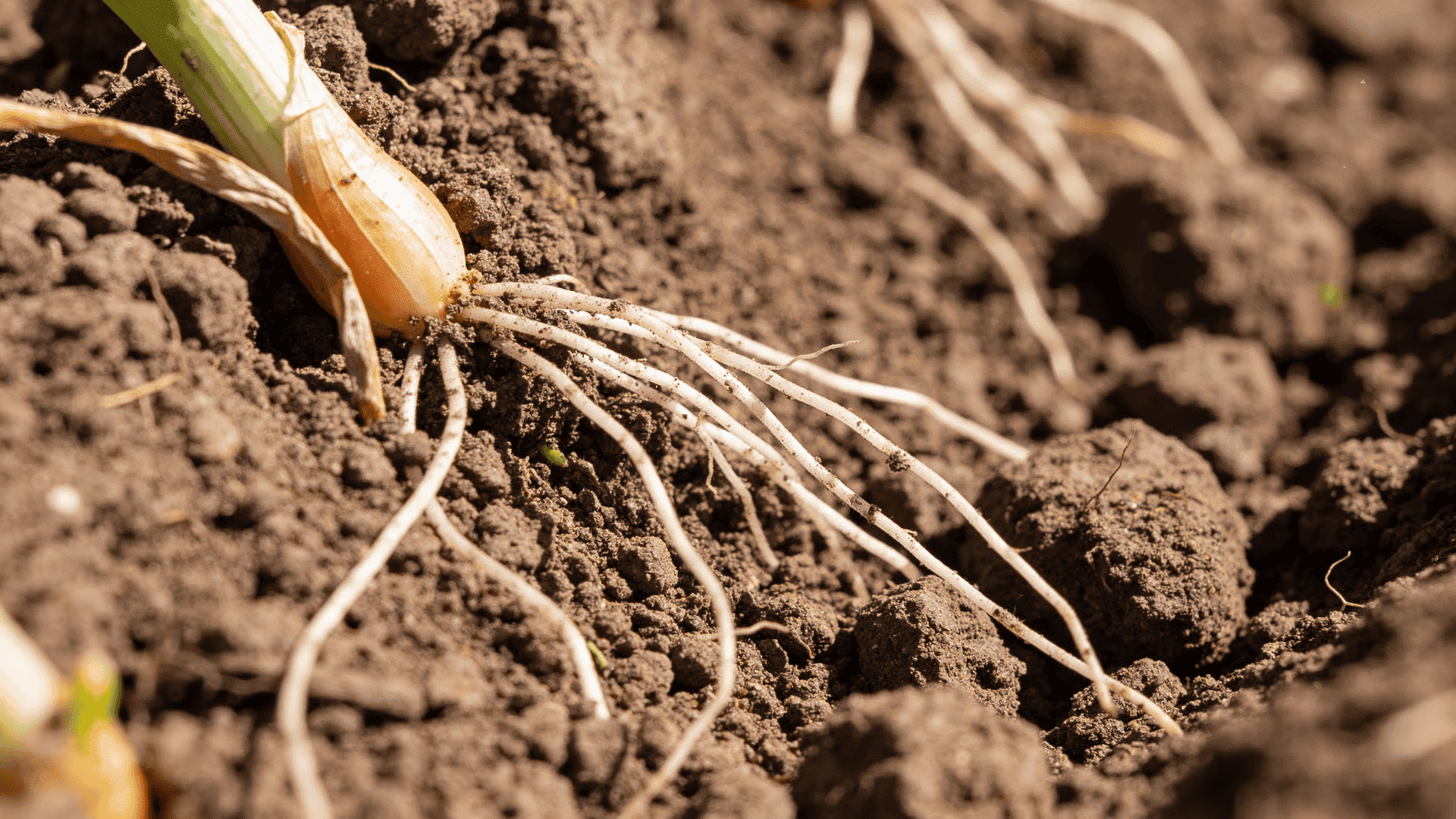
At planting time, onions respond to soil structure first, not heavy feeding. Early conditions shape how roots form and how well bulbs size up later.
- Soil structure: Loose, crumbly soil lets roots spread outward and downward early, setting the foundation for steady water uptake and balanced growth through the season.
- Compaction: Packed soil restricts root movement, keeping roots shallow and weak, which limits access to moisture and nutrients once the plant enters active growth.
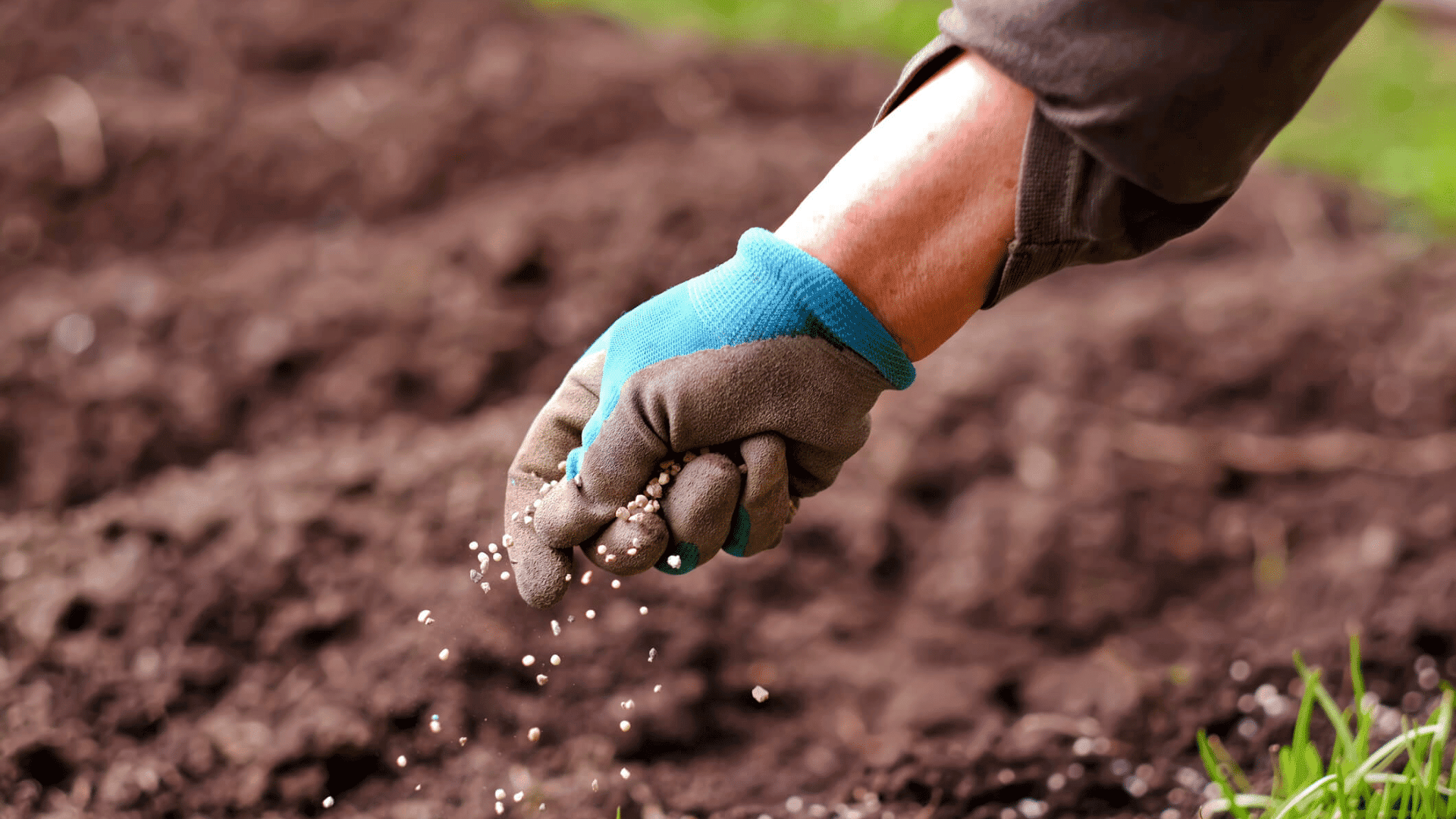
- Fertility at planting: Too much fertilizer pushes fast leaf growth before roots develop, creating top-heavy plants that stall later when bulb formation should begin.
- Drainage and oxygen: Wet soil blocks oxygen around shallow roots, slowing growth early and triggering stress responses that permanently reduce final bulb size.
- Soil pH: Slightly acidic to neutral soil keeps nutrients available as roots form, while extreme pH slows early development during the most time-sensitive stage.
Get structure and drainage right first. When roots start strong, onions stay steady, grow evenly, and size up without fighting the soil.
How Deep and How Far Apart to Plant Onions
Depth and spacing control bulb size more than later care or timing. If onions start cramped or buried wrong, they never fully recover.
Onions bulb by expanding outward, not downward. They need space from the start. When planted too close, bulbs press into each other. Growth slows. You may harvest more onions, but every one stays small.
Planting depth causes different problems depending on the mistake:
- Too deep: The bulb forms below the soil line and can’t expand freely. Necks stay thick, maturity slows, and bulbs often fail to size properly.
- Too shallow: Roots stay exposed and unstable. Plants tip over, moisture fluctuates, and growth becomes uneven across the bed.
Spacing affects roots as much as bulbs. Onion roots spread wider than most people expect. When plants are crowded, competition starts early. Each plant stores less energy before bulbing begins, and final size suffers.
The goal is balance, not density. Give each onion enough room to expand. Plant shallow enough for bulbs to rise above the soil line naturally. That’s where size comes from.
How to Grow Onions Based on What You’re Starting With
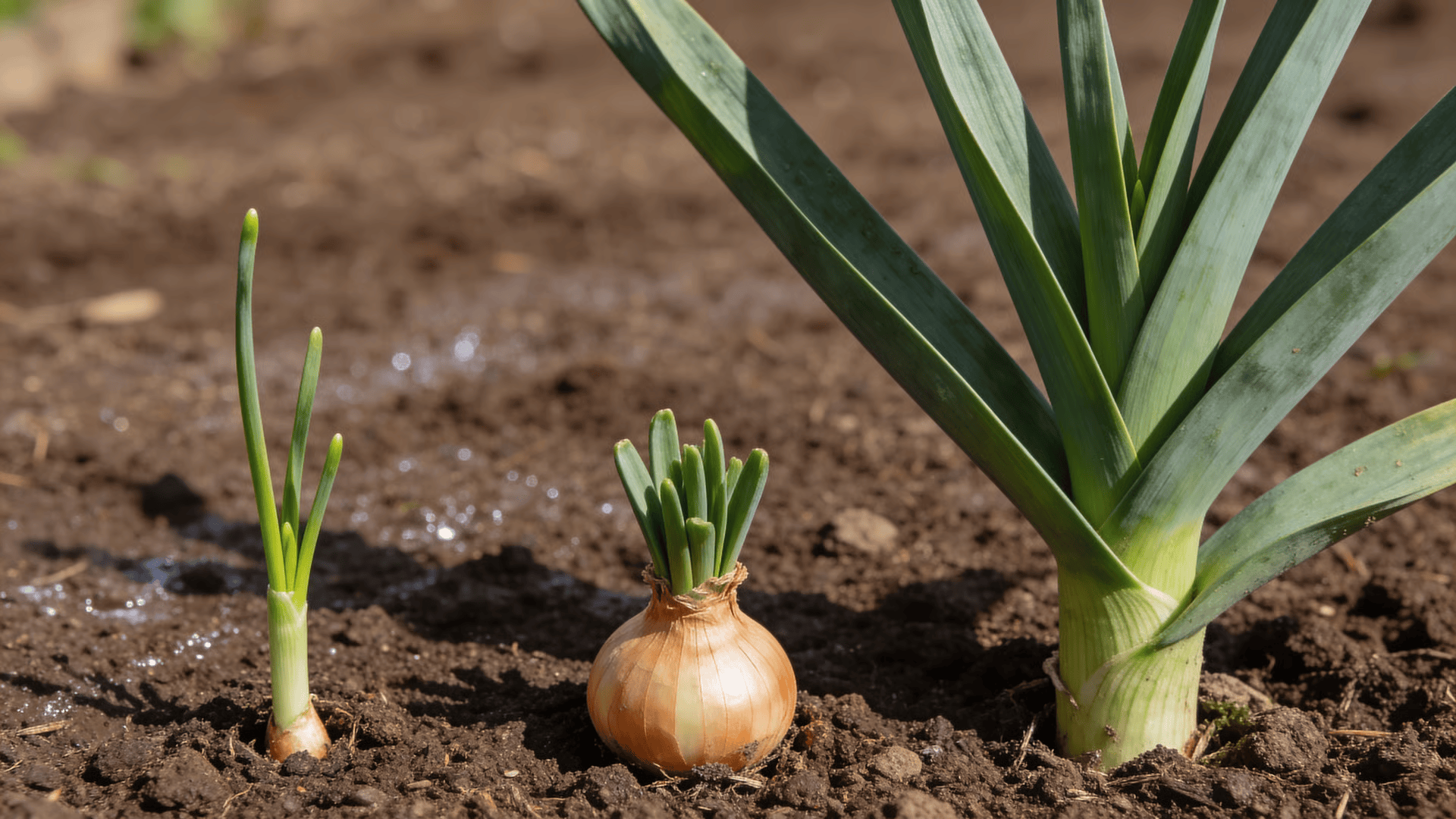
Not all onions start the same, and they do not behave the same once planted.
1. Planting Onion Seeds
Onion seeds reward patience and consistency. Early growth looks slow, but that’s how strong onions start.
- Expect slow starts: Early energy goes into roots and fine leaves, not height or thickness, and that early investment supports steadier bulbing later.
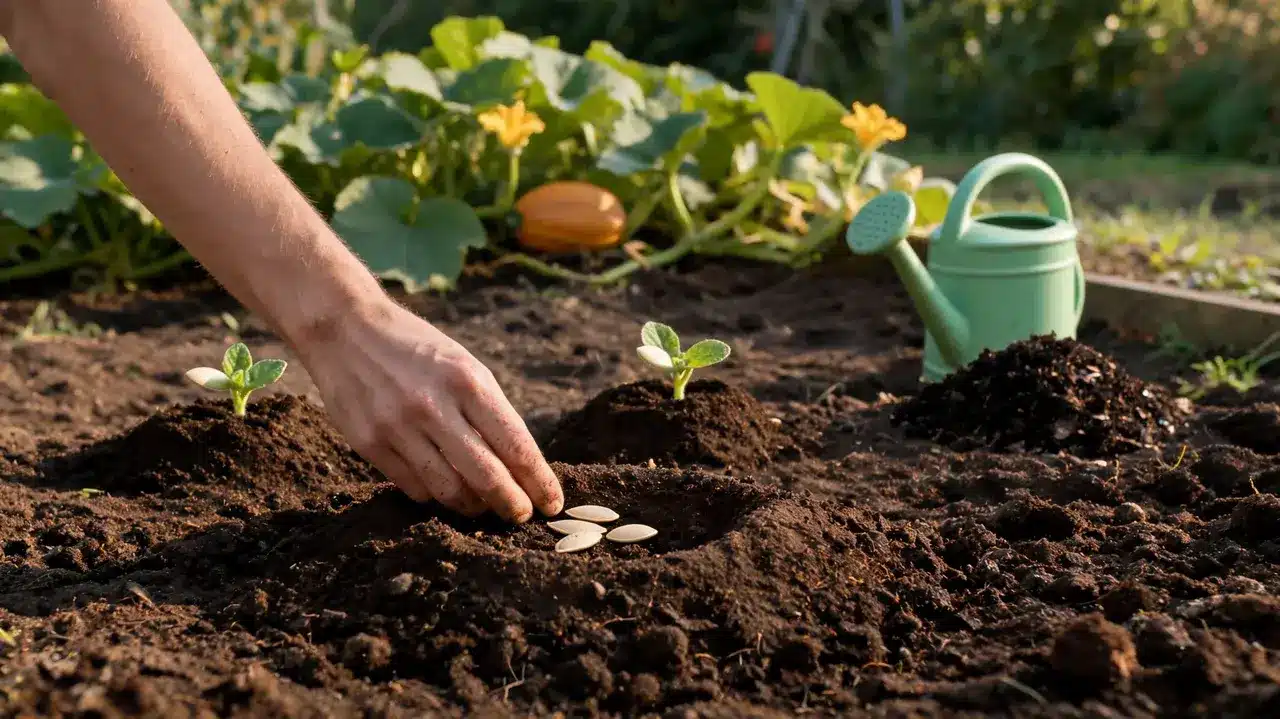
- Plant shallow: Seeds should sit just below the surface so light, warmth, and oxygen support even germination and early leaf formation.
- Keep moisture steady: Letting soil dry out during early growth sets seedlings back and delays bulb development later in the season.
- Thin early: Crowded seedlings compete fast, and that early competition limits how much each plant can size up later.
Seeds take time, but they usually produce the most predictable bulb size when given enough space and a steady start.
2. Planting Onion Sets
Sets grow fast, but they come with tradeoffs you need to manage.
- Choose small sets: Smaller sets bolt less often and put more energy into bulb growth instead of flowering.
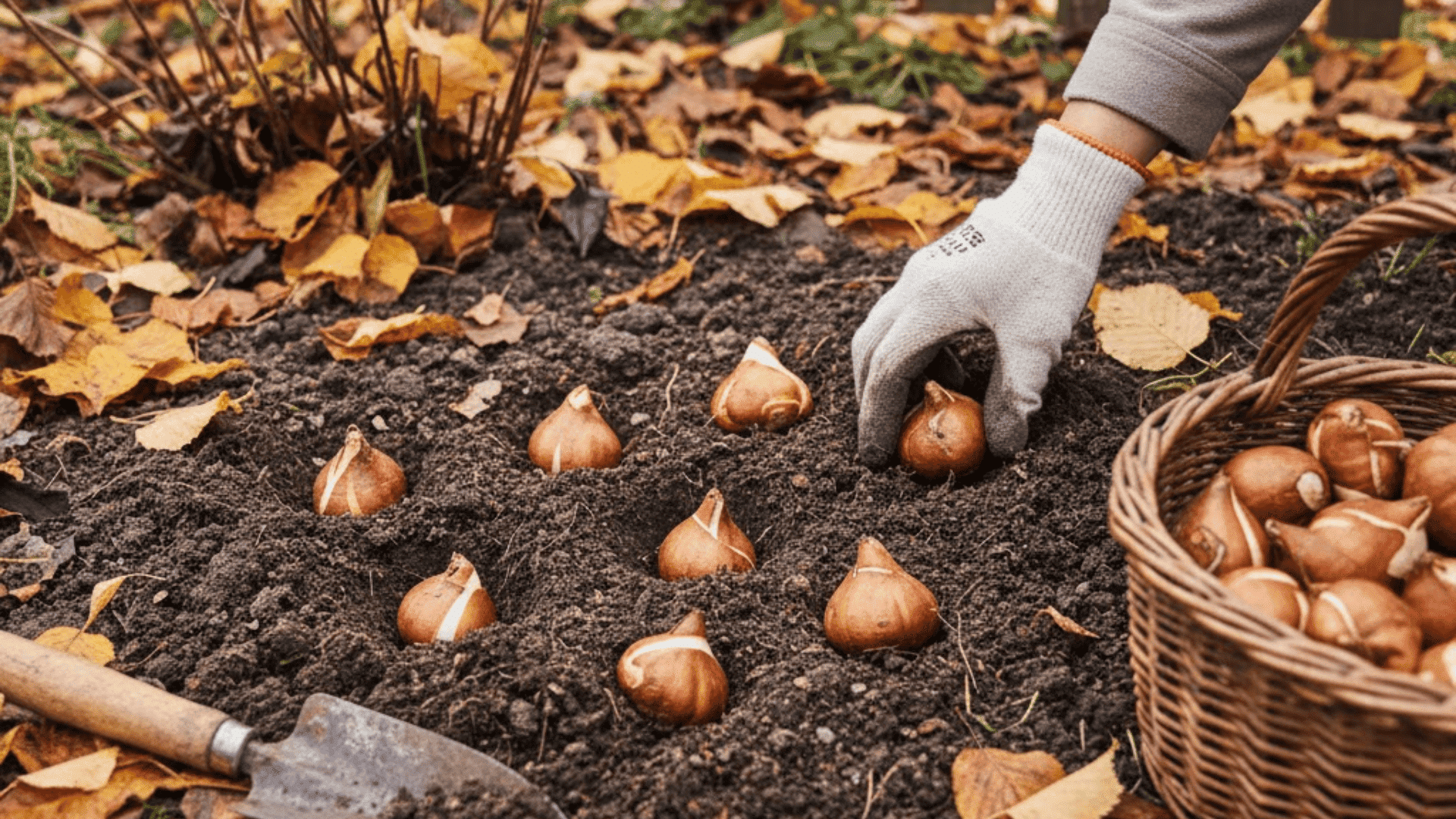
- Plant shallow: Sets should sit with the tip just above the soil line so the bulb can expand upward without restriction.
- Avoid stress: Cold snaps or uneven watering increase the chance of bolting, which stops bulb growth completely.
- Watch for flower stalks: If bolting starts, the onion will never size well and should be harvested early.
Sets are convenient and quick, but they offer less consistency and more risk than seeds or transplants.
3. Planting Onion Transplants
Transplants offer the most controlled start when handled correctly.
- Match original depth: Plant transplants at the same depth they grew before to avoid slowing growth or stressing roots.
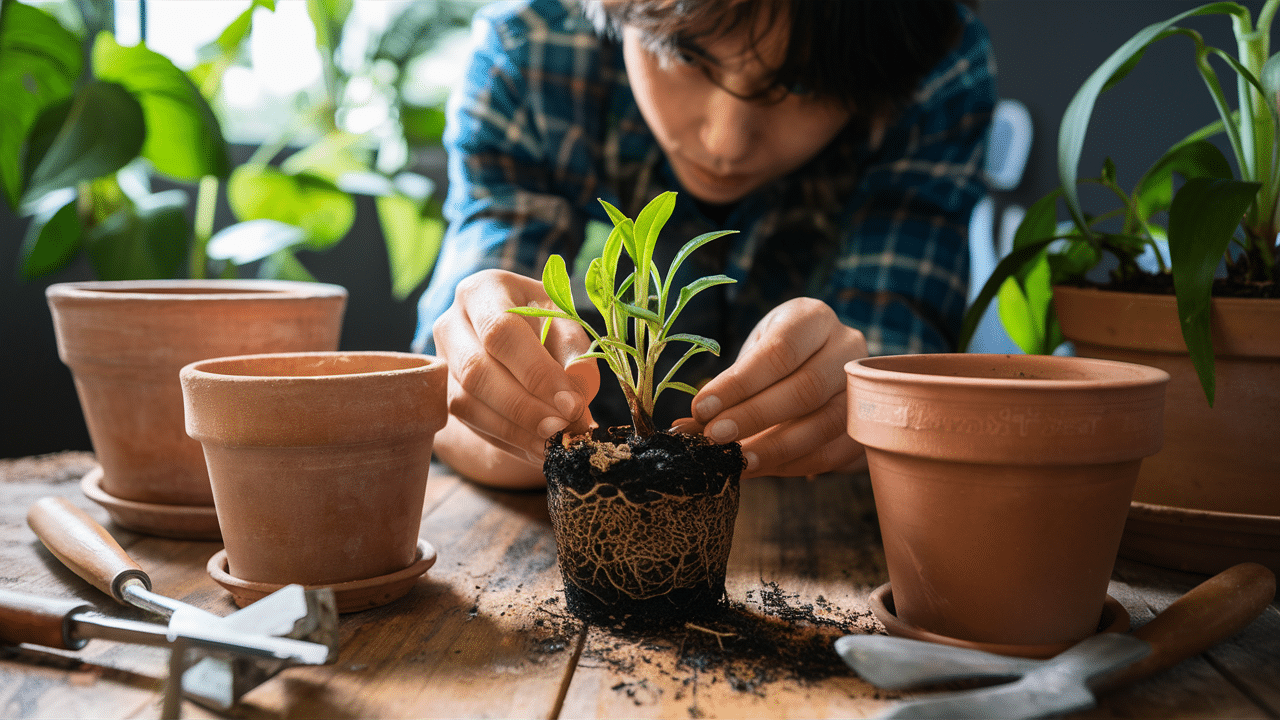
- Protect the roots: Gentle handling matters more than speed, since damaged roots delay establishment.
- Firm soil lightly: Good soil contact helps roots settle without compacting the surrounding area.
- Water immediately: Early moisture helps roots reconnect with soil and reduces transplant shock.
Transplants skip the fragile stage and usually size up evenly when planted carefully.
No matter which method you choose, success comes from strong early roots, correct depth, and enough space. Get those right, and the rest of the season becomes much easier
Can Onions Be Planted in Containers or Buckets
Containers change space, not biology.
Onion roots still need depth to anchor and spread. Shallow containers dry out too fast and restrict root movement.
Drainage matters even more in pots. Waterlogged containers suffocate roots quickly because there is nowhere for excess moisture to go.
Spacing limits are strict. A five-gallon bucket cannot hold many full-size onions without crowding. Fewer plants grow better bulbs. More plants compete and stall.
Container onions can grow just as well as ground-grown ones if root space and drainage are respected.
What to Expect Right After Planting Onions
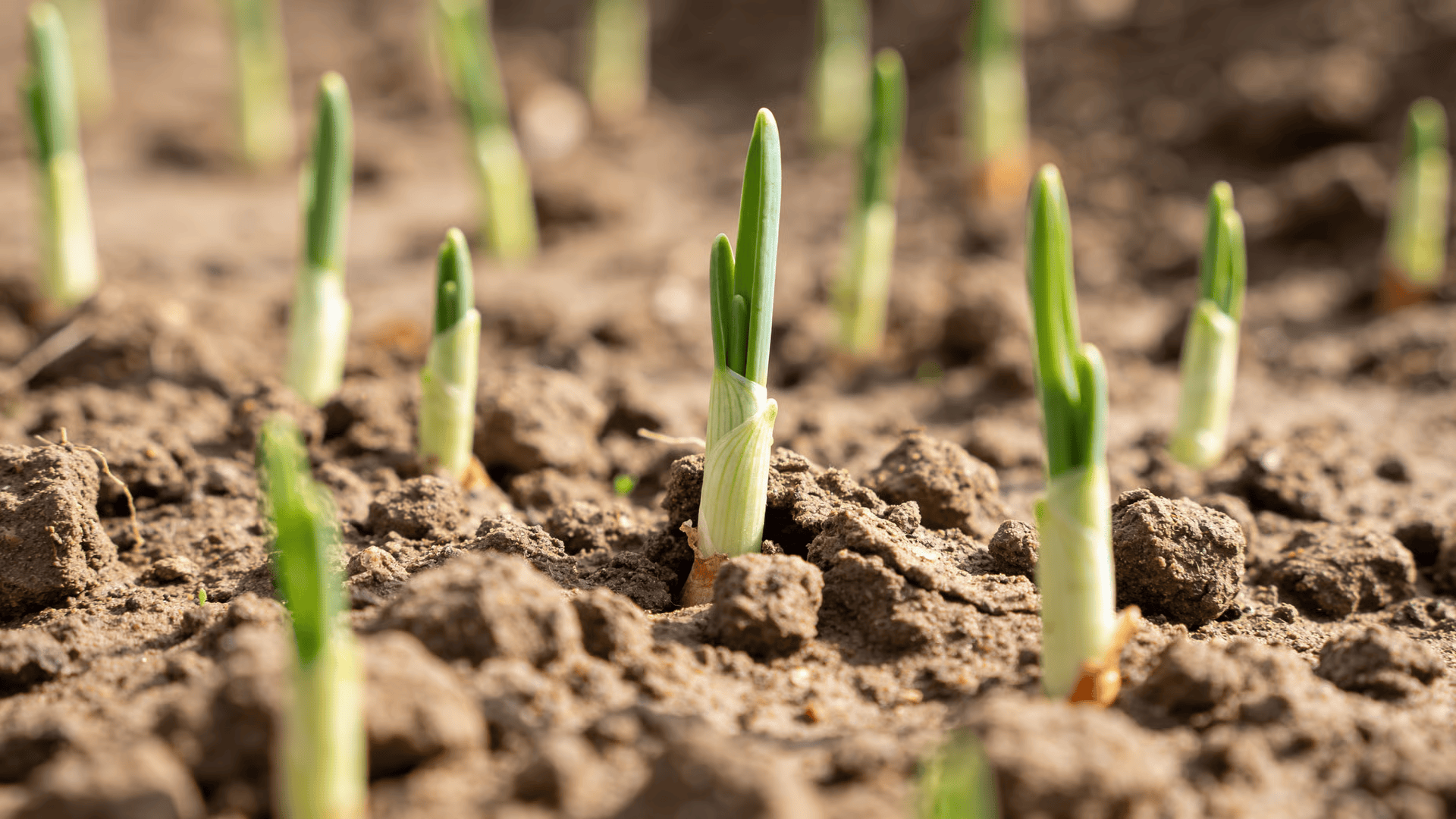
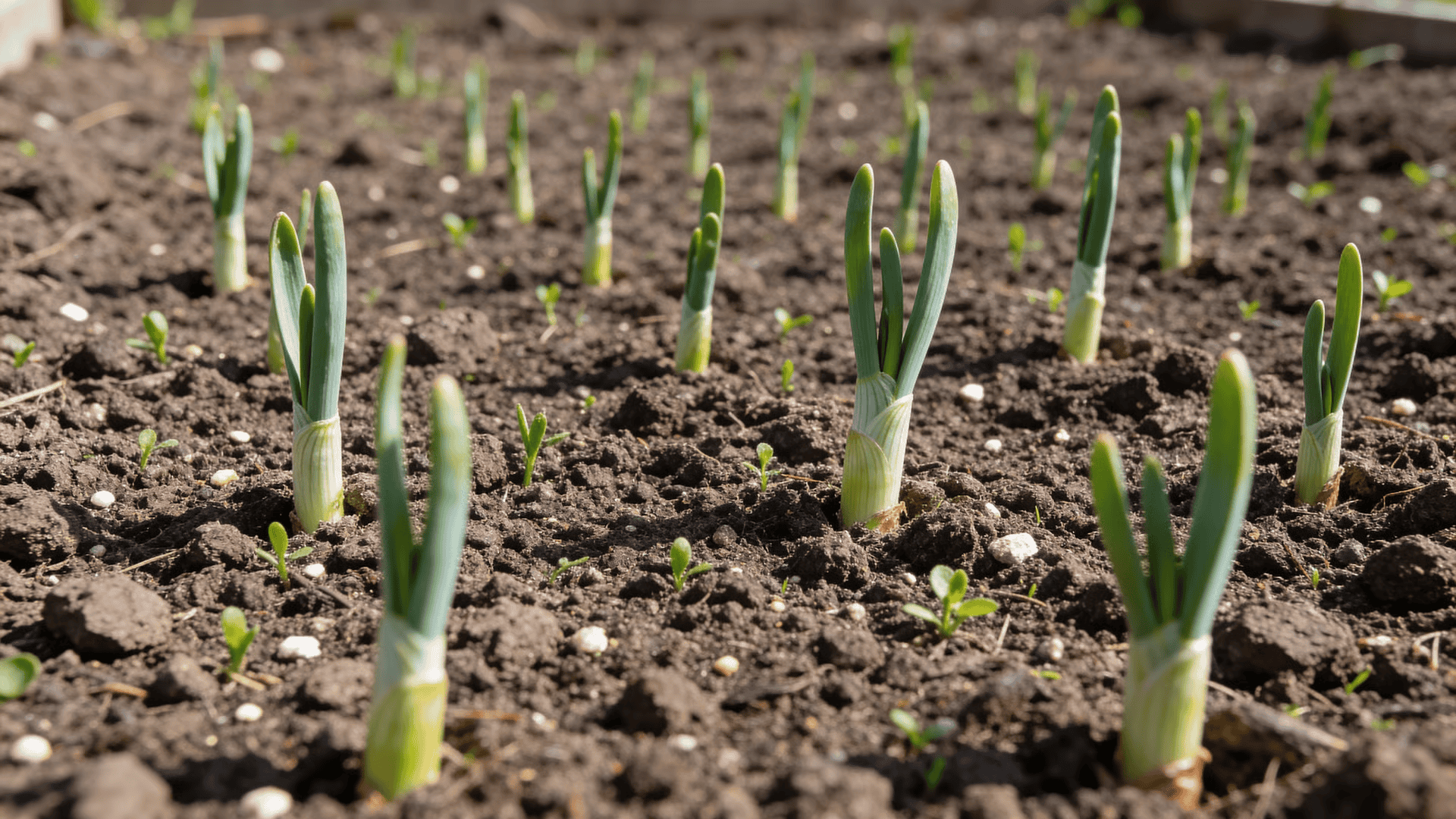
Early growth looks underwhelming. That is normal.
Early onion growth often looks unimpressive. That’s normal.
Leaves emerge slowly because the plant is focused on root development first. Most of the early work happens below the soil line.
Cold spells can pause growth. When temperatures level out, growth resumes. That early stop-and-start pattern is expected.
What to Watch For:
Not all slow growth is a problem, but some signs matter:
- Wilting that does not recover after watering
- Soft or mushy bases near the soil line
- Yellowing that spreads quickly across leaves
These usually point to water stress or planting damage, not lack of nutrients.
Early Aftercare that Helps:
A little restraint goes a long way right after planting:
- Water lightly but consistently: Keep soil damp, not wet, while roots establish. Avoid soaking the bed or container.
- Avoid fertilizer early: Feeding too soon pushes leaves before roots are ready, which can stall growth later.
- Keep soil loose: Do not press soil down around plants. Roots need air as much as moisture.
- Protect from extremes: Use light mulch or row cover if temperatures swing hard, especially for seedlings and transplants.
Slow does not mean failing. Onions reward patience early and punish panic.
Wrapping Up
Planting onions works best when early decisions are intentional and calm. Site choice, soil structure, depth, spacing, and planting method all shape outcomes long before bulbs begin to swell.
Containers, beds, or open ground can all succeed when roots have room, drainage stays consistent, and stress stays low. The biggest advantage comes from resisting early interference and letting plants establish at their own pace.
In my experience, most problems trace back to rushing fixes instead of reading signals. Planting onions is less about force and more about alignment. Set conditions once, then observe.
Start your next planting with these principles in mind, apply them carefully, and give your onions the space and time to finish strong.