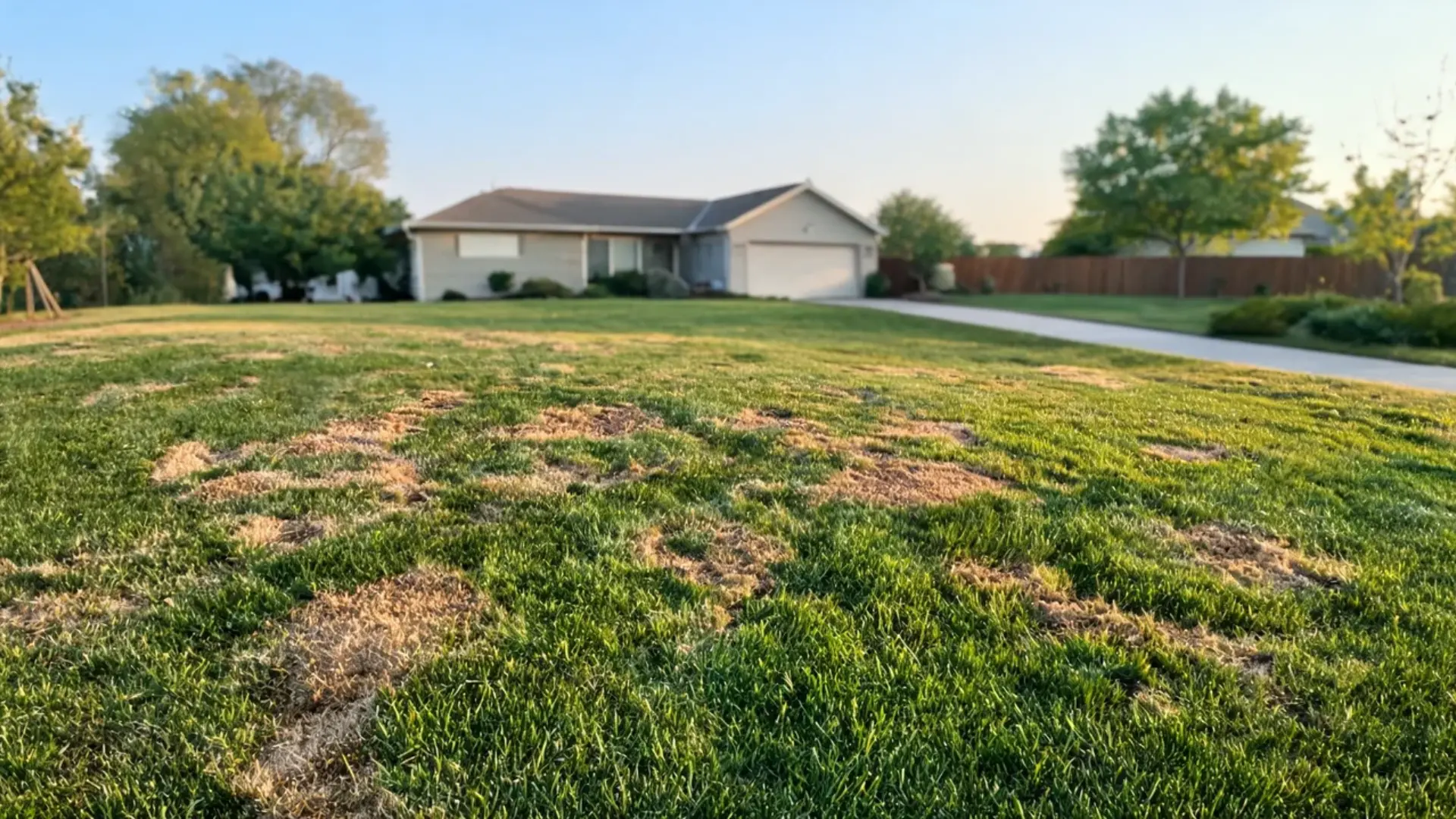
You step into your garden at dawn, coffee in hand, ready to admire your thriving vegetables and blooms. Instead, you find trails of silvery slime winding across your lettuce, and holes nibbled through your prized hostas.
Those sneaky slugs have been hosting midnight feasts in your carefully tended beds, and it’s time to reclaim your garden without reaching for harsh chemicals.
For eco-conscious gardeners who want to protect both their plants and the planet, natural slug control offers a gentle yet effective solution.
These slimy visitors can decimate entire crops overnight, but there are effective ways to keep them at bay without disrupting your garden’s natural balance.
Ready to send these uninvited guests packing using methods that Mother Nature herself would approve of?
Understanding Slugs: Behavior, Identifying Signs & Damage
Slugs are soft-bodied mollusks that absolutely adore the cool, moist environments gardens provide. They’re nocturnal feeders, which explains why you rarely catch them in action during sunny afternoons.
These garden gatecrashers thrive in damp soil, mulch, and shaded spots where they can hide from the heat.
Signs they’ve visited your garden:
- Silvery slime trails on leaves and soil
- Irregular holes in foliage, especially along leaf edges
- Seedlings completely vanished overnight
- Ragged damage on tender plant tissue
Slugs have particular favorites: hostas, lettuce, cabbage, strawberries, and young seedlings top their menu. Soft, succulent plants basically roll out the welcome mat for these hungry visitors.
Prevention: Making Your Garden Less Attractive to Slugs
The best defense against slugs starts with making your garden an uninviting place for them to settle.
A few simple adjustments to your gardening routine can dramatically reduce slug populations without any harsh interventions.
- Water your garden in the morning so the soil dries by evening, eliminating the damp conditions slugs crave for their nighttime activities.
- Clear away garden debris, fallen leaves, and dense mulch where slugs hide during the day, giving them fewer cozy spots to call home.
- Space plants generously to promote airflow and faster drying, creating an environment that’s less appealing to moisture-loving slugs.
- Plant slug-resistant herbs like rosemary, sage, and lavender as natural borders that these pests will naturally avoid.
These preventive steps work together to create a garden environment where slugs simply don’t want to stick around, saving you from battling infestations down the line.
Physical Barriers: Create Slug-Repelling Defenses
Creating physical barriers gives slugs a real obstacle course they’d rather avoid.
These methods work by making the path to your plants uncomfortable or downright impossible for these soft-bodied pests.
1. Diatomaceous Earth for Slugs
Diatomaceous earth consists of fossilized algae with microscopic, sharp edges that damage slug bodies as they crawl over it. Sprinkle a generous border around vulnerable plants, applying it on dry days for maximum effectiveness.
The main drawback is that rain washes away its power, so you’ll need to reapply after every watering or storm.
While it’s a popular organic option, keep in mind it also affects beneficial insects, so use it strategically rather than broadcasting it everywhere.
2. Copper Tape and Wire Barriers
Copper creates a mild electrical reaction when slugs touch it, sending them retreating in the opposite direction.
Wrap copper tape around pot rims or create borders around garden beds for reliable protection.
This method works in all weather conditions and lasts for years, making it a worthwhile investment for persistent slug problems.
3. Rough Texture Borders
Sharp materials like crushed eggshells, coarse sand, or gravel create an abrasive surface that slugs hate crossing.
Spread these materials in a wide band around plants, though be realistic about their effectiveness.
While they provide some deterrence, determined slugs will sometimes push through, especially after rain softens the barrier.
Traps & Removal Techniques
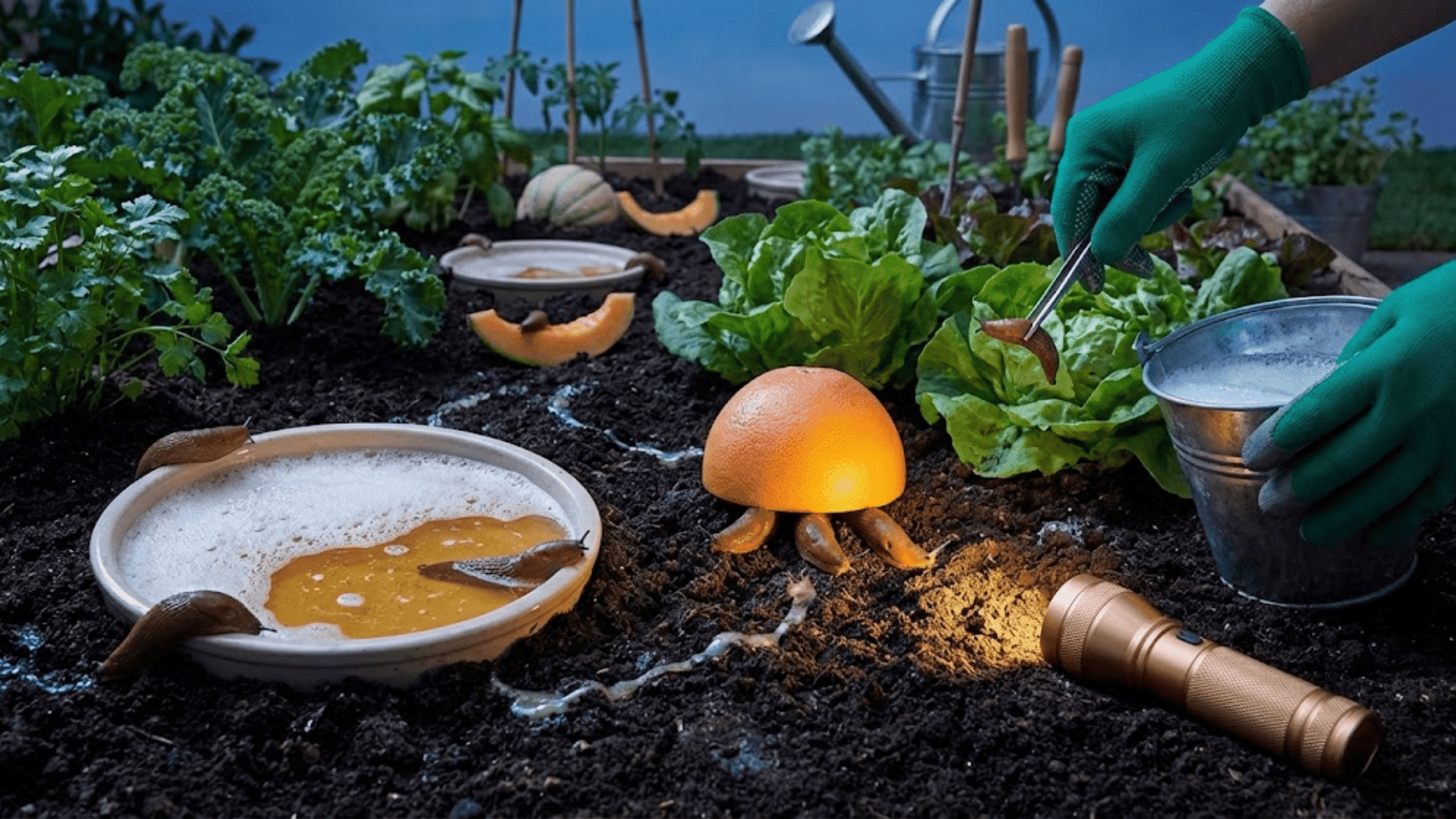
Sometimes the most effective approach is luring slugs into traps or removing them directly.
These hands-on methods let you tackle slug populations without chemicals while giving you control over the results.
4. Beer Traps
Slugs are irresistibly drawn to the yeast aroma in beer, making these traps surprisingly effective for slug control. The scent travels through your garden like a dinner bell, and slugs crawl in but can’t escape.
Setting up your beer trap:
- Step 1: Bury a shallow container so the rim sits at soil level, preventing beneficial beetles from falling in.
- Step 2: Fill it halfway with cheap beer (the yeast content matters more than the brand).
- Step 3: Place traps every few feet in problem areas, especially near vulnerable plants.
- Step 4: Check and refresh traps every two to three days, disposing of drowned slugs in your compost.
Keep traps away from areas where pets might drink from them, and position them where rain won’t dilute the beer too quickly.
5. Fruit Rind Traps
Hollowed citrus halves or melon rinds make perfect slug hideouts that double as collection stations. Place these rinds cut-side down in your garden beds before dusk, creating irresistible damp shelters.
Check them each morning, and you’ll find slugs clustered underneath, making removal incredibly easy.
Toss the collected slugs far from your garden or relocate them to wilder areas where they won’t damage cultivated plants.
6. Hand-Picking Slugs
The simplest method requires nothing but a flashlight and a bit of dedication. Head out after dark or at dawn when slugs are actively feeding, and you’ll spot them easily on leaves and stems.
Wear gloves if you’re squeamish, drop collected slugs into soapy water for quick dispatch, or relocate them far from your garden.
This method works best for small gardens and gives you immediate satisfaction seeing your slug population decrease with each nightly patrol.
Biological & Natural Controls
Nature has its own pest control squad ready to help you manage slugs.
By inviting the right allies into your garden, you can create a balanced ecosystem that keeps slug populations naturally in check.
7. Beneficial Predators and Biological Controls
Your garden can become a haven for slug-eating helpers with a few thoughtful additions. Ground beetles, frogs, toads, and birds are voracious slug predators that patrol your beds for free.
Create habitats like log piles, shallow water dishes, and dense groundcover to attract these allies. For a targeted approach, nematodes (Phasmarhabditis hermaphrodita) offer impressive biological control.
These microscopic worms infect slugs beneath the soil, providing weeks of protection after a single application mixed with water and sprayed on damp soil.
Homemade & Botanical Repellents
Sometimes the best slug deterrents are already sitting in your kitchen or garden shed.
These plant-based solutions create barriers and scents that send slugs searching for easier meals elsewhere.
8. Garlic Water Spray
The pungent compounds in garlic create an invisible shield that slugs find deeply off-putting. This spray works double duty by also deterring aphids and other soft-bodied pests.
Making this natural repellent takes just a few simple steps:
- Step 1: Crush five to six garlic cloves and steep them in a quart of water overnight.
- Step 2: Strain out the garlic pieces and pour the liquid into a spray bottle.
- Step 3: Spray directly on plants and surrounding soil during early morning or evening.
- Step 4: Reapply after rain or weekly during peak slug season for continued protection.
9. Coffee Grounds Barrier
Spent coffee grounds contain caffeine that’s toxic to slugs in concentrated amounts, plus the gritty texture creates an unpleasant surface for them to cross.
Sprinkle used grounds in a ring around susceptible plants, refreshing the barrier weekly.
Bonus: As the grounds decompose, they add nitrogen to your soil, feeding your plants while protecting them.
10. Essential Oil Repellent Spray
Strong-scented oils like rosemary, peppermint, and eucalyptus overwhelm slug sensory systems, sending them elsewhere.
Whip up this aromatic deterrent in minutes:
- Step 1: Add ten drops of essential oil to a spray bottle filled with two cups of water.
- Step 2: Add a small squirt of liquid soap to help the oil disperse evenly.
- Step 3: Shake well before each use and spray around plant bases and garden edges.
- Step 4: Reapply every few days or after heavy rain to maintain the aromatic boundary.
Combining Methods: Integrated Slug Management
No single slug control method works perfectly on its own, which is why smart gardeners layer multiple strategies for the best results.
Think of it as creating a comprehensive defense system where each technique reinforces the others.
| Strategy | Action | Timing | Benefit |
|---|---|---|---|
| Layer Multiple Methods | Combine traps, barriers, and repellents | Year-round | Overlapping protection |
| Rotate Techniques | Switch sprays and trap locations monthly | Every 4-6 weeks | Prevents adaptation |
| Seasonal Adjustments | Intensify efforts during wet periods | Spring and fall | Matches peak activity |
| Monitor Regularly | Check for damage and slime trails | Weekly | Early problem detection |
| Habitat Control | Clear debris and space plants well | Ongoing | Reduces populations |
The most successful slug management happens when you treat it as an ongoing garden practice rather than a one-time fix, adjusting your approach based on what you observe working in your unique space.
Slug Control: Common Myths & Mistakes
Slug control advice floats around garden circles, but not all of it holds up under scrutiny.
Separating fact from fiction helps you avoid wasting time on methods that don’t work or accidentally harming your garden’s helpful inhabitants.
Myth 1: Eggshells alone will stop slugs in their tracks.
While the sharp edges sound logical, determined slugs often crawl right over crushed eggshells, especially after rain softens them. They work best as part of a layered approach rather than a standalone solution.
Myth 2: Salt is a safe and effective slug killer.
Salt does kill slugs on contact, but it also damages soil, harms plants, and can affect beneficial organisms. This method creates more problems than it solves and should be avoided entirely in garden beds.
Myth 3: Chemical slug pellets are necessary for serious infestations.
Metaldehyde-based pellets poison birds, hedgehogs, pets, and beneficial insects that eat poisoned slugs. Natural methods, used strategically, manage heavy slug pressure without damaging your garden’s ecosystem.
Seasonal Slug Control Checklist
Slug activity shifts throughout the year, and timing your control methods to match these patterns makes all the difference.
Use this seasonal guide to stay one step ahead of slug problems before they escalate.
| Season | Tasks | Why |
|---|---|---|
| Spring | Apply nematodes, set traps, install barriers | Peak breeding season |
| Summer | Hand-pick at dawn, refresh sprays, water mornings | Protect tender growth |
| Fall | Clear debris, increase traps, final nematode application | Second activity peak |
| Winter | Plan layout, order supplies, build predator habitats | Prepare for next year |
Staying consistent with seasonal tasks means you’ll face fewer slug problems overall, rather than scrambling to control infestations once they’re established.
Resources & Tools for Eco-Conscious Gardeners
Equipping yourself with quality organic supplies makes slug control easier and more effective. Look for food-grade diatomaceous earth at garden centers or online retailers, ensuring it’s safe for use around edibles.
Beneficial nematodes (Phasmarhabditis hermaphrodita) are available from specialty suppliers like Arbico Organics or Gardens Alive.
Copper tape and wire can be found at most hardware stores or garden supply shops.
For deeper guidance on organic gardening practices, check out resources from the Rodale Institute and your local cooperative extension office, which offers region-specific advice tailored to your climate and soil conditions.
The Bottom Line
Your garden deserves protection that works with nature, not against it. These organic slug control methods prove you don’t need harsh chemicals to reclaim your beds from slimy invaders.
Start with one or two techniques that fit your gardening style, then build from there as you see what works best in your space.
Layer prevention with active removal, welcome helpful predators, and stay consistent with seasonal maintenance for lasting results.
Have you tried any of these natural approaches, or do you have a slug-fighting trick that’s worked wonders for you? Drop a comment below and share your experience with fellow gardeners navigating the same challenge.