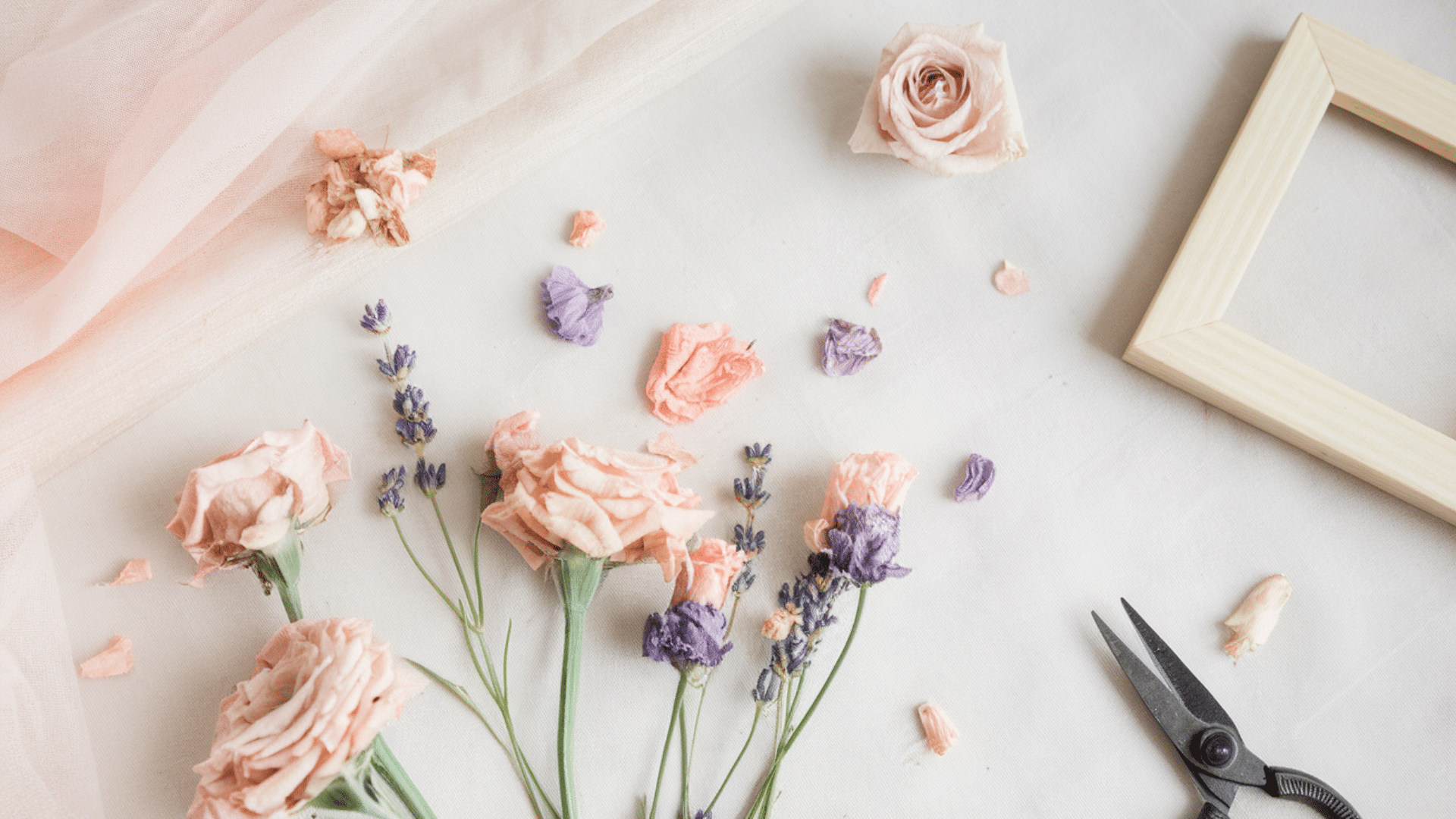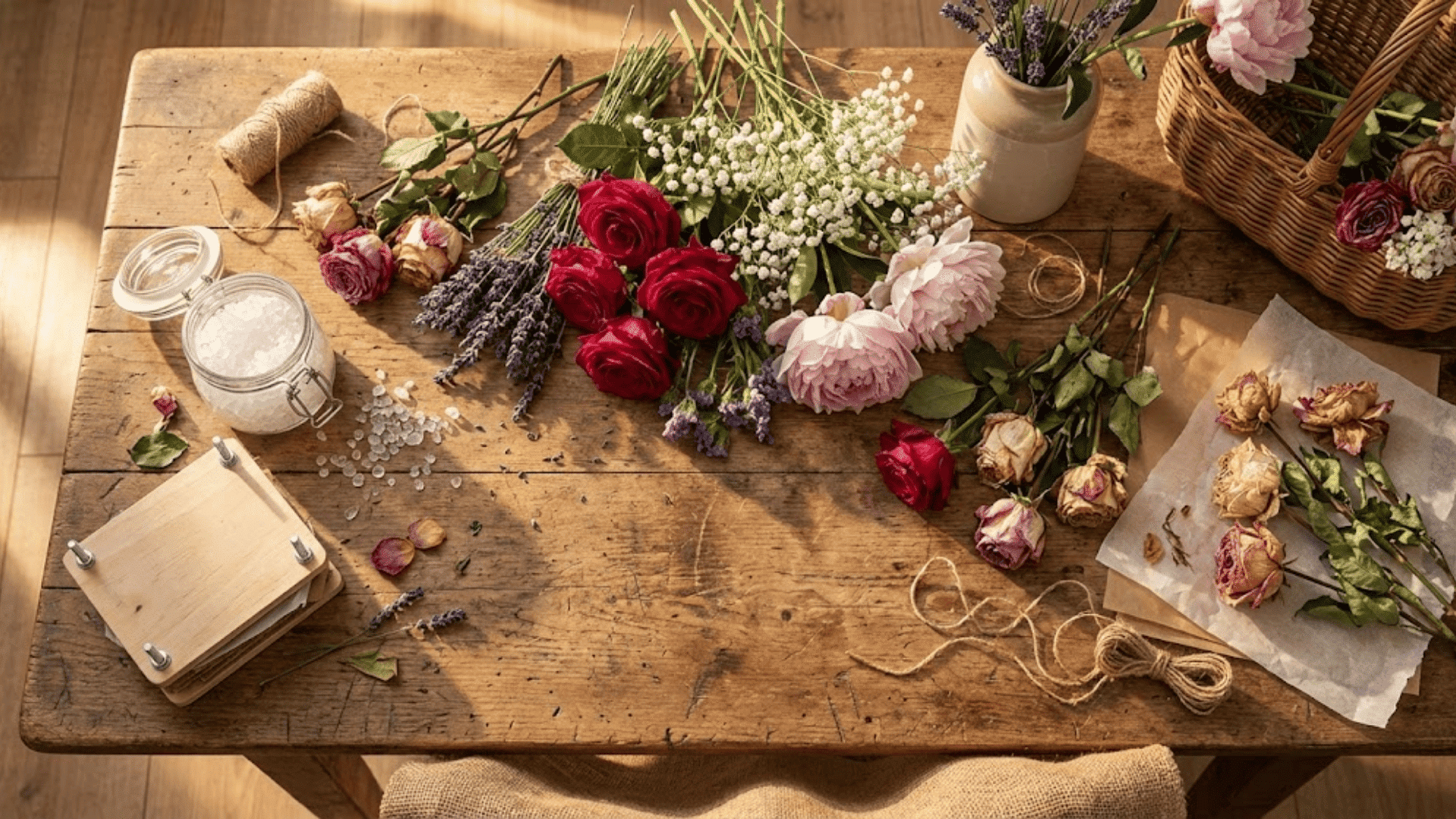
There’s a thrill in preserving flowers at their peak, especially when you’ve received a bouquet, stumbled upon wildflowers during a weekend walk, or are racing against the clock to create something special for an upcoming event.
Traditional drying methods ask for patience you might not have, leaving stems hanging for weeks while petals fade and curl.
Quick-drying techniques change everything. They lock in color, texture, and shape in days rather than weeks, giving you faster results without sacrificing beauty.
Crafters working on their next project, content creators styling fresh shoots, or anyone who loves bringing nature indoors will find these methods open up plenty of creative possibilities while flowers still hold their vibrancy.
What You Should Know Before Drying Flowers?
Before you start, know that not all flowers dry at the same speed. Roses, lavender, and baby’s breath respond beautifully to quick methods, while thicker blooms like peonies need more time.
The condition of your flowers matters just as much. Fresh flowers hold their color best, though slightly wilted ones can still work if you move quickly.
Speed plays a bigger role than you might think.
Quick-drying techniques lock in vibrancy and shape far better than slow air-drying, which tends to leave petals faded and brittle.
To get started, gather a few essentials: silica gel, a microwave, parchment paper, or a flower press, depending on your chosen method.
These fundamentals make all the difference.
How Do You Dry Flowers?
Speed matters when you want to preserve flowers at their best. These methods range from minutes to just a few days, each offering different results depending on your timeline and the look you’re after.
1. Microwave Drying
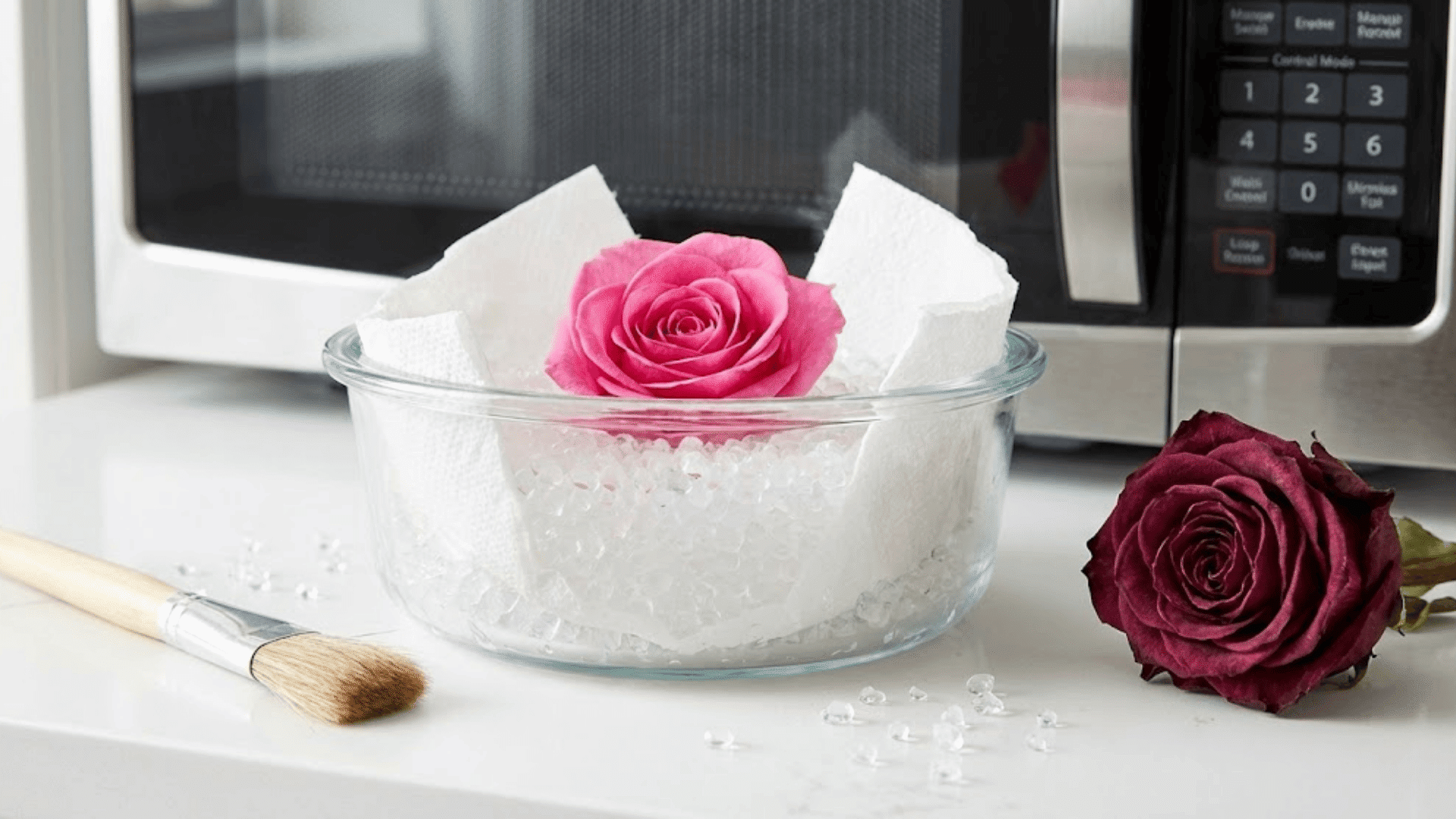
This is hands down the quickest way to dry flowers, taking just two to three minutes. It works best with sturdy blooms like roses, zinnias, and daisies that can handle heat without disintegrating.
- Step 1: Place flowers between two paper towels in a microwave-safe container with silica gel.
- Step 2: Microwave in 30-second intervals on medium power, checking after each burst.
- Step 3: Let flowers cool completely in the container before removing.
- Step 4: Brush off excess silica gently with a soft paintbrush.
2. Silica Gel Drying
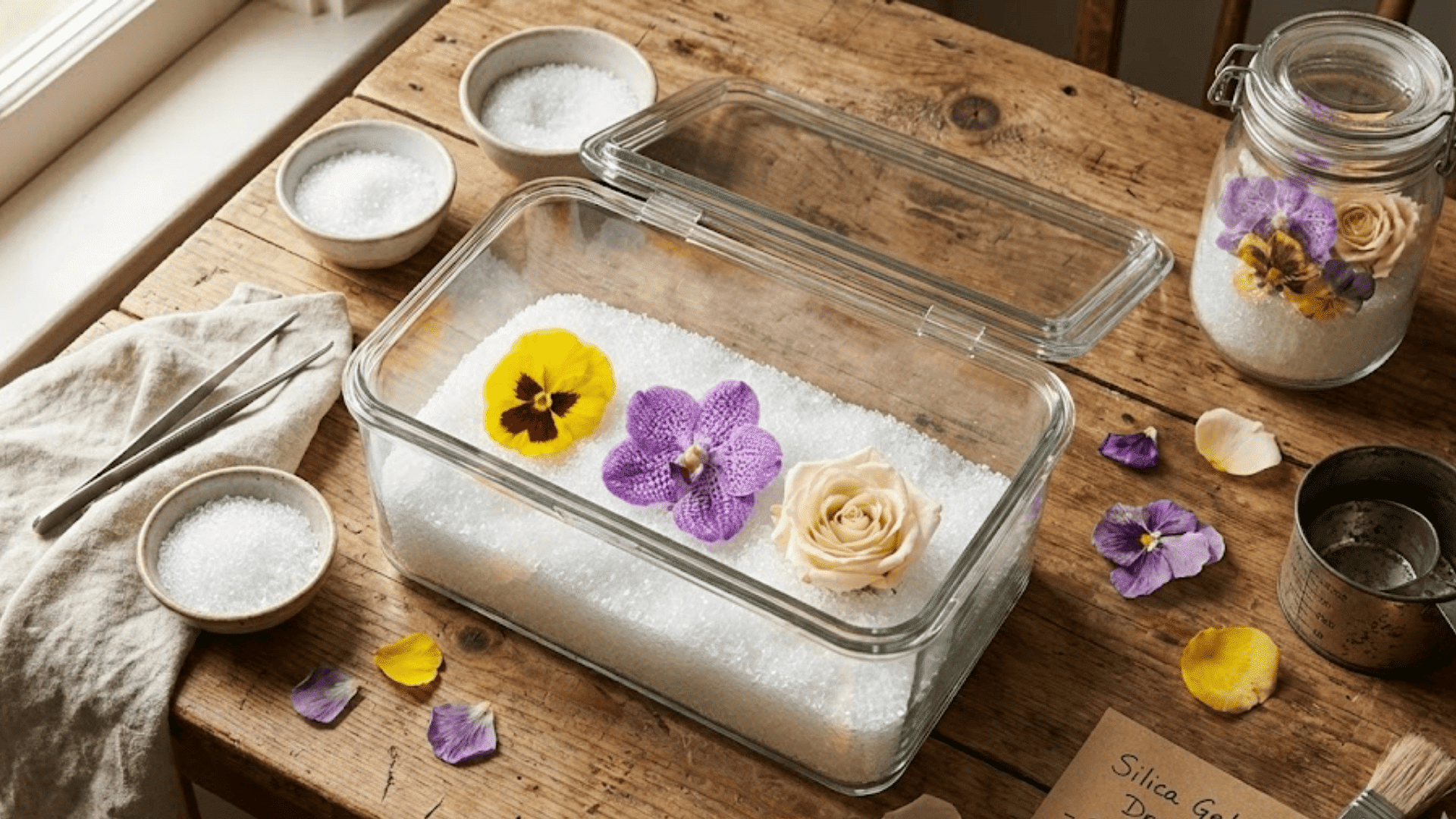
Silica gel is a game-changer for color retention, drying flowers in 24 to 48 hours while keeping their original vibrancy. It works beautifully with delicate blooms like pansies, orchids, and roses that you want to look freshly picked.
- Step 1: Pour a one-inch layer of silica gel into an airtight container.
- Step 2: Place flower heads face-up and gently cover them completely with more gel.
- Step 3: Seal the container and wait 24 to 48 hours, depending on the flower thickness.
- Step 4: Carefully pour off the gel and lift the flowers with tweezers.
3. Oven Drying Flowers
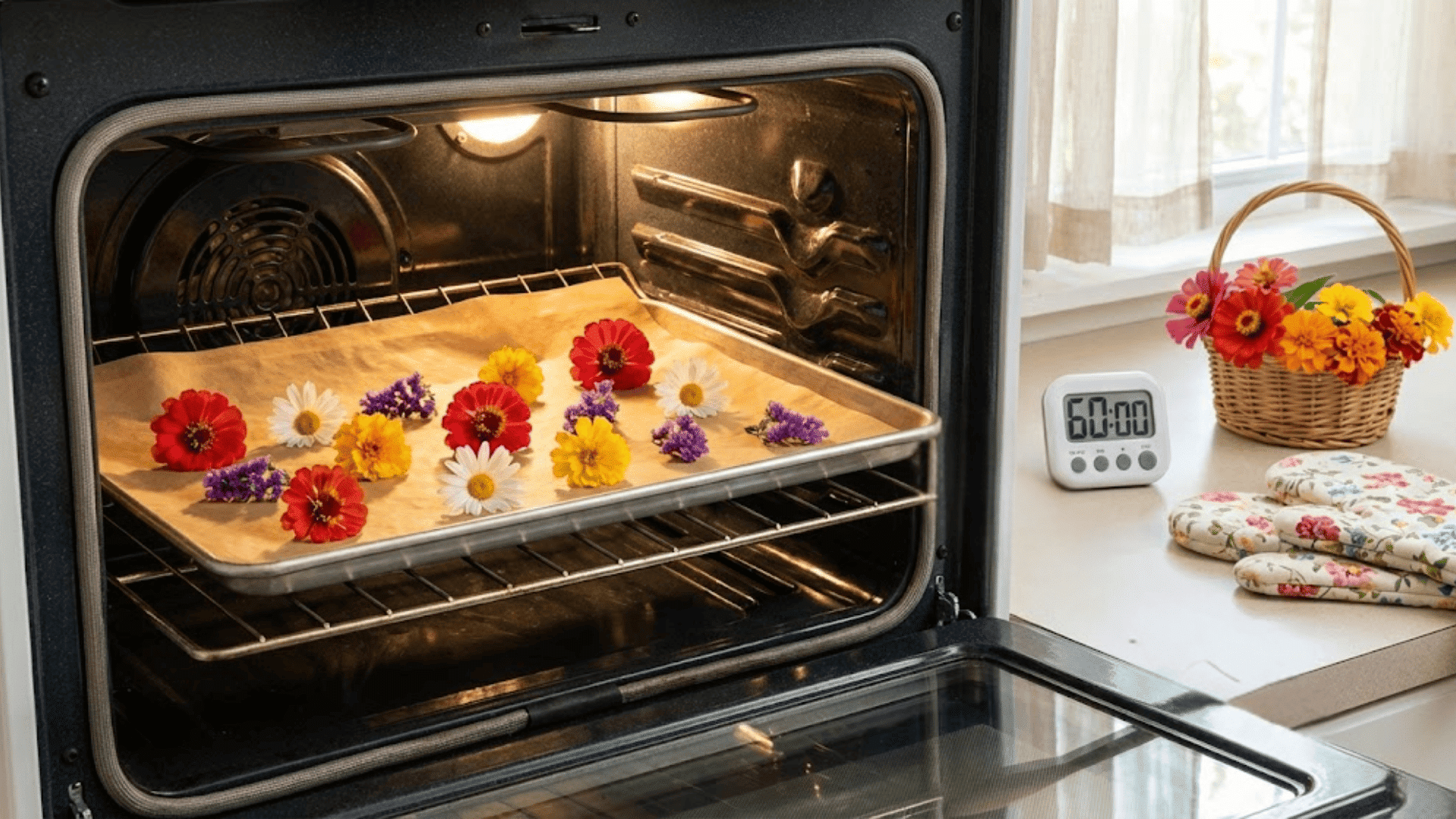
Oven drying takes a bit longer than microwaving but gives you more control, especially for larger batches. Set your oven to the lowest temperature, ideally between 150 and 200 degrees, and expect results in two to four hours.
- Step 1: Preheat oven to its lowest setting and line a baking sheet with parchment paper.
- Step 2: Arrange flowers in a single layer without overlapping.
- Step 3: Place the tray in the oven and prop the door slightly open for air circulation.
- Step 4: Check every 30 minutes and remove when petals feel crisp but not burnt.
4. Air Fryer Flower Drying
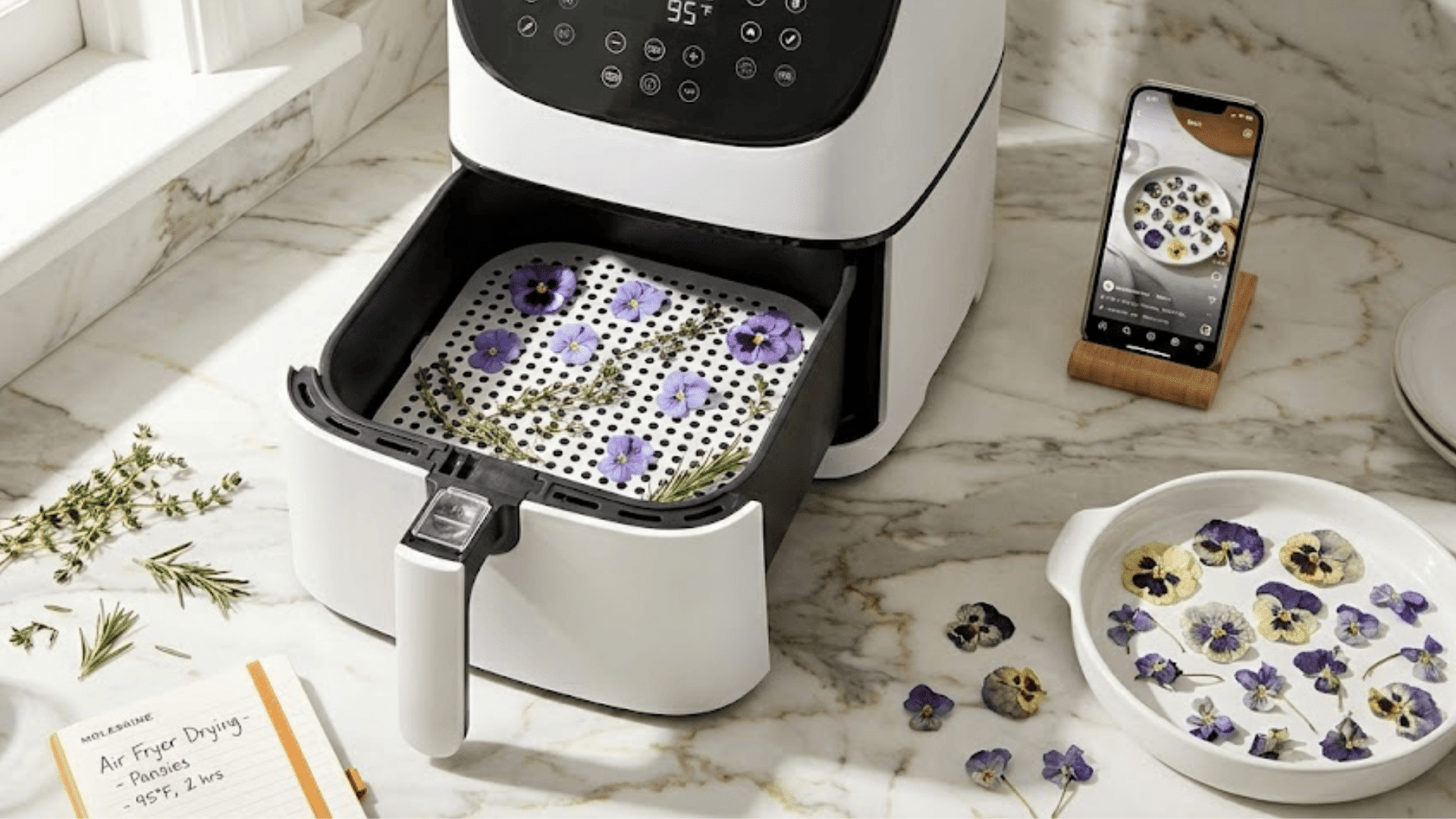
This TikTok favorite dries flowers in about 10 to 15 minutes using gentle heat and airflow. Smaller blooms like pansies, violets, and herb flowers respond particularly well to this method.
- Step 1: Set the air fryer to the lowest temperature setting, around 95 to 120 degrees.
- Step 2: Place flowers in a single layer in the basket, avoiding overlap.
- Step 3: Run for five-minute intervals, checking carefully between each round.
- Step 4: Remove immediately once petals feel papery to avoid burning.
5. Dehydrator Method for Flowers
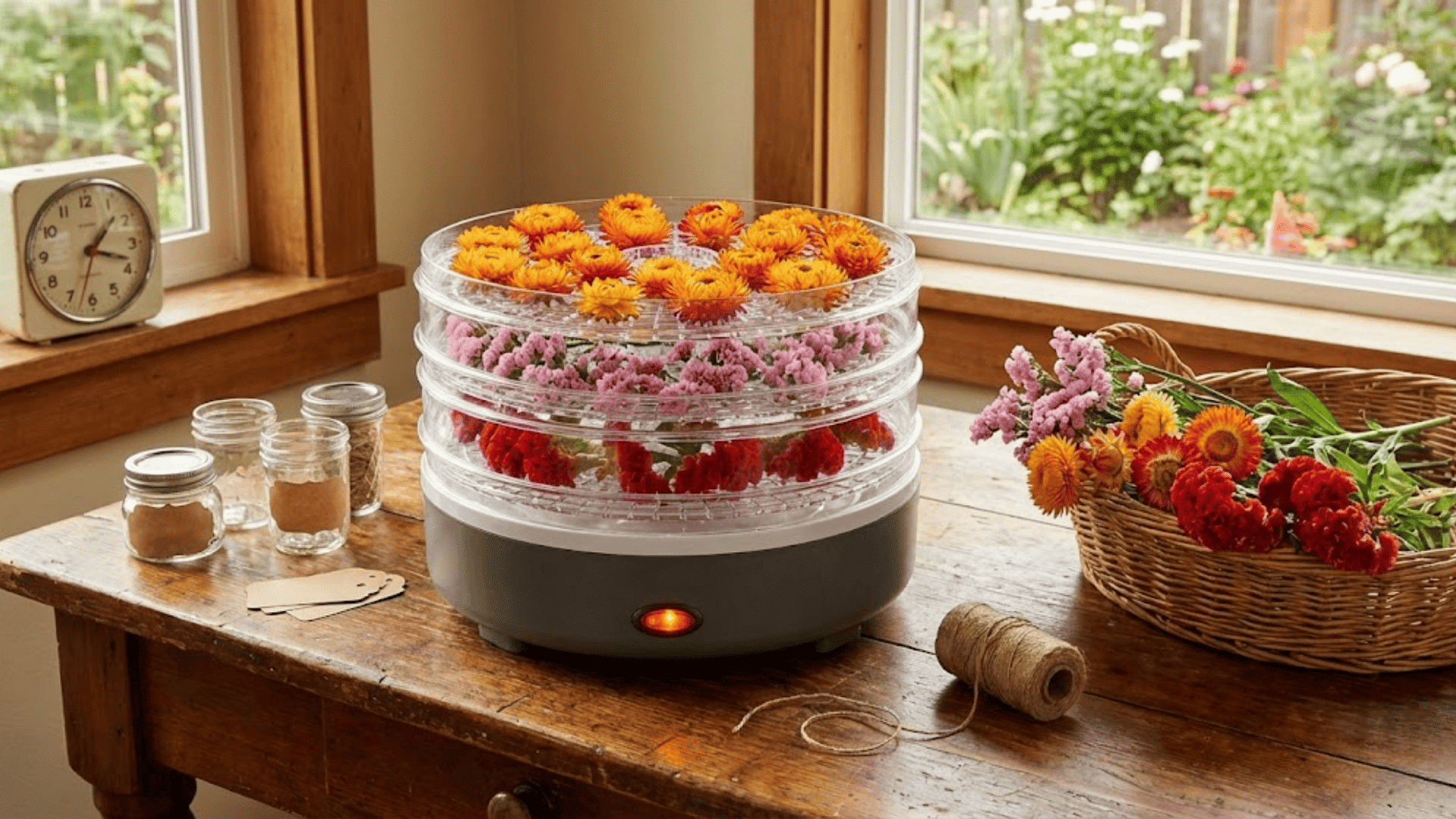
A food dehydrator offers consistent, even heat that dries flowers in four to eight hours. This method shines for crafters who want uniform results across multiple blooms like strawflowers, statice, and celosia.
- Step 1: Set the dehydrator temperature between 95 and 110 degrees.
- Step 2: Arrange flowers on trays with space between each bloom.
- Step 3: Check progress every two hours until petals feel completely dry.
- Step 4: Store in an airtight container immediately to prevent moisture reabsorption.
6. Pressed Flower Quick-Dry Method
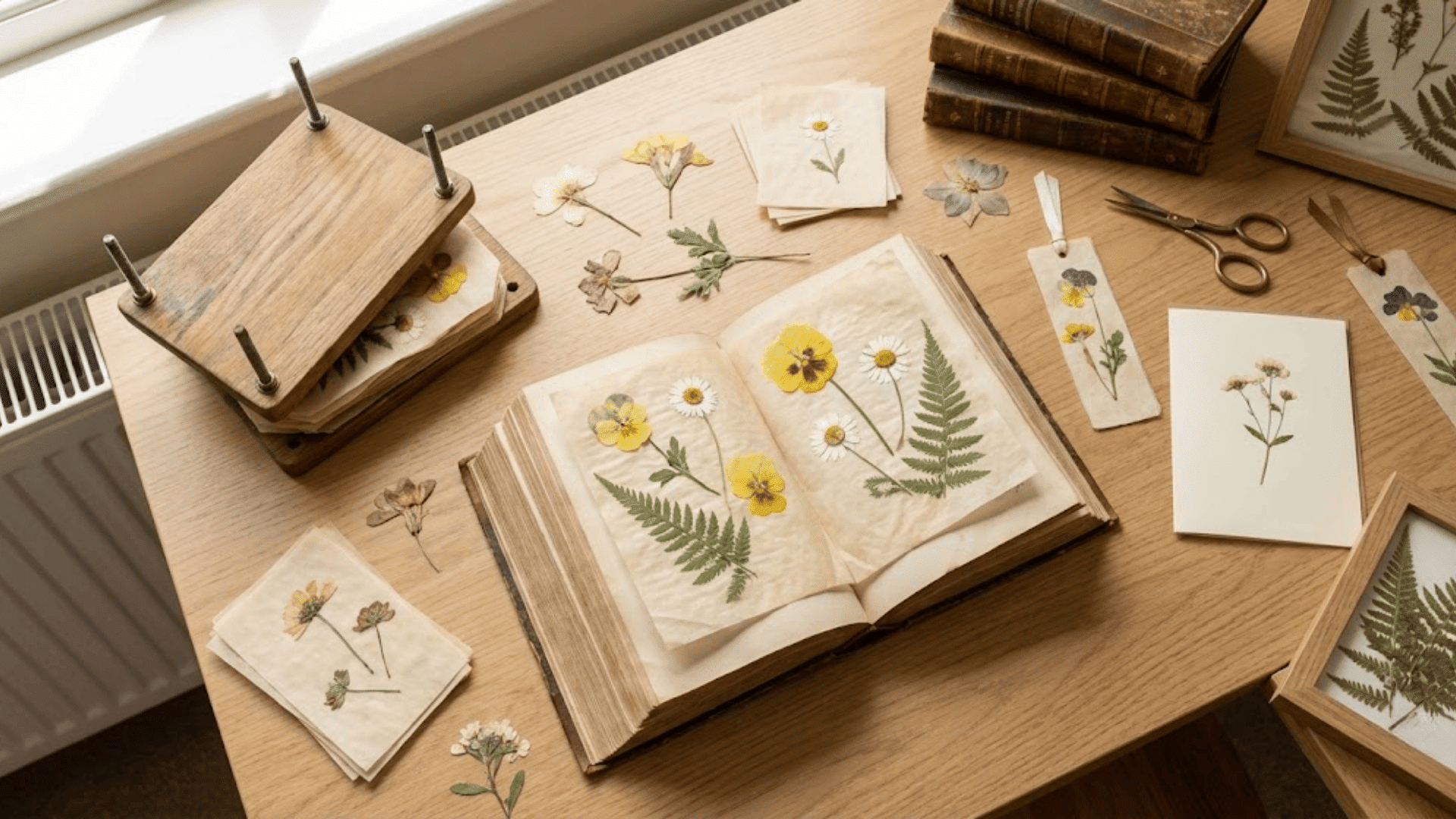
Pressing flowers traditionally takes weeks, but adding heat cuts that time to just a few days. This method works perfectly for flat flowers like pansies, daisies, and ferns that you want for cards, bookmarks, or frame art.
- Step 1: Place flowers between parchment paper inside a heavy book or flower press.
- Step 2: Add extra weight on top or tighten the press screws firmly.
- Step 3: Set the book on a warm surface, such as near a radiator or sunny windowsill.
- Step 4: Check after 48 hours and replace damp paper, if needed.
7. Hanging Flowers in a Warm, Dry Space
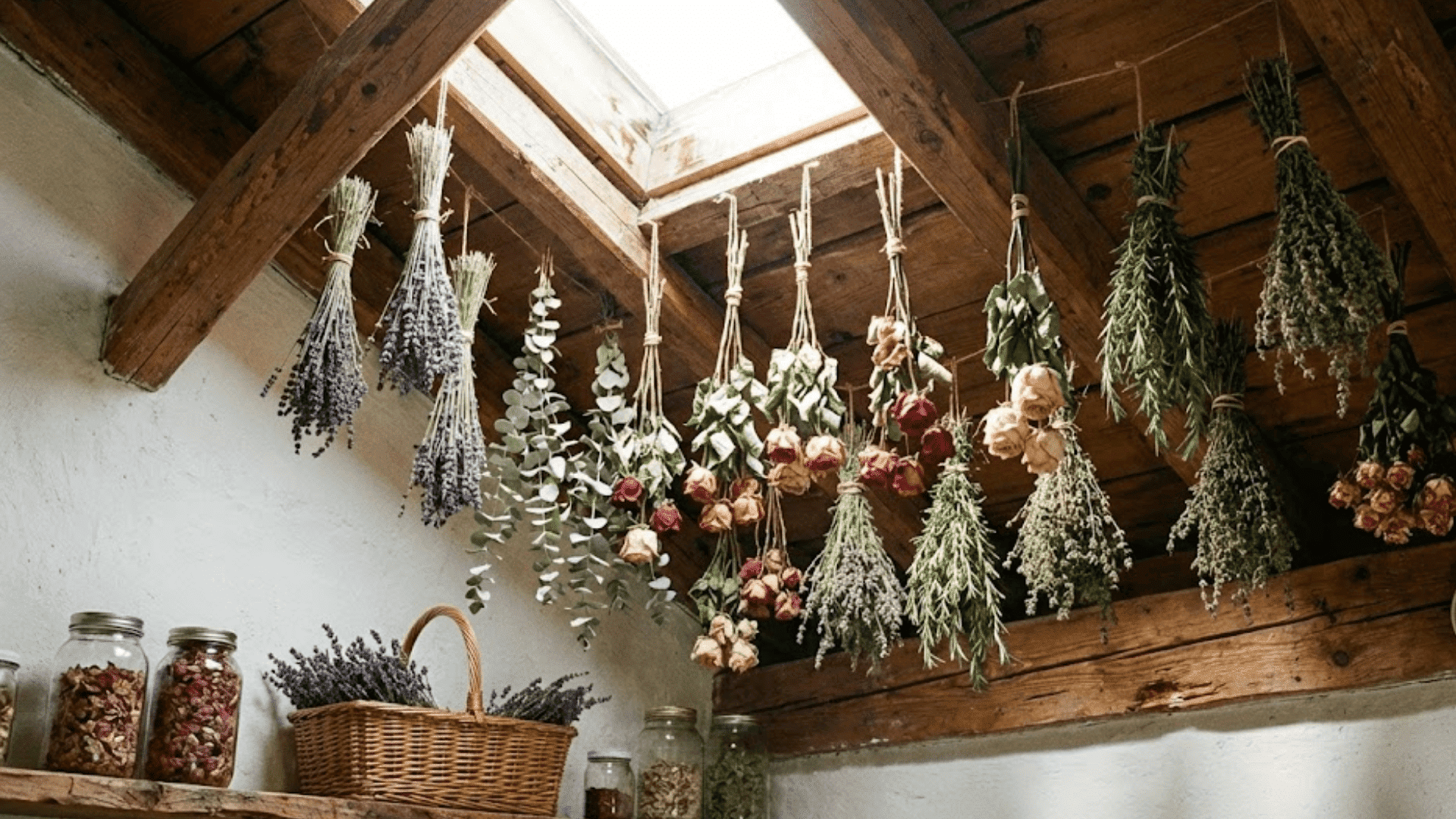
Hanging flowers upside down is the most classic method and takes one to two weeks in the right conditions. While not the fastest, it’s still your best bet for herbs, lavender, and eucalyptus that dry beautifully with minimal effort.
- Step 1: Bundle three to five stems together with a rubber band or twine.
- Step 2: Hang upside down in a warm, dark, well-ventilated area.
- Step 3: Keep bundles away from direct sunlight to preserve color.
- Step 4: Test dryness after one week by touching petals for brittleness.
8. Using Desiccants Other Than Silica
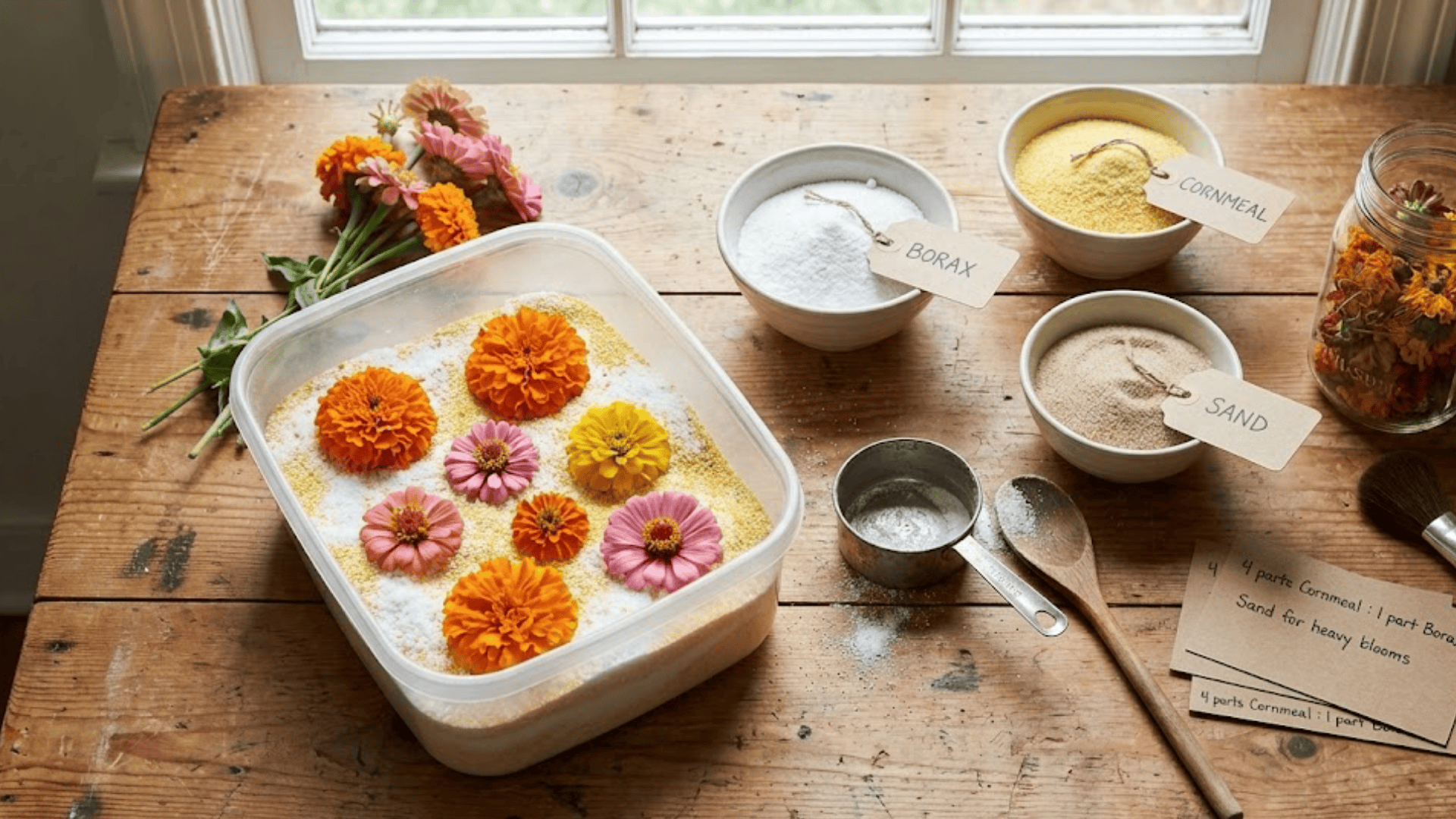
When silica gel isn’t available, alternatives like borax, cornmeal, or fine sand can work in a pinch. These take slightly longer, around three to five days, but cost less and work well for sturdier flowers like marigolds and zinnias.
- Step 1: Mix equal parts borax and cornmeal (or use sand alone) in a deep container.
- Step 2: Bury flowers completely, supporting petals as you pour the mixture.
- Step 3: Seal the container and store it in a dry place for three to seven days.
- Step 4: Gently brush away the desiccant with a soft brush once fully dry.
9. Combination Drying Methods
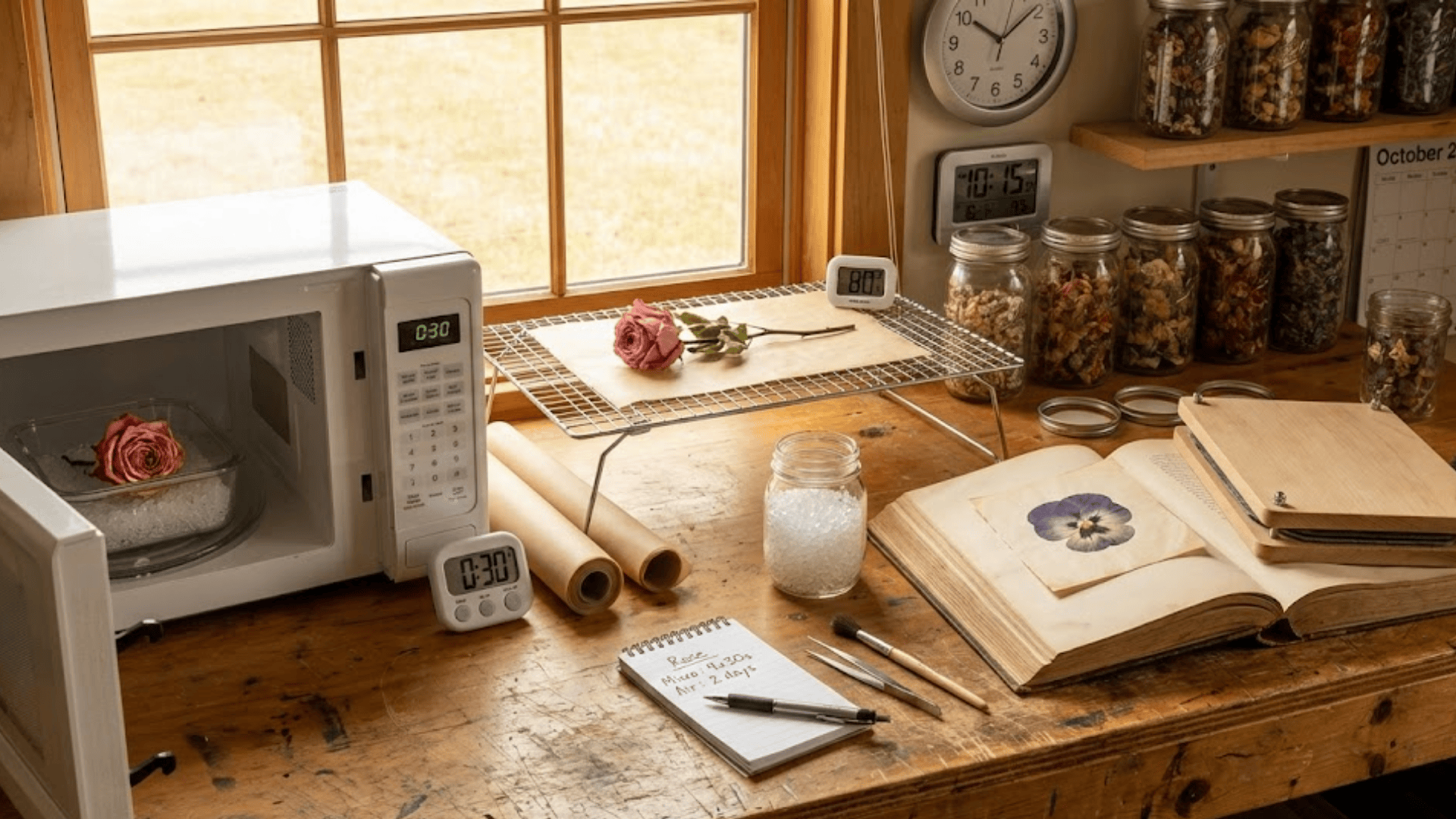
Mixing techniques can give you the best of both worlds, cutting time while improving results. Microwaving flowers first, then air-drying them for a day, helps lock in shape while ensuring thorough moisture removal.
- Step 1: Start with a quick microwave session (one to two minutes) to remove initial moisture.
- Step 2: Remove flowers and let them air dry in a warm spot for 24 hours.
- Step 3: Alternatively, press flowers with heat for one day, then finish in a book.
- Step 4: Adjust timing based on flower thickness and your desired final texture.
How Do You Dry Flowers Without Ruining Color?
Color loss happens when flowers dry too hot or too fast, breaking down the pigments that give petals their vibrancy.
Keep temperatures low and consistent, ideally under 110 degrees, to preserve those natural hues.
Light is another culprit. Direct sunlight bleaches petals quickly, so always dry flowers in a dark or dimly lit space.
Silica gel and microwave methods tend to lock in color better than air drying because they work faster, giving pigments less time to degrade.
If you’re after bold, true-to-life shades, choose quick methods in cool, dark environments and handle flowers gently throughout the process.
How to Hang Dry Flowers the Right Way?
Hanging flowers upside down remains one of the most reliable drying methods, especially for blooms with sturdy stems and naturally low moisture content.
While it takes longer than heat-based techniques, the results are worth the wait when done correctly.
- Step 1: Trim stems to your desired length and remove any leaves that might trap moisture.
- Step 2: Group 3 to 5 stems together and secure with a rubber band or twine.
- Step 3: Hang bundles upside down in a warm, dark, well-ventilated space away from sunlight.
- Step 4: Check after one week by gently touching petals to test for complete dryness.
Roses, lavender, eucalyptus, and statice are perfect candidates for hanging because their petals hold their shape as they dry.
To speed things up safely, choose the warmest, driest room in your home with good air circulation, like an attic or closet with a dehumidifier running nearby.
Best Flowers to Dry Quickly
Not all flowers respond the same way to fast drying methods. Some hold their color and shape beautifully under heat, while others wilt or burn before they’re fully dried.
Knowing which blooms work best saves you time and frustration.
| Flower Type | Quick-Dry Friendly? | Best Method | Notes |
|---|---|---|---|
| Roses | Yes | Silica gel, microwave, hanging | Hold shape well, vibrant color retention |
| Lavender | Yes | Hanging, dehydrator | Dries quickly, keeps fragrance intact |
| Baby’s Breath | Yes | Hanging, air fryer | Lightweight and dries in days, even air-dried |
| Hydrangeas | Yes | Hanging, silica gel | Pick when slightly dried on the stem for best results |
| Strawflowers | Yes | Dehydrator, hanging | Papery texture makes them naturally fast-drying |
| Statice | Yes | Hanging, dehydrator | Low moisture content speeds up the process |
| Pansies | Yes | Microwave, pressing | Flat structure works perfectly for quick methods |
| Zinnias | Yes | Silica gel, oven | Bright colors stay bold with proper technique |
| Daisies | Yes | Pressing, microwave | Simple structure dries evenly |
| Peonies | No | Slow air drying only | Too thick and moisture-rich, burns easily |
| Tulips | No | Avoid quick methods | Petals shrivel and lose shape under heat |
| Carnations | No | Hanging (slow) | Dense petals need weeks to dry properly |
| Lilies | No | Not recommended | High moisture, poor color retention when rushed |
Common Mistakes When Drying Flowers Fast
Even with the right methods, small missteps can ruin an entire batch of flowers. Rushing through steps or skipping key checks often leads to burnt petals, faded colors, or brittle stems that crumble at the slightest touch.
Here are the most common mistakes to watch out for.
- Overheating in Microwaves or Ovens: High heat scorches petals and destroys color, so always use the lowest setting and check frequently.
- Skipping Moisture Checks: Touch petals to ensure they feel papery and crisp, not just surface-dry with moisture trapped inside.
- Drying Flowers That are Too Old: Wilted or browning blooms won’t improve once dried, so start with fresh flowers at their peak.
- Improper Storage After Drying: Exposure to humidity or sunlight undoes your work, so store flowers in airtight containers immediately.
Avoiding these pitfalls makes the difference between flowers that look professionally preserved and ones that fall apart or fade within days.
How to Store Dried Flowers for Crafts & Decor?
Proper storage keeps dried flowers looking fresh for months, even years.
Moisture is the biggest enemy, so store blooms in airtight containers with silica gel packets to absorb any lingering humidity. Glass jars, plastic bins with tight lids, or even ziplock bags work perfectly.
Keep them in a cool, dark spot away from sunlight and heat sources that can fade colors or make petals brittle. For display pieces, a light coat of hairspray adds protection against dust and handling.
With the right care, most dried flowers last six months to a year, while hardier varieties like strawflowers and statice can stay vibrant even longer.
Check out storage ideas on Pinterest for inspiration.
That’s a Wrap
Learning how to dry flowers quickly changes the way you work with blooms, giving you results without the weeks-long wait.
Microwave methods deliver dried petals in minutes, while silica gel techniques lock in color overnight, offering options that fit any timeline or project.
The key is matching the right flower to the right method and avoiding pitfalls like overheating or poor storage.
Your preserved petals are ready to become wreaths, bookmarks, shadow boxes, or whatever your creativity dreams up.
Have you tried any of these methods? Drop a comment below and share which technique worked best for you.