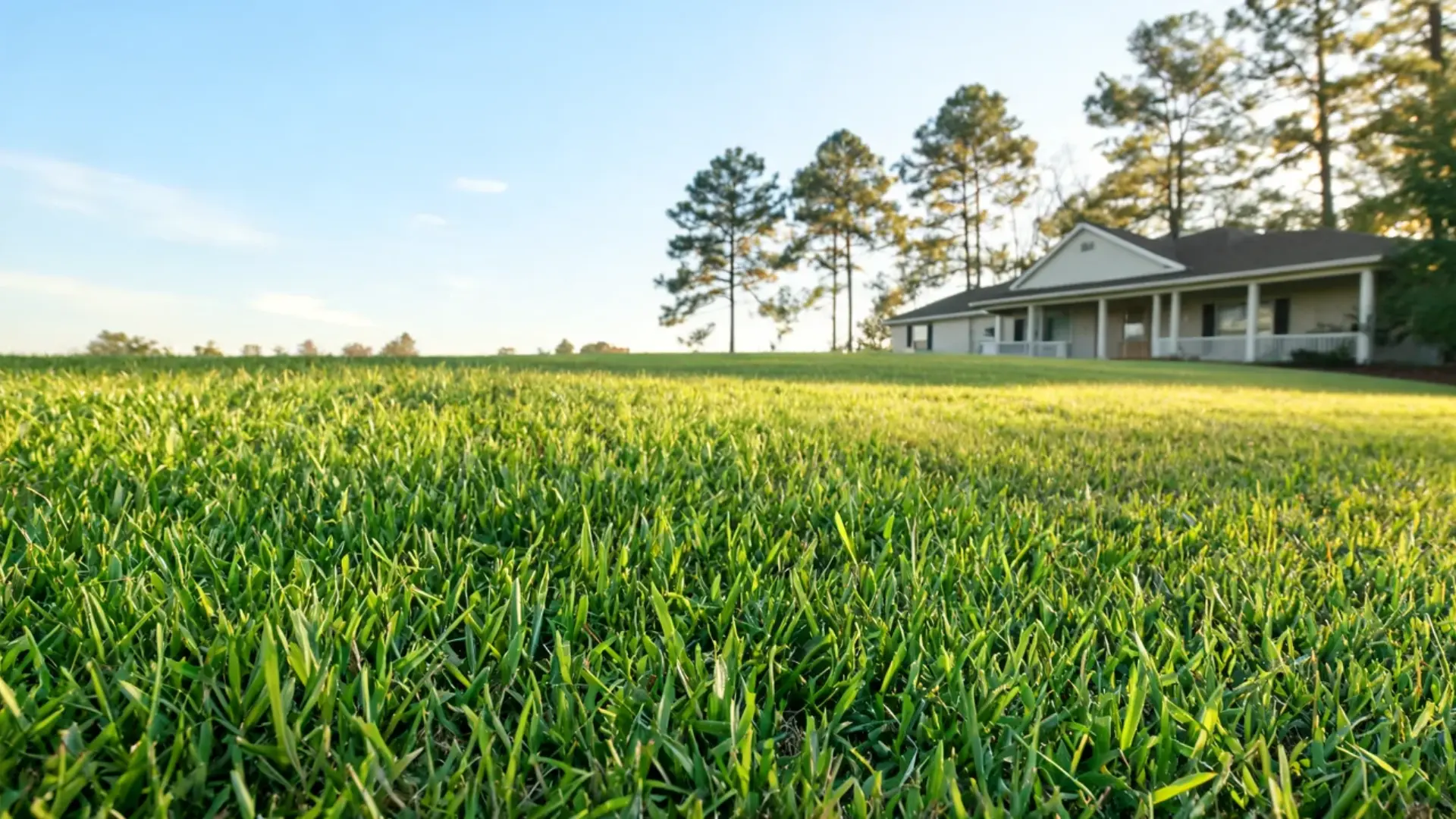
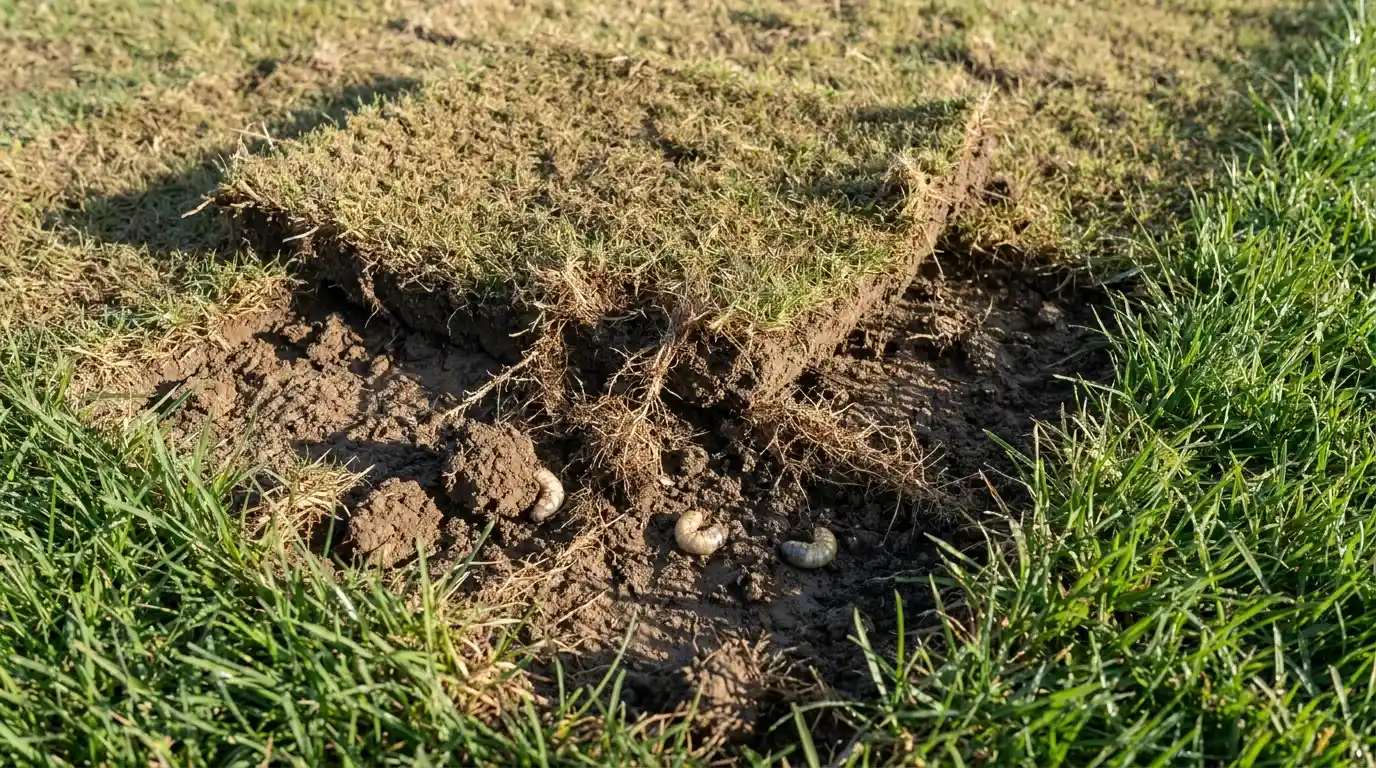
Most lawn advice sounds simple until it doesn’t work in real life. One person swears by early mornings. Another says evenings only. Meanwhile, your grass looks stressed no matter what you try.
The truth is that mowing success has less to do with habit and more to do with how grass responds after the cut. Once you understand that response, the time to mow your lawn becomes easier to judge on your own.
Today, I’ll break down what actually affects recovery, how daily conditions change outcomes, and how to make smart choices even when your schedule is tight.
The best time to mow the lawn is mid-morning or late afternoon. Mid-morning allows dew to dry while temperatures stay cool, leading to cleaner cuts. Late afternoon avoids peak heat and gives the grass time to recover before night. Both options reduce stress and support healthier regrowth.
Short Answer: When is the Best Time to Mow the Lawn?
If you want the cleanest cut with the least stress on your lawn, two time windows work best. Mid-morning&late afternoon.
The reason is simple. Mid-morning gives the grass time to dry after overnight moisture. Late afternoon avoids peak heat while still leaving enough daylight for recovery.
Both options work for most lawns, most of the year. The difference comes down to moisture and heat, not the clock itself.
Why the Time of Day Matters for Lawn Health
Grass reacts to being cut. Each pass of the mower creates thousands of tiny wounds that the plant has to repair. How well it recovers depends on moisture, heat, and what happens in the hours after mowing.
Wet grass bends instead of cutting cleanly, which leads to tearing. Heat pulls water out of the blades when the plant needs it most. After mowing, grass needs a calm window to seal those cut tips before strong sun or night moisture sets in.
Timing matters because it controls those conditions. Not because grass follows rules, but because it responds to stress and recovery.
Best Times of Day to Mow Your Lawn
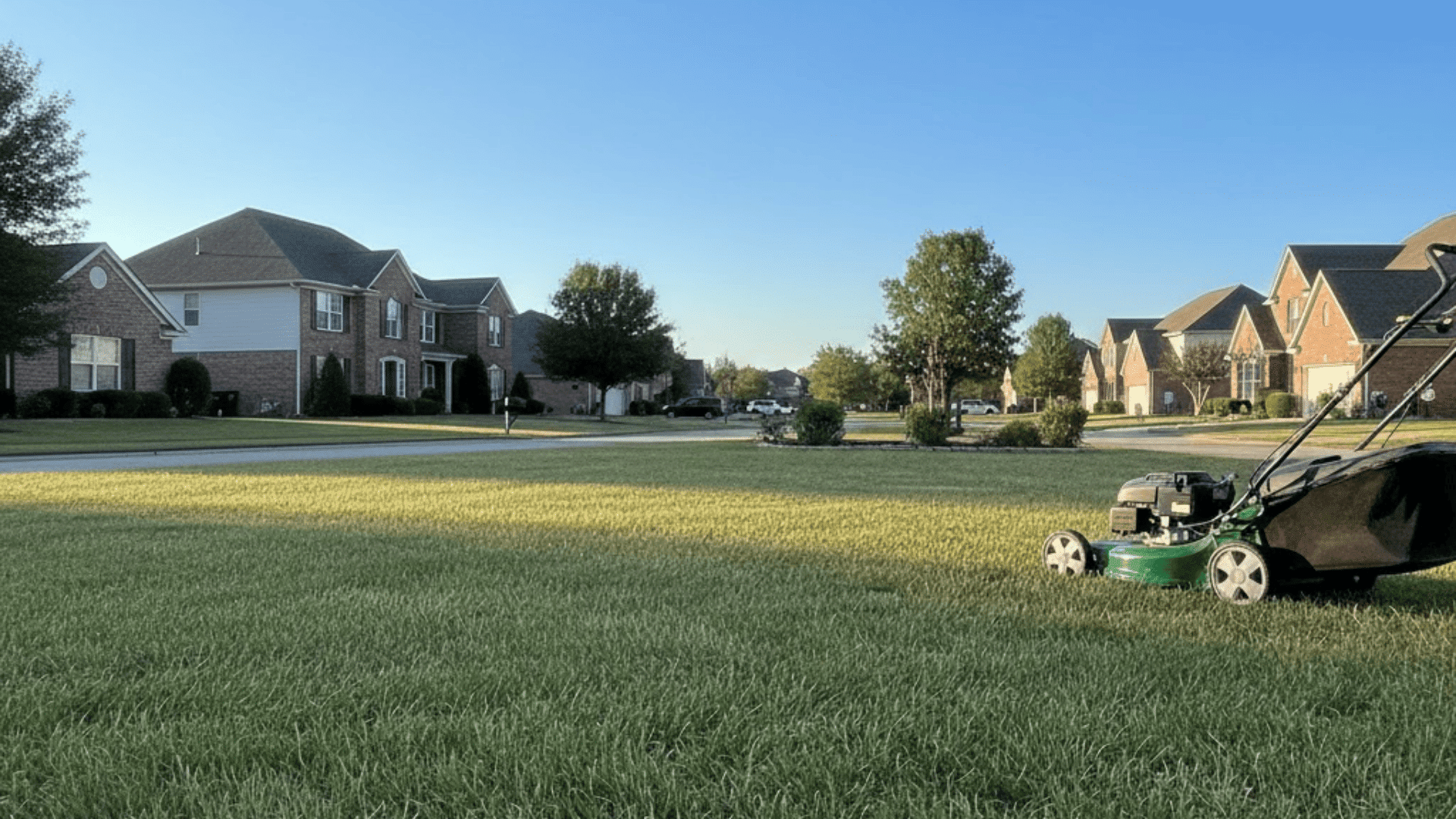
The same two time windows come up again and again for a reason. They match how grass moisture, temperature, and recovery shift over the course of a day.
Mid-Morning
By mid-morning, most overnight dew has dried. The grass stands upright instead of sticking together, which changes how it cuts.
That helps in a few important ways.
Dry blades cut cleanly, not roughly. Clean cuts heal faster, while torn edges stay stressed longer. The air is also still cool , so the grass isn’t losing moisture as quickly as it would later on. Your mower benefits too. You’ll see less clumping, fewer clogs, and a more even finish.
Mid-morning gives you a balance of dry grass without the heat stress.
Late Afternoon
Late afternoon works for a different reason. The peak heat has passed, but there’s still daylight left for recovery.
At this point, the grass isn’t under heavy sun stress. Roots can still pull moisture from the soil , and the freshly cut tips have time to settle before night moisture shows up.
This window matters most in hot climates. You’re mowing when the lawn is winding down, not when it’s fighting the heat
Worst Times of Day to Mow Your Lawn
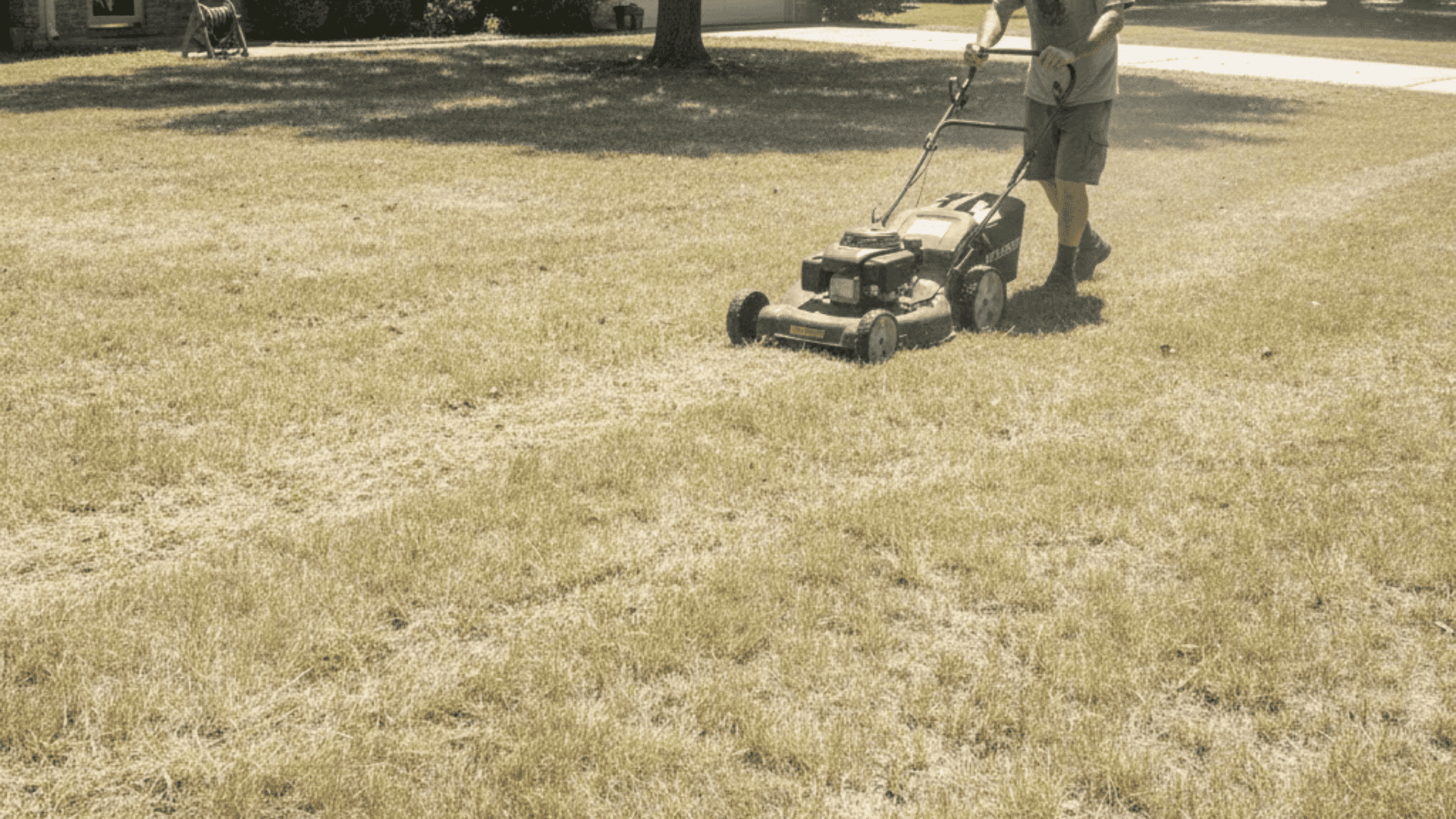
Mowing at the wrong time doesn’t always cause instant problems. It usually shows up later, when the grass struggles to bounce back.
Early Morning
Early morning grass is usually wet. Even if it looks fine, moisture sits low on the blades.
Mowing wet grass causes:
- Tearing instead of clean cuts
- Clumping that smothers healthy areas
- Uneven height from blades bending under the mower
Wet mowing doesn’t kill grass instantly. It weakens it slowly. That’s why the damage often gets blamed on something else.
Midday
Midday mowing hits the lawn at its weakest point. Heat stress is already pulling moisture out of the grass. Cutting at that moment adds another layer of stress.
You’ll often see:
- Browning within days
- Slower recovery
- Increased need for watering
The grass isn’t failing because of the cut itself. It’s failing because it can’t recover fast enough.
Best Time to Mow the Lawn by Season
Grass doesn’t behave the same way all year. Growth speed, soil moisture, and temperature all shift with the seasons, which changes when mowing causes the least stress.
| Season | How Grass is Behaving | Best Time to Mow | What to Watch Out For |
|---|---|---|---|
| Spring | Fast growth and higher soil moisture help grass recover quickly | Mid-morning or late afternoon | Mowing too often or cutting too much at once |
| Summer | Heat and drought stress slow recovery and increase moisture loss | Late afternoon | Midday heat and personal heat exhaustion |
| Fall | Growth slows as grass stores energy in roots | Mid-morning | Cutting too late in the day when nights are cold and damp |
Spring gives you the most flexibility because recovery is fast. Summer demands patience and caution. Fall shifts the focus back to timing that avoids cold, damp evenings.
Once you match mowing time to the season, your lawn will recover more evenly with less effort.
What to Do If You Can’t Mow at the Best Time
When timing isn’t on your side, small adjustments can protect your lawn far more than skipping a mow altogether.
Raise blade height: Leave grass slightly taller to shade soil, reduce moisture loss, and limit stress during less-than-ideal mowing times.
Adjust watering timing: If mowing in warmer hours, water early the next morning so grass can recover without added stress.
Slow your mowing pace: Move at a steadier speed to reduce tearing, clumping, and uneven cuts when conditions aren’t ideal.
You don’t need perfect conditions every time, just enough care to reduce stress and help the grass recover.
Key Mowing Rules that Matter More than Time
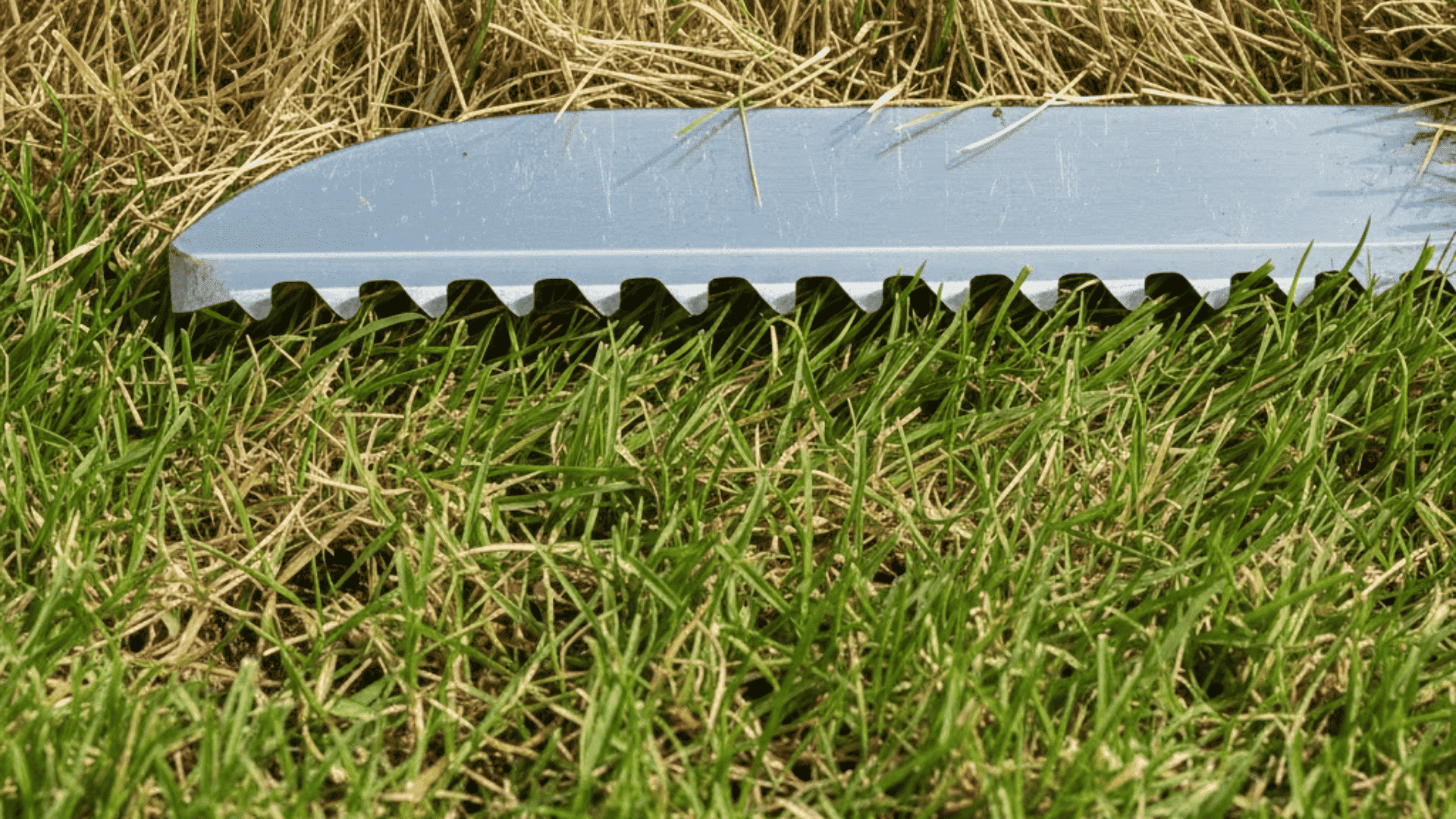
Good timing helps, but it can’t fix the basics. These rules protect your lawn no matter when you mow, and breaking them causes more damage than mowing at a slightly imperfect hour ever will.
1. The One-Third Rule
Never remove more than one-third of the grass blade in a single mowing session. This rule exists to protect the plant’s energy system.
If your grass is three inches tall, cutting it down to two inches is fine. Cutting it down to one inch is not.
When too much of the blade is removed, the plant loses its main surface for photosynthesis. It has to pull energy from stored reserves instead of producing new growth.
That leads to:
- Weaker roots
- Slower recovery
- Increased stress during heat or drought
Breaking the one-third rule once won’t kill your lawn, but repeating it creates thin, tired grass that struggles all season.
2. Sharp Blades
Blade sharpness affects lawn health more than most people realize. A dull blade doesn’t cut grass. It tears it.
Torn tips dry out faster, turn brown at the edges, and stay open longer. Those frayed ends also make it easier for disease to enter, especially during warm or humid weather.
A sharp blade makes a clean slice. Clean cuts seal faster, hold moisture better, and heal evenly. You’ll notice the difference in color within days. If your lawn looks dull or shredded after mowing, the blade is overdue for sharpening.
3. Dry Grass Only
Even if everything else is right, mowing wet grass creates problems that linger.
Wet blades bend under the mower instead of standing upright, which causes uneven cutting. Clippings clump together, smothering healthy grass and blocking airflow. The weight of the mower also presses wet soil tighter, reducing oxygen around the roots.
Wet mowing increases the risk of:
- Soil compaction
- Disease spread through clippings
- Patchy, uneven growth
You don’t need perfect dryness. You just need the surface moisture gone. Waiting a few extra hours often prevents weeks of recovery work later
Wrapping Up
Knowing the best time to mow the lawn gives you control, not pressure. It helps you read conditions instead of chasing a perfect schedule. When you pay attention to dryness, temperature, and recovery time, mowing becomes a supportive habit rather than a stressful chore.
Healthy lawns come from reducing strain, not forcing precision. A small shift in timing, blade height, or pace can change how your grass responds over the next few days.
Over time, those small choices add up to thicker growth and fewer problems. The goal isn’t perfection. It’s consistency with awareness.
Take what you’ve learned, watch how your lawn responds, and put it into practice on your next mow.
Frequently Asked Questions
Is it better to mow before or after rain?
After rain is better, but only once the grass has fully dried. Wet blades tear instead of cutting cleanly and clippings clump, which stresses the lawn.
What time is too early to mow the lawn?
It’s too early when dew is still present. For most areas, that means before about 8 a.m., though weather and humidity can shift this.
Is evening mowing bad for grass?
Evening mowing is fine if there’s enough daylight left for recovery. Cutting too late leaves fresh tips exposed to prolonged moisture overnight.
Does grass type change the best mowing time?
Grass type has some influence, but moisture levels and heat stress matter more. Most turf grasses respond best to similar daily conditions.