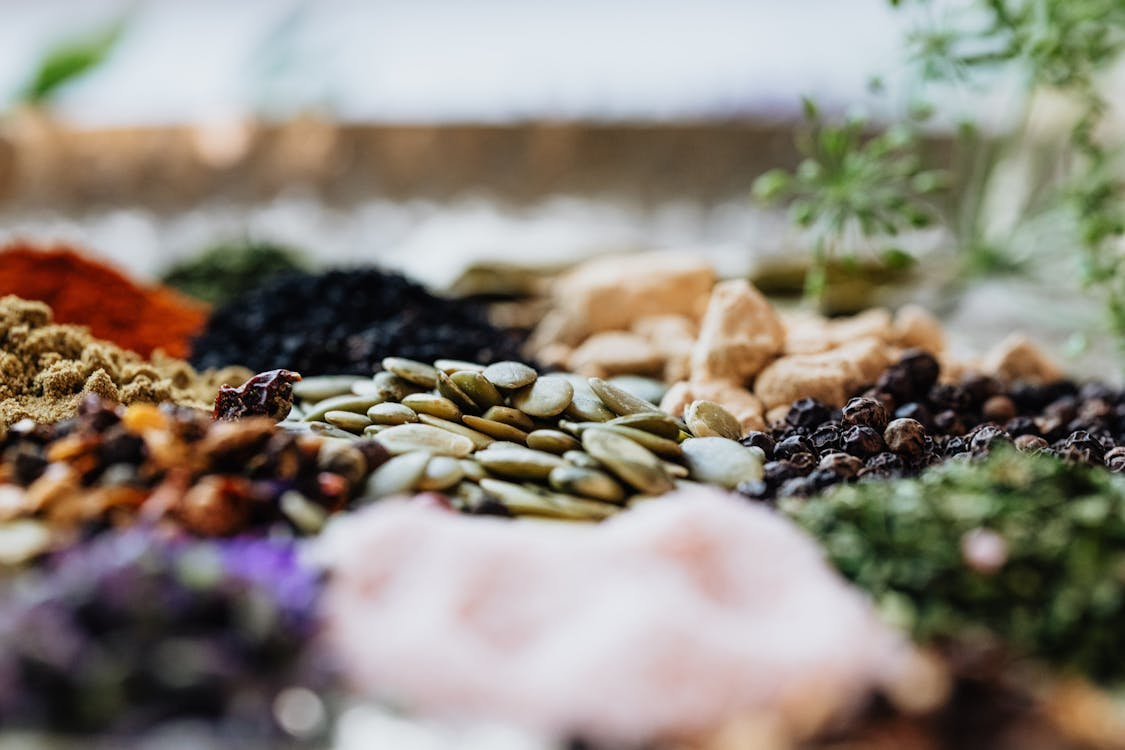
When you have a passion for plants, you’ll also want your community to be buzzing with seeds, stories, and real connections about them. To do this, you can craft a well-planned seed swap that might just perk up your neighbors. That’s where you can bring people together, young and old, especially around local plants, shared garden hopes, and Gulf Coast planting tidbits.
Here are some practical, yet simple steps that can cover everything you may need and keep everything organized and inviting for everyone.
Pick a Time and Place That Fits Your Crowd
When setting your neighborhood activity, think about weather and gardening rhythms that may be applicable. Often, late winter and early spring are ideal because people are planning gardens and looking for seeds to grow. Usually, that’s when interest is at its peak. Also, many seed swaps fall on weekends, so neighbors with jobs can attend and participate.
For a perfect location, a public indoor space is comfortable, especially in Gulf Coast heat or weather conditions. More often, libraries, community centers, church halls, or even a friend’s large porch are all great picks. You may also choose somewhere with good parking, easy access, and enough tables for your seeds, signs, and participants to look around.
Spread the Word With Invitations Locals Will Love
While it’s quite tricky, preparing and getting the word out is where your creativity shines in these kinds of activities. You’ll want your neighbors to feel invited, curious, and ready to show up with their seeds. So, start with a clear message, especially sharing some basics like:
date and time
location address
what to bring
optional themes (for example, heirloom vegetables or native flowers)
You can trust and use social media, neighborhood apps, and bulletin boards, like those in coffee shops or community gardens, for your invitations or announcements. More often, a simple poster or event page can evoke more interest and excitement than an “info-rich” long flyer.
Some printed invites and packet sleeves can be quite effective, and you can use printable envelopes to add a charming, organized feel with online tools like Canva. These envelopes can serve as:
mailed invites to senior neighbors who prefer paper
seed packet sleeves for attendees
thank-you cards after the event
Design them with space for labeling, the event logo, and planting notes. These envelopes help everyone keep things neat and easy to carry home. Make sure your invites include a note about labeling standards so people know the value of clear seed tags (more on that in a moment).
Simple Rules That Protect You, Your Neighbors, and Nature
When you want to stage a seed swap your community loves, set clear rules everyone can follow clearly and easily.
Keep It Safe for the Local Ecosystem
It’s known to plant enthusiasts that some seeds are from plants considered bothersome to some communities. Some might be invasive plants that can spread rapidly and harm local wildlife and gardens instead of helping boost their beauty. Ask participants to avoid species known to be invasive in your region. Encourage native plants for your Gulf Coast climate since they are more likely to thrive and support local wildlife without extra care.
In community swaps like this, organizers often emphasize that exchanged seeds be noninvasive. Recent swaps in community spaces have done exactly that, asking people to bring labeled, noninvasive seeds only.
Standardize Labeling
Whether you’re sharing cornflower seeds or lavender, your labels are one of the most important parts of your community swap. Without good labeling, seeds are just mystery dust. Ask attendees to include the following for each packet:
common plant name
variety name
year collected
growing tips or special notes
Clear labels help everyone know what they are choosing. At a minimum, encourage the use of markers and printed labels on packets or envelopes. Today, many seasoned organizers provide blank labels and pens at a “prep table” for late arrivals, so you can use this genius, too.
Prepare Materials That Make Your Event Run Smoothly
Now let’s look at the supplies that keep your swap organized and fun.
Printable Envelopes for Seeds and Notes
Using printable envelopes gives your swap a clean, unified look. Before the event, print envelopes that match your theme or event logo. They can be used for:
holding pre-labeled seed packets
keeping gardening tips or checklists
mailing invitations ahead of time
Your envelopes should have enough room for a clear plant name on the front and planting notes or dates inside. When you really need to mail them, you can print return addresses, and you can add little planting calendars to keep your recipients and participants excited.
Set Up Stations That Help People Connect
When your participants arrive, they may need direction. So, arrange tables with clear categories:
vegetables
herbs
flowers
native plants
seeds for Gulf Coast gardens
You may need to use big signs so neighbors know where to find what they want or exchange with. It’s also more convenient for your attendees if you have a welcome table at the entrance where you can:
collect any last-minute seeds people brought
hand out envelopes or labels
share planting calendars for your region
Also, set up a “seed check” station or somewhere your volunteers can double-check labels and chat with their neighbors about what they brought to the group. This can greatly help them avoid confusion afterwards.
Feature Educational Moments That Grow Garden Knowledge
A swap is not just about seeds. It’s about learning.
Include short talks or demos on topics like:
seed saving basics
testing germination before planting
how to protect seeds from humidity in hot climates
planting calendars specific to your region
Have someone talk about seed quality. One effective tip is to test viability by placing the seeds to be swapped between damp paper towels in a warm spot before sharing them. That way, people know what to expect when they’re going to plant it later.
These might not be much, but when you’re considerate during these moments, people will be grateful, and it can add value and make your event something to be talked about for a long while.
Make the Swap Itself Fun and Fair
When the swap starts:
let your neighbors browse and pick seeds by category
encourage your participants to take only a few packets at first, so everyone can find something
circle back after a round to allow second picks
You may also add small prizes for the most unique seed, best labeled packet, or best gardening tip shared. These make the event feel special without costing much.
At the end of your program, take group photos to share on social media and your neighborhood boards, so you can build excitement for your next event.
After the Swap, Keep the Momentum Going
Once the main event wraps up, follow up. Send thank-you emails or printed cards via your printable envelopes email list. Include a short questionnaire asking what worked and what neighbors want next time.
You can also start an online group for seed swap alumni. This helps people stay in touch and share progress photos of their gardens grown from swapped seeds.