When to Mulch: The Window Most Gardeners Miss (And Yes, I’ve Missed It Too)
Mulch has this wholesome reputation like it’s garden granola: natural, good for you, makes everything look put together.
And it is… until you spread it at the wrong time and accidentally turn your flower bed into a cold, soggy swamp in spring or a cozy rodent Airbnb in fall. Ask me how I know.
Here’s the thing nobody tells you when you’re standing in the garden center staring at fifty shades of “wood chip brown”: mulch timing is about soil temperature, not your calendar app. The “right week” matters almost as much as the mulch you choose.
So let’s talk about the two best mulching seasons, the window most people miss, and how to do it without harming your plants (or your sanity).
Why timing matters (aka: mulch is powerful, don’t let it go rogue)
Mulch is basically a blanket. Blankets are great when you’re cold. Blankets are not great when you’re already sweating and trying to get up and do things.
- Mulch too early in spring and you keep soil cold and wet → plants sulk, perennials pop up late, everything feels stalled.
- Mulch too early in fall and you trap warmth when plants should be winding down → dormancy gets delayed, pests get comfy, and your garden’s seasonal “off switch” gets… sticky.
When you nail the timing, mulch does the good stuff:
- blocks weeds (huge)
- holds moisture (double huge)
- protects roots from temperature swings (quietly life changing in cold climates)
- improves soil over time as it breaks down (the long game)
The two best times to mulch (pick one, or be an overachiever)
1) Spring mulch: the weed blocking MVP
If you’re mulching once a year, spring is your best bang for your buck season. It’s when you can stop weeds before they throw a house party.
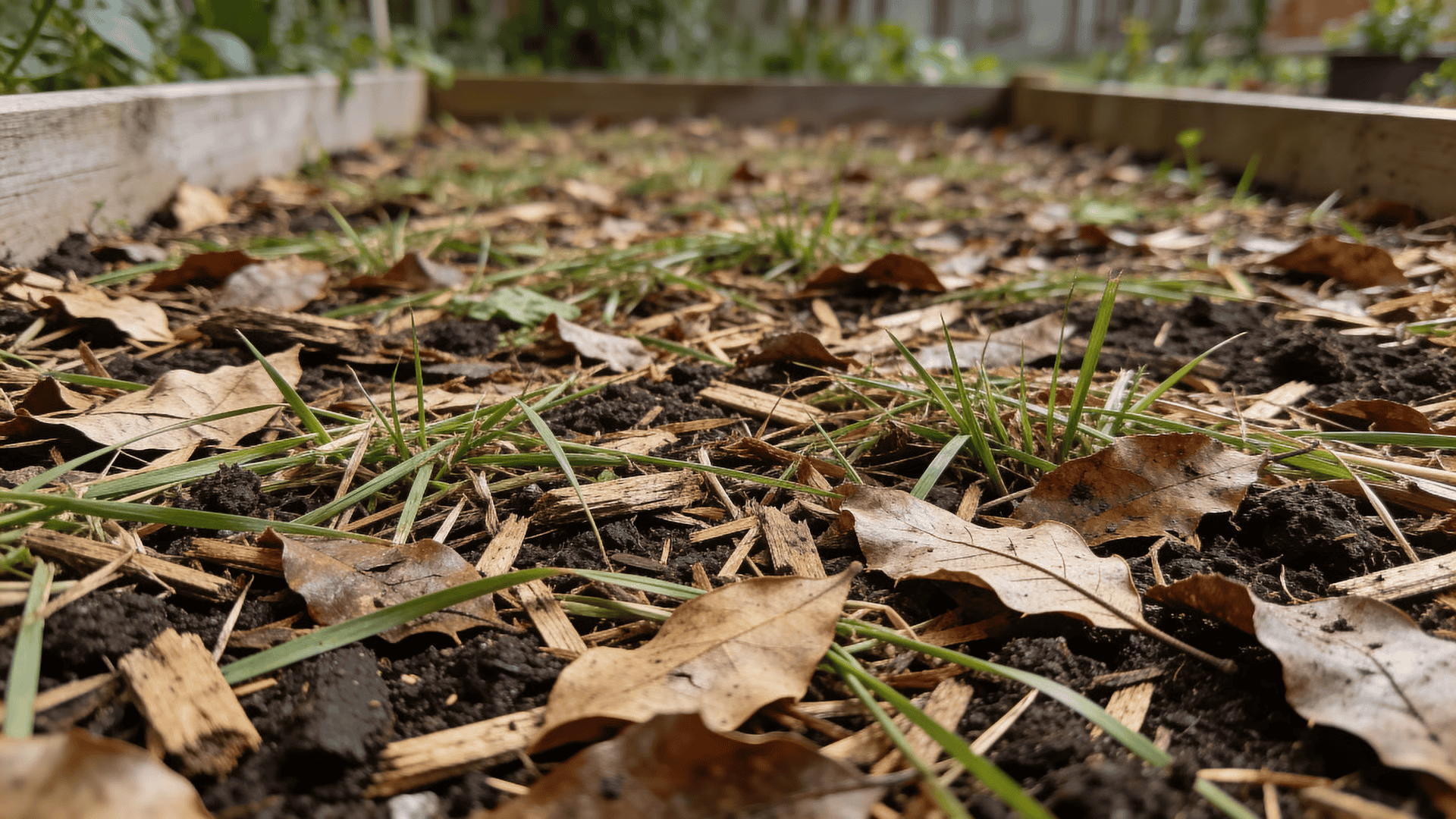
The sweet spot: when the soil is warming up and drying out not squishy.
A good rule of thumb:
- When soil temps are around 65-70°F, weed seeds start waking up and germinating.
- A fresh layer of mulch blocks light and slows them down before they get established.
The mistake I see constantly (and I’ve done it): mulching in March because the sun came out once and you got emotionally activated. It feels productive. It’s also how you keep your soil cold and your plants late to the party. If the ground still feels soggy and sad, back away from the mulch pile.
My “human” test: grab a handful of soil.
- If it’s crumbly and workable: you’re good.
- If it’s wet/clumpy and sticks like brownie batter: wait.
For a lot of places, that’s late April through May, but your yard may vary.
If you mulched heavily in fall: don’t just dump more on top. Pull the mulch back 2-4 inches away from plant bases for a bit so the soil can warm and shoots can emerge. (Think of it as letting your perennials breathe before you tuck them in again.)
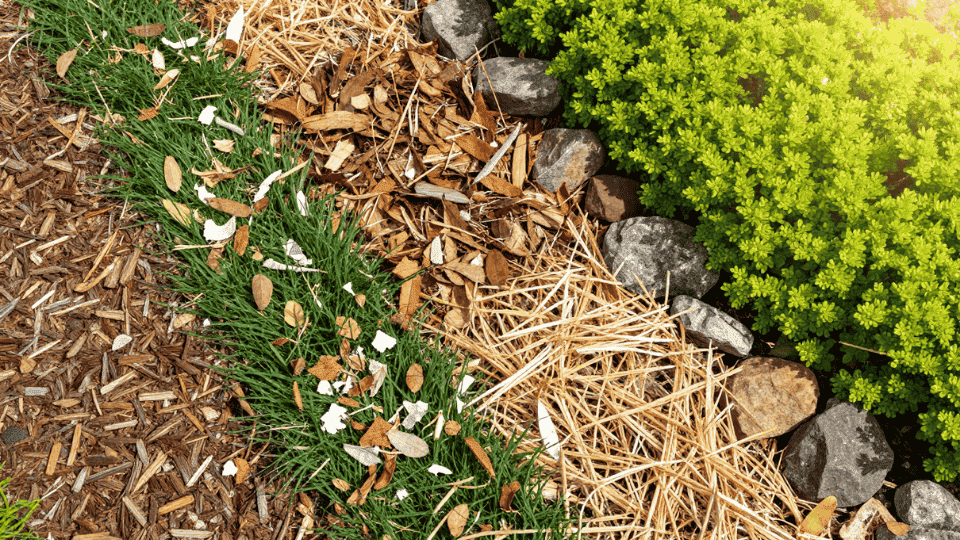
Spring mulch vibe: mulch for perennial flower beds is usually lighter shredded bark, leaf mulch, compost blends. Stuff that breaks down as the season goes on.
2) Fall mulch: the root protecting bodyguard
Fall mulching isn’t about weeds. It’s about keeping your plants from getting yanked around by winter.
In cold climates, the big problem is freeze thaw cycles. The ground freezes, thaws, refreezes, and plants can literally get heaved upward like the soil is shrugging them off. Roots get exposed. Things dry out. Everybody suffers.
The sweet spot: after a few hard frosts but before the ground freezes solid.
If you’re the “give me a date” type, lots of cold region gardeners land around Thanksgiving-ish, but don’t marry the calendar. Watch your weather:
- You want the soil cooled down (so you’re not trapping warmth).
- But not frozen into concrete.
Too early (like August/September):
- keeps soil warmer than it should be
- can delay dormancy
- makes an extra cozy hideout for rodents (and rodents are not cute when they’re eating your plants)
Too late: once the ground is frozen solid, you’re basically decorating frozen dirt. It won’t insulate the way you want.
Fall mulch vibe: chunkier, slower to break down cedar mulch choices like wood chips, chunky bark. And yes, you can go thicker in fall:
- 3-4 inches is typical for winter protection
Then in early spring, don’t rip it all off like you’re unwrapping a gift. Pull it back gradually as things warm up, especially if you get surprise cold snaps.
“Okay but what about my climate?” (A quick and dirty way to adjust)
You don’t need a PhD in USDA zones to mulch well. You just need two dates and a little patience:
- Last frost date (spring timing)
- First hard frost date (fall timing)
If you live somewhere with:
- harsh winters (roughly Zones 3-6): fall mulch matters more because winter protection is a real thing.
- milder winters (Zones 7-8-ish): spring mulch usually does the heavy lifting. Fall mulch is more optional unless you’re protecting new plantings.
- cool/wet springs (hello Pacific Northwest vibes): you may need to wait longer in spring so you’re not sealing in cold wet soil.
- hot summers (Deep South/Texas heat): spring mulching is basically survival mode get that moisture locking layer down before summer turns your garden into a frying pan.
If you remember nothing else: mulch when the soil is ready, not when you’re bored.
Match the season to your goal (because you’re allowed to have a goal)
- Want fewer weeds? Spring.
- Want less summer watering? Spring.
- Want winter root protection? Fall.
- Want to build better soil over time? Either season helps, but fall is nice because the mulch can break down quietly over winter.
If you can only mulch once: I’d pick spring almost every time. Weed pressure + moisture retention = you feel the payoff immediately.
If you can do both: spring mulch, then a thin refresh in fall where needed. Not a whole dramatic re-mulch unless it’s truly gone.
Plant by plant timing tips (so you don’t accidentally smother something)
You don’t have to overcomplicate this, but a few plants have opinions:
- New trees & shrubs (first 1-2 years): fall mulch can really help in cold areas. Spread mulch out wide ideally toward the drip line because roots don’t just hang out at the trunk like shy teenagers.
- Established perennials: love spring mulch for weed control, love fall mulch for winter buffering. Just don’t bury the crowns.
- Evergreens: fall mulch can help prevent winter drying. When the ground freezes, they can’t take up water, and they can get crispy (the technical term is “sad and crunchy”).
- Spring bulbs: fall mulch is helpful to reduce heaving just don’t trap emerging shoots under a mulch duvet in spring. Give them space once they start popping up.
- Vegetable gardens: wait until the soil warms, then use lighter organic mulch like straw or shredded leaves. Mulching tomatoes into an icy mud pit is not a vibe.
How deep to mulch (the “enough to work, not enough to ruin your life” zone)
Mulch depth is one of those things that’s boring until it’s not like a smoke detector battery.
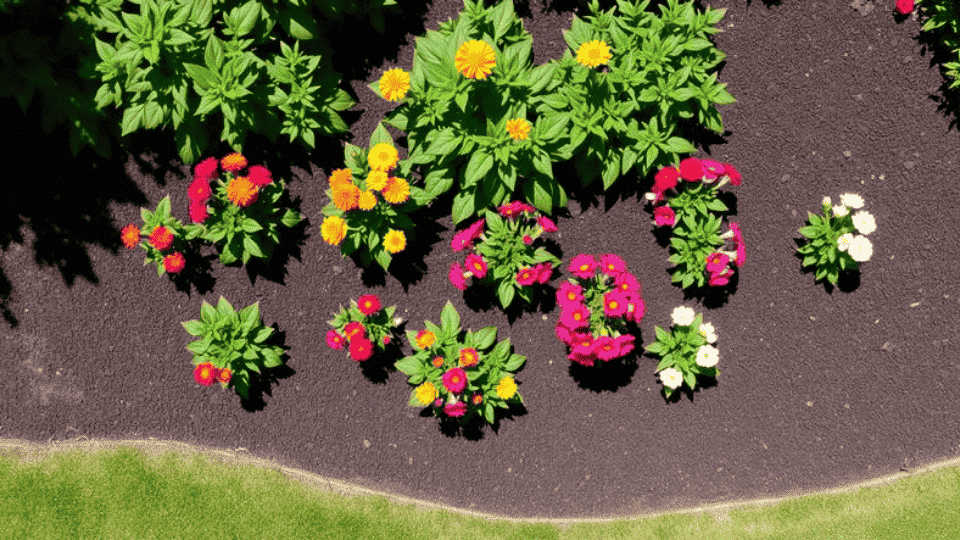
- Flower beds + veggie beds: 2-3 inches
- If it’s fine textured (like compost), stay closer to 2 inches.
- Trees + shrubs: 3-4 inches
- In cold climates for fall insulation, 4 inches is a solid target.
Two important reality checks:
- Under 2 inches = weeds still see daylight and laugh at you.
- Over 4 inches = you can smother roots, reduce airflow, and create a water shedding mat (mulch shouldn’t act like a roof).
My no drama mulching checklist (do this and you’ll look like you know what you’re doing)
- Weed first. Mulch does not magically kill established weeds. It can actually help them by hiding them like camouflage.
- Mulch when soil is slightly moist (after rain is perfect). Bone dry soil under mulch can stay bone dry longer.
- Spread in thin passes. Don’t dump one giant pile and try to wrestle it into submission.
- Keep mulch off stems and trunks. Leave 2-3 inches of space around plant bases and tree trunks.
- If you mulch up against a trunk, you’re inviting rot, disease, and pests.
- The goal is a donut, not a volcano. (Volcano mulching makes me want to show up at your house with a rake and a lecture.)
- Water lightly to settle it. Just enough to keep it from blowing into your walkway like tumbleweeds.
When to refresh old mulch (and when to stop piling it like lasagna)
Mulch breaking down is normal. That’s part of the magic. But it does mean you’ll need to top it up.
Add more when:
- your mulch layer is thinning below 2 inches
- it still smells earthy and looks normal
- you can rake it and it loosens up
In that case: rake/fluff, then add 1-2 inches.
Replace it (or at least remove a bunch) when:
- it’s slimy
- it smells sour/ammonia-ish
- it’s moldy in a “this is not fine” way
- you’ve been layering for years and now you have more than 4 inches of mulch cake
Also: once a month-ish, if you think about it, give the surface a quick fluff with a rake so it doesn’t crust over and repel water.
Three mulching mistakes I wish I could unsee
- Volcano mulching
- If mulch is piled against a tree trunk, pull it back today. Trees don’t want a damp scarf of decay around their bark.
- Using super fresh wood chips without thinking
- Fresh chips can tie up nitrogen as they break down (especially when mixed into soil).
- If you’re using arborist chips, letting them sit 2-6 months is nice when possible, or just be mindful about nitrogen for nearby plants.
- Mulching on top of a compacted, old layer
- That creates a dense, airless, water shedding mess.
- Rake and loosen what’s there before you add more.
The simplest “when should I mulch?” answer
- Spring: wait until soil is warming and crumbly, then mulch for weeds + moisture.
- Fall: wait until after a few hard frosts but before the ground freezes solid, then mulch for winter root protection.
If you’re standing in your yard wondering if today is the day, go do this: grab a glove, poke the soil, and be honest about whether it feels like workable garden soil or cold pudding. Your garden will tell you. (It’s a little judgy like that.)
Now go forth and mulch at the right time like the emotionally stable, weed blocking legend you are.