Why Your Vinegar Weed Killer Keeps Failing (and Why the Weeds Are Laughing)
You know that moment when you spray vinegar on a patch of weeds, watch them shrivel up like they’ve been personally offended by your existence… and then two weeks later they’re back, bigger, smugger, and somehow holding a tiny ribbon that says “Nice try”?
Yeah. Been there.
The annoying truth is: vinegar isn’t “bad,” and you’re not “doing it wrong.” Vinegar just has a pretty major limitation that a lot of us (me included) learn the hard way usually while standing on a driveway in flip flops feeling victorious for exactly 36 hours.
Let me break down what’s actually happening, when vinegar does make sense, and when it’s time to stop playing whack a mole with your weekends.
Vinegar Only Burns What It Touches (It’s a leaf assassin, not a root assassin)
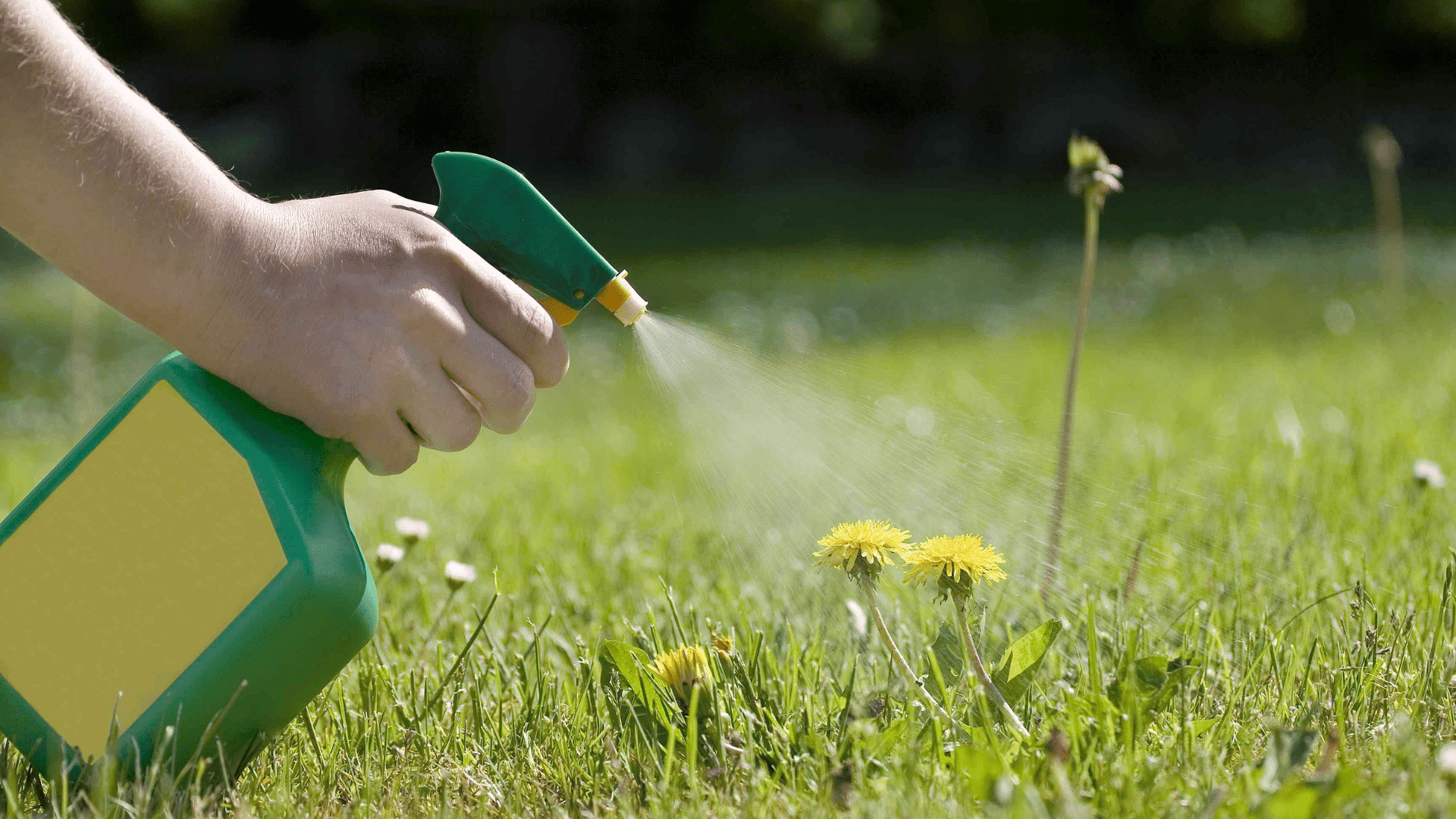
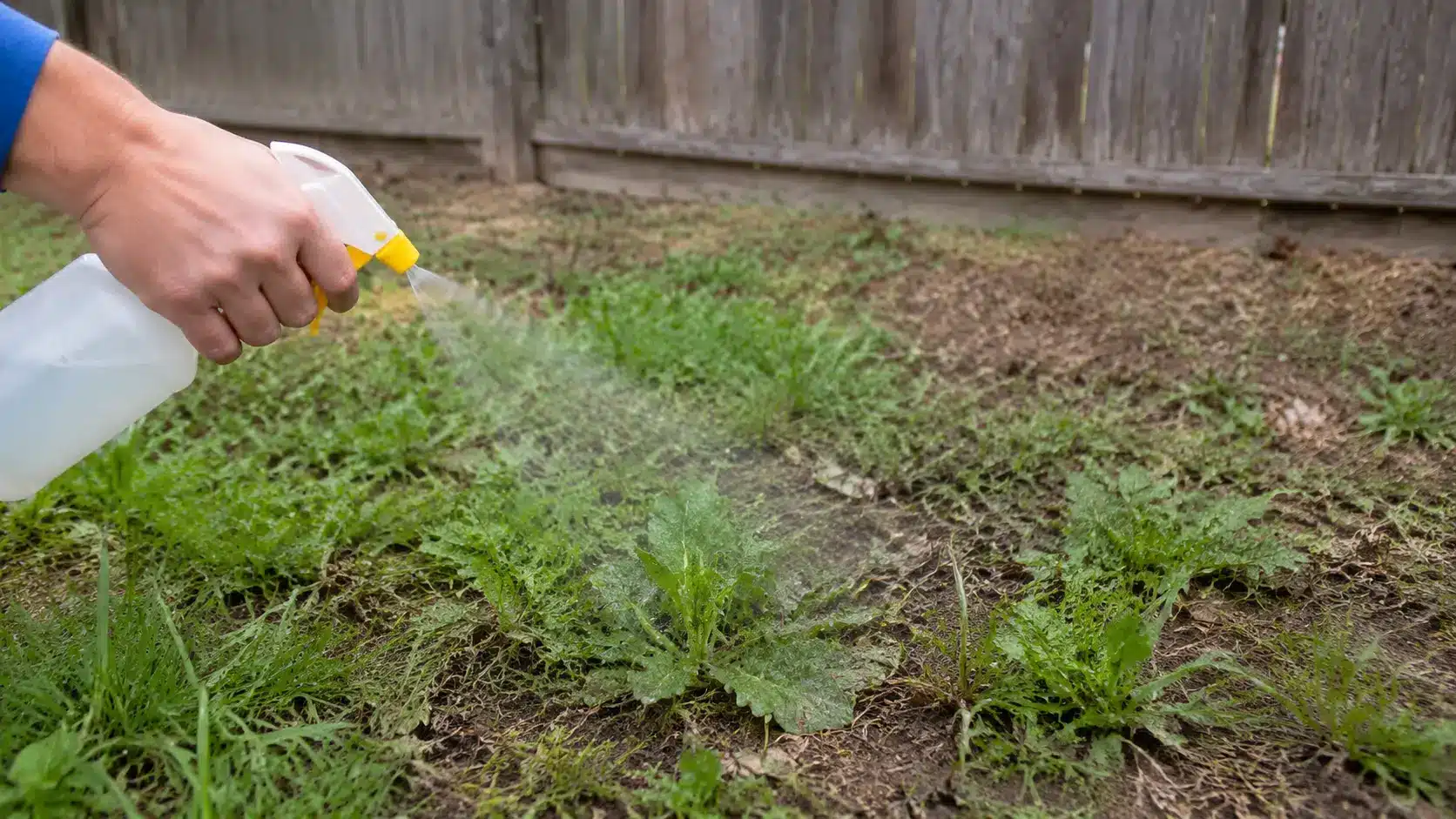
Vinegar works as a contact herbicide, which is a fancy way of saying: it only damages the parts of the plant it physically hits mostly the leaves.
So you spray, the leaves brown quickly, and you think: I am a powerful garden wizard.
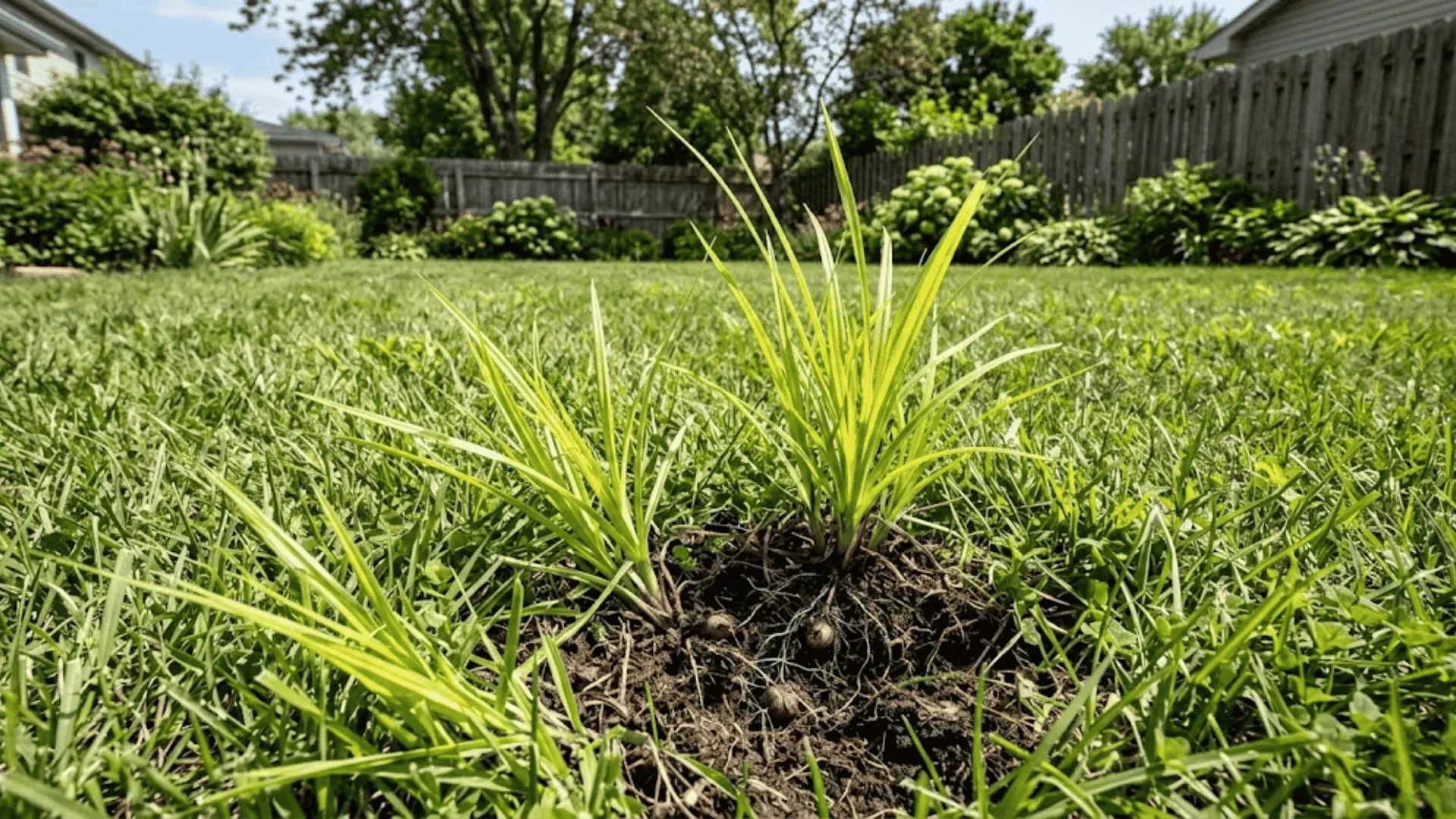
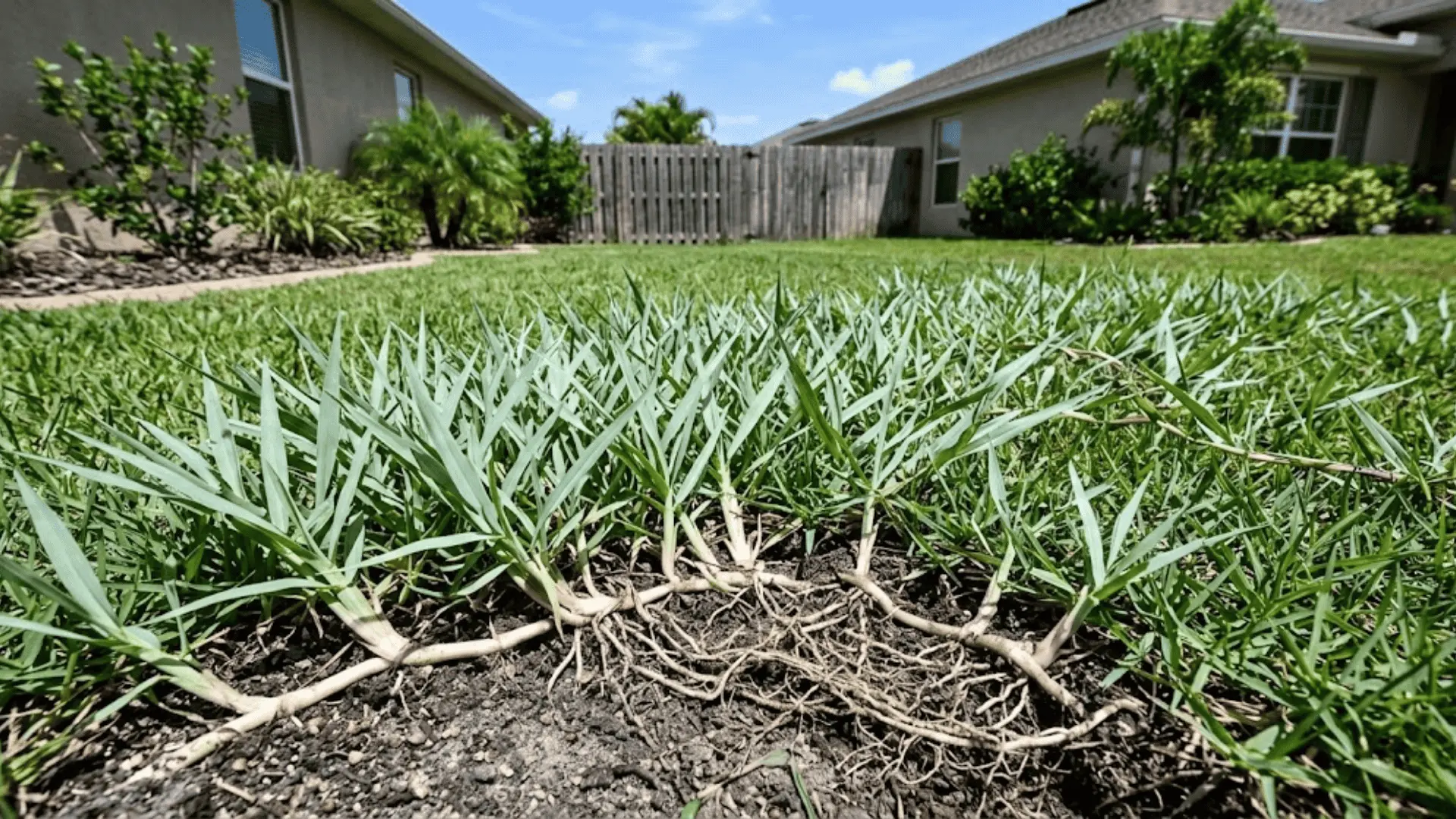
But the roots? The crown? The underground “engine” that runs this whole weed operation? Still alive and well, sipping a latte down there.
Here’s the best mental picture:
- The leaves are the weed’s solar panels.
- The root crown is its battery pack.
Vinegar fries the solar panels… but the battery is still fully charged. So the weed just uses stored energy to push out new growth like, “Cute. Anyway.”
The usual vinegar timeline goes something like:
- Same day: crispy brown leaves (very satisfying)
- A week: looks clean (you start planning what you’ll do with all your extra free time)
- 1-2 weeks: surprise! fresh green leaves from the same root system
If the weed is anything more than a tiny baby seedling with a couple leaves, you’re basically signing up for repeat performances.
“What if I use the strong vinegar?” (Aka, the plot thickens… but not the roots)
I get why people do it. Household vinegar didn’t work, so obviously the solution must be MORE VINEGAR.
But stronger vinegar mostly just changes how fast you burn the top, not whether the weed comes back. Root survival is the whole ballgame.
- 5% household vinegar: can knock out very young seedlings (emphasis on very young)
- 20-30% horticultural vinegar: burns leaves faster and more dramatically… but still doesn’t reliably kill established roots
There’s research showing 20% acetic acid controlled only a small portion of broadleaf weeds weeks later, while a systemic herbicide like glyphosate controlled far more with one application at the same timing. I’m not saying everyone needs to run out and buy anything just telling you: stronger vinegar isn’t the magic “permanent” setting people hope it is.
And it comes with a big “read this twice” warning…
Quick safety reality check: horticultural vinegar is not salad dressing
Household vinegar is pretty tame. Horticultural vinegar at 20%+? Entirely different creature.
At that strength, it can carry an EPA “Danger” rating (yes, really). It can:
- cause serious eye damage
- burn skin (sometimes you don’t even feel it immediately love that for us)
- irritate lungs if you breathe the vapor
- require real protective gear: waterproof gloves, long sleeves, and eye/face protection
Also, “natural” doesn’t automatically mean “safer.” Fun fact that surprises people: by oral LD50 numbers, acetic acid can be more acutely toxic than glyphosate. So please don’t treat strong vinegar like it’s some harmless pantry hack.
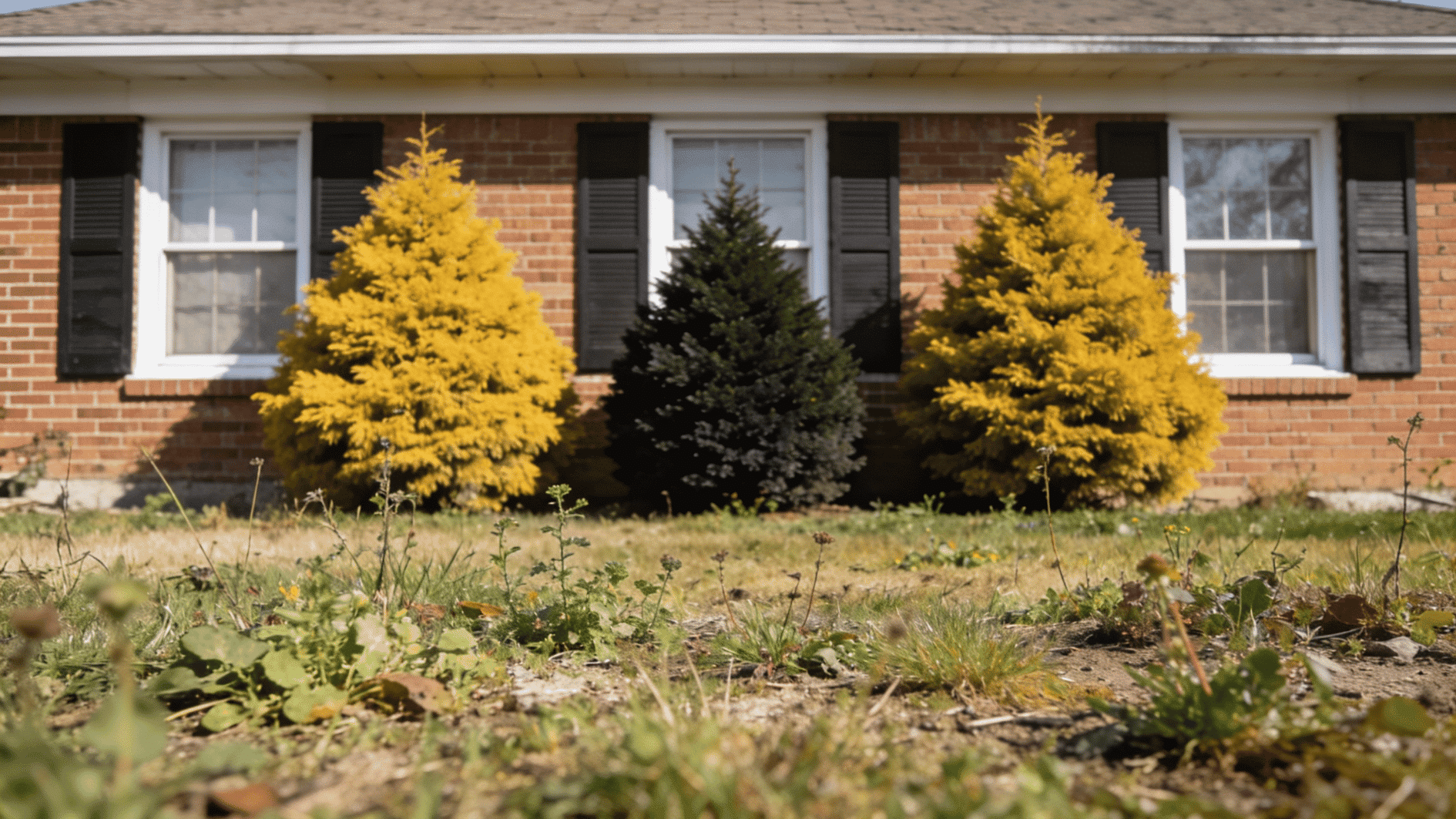
And of course: vinegar doesn’t have good aim. It’ll damage whatever it touches grass, flowers, veggies, your favorite shrub you’ve kept alive against all odds… all of it.
When vinegar does work (aka where it earns its keep)
I actually like vinegar for weeds in exactly one category of places:
Hardscape areas where you just want it to look better quickly and you’re okay with maintenance.
Think:
- driveway cracks
- patio joints
- gravel paths
- walkway edges
It’s especially useful for tiny seedlings you can hit early and often (like a quick weekly swipe when you’re already outside).
If your goal is “make this look less chaotic before guests come over,” vinegar can absolutely be your little cosmetic cleanup buddy.
If your goal is “never see this weed again until the sun burns out,” vinegar is… not that friend.
How to actually get the best results with vinegar (timing is everything)
If you’re going to use vinegar, don’t do it on a random Tuesday because you’re mad. Vinegar works best when conditions help it dry out the plant fast.
Here’s the sweet spot:
- Warm day (think 70°F+)
- Full sun
- Midday (not early morning dew time)
- No rain for 24-48 hours
- Low wind (unless you enjoy accidentally “weed killing” your plants)
And this matters more than people think: coverage beats concentration.
A weaker mix sprayed thoroughly can outperform stronger vinegar you mist on halfheartedly.
Spray until the leaves are evenly coated and glistening wet, not dripping.
One more thing: don’t mix vinegar with salt. Salt hangs around in the soil and can mess it up long term. Vinegar breaks down relatively quickly. Salt does not. Salt is that houseguest who “just needs to crash for a night” and then lives on your couch for six months.
When to stop using vinegar and pick a different battle plan
If you’re dealing with:
- lawn weeds (vinegar will happily kill your grass too)
- garden beds near plants you care about
- a big area (over a few hundred square feet your time is not free, I promise)
- established perennials with real root systems (dandelion, bindweed, thistle, brambles, nutsedge, crabgrass…)
…vinegar is usually going to turn into a weekly ritual of rage with unwanted climbing vines.
In those cases, if you need to kill grape vines permanently you’ll usually be happier with one of these:
- Hand pulling after rain (the soil is softer, roots come up cleaner, and you feel like a capable woodland creature)
- Mulch (3-4 inches) in beds to prevent new weeds from sprouting (not a root killer, but great prevention)
- A systemic herbicide for truly stubborn established weeds in places where it makes sense (used carefully and according to the label yes, I’m being that mom)
Honestly, for a small patch, I’d rather pull after a rain once or twice than spray vinegar five to nine times and still lose the war.
So… is vinegar weed killer worth it?
Sometimes! Just not for everything.
I think of vinegar like a quick surface level cleanup: great for tiny weeds in cracks when you want fast visual results and don’t mind repeating it. But for anything with an established root system, vinegar tends to trap you in the world’s least fun cycle: burn, regrow, burn, regrow, question your life choices.
Before you spray, take five seconds to ask: Is this a baby seedling, or is this a weed with a whole underground savings account?
Match the method to the weed, and suddenly the job stops feeling like a weekly punishment.
And if you need me, I’ll be outside pretending I didn’t just miss a tiny tuft of green in the driveway crack that will absolutely be three inches tall by Thursday.