There’s something magical about the idea of building your own sanctuary from the ground up, isn’t there?
DIY tiny houses have captured hearts everywhere because they offer freedom from crushing mortgages and the chance to create a space that’s authentically yours.
You could craft a cozy woodland retreat or a minimalist haven on wheels, where every corner reflects your vision while keeping costs refreshingly low.
Building it yourself means pouring your personality into each detail, from reclaimed wood accents to that perfect reading nook by the window.
Ready to turn those Pinterest boards into reality? Let’s walk through everything you need to know about planning, budgeting, and bringing your tiny house dreams to life.
What is a DIY Tiny House?
A DIY tiny house is a compact, fully functional home you build yourself, typically ranging from 100 to 400 square feet. These pint-sized dwellings pack everything you need for comfortable living into a thoughtfully designed space.
The main difference between DIY and professionally built tiny homes comes down to sweat equity versus professional labor.
When you go the DIY route, you’re hands-on with every step, whether framing walls or installing plumbing, which can slash costs by half or more. If you’re looking for proven layouts to work from, tiny house plans can save you weeks of trial and error in the design phase.
Professionally built tiny homes offer polished craftsmanship and faster completion, but they come with a significantly higher price tag that reflects skilled labor and established building processes.
How Much Does It Cost to Build a DIY Tiny House?
Understanding the financial side of your tiny house build helps you plan realistically and make smart choices about where to invest your budget.
Average DIY Tiny House Costs
- Low-budget builds ($10,000–$20,000) – Reclaimed materials and simple systems keep costs minimal.
- Mid-range builds ($20,000–$40,000) – New materials with quality finishes and reliable appliances.
- High-end DIY builds ($40,000–$60,000+) – Premium features, custom details, and top-tier systems.
| Category | Estimated Cost Range |
|---|---|
| Foundation or trailer | $2,000–$8,000 |
| Framing and structure | $3,000–$8,000 |
| Roofing and siding | $2,000–$6,000 |
| Insulation and windows | $1,500–$5,000 |
| Interior finishes | $2,000–$10,000 |
| Plumbing and electrical | $1,500–$6,000 |
| Appliances and fixtures | $2,000–$8,000 |
These ranges vary based on material quality, size, and how much work you tackle yourself versus hiring out for specialized tasks.
Budgeting Tips for Building a Tiny House
Smart budgeting makes the difference between a stressful build and an enjoyable one. Here’s how to keep your finances on track without sacrificing your vision.
- Set a Realistic Budget Upfront: Research actual material costs and add 10-20% for surprises, then stick to that number as your guide.
- Prioritize Must-Haves over Nice-to-Haves: Invest in quality structural elements, insulation, and weatherproofing first, saving aesthetic upgrades for later.
- Track Every Expense Meticulously: Use a spreadsheet or budgeting app to record purchases as you go, so you always know where you stand financially.
- Build a Contingency Fund: Unexpected issues will arise, so having extra money set aside prevents project delays and stress.
A well-planned budget gives you the freedom to focus on building rather than worrying about money at every turn.
Planning Your DIY Tiny House
Planning your tiny house carefully sets the stage for a smooth build and a home you’ll love living in. Start by deciding on the type and layout that best fits your lifestyle.
Choosing a Tiny House Type
The foundation of your tiny house project begins with selecting the right type for your needs and circumstances.
| Type | Best For | Key Considerations |
|---|---|---|
| Tiny house on wheels | Mobility and flexibility | Requires trailer, weight limits, towing vehicle |
| Foundation-based tiny house | Permanent placement, stability | Needs land ownership, building permits |
| Backyard or ADU-style tiny home | Extra living space, rental income | Local zoning laws, utility connections |
Designing the Layout
Your layout determines how functional and comfortable your tiny house feels daily. Space-saving floor plans maximize every inch with multi-purpose furniture and clever built-ins.
Loft designs add sleeping space without sacrificing ground-level room, while single-level layouts offer easier accessibility and a more open feel.
Storage-focused layouts incorporate hidden compartments, under-stair drawers, and vertical shelving to keep clutter at bay.
Think about your daily routines and prioritize the features that matter most to your lifestyle.
Legal and Zoning Considerations
The legal side of tiny house living might not be glamorous, but it’s essential for avoiding headaches down the road.
- Research Local Building Codes: Requirements for minimum square footage, ceiling height, and safety features vary widely by location and must be met.
- Understand Zoning Restrictions: Many areas classify tiny houses differently from traditional homes, affecting where you can legally park or build yours.
- Obtain Necessary Permits: Most builds require permits for electrical, plumbing, and structural work, plus inspections at various stages of construction.
- Identify Legal Placement Options: RV parks, tiny house communities, private land with owner permission, and ADU-zoned properties are common legal options.
For comprehensive guidance on tiny house regulations and legal requirements, visit ICC Digital Codes for official IRC Appendix Q standards.
Tools and Skills Needed to Build a Tiny Home
Building a tiny house requires the right tools and a realistic understanding of your skill level. Here’s what you need to get started.
| Category | What You Need to Know |
|---|---|
| Essential Tools | Circular saw, drill, level, tape measure, framing square, hammer, ladder, safety gear |
| DIY-Friendly Skills | Framing, basic carpentry, insulation installation, interior finishing, and painting |
| Hire Professionals For | Complex electrical wiring, gas lines, roofing, and spray foam insulation |
| Safety Essentials | Goggles, gloves, dust masks, proper ventilation, partner for heavy lifting |
Starting with fundamental carpentry skills and gradually building your confidence helps you tackle more complex tasks while knowing when to call in professionals for specialized work.
Step-by-Step Overview: How to Build a Tiny House
Building a tiny house is a rewarding project that blends creativity with practical craftsmanship. Understanding each phase of construction helps you plan effectively and avoid costly mistakes along the way.
Step 1: Foundation or Trailer Setup
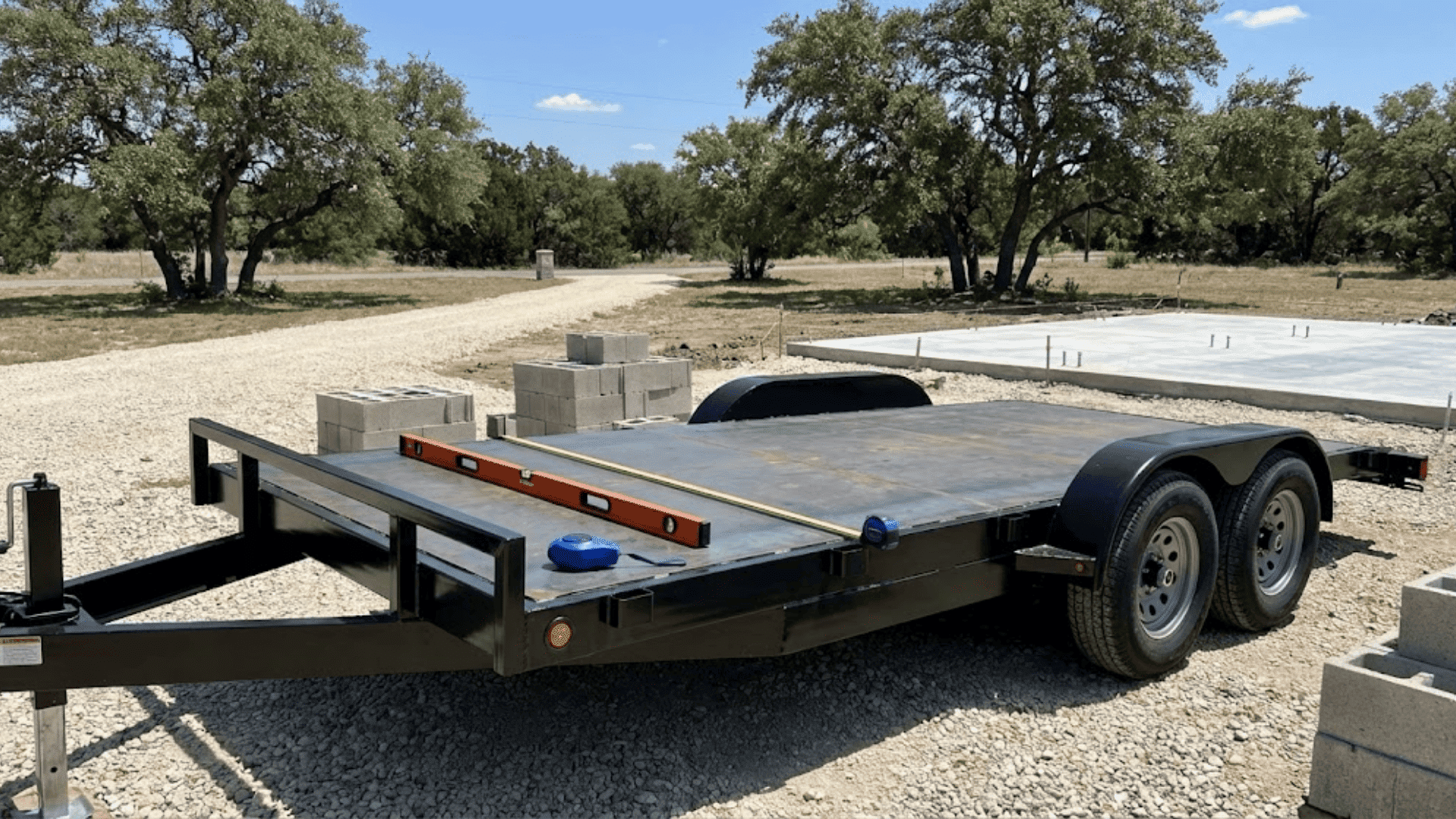
Every tiny house begins with a solid base. If you’re building a mobile tiny home, selecting a sturdy steel trailer with the right weight capacity is essential.
For stationary builds, a concrete slab, pier foundation, or concrete blocks provide the necessary support. Ensure your foundation is perfectly level before proceeding, as this affects every stage that follows.
Step 2: Framing the Structure
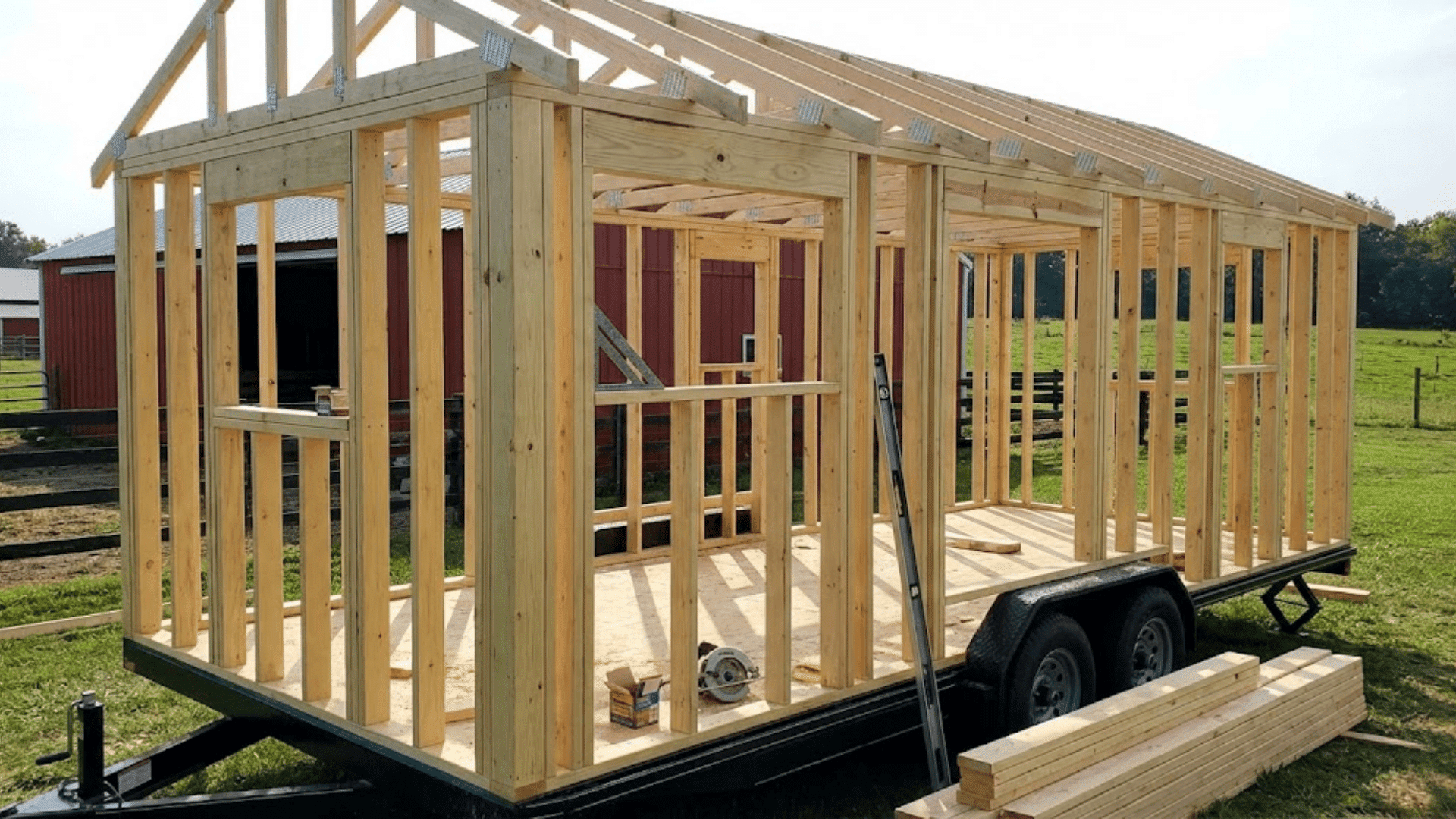
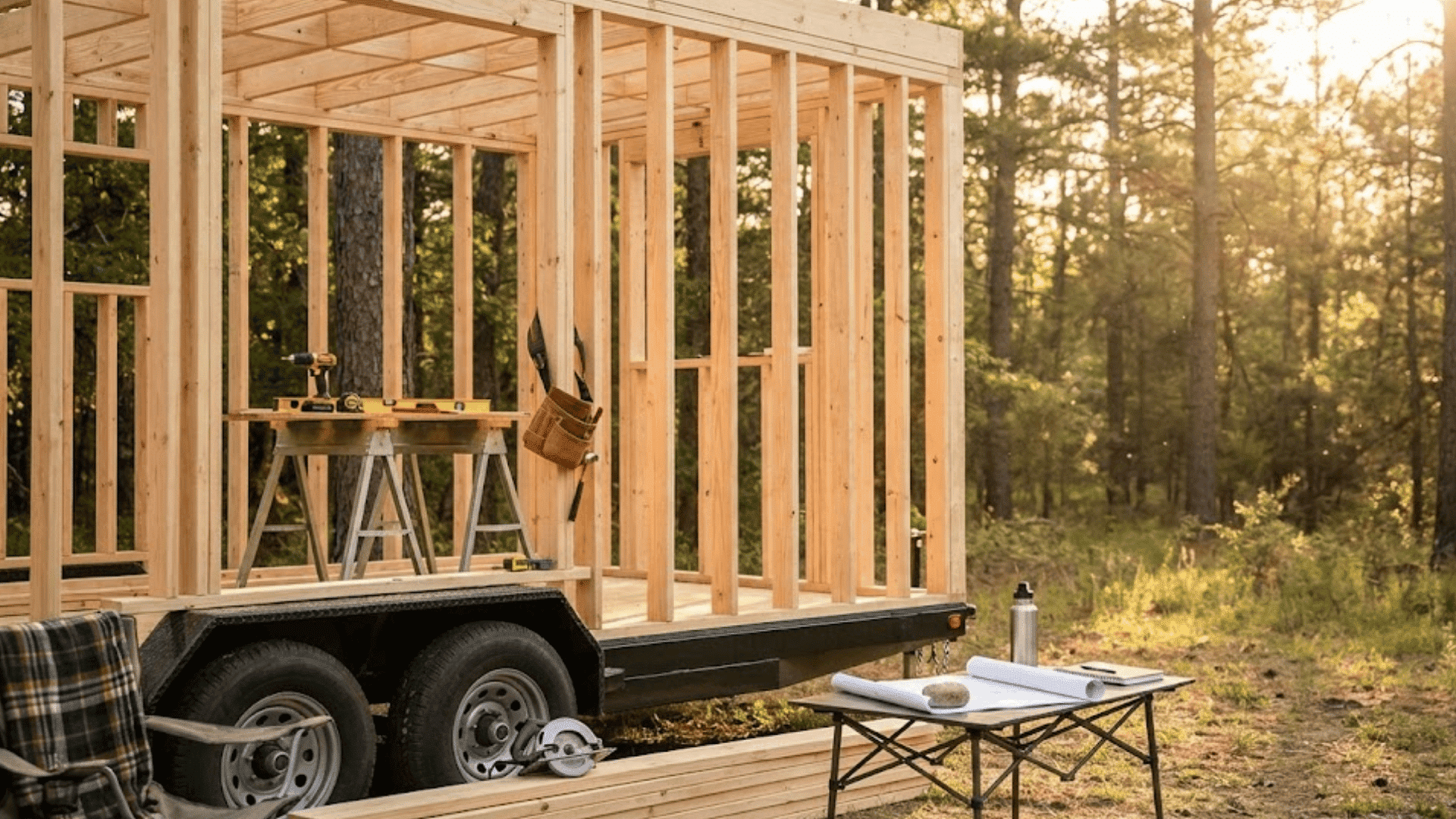
Framing creates the skeleton of your tiny house. Using lightweight yet durable lumber, you’ll construct wall frames, floor joists, and roof trusses.
Many builders opt for advanced framing techniques to reduce material use while maximizing insulation space. Take time to ensure all corners are square and walls are plumb, as precision here makes finishing work much easier.
Step 3: Roofing and Exterior Shell
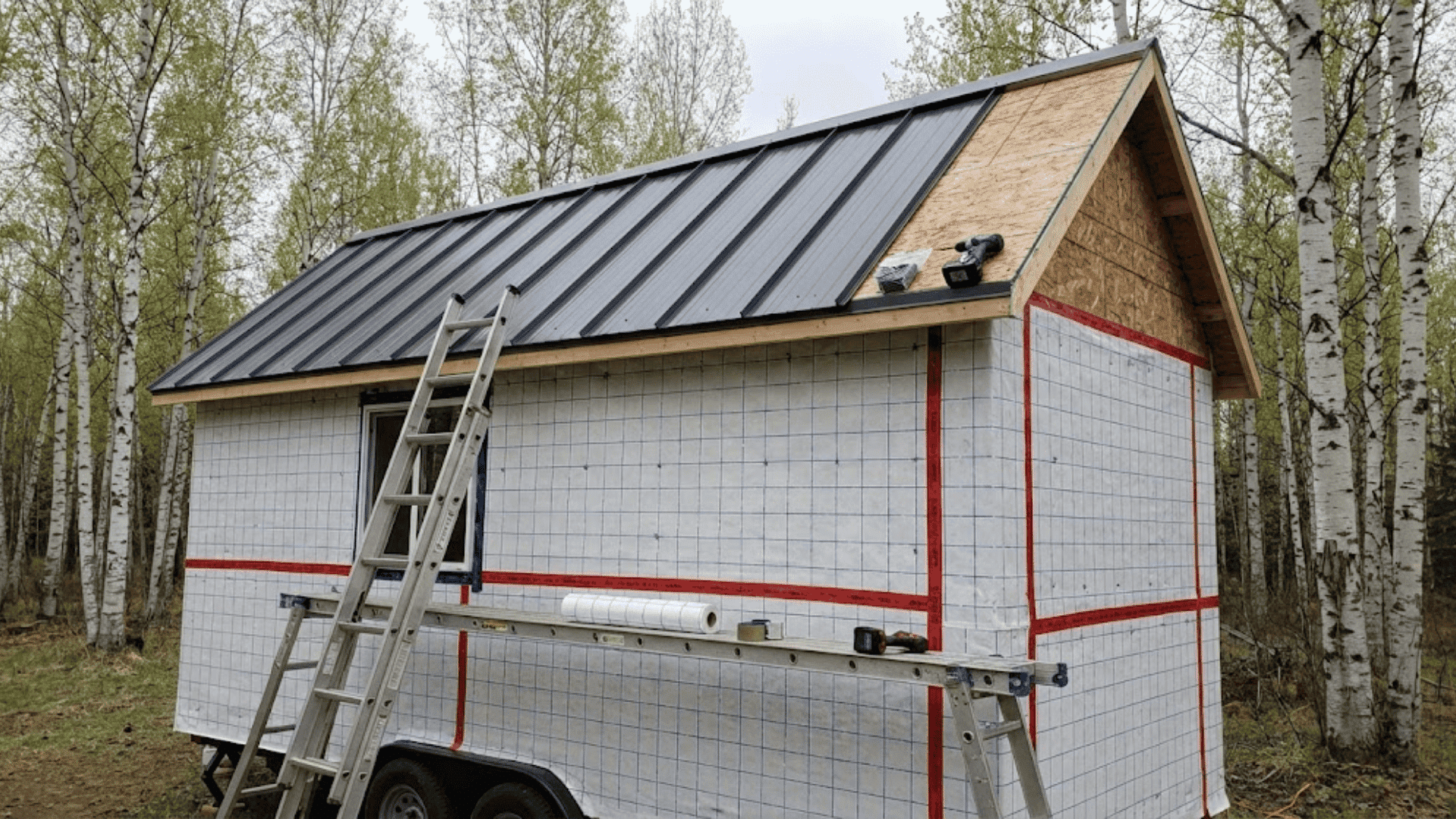
Once framing is complete, the exterior shell protects your structure from the elements. Install roof sheathing and your chosen roofing material, whether metal panels or asphalt shingles.
House wrap applied over wall sheathing creates a moisture barrier before siding goes up. This weatherproof layer is crucial for longevity and energy efficiency in your tiny home.
Step 4: Installing Windows and Doors
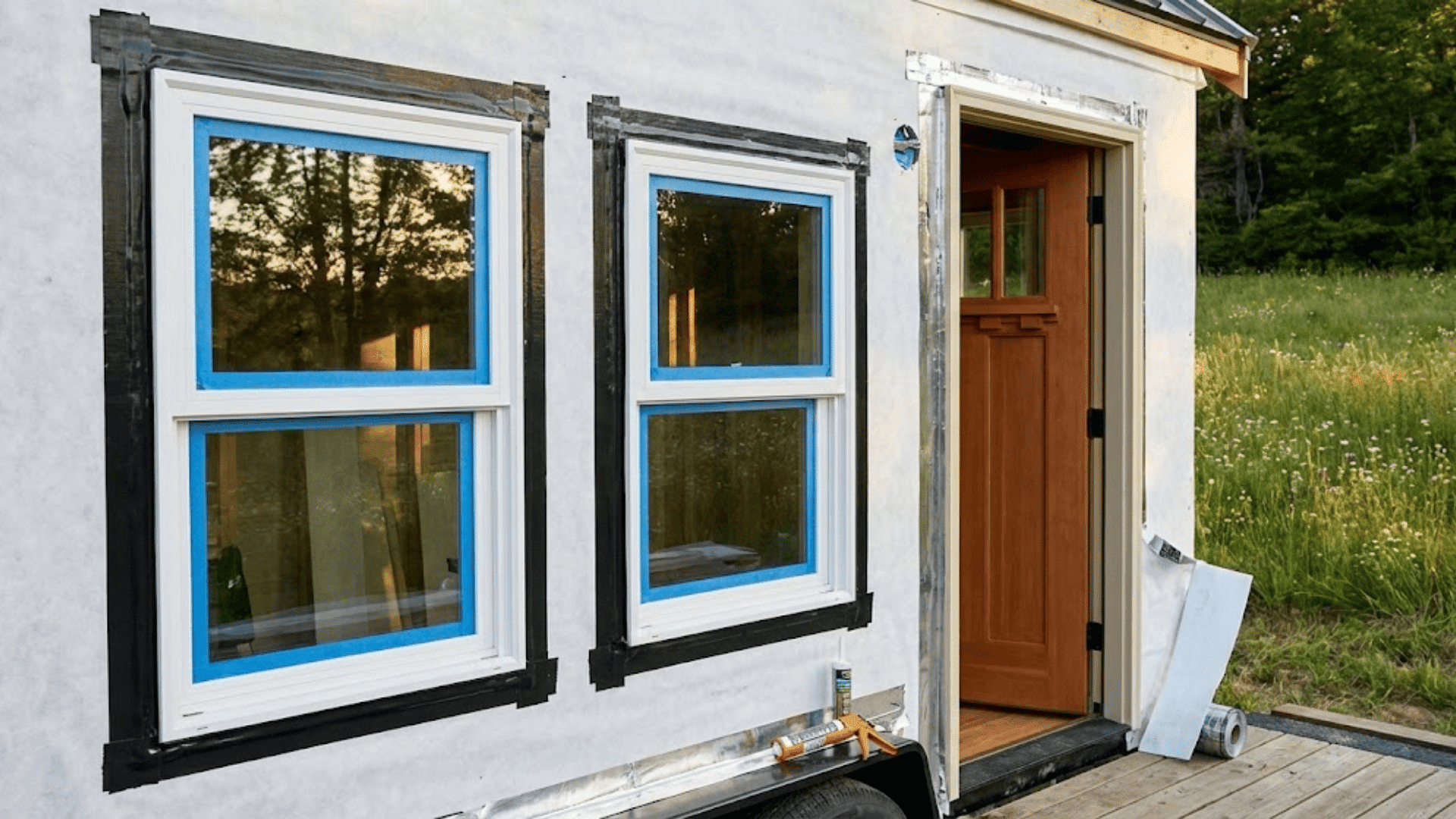
Windows and doors add light, ventilation, and character to your tiny house. Proper installation needs flashing and sealing to prevent water intrusion. Arrange windows for optimal light and ventilation without sacrificing privacy.
Energy-efficient options with good insulation ratings help regulate interior temperature and reduce your heating and cooling needs throughout the seasons.
Step 5: Electrical and Plumbing Rough-Ins
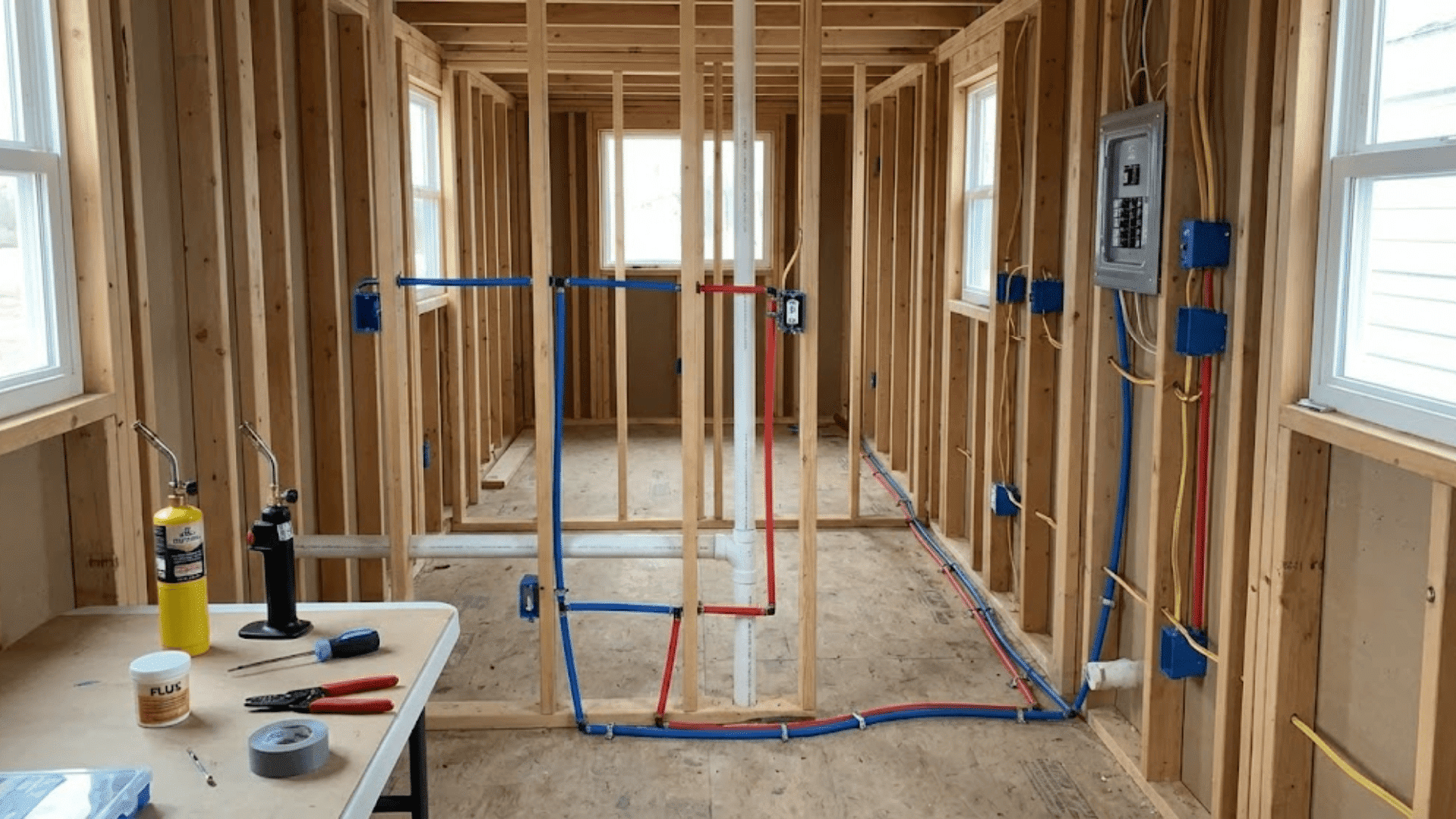
Before closing up walls, rough-in your electrical wiring and plumbing lines. Plan outlet placement, lighting locations, and your electrical panel position carefully.
For plumbing, map out supply lines and drain routes for your kitchen and bathroom. Many tiny house builders choose flexible PEX tubing for water lines due to its ease of installation in compact spaces.
Step 6: Insulation and Climate Control
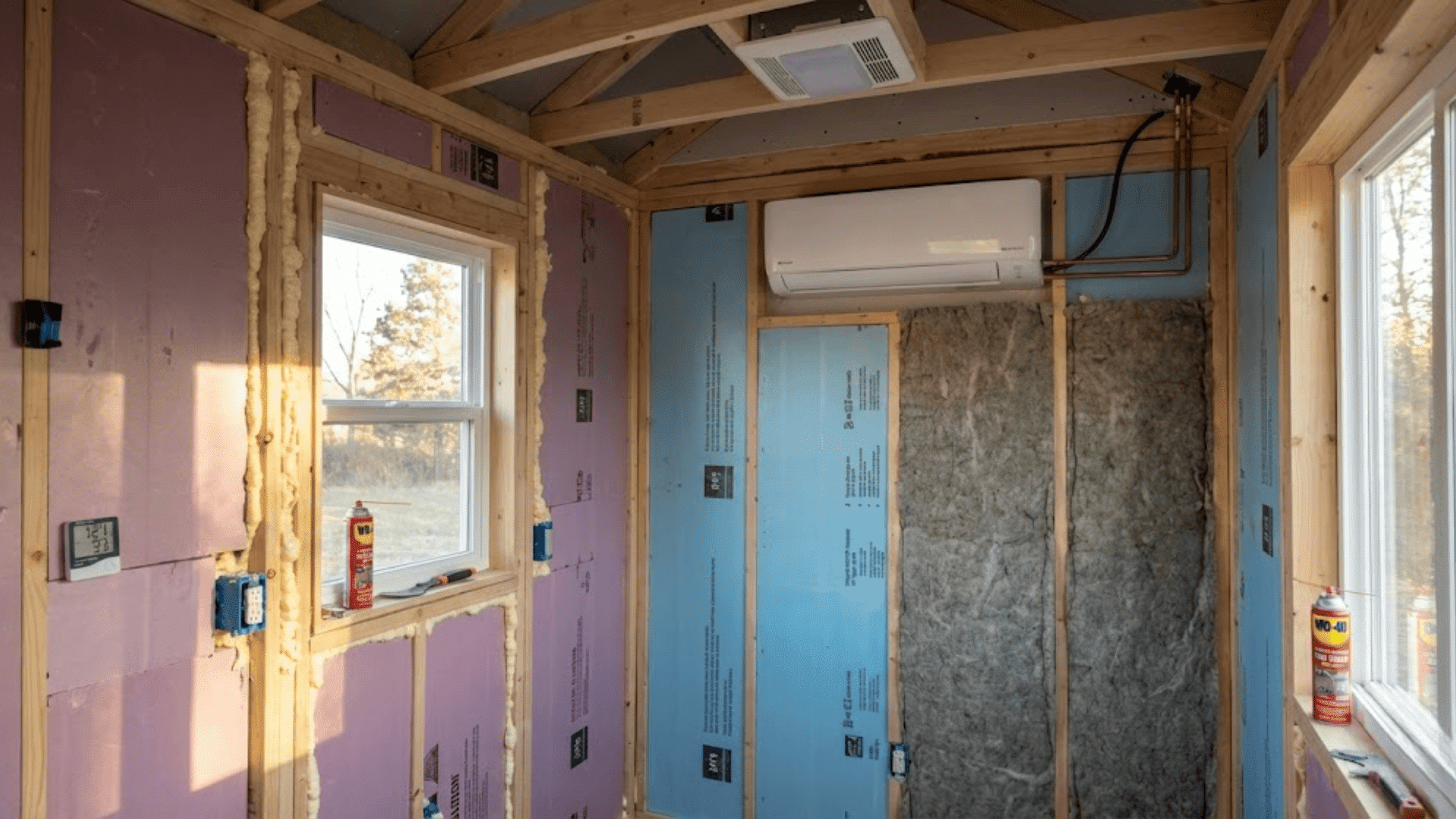
Proper insulation keeps your tiny house comfortable year-round. Spray foam, rigid foam boards, or wool batts fit between framing members in walls, floors, and ceilings.
Consider your climate when choosing R-values. Ventilation is equally important in small spaces, so plan for bathroom exhaust fans and potentially a mini-split system for efficient heating and cooling.
Step 7: Interior Walls, Flooring, and Finishes
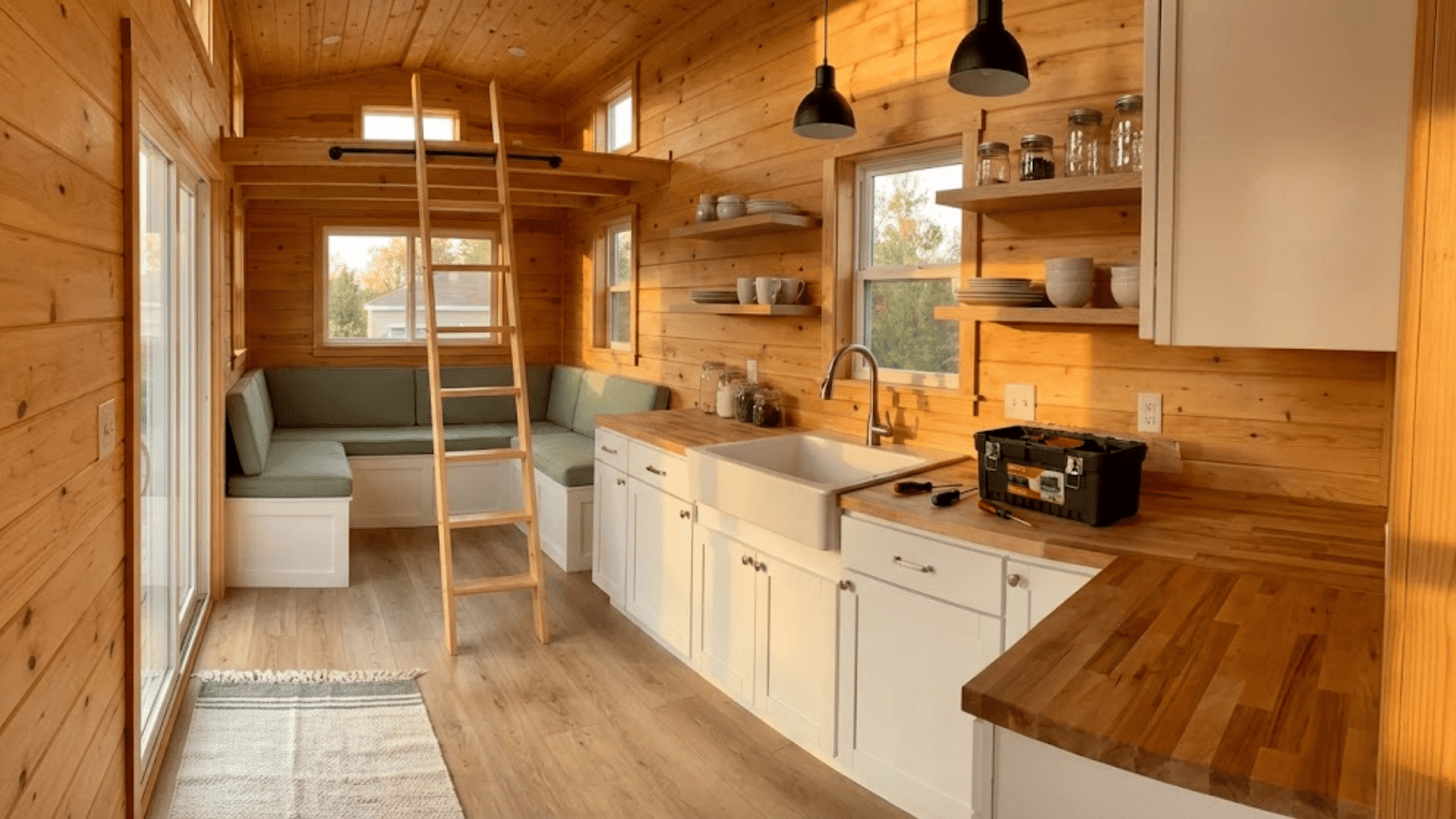
The finishing stage brings your tiny house to life. Install interior wall panels such as tongue-and-groove wood or painted drywall, then lay your chosen flooring material.
Built-in cabinetry, countertops, and fixtures complete functional spaces. This phase requires patience and attention to detail, as every visible element contributes to the overall feel of your compact home.
Affordable Materials for DIY Tiny Houses
Building a tiny house on a budget is entirely possible when you know where to find quality materials at lower prices.
Smart sourcing and creative alternatives help stretch your budget without compromising structural integrity or comfort.
| Material Category | Affordable Options | Where to Source |
|---|---|---|
| Budget-Friendly Framing | Standard pine lumber, engineered studs, or steel framing | Lumberyards, big-box stores during sales, and wholesale suppliers |
| Reclaimed Materials | Salvaged barn wood, recycled metal roofing, vintage doors | Salvage yards, demolition sites, community reuse centers |
| Cost-Effective Insulation | Rigid foam boards, recycled denim batts, loose-fill cellulose | Home improvement stores, eco-building suppliers |
| Secondhand Supplies | Overstock windows, discontinued flooring, surplus hardware | Habitat ReStores, factory outlets, estate sales |
Keep a running list of materials you need and check salvage sources regularly, as inventory changes frequently and the best finds go quickly.
Money-Saving Tips When Building a Tiny Home
Stretching your budget requires a blend of smart planning and resourceful thinking. These practical strategies help you save significantly without cutting corners on quality.
- Purchase lumber, fasteners, and hardware in bulk to take advantage of contractor pricing and volume discounts.
- Source salvaged doors, windows, and fixtures from reuse centers to add character while reducing costs.
- Break your build into phases, completing each stage as funds allow rather than financing everything upfront.
- Research thoroughly before starting to avoid costly beginner mistakes like improper trailer sizing or inadequate insulation.
- Invest time in learning basic skills yourself rather than hiring out every task, saving labor costs where safely possible.
A little patience and creativity go a long way in tiny house building, often turning budget constraints into opportunities for unique, personalized solutions.
DIY Tiny House Interior Ideas
Making the most of limited square footage requires creativity and intentional choices. These interior strategies help your tiny house feel spacious, organized, and perfectly suited to your lifestyle.
1. Multifunctional Furniture
Pieces that serve double or triple duty are essential in tiny house living. A storage ottoman becomes seating, a footrest, and a place to stash blankets.
A dining table that folds into a desk keeps your space adaptable throughout the day. Sofa beds with hidden storage compartments offer sleeping space for guests without sacrificing everyday comfort.
Choosing furniture that works harder means owning fewer pieces overall.
Suggested Products:
- IKEA FRIHETEN Sleeper Sofa with built-in storage
- IKEA NORDEN Gateleg Table for flexible dining and workspace
- Resource Furniture Wall Beds for premium convertible sleeping solutions
2. Fold-Down and Convertible Features
Wall-mounted tables, drop-down desks, and Murphy beds give you full functionality when needed and disappear when not in use.
A fold-down kitchen counter extends your prep space during cooking and tucks away for more room to move.
Convertible features allow your tiny house to shift between activities seamlessly, making one room feel like several throughout the day.
Suggested Products:
- Resource Furniture Murphy Beds with Desk for integrated workspace solutions
- IKEA NORDEN Gateleg Table with drop-leaf design
3. Vertical Storage Solutions
When floor space is precious, walls become your greatest asset.
Floor-to-ceiling shelving, pegboards, and hanging organizers draw the eye upward and keep essentials within reach. Tall, narrow cabinets and stacked cubbies store more than sprawling horizontal pieces ever could.
Thinking vertically opens up floor space for living while maximizing every inch of your tiny home.
Suggested Products:
- IKEA KALLAX Shelf Unit for modular vertical storage
- The Container Store Elfa System for customizable wall-mounted shelving
4. Minimalist Design Strategies
Embracing simplicity keeps tiny spaces feeling calm rather than cluttered.
A restrained color palette, clean lines, and intentional negative space create visual breathing room. Each item earns its place by being both beautiful and useful.
Letting go of excess and curating only what you truly need allows your tiny house to feel expansive and peaceful.
Suggested Products:
- IKEA KALLAX Shelf Unit with Inserts for streamlined storage
- The Container Store Elfa Classic Components for clean, customizable organization
Utilities and Off-Grid Options
Deciding how your tiny house connects to essential services shapes both your lifestyle and your freedom.
Understanding the trade-offs between traditional hookups and off-grid alternatives helps you design a home that aligns with your values and location.
| Utility Category | Traditional Option | Off-Grid Alternative |
|---|---|---|
| Electricity | Grid hookup with metered service | Solar panels with battery storage |
| Water | Municipal water connection | Rainwater collection or well system |
| Toilet System | Flush toilet with septic or sewer | Composting toilet without plumbing |
| Heating and Cooling | Central HVAC or electric heaters | Mini-splits, wood stoves, or propane |
Is a DIY Tiny House Right for You?
Before picking up a hammer, take an honest look at whether this path aligns with your reality. Building your own tiny house is rewarding, but it demands more than enthusiasm alone.
- Consider the time commitment honestly; most DIY builds take several months to over a year of dedicated work.
- Weigh budget savings against comfort, as cutting costs often means sacrificing convenience or learning new skills.
- Reflect on whether tiny living fits your long-term lifestyle, relationships, and future plans.
- Assess your willingness to problem-solve, as unexpected challenges are part of every build.
If you crave hands-on creation, value simplicity, and welcome the learning curve, building your own tiny house could be one of the most fulfilling projects you ever take on.
The Bottom Line
A DIY tiny house is more than a construction project; it’s a chance to craft a home that truly reflects how you want to live.
Every nail you hammer and every design choice you make brings you closer to a space that’s uniquely yours.
The process will test your patience and teach you skills you never expected to learn, but the reward is a home built by your own hands.
We’d love to hear what part of the tiny house building process excites you most in the comments below.