Moving boxes pile up fast, and the patio gets ignored for a week. Then you notice dry pots, scorched leaves, and ants in the saucers. In Houston heat, a missed watering cycle shows up quickly.
Plants also affect how smooth your move feels day to day. A simple plant plan cuts last minute trips and prevents messy spills inside vehicles. If you are using a broker like Coastal Moving Services, include your plants in the early inventory and timing talk. That helps you match pickup windows with the hours your plants can handle.
Photo by RDNE Stock project
Decide What Should Travel And What Should Not
Start with a quick triage, because not every plant should make the trip. Large ceramic pots crack during lifting, and heavy wet soil adds risk for backs. Some plants also struggle with hours in a hot truck.
Use three groups so decisions stay clear and fast. Group one is high value plants you can carry yourself, like orchids or rare succulents. Group two is hardy plants that can ride in your car if packed well. Group three is plants you will replace after you settle, like tired annuals.
A simple list helps when your brain is already busy. Try this quick screen before you commit space.
- Is the pot light enough for one person to lift safely today?
- Can the plant handle six to twelve hours without direct sun or water?
- Will pests or disease travel with it into your next home?
Also check local rules before you cross state lines with live plants. Some states restrict soil or certain species because of pests and plant diseases. If you are unsure, ask your state agriculture office what is allowed for household moves. Keep that note with your moving folder, so you do not guess at the last minute.
Prep Plants Two Weeks Before Moving Day
Two weeks out is the sweet spot for plant prep. You have time to fix problems, but you are not rushing on the final weekend. This is also when Houston weather can swing from cool rain to strong sun.
Watering needs a lighter touch during the final stretch. Reduce watering slightly, so soil is damp but not dripping on travel day. Wet soil adds weight, and it can flood a box if the pot tips.
Prune for shape and safety, not for looks. Remove dead leaves, spent blooms, and weak stems that snap during handling. If a plant is leggy, stake it with a bamboo stick and soft ties. That keeps stems from bending against the box walls.
Repot only if the plant is in trouble, because fresh soil can stay loose. If roots are bursting out, step up one pot size and press soil down firmly. For most plants, wait to repot until after you arrive and rest. Texas A and M AgriLife Extension has practical plant care guides that cover watering and stress signs without hype.
Pack Plants For Transport Without A Mess
Packing plants is mostly about stability and airflow. You want pots to stay upright and leaves to avoid rubbing. You also want to prevent heat buildup, since Gulf Coast sun can cook a closed vehicle.
Use boxes that fit the pot base with little extra room. Cut holes in the sides for handles and fresh air. Line the box bottom with a trash bag, then add a layer of paper to catch small spills.
For tall plants, build a collar so leaves are not crushed. Wrap the pot and soil surface with stretch wrap, then leave the stem and leaves free. If the plant has delicate leaves, use tissue paper as a loose shield. Avoid tight plastic around foliage, because it traps moisture and raises rot risk.
On travel day, keep plants with you whenever possible. Most moving trucks are dark and can run very hot, even in mild weather. If plants must go with the move, ask what space will be climate controlled and what will not. That is another reason to flag plants early during planning calls, so timing and truck space are realistic.
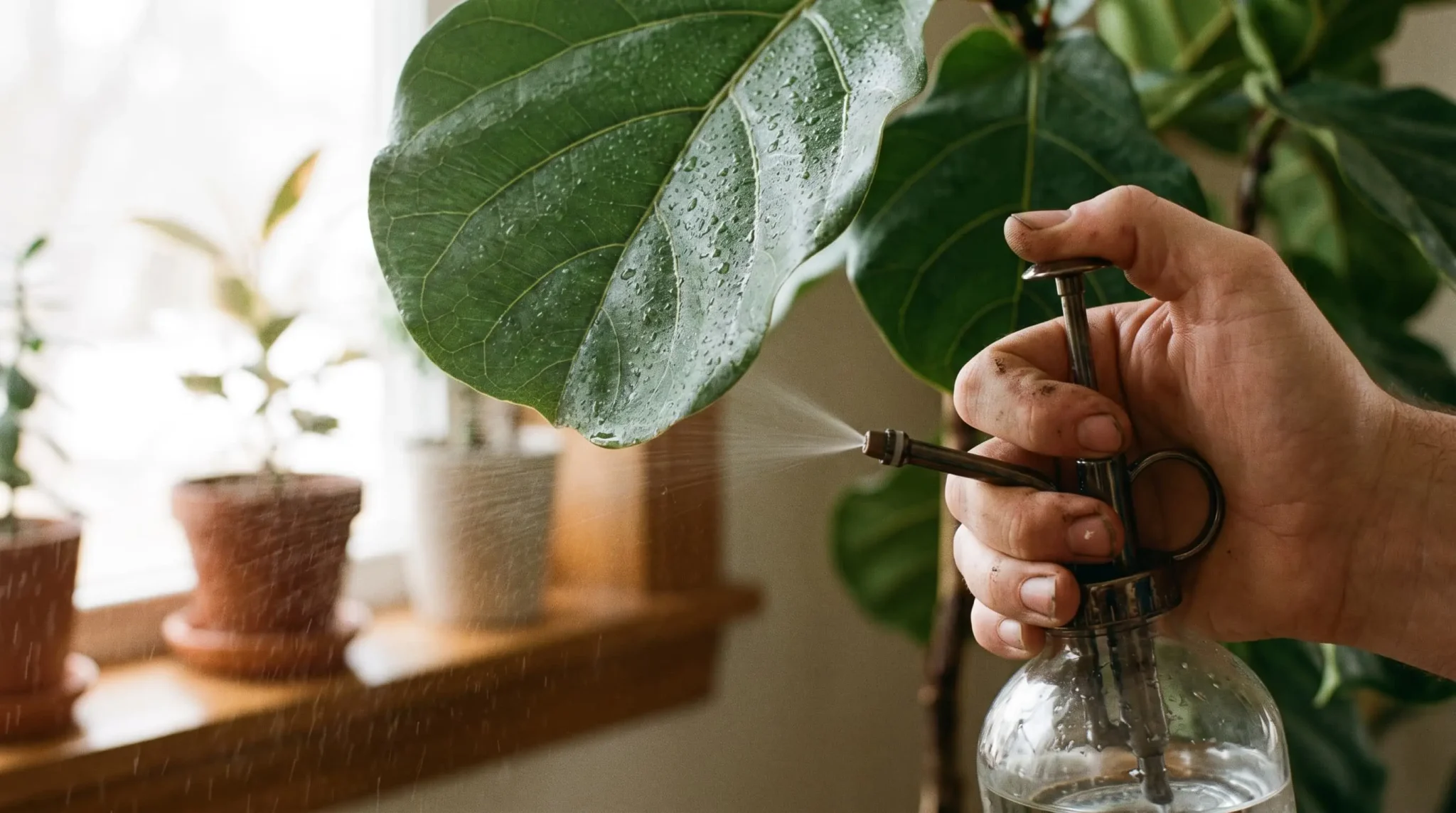
Keep a small plant kit in your car, not in a packed box. Include a spray bottle, paper towels, gloves, and a few zip bags. Add a marker and tape so you can label plants that need gentle handling. This kit prevents a small spill from turning into a long cleanup.
Protect Plants During Pickup And Delivery Windows
The hardest part is often the waiting, not the driving. Pickup windows and delivery windows can stretch across hours or days. Plants do not care about schedules, so you have to plan for delays.
Before movers arrive, move plants into one shaded staging area. A garage with the door cracked, a covered porch, or a bright room away from direct sun can work. Grouping plants makes counting easier and prevents one forgotten pot behind a fence.
During pickup, keep plants out of the main traffic path. People carrying dressers do not see a low planter in time. Place a bright towel or cone near the plant zone as a simple visual cue.
If there is a long gap before delivery, plan for basic care on the road. Aim for short watering, not a full soak. Check soil with your finger two inches down, then water only if it feels dry. If your route crosses colder areas, protect tropical plants from cold air blasts. Even short exposure can cause leaf drop and soft stems.
After delivery, do not leave plants in a parked car “for later.” In Houston sun, car temperatures rise fast, even in winter. Bring plants inside first, then deal with furniture and boxes. That one choice prevents the most common loss during a move.
Help Plants Settle In The First Week
Arrival care is about patience and light control. Plants need time to adjust to new angles of sun, new airflow, and new watering patterns. Even a move across town can change how long a patio stays shaded.
Start with a short observation walk each morning for seven days. Look for wilt, leaf curl, and yellowing on the newest growth. These signs often point to light stress or inconsistent watering. Keep notes on your phone, so you do not rely on memory.
Resist the urge to fertilize right away, because stressed roots do not use it well. Wait two to four weeks, then start with a mild feed if the plant looks stable. Focus first on steady water and the right amount of light.
If you moved to a new region, check hardiness and seasonal timing before you plant outdoors. The USDA Plant Hardiness Zone Map helps you compare what can live outside year round. This is useful if your move takes you out of the Gulf Coast belt into colder zones.
When you place plants, step them into brighter light over several days. Start in shade, then give morning sun, then increase exposure if leaves stay firm. For indoor plants, avoid vents and drafty doors for the first week. Small temperature swings can look like watering problems, so control the room first.
A Practical Way To Keep Control During The Move
A plant plan is not separate from a moving plan, it is part of it. Decide what travels, prep early, and pack for stability and airflow. Then protect plants during long windows and ease them into new light.
If you do those steps, most houseplants and patio staples handle the transition well. You will also feel calmer, because one more loose end is now handled. That calm matters as much as the plants.