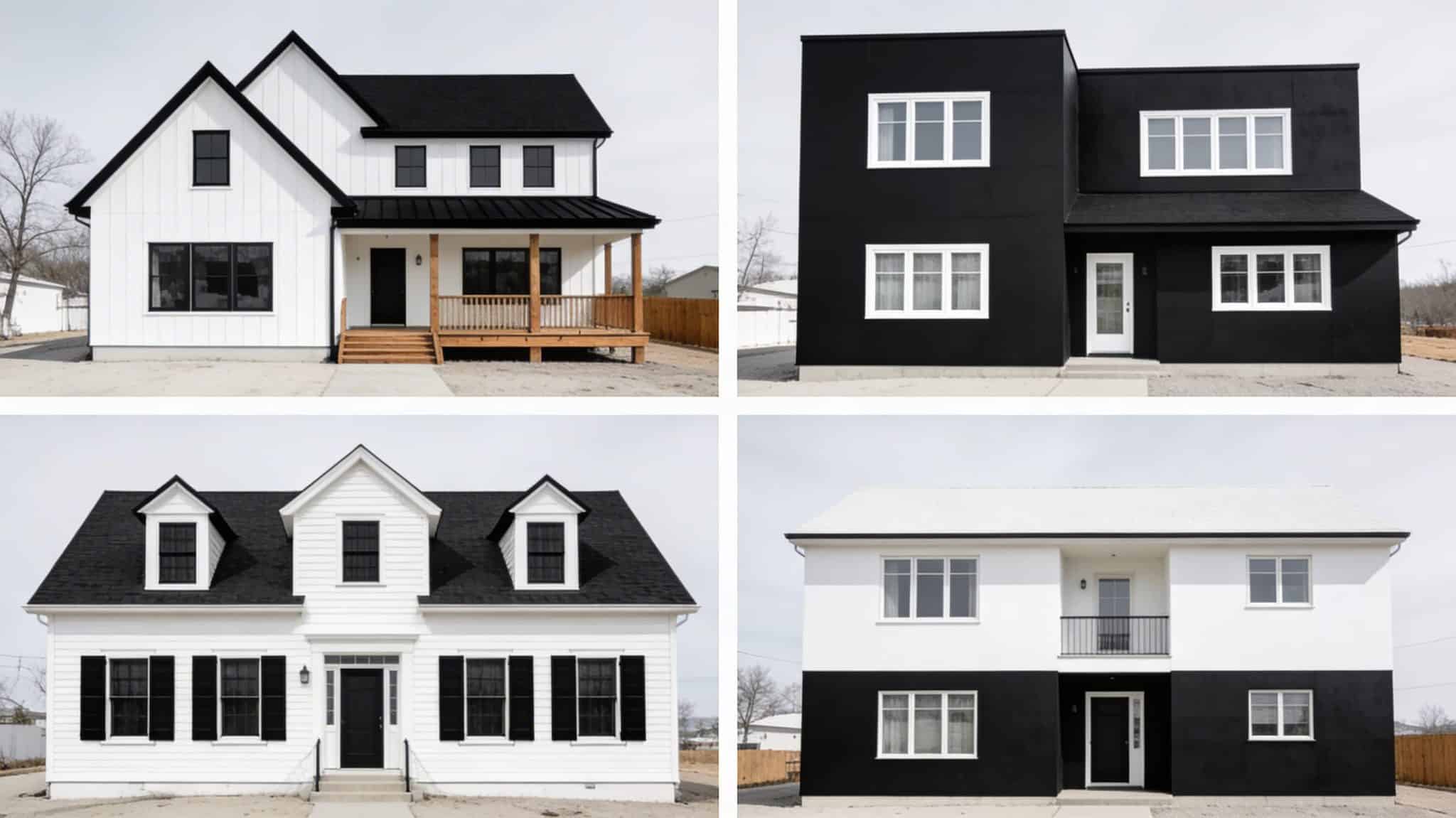
Fresh dirt piles, temporary fencing, and concrete trucks can make a block feel busy very fast. Yet a smooth build still feels calm when the plan is clear, the budget is honest, and the yard is protected from day one. Neighbors appreciate tidy sites, and future lawns will thank you too.
And because a new home should feel straightforward rather than stressful, many families look for steady guidance from Dare Home Builders. Their fixed pricing approach removes guesswork, while practical site habits keep gardens, trees, and soil in better shape. That blend of clarity and care makes move in day feel far more relaxed.
Start With A Straightforward Plan
A plan that is easy to read helps everyone move in the same direction. Floor areas, window sizes, and roof pitches sit in plain view, and choices do not keep shifting. Fewer last minute changes reduce delays, waste, and worry for the owner and the site crew.
Good planning also maps where trucks, bins, and pallets will sit without crushing healthy topsoil. Heavy wheels compact ground, and compacted ground sheds water rather than soaking it. When the plan protects soil, the future lawn roots faster and needs less rescue work later.
Align Design With Climate And Site
Homes live longer when they work with sun, breezes, and local rain patterns. Eaves cut harsh summer heat, while shaded patios invite outdoor meals without blasting the air conditioner. Window placement can catch cross breezes and keep indoor air fresher through warm months.
Gardeners notice the site slope first, and builders should study it too. Gentle swales can guide water away from slabs and mulch beds, and downpipes can feed rainwater tanks. A small change early prevents soggy turf and saves weekend repair time after storms.
Keep Costs Clear From Day One
Fixed price contracts give families a stable budget and a calmer headspace. Clear allowances for tiles, tapware, and lights help clients choose without surprise markups. When the price is stable, choices follow taste and function rather than fear of sudden extra cost.
For council rules and permits, it helps to read official guidance so approvals stay on track. Queensland maintains pages that outline building approvals and owner responsibilities, which many clients like to review while planning. You can start with the state’s building overview here, and keep notes for your file.
Protect The Yard During Construction
Healthy grass and trees bounce back faster when the site protects them during heavy work. Temporary plywood paths spread weight, and tree protection zones stop roots from getting cut or buried. Spoil piles sit on geofabric so topsoil stays clean and reusable rather than mixed with rubble.
Washing stations for mixers and paint should never drain into garden beds. Set them on a solid base and capture runoff in a lined tray. The same goes for plaster washout, which hardens into clumps that can choke turf and soil if left to break down in place.
Choose Materials That Live Well Outdoors
Some materials shrug off heat, humidity, and salty air better than others. Powder coated metal, fiber cement cladding, and class rated timbers tend to hold paint and shape longer in coastal zones. Specifying stainless fixings in wet areas avoids streaks and rust stained pavers later.
Hard surfaces near garden beds should allow for expansion and a neat edge. A small gravel strip between paving and mulch keeps weeds down and breaks water splash on walls. That strip also gives you a clean line for the mower and reduces string trimmer damage around corners.
Communicate Weekly, In Writing And Photos
Short weekly updates keep everyone calm and informed without long meetings. A simple template with what finished, what starts next, and any choices due works well. Photos from the site help clients see progress and spot small issues before they grow.
A quick rhythm also saves the garden. If a delivery truck blocks a protected zone, a photo makes the risk obvious and easy to fix. The sooner it moves, the less compaction and the fewer ruts to repair before you lay sod and mulch.
Three Handy Things To Check On Site Walks
- Drainage around downpipes after a storm, so water flows away from beds and paths.
- Tree protection fencing still fixed in place, with roots free from piled rubble.
- Stockpiled topsoil covered and labeled, ready for final grading and lawn prep.
Plan For Clean, Dry, Healthy Air
New homes feel better when moisture control starts during the build rather than after. Bathroom fans should vent outside, and roof spaces need clear air paths. Good air flow supports healthy walls, and it helps carpets and wardrobes stay fresh once you move in.
Australians often rely on trusted research when choosing details that fight damp and mould. A practical reference many teams use covers condensation drivers and simple design choices that help reduce risk.
Handovers That Make Move In Easier
Simple handovers keep stress low because you leave with clear notes and confidence. A tidy folder should include manuals, paint codes, and maintenance intervals. Mark stopcocks, cleanout points, and hose bibs with durable tags, so fixes stay quick.
A short final week checklist helps the house and yard feel ready. Rubbish removed, gutters cleared of leaves, and garden taps tested are easy wins. Light care on caulk lines, weep holes, and sealers keeps water where it belongs.
On site walks, three things are worth a quick look:
- Drainage around downpipes after rain, so water flows away from beds and paths.
- Tree protection still fixed in place, with roots free from piled rubble.
- Stockpiled topsoil covered and labeled, ready for final grading and lawn prep.
From Plan to Peace of Mind
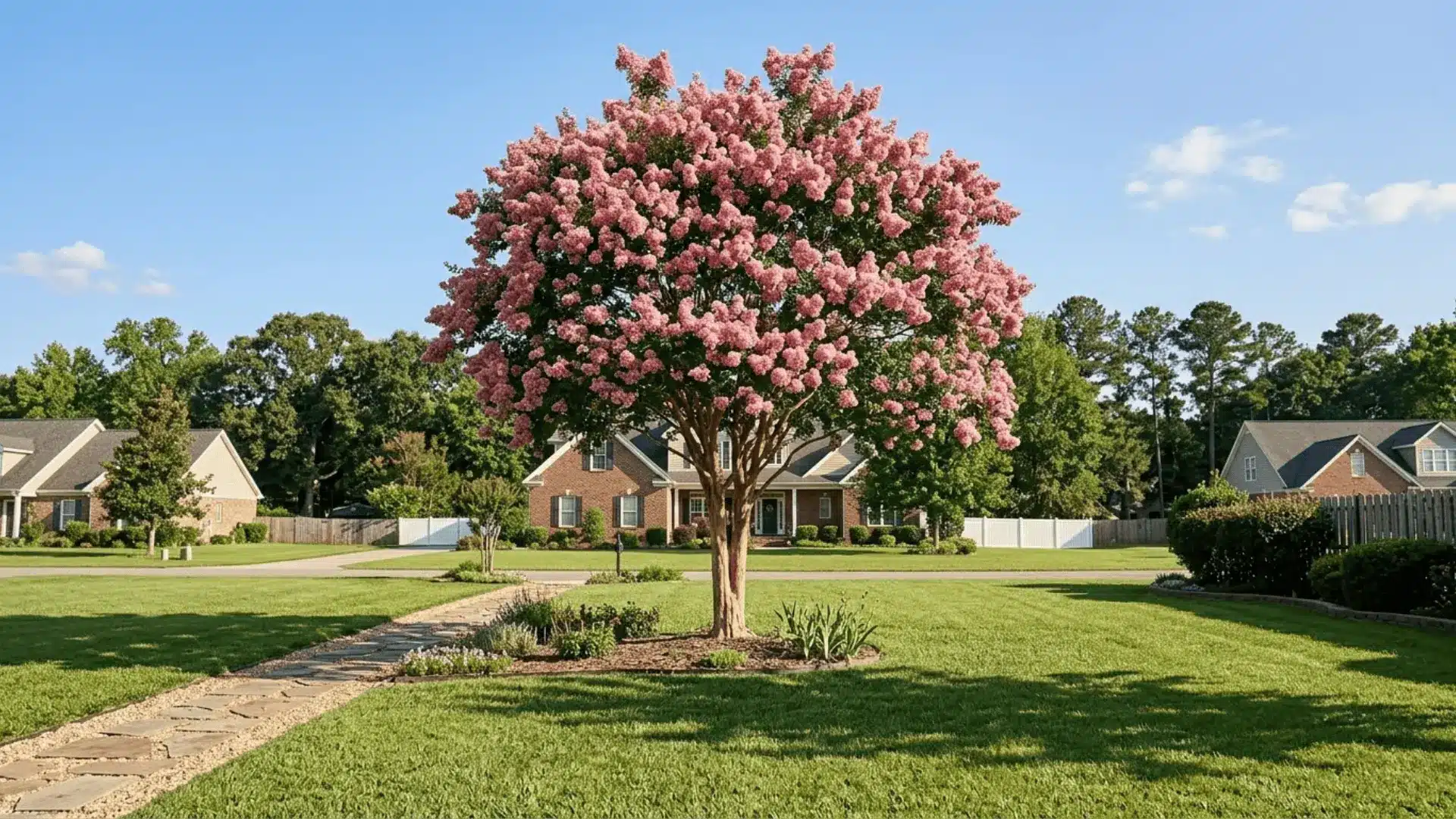
A simple plan, an honest budget, and steady site habits bring calm to a busy build. When builders respect soil, water, and shade, lawns establish faster and gardens thrive sooner. And when pricing stays fixed and updates stay frequent, families can focus on the fun parts of home life.