During heavy rainfall, your first thought is likely to snuggle up in a blanket and read a book until the weather subsides. While it’s important to stay safe during the wettest days, you should also remember that your home is working overtime. The gutters are channeling water, the roof is taking hits, and your deck is soaking up all that moisture. Once the rain stops, it’s crucial to inspect your home’s exterior. Here’s exactly what to check on after heavy rainfall.
Roof Shingles
Your roof is the house’s first line of defense against the rain. It keeps water out of your walls and insulation. Shingles shield the structure below, and when they’re damaged even a little, they can let water in, leading to leaky ceilings and potential mold growth. Heavy rain tests the strength of your roof, revealing cracked or missing shingles that could pose a risk to the home.
If you notice multiple damaged shingles or ones that have completely fallen off during the rain, it could be a sign that the roof is past its prime. In these cases, it might be time for a new roof installation. Make sure you address this as soon as possible, because you’ll risk ongoing leaks and structural damage to the home. Replacing the roof ensures your home stays dry and secure.
Gutters and Downspouts
Gutters and downspouts are vital for directing rainwater away from your home. When these get clogged, water can overflow and run down the siding or pool near your foundation. This allows water to seep into the basement or under your deck, creating erosion or cracks in the foundation.
Check these areas right away after the rain to see if the water is flowing as it should. Clear out leaves and tighten brackets to ensure everything’s working properly. A smooth-flowing gutter system prevents puddles and excess moisture in the worst areas. If you ignore any red flags, you risk serious water damage issues to your foundation and exterior walls.
Exterior Siding
Siding protects your walls from the elements. It also keeps your home dry and insulated, which you definitely need during the wet months. However, the rain can also reveal weak spots, like cracked siding or warped panels, where water can penetrate. When that moisture seeps beneath the surface, it can cause rot and mold.
Checking siding right after a storm shows you exactly where water is trying to get in. If you spot any cracks, seal them right away with exterior caulk. You can also replace the damaged panel before moisture has a chance to spread. If you want to avoid mold growth and other structural problems with your walls, siding should always be part of your home exterior maintenance checklist after a storm.
Wooden Decks
Wooden decks absorb a lot of water during rain. It can lead to warping, rotting, and even mold growth. Water can also weaken the wood and loosen nails. Checking your deck after storms ensures safety and gives you a chance to preserve its look.
After it rains, clean the wooden deck of leaves, mud, and other debris with a broom or leaf blower. Check for standing water in corners or between boards and sweep it away. Scrub mildew or stubborn dirt with a mild detergent and a stiff brush, then rinse with a garden hose. Inspect the deck’s paint for chips and bubbling, and repaint areas as needed. Replace soft or spongy boards to keep the deck steady underfoot.
Asphalt Driveways
Your driveway might seem solid, but it’s actually vulnerable to damage every time it rains hard. Asphalt can crack in areas where water collects. If you already have small cracks on the driveway, the rain can make them bigger in minutes. Standing water can also seep underneath the asphalt’s surface, softening the base.
After the rain dries up, walk the surface of your driveway and look for cracks and edges that are starting to crumble. Sweep away leaves and debris before using a sealer on the cracks to stop them from expanding. Level any low spots where water gathers. This keeps your driveway smooth, strong, and ready for your car.
Fences and Gates
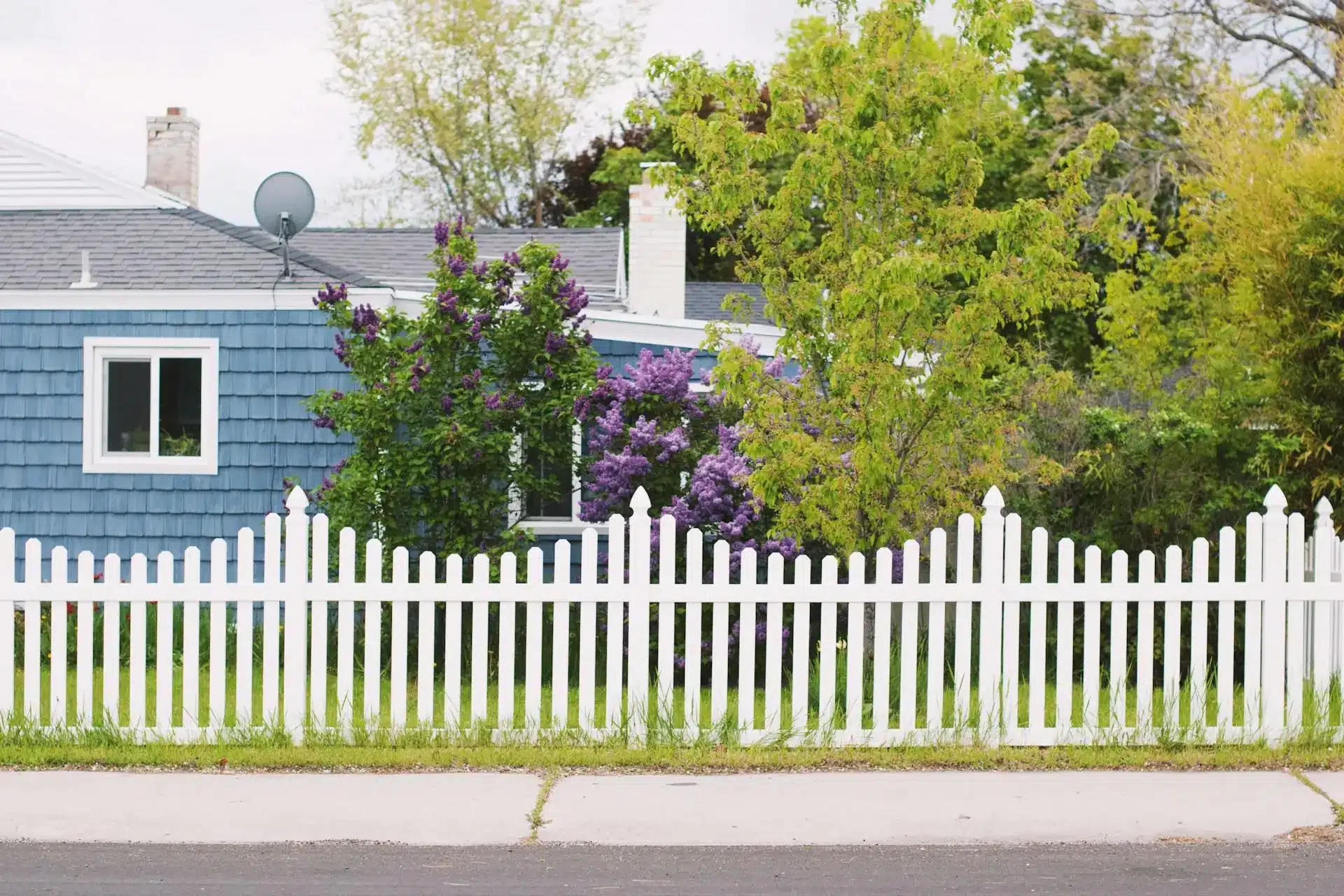
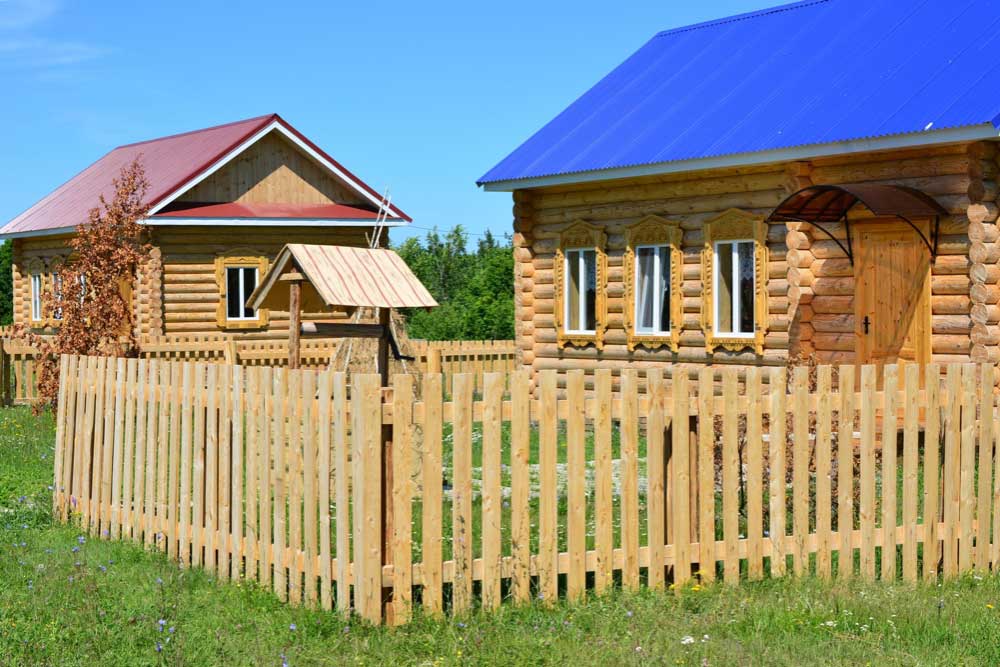
Fences and gates also take a beating during storms. Wooden fences absorb water, which can cause boards to swell and rot. Iron or metal gates, on the other hand, can rust if water sits on hinges and joints.
Check your fence or gate right after the rain. Walk along the fence line and gently push on the posts to see if they wobble. Look for boards that are soft or warped. Inspect metal gates for rust or sticking hinges.
Replace damaged boards and treat other wooden sections with a water-resistant sealant. Lubricate metal hinges on metal gates so they swing smoothly. Well-maintained fences and gates provide the utmost protection for your yard, even after prolonged rain.
Endnote
A post-rain inspection is like a quick health check for your home. After a quick walk-around, you’ll know whether there’s extra water lingering where it shouldn’t, or which fixtures need immediate repairing. When you catch these problems early, you’ll keep repair costs to a minimum and make your home’s exterior stronger. That leaves your home better prepared to take on the next stretch of rain with confidence.