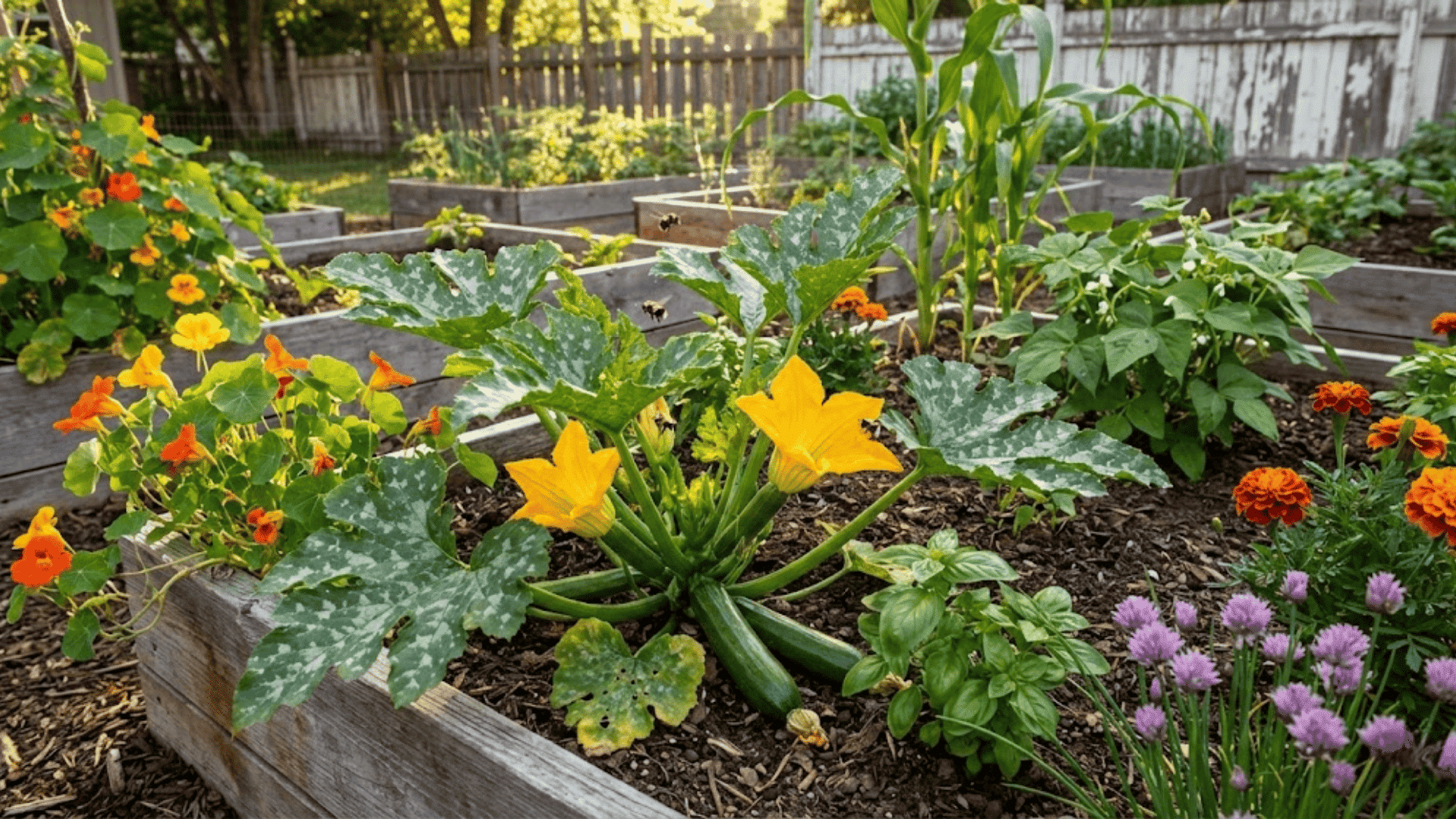
Growing zucchini isn’t just about tossing seeds in the ground and hoping for the best. These prolific plants actually thrive when surrounded by the right garden neighbors.
Companion planting turns your zucchini patch into a thriving ecosystem where plants support each other naturally.
When you pair zucchini with compatible companions, you’ll notice fewer pests munching on leaves, stronger plants that produce more abundantly, and a garden that practically takes care of itself.
On the flip side, planting the wrong neighbors can stunt growth and invite trouble.
You’ll learn which zucchini companion plants help your summer squash flourish and which ones are better kept on the other side of the garden bed.
What Zucchini Needs to Thrive in Your Garden?
Zucchini plants are sprawling beauties that need plenty of elbow room to spread their large leaves and vigorous vines.
These heavy feeders pull lots of nutrients from the soil, especially nitrogen and phosphorus, while their shallow root systems stay close to the surface.
Good airflow around the plants keeps fungal diseases at bay, which is why spacing matters more than you might think.
Zucchini also relies heavily on pollinators like bees to set fruit, so anything that attracts these helpful insects becomes a valuable garden ally.
When plants get too cozy with each other, moisture gets trapped between leaves, creating the perfect conditions for powdery mildew and other problems that can wipe out your harvest.
Good Zucchini Companion Plants
Not all garden neighbors are created equal, and zucchini definitely has its favorites.
These companion plants either repel pests, attract pollinators, improve soil health, or simply coexist without competing for resources.
1. Nasturtiums
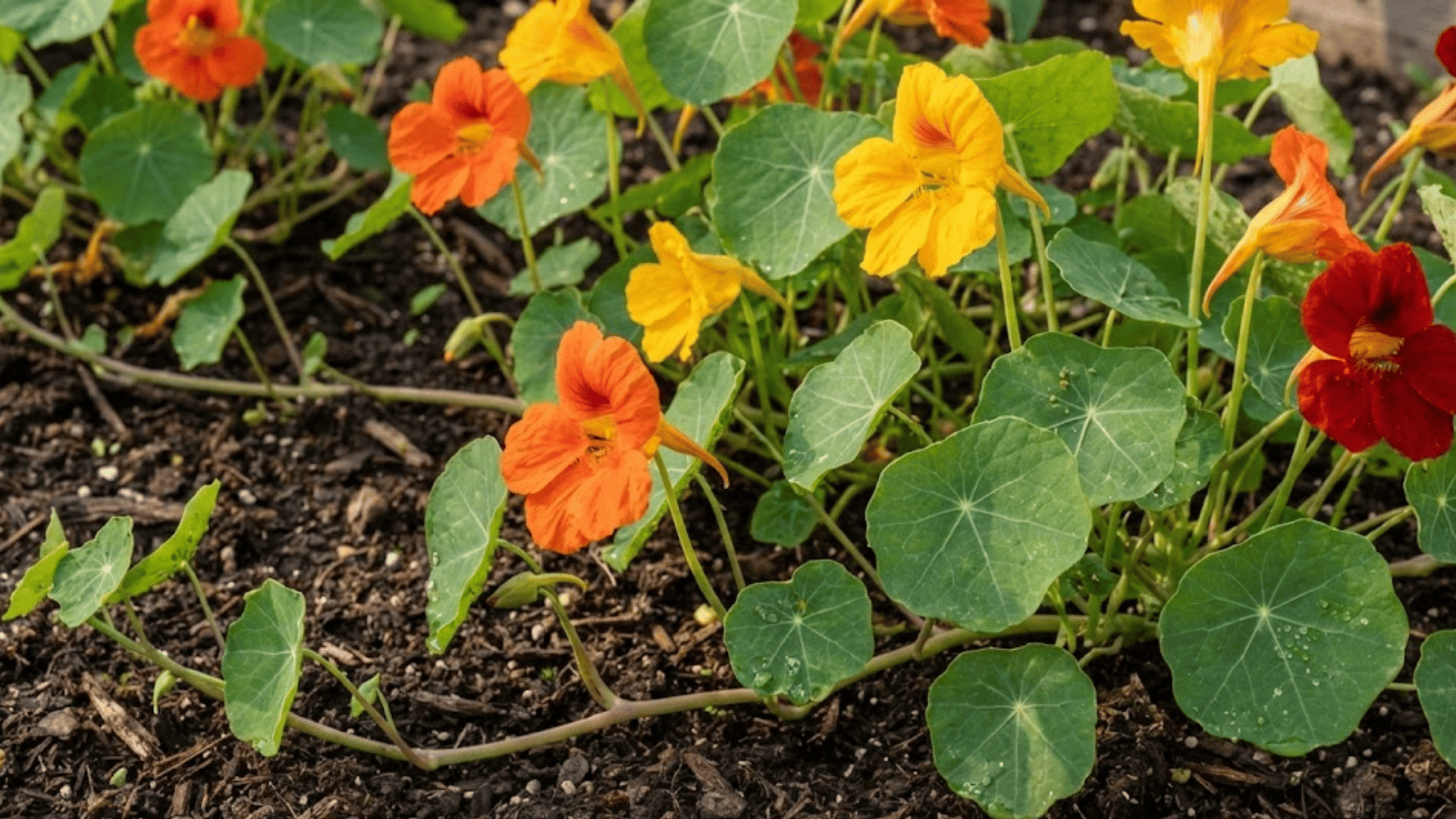
Plant nasturtiums 18-24 inches from zucchini stems as a trap crop for aphids, squash bugs, and whiteflies. Studies show nasturtiums can reduce aphid populations by up to 60% on nearby plants.
Their trailing varieties work best, growing 12-18 inches tall without blocking airflow. For maximum pest control, plant one nasturtium for every two zucchini plants around the bed perimeter.
2. Marigolds
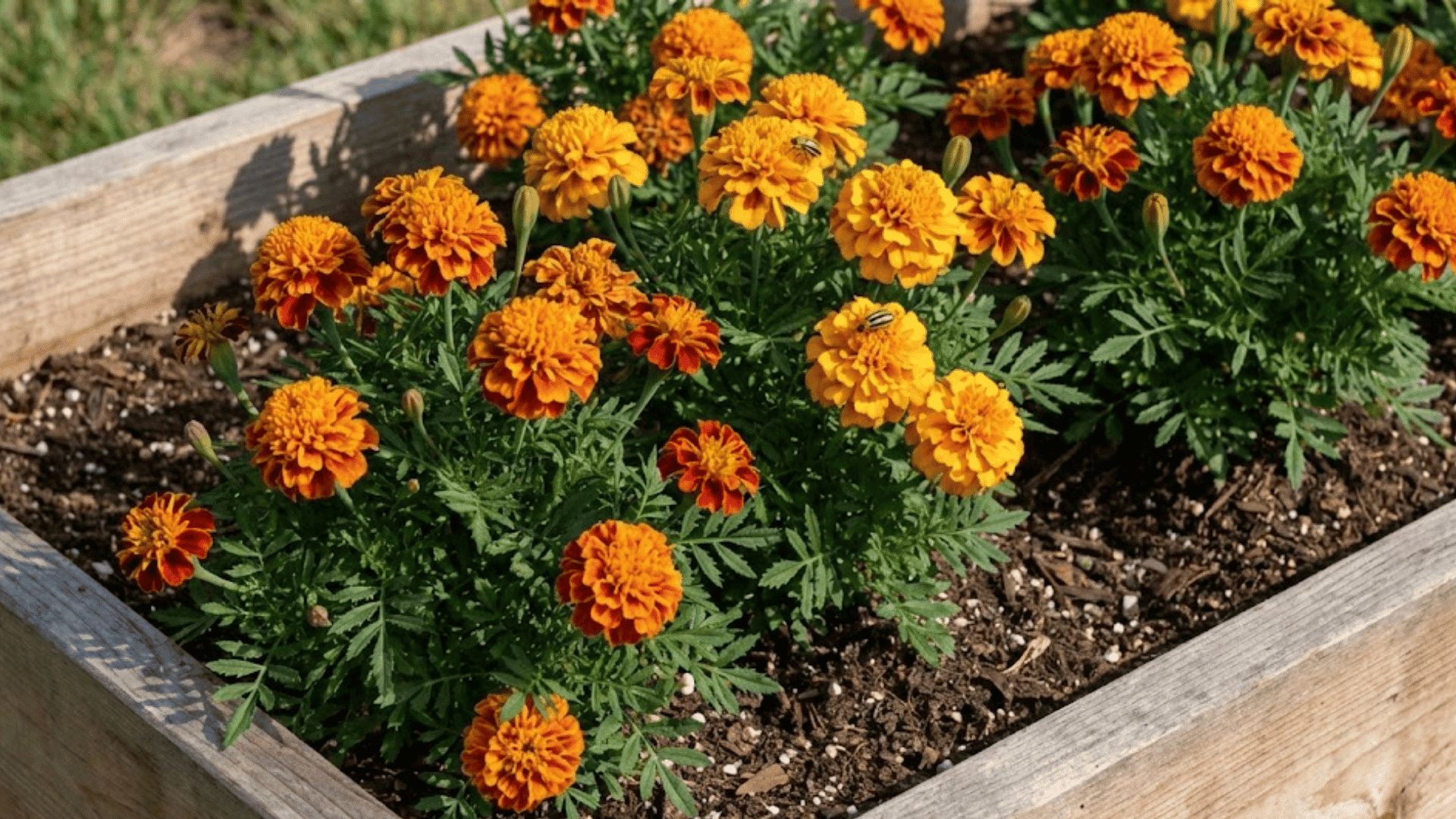
French marigolds (Tagetes patula) release alpha-terthienyl from their roots, killing root-knot nematodes within a 3-foot radius. Plant them 10-12 inches from zucchini in full sun for optimal pest deterrence.
Avoid African marigolds, which grow too tall and shade zucchini. A border of marigolds spaced 8-10 inches apart creates an effective barrier against cucumber beetles and squash bugs.
3. Beans
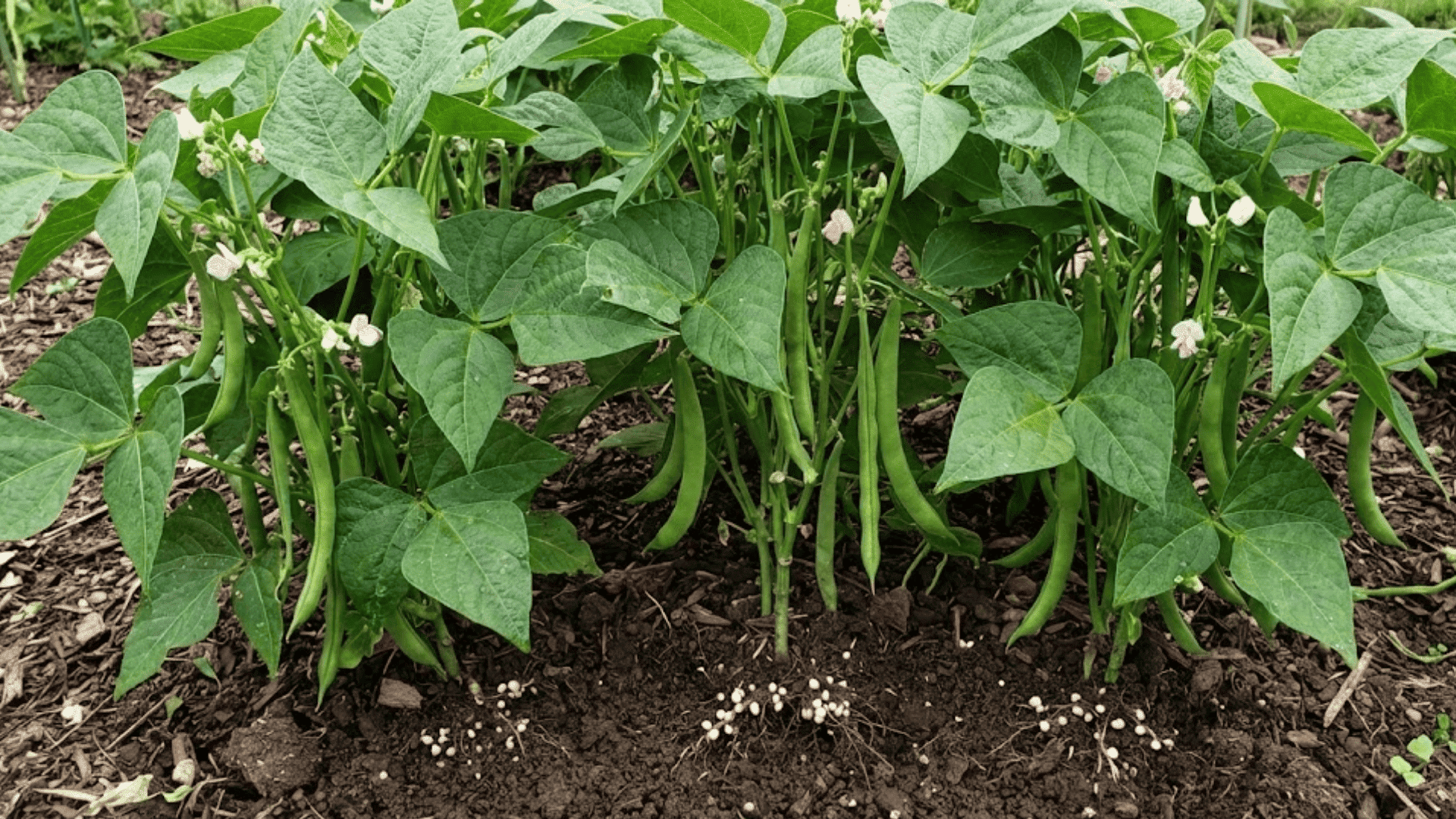
Bush beans fix 40-100 pounds of nitrogen per acre annually, enriching soil for heavy-feeding zucchini. Plant bush varieties like ‘Provider’ or ‘Contender’ 15-18 inches from zucchini to avoid root competition.
Beans mature in 50-60 days, allowing you to harvest before zucchini reaches full size in mid-July. Avoid pole beans entirely as their 6-8 foot vines will smother zucchini leaves.
4. Peas
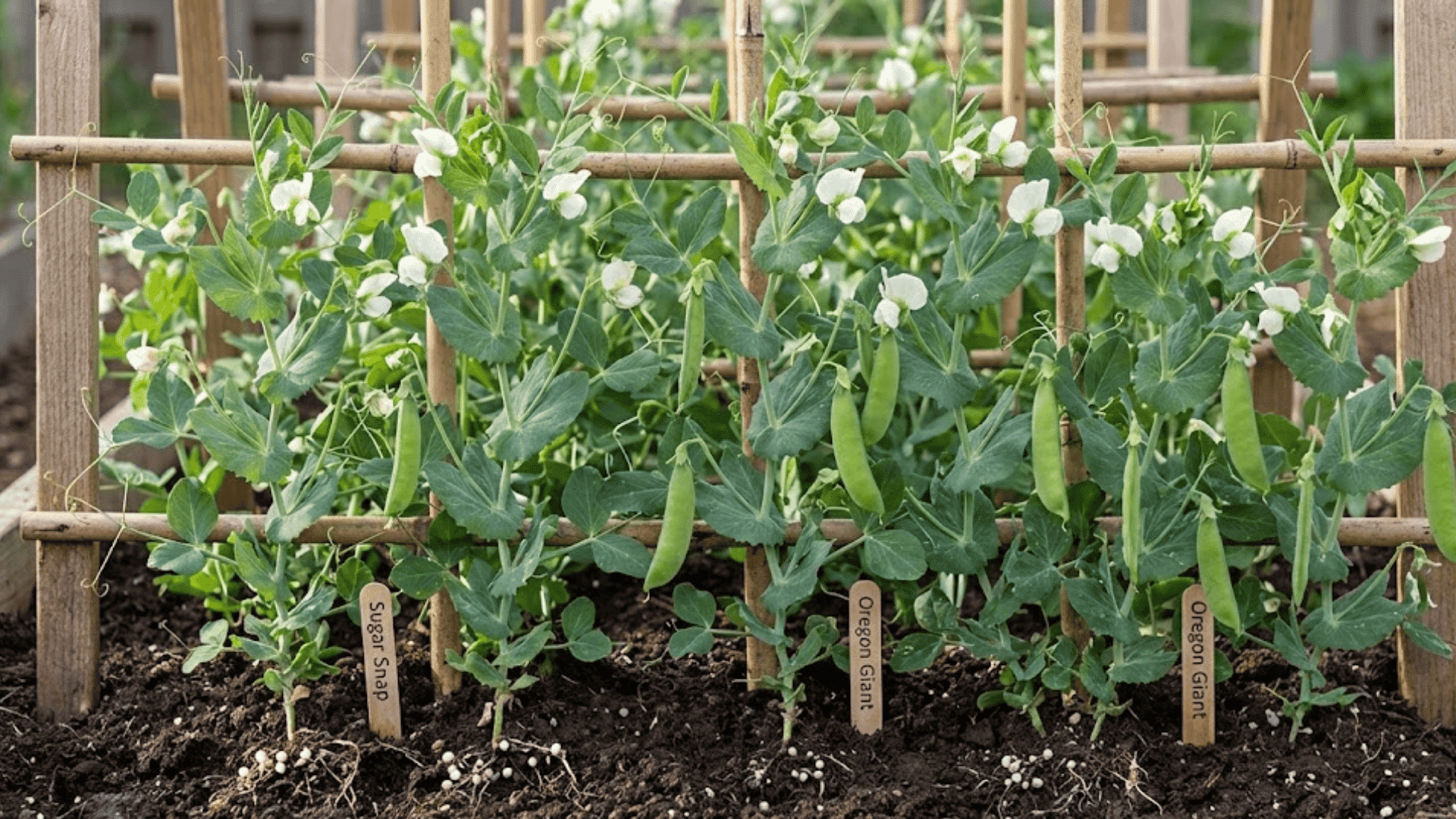
Plant peas in March or early April when the soil reaches 45°F, finishing their nitrogen-fixing cycle by late May before zucchini transplants go in. Peas add 30-50 pounds of nitrogen per acre through Rhizobium bacteria on their roots.
Space pea rows 18-24 inches from where you’ll plant zucchini. Sugar snap and snow peas work best, maturing in 60-70 days.
5. Corn
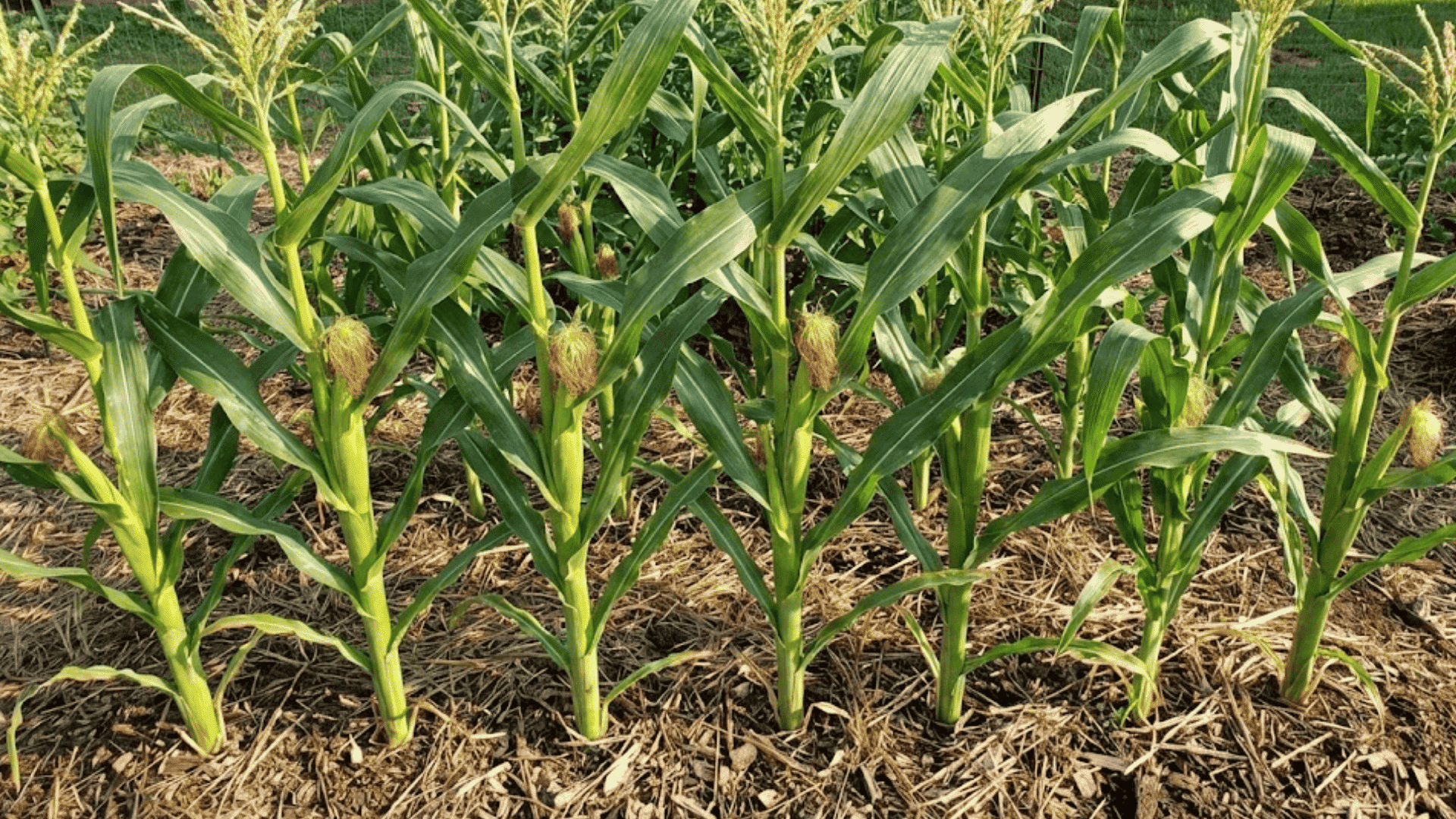
Plant corn stalks 24-30 inches from the zucchini on the north side to avoid shading. Corn provides windbreak protection for zucchini’s 2-3 foot wide leaves when winds exceed 15 mph.
Both crops need similar nitrogen levels (120-150 lbs/acre), so amend the soil heavily with compost. This pairing requires beds at least 8 feet wide to accommodate both plants’ mature spread.
6. Radishes
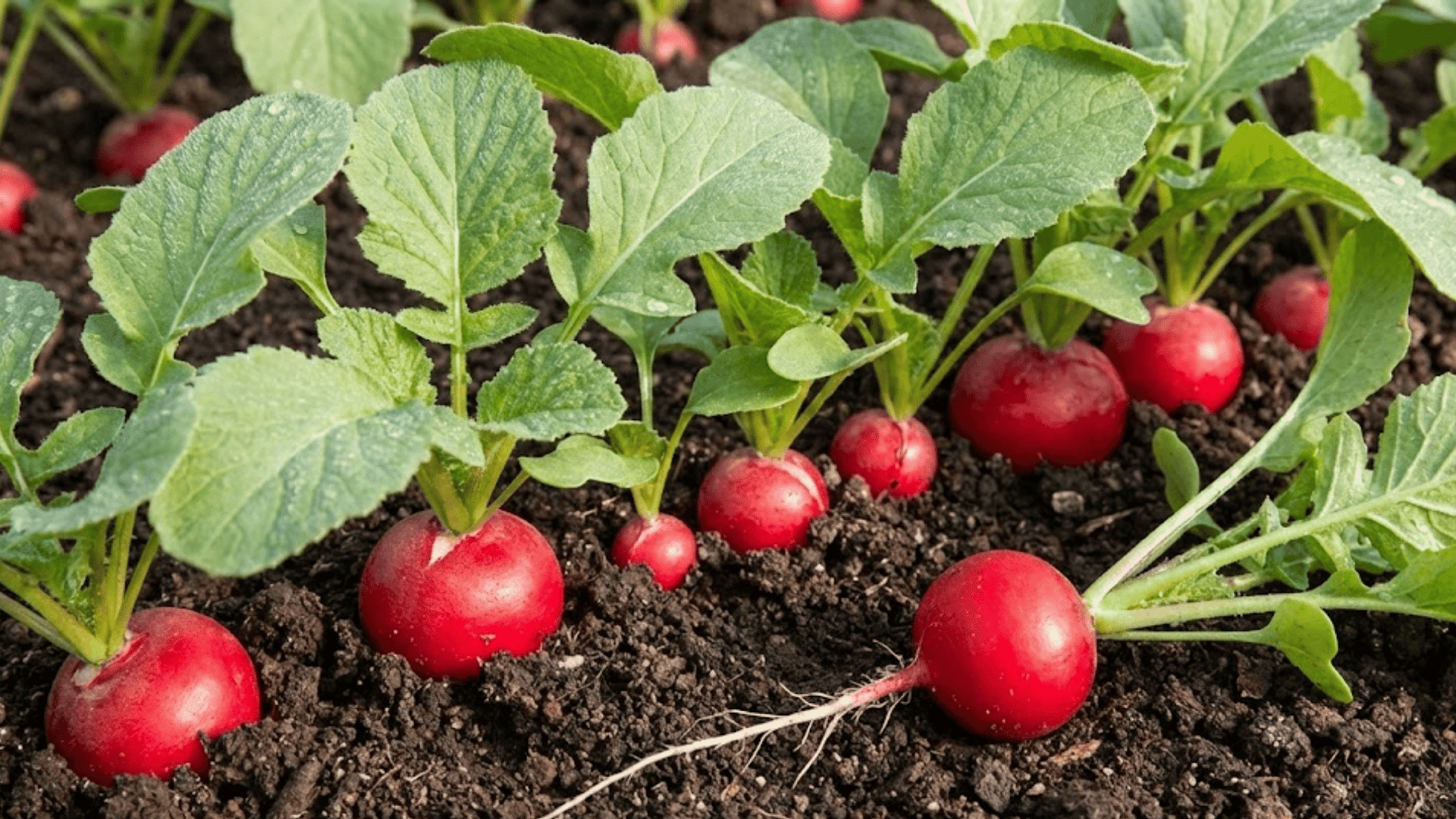
Sow radish seeds 4-6 inches from young zucchini transplants for a 25-30 day harvest window. Radishes contain glucosinolates that repel squash bugs and cucumber beetles.
Plant varieties like ‘Cherry Belle’ or ‘French Breakfast’ that mature before zucchini’s roots expand beyond 12 inches. You can succession plant radishes every 2 weeks until mid-June without crowding zucchini.
7. Lettuce
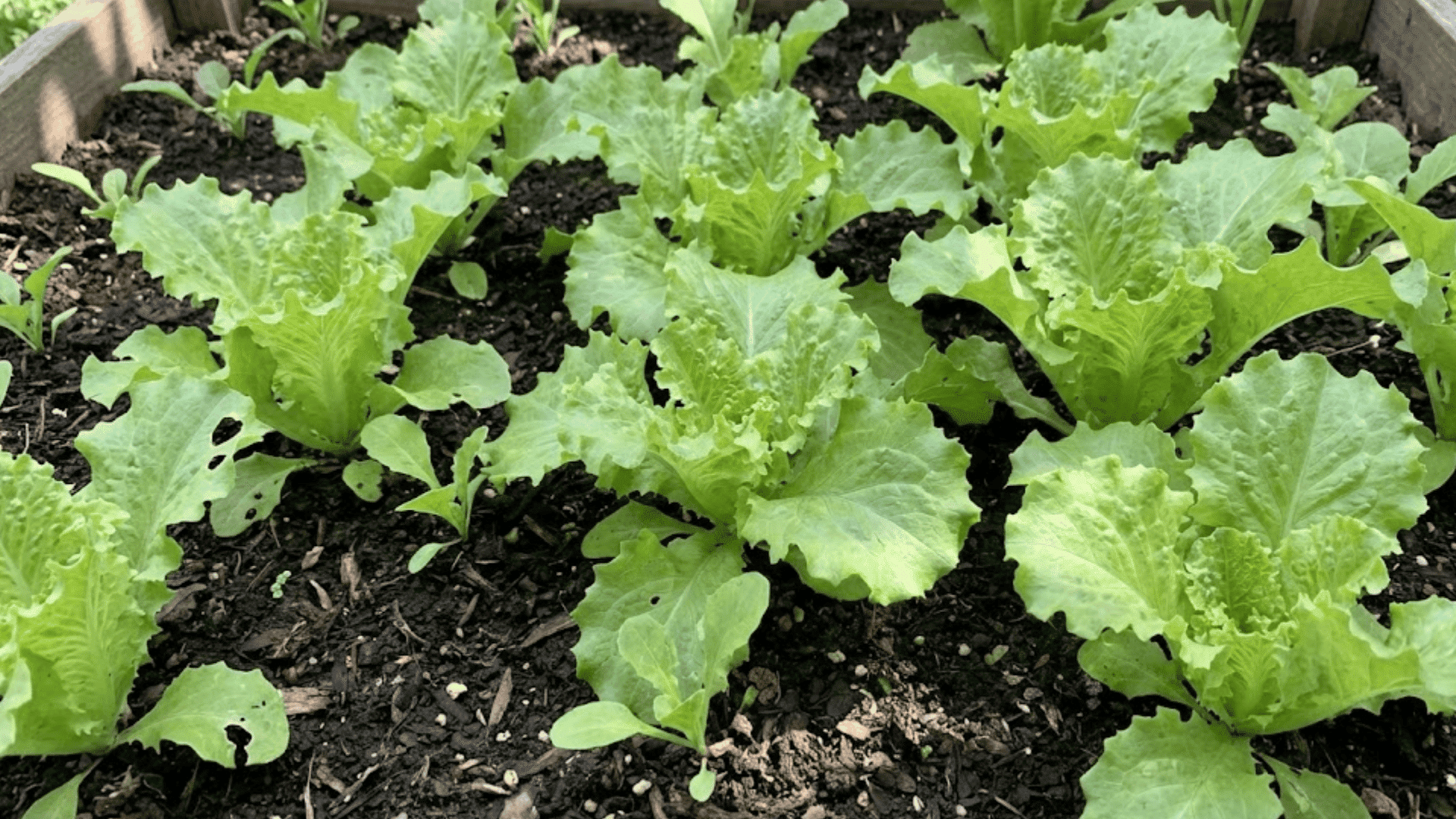
Interplant loose-leaf lettuce 8-10 inches from zucchini, where leaves shade 30-40% during 85°F+ temperatures. Lettuce roots only penetrate 6-8 inches deep, while zucchini roots spread 18-24 inches, eliminating competition.
Harvest lettuce leaves continuously for 4-6 weeks as the zucchini grows. Plant ‘Black Seeded Simpson’ or ‘Salad Bowl’ varieties that tolerate partial shade.
8. Spinach
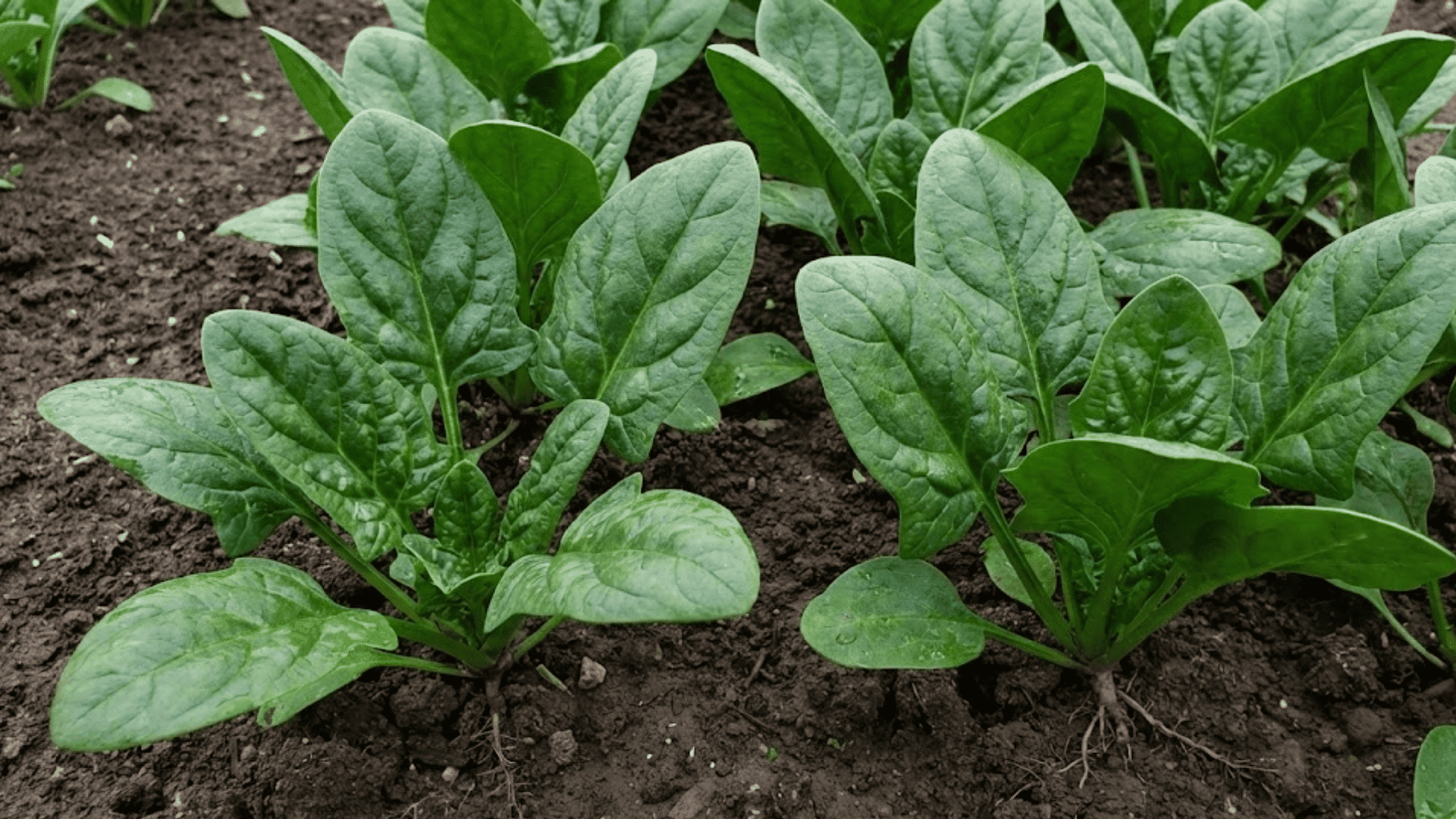
Space spinach plants 10-12 inches from zucchini stems, as both require 1-1.5 inches of water weekly. Spinach roots stay in the top 6 inches of soil, well above zucchini’s 12-18 inch feeder roots.
Plant in early April for a late May harvest, then let zucchini fill the space. Spinach actually benefits from zucchini’s afternoon shade once temperatures exceed 75°F.
9. Garlic
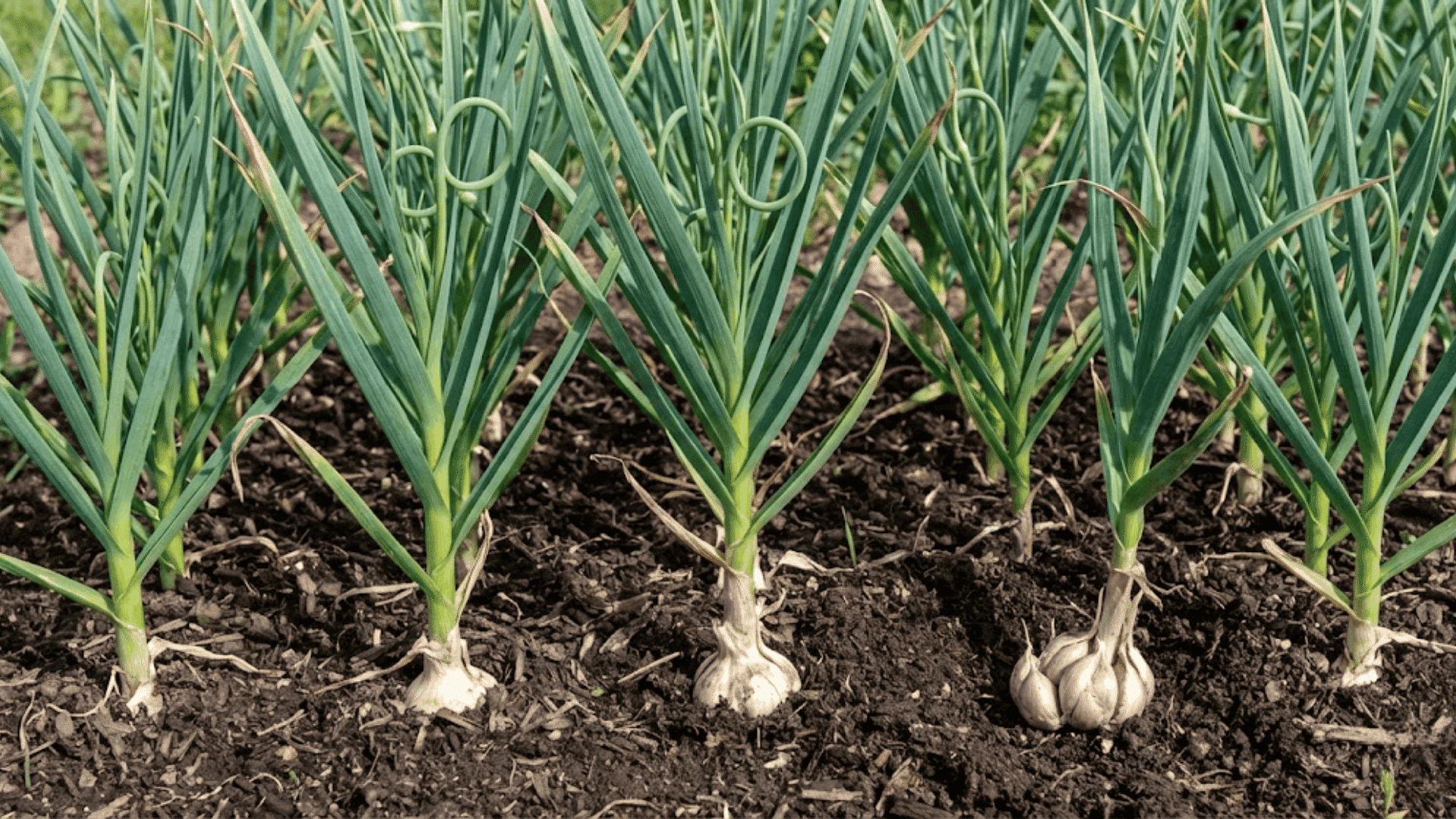
Plant garlic cloves 6-8 inches from zucchini in October for June harvest, or in March for fall harvest. Garlic contains allicin, which repels aphids within a 12-18 inch radius and may reduce powdery mildew by 20-30%.
Space cloves 4-6 inches apart around the zucchini bed perimeter. Harvest garlic when 50% of the leaves brown, before the zucchini reaches peak production in July.
10. Onions
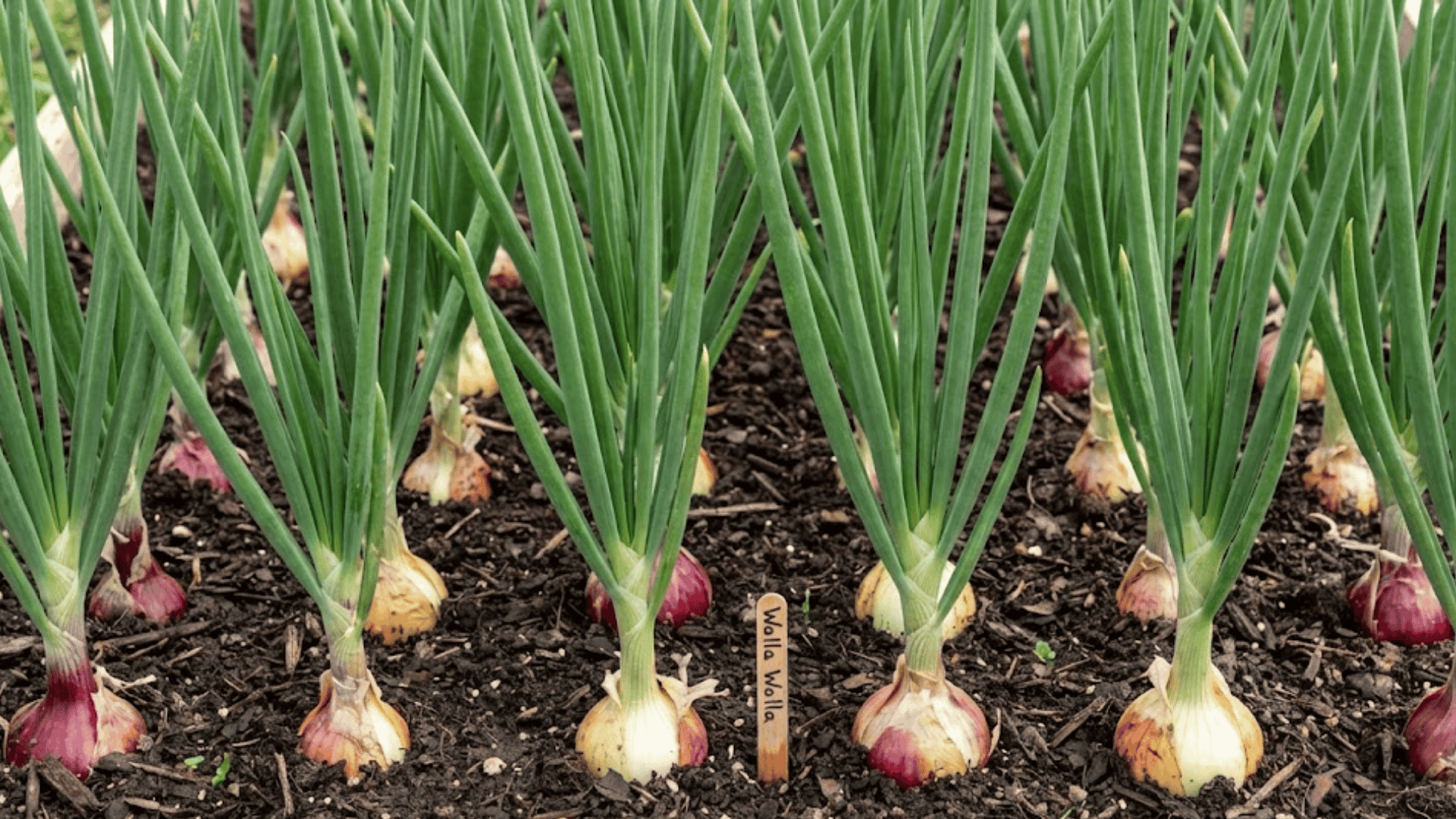
Plant onion sets 8-10 inches from zucchini in early spring for a July harvest. Onions release sulfur compounds that deter thrips, aphids, and flea beetles within an 18-inch radius.
Their upright growth (12-18 inches tall) doesn’t interfere with zucchini’s sprawling habit. Choose short-day varieties in southern zones (below 35°N latitude) and long-day types in northern regions for proper bulb formation.
11. Chives
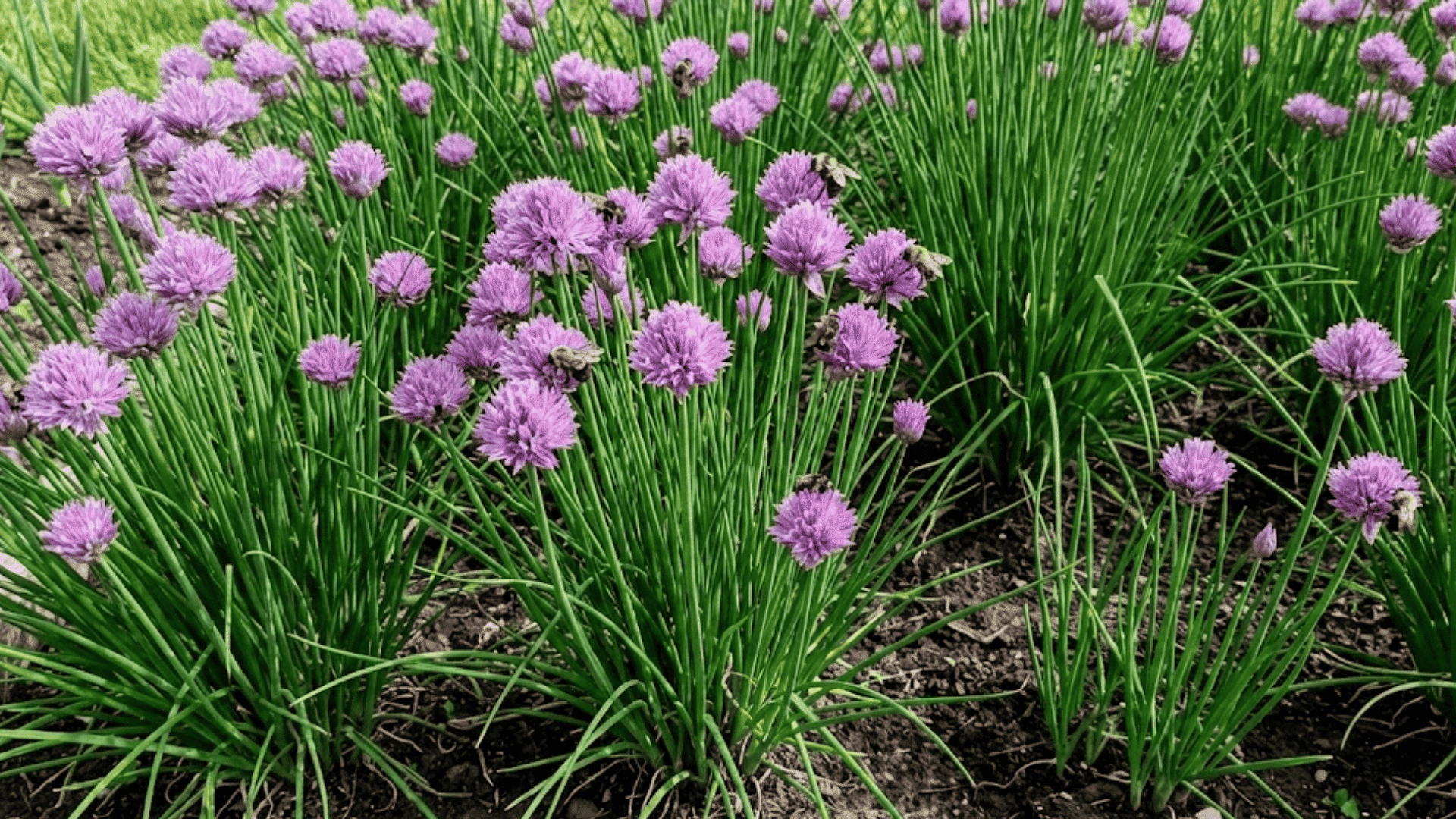
Plant chive clumps 12-15 inches apart as a border 18-24 inches from zucchini stems. Chives repel aphids and attract pollinators, with studies showing 40% more bee visits to gardens with alliums.
Their purple flowers bloom in May-June, perfectly timed with zucchini’s flowering period. Divide clumps every 3-4 years to maintain vigor and pest-repelling properties.
12. Dill
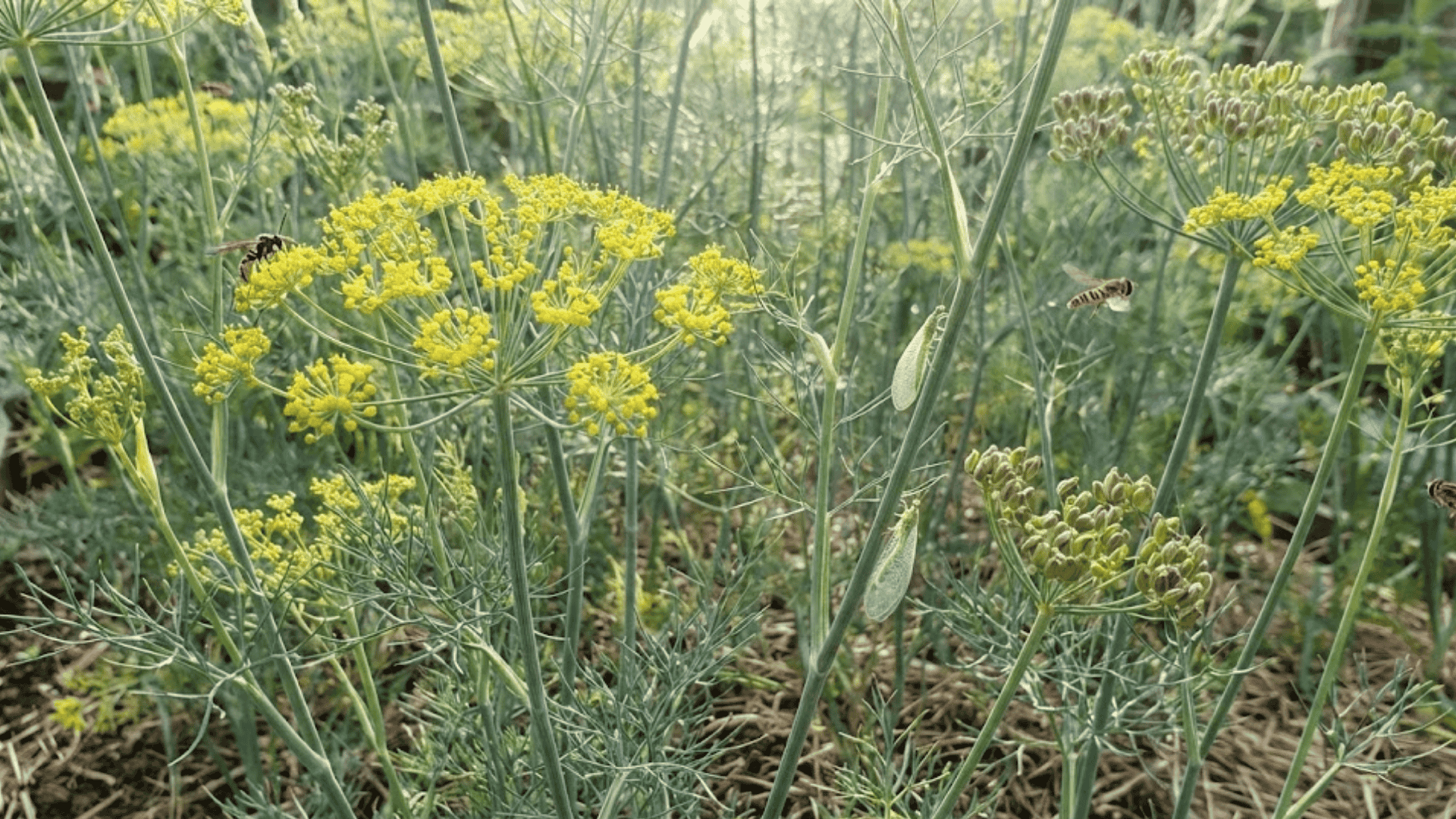
Plant dill 24-30 inches from zucchini as it grows 2-4 feet tall and attracts parasitic wasps, lacewings, and hoverflies. One dill plant supports 50-100 beneficial insects weekly during flowering.
Space plants 12 inches apart on the bed’s edge. Harvest dill leaves before flowering to prevent self-seeding, or allow one plant per 10 square feet to reseed for next year.
13. Basil
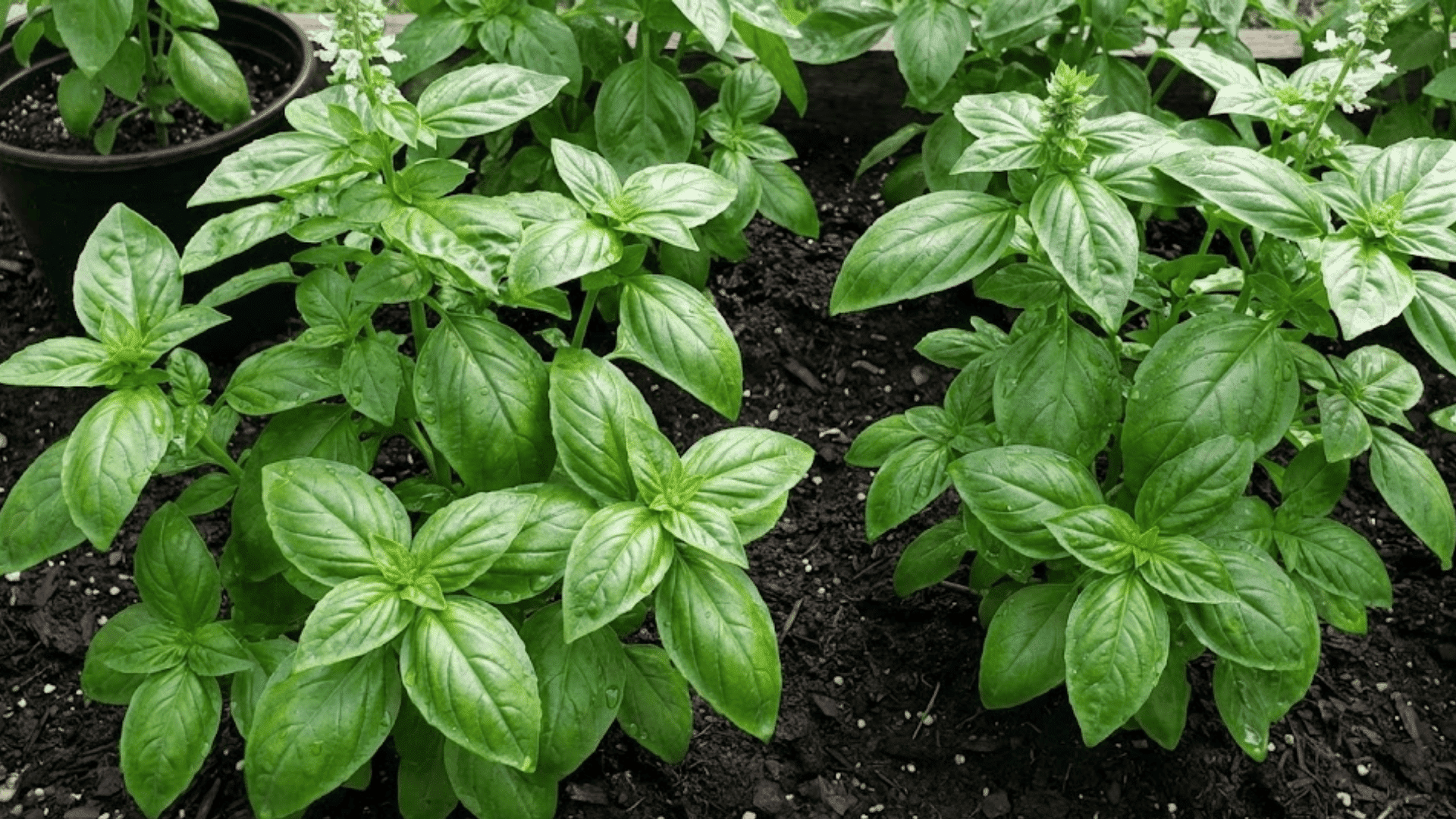
Space basil plants 10-12 inches from zucchini stems, as both thrive in 70-85°F temperatures and need 1-1.5 inches of water weekly. Basil’s essential oils (linalool, eugenol) confuse aphids and whiteflies within an 18-inch radius.
Plant ‘Genovese’ or ‘Sweet’ varieties that grow 18-24 inches tall. Pinch plants back to 6-8 inches every 3 weeks to prevent flowering and maintain compact growth.
14. Oregano
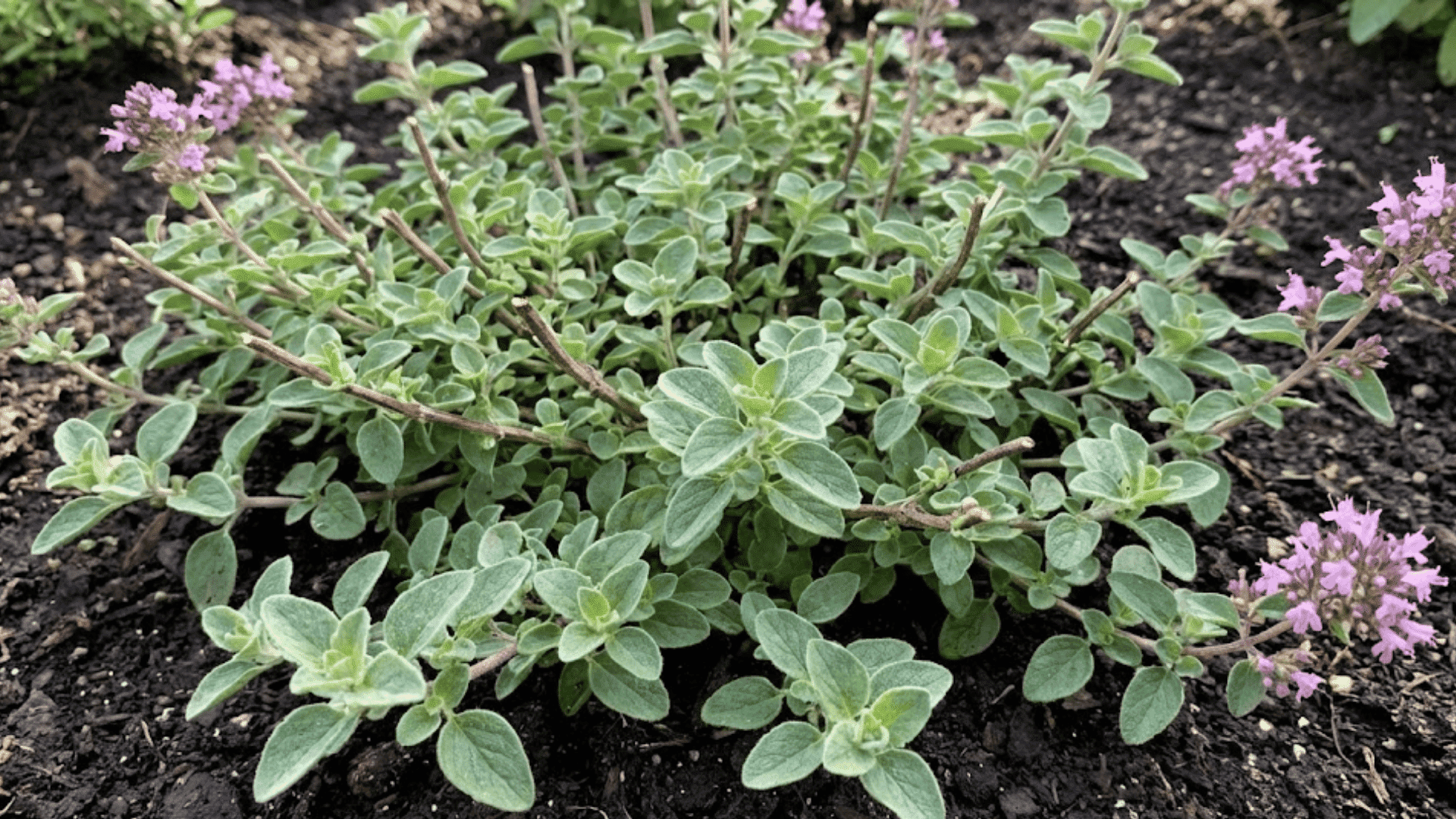
Plant oregano 14-16 inches from the zucchini as ground cover that spreads 12-18 inches wide and grows 8-12 inches tall. Oregano’s carvacrol content deters spider mites and aphids.
It tolerates zucchini’s heavy watering better than most Mediterranean herbs. Space plants 18 inches apart, allowing them to fill gaps by mid-season. Trim back by one-third in July to promote bushier growth.
15. Borage
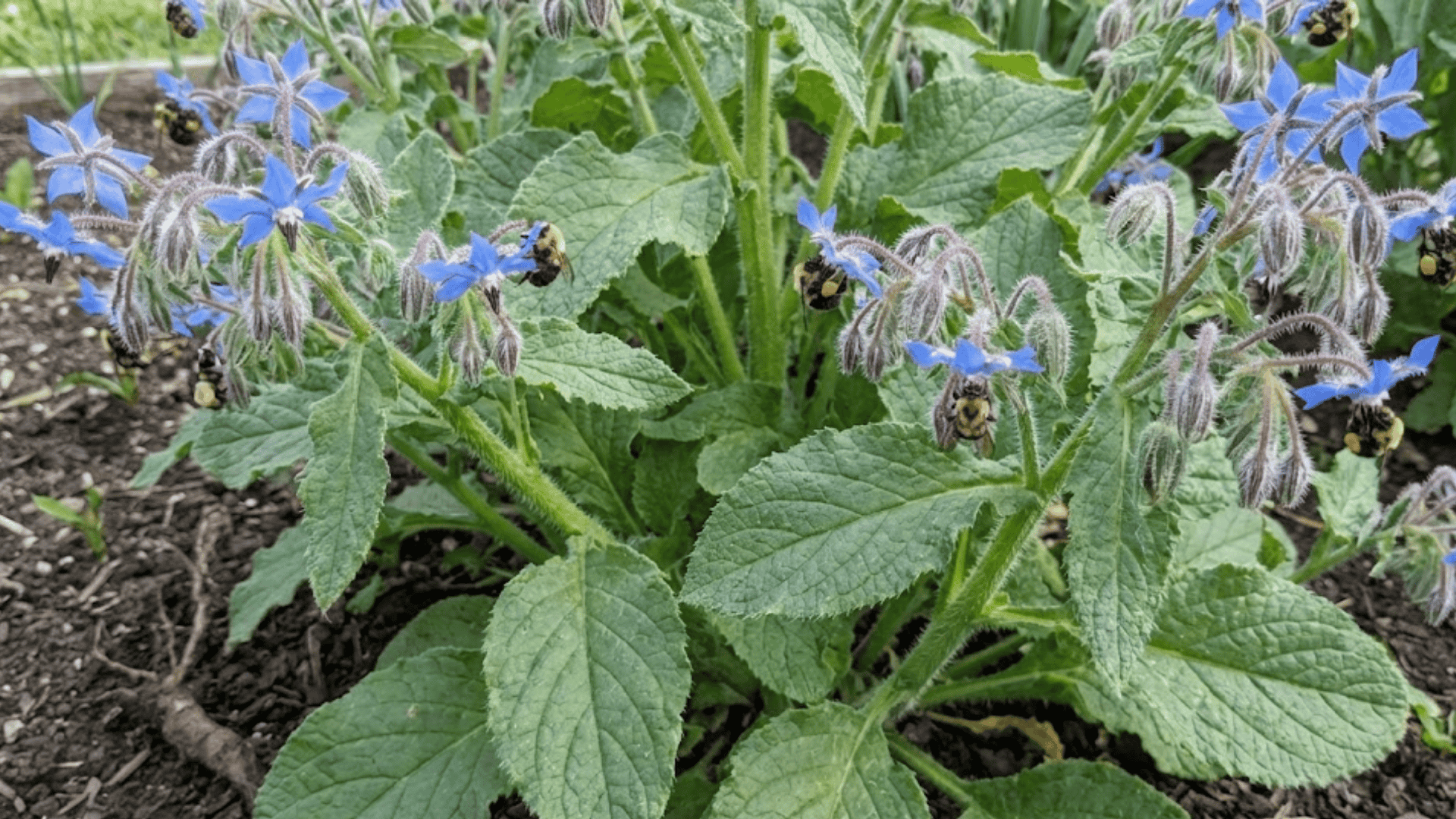
Space borage plants 20-24 inches from zucchini, as mature plants reach 24-36 inches tall and 18-24 inches wide. Borage flowers attract up to 100 pollinators daily, increasing zucchini fruit set by 30-50%.
Its 6-8 foot taproot that mines calcium and potassium from deep soil layers. Plant 2-3 borage plants per 4×8-foot bed for optimal pollination without overcrowding.
16. Sunflowers

Plant dwarf sunflowers (3-5 feet tall) 30-36 inches north or west of zucchini to avoid shading. Varieties like ‘Sunspot’ grow to 24 inches and attract beneficial insects. Taller varieties (6-8 feet) should be planted 4-5 feet away.
Sunflowers’ taproots go down 3-6 feet while zucchini roots stay at 12-24 inches, minimizing competition. One sunflower per 6 square feet provides adequate pollinator support.
Bad Zucchini Companion Plants (Plants to Avoid)
Some plants just don’t play well with zucchini, whether they compete for resources, share diseases, or create growing conditions that lead to problems.
Keeping these plants separated saves you headaches down the line.
17. Potatoes
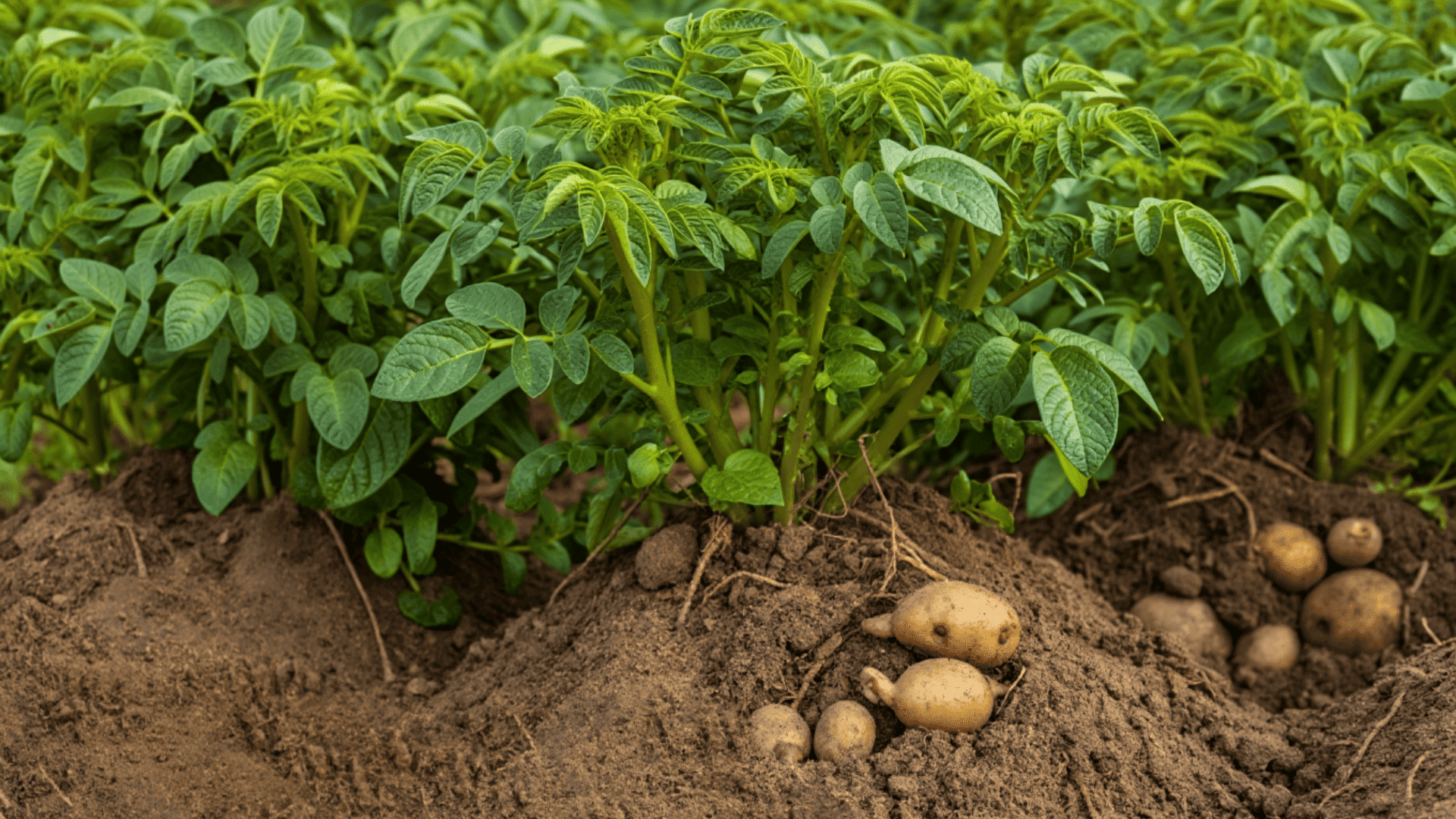
Both crops require 120-150 lbs of nitrogen per acre and 40-60 lbs of phosphorus, creating severe nutrient competition. Potatoes and zucchini share Verticillium wilt and early blight pathogens.
Plant potatoes at least 20 feet from zucchini, rotating their location on a 3-4 year cycle. Co-planting reduces yields by 30-40% for both crops in university trials.
18. Pumpkins
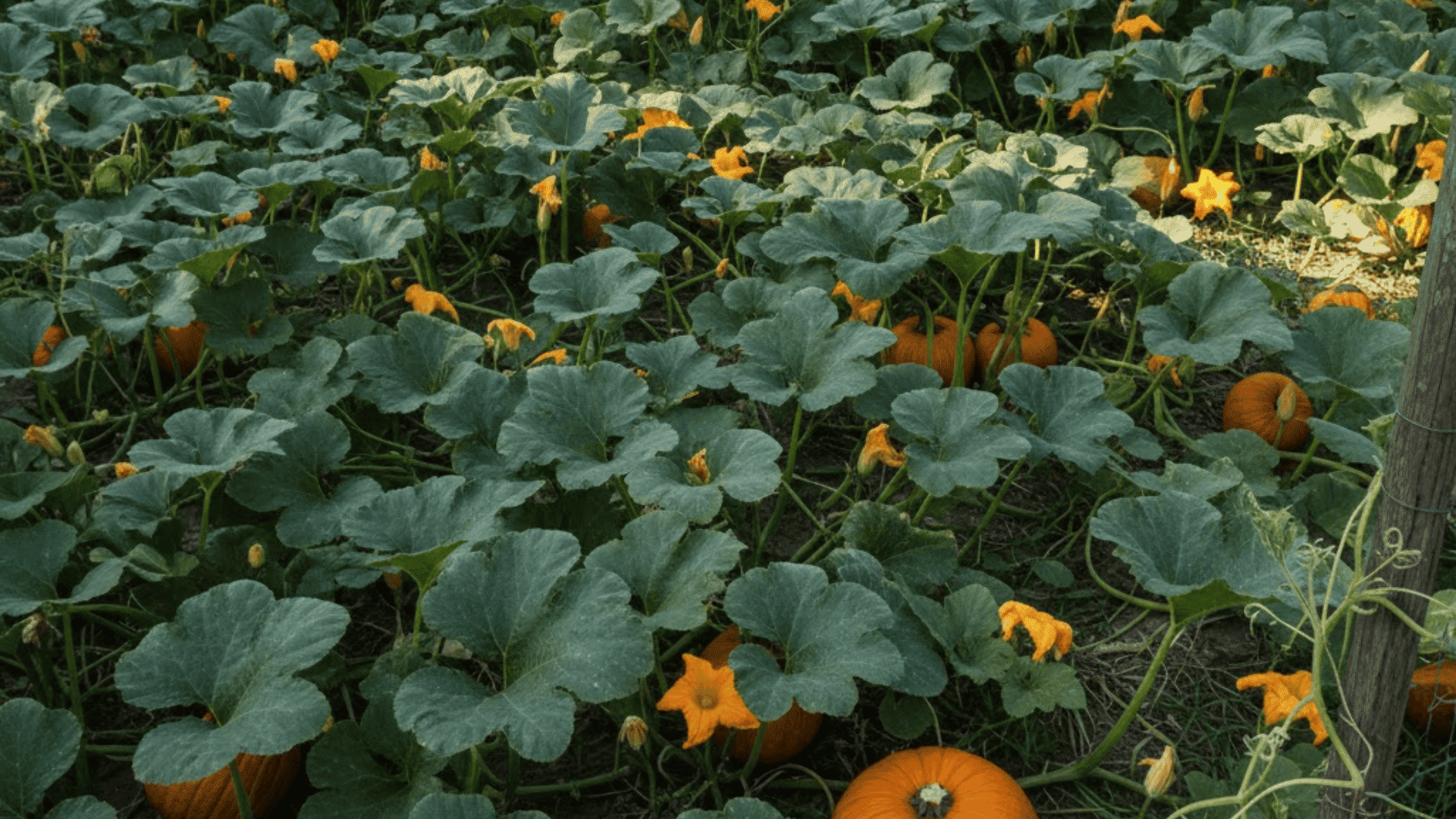
Pumpkins sprawl 10-15 feet with 30-50 leaves per vine, directly competing with zucchini’s 15-20 leaf spread. Both attract squash vine borers, squash bugs, and powdery mildew, concentrating pest pressure.
Maintain a minimum 15-20 feet separation. Pumpkins need 50-100 square feet per plant, while zucchini needs 9-16 square feet, making co-planting impractical in beds under 100 square feet.
19. Cucumbers
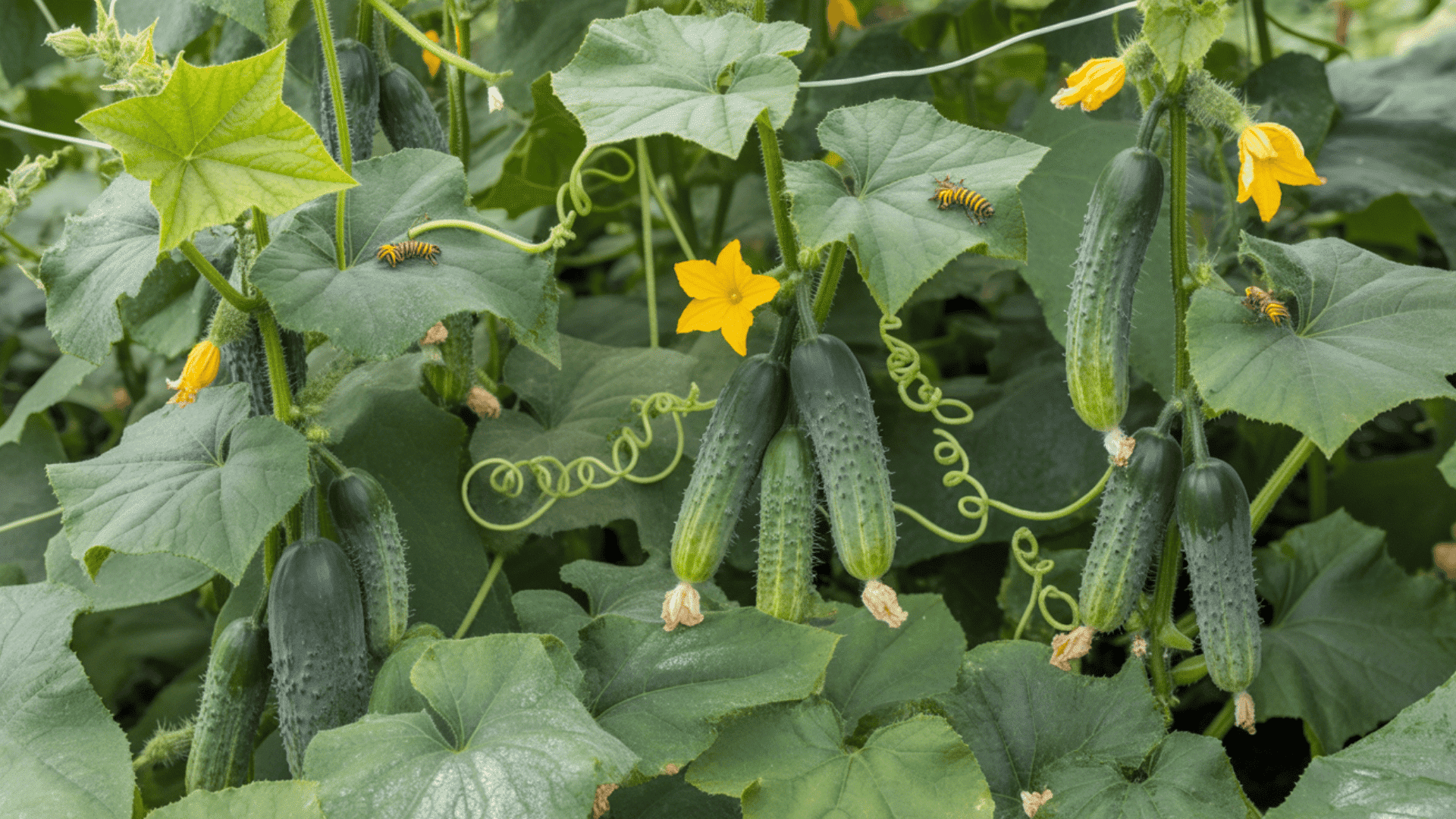
Cucumbers and zucchini share striped cucumber beetles, squash bugs, and bacterial wilt, transmitted at rates of 60-80% between plants within 5 feet. Both develop powdery mildew when humidity exceeds 70% with poor airflow.
Separate by 10-12 feet minimum. Studies show disease incidence increases 250% when cucurbits are planted within 8 feet of each other.
20. Melons
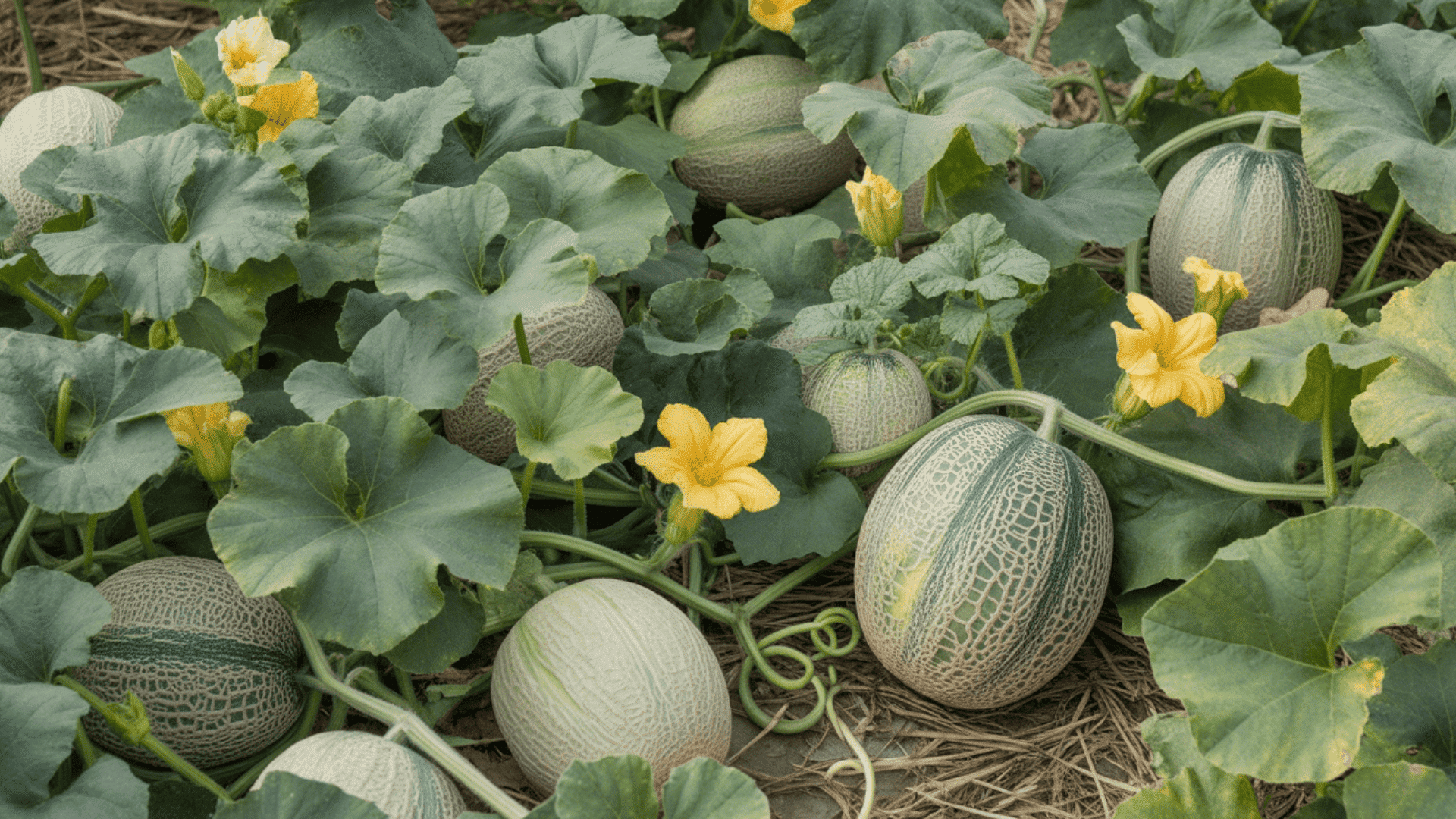
Melons require 150-200 lbs of nitrogen per acre, the same high rate as zucchini, depleting soil rapidly. Both crops need 20-30 square feet of space at maturity.
Shared pests include squash vine borers (larvae tunnel through 80% of co-planted vines) and cucumber beetles. Plant melons 15-20 feet from zucchini with separate drip irrigation to manage different moisture needs during ripening.
21. Winter Squash
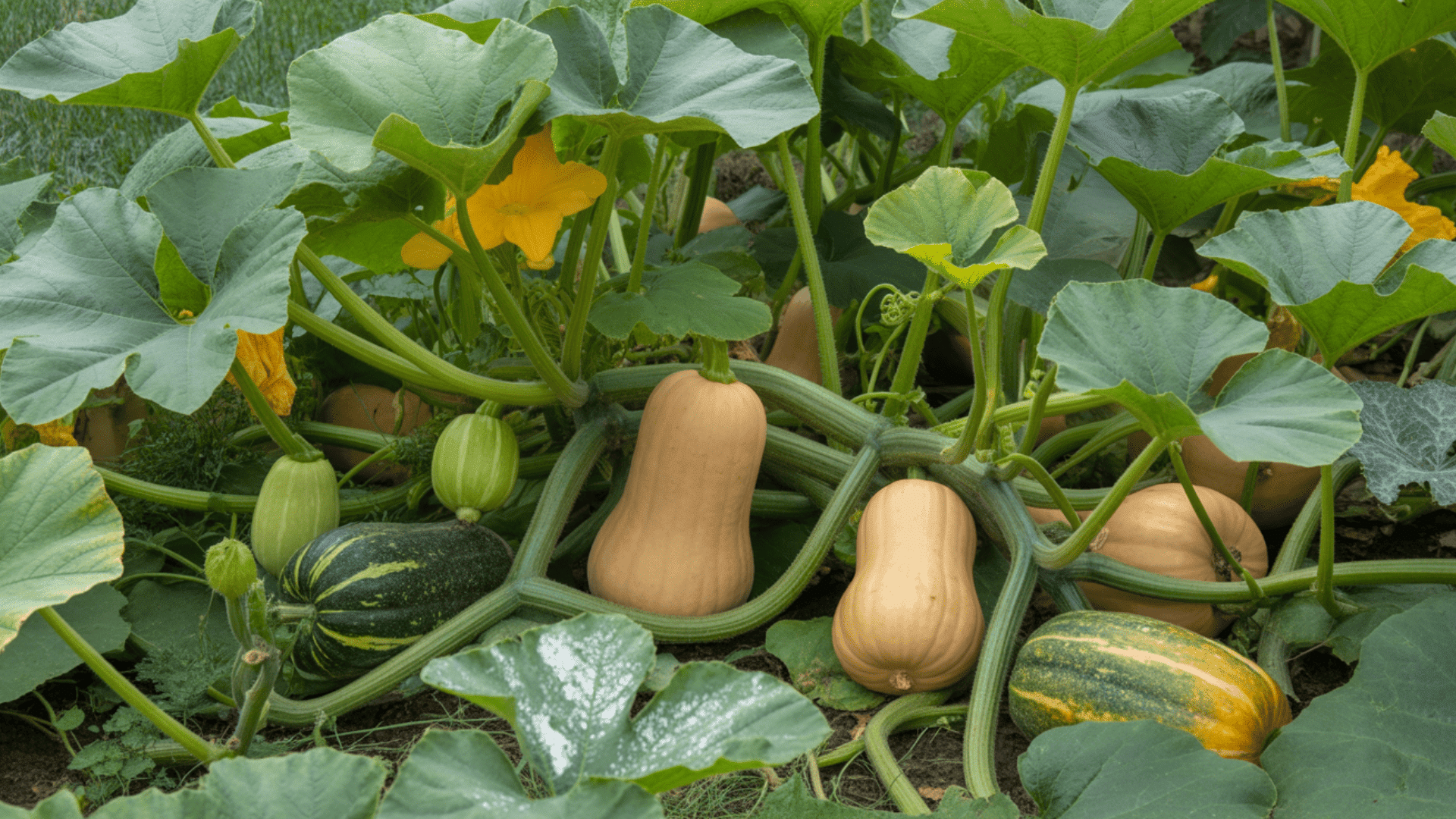
Winter squash and zucchini share 15+ common diseases, including powdery mildew, downy mildew, and bacterial wilt. Cross-pollination doesn’t affect current fruit but creates off-type seeds if saved (F1 hybrid breakdown).
Separate by 20-25 feet minimum. Both need 50-100 gallons of water per plant seasonally, straining irrigation systems when planted together in beds under 200 square feet.
22. Fennel
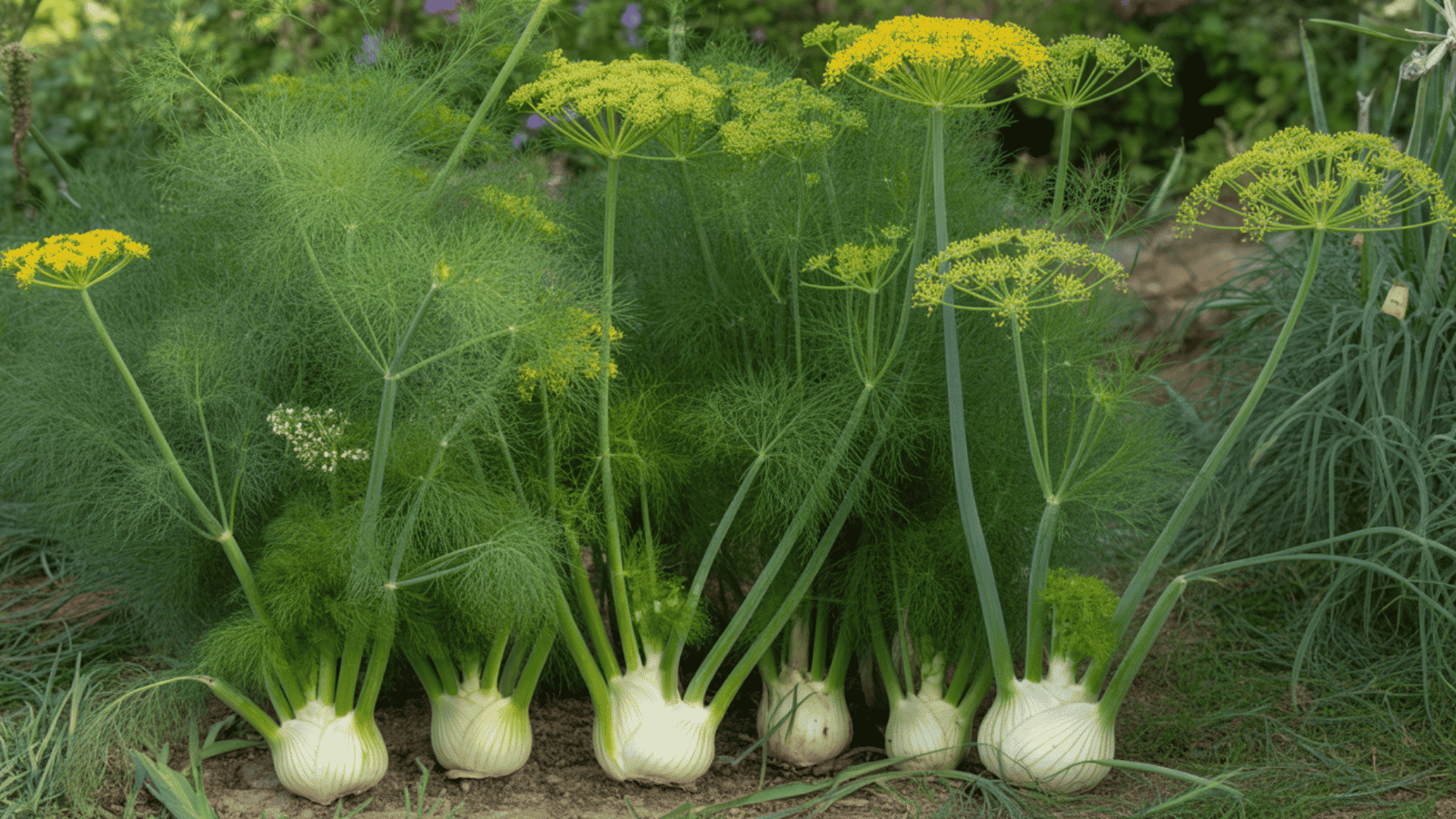
Fennel releases fennel oil and anethole through its roots, inhibiting the growth of plants within 3-4 feet by 40-60% in controlled studies. These allelopathic compounds persist in soil for 2-3 months after fennel removal.
Plant fennel 25-30 feet from any vegetable garden or in isolated containers. Even fennel planted 10 feet away reduced zucchini yields by 25% in university trials.
23. Cabbage Family Crops
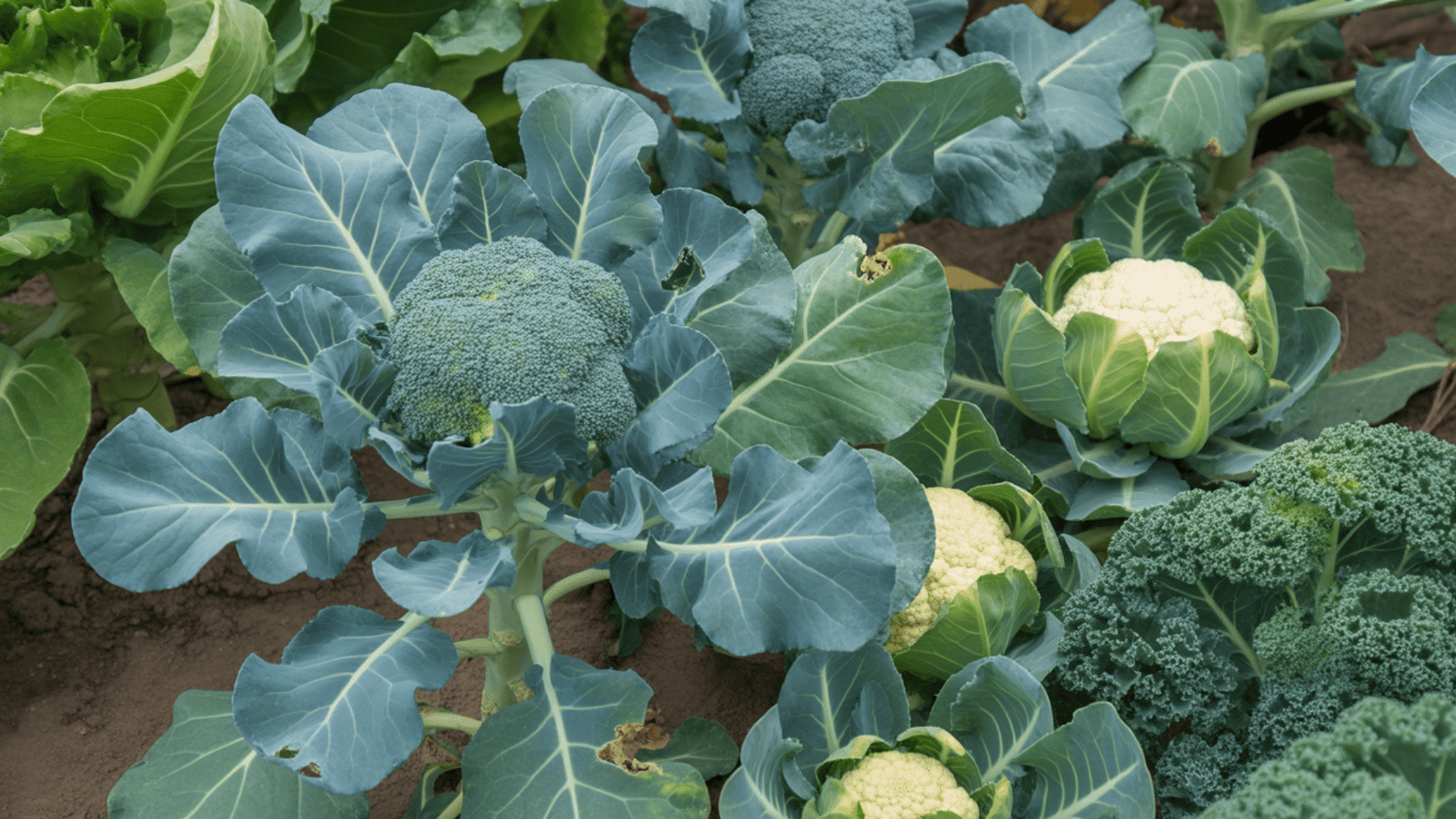
Brassicas require 120-180 lbs of nitrogen per acre, competing directly with zucchini’s 120-150 lb requirement. Both have 12-18-inch deep root zones, fighting for the same soil nutrients.
Broccoli and cauliflower need 18-24 inch spacing, leaving no room for zucchini’s 24-36 inch spread. Separate by 8-10 feet minimum. Co-planting reduces head formation in brassicas by 30-50%.
24. Tomatoes
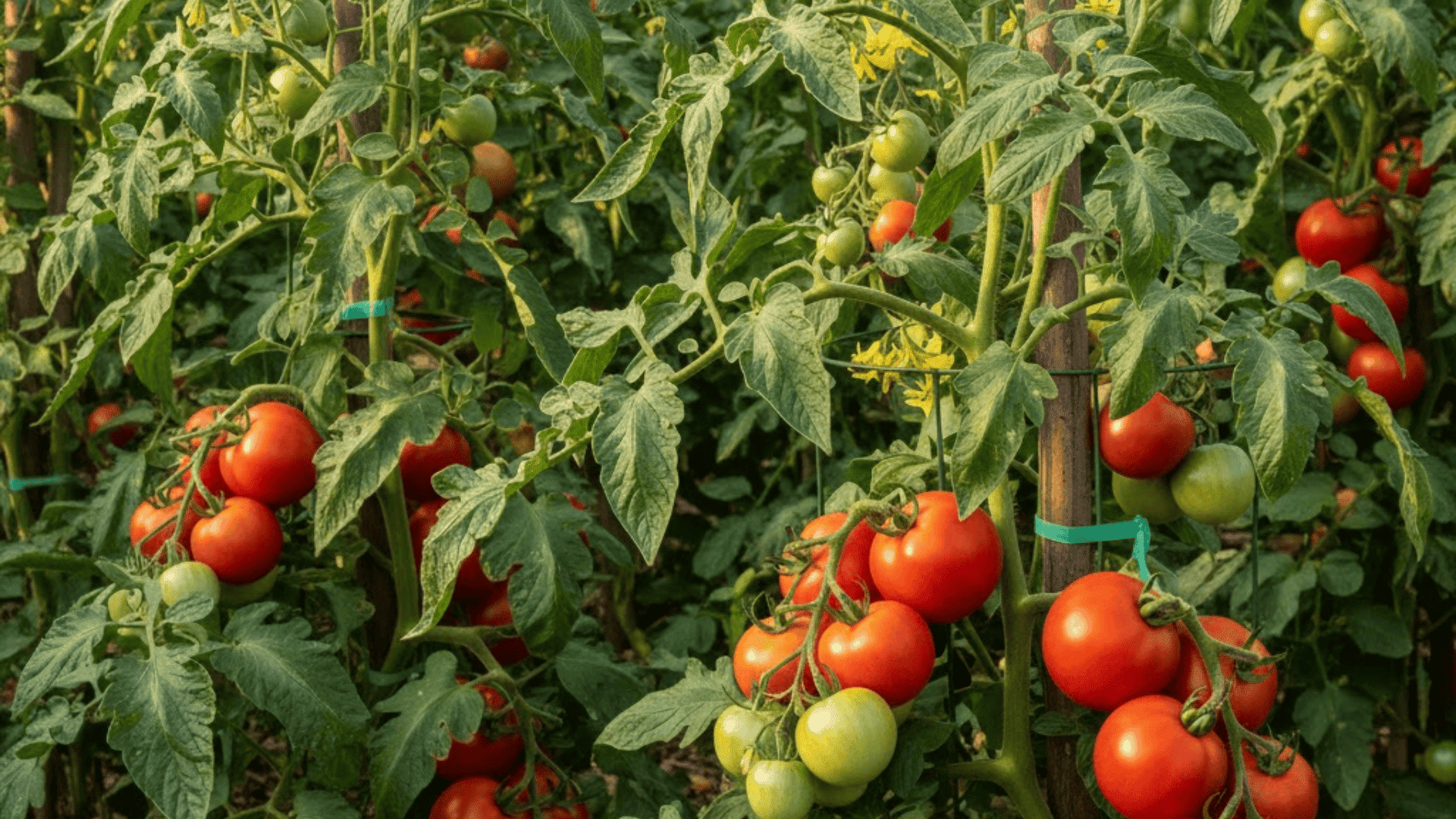
Tomatoes need 100-150 lbs of nitrogen per acre, and zucchini needs 120-150 lbs, while both require 1.5-2 inches of water weekly. Their 18-24 inch root zones overlap completely.
Both are susceptible to Alternaria leaf spot and Septoria, with infection rates 45% higher in mixed plantings. Maintain 4-5 feet spacing minimum. In raised beds under 32 square feet, choose one crop or the other.
25. Sweet Potatoes
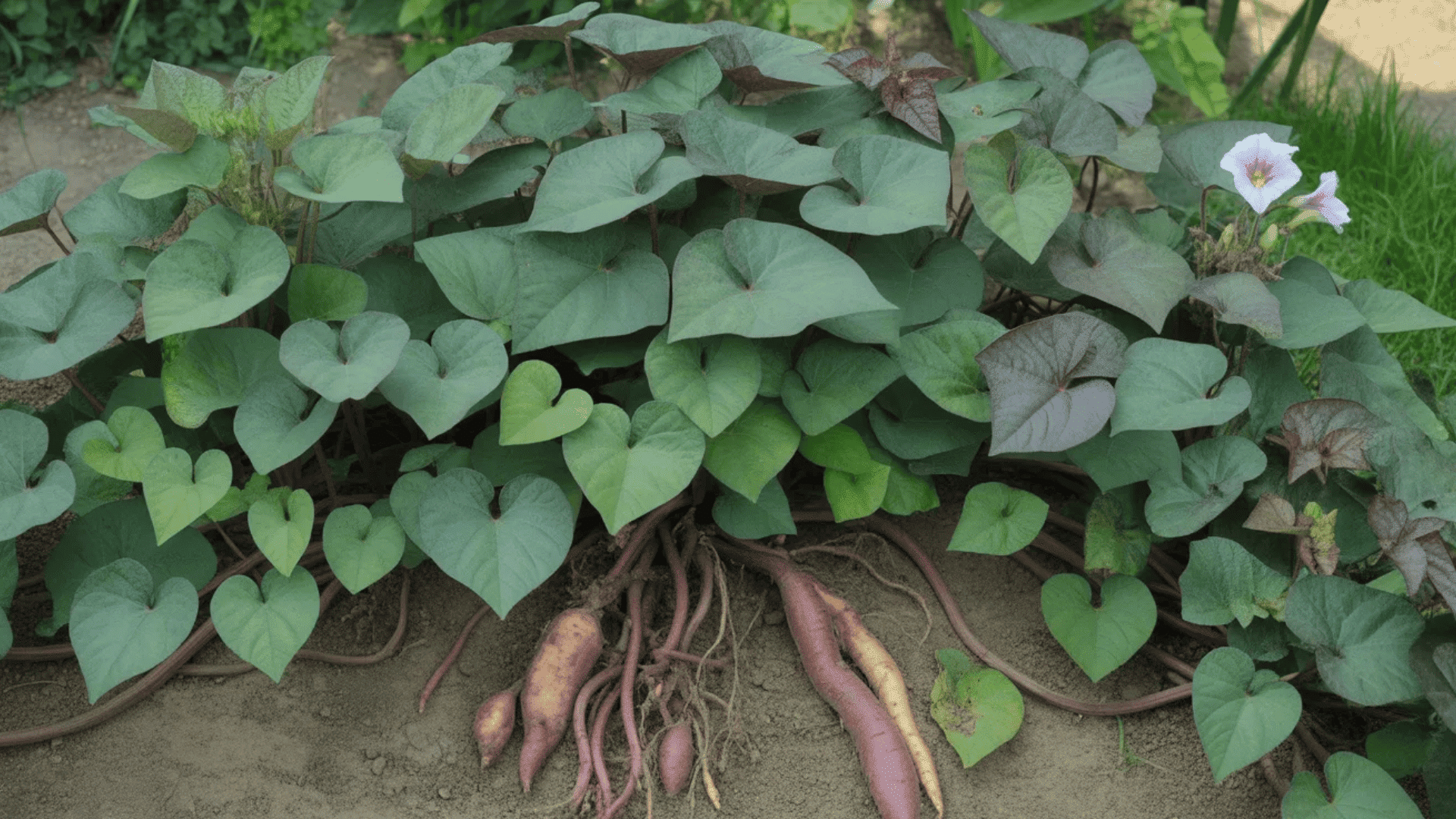
Sweet potato vines spread 6-10 feet, completely covering zucchini plants within 4-6 weeks of transplanting. Their tuberous roots extract potassium at 80-120 lbs per acre, competing with zucchini’s 60-80 lb requirement.
Separate by 12-15 feet. In trials, zucchini yields dropped 55% when planted within 6 feet of sweet potatoes due to vine smothering and root competition.
26. Squash (Other Varieties)
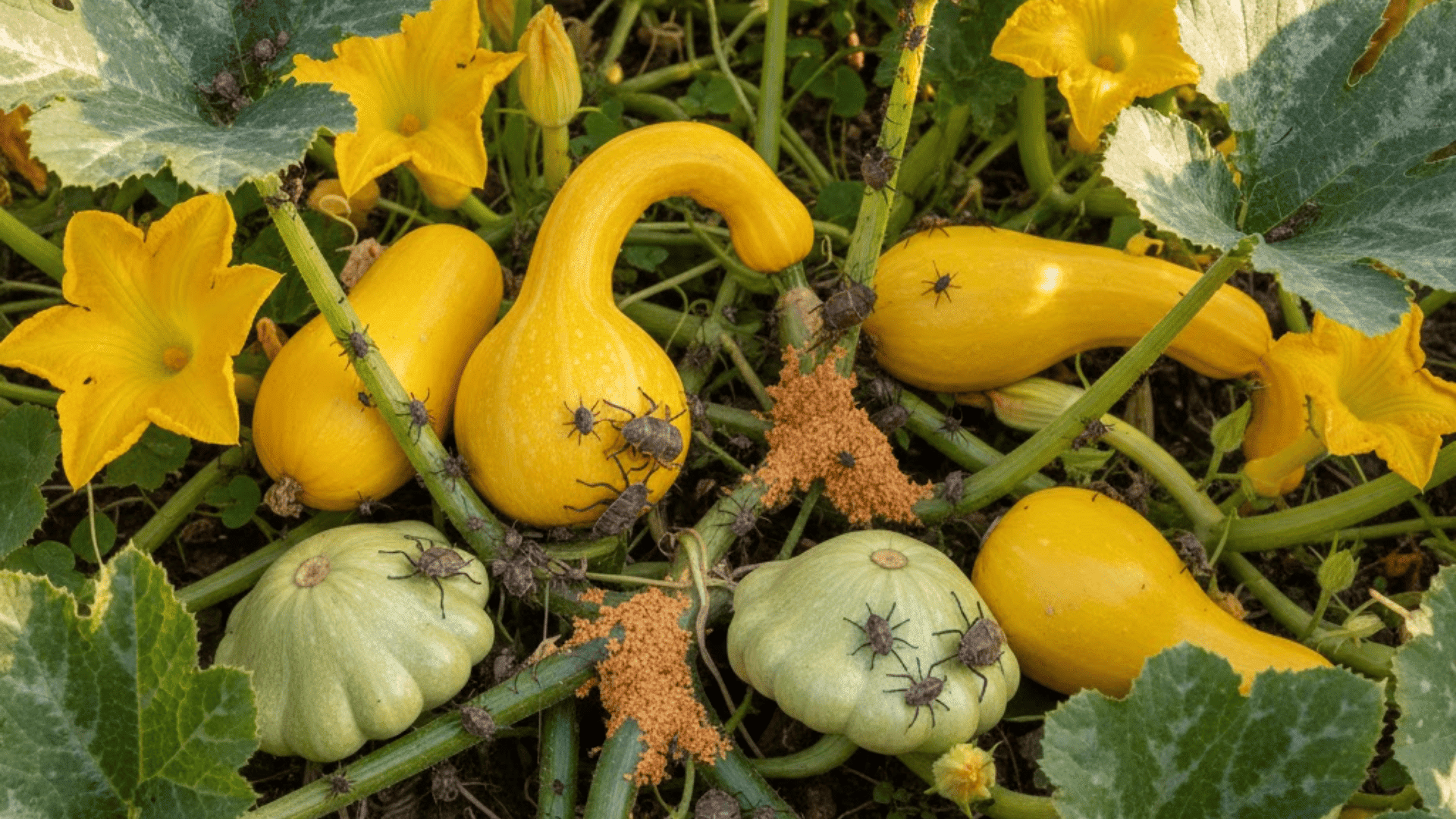
Planting multiple squash varieties within 10 feet creates pest aggregations, with squash bug populations 3-5 times higher than isolated plantings. Squash vine borer moths lay 150-200 eggs preferentially on clustered cucurbits.
Cross-pollination between species creates viable but off-type seeds (affecting saved seed, not current fruit). Space different squash types 15-20 feet apart for pest management.
27. Mint
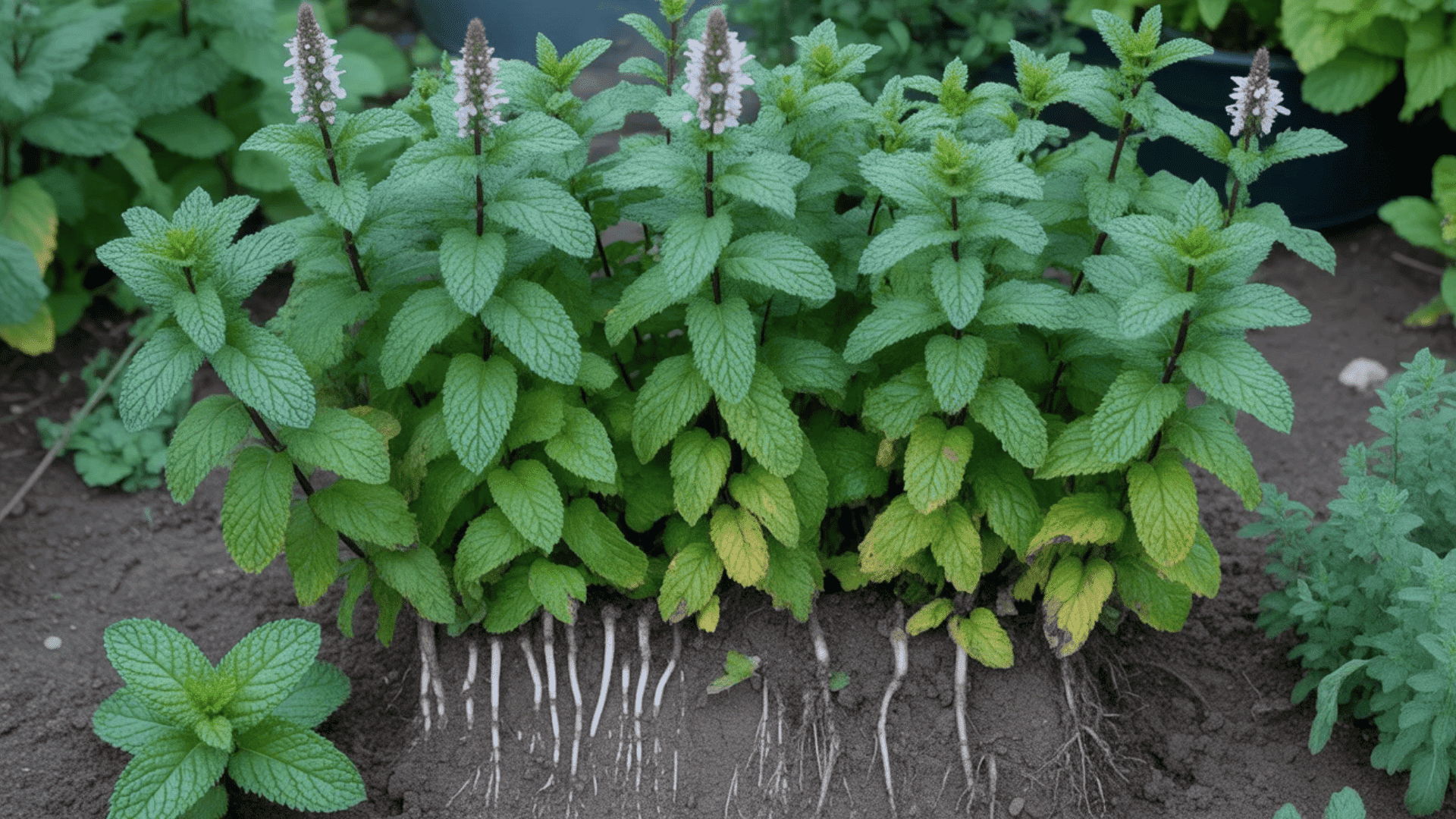
Mint spreads via rhizomes at 12-24 inches per year, invading 6-8 square feet annually. Its aggressive roots compete in the top 6-12 inches of soil where zucchini feeds. Once established, mint requires 2-3 years of removal efforts.
Always grow mint in containers 12+ inches deep, buried with rims 2 inches above soil, or in pots placed near (not in) zucchini beds.
28. Sage
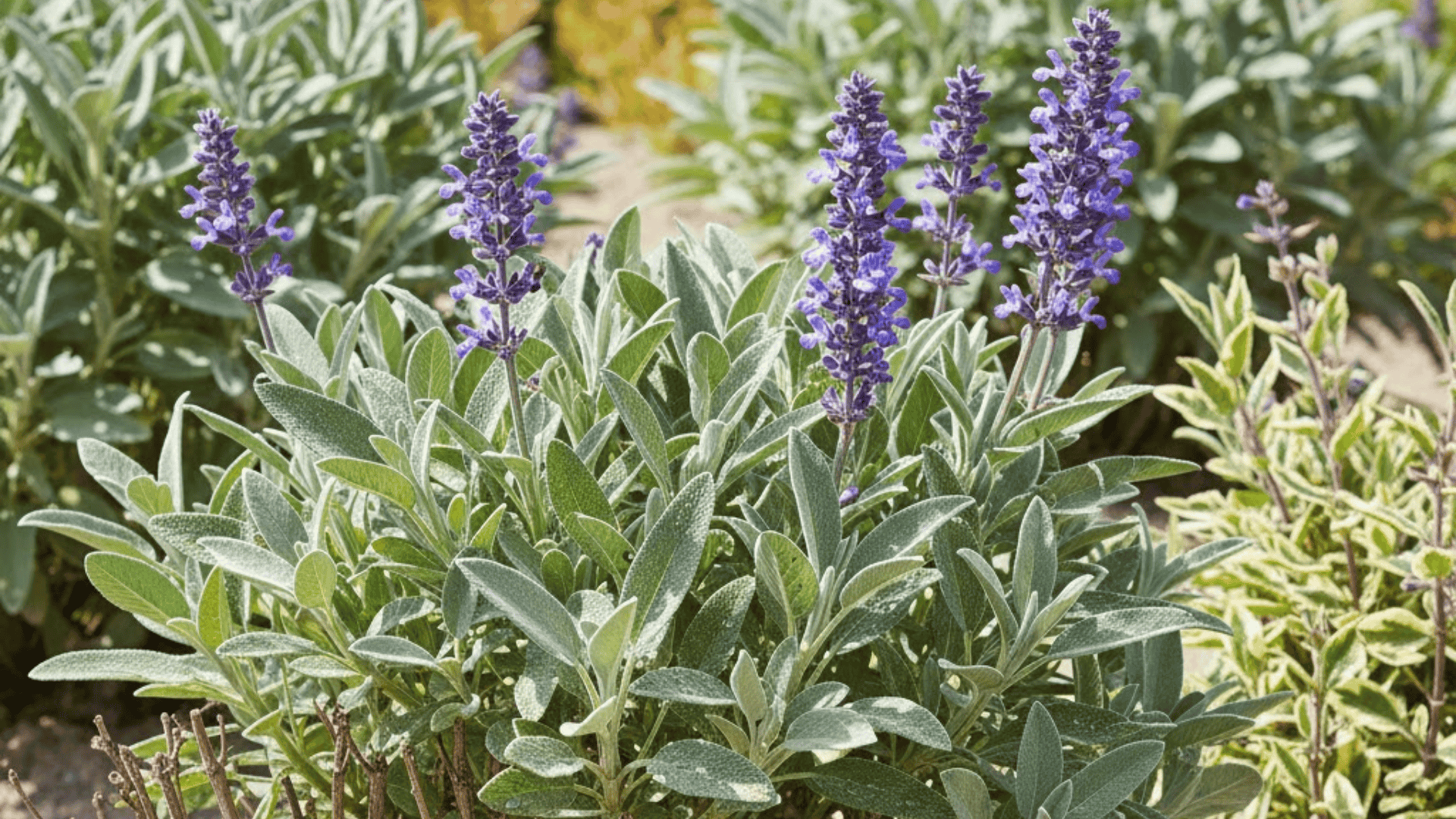
Sage requires 0.5-0.75 inches of water weekly, while zucchini needs 1-1.5 inches, creating impossible irrigation requirements. Sage’s woody stems spread 24-30 inches wide, competing for the same space zucchini needs.
Its preference for pH 6.0-7.0 and well-drained soil conflicts with zucchini’s preference for pH 6.5-7.5 and consistent moisture. Plant sage 6-8 feet away in separate, drier garden zones.
29. Rosemary
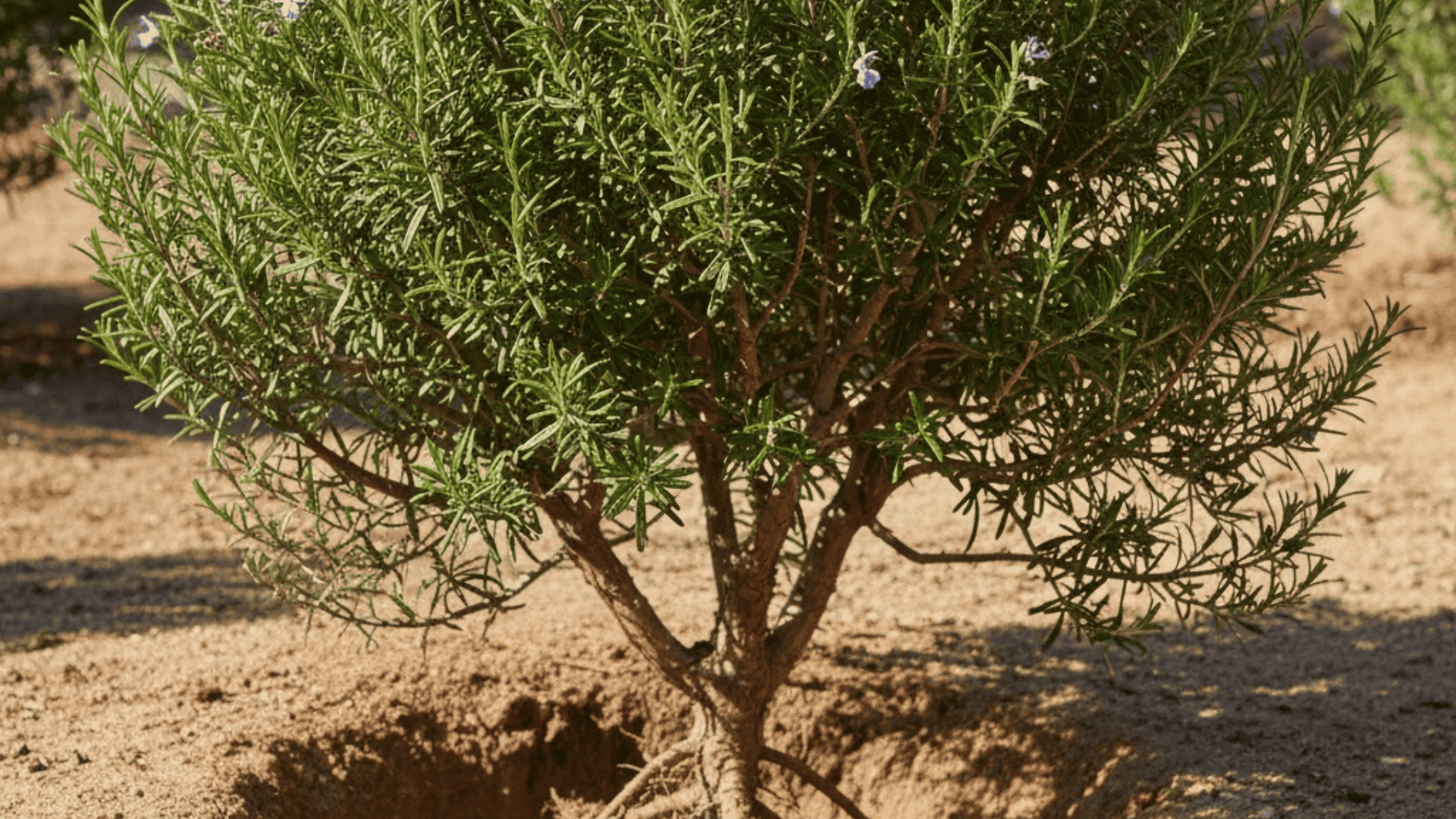
Rosemary thrives with 0.5 inches of water weekly and dies in zucchini’s moist conditions (1-2 inches weekly). Its woody roots penetrate 12-24 inches deep, competing directly with zucchini’s feeder roots.
Rosemary prefers pH 6.0-7.0 and sandy soil, while zucchini needs pH 6.5-7.5 and loam. Separate by 10-12 feet minimum, or grow rosemary in containers with separate irrigation systems.
Best Planting Layouts for Zucchini Companion Plants
Getting the spacing right between zucchini and its companions makes all the difference between a thriving garden and a crowded mess.
These layout strategies maximize space while keeping plants healthy and productive.
| Layout Type | Bed Size | Setup |
|---|---|---|
| 4×8 Raised Bed | 32 sq ft | 2 zucchini at 36″ apart, nasturtiums at 18″, basil at 12″, radishes at corners |
| 4×4 Raised Bed | 16 sq ft | 1 zucchini centered, 4 marigolds at 10-12″, lettuce at 8″ |
| Traditional Row | 3 ft wide | Zucchini 36″ apart, center row, beans 18″ one side, onions 15″ on the other |
| Border Planting | Any size | Zucchini 3-4 ft apart, chives/marigolds border at 15-20″ |
| Three Sisters | 6×6 ft | 1 zucchini center, corn 30″ north, beans 18″ south |
| Companion Zones | 8×8 ft | 2 zucchini at 40″ apart, borage/dill 24″, garlic/marigolds 12-15″, radishes 8-10″ |
| Vertical Layout | 4×6 ft | 1 zucchini, dwarf sunflowers 30″ north, oregano 16″ south |
| Succession | 3×10 ft | 3 zucchini at 36″, peas 18″ (spring), swap for basil 12″ (summer) |
Common Companion Planting Mistakes with Zucchini
Even experienced gardeners slip up when pairing plants with zucchini. Avoiding these pitfalls keeps your garden productive and disease-free all season long.
- Planting companions closer than 8-12 inches from zucchini stems, trapping moisture and blocking airflow that leads to powdery mildew and 40-50% yield loss.
- Pairing zucchini with drought-loving herbs like rosemary or sage creates impossible watering conflicts since zucchini needs 1-2 inches weekly, versus herbs’ 0.5-0.75 inches.
- Grouping all cucurbits together, concentrating squash bugs and cucumber beetles to 3-5 times normal population levels within 3-4 weeks of planting.
- Ignoring mature plant sizes when spacing, allowing zucchini’s 3-4 foot spread by mid-July to smother companions and reduce critical airflow.
Getting companion spacing right from the start prevents most problems before they begin. Measure twice, plant once, and your zucchini will reward you with bushels of squash all summer.
Wrapping Up
Choosing the right zucchini companion plants isn’t just about filling empty space in your garden beds.
When you pair zucchini with nasturtiums, marigolds, beans, and herbs while keeping potatoes, cucumbers, and other squash at a distance, you’re setting up a natural system where plants protect and support each other.
The spacing numbers matter, the timing makes a difference, and those few extra inches between stems can mean the gap between a struggling plant and an abundant harvest.
What companion combinations have worked best in your garden? Drop a comment below and share your wins or lessons learned with fellow zucchini growers.