I remember the first time I spotted bright yellow patches spreading across my garden mulch. My initial thought was mold, maybe something harmful to my plants. Turns out, that yellow fungus on mulch is usually slime mold, and it’s completely harmless to your garden.
In fact, it’s a natural sign your mulch is doing its job by breaking down organic matter.
Most gardeners panic when they see it, but you don’t need to worry. What you’re seeing is nature’s decomposition process in action.
That said, you’ll probably want to know why it appears, if it affects your plants, and how to manage it if the yellow stuff bothers you.
Why Mulch Sometimes Looks Strange
Mulch creates the perfect environment for all sorts of unexpected visitors. You’re basically laying down a buffet of organic material that holds moisture and provides food for various organisms.
I’ve seen gardeners freak out when their fresh mulch bed suddenly develops colorful patches or strange textures. It’s unsettling at first, especially when you’ve just spent money and effort making your garden look nice.
The thing is, mulch is alive with activity. Fungi, bacteria, and other decomposers are constantly breaking down that wood, bark, or leaf matter. They need moisture and organic material to survive, and your mulch bed gives them both in abundance.
Yellow fungus on mulch is one of the most common surprises you’ll encounter. It can appear overnight, spreading across the surface like someone spilled bright yellow paint or scrambled eggs on your garden bed.
You’ll naturally wonder: “What exactly is that yellow blob?” The answer might surprise you, and it’s probably not what you think.
What is the Yellow Fungus on Mulch?
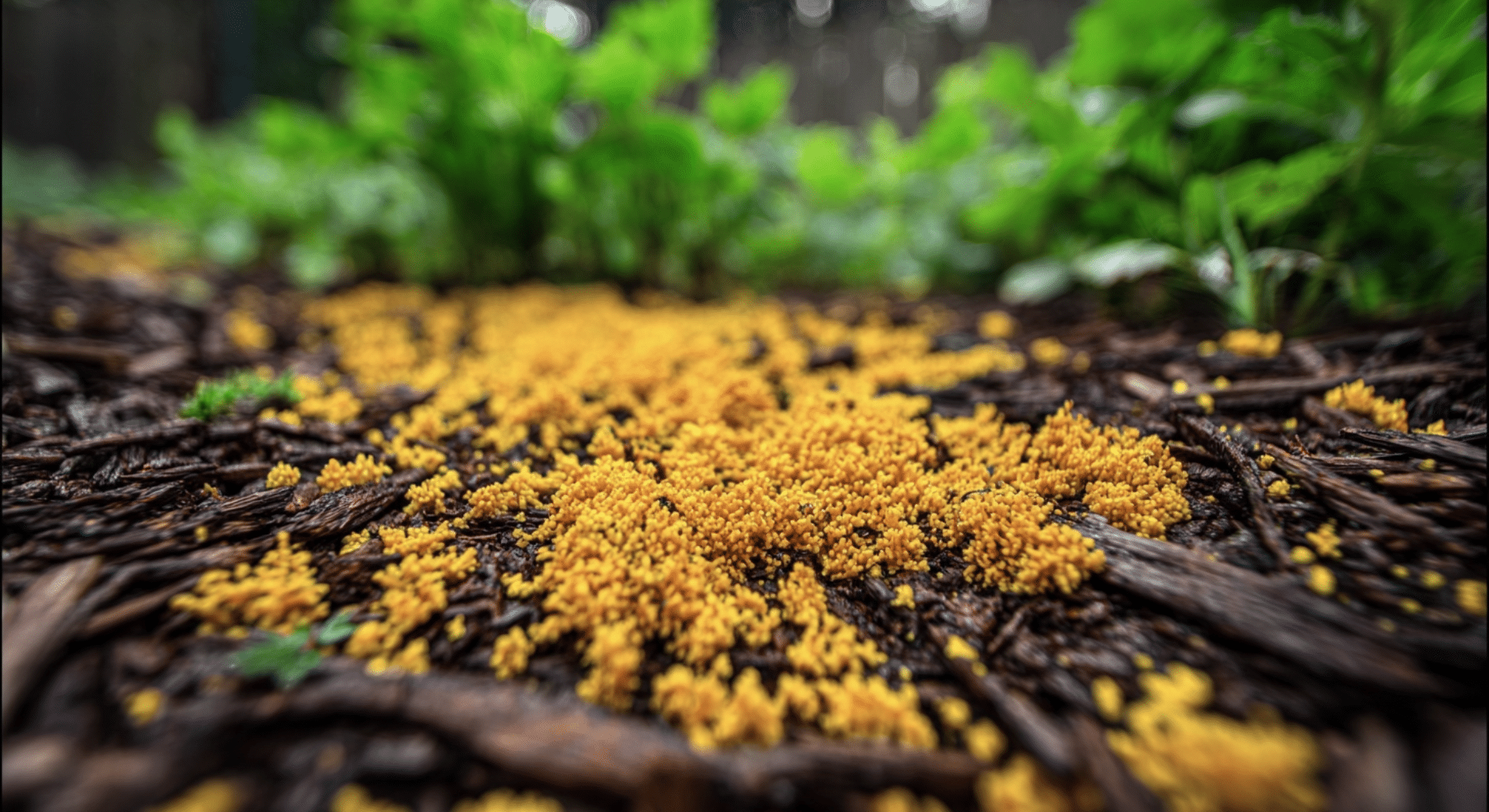
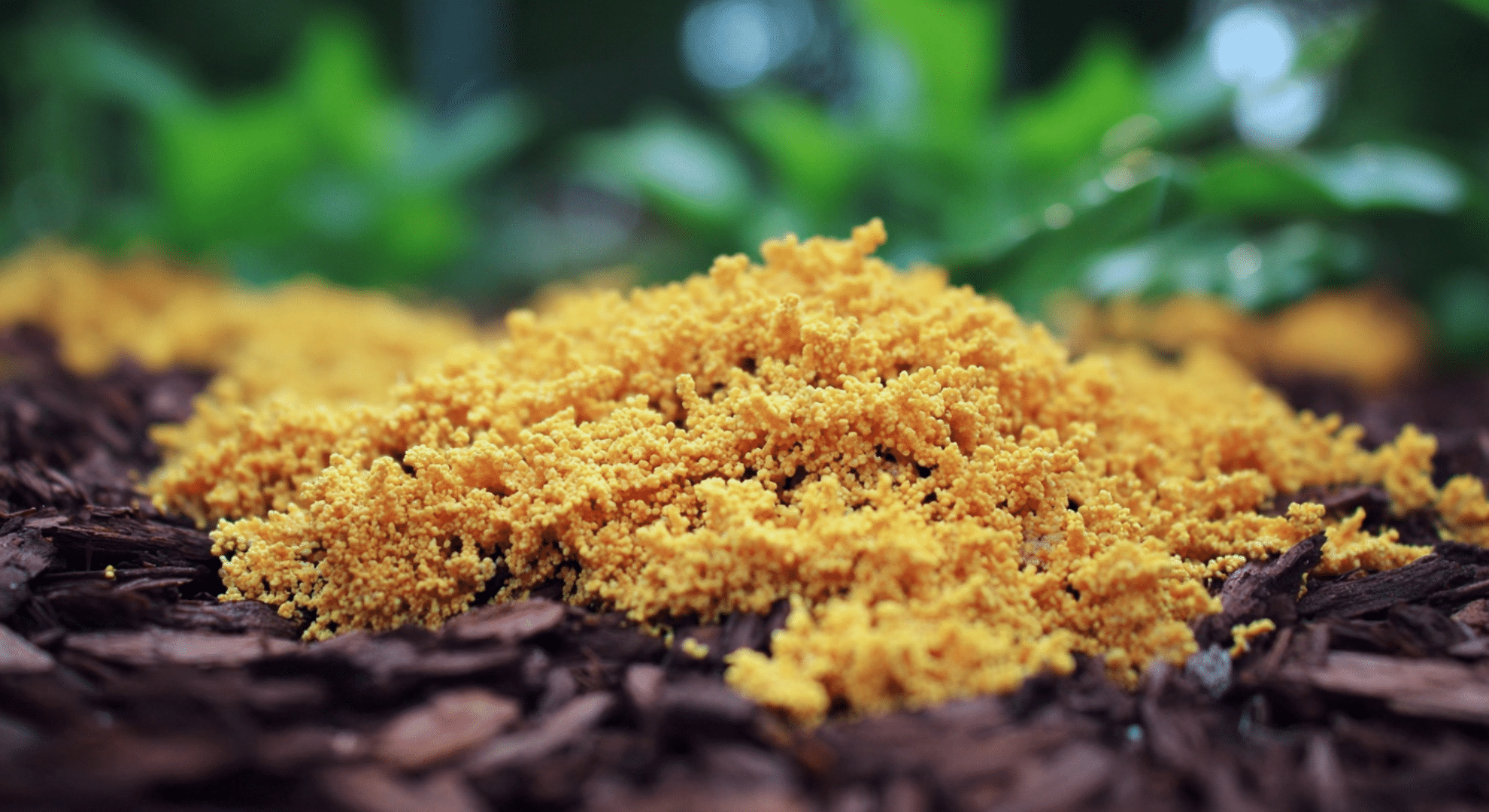
That yellow fungus on mulch you’re staring at isn’t actually a fungus at all. It’s a slime mold, which is a completely different type of organism that behaves more like an amoeba than a mushroom.
The most common culprit is Fuligo septica, and yes, it has the unfortunate nickname “dog vomit slime mold” because it looks exactly like what the name suggests.
I know that’s gross, but once you see it, you’ll understand why gardeners call it that.
Slime molds are fascinating creatures. They can actually move slowly across your mulch, searching for food. They’re neither plant, animal, nor true fungus. They belong to their own category entirely.
Other yellow or odd-looking growths you might confuse with slime mold:
- Stinkhorn fungi (can be yellowish-orange and smell terrible)
- Bird’s nest fungus (small cup-shaped structures)
- Artillery fungus (tiny black or brown spots that shoot spores)
- Mushrooms with yellow caps
- Lichens or moss
The key difference? Slime mold looks wet, foamy, and bright yellow or orange. It appears suddenly and can change shape or location.
What Does It Look Like and How Can You Tell?
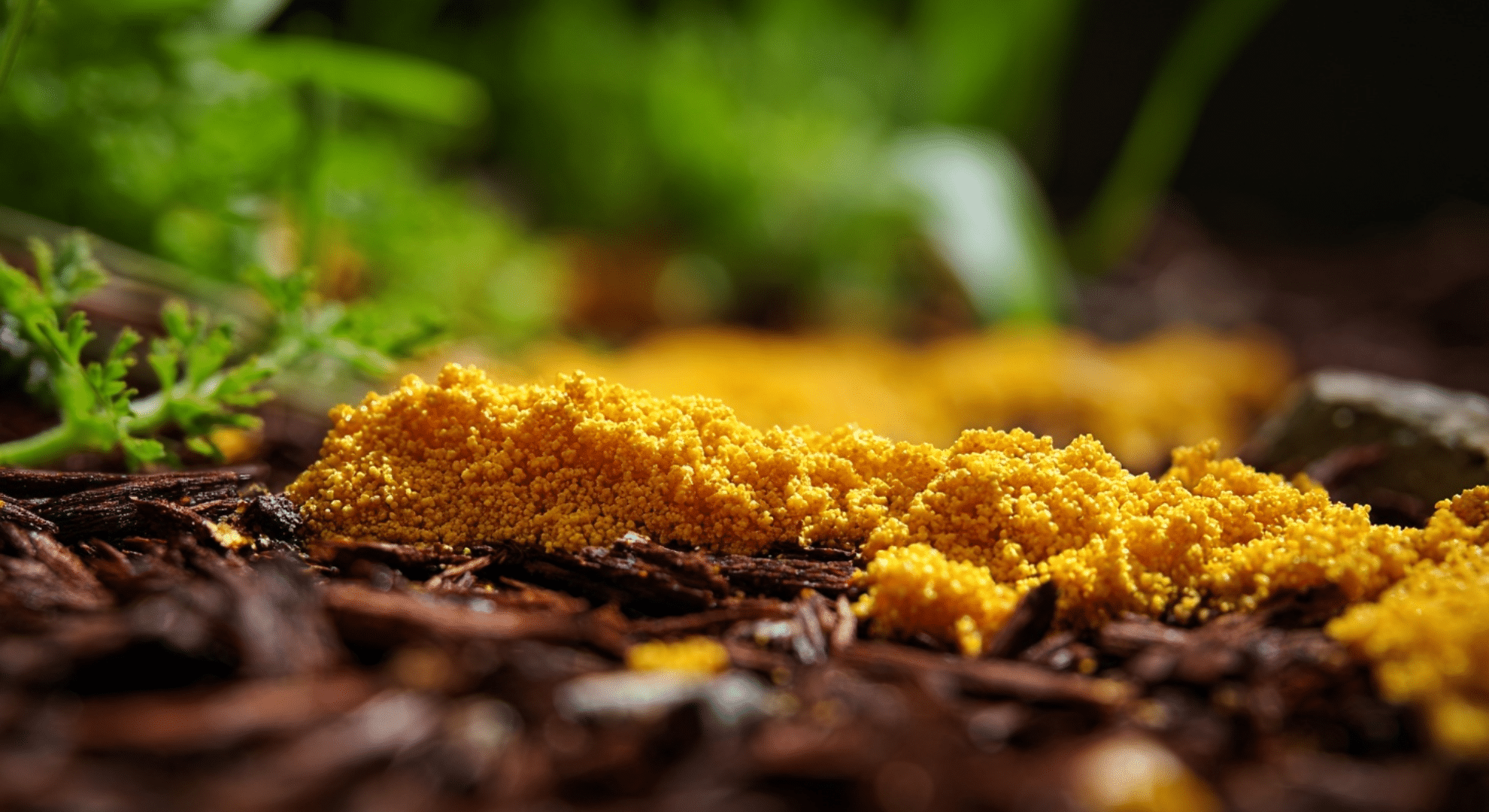
The yellow stuff typically shows up as bright, foamy blobs that look like someone dumped scrambled eggs on your mulch.
I’ve seen patches range from a few inches to over a foot wide, and they have this wet, slimy texture that’s unmistakable.
The color is usually vibrant yellow or orange-yellow, almost neon in some cases. When you look closely, it has a foamy or bubbly surface that glistens in sunlight.
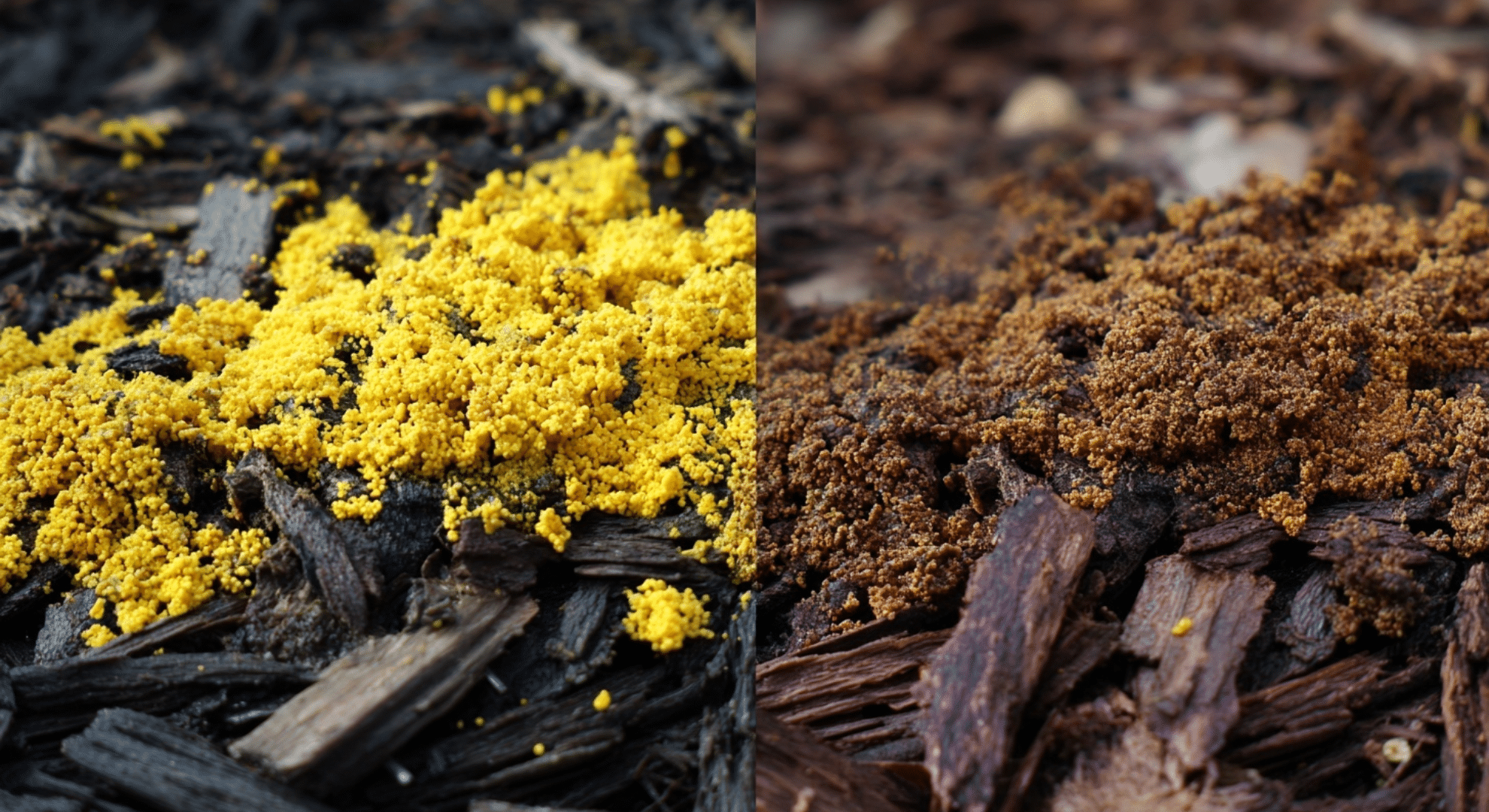
Here’s the interesting part: it doesn’t stay yellow. You’ll notice it changes over just a few days, going through a complete transformation as it matures and dries out.
Slime mold appearance at each stage:
| Stage | Color | Texture | What’s Happening |
|---|---|---|---|
| Early | Bright yellow | Wet, foamy, slimy | Actively feeding and moving |
| Mid | Tan or pale yellow | Semi-firm, less glossy | Starting to dry out |
| Late | Brown or gray | Crusty, hardened | Preparing to release spores |
| Final | Black or dark brown | Powdery, dusty | Spores ready to disperse |
If you’re still unsure what you’re dealing with, take clear photos from different angles.
You can show them to staff at your local garden center or post them in gardening groups online. Most experienced gardeners will recognize slime mold instantly.
Is Yellow Fungus Dangerous to People, Pets, or Plants?
No, it’s not harmful. I know it looks alarming, but slime mold is completely harmless to your garden and everyone in it.
For your plants:
You don’t need to worry about your flowers, shrubs, or vegetables. Slime mold lives on the surface of mulch and feeds on dead organic matter, not living plants. It won’t damage roots, stems, or leaves. Your plants will grow just fine with slime mold nearby.
For pets:
It’s generally safe, but you shouldn’t let your dog or cat eat it. In my experience, most pets ignore it because it doesn’t smell or look appetizing. If they do nibble on it, they might get an upset stomach, but it’s not toxic. Just keep an eye on curious pets.
For people:
You can touch it without harm, though I wouldn’t recommend it. Some people might experience mild skin irritation or allergic reactions if they handle it directly. If you disturb mature slime mold, it releases spores that could irritate your nose or throat if you breathe them in.
Quick safety tips:
- Wear gloves if you’re removing it
- Avoid breathing in the powdery spores
- Wash hands after handling mulch
- Keep kids from playing with it
Why Does Yellow Fungus Grow in Mulch?
Slime mold shows up when conditions are just right for it to thrive. You’re basically creating a perfect habitat whenever you combine moisture, warmth, and organic material in one place.
I’ve noticed it appears most often in spring and summer when temperatures rise and rain becomes frequent.
After a few days of heavy rain, you might walk outside and suddenly see yellow patches everywhere.
The slime mold feeds on bacteria and decomposing organic matter in your mulch.
When there’s enough moisture and food available, it emerges from its dormant state and starts spreading across the surface.
Common conditions that encourage yellow slime mold:
- Wet weather: Extended periods of rain or high humidity create the moisture slime mold needs to move and feed
- Thick mulch layers: Mulch deeper than 3-4 inches traps more moisture and stays wetter longer
- Poor airflow: Dense plantings or mulch in shaded areas don’t dry out between watering or rain
- Overwatering: If you’re watering too frequently, you’re keeping the mulch constantly damp
You’ll rarely see it during dry spells or in winter. Once conditions dry out, the slime mold goes dormant or turns into that crusty, powdery stage.
Can You Leave It Alone or Should You Remove It?
Both options work fine, and your choice really comes down to personal preference. There’s no wrong answer here.
I’ve left slime mold untouched in my garden plenty of times. It naturally dries out within a week or two and either blows away or crumbles into dust. You’re not causing any harm by ignoring it.
The slime mold will complete its life cycle, release spores, and disappear on its own. Your plants won’t suffer, and the mulch will continue breaking down normally. It’s actually helping decompose organic matter, which enriches your soil over time.
Some people can’t stand the look of yellow blobs in their otherwise neat garden beds. I get it. If you’re hosting a garden party or just want your yard to look its best, removing it makes sense.
Taking it out also reduces the number of spores that spread to other areas of your mulch. You might prevent new patches from appearing nearby, though there’s no guarantee.
You can safely ignore it and let nature take its course. Or you can remove it for aesthetic reasons. Neither choice will hurt your garden or create problems down the road.
How to Keep Yellow Fungus from Coming Back
Prevention is easier than removal, and you can dramatically reduce slime mold appearances with a few simple adjustments to your mulching routine.
I’ve found that overwatering is the biggest culprit. Water your plants deeply but less frequently instead of giving them light daily sprinkles. This lets the top layer of mulch dry out between waterings, making it less hospitable for slime mold.
Breaking up the surface every few weeks improves airflow and exposes wet areas to sunlight.
I usually rake mine once a month during the growing season. It only takes a few minutes and makes a noticeable difference.
Stick to 2-3 inches of mulch around plants and garden beds.
Anything deeper traps too much moisture underneath and creates perfect conditions for slime mold. You’ll also waste money on excess mulch that doesn’t benefit your plants.
Some materials dry out faster than others, which helps prevent moisture buildup.
Best and worst mulch types for preventing slime mold:
| Mulch Type | Moisture Retention | Slime Mold Risk | Notes |
|---|---|---|---|
| Shredded hardwood bark | Medium | Medium | Dries moderately, common choice |
| Cedar or cypress chips | Low | Low | Naturally resists moisture, lasts longer |
| Pine bark nuggets | Low | Low | Large pieces allow good airflow |
| Shredded leaves | High | High | Breaks down fast, stays wet |
| Straw or hay | High | High | Compact easily, trap moisture |
| Gravel or stone | None | None | No organic matter for slime mold |
You might also consider mixing in some compost with your mulch. It helps everything break down more evenly and doesn’t create those concentrated pockets of moisture where slime mold loves to grow.
If It Keeps Coming Back: Try This
Sometimes you’ll do everything right and still see yellow patches reappearing. When slime mold becomes a persistent problem, you need to make bigger changes to your garden setup.
1. Replace old mulch that’s broken down:
I’ve noticed slime mold loves mulch that’s been sitting for over a year. As it decomposes, it becomes finer and holds moisture like a sponge. Remove the old, decomposed layer and add fresh mulch on top.
You don’t have to strip everything down to bare soil, just get rid of the soggy bottom layer.
2. Improve garden airflow:
Dense plantings trap humidity and keep mulch damp for days after rain. Prune back overgrown shrubs and perennials that crowd your garden beds. Space plants farther apart when you’re adding new ones.
Better air circulation helps everything dry out faster.
3. Water less often or early in the day:
If you’re watering in the evening, switch to early morning. This gives the mulch surface time to dry throughout the day. You might also be watering more than your plants actually need.
Cut back frequency and see if the slime mold disappears.
4. Consider switching mulch material:
When nothing else works, try a different type of mulch entirely. Large bark nuggets, gravel, or rubber mulch won’t support slime mold growth like shredded organic materials do.
You’ll sacrifice some soil enrichment benefits, but you’ll solve your recurring slime mold problem for good.
What If It’s Not Slime Mold: Other Lookalikes to Know
You might be dealing with something else entirely if the yellow growth doesn’t match the typical slime mold description. I’ve seen plenty of other fungi pop up in mulch that confuse gardeners.
Stinkhorns
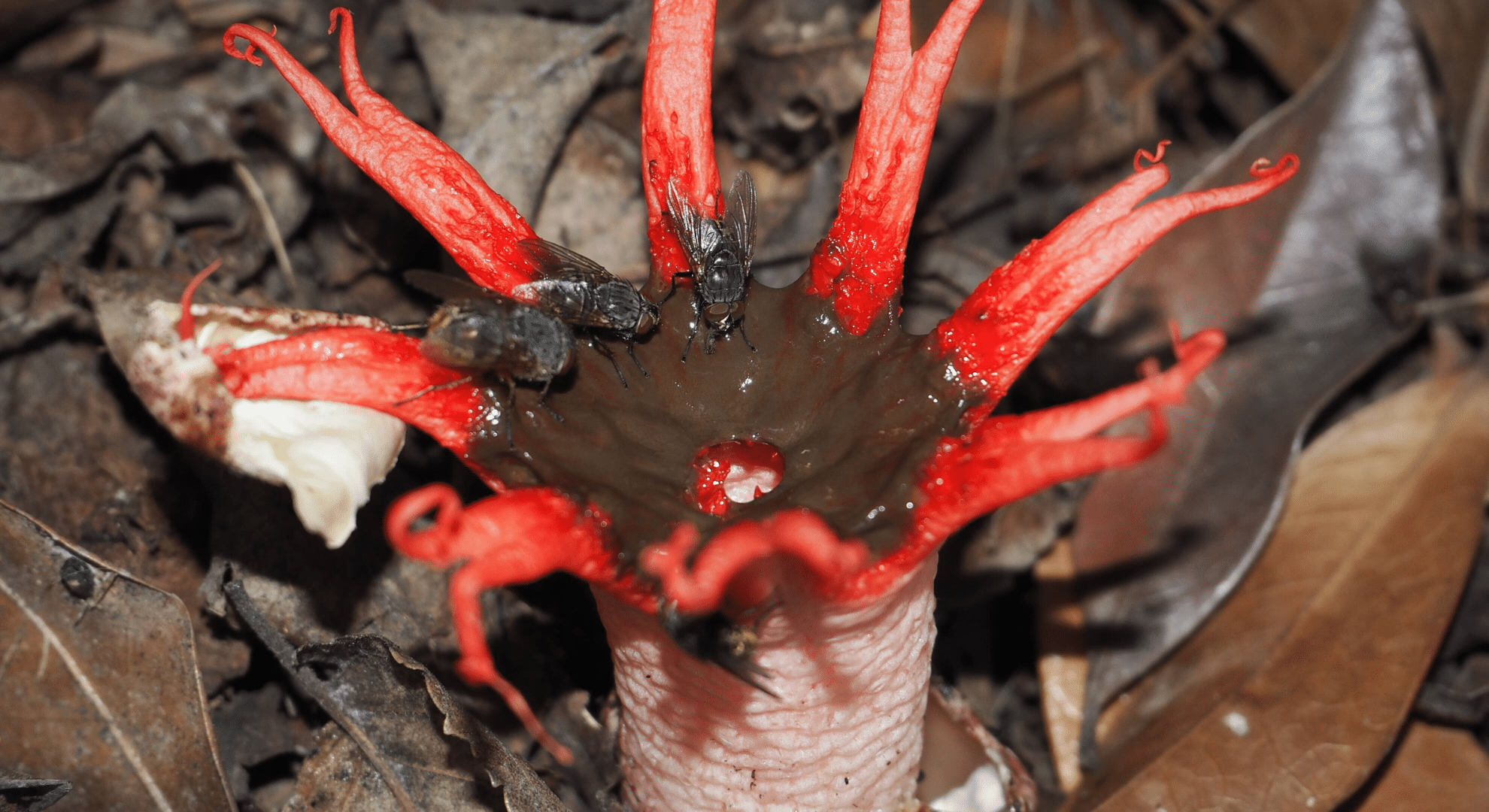
These look like bizarre alien structures, often with orange or yellowish tips. They smell absolutely terrible, like rotting meat. The odor attracts flies that spread their spores. They’re harmless to plants but you’ll probably want to remove them because of the smell. Just pluck them out and toss them in the trash.
Mushrooms
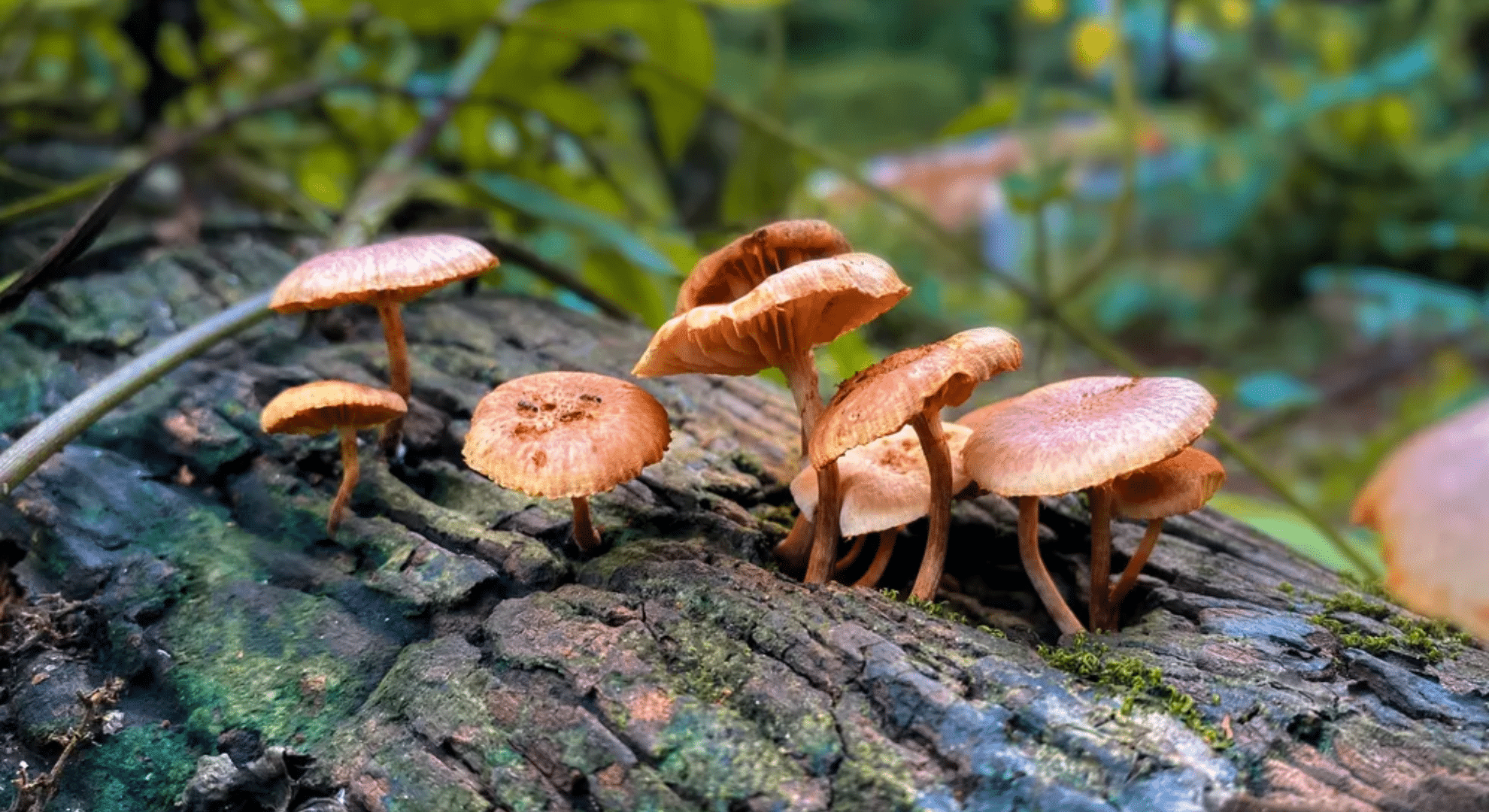
Various mushrooms with yellow or tan caps can appear after rain. Some grow in clusters, others pop up individually. They’re usually harmless decomposers doing the same job as slime mold. You can leave them or remove them, though they’ll keep returning as long as conditions stay moist. Never eat mushrooms from your garden unless you’re absolutely certain they’re edible.
Bird’s Nest Fungus
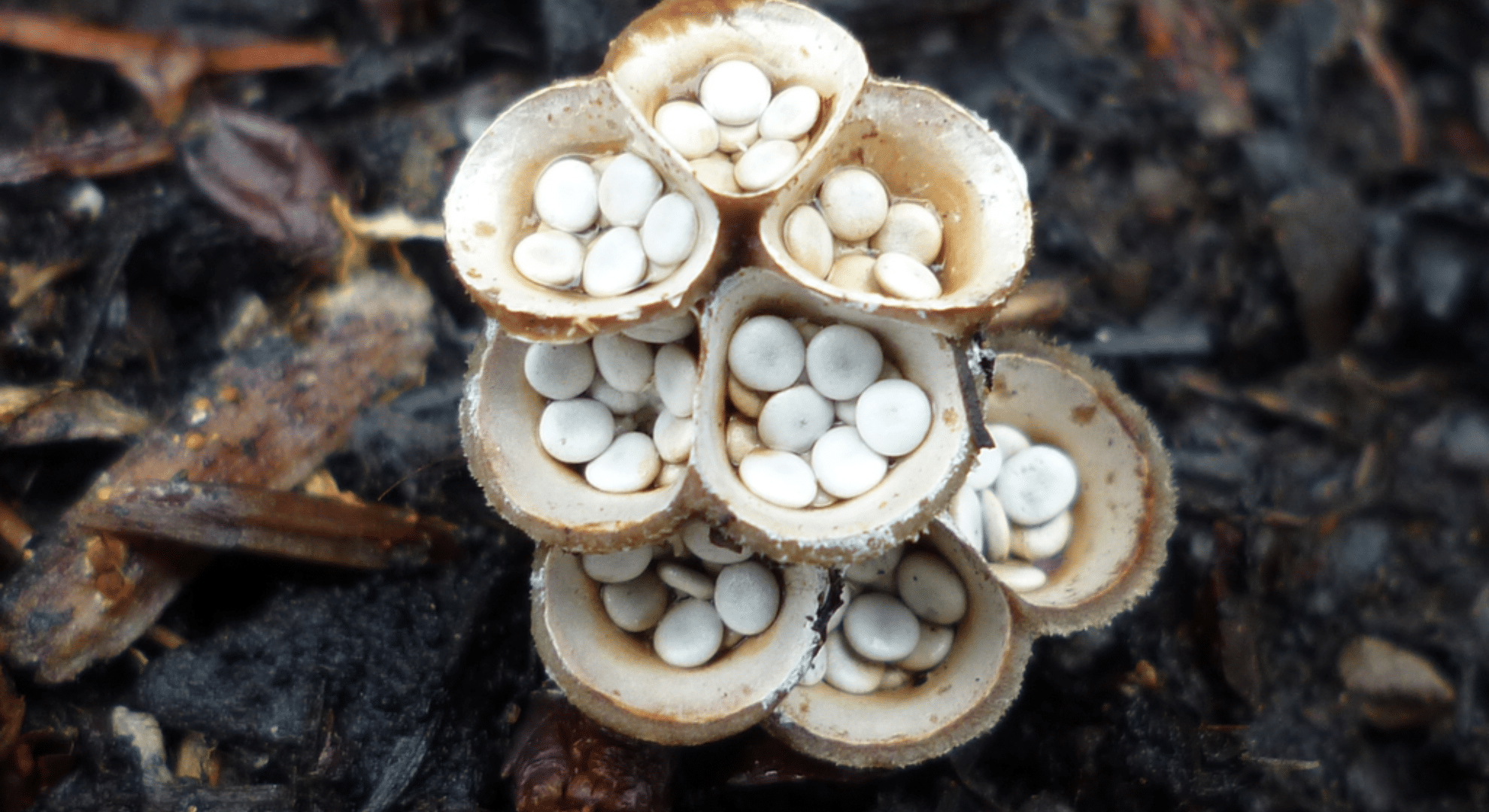
These tiny cup-shaped structures look like miniature bird nests with eggs inside. They’re gray or brown, not typically yellow, but sometimes get mistaken for unusual growths. They’re completely harmless and actually kind of cool to look at under magnification. Leave them alone if you spot them.
Orange Peel Fungus
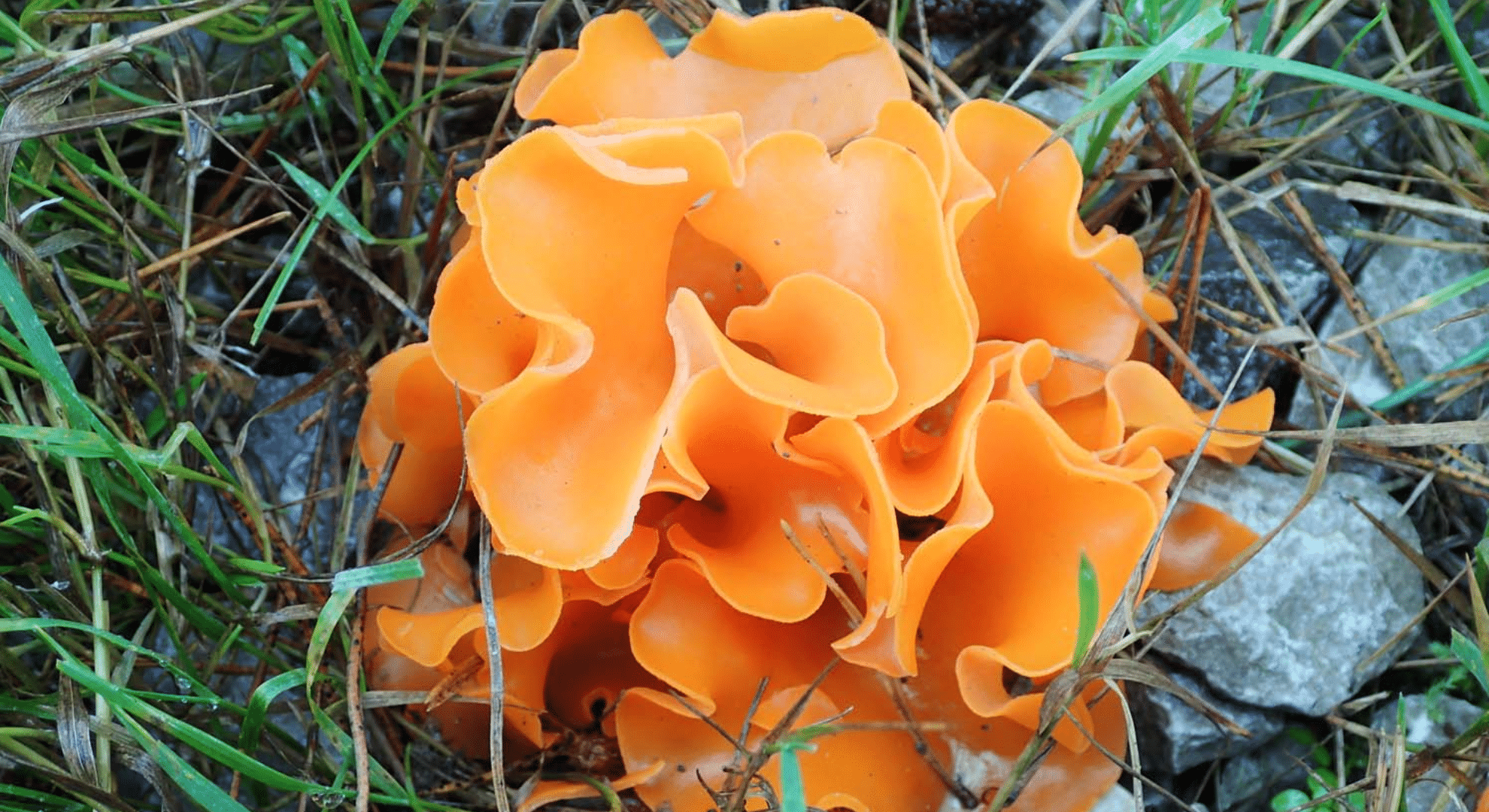
This one actually resembles discarded orange peels scattered on your mulch. It’s bright orange rather than yellow and has a cup or disc shape. Totally harmless and will disappear on its own within a week or two.
None of these require urgent removal. They’re all signs of healthy decomposition happening in your garden.
Is Vinegar or Other Treatments Safe to Use?
Vinegar can kill slime mold, but I rarely recommend it as your first option. It’s harsh and can create more problems than it solves.
The acetic acid in vinegar breaks down the slime mold’s cellular structure and dries it out. If you spray undiluted white vinegar directly on the yellow patches, they’ll darken and shrivel within hours.
Vinegar doesn’t discriminate. It’ll damage or kill any plants it touches, including grass, flowers, and ground covers near your mulch. I’ve seen gardeners accidentally create dead spots in their lawn trying to kill slime mold at the edges of beds.
It also changes your soil pH temporarily, making it more acidic. Most plants don’t appreciate sudden pH swings, and you could stress them without realizing it.
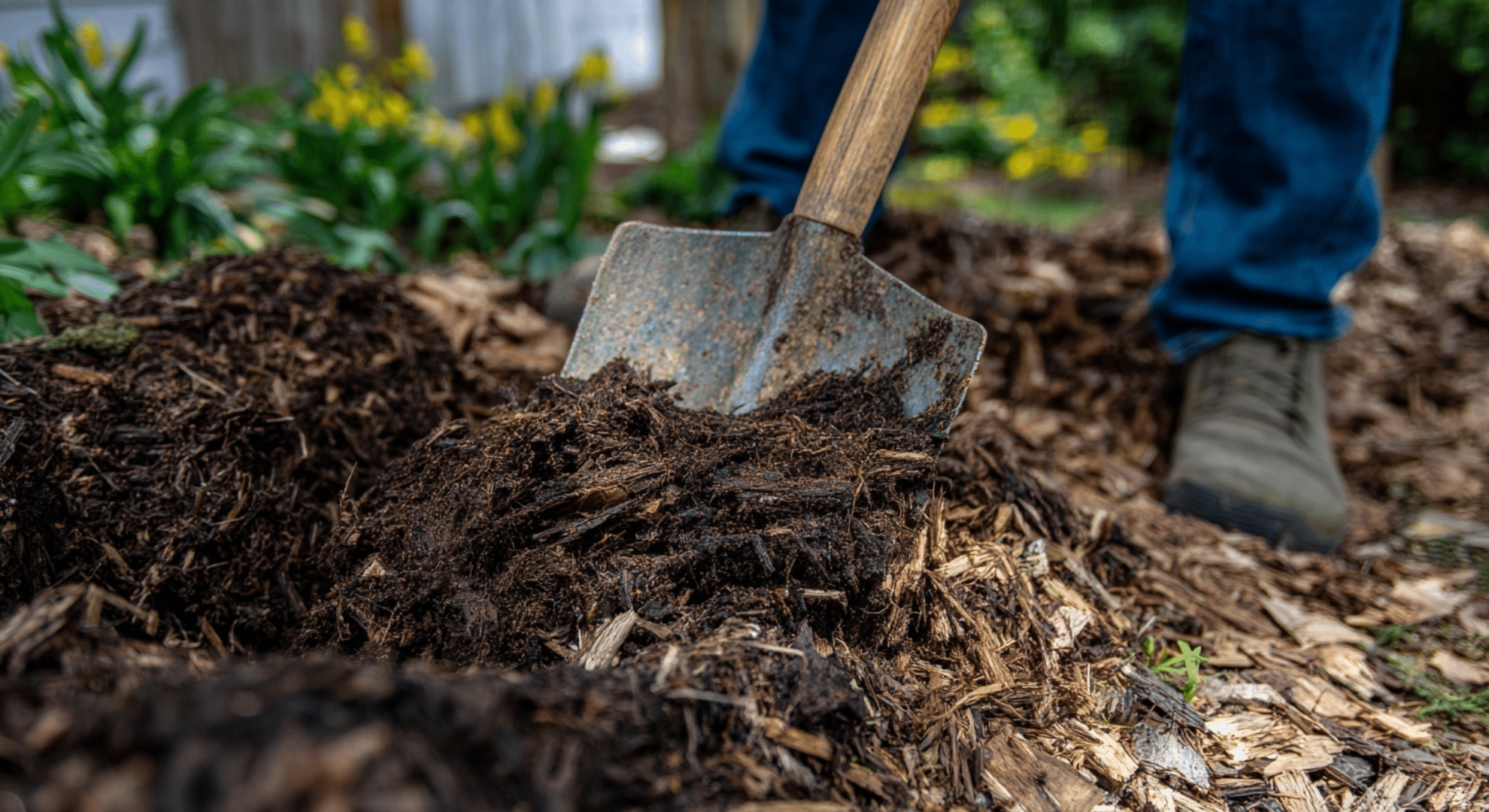
You’ll get better results by scooping out the slime mold with a shovel or rake. It takes two minutes and causes zero collateral damage to your plants or soil.
Improving air circulation and reducing watering prevent it from returning. These approaches address the root cause instead of just treating symptoms.
If you really want to try vinegar:
Use it carefully and sparingly. Spray only the slime mold itself, avoiding any plant material. Dilute it with water if you’re worried about overspray. Rinse the area with plain water afterward.
When in doubt, stick with good garden habits.
Water less, rake your mulch, and let things dry out naturally. You don’t need chemicals or treatments for something that’s already harmless.
Conclusion
I’ve walked you through everything you need to know about that weird yellow fungus on mulch in your garden. It’s harmless, temporary, and honestly just nature doing its thing. You can leave it alone or remove it, whichever looks better to you.
Either way, your plants will be fine and your garden will keep thriving. The real trick is managing moisture and airflow to prevent it from becoming a regular visitor.
Rake your mulch occasionally, don’t overwater, and keep things from getting too thick or compacted.
If you found this helpful, check out other gardening guides on the website for practical tips on lawn care, pest control, and landscape maintenance. Your outdoor space deserves the best care possible!