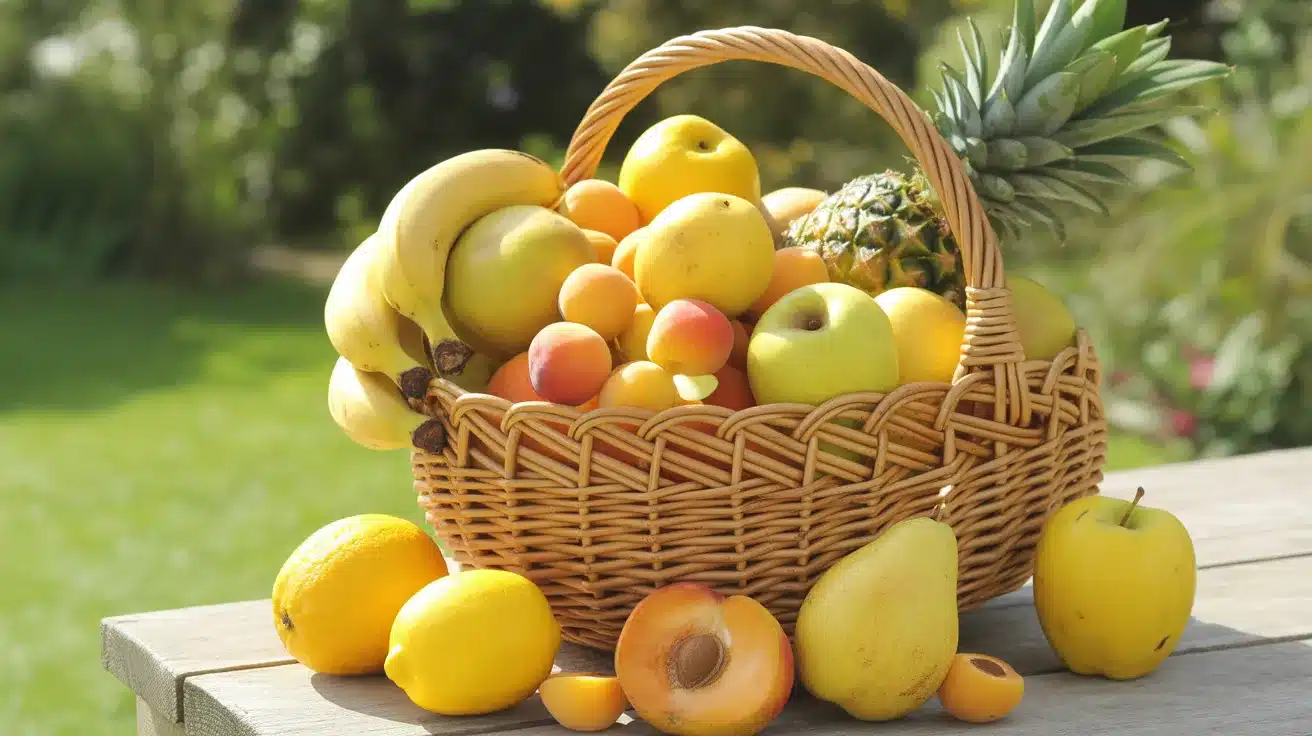
You probably know bananas. You know lemons, too. But yellow fruits go way beyond those two. There are many of them, each with a different flavor, texture, and set of health benefits.
Some grow in tropical forests. Others thrive in cooler home gardens. A few are so rare that most people have never seen them in person. Yet all of them share one thing.
They are packed with vitamins, fiber, and natural compounds that your body genuinely needs.
This guide walks you through every yellow fruit worth knowing. You will learn what each one tastes like, where it comes from, and why it deserves a spot on your plate.
What Makes a Fruit Yellow?
The yellow color in fruits is due to natural pigments called carotenoids. Two specific ones, lutein and zeaxanthin, give fruits their bright yellow shade.
These pigments are also antioxidants, which means they help protect your body from cell damage. Some fruits, like bananas and mangoes, start green and turn yellow as they ripen.
This happens because chlorophyll, the green pigment, breaks down over time, revealing the yellow carotenoids beneath.
Types of Yellow Fruits
Not all yellow fruits are the same. They differ in flavor, origin, and the type of nutrients they carry. Here is a quick look at the four main categories before we get into each fruit in detail.
| Category | Key Examples | Flavor |
|---|---|---|
| Citrus | Lemon, Grapefruit, Pomelo, Yuzu | Tart and sour |
| Tropical | Banana, Mango, Pineapple, Papaya | Sweet and creamy |
| Temperate | Yellow Apple, Pear, Plum, Apricot | Sweet to mildly tart |
| Exotic | Star Fruit, Golden Kiwi, Dragon Fruit, Loquat | Mild, sweet to tart |
27 Yellow Fruits: A Complete List With Details
There is a yellow fruit for every taste and every season. Here is a closer look at all 27, with the details you actually need to know.
1. Banana
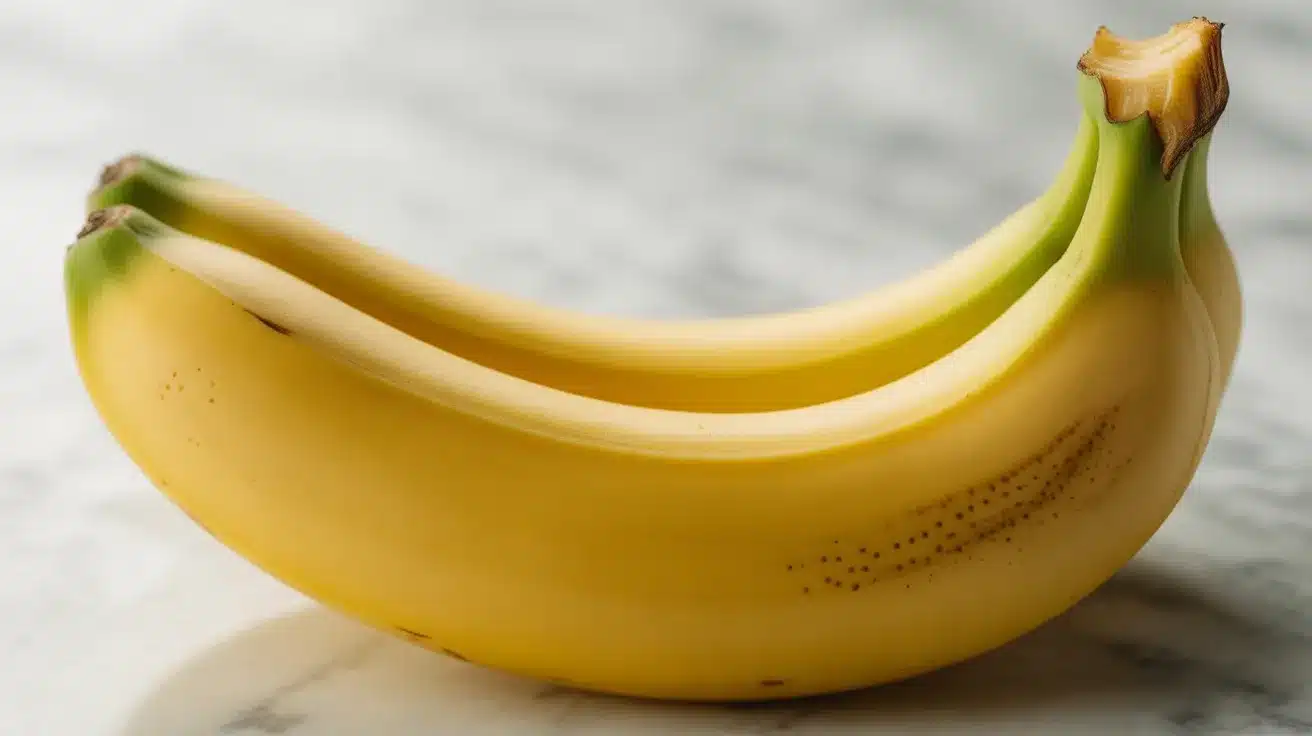
- Taste: Sweet, creamy, and soft when ripe
- Key Nutrient: High in potassium and vitamin B6
- Best Use: Fresh snacks, smoothies, oatmeal, and baked goods
- Fun Fact: From a botanical standpoint, bananas are berries
The banana is one of the most widely eaten fruits in the world. It grows in tropical regions and is available in stores all year. India leads global banana production, followed by China and Indonesia.
Bananas are one of the most widely eaten fruits in the world. If you are interested in growing your own, you can learn how to grow bananas at home with the right soil, sunlight, and care.
2. Lemon
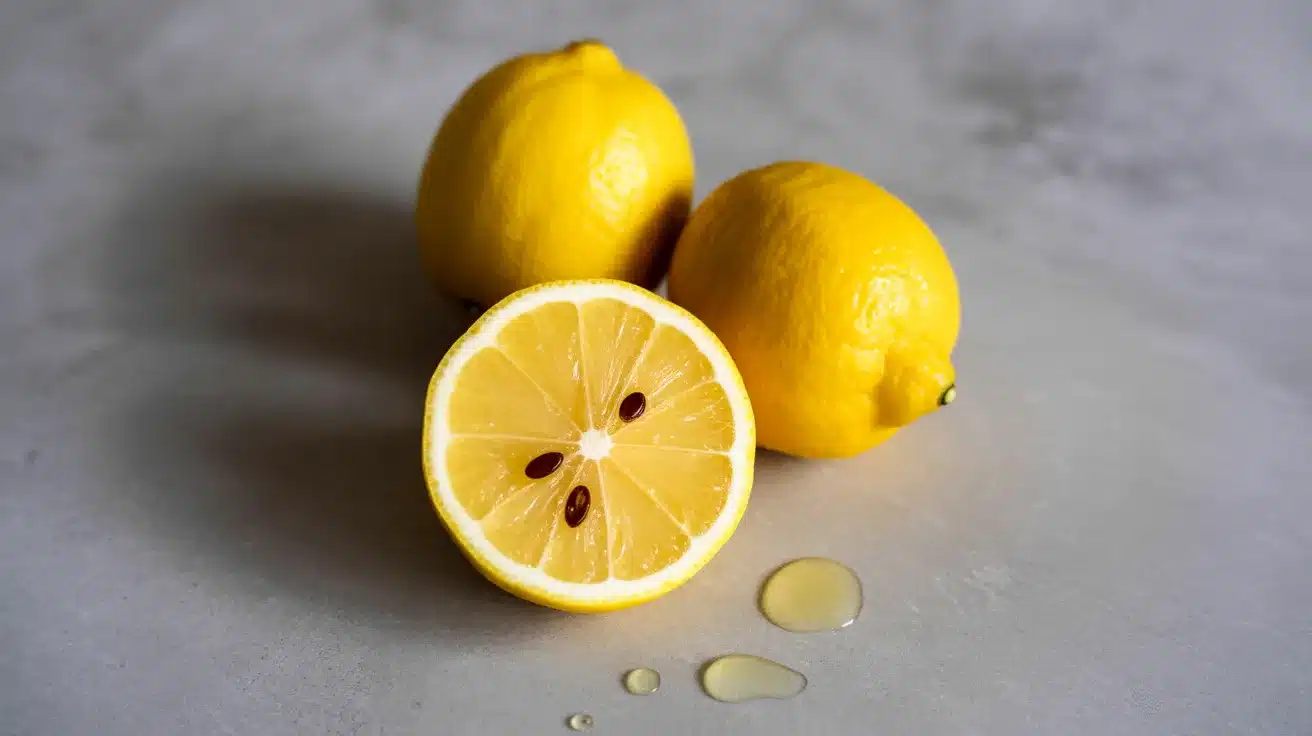
- Taste: Tart, acidic, and bright. Rarely eaten raw on its own
- Key Nutrient: Excellent source of vitamin C and flavonoids
- Best Use: Drinks, dressings, marinades, and baked goods
- Fun Fact: Lemons were once so rare in Europe that kings gave them as royal gifts
The lemon is a small, oval citrus fruit with a bright yellow rind. It is one of the most widely used fruits in cooking across the world. Most varieties are identified by their slightly pointed ends and strong acidic juice.
3. Mango
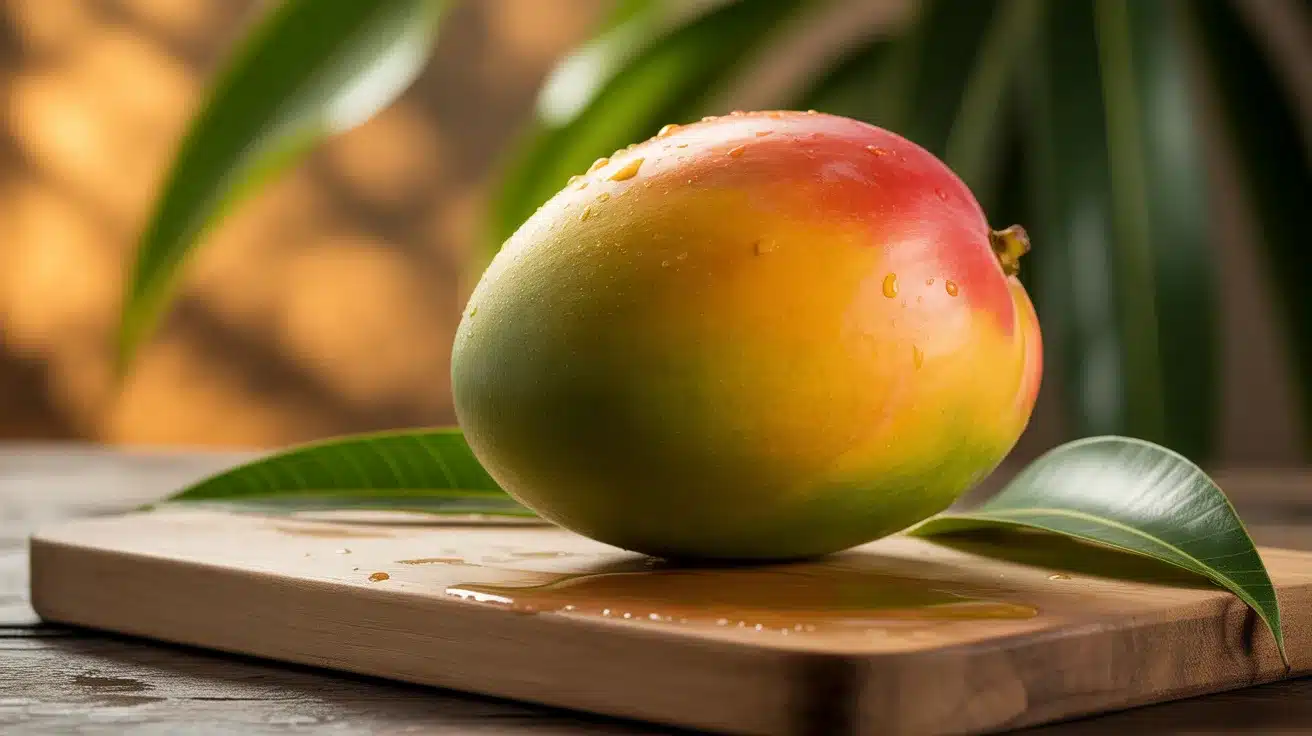
- Taste: Sweet, juicy, and slightly tangy with a rich tropical flavor
- Key Nutrient: High in vitamins A and C, and beta-carotene
- Best Use: Fresh eating, smoothies, salsas, chutneys, and desserts
- Fun Fact: India produces nearly 40% of the world’s total mango supply
Mango is a stone fruit with juicy yellow or yellow-orange flesh. Its outer skin can be yellow, green, or pink depending on the variety. Known for its tropical sweetness, it is a key ingredient in many savory and sweet dishes worldwide.
4. Pineapple
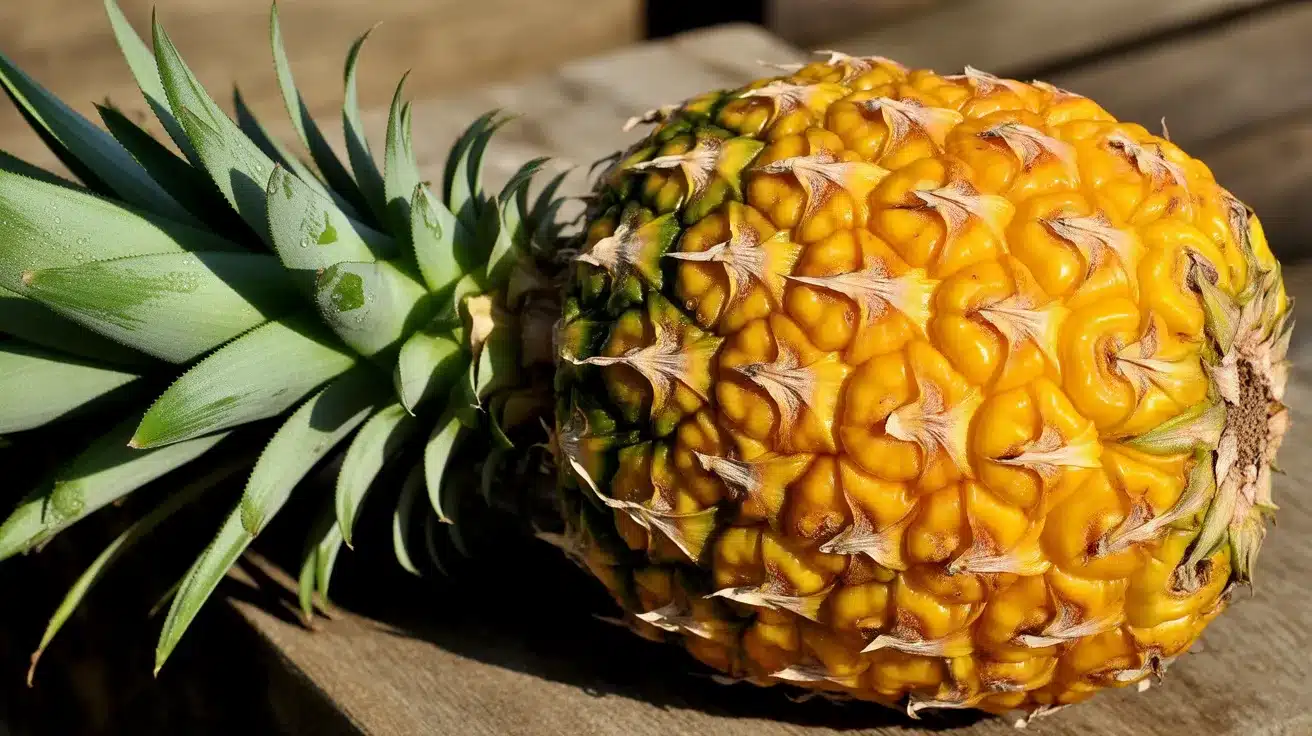
- Taste: Sweet with a natural tartness, juicy throughout
- Key Nutrient: High in vitamin C and contains bromelain, a digestive enzyme
- Best Use: Fresh eating, grilling, smoothies, and savory dishes
- Fun Fact: A pineapple takes 18 to 24 months to fully grow from planting to harvest
Pineapple is a tropical fruit with a tough, spiky outside and bright yellow flesh inside. It originated in South America and became popular worldwide in the 16th century. The enzyme bromelain found inside is known to support digestion.
5. Yellow Apple
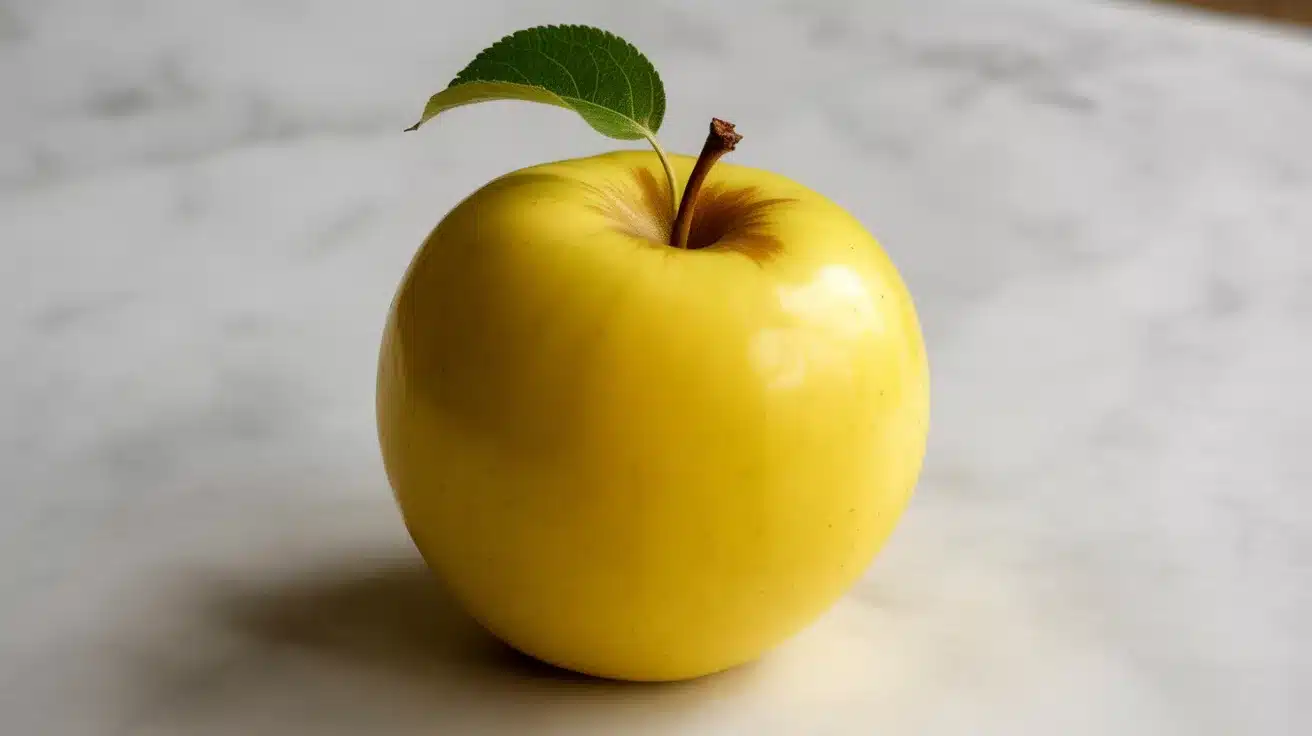
- Taste: Crisp, sweet, with a mild tartness
- Key Nutrient: Good source of dietary fiber and antioxidants
- Best Use: Fresh snacking, salads, baking, and cider production
- Fun Fact: The Golden Delicious variety is one of the most widely grown yellow apples in the USA
Yellow apples have bright golden or yellow-green skin and crisp, pale flesh. They tend to be sweeter than green apples and are a great everyday snack. Several varieties exist, including Crispin and Ginger Gold.
6. Yellow Pear

- Taste: Sweet, soft, and very juicy when fully ripe
- Key Nutrient: High in dietary fiber and vitamin C
- Best Use: Fresh eating, salads, poached desserts, and cheese pairings
- Fun Fact: Yellow pears have been a part of European cuisine for several centuries
Yellow pears are round to bell-shaped with smooth, golden skin. They ripen from the inside out, so the outside may still feel firm even when the inside is ready. D’Anjou and Bartlett are two popular yellow pear varieties found in US stores.
7. Papaya
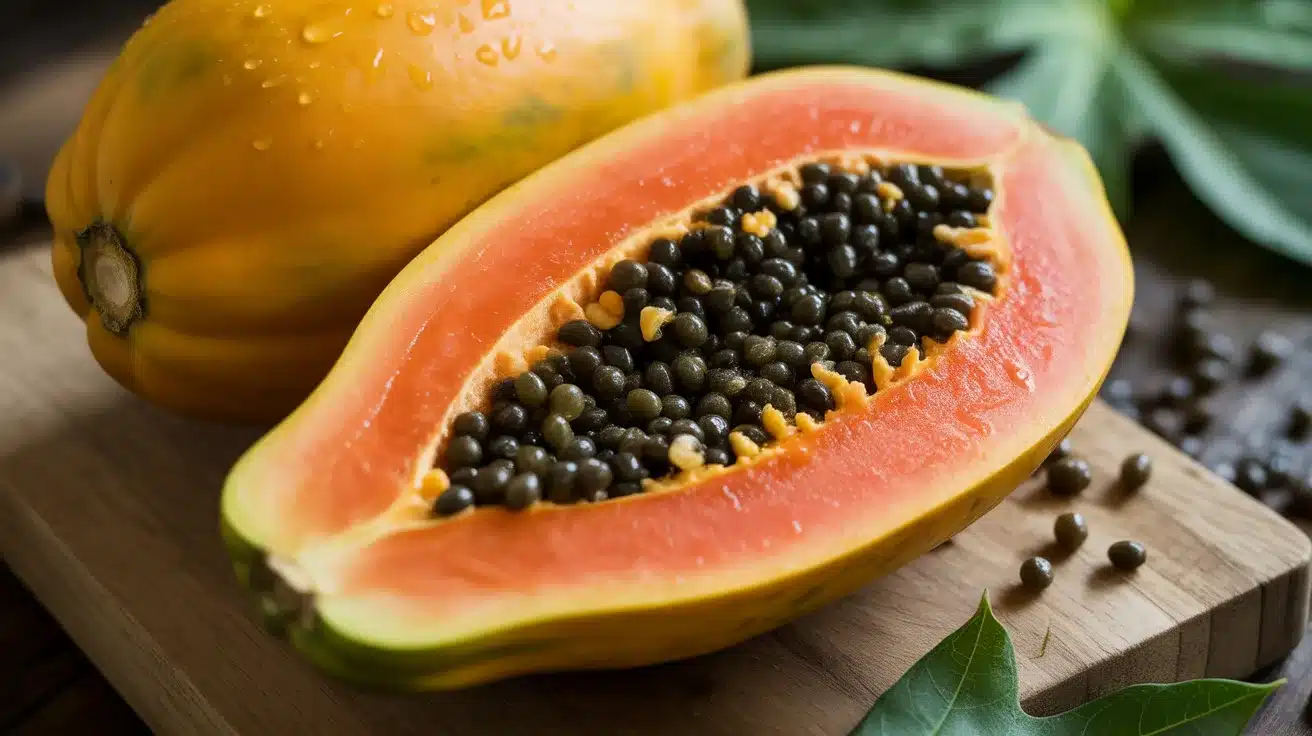
- Taste: Sweet, mild, and slightly musky
- Key Nutrient: High in vitamin C, beta-carotene, and papain, a natural digestive enzyme
- Best Use: Fresh with lime juice, smoothies, salads, and fruit bowls
- Fun Fact: Papaya is sometimes called “the fruit of the angels” due to its naturally sweet flavor
Papaya is a large, oval tropical fruit with yellow-orange skin and orange-yellow flesh when ripe. The enzyme papain, found in its flesh, directly helps your body break down proteins during digestion. It is now widely available in most US grocery stores.
8. Yellow Watermelon
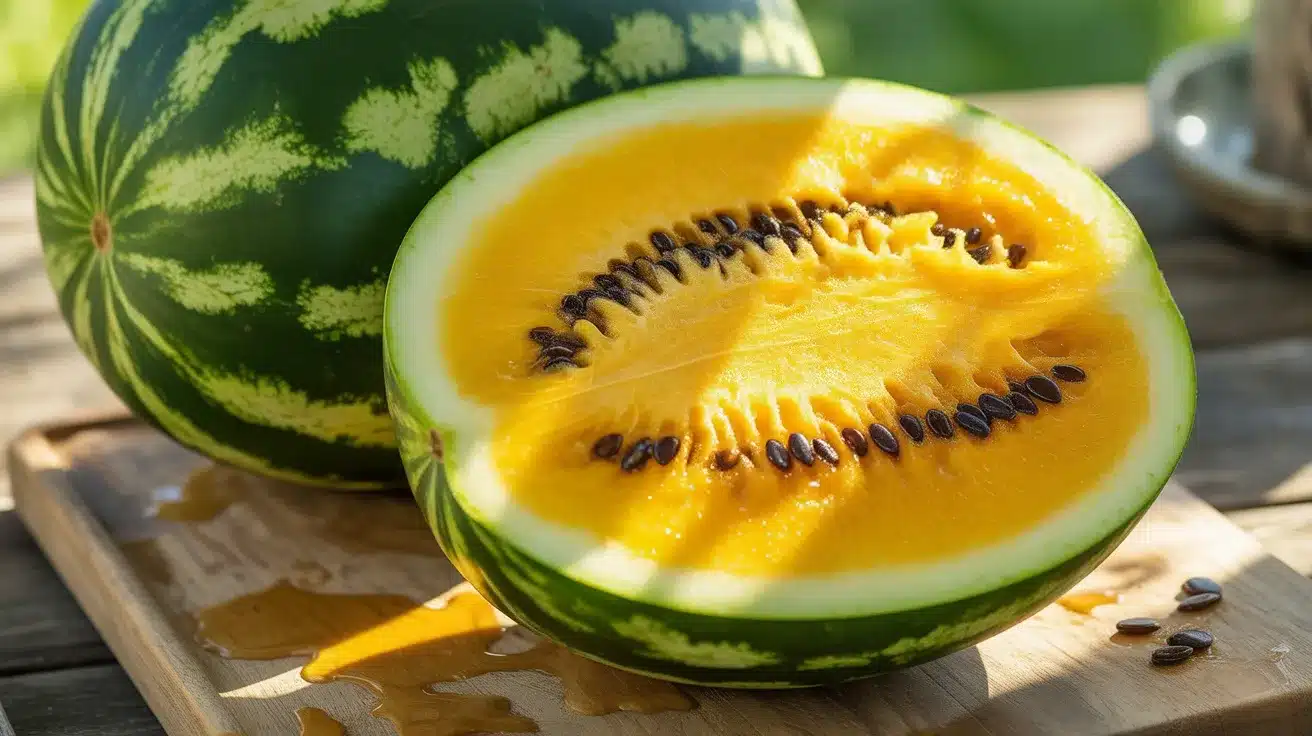
- Taste: Sweet and refreshing, very similar to red watermelon
- Key Nutrient: Good source of vitamin C and natural antioxidants
- Best Use: Fresh slices, fruit salads, and summer drinks
- Fun Fact: Yellow watermelons actually existed before red ones and are believed to be the original variety
Yellow watermelon looks identical to regular watermelon on the outside. The difference shows only once you cut it open. The yellow flesh is equally sweet and hydrating, making it a great summer fruit option.
9. Grapefruit
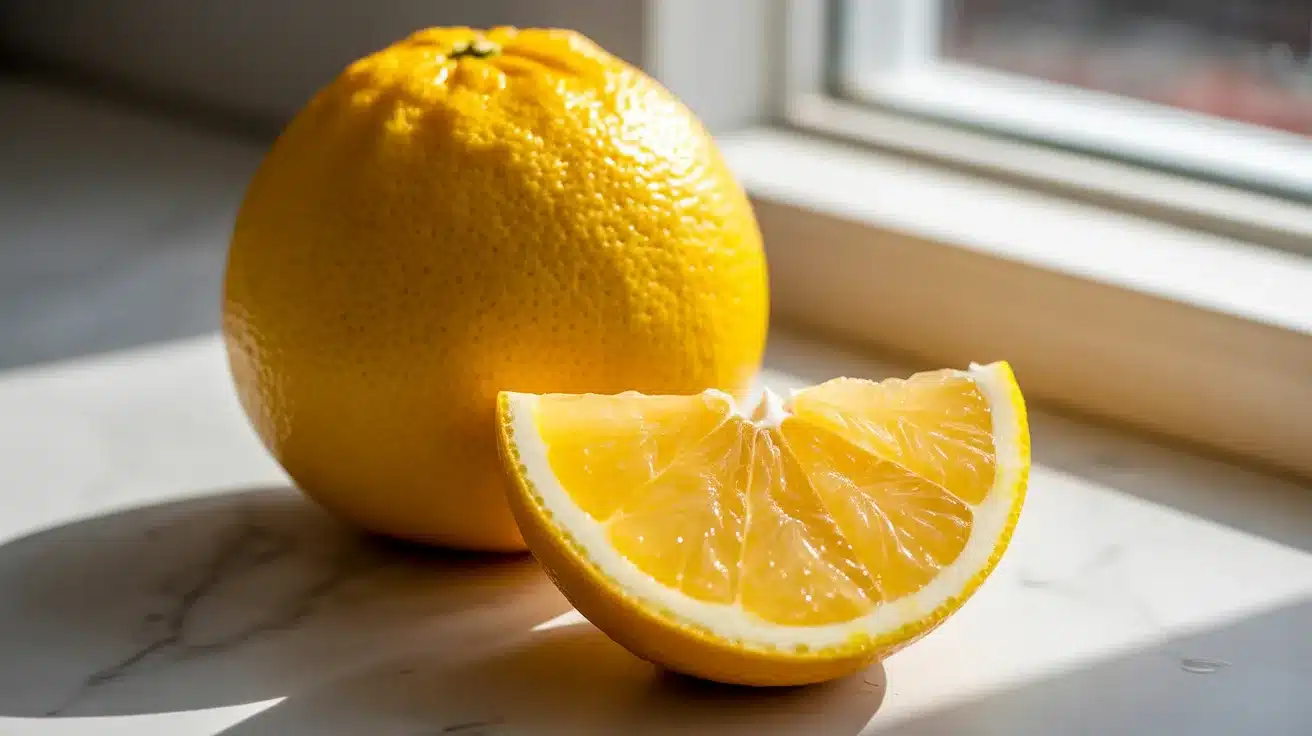
- Taste: Sweet and tart at the same time, with a slight bitter finish
- Key Nutrient: High in vitamins C and A
- Best Use: Eating fresh in halves, juicing, or adding to salads
- Fun Fact: Grapefruit got its name because it grows in grape-like clusters on the tree
Grapefruit is a large, round citrus fruit with pale yellow to yellowish-orange skin. The flesh inside can be yellow or deep red, depending on the variety. It is a popular breakfast fruit in the USA and is known for its immune-supporting properties.
10. Golden Kiwi
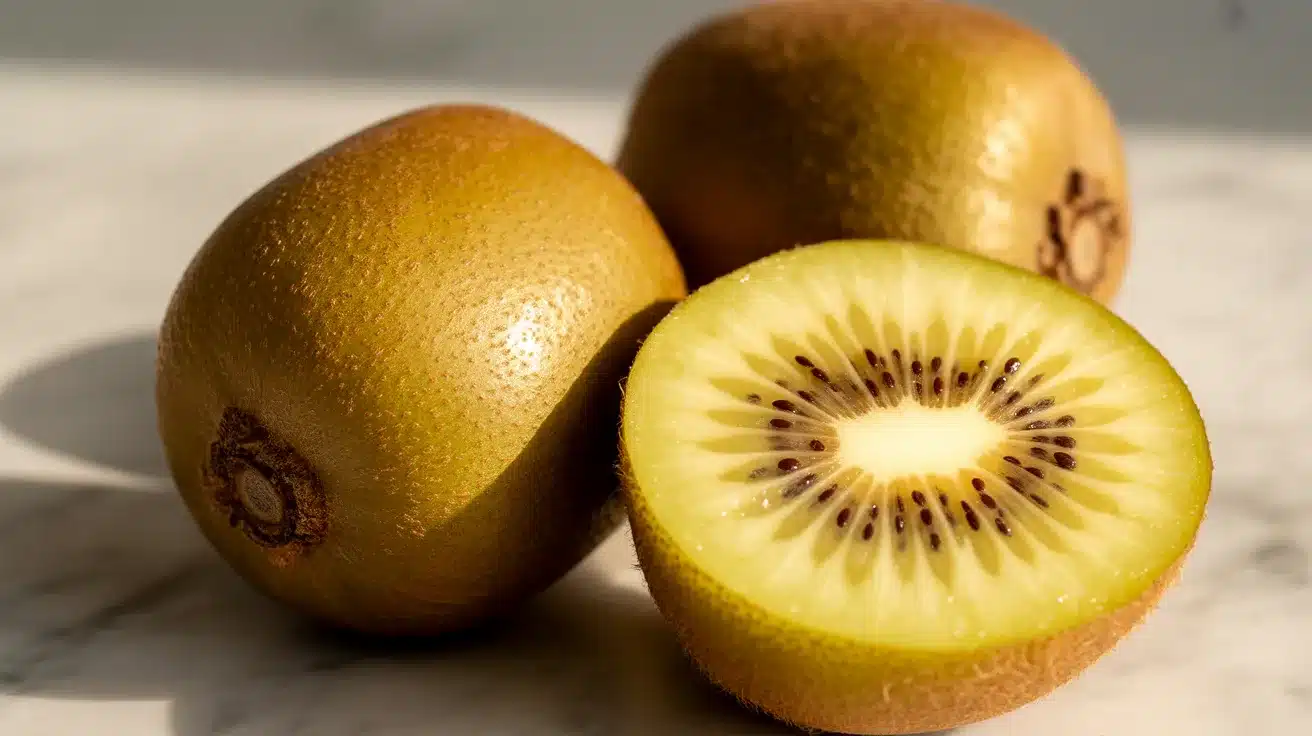
- Taste: Sweeter than green kiwi, with a mild tropical flavor
- Key Nutrient: Very high in vitamin C and dietary fiber
- Best Use: Fresh eating, fruit salads, and juices
- Fun Fact: The entire golden kiwi is edible, skin included, and the skin is much softer than that of a green kiwi
Golden kiwi has a smooth, thin brown exterior and bright yellow flesh. It was originally developed in New Zealand and is now sold across the world. Compared to its green counterpart, it is noticeably sweeter and contains slightly more vitamin C.
11. Yellow Passion Fruit
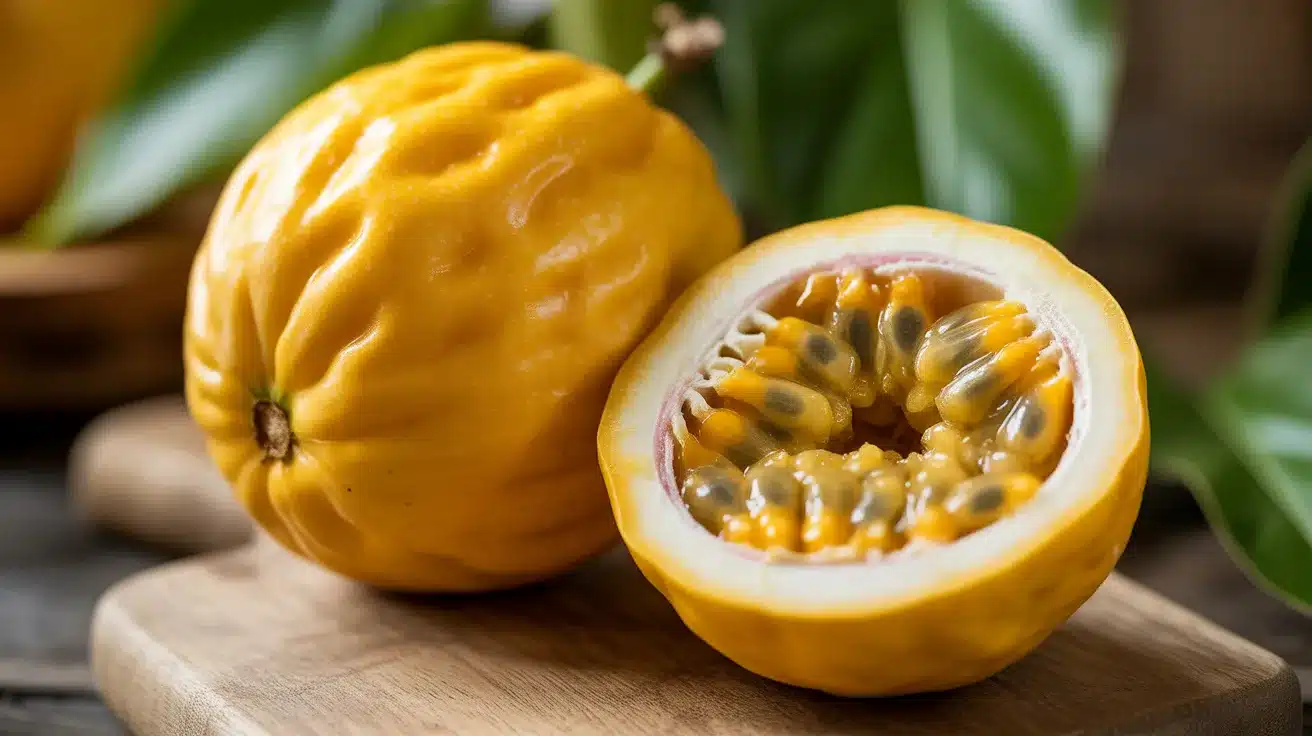
Yellow passion fruit has a thick, bright yellow skin and seedy, aromatic pulp. It originates from South America and is known for its very strong, tropical fragrance. The seeds are fully edible and add a pleasant crunch.
12. Yellow Dragon Fruit
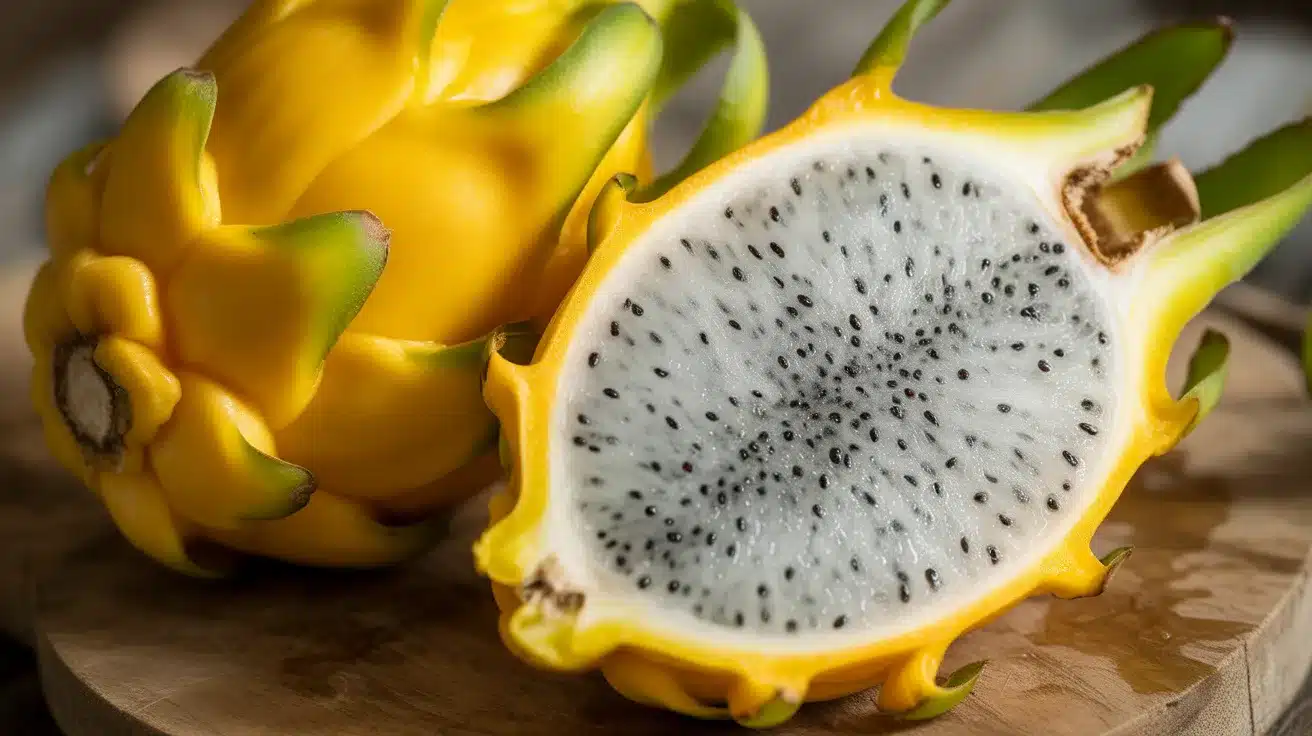
- Taste: Mildly sweet with a very light tanginess
- Key Nutrient: Rich in antioxidants, vitamin C, and iron
- Best Use: Fresh eating, fruit bowls, and smoothie toppings
- Fun Fact: Yellow dragon fruit is considered sweeter and more flavorful than the red variety
Yellow dragon fruit has a spiky, bright yellow exterior, white flesh, and small black seeds. It is native to Central America and is less common than its red counterpart. The seeds are edible and add a crunchy texture.
13. Star Fruit (Carambola)
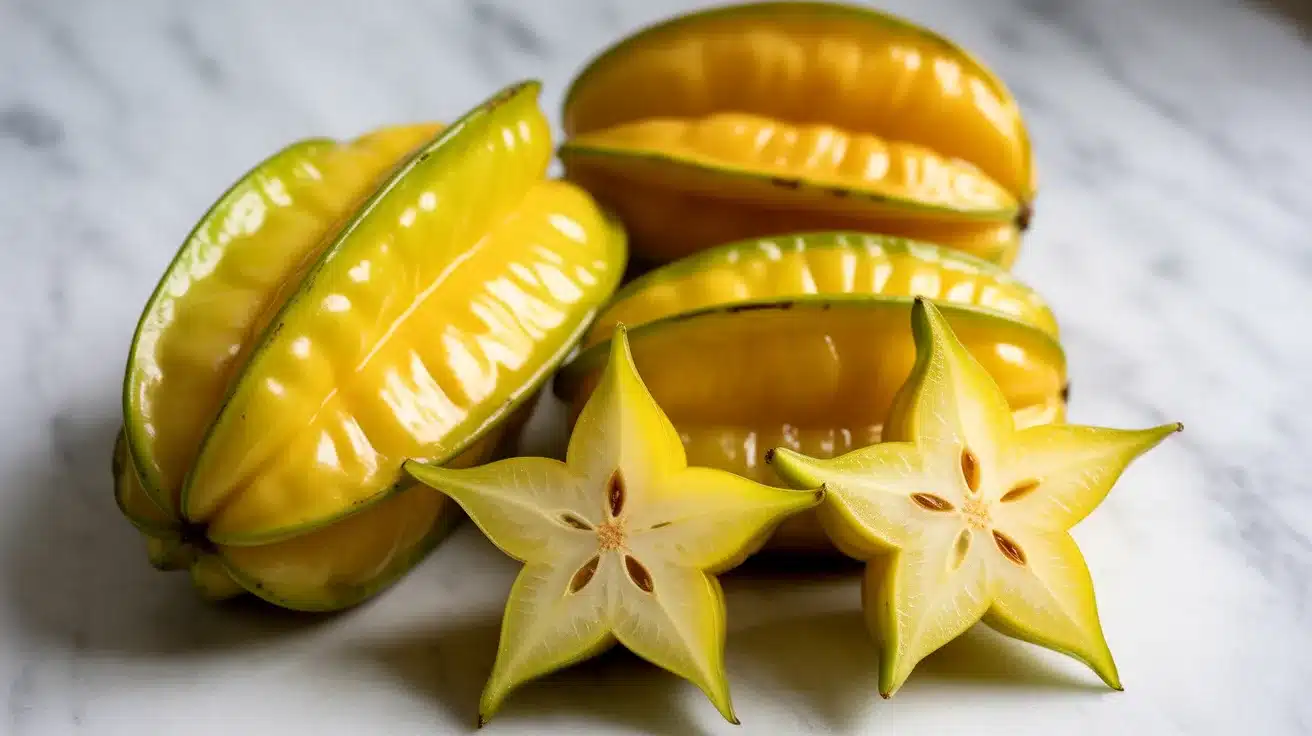
- Taste: Mild, sweet-tart, and crisp
- Key Nutrient: Low in calories, good source of vitamin C and fiber
- Best Use: Sliced fresh, added to salads, or used as a food garnish
- Fun Fact: When you slice star fruit crosswise, each piece forms a perfect star shape
Star fruit is a waxy, yellow-green fruit with ribbed edges that comes from Southeast Asia. It has a mild flavor that works well in both sweet and savory dishes. Its natural star shape when sliced makes it a popular visual addition to plates and drinks.
14. Loquat
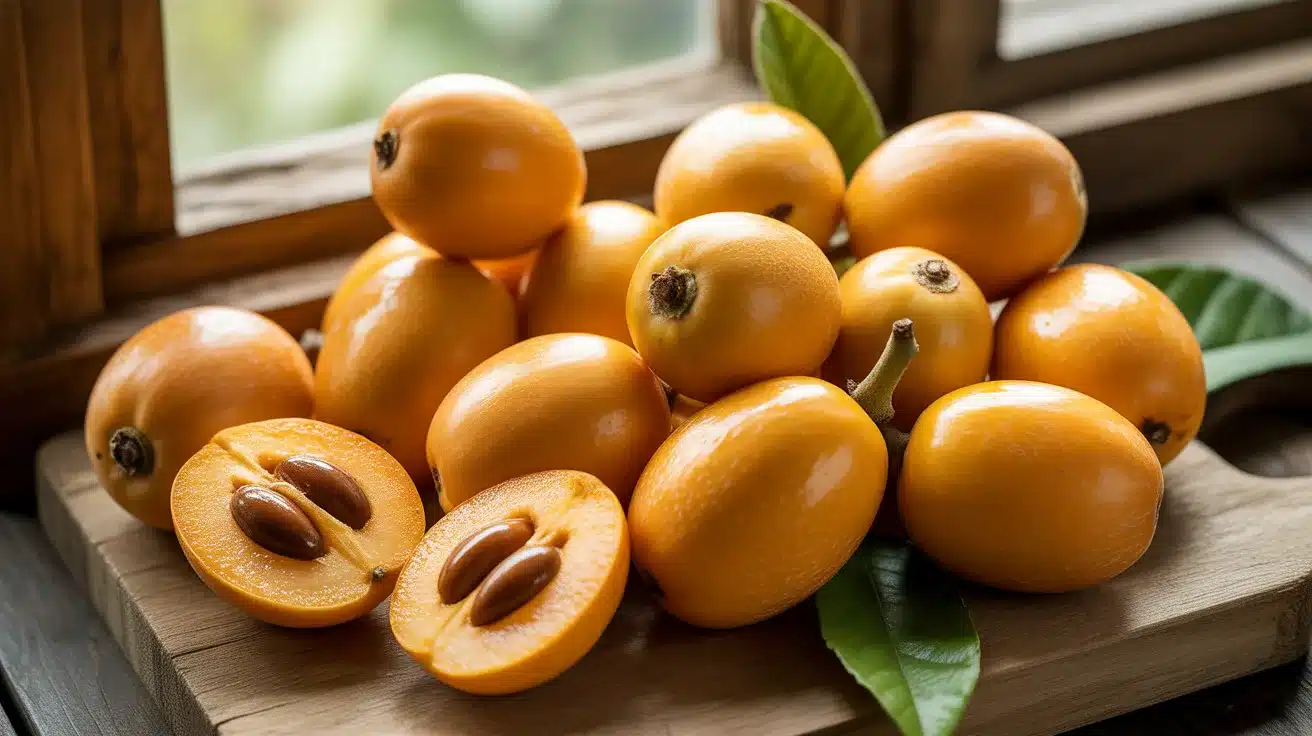
- Taste: Sweet with a slight tartness, similar to a blend of peach and citrus
- Key Nutrient: High in vitamin A and antioxidants
- Best Use: Fresh eating, jams, and baked goods
- Fun Fact: Loquat belongs to the rose family, just like apples and pears
Loquat is a small, oval, fuzzy-skinned yellow fruit that grows in clusters. It originates from China and is now grown in many warm regions worldwide. Its taste makes it a great option for homemade preserves.
15. Yellow Plum
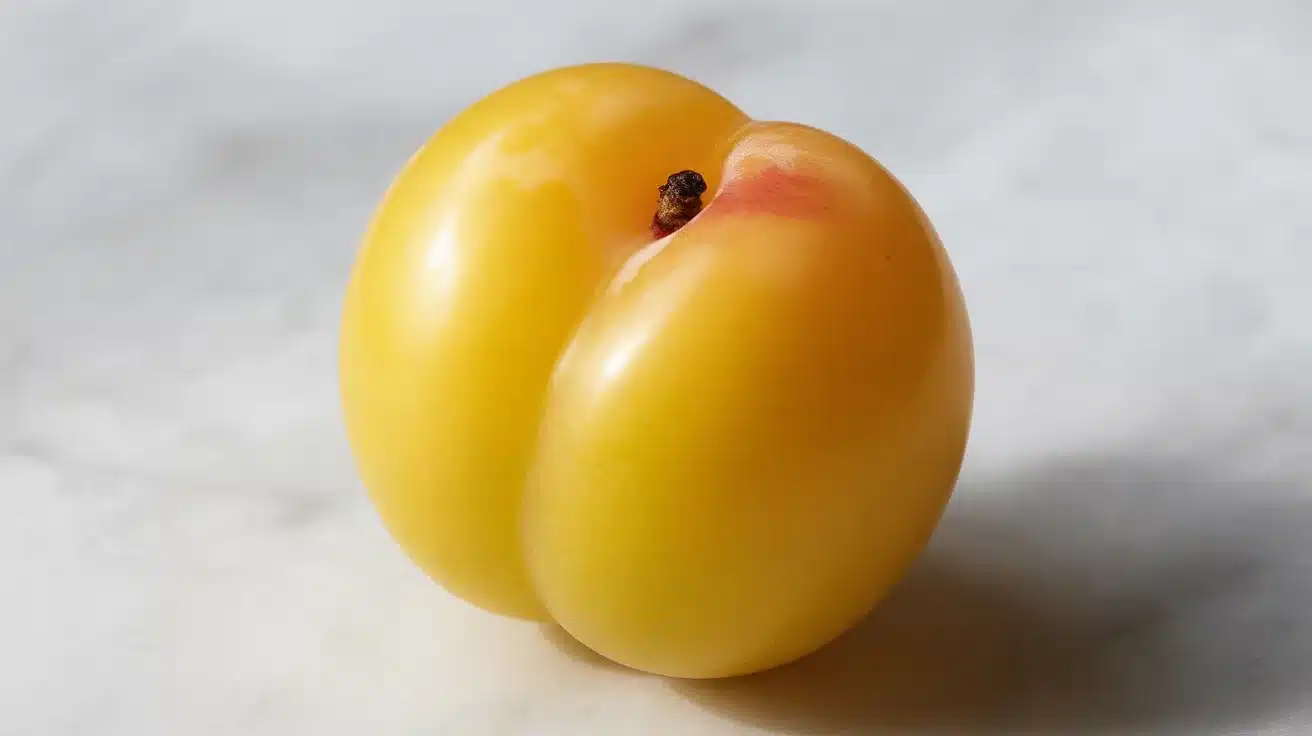
- Taste: Sweet and slightly tart, with a soft, juicy flesh when ripe
- Key Nutrient: Good source of vitamin C and potassium
- Best Use: Fresh eating, jams, and baked tarts
- Fun Fact: Yellow plums are widely used in traditional European fruit preserves
Yellow plums are small to medium, round fruits with golden or pale yellow skin. They are less common than purple plums but are equally nutritious and often sweeter. They are in season during the summer months.
16. Yellow Fig
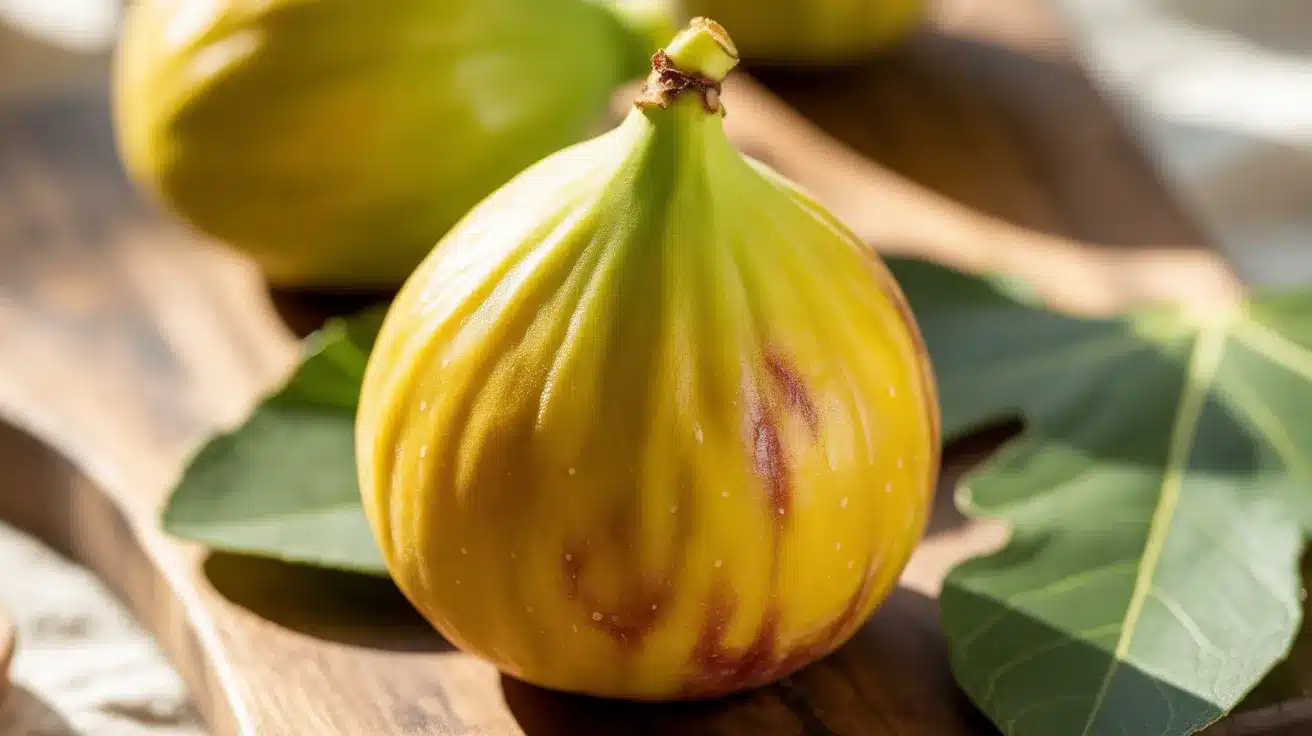
- Taste: Very sweet, soft, and almost honey-like
- Key Nutrient: High in calcium and dietary fiber
- Best Use: Fresh eating, drying as a snack, or adding to cheese boards and salads
- Fun Fact: Figs are among the first fruits ever cultivated by humans, dating back thousands of years
The yellow fig has a pear-shaped body, golden skin, and honey-sweet flesh. It is native to the Middle East and western Asia. Many cultures throughout history have treated figs as a symbol of abundance and nourishment.
17. Quince

- Taste: Very tart and hard when raw, but it becomes sweet and soft when cooked
- Key Nutrient: Very high in pectin, a type of fiber that supports digestion
- Best Use: Jams, jellies, stews, and slow-cooked tarts. Rarely eaten raw
- Fun Fact: Quince is one of the best natural sources of pectin, which is why it sets into jam so easily
Quince looks like a cross between an apple and a pear and turns bright yellow when fully ripe. Its strong tart flavor means it is almost always cooked before eating. Once cooked, it turns a beautiful deep pink or orange color.
18. Pomelo
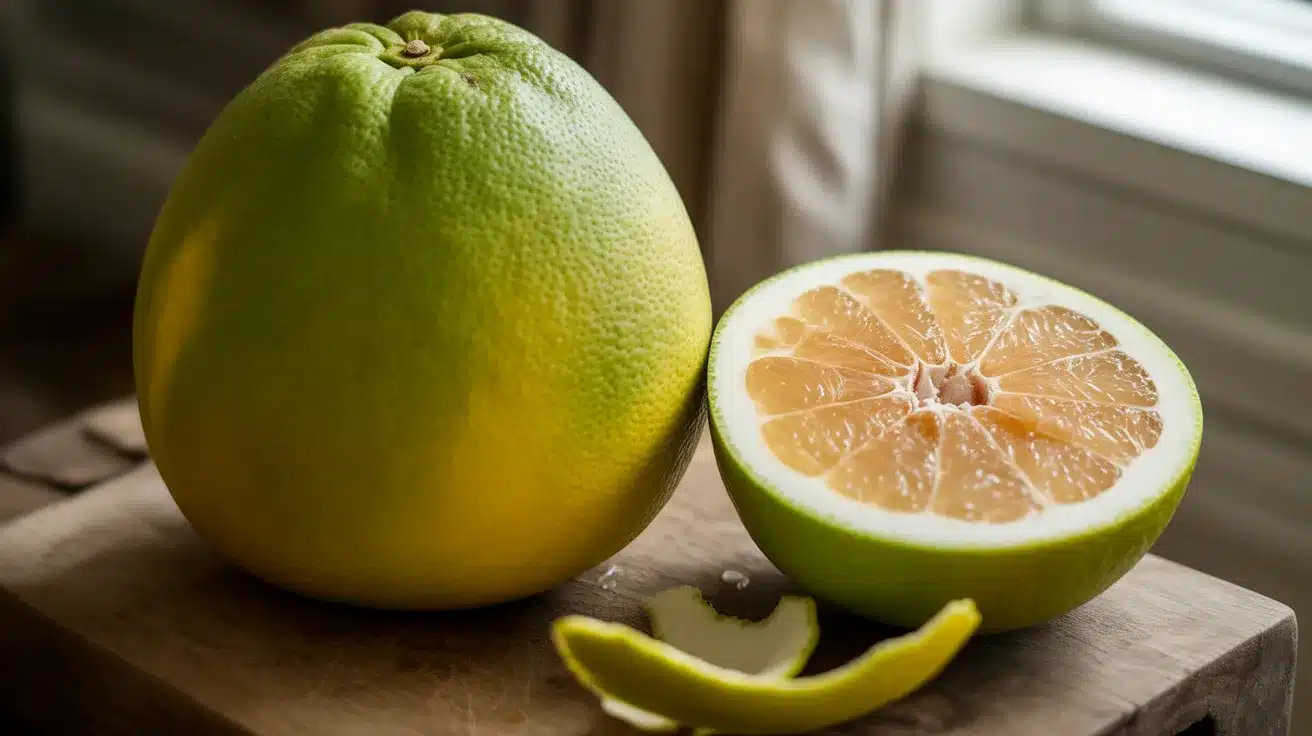
- Taste: Sweet and mild, like a less bitter version of grapefruit
- Key Nutrient: Loaded with vitamin C and dietary fiber
- Best Use: Peeled fresh, added to salads, or used in cocktails
- Fun Fact: Pomelo is the largest of all citrus fruits and can weigh up to 4 pounds
Pomelo has a large, round shape with a thick, pale yellow or greenish rind. Its botanical name, Citrus maxima, literally means “biggest citrus.” It is native to Asia and is a close relative of grapefruit.
19. Yellow Guava

- Taste: Sweet, fragrant, and slightly musky
- Key Nutrient: Extremely high in vitamin C. One yellow guava has roughly four times the vitamin C of an orange
- Best Use: Fresh eating, juicing, or making into paste and candy
- Fun Fact: Yellow guava has one of the highest natural concentrations of vitamin C among all fruits
Yellow guava has a round to oval shape with bright yellow skin and white or pale flesh inside. It originates from Central America and is now grown in tropical regions worldwide. The fragrance alone makes it easy to identify when ripe.
20. Golden Berries (Cape Gooseberry)
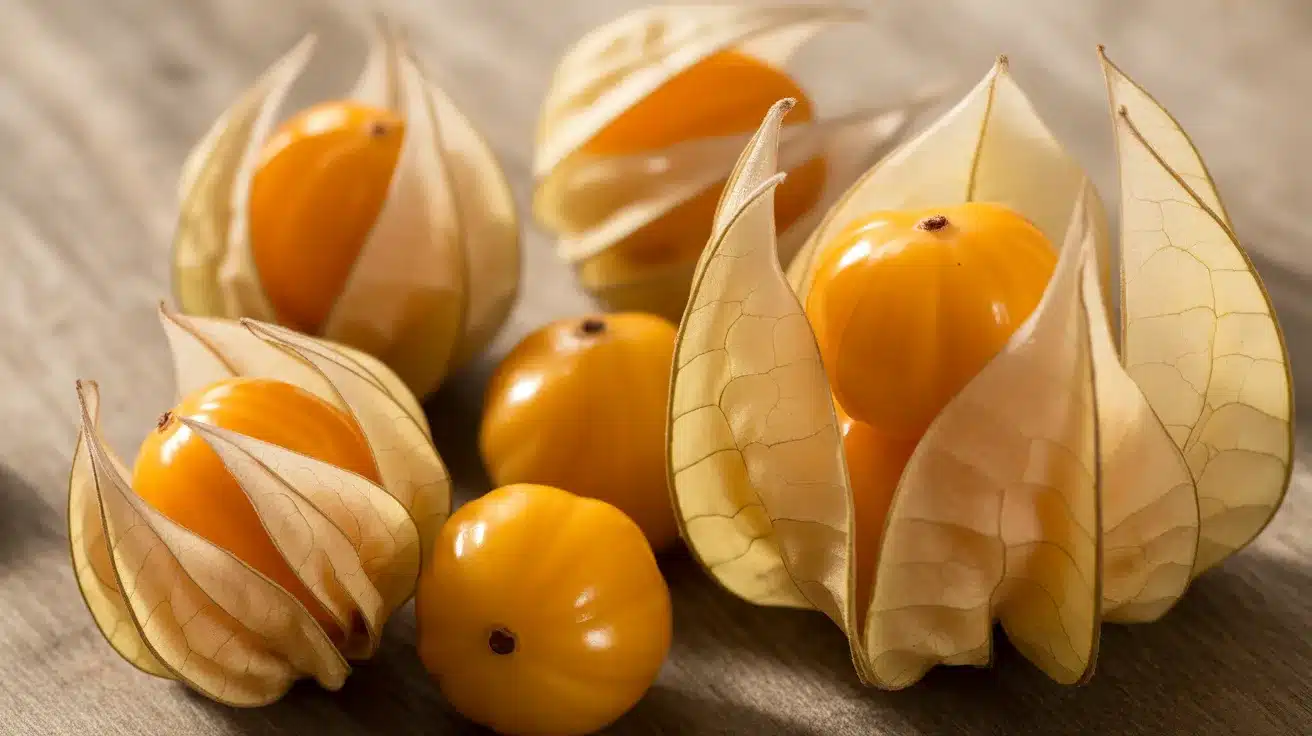
- Taste: Sweet and tart at the same time, with a flavor similar to pineapple and vanilla
- Key Nutrient: High in antioxidants and vitamin C, low in calories
- Best Use: Fresh eating, trail mix, salads, and desserts
- Fun Fact: Golden berries were a key part of ancient Incan diets and were found in Incan burial sites
Golden berries are small, round, orange-yellow fruits wrapped inside a papery husk. They come from South America and are now available in many health food stores across the USA. Their husk makes them look like small tomatillos.
21. Yuzu
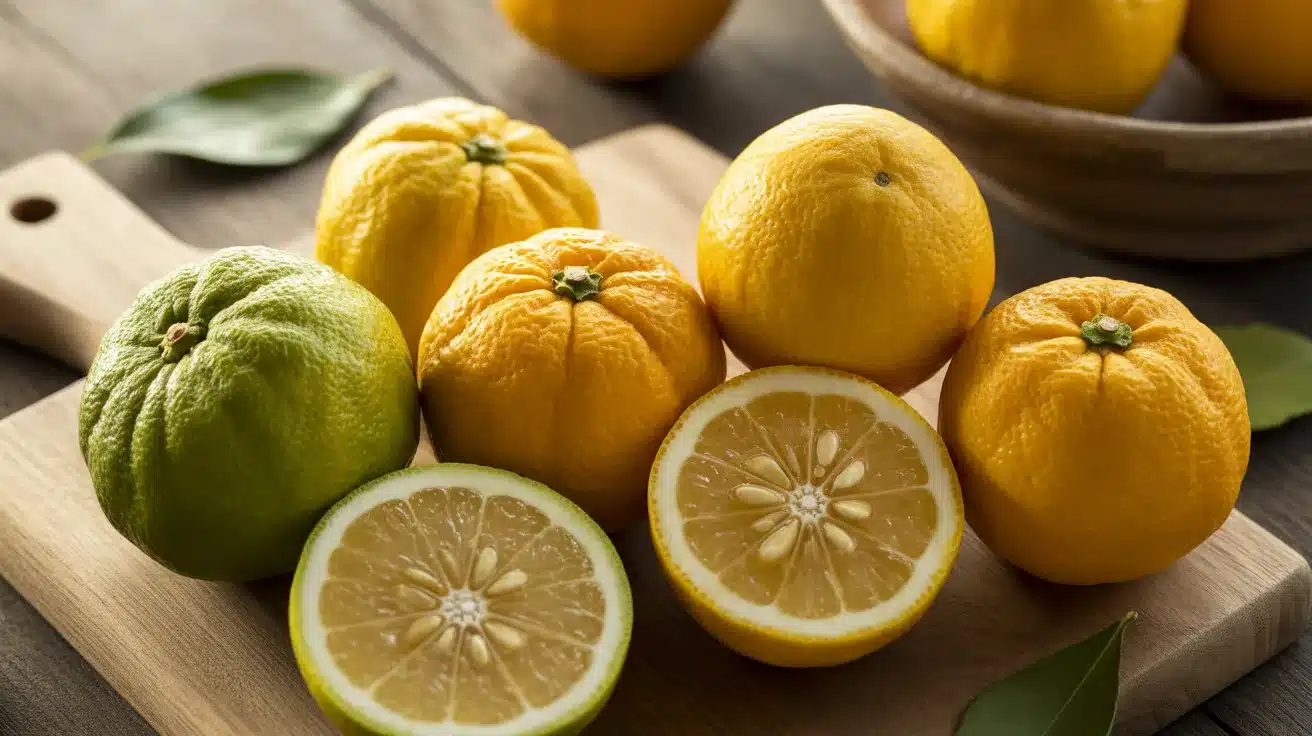
- Taste: Very tart and aromatic. Rarely eaten on its own
- Key Nutrient: Rich in vitamin C and flavonoids. Supports brain and bone health
- Best Use: Sauces, dressings, marinades, desserts, and Japanese cooking as a souring agent
- Fun Fact: Yuzu is widely used in Japanese cuisine, but the actual whole fruit is rarely exported outside of Asia
Yuzu is a small, round, bumpy citrus fruit with a rough yellow exterior. It originates from China and is especially popular in Japan, Korea, and China as a cooking ingredient. Its zest and juice are far more commonly used than the fruit itself.
22. Yellow Cherry
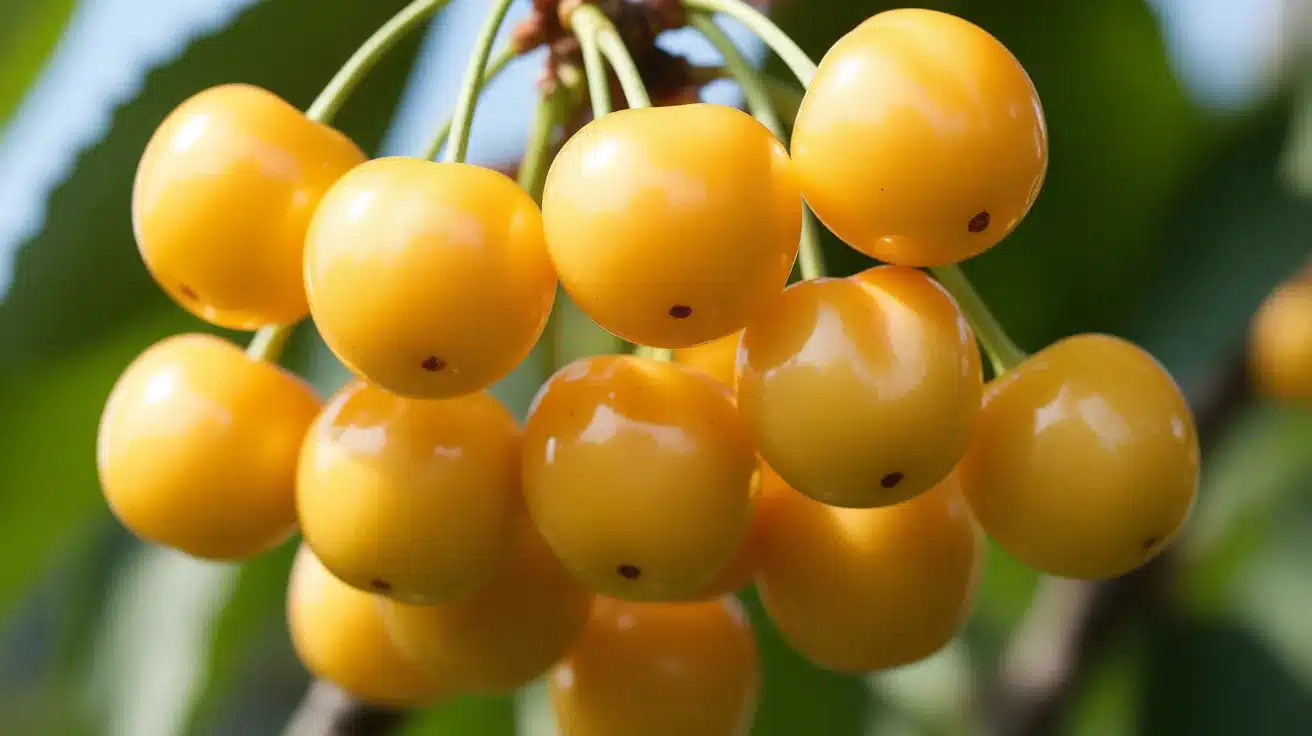
- Taste: Sweeter than red cherries, with a mild and pleasant flavor
- Key Nutrient: Rich in vitamin C and melatonin, which support healthy sleep
- Best Use: Fresh eating, baking, and fruit salads
- Fun Fact: Yellow cherries are heart-shaped and are the result of selective plant breeding
Yellow cherries look just like red cherries but with bright yellow skin, sometimes with a light red blush on one side. They are less common in stores but are often found at farmers’ markets during the summer. Their higher melatonin content sets them apart from most other fruits.
23. Yellow Gooseberry
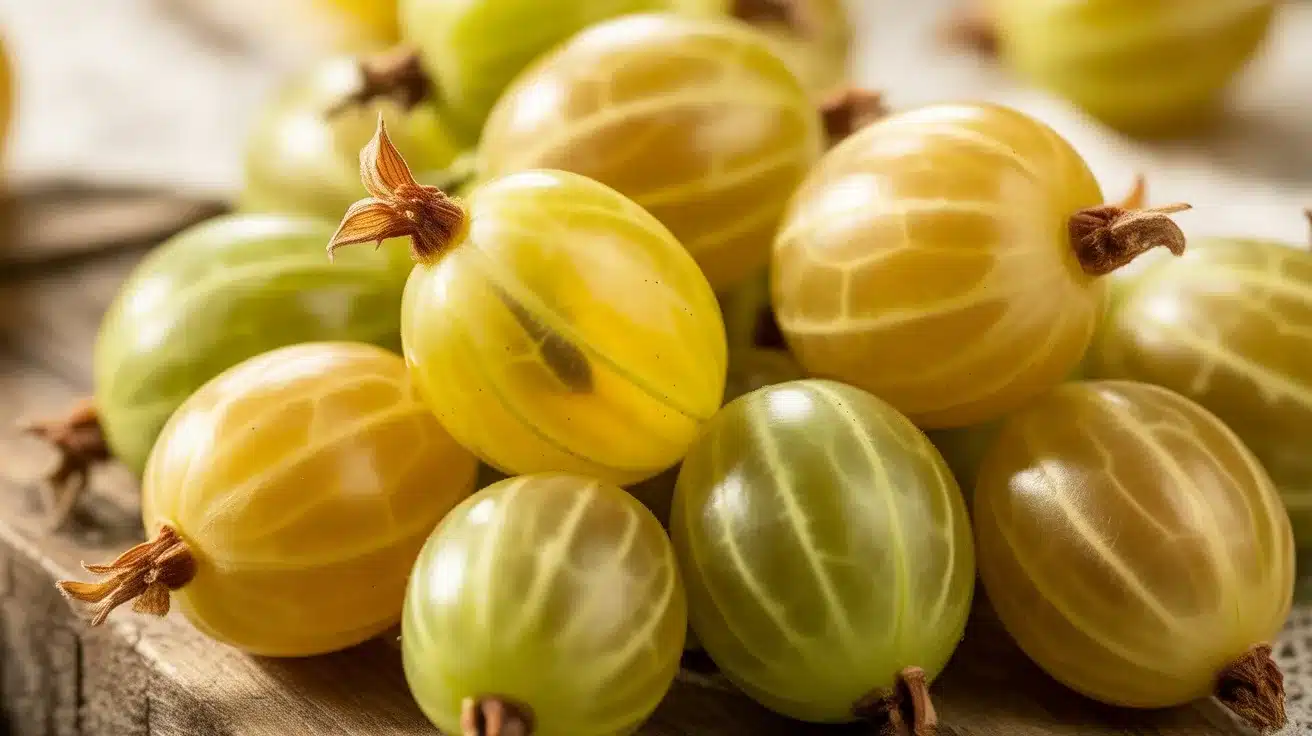
- Taste: Tart with a hint of sweetness, slightly tangy
- Key Nutrient: High in fiber and antioxidants
- Best Use: Fresh eating, jams, and chutneys
- Fun Fact: Yellow gooseberries are often sweeter than the more common green variety
Yellow gooseberries are small, round fruits with a yellowish-orange color. They grow in clusters on thorny shrubs and are rich in nutrients. They are less commonly found in standard grocery stores but are a great option for home gardeners.
24. Apricot
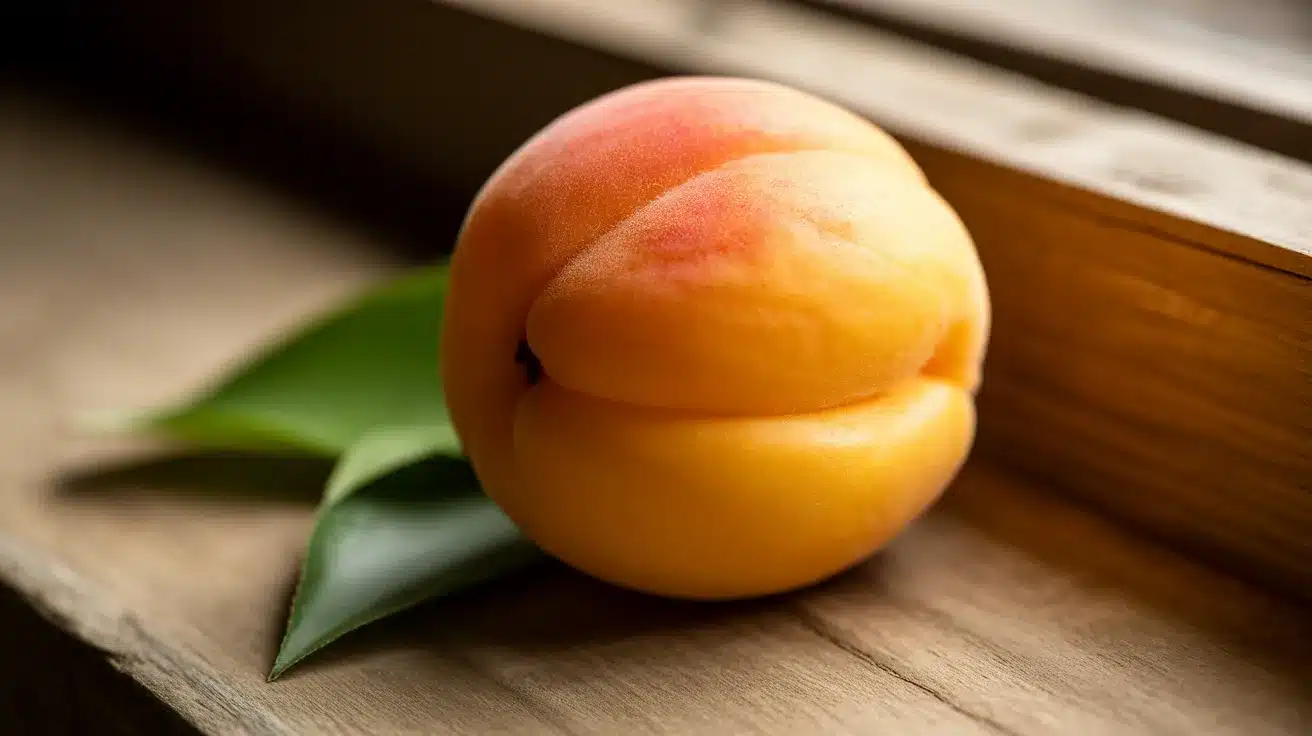
- Taste: Sweet and slightly tart, juicy when fresh and ripe
- Key Nutrient: High in beta-carotene, which the body converts to vitamin A. Supports eye and skin health
- Best Use: Fresh eating, drying as a snack, jams, and baked goods
- Fun Fact: Turkey produces more apricots than any other country in the world
Apricot is a small, round fruit with velvety, golden-orange skin. It is native to China and Central Asia but is now grown across the world, especially in Mediterranean countries. Dried apricots are one of the most portable and long-lasting fruit snacks available.
25. Durian
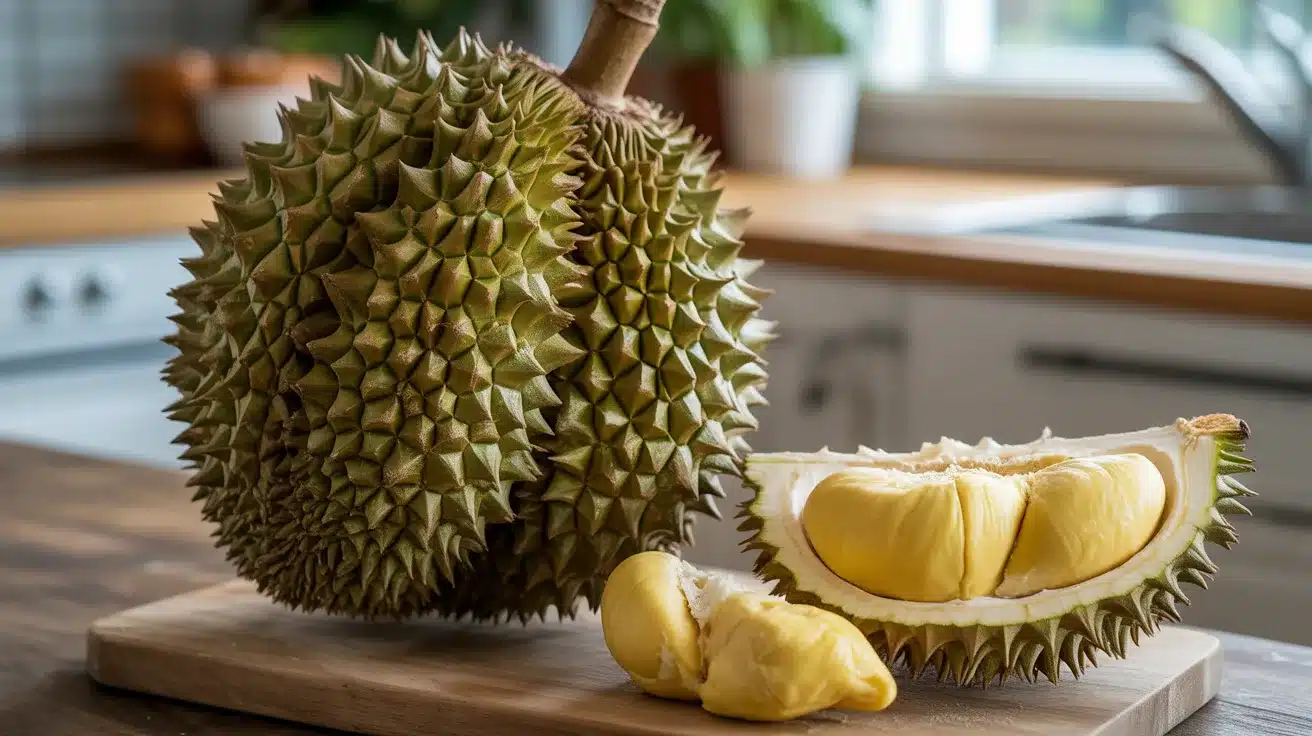
- Taste: Rich, creamy, and very strong. Often described as sweet and savory at once
- Key Nutrient: High in antioxidants, has a low glycemic index, and contains antibacterial properties
- Best Use: Fresh eating, desserts, and ice cream in Southeast Asian cuisine
- Fun Fact: Durian is banned in many hotels and public spaces in Singapore and Malaysia because of its strong smell
Durian is a large fruit with a thick, spiky shell and pale yellow or cream-colored flesh inside. Despite its strong odor, many people in Southeast Asia consider it one of the most nutritious fruits. Its flesh is rich and custard-like in texture.
26. Lucuma
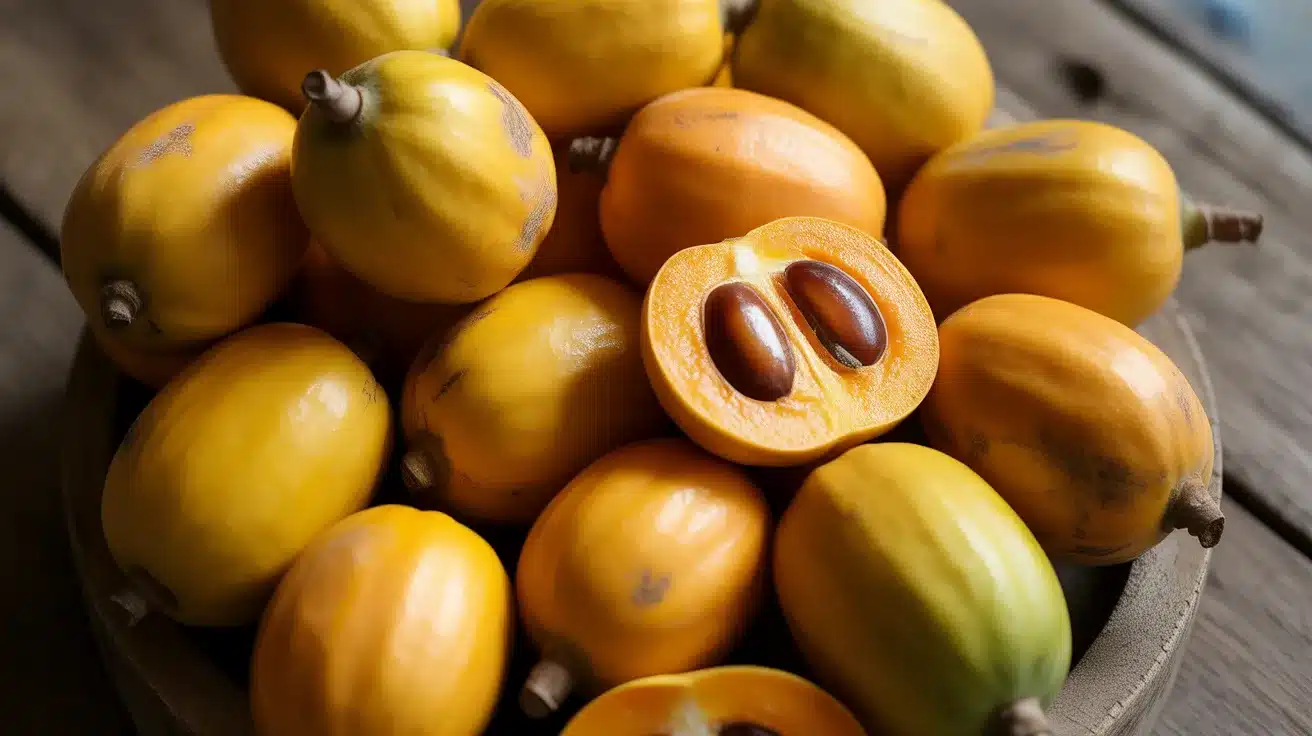
- Taste: Dry, starchy, and naturally sweet. Often compared to a mix of sweet potato and maple syrup
- Key Nutrient: Good source of iron, zinc, and vitamin B3. Works as a natural sweetener in recipes
- Best Use: Sold mainly as a powder for use in smoothies, desserts, and baked goods
- Fun Fact: Lucuma is native to the Andes mountains and has been part of South American diets for thousands of years
Lucuma is a round fruit with green skin and dry, golden-yellow flesh. It originates from Peru and other parts of South America. Because of its natural sweetness, lucuma powder is now popular as a lower-glycemic alternative to sugar in healthy recipes.
27. Yellow Raspberry
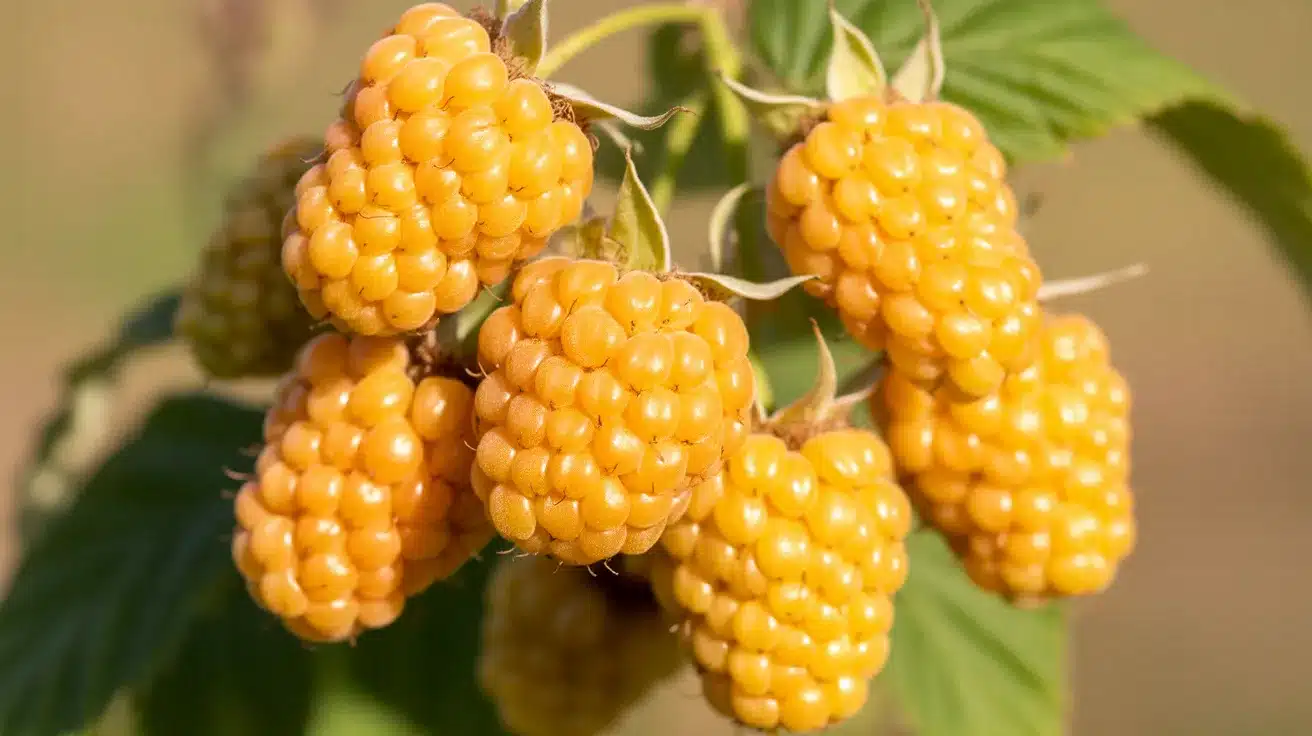
Yellow raspberries are small, round clusters of pale yellow-pink drupelets. Their lower acidity makes them easier on sensitive stomachs compared to red raspberries. They are sometimes available at specialty grocery stores or local farmers’ markets during the summer.
Health Benefits of Yellow Fruits
Yellow fruits do more than add color to your plate. Each one carries a different mix of nutrients that supports specific functions in the body.
- Rich in Vitamin C Supports immunity, collagen production, and iron absorption. Found in lemon, yellow guava, golden kiwi, pineapple, and yellow passion fruit.
- High in Potassium helps muscles work properly and supports healthy blood pressure. Found in bananas, mangoes, and papayas.
- Good Source of Dietary Fiber Supports digestion and helps you stay full for longer. Found in yellow pear, quince, golden berries, and papaya.
- Loaded With Carotenoids and Antioxidants Protects the body from cell damage and supports eye health through lutein and zeaxanthin. Found in yellow watermelon, mango, and apricot.
- Contain Natural Digestive Enzymes Bromelain in pineapple and papain in papaya, which directly help the body break down food more efficiently.
- High in Vitamin A Supports eye health, immune function, and skin health. Found in apricot, papaya, loquat, and mango.
- Support Overall Immune Health. The combination of vitamin C, antioxidants, and natural anti-inflammatory nutrients across most yellow fruits helps the immune system stay strong over time.
How to Tell When a Yellow Fruit Is Ripe?
Most yellow fruits give you clear signals when they are ready to eat. A ripe banana has bright yellow skin with a few small brown spots.
A ripe mango gives slightly when pressed near the stem and has a sweet smell at the base. For pineapple, pull one leaf at the top. If it comes out with little effort, the fruit is ready.
Yellow pears ripen from the inside out, so check by pressing gently near the stem end first. Lemons are at their juiciest when the skin is fully yellow with no green patches.
With papaya, look for mostly yellow skin and a light give when pressed.
Final Thoughts
Yellow fruits are more than a grocery store staple. From the familiar banana to the rare Buddha’s Hand, each fruit on this list brings something different to the table.
Some are rich in vitamin C. Others are loaded with fiber or potassium. A few carry natural enzymes that directly help your gut.
The point is simple. Eating a wider range of yellow fruits means giving your body a wider range of nutrients. You do not need to try all at once. Start with one or two that caught your eye today.
Which yellow fruit are you planning to try first? Drop your answer in the comments below!
Frequently Asked Questions
What Fruits Are Best for Diabetics?
Low-sugar yellow fruits like star fruit, golden berries, and grapefruit are good options for diabetics. They are low on the glycemic index and high in fiber, which helps keep blood sugar levels steady.
What Exotic Fruit Is Yellow?
Yellow dragon fruit, lucuma, yuzu, and yellow passion fruit are popular exotic yellow fruits found in specialty and Asian grocery stores.
What Citrus Fruit Is Yellow?
Lemon is the most well-known yellow citrus fruit. Grapefruit, pomelo, yuzu, and Buddha’s Hand are also yellow citrus fruits, each with its own distinct flavor and use in cooking.
What Foods Are Naturally Yellow?
Beyond fruits, naturally yellow foods include corn, yellow bell peppers, turmeric, egg yolks, and yellow lentils, all colored by natural carotenoid pigments.