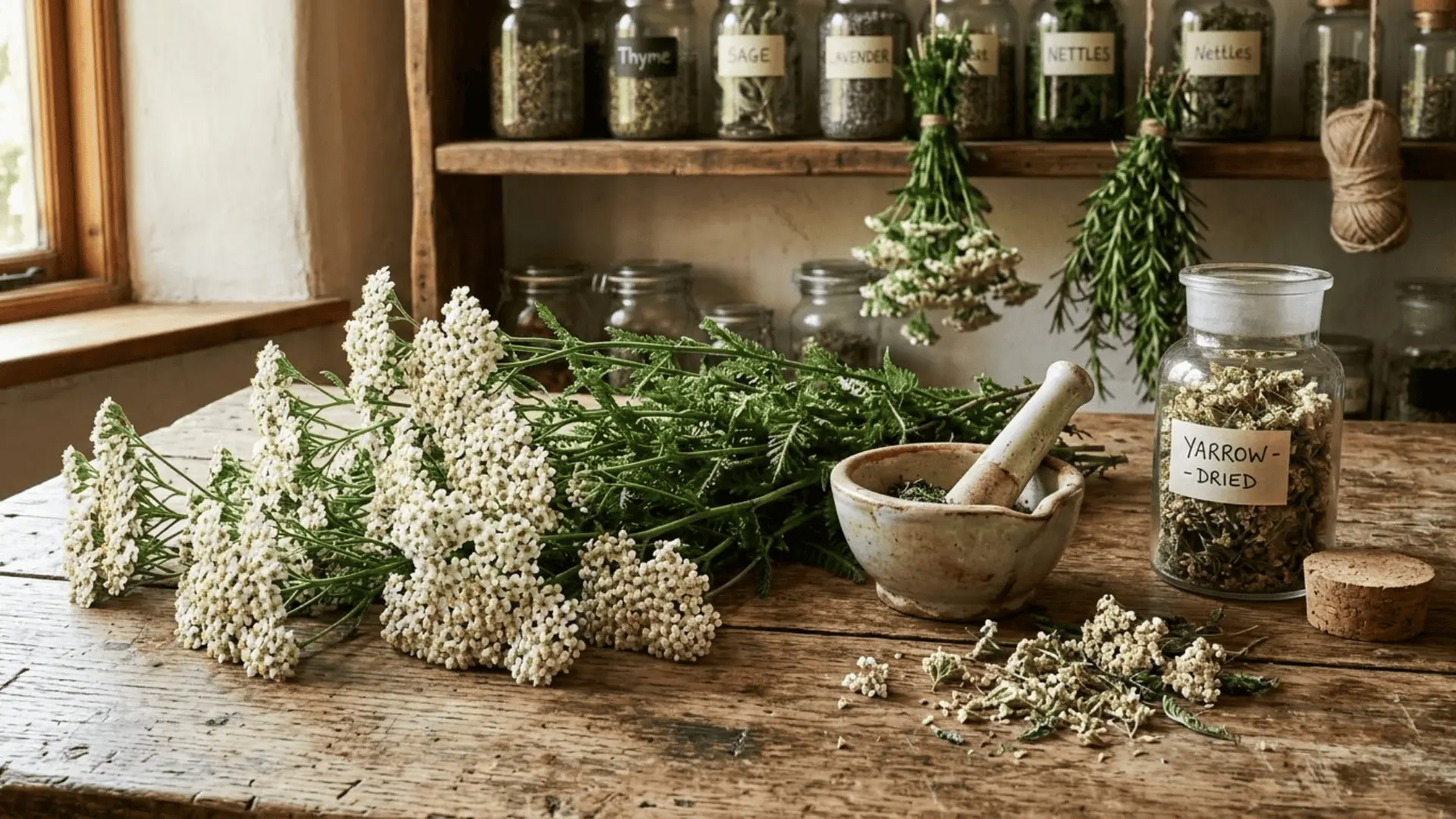
Yarrow has been quietly sitting in herbalists’ baskets and backyard gardens for centuries, and for good reason.
This feathery wildflower herb has earned its place in traditional medicine as a trusted companion for wound healing, digestive comfort, and so much more.
Deeply rooted in herbal wisdom, it carries a reputation that has only grown stronger with time. Its yarrow medicinal uses and everyday health benefits make it one of those plants that genuinely deserve a closer look.
Just remember to check in with a healthcare professional before bringing any herb into your wellness routine.
What is Yarrow?
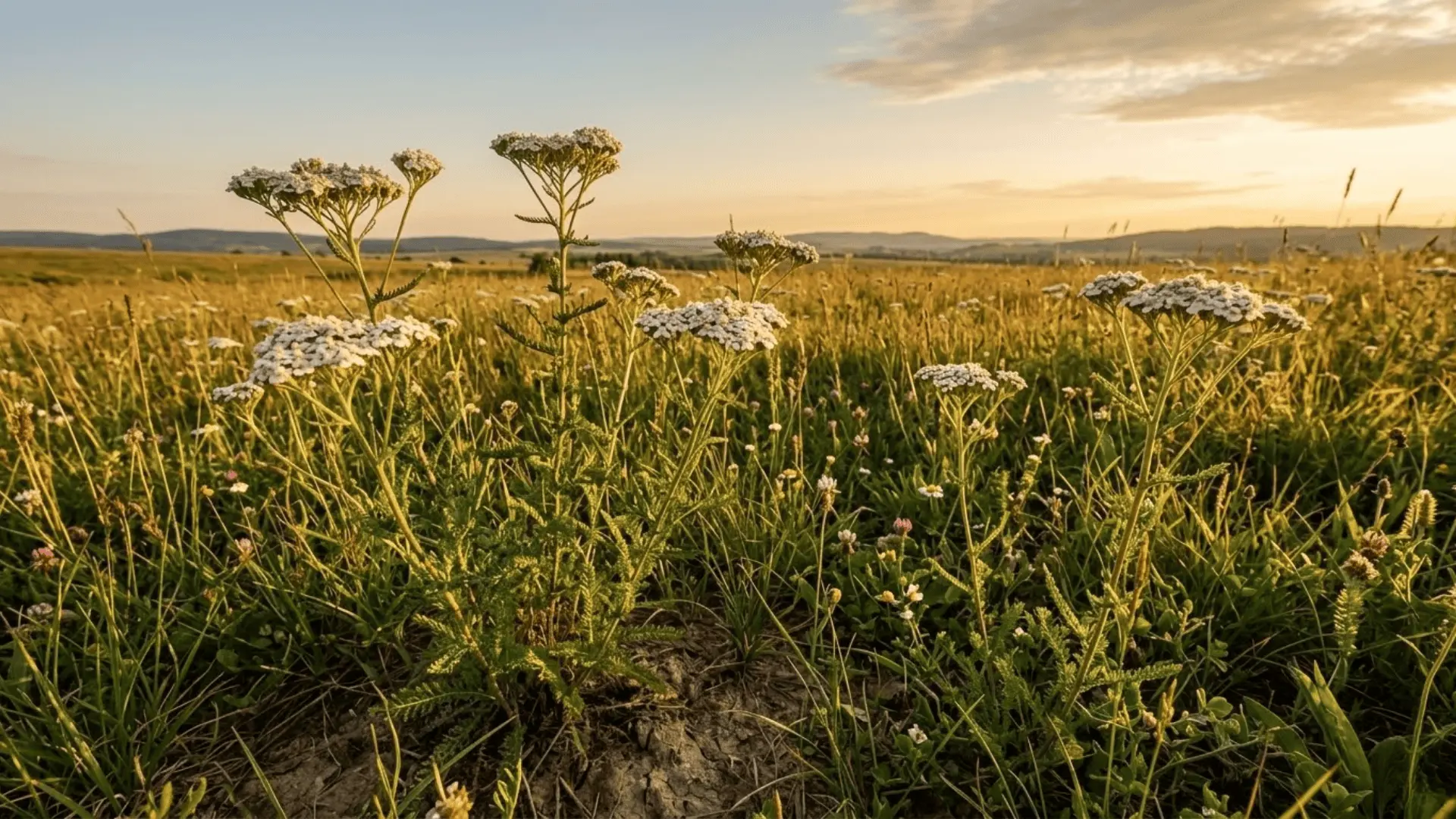
Yarrow is a flowering herb scientifically known as Achillea millefolium, belonging to the daisy family.
It is recognized by its feathery, finely divided leaves, and delicate clusters of small white or pink flowers that carry a pleasantly aromatic quality.
The plant has a naturally wild character, growing abundantly in meadows, grasslands, and along roadsides across Europe, Asia, and North America.
It thrives in open, sunny spaces, which is part of why it has been so accessible to healers and herbalists across different cultures and regions throughout history.
A Brief History of Yarrow in Herbal Medicine
Yarrow has a long and storied past in herbal medicine, most notably as a wound-healing herb.
It was widely used across cultures to stop bleeding and treat injuries, earning it the well-known name “Soldier’s Woundwort” after soldiers reportedly turned to it on the battlefield.
Beyond wound care, yarrow held a meaningful place in healing traditions across Europe, Asia, and indigenous communities, where it was valued for its broad therapeutic character.
Its historical presence across so many different cultures quietly speaks to just how trusted this plant has always been.
What is Yarrow Good For: 11 Impressive Benefits
Yarrow has quietly built a reputation that bridges ancient herbal wisdom and modern wellness curiosity.
Its yarrow benefits stretch across wound care, digestion, skin health, and beyond, making it one of the more versatile herbs in traditional medicine.
1. Helps Stop Minor Bleeding
Yarrow’s natural astringent properties have made it a historically relied-upon herb for minor cuts and wounds, working by constricting tissues and slowing blood flow.
Herbalists traditionally applied crushed yarrow leaves directly to injuries, a practice that has carried into modern herbal medicine.
A study published in Hepatology Forum confirmed a significant reduction in bleeding time with topical application. [Hepatology Forum, 2024]
2. Supports Wound Healing
Beyond stopping bleeding, yarrow is believed to actively support skin recovery through its antimicrobial and anti-inflammatory properties.
Research published in Pharmaceutical Biology found that yarrow essential oil accelerated wound closure and boosted collagen synthesis.
It also demonstrated antibacterial activity against common wound-infecting bacteria, lending solid scientific support to its traditional role in herbal wound care. [Pharmaceutical Biology, 2023]
3. May Reduce Inflammation
Yarrow contains a notable concentration of flavonoids, including apigenin and luteolin, associated with reducing inflammatory responses in the body.
Research in Planta Medica confirmed that yarrow flavonoids inhibit human neutrophil elastase, a key protease involved in inflammation.
This lends meaningful scientific weight to its traditional use for both topical and internal inflammatory conditions. [Planta Medica, 2007]
4. Supports Digestive Health
Yarrow has a well-documented history as a digestive herb, traditionally used to ease bloating, cramping, and sluggish digestion.
Research shows its flavonoid content helps inhibit smooth muscle contractions in the gut.
A more recent study also found it stimulates probiotic bacteria growth and increases beneficial short-chain fatty acid production in the digestive tract. [PubMed, 2024]
5. May Help Relieve Menstrual Discomfort
Yarrow holds a meaningful place in women’s herbal wellness, traditionally used to ease cramping and support a more comfortable cycle.
A double-blind randomized clinical trial published in the Journal of Pediatric and Adolescent Gynecology found that yarrow tea significantly reduced pain severity in women with primary dysmenorrhea.
Results held up compared to placebo at both one and two months of use. [Journal of Pediatric and Adolescent Gynecology, 2015]
6. Helps Reduce Fever Naturally
Classified as a diaphoretic herb, yarrow is believed to promote perspiration and help the body regulate temperature more effectively during mild fevers.
Both European and Native American herbal traditions relied on yarrow tea during times of fever and chills.
A review in Heliyon confirmed that this traditional use is consistent with its known anti-inflammatory and antimicrobial properties. [Heliyon, 2023]
7. Supports Circulation
Yarrow is considered a circulatory tonic in traditional herbal medicine, believed to gently tone blood vessels and support healthy blood flow.
A review in Economic Botany noted its traditional use across multiple cultures for cardiovascular support.
Preclinical studies have also pointed to vasoprotective activity in standardized yarrow extracts, particularly in relation to venous circulation. [Economic Botany, 2011]
8. May Help with Cold and Flu Symptoms
Yarrow’s diaphoretic, antimicrobial, and anti-inflammatory properties make it a natural fit for cold and flu season support.
It is traditionally paired with elderberry or echinacea in herbal blends for seasonal illness.
A pharmacological review confirmed that yarrow’s known bioactivities are consistent with its traditional use for respiratory infections, bronchitis, and cough. [Heliyon, 2023]
9. Supports Skin Health
Yarrow’s anti-inflammatory, antimicrobial, and astringent qualities make it a genuinely useful ingredient for blemish-prone, oily, or irritated skin.
A double-blind, randomized in vivo study in the Journal of Ethnopharmacology found that topical yarrow oil extracts demonstrated significant anti-inflammatory effects on irritated skin.
It also successfully restored normal hydration and pH levels within seven days of application. [Journal of Ethnopharmacology, 2017]
10. May Help with Anxiety and Relaxation
Yarrow is traditionally used in calming herbal blends to ease stress and nervous tension.
A study in the Journal of Ethnopharmacology found its hydroalcoholic extract produced significant anxiolytic-like effects in animal models, with results comparable to diazepam.
No tolerance was developed after repeated use, though human clinical trials are still needed to confirm these findings. [Journal of Ethnopharmacology, 2012]
11. May Support Immune Health
Yarrow’s antioxidants, flavonoids, and antimicrobial compounds are collectively believed to support the body’s natural defense systems.
A comprehensive review in Economic Botany noted preclinical evidence pointing to anti-inflammatory, hepatoprotective, and antipathogenic activities.
Together, these qualities contribute to yarrow’s broader role as an immune-supportive plant in traditional herbal medicine. [Economic Botany, 2011]
Common Ways to Use Yarrow
Yarrow is a wonderfully adaptable herb, and the way it is prepared can make a real difference in how its benefits are experienced.
Here is a quick look at the most common forms it comes in.
| Preparation | Form | Best Used For | How to Use |
|---|---|---|---|
| Yarrow Tea | Dried flowers and leaves steeped in hot water | Digestion, menstrual comfort, and fever relief | Steep for 10 minutes, drink up to 3 times daily |
| Yarrow Tincture | Concentrated liquid herbal extract | Daily wellness, measured herbal dosing | Add drops to water or juice as directed |
| Yarrow Poultice | Crushed fresh or dried leaves | Minor cuts, wounds, and skin irritation | Apply directly to the affected area, cover with a cloth |
| Yarrow Essential Oil | Potent aromatic plant extract | Skincare, aromatherapy, and inflammation | Dilute in a carrier oil before topical use |
Yarrow Benefits for Skin
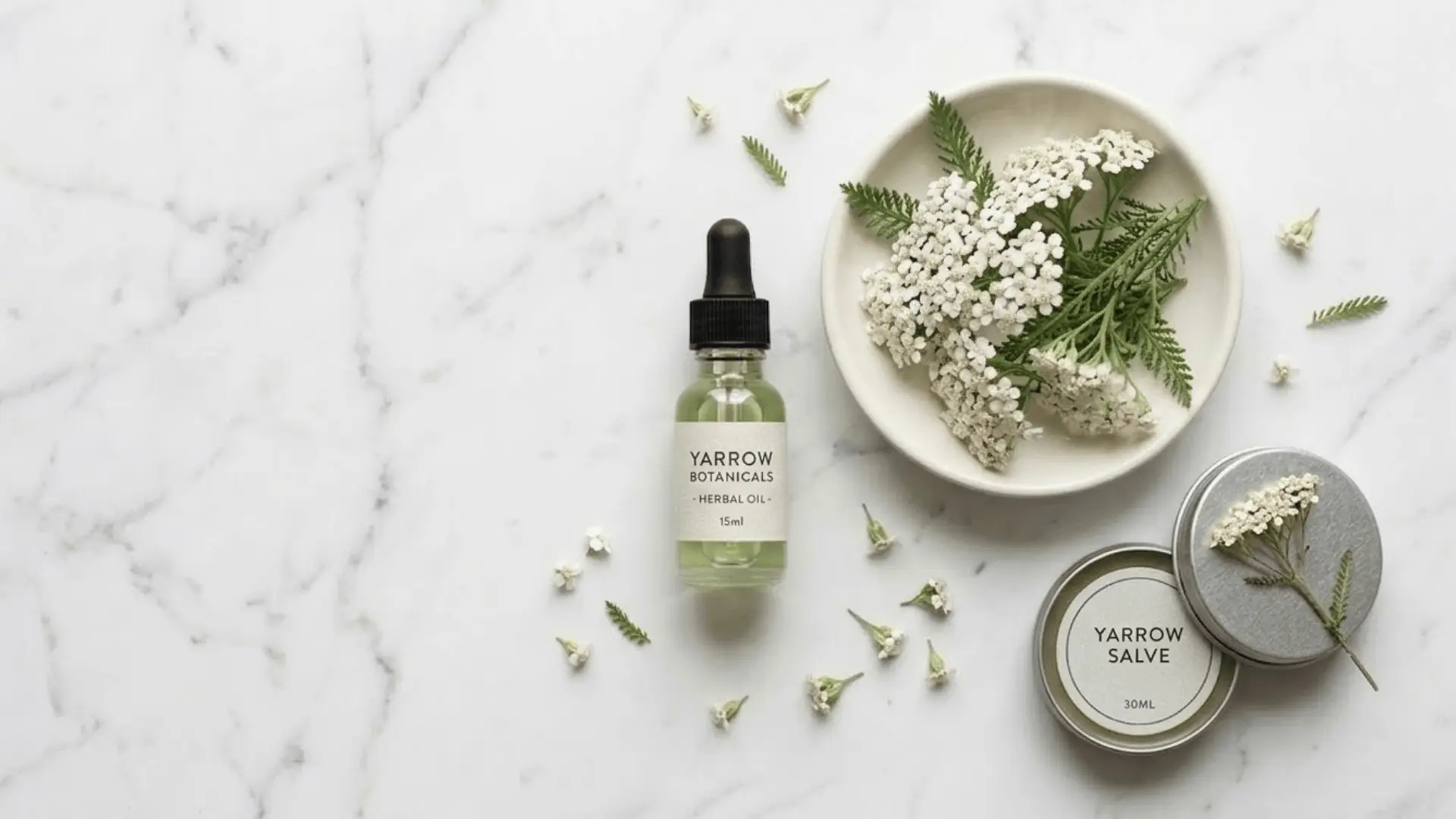
Yarrow has quietly become a go-to herb in natural skincare, and its reputation is well-earned. Its plant compounds work across several layers of skin health, making it a versatile addition to any herbal beauty routine.
- Its natural astringent properties help tighten pores and reduce excess oiliness, making it particularly useful for acne-prone skin types.
- Yarrow’s anti-inflammatory compounds calm redness, soothe minor irritations, and help ease the skin’s response to everyday environmental stressors.
- Its antimicrobial activity helps keep the skin surface clean, supporting the body’s natural healing process for minor cuts and abrasions.
- Rich in flavonoids and antioxidants, yarrow helps protect the skin from oxidative stress, contributing to a healthier and more resilient complexion over time.
Used as a facial toner, added to a salve, or applied as a diluted essential oil, yarrow brings a thoughtful, plant-based approach to everyday skin wellness.
How to Grow Yarrow at Home?
Yarrow is one of those plants that genuinely rewards low-maintenance gardeners. It is hardy, adaptable, and surprisingly easy to establish once you understand what it needs.
Sunlight Requirements
Yarrow is a sun-loving plant, and giving it the right light conditions sets the foundation for healthy growth.
- Yarrow thrives best in full sun, ideally receiving at least six hours of direct sunlight daily.
- It can tolerate partial shade but may produce fewer flowers and grow more loosely as a result.
- A south or west-facing garden spot tends to bring out its best growth.
Soil Conditions
Soil quality plays a quieter but equally important role in how well yarrow establishes itself.
- Yarrow prefers well-drained soil and handles poor or sandy soils remarkably well.
- It does not respond well to overly rich or waterlogged soil, which can cause root rot.
- Slightly alkaline to neutral soil pH tends to suit it best.
Watering Needs
Yarrow’s relationship with water is one of its most gardener-friendly qualities.
- Once established, yarrow is notably drought-tolerant and requires very little supplemental watering.
- During the first few weeks after planting, regular watering helps the roots settle in comfortably.
- Overwatering is one of the most common mistakes with yarrow and is best avoided altogether.
Growing yarrow at home also means having a fresh, accessible supply of this versatile herb right in your garden, ready to be harvested and used as needed.
Is Yarrow Safe: Potential Side Effects
Yarrow is generally well-tolerated and considered safe for most people, but it is worth knowing its limitations before adding it to your routine.
Some potential side effects to keep in mind:
- People with ragweed or daisy family allergies may experience skin irritation, rashes, or heightened sensitivity, particularly with topical use.
- Yarrow is traditionally not recommended during pregnancy, as it has historically been associated with uterine-stimulating properties that may pose a risk.
- It may interact with blood-thinning medications, sedatives, and antacids, potentially affecting how these drugs work in the body.
As with any herb, consulting a healthcare professional before use is always a sensible step, especially if you are on existing medication or managing an underlying health condition.
Yarrow vs. Similar Medicinal Herbs
Yarrow shares some common ground with other popular medicinal herbs, but each brings something distinct to the table.
Here is a side-by-side look at how they compare.
| Property | Yarrow | Chamomile | Calendula | Echinacea |
|---|---|---|---|---|
| Primary Use | Wound healing, digestion, menstrual support | Relaxation, digestive comfort, sleep support | Skin healing, anti-inflammatory skincare | Immune support, cold and flu relief |
| Anti-inflammatory | Yes | Yes | Yes | Mild |
| Antimicrobial | Yes | Mild | Yes | Yes |
| Skin Benefits | Astringent, pore-tightening, wound care | Soothing, redness-calming | Deeply moisturizing, wound repair | Limited topical use |
| Digestive Support | Yes | Yes | Mild | No |
| Hormonal Support | Menstrual comfort, cycle regulation | Mild PMS relief | No | No |
| Best Form | Tea, tincture, poultice, essential oil | Tea, essential oil, capsule | Topical cream, infused oil, tea | Tincture, capsule, tea |
| Cautions | Avoid in pregnancy, ragweed allergies | Generally very well tolerated | Rare skin sensitivity | Avoid with autoimmune conditions |
Final Thoughts
Yarrow is one of those herbs that has stood the test of time for good reason.
Supporting wound healing, digestive comfort, skin wellness, and so much more, what is yarrow good for is a question with a surprisingly generous answer.
It is humble, accessible, and deeply rooted in herbal tradition. If this has drawn you toward learning more about yarrow and its place in your wellness routine, we would love to hear your thoughts.
Have you used yarrow before, or are you just getting acquainted with it? Drop a comment below and share your experience.