Your roof stands as the first line of defense against nature’s elements, yet it remains one of the most overlooked components of home maintenance. While homeowners diligently service their HVAC systems and maintain their landscapes, the roof often goes unnoticed until a problem becomes too severe to ignore. Understanding the critical importance of regular roof maintenance can save thousands of dollars and protect your home’s structural integrity for decades to come.
The Financial Impact of Neglect
The economics of roof maintenance present a compelling case for proactive care. According to the National Roofing Contractors Association, the average cost of a complete roof replacement ranges from $8,000 to $15,000 for an asphalt shingle roof on a typical single-family home. However, regular maintenance typically costs only a few hundred dollars annually. This stark contrast highlights how preventive care delivers exceptional return on investment.
Minor issues like a few missing shingles or small leaks can be repaired for minimal cost when caught early. Left unattended, these same problems can lead to water damage, compromised insulation, and structural deterioration that may necessitate premature roof replacement. Studies indicate that proper maintenance can extend a roof’s lifespan by up to fifty percent, transforming a twenty-year roof into a thirty-year asset.
Protecting Your Home’s Interior
Water intrusion represents the most significant threat posed by an unmaintained roof. Even small leaks can cause extensive damage that spreads far beyond the immediate point of entry. Moisture seeping through compromised roofing materials can saturate insulation, reducing its effectiveness and creating ideal conditions for mold growth. The presence of mold not only damages building materials but also poses serious health risks to occupants, particularly those with respiratory conditions or compromised immune systems.
Regular inspections help identify vulnerabilities before water penetration occurs. Professional roofers can detect subtle signs of wear, such as granule loss on asphalt shingles, cracked flashing around chimneys and vents, or deteriorating sealants. Addressing these issues promptly prevents the cascade of problems that begin once water finds its way into your home’s structure.
Energy Efficiency and Comfort
The condition of your roof directly influences your home’s energy performance. A well-maintained roof with intact insulation and proper ventilation helps regulate indoor temperatures throughout the year. During summer months, adequate attic ventilation prevents heat buildup that forces air conditioning systems to work harder. In winter, proper insulation and sealed penetrations prevent warm air from escaping, reducing heating costs.
The Department of Energy estimates that inadequate attic insulation and ventilation can account for up to fifteen percent of a home’s total energy loss. When roof maintenance includes ensuring proper ventilation systems and inspecting insulation integrity, homeowners benefit from lower utility bills and improved comfort. These energy savings compound over time, making maintenance an investment that pays dividends throughout the year.
Structural Integrity and Safety
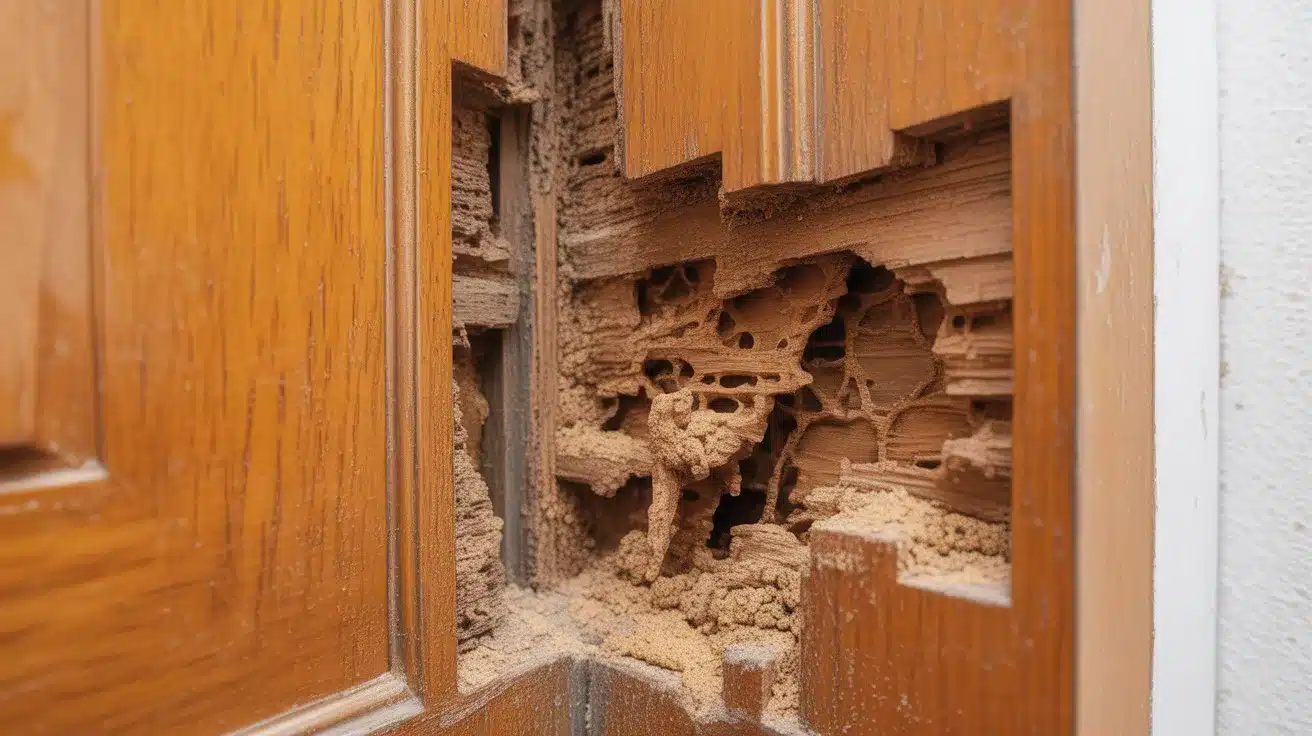
Beyond the roof covering itself, the underlying structure requires attention to maintain its load-bearing capacity. Roof decking, rafters, and trusses can suffer from moisture damage, pest infestations, or simple material fatigue over time. Regular maintenance allows professionals to assess these structural components and identify potential weaknesses before they compromise safety.
In regions prone to severe weather, maintaining roof integrity becomes even more critical. According to the Insurance Institute for Business & Home Safety, proper roof maintenance significantly improves a structure’s ability to withstand high winds and heavy precipitation. Loose or damaged shingles become projectiles during windstorms, while compromised flashing provides entry points for wind-driven rain.
Insurance and Property Value Considerations
Many homeowners insurance policies require proof of regular maintenance, as mentioned by King Roofing in Naples, FL. Insurance companies recognize that unmaintained roofs represent higher risk and may deny claims related to neglect or raise premiums accordingly. Documented maintenance records demonstrate responsible homeownership and can prove invaluable when filing weather-related claims.
From a real estate perspective, roof condition significantly impacts property value and marketability. Home inspectors thoroughly evaluate roofs during pre-purchase assessments, and deficiencies often become negotiating points or deal-breakers. A well-maintained roof with documented service history reassures potential buyers and supports asking prices, while visible deterioration raises red flags that can stall or derail transactions.
Establishing a Maintenance Schedule
Effective roof maintenance involves both professional inspections and homeowner vigilance. Most roofing experts recommend professional inspections twice annually, typically in spring and fall, along with additional checks after severe weather events. Homeowners can supplement professional services by conducting visual inspections from ground level, looking for obvious signs like missing shingles, debris accumulation, or sagging areas.
The relatively modest investment in regular roof maintenance yields substantial benefits spanning financial savings, structural protection, energy efficiency, and peace of mind. By prioritizing this often-neglected aspect of home care, property owners ensure their roofs fulfill their protective role for their intended lifespan and beyond.