There is a quiet charm to tulips breaking through spring soil, but most gardeners get the timing backwards. You are probably thinking about planting when those first warm days arrive, right?
Here’s what tulip bulbs actually need: they crave the cold. Those months of winter chill aren’t something to avoid; they are essential for creating those vibrant blooms everyone loves.
The best time to tuck your bulbs into the ground might surprise you.
It’s not when you see tulips blooming in your neighbor’s yard, but when the air starts to cool, and sweaters come back out.
Why Planting Tulip Bulbs at the Right Time Actually Matters?
Tulip bulbs aren’t just sitting idle underground during winter. They’re busy growing the roots that will push up those spring blooms you’re dreaming about.
This process needs cold temperatures to work, a requirement called vernalization.
But here’s the thing most people miss: forget the calendar date or how chilly it feels outside. What really counts is soil temperature. Your bulbs want soil that’s cooled to around 40–55°F.
Plant when it’s too warm, and the roots won’t develop properly. Wait until it’s frozen solid, and you won’t even be able to dig.
Best Time to Plant Tulip Bulbs
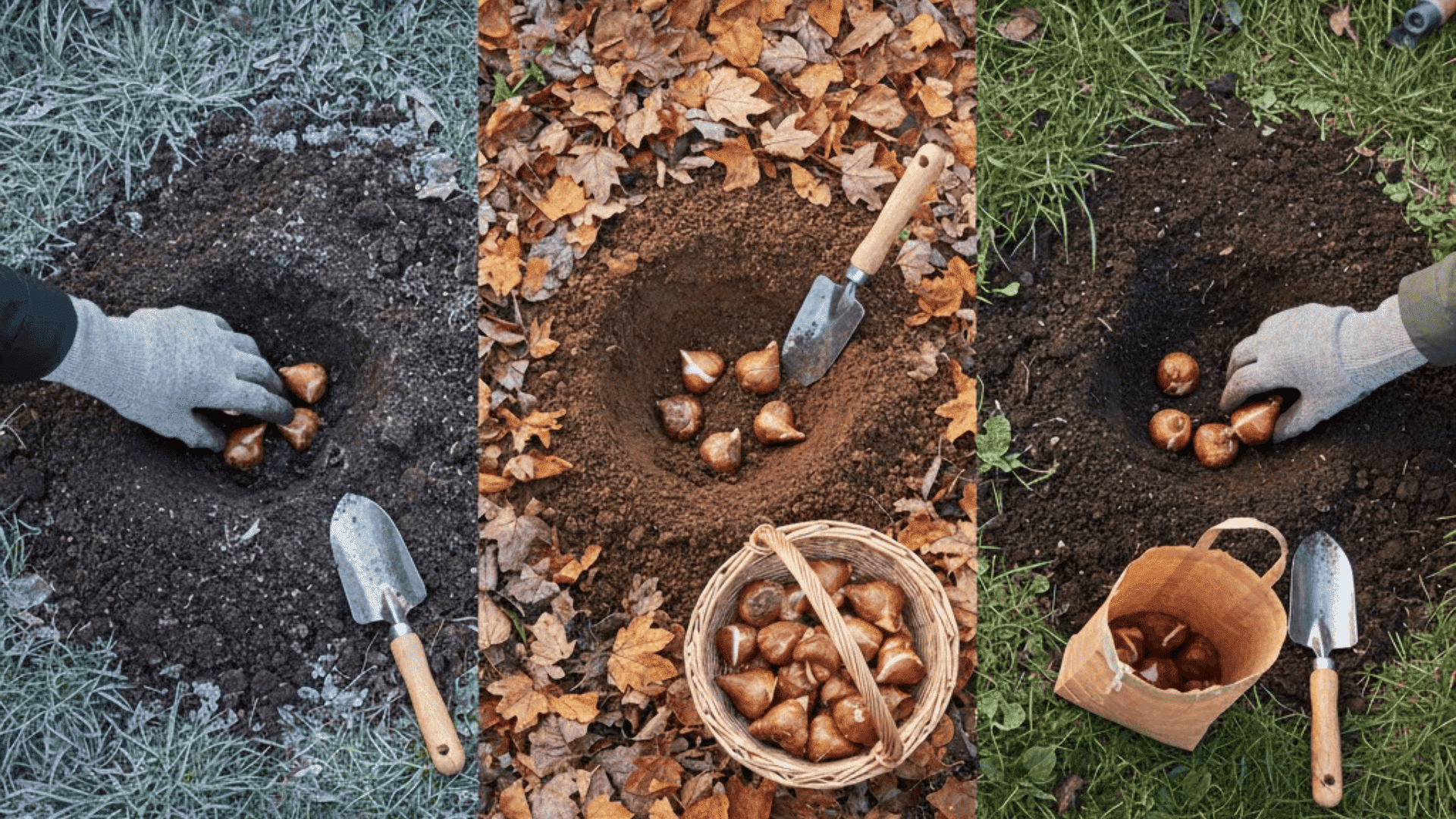
Fall planting gives tulip bulbs exactly what they need: time to grow roots before winter settles in, and those essential cold weeks that spark blooming.
The sweet spot is usually 6 to 8 weeks before your area’s first hard frost hits.
Fall is Your Golden Window
This is when tulip bulbs thrive. Planting in fall means roots can spread and strengthen before the ground freezes, setting up your bulbs for success.
The cold months that follow aren’t just downtime; they’re actively preparing your tulips to bloom.
Aim for that six-to-eight-week window before the first hard frost in your area. The soil will be cool enough to prevent premature sprouting but still workable for digging and planting.
When to Plant Based on Your Climate Zone?
Timing shifts depending on where you garden. Check your USDA Hardiness Zone to find your specific zone, then follow these guidelines:
- Cold Climates (zones 3–5): Late September through early October works best. Winter arrives early here, so get those bulbs in while the soil is still workable.
- Moderate Climates (zones 6–7): Mid to late October is ideal. You have a bit more flexibility as frost comes later.
- Warmer Climates (zones 8–10): Late November into early December, but your bulbs need pre-chilling in the refrigerator first. Without natural cold, they won’t bloom properly.
Zone-by-Zone Timing for Planting Tulip Bulbs
Your local climate dictates when tulip bulbs should go into the ground.
Here’s a detailed breakdown to help you nail the timing based on where you live.
| Climate Type | USDA Zones | Best Planting Time | Key Considerations |
|---|---|---|---|
| Cold Climates | 3–5 | Late September–Early October | Plant earlier for root establishment before the ground freezes |
| Transitional/Mild Winters | 6–7 | Mid–Late October | Monitor soil temperature (40–55°F) rather than dates |
| Warm Climates | 8–10 | Late November–Early December | Requires 8–12 weeks of refrigerator pre-chilling |
Quick Tip: If you’re between zones or experiencing an unusually warm or cold fall, trust your soil thermometer over the calendar. Soil temperature tells the real story of when your bulbs are ready to go in.
What Happens If You Miss the Fall Planting Window?
Life gets busy, and sometimes those tulip bulbs sit in the garage longer than planned.
Don’t panic if you’ve missed the ideal fall window. You still have options.
- You can plant later as long as the ground isn’t frozen solid, and you can still dig.
- December or even January planting works in milder climates where the soil stays workable.
- Your bulbs need to be kept cold during the delay, not sitting in a warm garage.
- Late-planted tulips may bloom a bit later in spring, but they’ll still bloom.
- The key is getting them in before the ground completely freezes over.
The takeaway? Better late than never. Even bulbs planted at the edge of winter can surprise you with blooms, though they might need an extra season to reach their full potential.
Signs It’s Time to Plant Your Tulip Bulbs
Stop relying solely on calendar dates. Your garden will tell you when conditions are right for planting.
Here are the real indicators to watch for.
| Sign | What It Means |
|---|---|
| Soil Temperature: 40–55°F at 6 inches deep | The sweet spot where roots develop without triggering shoots |
| Ground is cool but still diggable | Too warm and growth starts too early; frozen means you’ve waited too long |
| Daytime highs below 60°F consistently | Your soil is finally cooling into the optimal range |
| Leaves falling, evenings getting crisp | Nature’s cue that dormancy season has arrived |
| Bulbs feel firm and cool, not soft or warm | Proper storage temperature keeps them dormant until planting |
Common Mistakes to Avoid When Planting Tulip Bulbs
Even experienced gardeners can miss these timing pitfalls.
Here’s what trips people up most often and how to sidestep these issues.
- Planting too early, while the soil is still warm, causes bulbs to sprout prematurely and weakens spring blooms.
- Waiting until the ground freezes solid makes planting impossible and stresses bulbs left in storage.
- Ignoring soil drainage during planting sets up bulbs to rot through winter in soggy conditions.
- Storing bulbs in warm places before planting triggers early sprouting and depletes energy reserves.
- Skipping the soil temperature check and relying only on calendar dates for your region.
Timing and conditions work together. Get your bulbs in when the soil is cool enough to support root growth but workable enough to plant properly, and you’re setting yourself up for a stunning spring display.
Tulip Planting Basics: Quick How-To
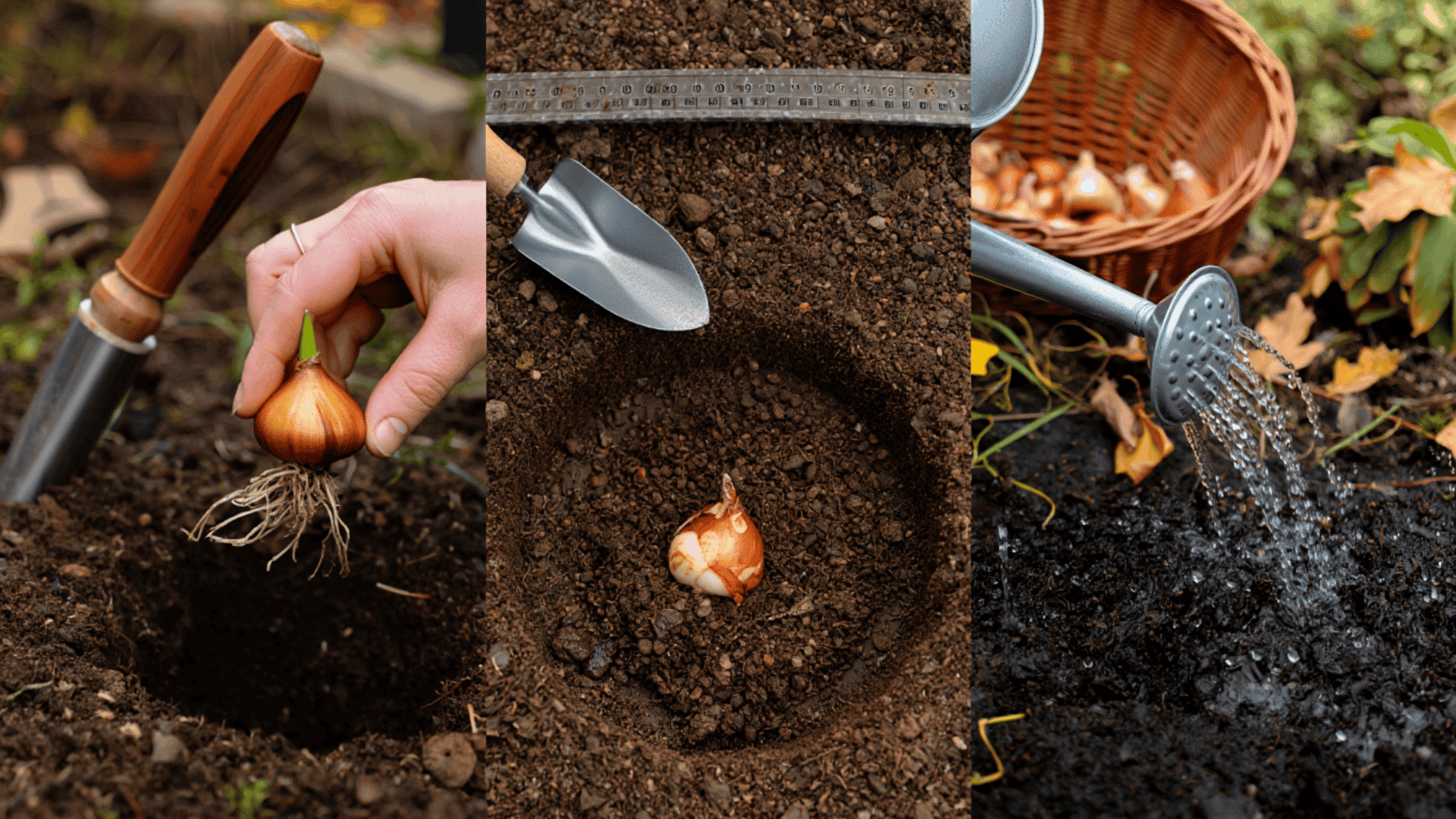
Once you’ve got the timing right, the actual planting process is straightforward. Follow these steps to give your bulbs the best start.
Step 1: Position Your Bulbs Correctly
The pointy end goes up, the flatter root end goes down. It sounds simple, but this matters more than you’d think. Planting upside down forces the shoot to work harder to find the surface, weakening the plant.
If you’re unsure which end is which, look for any small root remnants on the flatter side. That’s your bottom.
Step 2: Dig to the Right Depth
Plant bulbs about three times as deep as the bulb is tall. For most tulip bulbs, this means 6 to 8 inches deep. Deeper planting protects bulbs from temperature swings and gives them better stability as they grow.
Measure from the bottom of the hole to ensure accuracy. Shallow planting leaves bulbs vulnerable to frost heave and animals.
Step 3: Water After Planting
Watering helps settle the soil around your bulbs and kickstarts root development.
Here’s how to handle it right:
- Give bulbs a thorough watering immediately after planting to eliminate air pockets.
- Aim for moist soil, not waterlogged or soggy conditions.
- Skip additional watering if rain is in the forecast within a day or two.
- In dry fall conditions, water once a week until the ground freezes.
- Avoid overwatering, as tulip bulbs rot easily in saturated soil.
For Warmer Regions: Pre-Chilling Tips
If you’re gardening in zones 8 through 10, your tulip bulbs won’t get the natural cold they need from your mild winters. Pre-chilling in the refrigerator solves this problem.
- Store bulbs in a paper bag in the refrigerator at 35–45°F for 8 to 12 weeks before planting.
- Keep bulbs away from ripening fruits like apples, which release ethylene gas that damages them.
- Pre-chilling mimics the natural winter dormancy period that tulips need to trigger flowering.
- Mark your calendar so you can start chilling in late summer for a winter planting date.
Without this cold treatment, your bulbs simply won’t bloom. The chilling period tricks them into thinking they’ve survived winter, which signals that it’s time to produce flowers once planted.
Indoor & Container Tulip Planting Options
Planting tulips in containers gives you more flexibility with timing than in-ground beds. Containers can be moved, protected, and managed differently, which opens up some interesting possibilities.
| Container Aspect | Timing & Requirements | Key Advantage |
|---|---|---|
| Planting Window | Late fall or early winter works fine | You’re not limited by ground freeze dates |
| Cold Period | 12-16 weeks in a cold spot (garage, shed, unheated area) | You control when and where bulbs get chilled |
| Soil Temperature | Move containers to maintain a 35-45°F range | Flexibility to adjust conditions as needed |
| Drainage | Excess water escapes through drainage holes | Less rot risk even with late planting of tulips in containers |
Quick Note: Container tulips still need that essential cold period, but you have more control over when and how they get it. Just make sure containers don’t freeze solid or sit in waterlogged saucers during their chill time.
The Closing Note
You’ve got this. Knowing when to plant tulip bulbs isn’t about following rigid dates; it’s about reading your soil and understanding what your bulbs actually need.
That cool fall window, those weeks of cold dormancy, the right soil temperature, they all work together to create those breathtaking spring blooms.
September planting or December planting, in the ground or in containers, you’re now equipped to give your tulips exactly what they’re asking for.
Have questions about your specific planting situation or tips to share from your own garden? Drop a comment below and let’s chat!