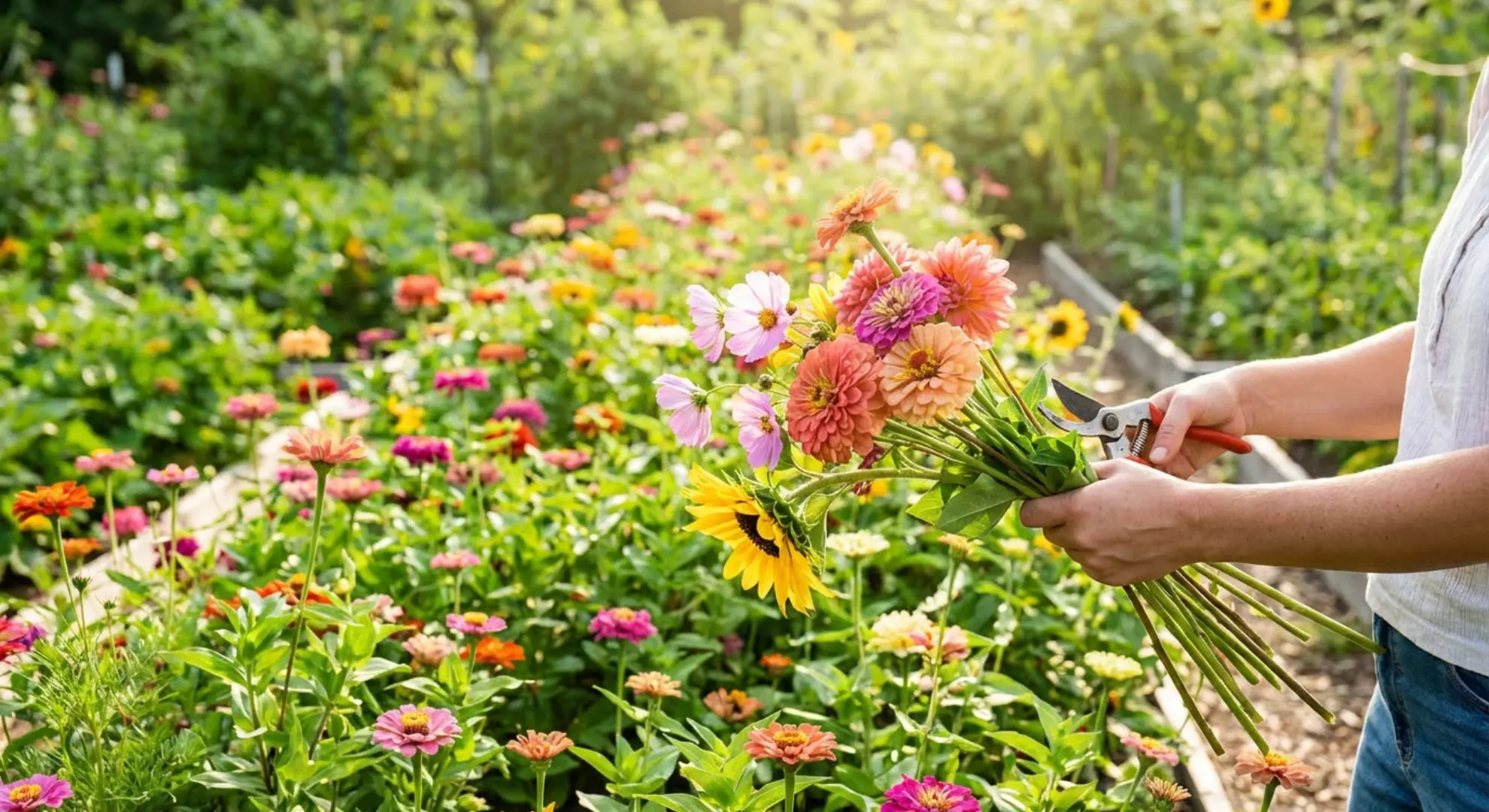
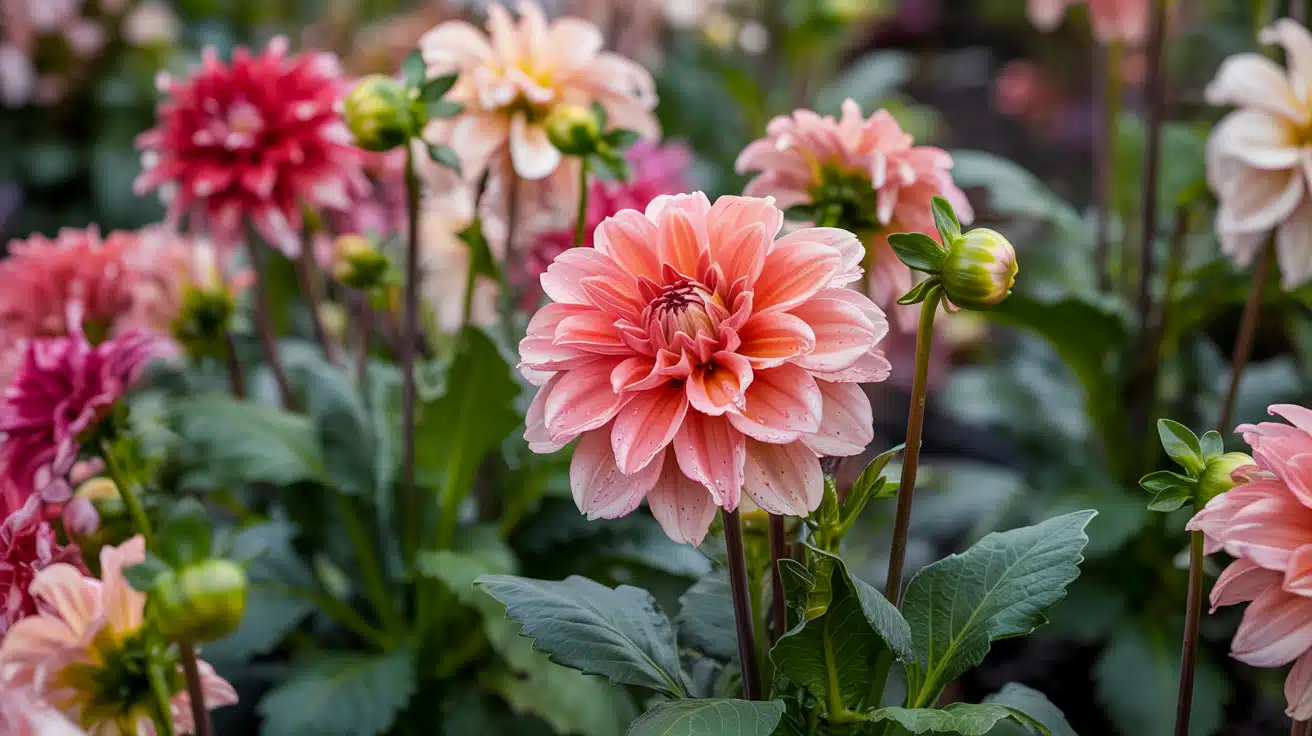
Dahlias reward gardeners with months of color, but only if you plant them at the right time. Too early, and cold soil rots the tubers. Too late, and you miss half the bloom season.
Most planting failures happen because people follow calendar dates instead of checking soil temperature and frost patterns. Timing matters more than anything else when growing dahlias.
This guide covers exactly when to plant based on your region, how to prepare soil properly, and what care steps keep plants thriving from sprouting to first frost.
You’ll learn the difference between container and ground planting, monthly timing breakdowns, and mistakes that kill blooms before they start.
Dahlia Plant Profile at a Glance
Before you start planting, it helps to know what dahlias need to grow well. This quick reference covers the basics so you can plan ahead.
| Feature | Details |
|---|---|
| Plant type | Tuberous flowering plant |
| Bloom season | Mid-summer to first frost |
| Sun needs | Full sun (6–8 hours daily) |
| Soil type | Loose, well-draining soil |
| Height range | 1.5 to 6 feet depending on variety |
| Growth habit | Upright, bushy |
| Cold tolerance | Frost sensitive |
| Suitable for containers | Yes, with proper pot size |
Dahlias grow from tubers, not seeds. They need warm soil to sprout. Cold conditions slow their growth or damage the tubers completely.
When to Plant Dahlias in the USA?
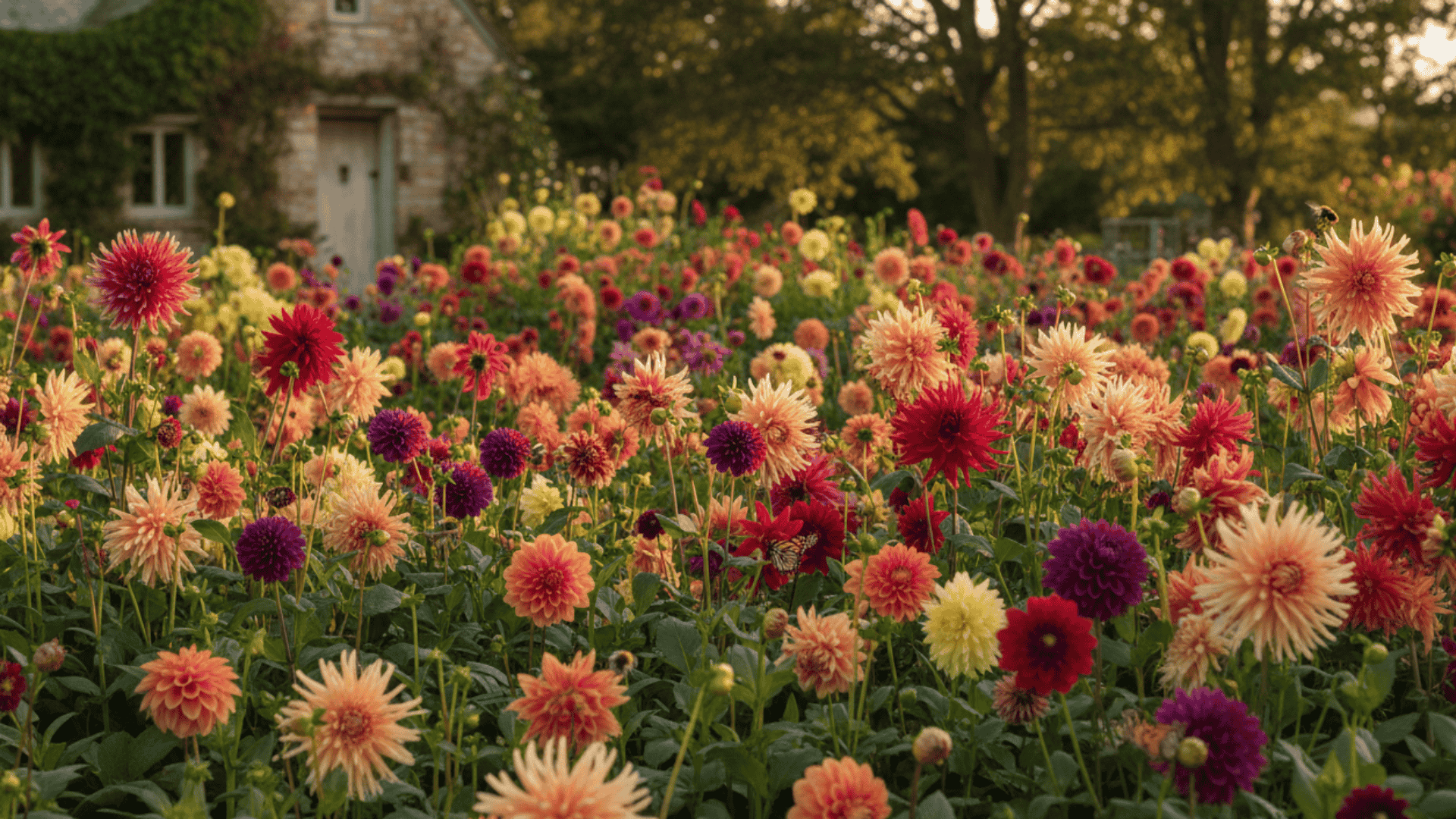
The best time to plant dahlias depends on frost dates and soil temperature, not just the calendar. Wait until after your last frost date passes. Soil should reach at least 60°F before planting.
Cold or wet spring soil slows growth and can rot the tubers. For most regions in the USA, late spring is the safest window.
This timing gives dahlias warm conditions to sprout quickly and grow strong roots from the start.
The growing cycle includes:
Dahlias grow from tubers, not seeds. Each stage depends on warm soil and stable temperatures.
- Dormant tuber stage: Tubers rest underground until conditions are right for growth.
- Sprouting once soil warms: Shoots appear when soil reaches at least 60°F.
- Leaf and stem development: Plants form strong stems and green foliage as temperatures stay warm.
- Bud formation and flowering: Buds develop in mid-summer and open into blooms that last until frost.
Planting too early slows sprouting and increases the risk of rot. Planting too late shortens the bloom season and reduces flower production.
Types of Dahlias and Why Planting Time Matters
Dahlias come in many sizes and bloom forms. Planting time affects how well each type performs throughout the season.
| Dahlia Type | Bloom Characteristics | Planting Considerations |
|---|---|---|
| Dinnerplate dahlias | Very large blooms, often 8–10 inches wide | Take longer to establish, need early planting and staking |
| Decorative dahlias | Full, layered petals with dense form | Moderate growth time, benefit from timely planting |
| Cactus and semi-cactus dahlias | Pointed, narrow petals with spiky appearance | Grow well with proper timing, need support as they mature |
| Ball and pompon dahlias | Compact, rounded flowers with tight form | Faster to establish, more forgiving with timing |
Larger varieties take longer to establish strong roots. They benefit most from correct planting timing and early staking to support heavy blooms.
Smaller types are slightly more forgiving. But they still require warm soil to sprout and grow properly. All dahlia types are frost sensitive. Plant only after the last frost date, regardless of variety size.
Month-by-Month Guide to Planting Dahlias

Timing your dahlia planting by month helps you avoid frost damage and get the best blooms.
Planting Dahlias in March or April
- Suitable only for warm climates – Works in zones 8–10 where frost risk is minimal.
- Tubers can be started indoors – Start indoors 4–6 weeks early, then move outside after frost.
- Outdoor planting requires frost protection – Cover plants if unexpected cold weather hits.
Planting Dahlias in May
- Ideal month for most regions – Soil is warm and frost danger has passed in zones 5–7.
- Soil temperatures are consistently warm – Ground stays above 60°F, perfect for sprouting.
- Tubers establish quickly – Roots develop fast, leading to strong plants and more blooms.
Planting Dahlias in June
- Acceptable for late starters – Still enough growing time left before fall frost arrives.
- Blooming may begin later in summer – Flowers appear in late summer instead of mid-summer.
- Choose fast-growing varieties – Compact or medium-sized types bloom faster than dinnerplate varieties.
How to Plant Dahlias Correctly: Step-by-Step
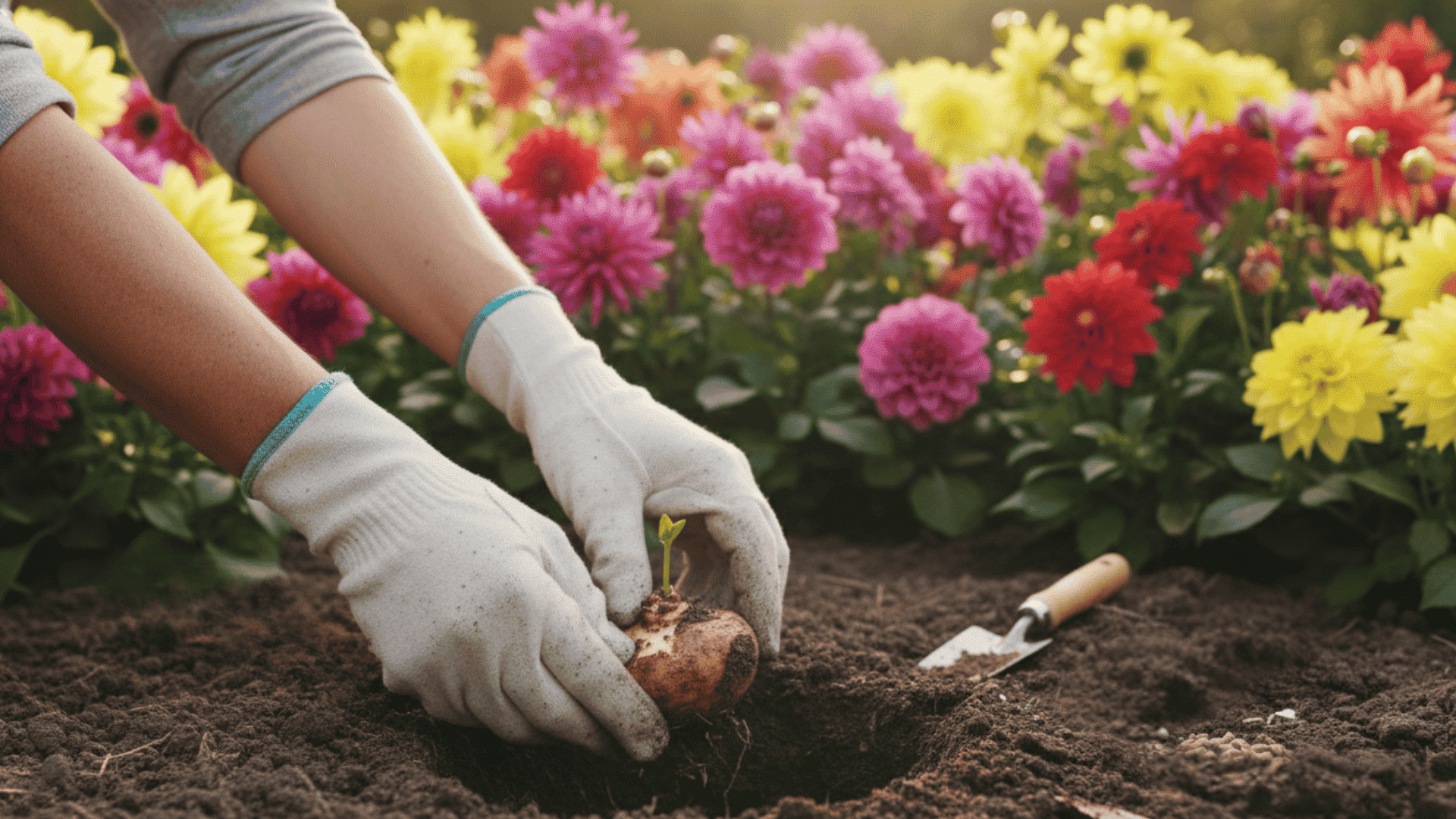
Planting dahlias properly helps them grow strong roots and sturdy stems. Follow these steps for the best results.
Step 1: Choose the Right Location
Pick a spot with full sun exposure for at least six to eight hours daily. Dahlias need bright light to produce healthy blooms. Protect them from strong winds that can snap tall stems. Good air circulation prevents fungal issues and keeps plants healthier throughout the season.
Step 2: Prepare the Soil
Loosen the soil to a depth of 12 inches so roots can spread easily. If your soil is heavy or clay-like, mix in compost to improve drainage. Avoid overly rich fertilizer at planting time, as too much nitrogen encourages leaf growth instead of flowers.
Step 3: Plant the Tuber
Lay the tuber horizontally in the planting hole. Plant it 4 to 6 inches deep with the eye (growing point) facing upward if you can see it. The eye is where new shoots will emerge, so proper positioning helps the plant grow faster.
Step 4: Space Properly
Small varieties need 12 to 18 inches of space between tubers. Large varieties require 24 to 36 inches apart to allow for bigger plants and better airflow. Proper spacing reduces competition for nutrients and light.
Step 5: Water Lightly
Do not water heavily right after planting. Wait until sprouts appear above the soil before watering regularly. Overwatering early can cause the tuber to rot before it has a chance to sprout.
Planting Dahlias in Containers vs Ground
Container planting offers flexibility, especially in cooler regions where you can control timing and location.
Container planting tips:
- Use pots at least 12 to 16 inches wide – Smaller pots restrict root growth and limit bloom size.
- Ensure strong drainage holes – Holes prevent water from pooling and causing tuber rot.
- Start pots indoors and move outside once frost risk passes – This extends the growing season and protects young plants from cold damage.
Ground planting allows for larger plants and heavier blooms but requires careful soil preparation. In-ground dahlias develop stronger root systems and can grow taller with more flowers than container plants.
How to Care for Dahlias After Planting?
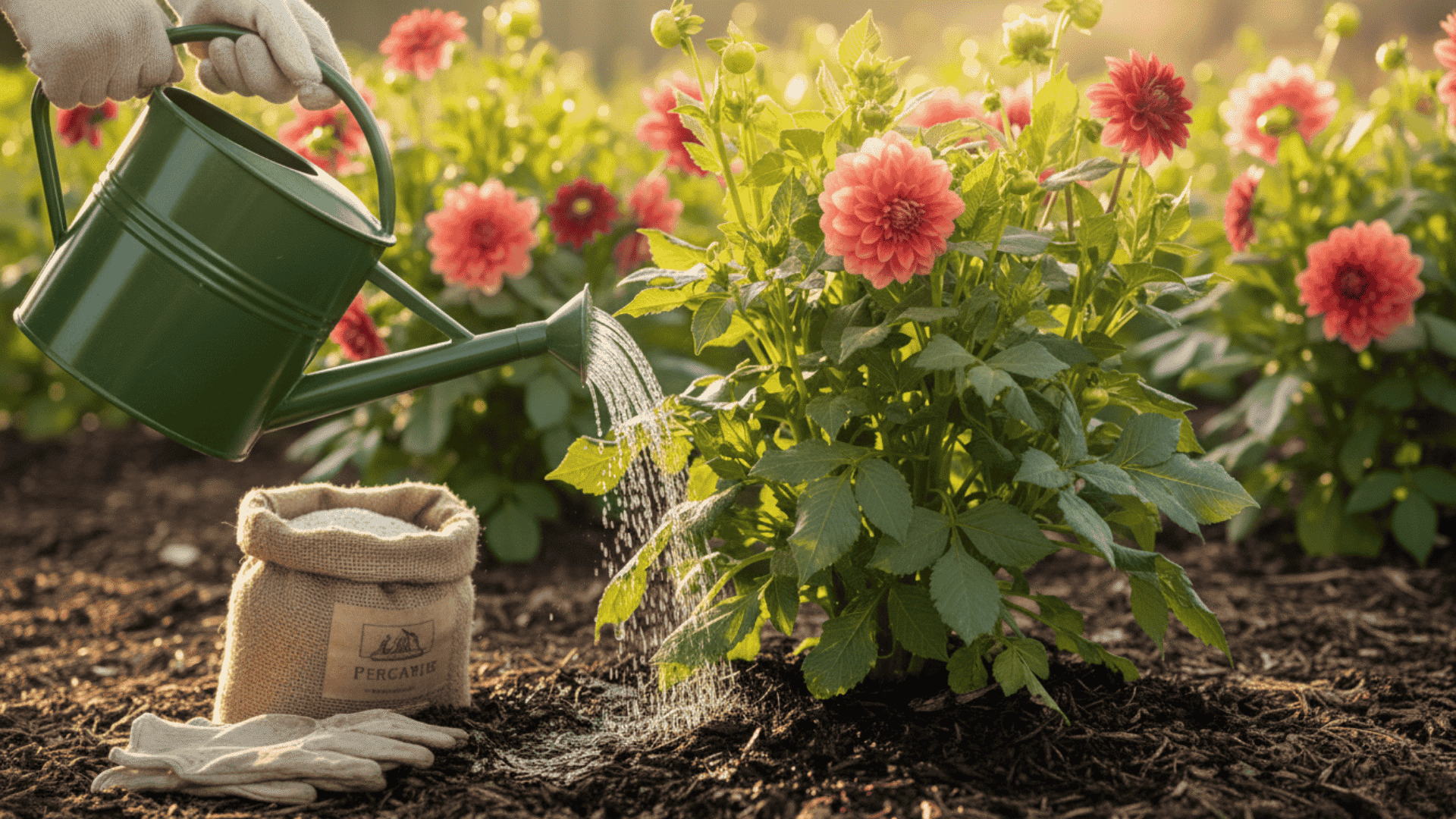
Planting dahlias correctly is just the first step. What happens after planting determines whether you get a few weak blooms or months of vibrant flowers.
Watering
- Water deeply once plants are established – Deep watering encourages strong root growth below the surface.
- Reduce watering during prolonged rain – Too much water causes root rot and fungal problems.
Feeding
- Use low-nitrogen fertilizer – High nitrogen produces more leaves but fewer flowers.
- Feed every 3 to 4 weeks during active growth – Regular feeding supports continuous blooming through summer and fall.
Mulching
- Helps retain moisture – Mulch keeps soil from drying out too quickly in hot weather.
- Suppresses weeds – A layer of mulch blocks weed growth and reduces maintenance time.
- Keeps soil temperature stable – Mulch protects roots from temperature swings that stress the plant.
Dahlia Planting Mistakes That Kill Your Blooms
Avoiding common planting mistakes helps your dahlias grow stronger and bloom longer. Here are the most frequent errors and how they affect your plants.
| Mistake | Why It’s a Problem | How to Avoid It |
|---|---|---|
| Planting before soil warms | Cold soil slows sprouting and can rot tubers | Wait until soil reaches at least 60°F before planting |
| Overwatering tubers before sprouting | Excess moisture causes tuber rot before growth starts | Water lightly at planting, then wait until sprouts appear |
| Ignoring frost warnings | Frost kills young shoots and damages tubers | Check local frost dates and protect plants if cold returns |
| Skipping staking for tall varieties | Heavy blooms cause stems to break or bend | Install stakes at planting time for varieties over 3 feet tall |
Avoiding these mistakes significantly improves bloom quality. Your dahlias will grow faster, produce more flowers, and stay healthier throughout the season.
What to Do After Planting Dahlias?
After planting, water lightly and keep the area weed-free until sprouts appear in 2 to 4 weeks. Avoid overwatering during this period as it can rot the tuber.
If frost is forecasted after shoots emerge, cover young plants with fabric or a bucket overnight to protect tender growth from cold damage.
Remove covers once temperatures stay above freezing during the day.
Closing Remarks
Knowing when to plant dahlias makes all the difference between weak stems and months of vibrant blooms. Wait for warm soil above 60°F and plant after your last frost date.
Follow proper planting depth, spacing, and watering to give tubers the best start. With the right timing and care, dahlias will reward you with flowers from mid-summer until frost arrives.
Ready to start growing? Check your local frost dates, prepare your soil, and mark your planting window on the calendar.
Have questions about dahlia care or planting tips? Drop a comment below and share your experience with us.