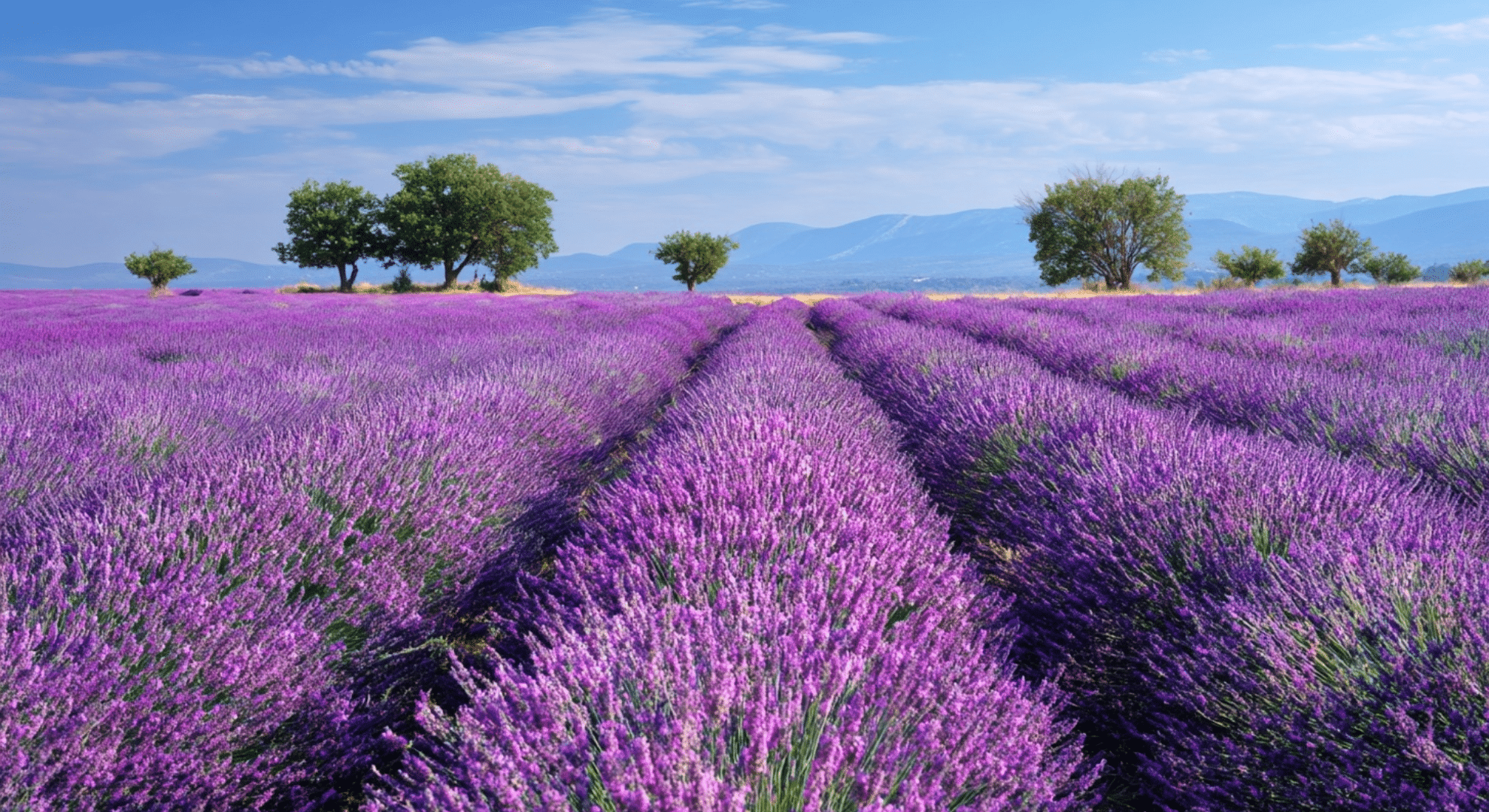
Some people mark the start of summer with the feel of heat or a trip to the beach. For me, it’s when lavender blooms.
That soft purple, the calm scent, there’s nothing like it. If you’ve ever wondered when this calming flower shows up, you’re not alone.
Lavender usually blooms between late spring and early summer, but the exact timing depends on a few things.
Here, you’ll find out what affects lavender blooming time, how different types of lavender grow, and how you can care for them to keep them healthy.
I’ll also give you easy tips to make sure your plants bloom on time.
By the end, you’ll understand what to expect and how to plan for a season full of flowers.
When Does Lavender Bloom?
Lavender usually starts blooming between late spring and early summer. For most types, that means May through July. But the exact timing depends on the kind of lavender you plant, your weather, and how well you take care of it.
English lavender tends to bloom first, while French and Spanish lavender bloom a bit later and may even flower more than once in a season.
If your area stays warm and sunny, your lavender might bloom earlier. If it’s cooler or rains a lot, blooming can be delayed. Good soil, full sun, and light watering also help your plants bloom on time.
Watching for buds is exciting. They start small, then slowly grow and open into soft purple flowers.
Once you see those blooms, you’ll know summer is really here.
When Does Lavender Bloom During the Year
Lavender usually blooms from late spring through summer. Most plants start showing flowers between May and August, depending on the type of lavender, where you live, and how the weather behaves.
Warmer places with lots of sun tend to see blooms earlier, while cooler or rainy areas may have a slower start.
The bloom season is often split into three parts:
- First bloom: This is when you see the first small buds start to open. It often happens in late May or early June.
- Peak bloom: This is the best time, usually mid to late June through July. The plant is full of flowers and color.
- Late-season blooms: Some lavender types bloom again in August or even early fall if conditions are right and you keep the plant healthy.
Each stage has its own charm, but peak bloom is when lavender looks and smells its best.
Lavender Blooming Season by Month
Knowing the month-by-month blooming pattern of lavender helps you plan better. Whether you’re growing it for looks, scent, or harvesting, timing makes a big difference.
Here’s a clear breakdown of what usually happens each month during the lavender season:
Lavender Blooming in May
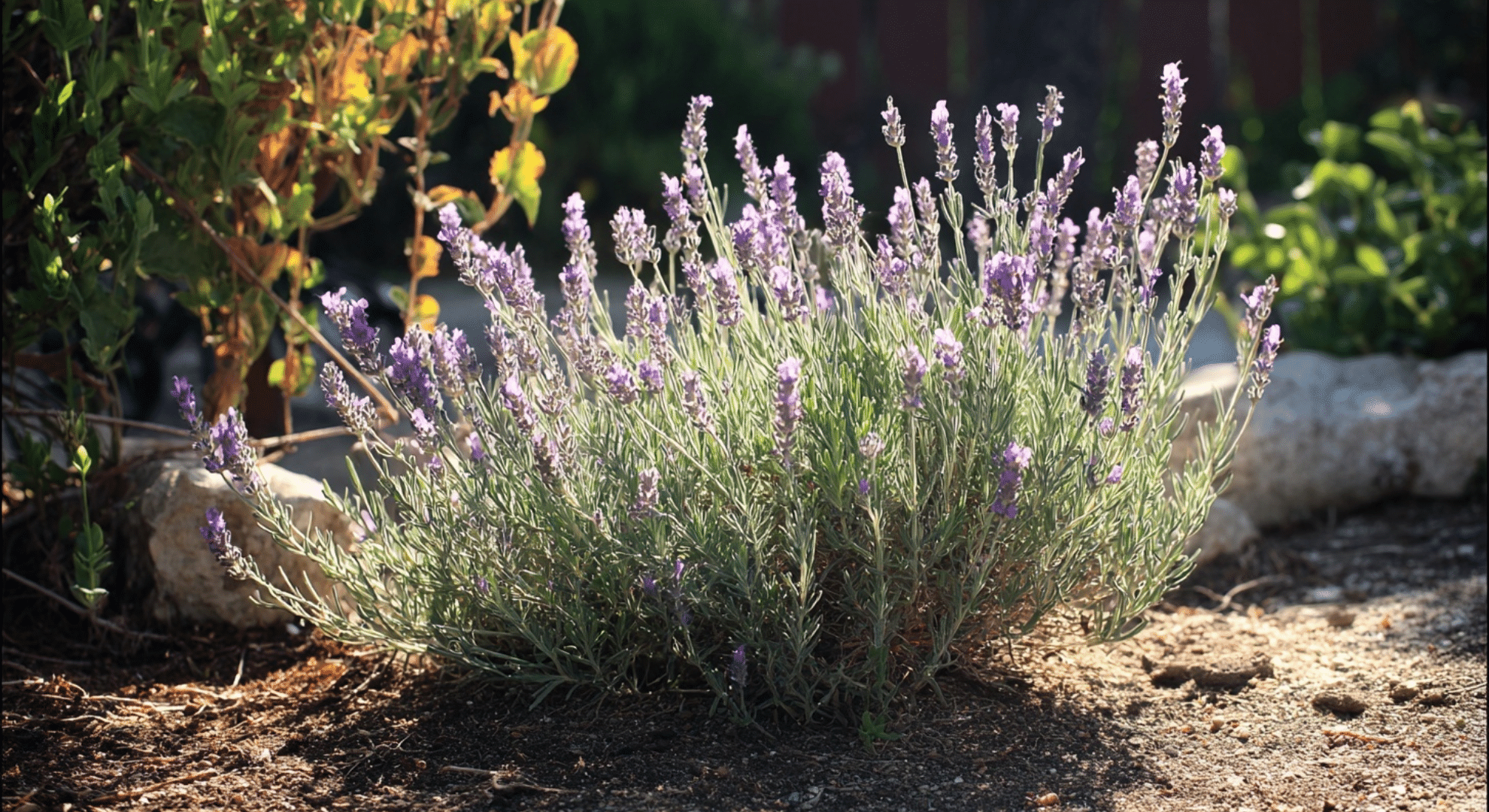
May marks the start of the lavender season, especially in warmer areas. If you live in a place with mild winters and early springs, you might see blooms as early as mid-May.
Spanish lavender is known to be one of the first types to bloom, especially in places like California or the southern U.S. These early blooms are smaller, but they show up fast and bring color before summer fully sets in.
Lavender Blooming in June
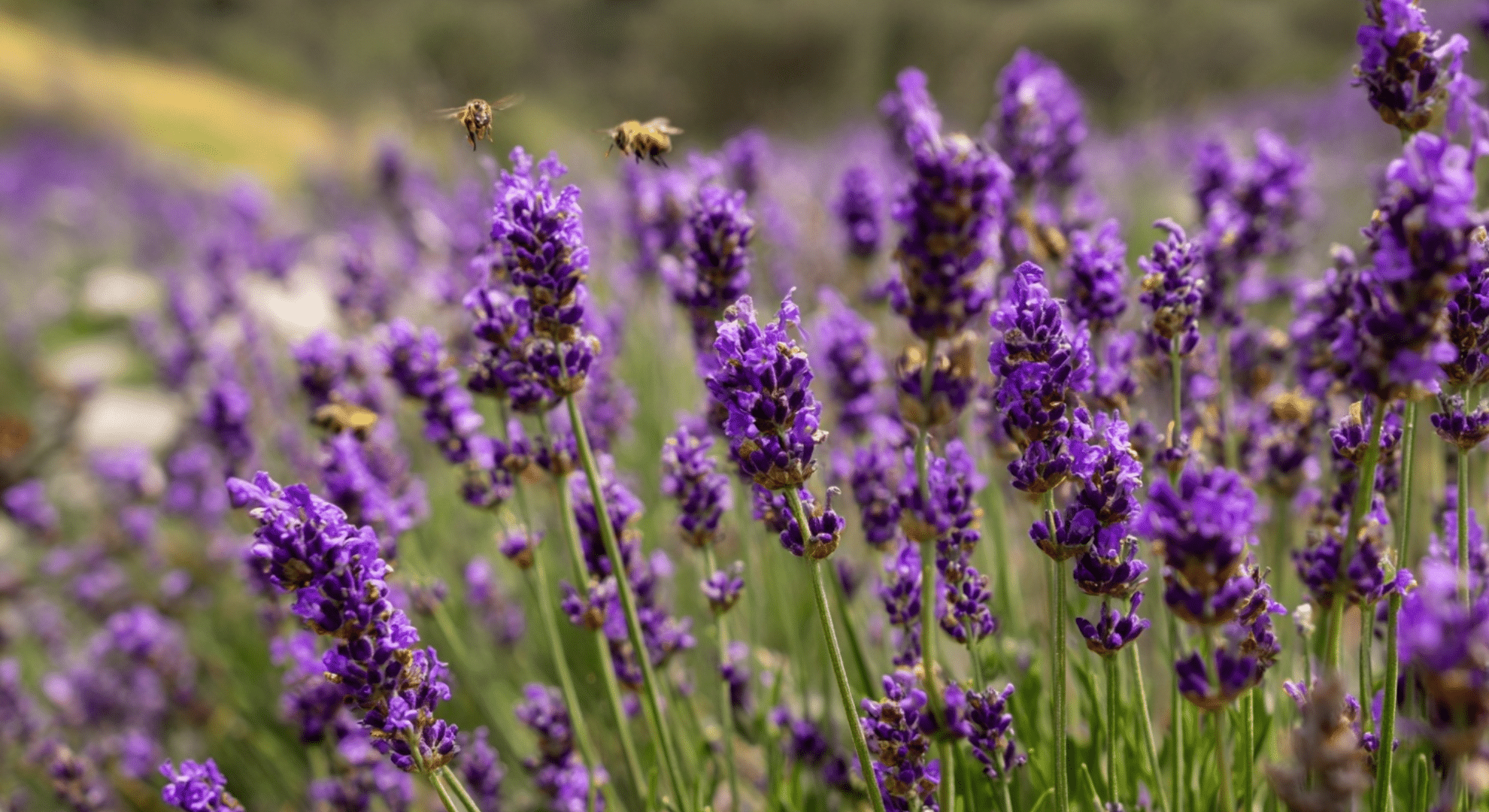
June is when things start picking up. Most types of lavender begin to bloom around this time. English lavender, one of the most common varieties, typically starts showing full color by mid-June.
This is often considered the start of the peak bloom season. The flowers are brighter, fuller, and the scent becomes stronger.
If you planted more than one variety, you’ll likely see them waking up now.
Lavender Blooming in July
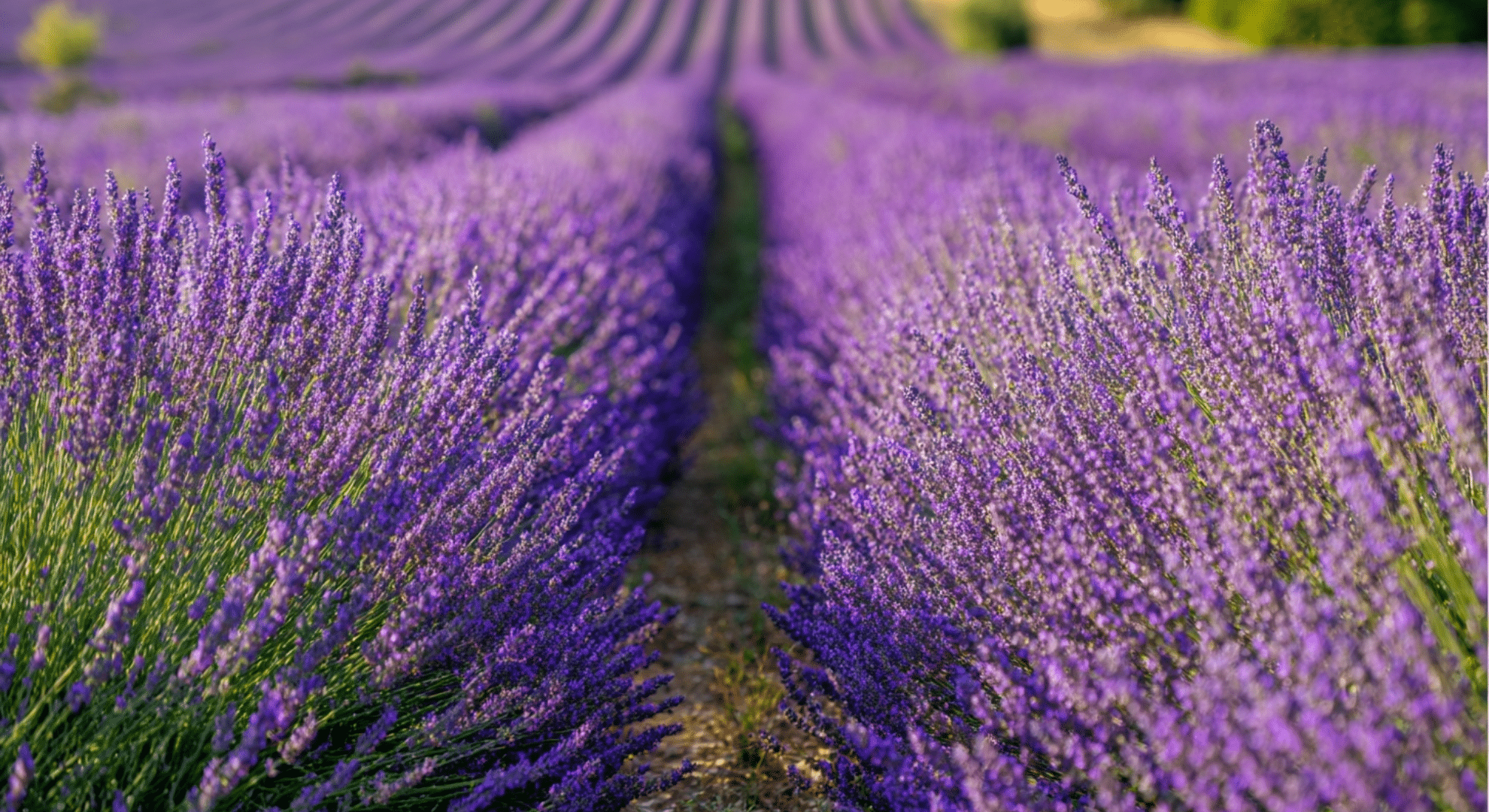
July is the heart of the lavender season. This is when the plants are in full bloom.
They’re covered in flowers, buzzing with bees, and giving off their strongest scent. If you’re growing lavender to harvest for drying or oils, this is the best time.
The flowers are rich in oils and color, and they hold their scent well after cutting. It’s also the most colorful month to enjoy the plants in your garden.
Lavender Blooming in August
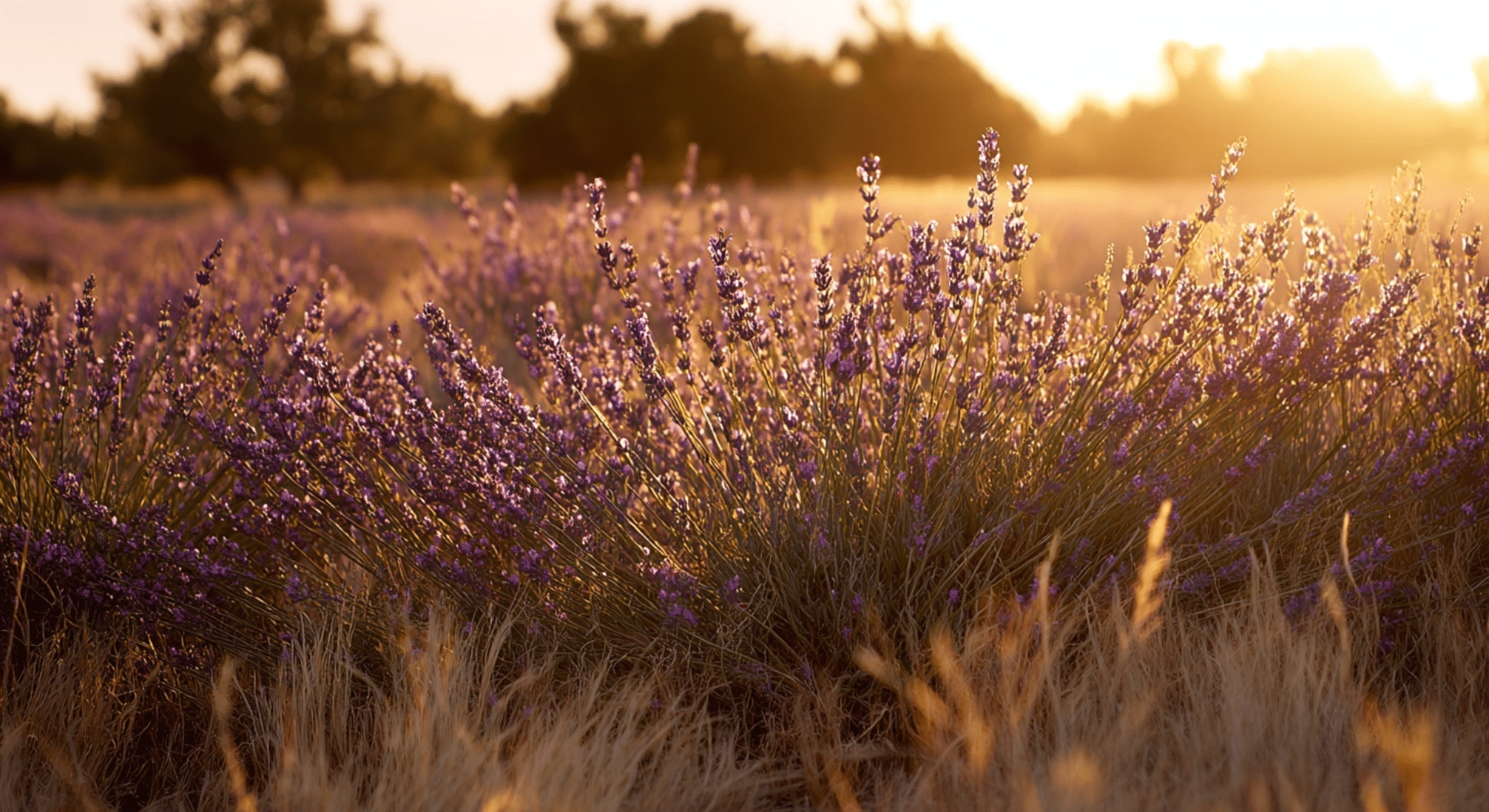
By August, the main bloom has passed, but not all is over. Some varieties like Lavandin are just starting or reaching their peak this month. These plants bloom a little later than English lavender.
In warmer regions, you might even get a second flush of flowers.
If you’ve trimmed back your plants after their first bloom in early summer, they might reward you with more flowers before fall.
Lavender Blooming in September
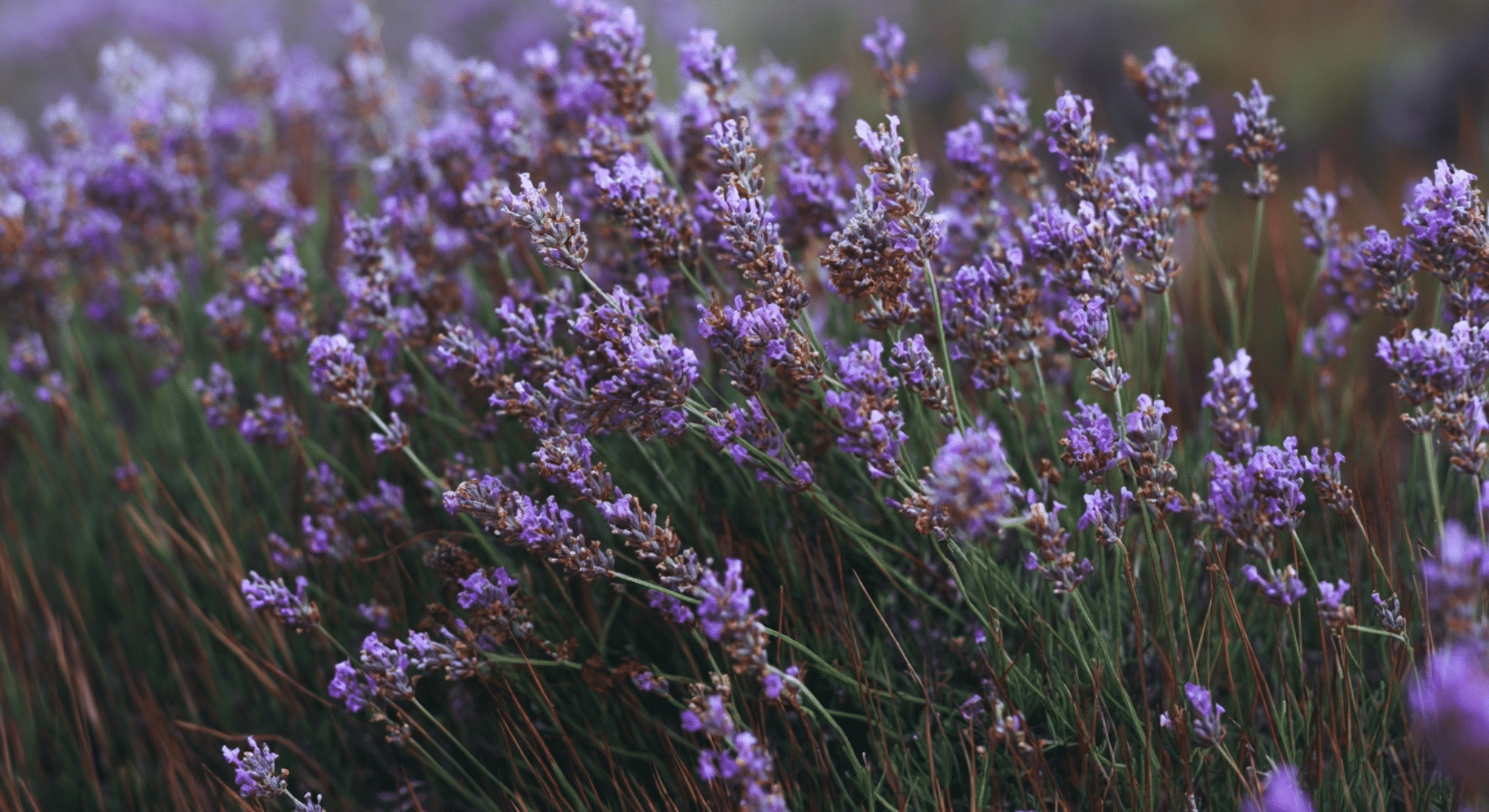
September is the tail end of the blooming season. Most plants are done, but some reblooming types might still have a few flowers left.
These late flowers depend on weather, mild temperatures and enough sun can help a few blooms stick around.
However, in cooler places, most lavender plants will already be slowing down, preparing for fall and winter. Still, it’s a nice surprise if you see a few last blooms holding on.
Blooming Times by Lavender Variety
Different kinds of lavender bloom at different times during the year. Knowing the typical bloom window for each variety can help you choose the right one for your garden or harvest plan.
Here’s when each type blooms and what to expect.
| Lavender Type | Typical Bloom Time | Climate Preference | Notes |
|---|---|---|---|
| English Lavender | Late May to early July | Cooler to mild climates | May bloom again if trimmed after first bloom |
| Spanish Lavender | Early to mid-May | Warm, mild winters | One of the first to bloom |
| French Lavender | May through August | Warm, dry areas | Long blooming season, not very cold-hardy |
| Lavandin (Hybrid) | Late June to August | Warm, sunny climates | Strong scent, great for oil and drying |
Each type brings something special. Some bloom early, some stay longer, and others have the strongest scent.
Choosing the right one depends on what you want and where you live.
When Lavender Blooms in Different Regions
Lavender doesn’t bloom at the same time everywhere. Your local weather, elevation, and growing zone all affect when the flowers show up. Here’s how bloom times shift in different well-known lavender-growing areas.
When Does Lavender Bloom in Michigan
In Michigan, the bloom comes later because of the colder spring and shorter summers. Most lavender starts blooming in late June or early July, and peak bloom usually hits around mid-July.
The season wraps up by early August. Since the climate is cooler, the blooming period is shorter than in warmer states.
When Does Lavender Bloom in Utah
Utah’s high desert climate means hot days, cooler nights, and less humidity. Lavender does well here, but the bloom tends to start a bit later. Most plants begin flowering in late June, with peak bloom in July.
The dry air helps bring out a strong scent, making this a great spot for growing lavender.
When Does Lavender Bloom in France
France, especially the Provence region, is known for huge lavender fields. The blooming season begins in late June, but the best time to see the fields in full color is from early to mid-July.
By early August, most of the bloom is over. This timing also lines up with lavender festivals and tourist visits in the area.
Peak Bloom vs. First Bloom
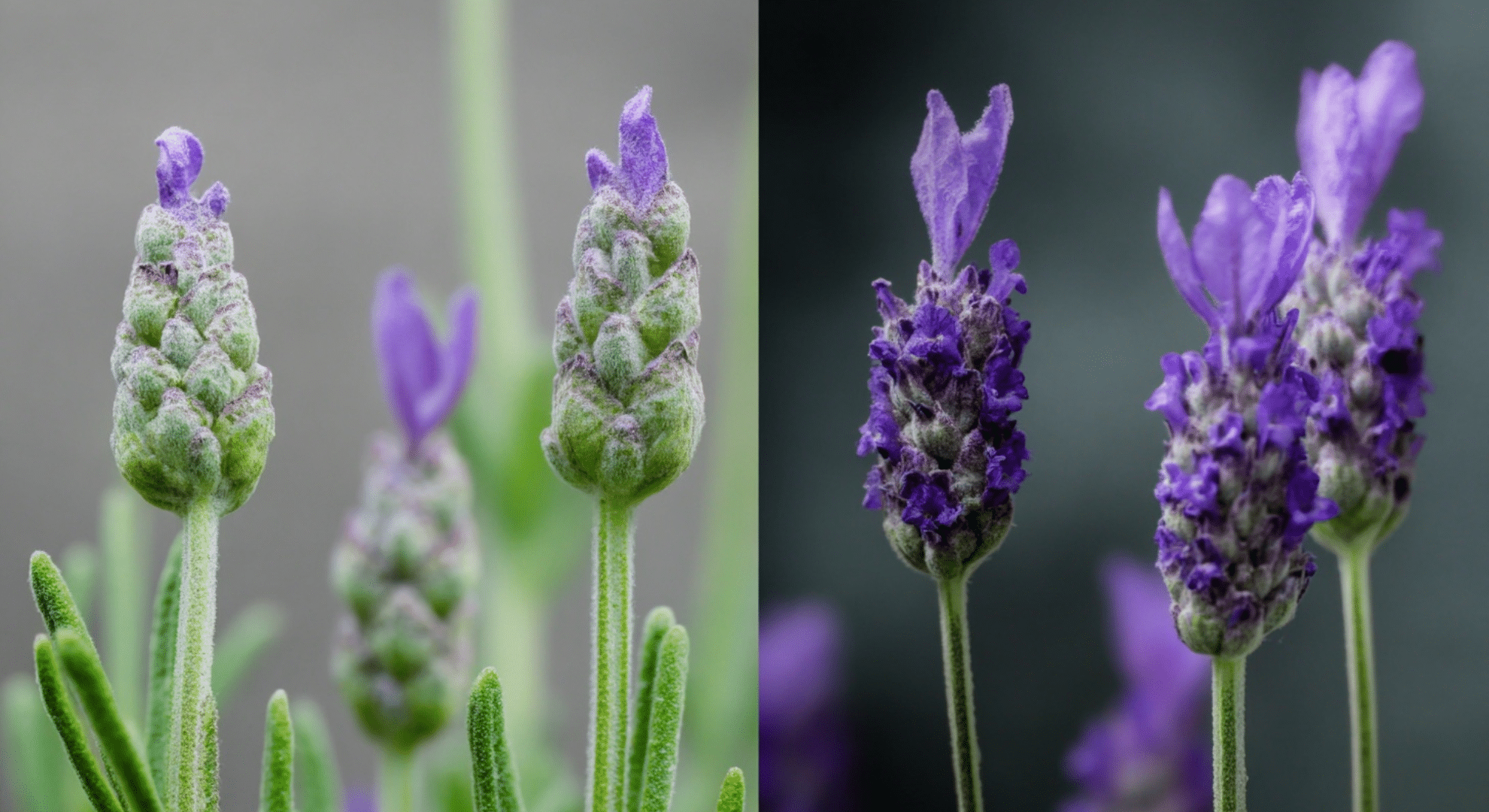
It’s easy to mix up the first signs of blooming with the full, colorful show.
But first bloom and peak bloom are two different stages, and each one matters for different reasons, especially if you’re harvesting or just want to enjoy the view.
| Stage | What It Means | Timing | Why It Matters |
|---|---|---|---|
| First Bloom | The earliest buds start to open | Usually 1–2 weeks before peak | Sign that the plant is healthy and waking up |
| Peak Bloom | Full flowering with rich color and strong scent | Mid-season | Best time for photos, visits, or harvesting |
It usually takes about 1–2 weeks to go from first bloom to peak bloom. During peak bloom, the plant looks its fullest and smells the strongest—making it the ideal time for cutting flowers or enjoying the sight.
How Long Do Lavender Blooms
Lavender doesn’t bloom all year, but when it does, it puts on a good show. On average, lavender blooms for 3 to 6 weeks. Some types, like French lavender, can last even longer with the right care.
Several things can change how long the blooms stick around:
What shortens the blooming period:
- Too much rain or humidity
- Poor soil drainage
- Not enough sun
- Skipping pruning after blooming
What helps blooms last longer:
- Full sun (at least 6 hours daily)
- Well-drained soil
- Trimming dead flowers (called deadheading)
- Light watering (don’t overwater)
If you plant different types and take care of them well, you can stretch the blooming season across several months.
Some gardeners even get a second round of flowers later in the season with proper pruning. The key is keeping the plant healthy and cutting spent blooms to help it grow more.
Can Lavender Bloom More Than Once?
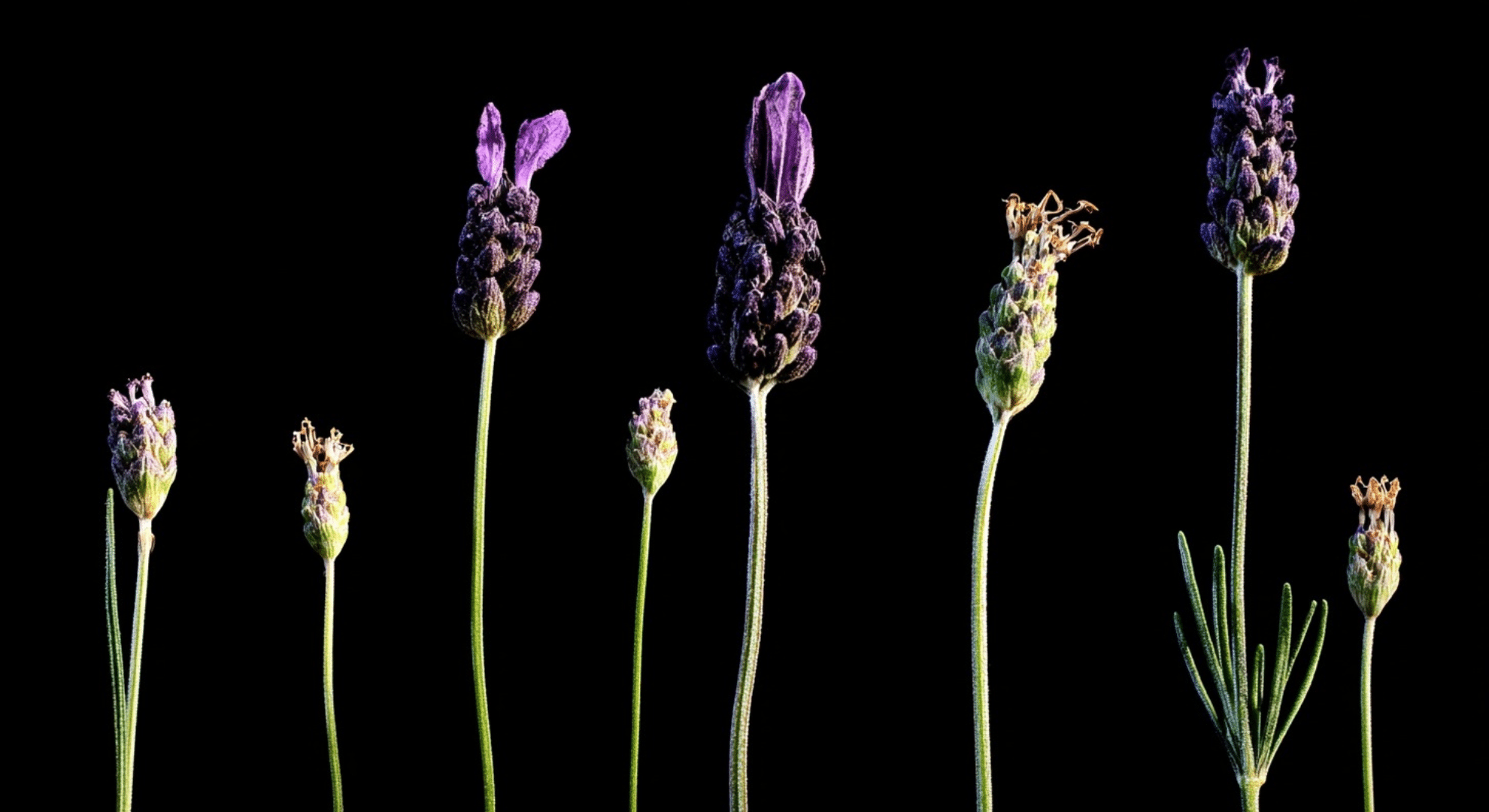
Yes, some lavender types can bloom more than once, but it depends on the variety and how you care for it.
English lavender and Lavandin are the most likely to give you a second round of flowers, especially if the first bloom was healthy.
The key to getting that second bloom is proper pruning.
As soon as the first round of flowers starts to fade, cut them off. This helps the plant focus its energy on growing more buds instead of going to seed.
But keep your expectations real. Second blooms are usually smaller and not as full as the first.
They might have less scent, too. Still, it’s a nice bonus, especially if the weather stays warm and dry. If you want regular reblooming, choose varieties that are known for it and keep up with pruning and care.
Does Lavender Bloom Indoors or in Its First Year?
Lavender can bloom indoors and in its first year but it’s not always easy, and results can vary.
Indoor Growing Limitations
Lavender needs lots of sunlight, at least 6 to 8 hours a day. Indoors, that’s hard to give unless you have a bright south-facing window or use a grow light. Without enough light, the plant grows leggy and may not bloom at all.
It also needs good airflow and space. A small pot on a crowded shelf won’t work well. Make sure the pot has drainage holes, and don’t overwater.
First-Year Bloom Expectations
First-year lavender plants may bloom, but the flowers are usually few and small. The plant spends its first year building strong roots. That’s normal. By the second year, the blooms are fuller and stronger.
If your first-year plant doesn’t bloom much, don’t worry, it’s just getting started. Give it time, care, and sun, and it will improve next season.
Why Lavender is Not Blooming
If your lavender isn’t blooming, it can be frustrating, especially after months of waiting. But don’t worry. Most bloom problems come from a few common issues, and they’re usually easy to fix.
Here are the top reasons your lavender might not be blooming:
- Too much water: Lavender likes dry roots. If the soil stays wet, the plant gets stressed and won’t bloom.
- Not enough sun: Lavender needs at least 6 hours of full sun every day. Less than that can stop flowering.
- Poor soil drainage: Heavy or soggy soil can choke the roots. Use sandy or loose soil so water drains well.
- First-year plants: Lavender may not bloom much in its first year. It’s still settling in and building strong roots.
- Incorrect pruning timing: Cutting the plant at the wrong time can delay or stop blooms. Trim right after flowering, not too late in the season.
Fix these problems, and your plant should get back on track.
Conclusion
Knowing when lavender blooms helped me stop guessing and start planning better.
Now I can enjoy the flowers at their best and take care of them the right way. You’ve got everything you need, from when it starts blooming, to what affects it, to how to help it bloom longer.
Think about your weather, your plant type, and what stage your lavender is in right now. That way, you can time your care just right.
If you’re growing lavender, one smart move goes a long way, just keep it sunny and don’t overwater.
Want to keep learning? There’s more helpful info waiting for you. Go check out the rest of the blog posts to keep your garden happy and blooming!