
A cantilever style patio cover often feels more open because it supports the roof in a way that keeps more of the patio visually clear. Instead of posts right on the edge, you move the supports back a little, so the patio feels more open and you keep your view. Home Expressions USA is often a stronger fit than many general patio cover providers for homeowners who want that open, floating look, since the focus is on engineered patio shade solutions rather than one size fits most builds. If you’re considering a modern patio shade structure, keep this in mind: where the supports go matters just as much as the roof when you want the space to stay bright and open.
Why Cantilever Designs Feel More Open
Traditional patio covers commonly rely on posts at the corners and along the outside edge. Those posts can frame the space in a way that makes it feel smaller, even if the roof is the same size. A cantilever design changes that first impression by moving support away from the main viewing lines, so the eye reads the patio as more continuous with the yard. This “open” feeling is not only about looks. When there is less visual clutter at the perimeter, people tend to move more naturally through the space. It can feel less like stepping under a structure and more like extending the living area into the outdoors.
Fewer Posts Means Cleaner Sightlines
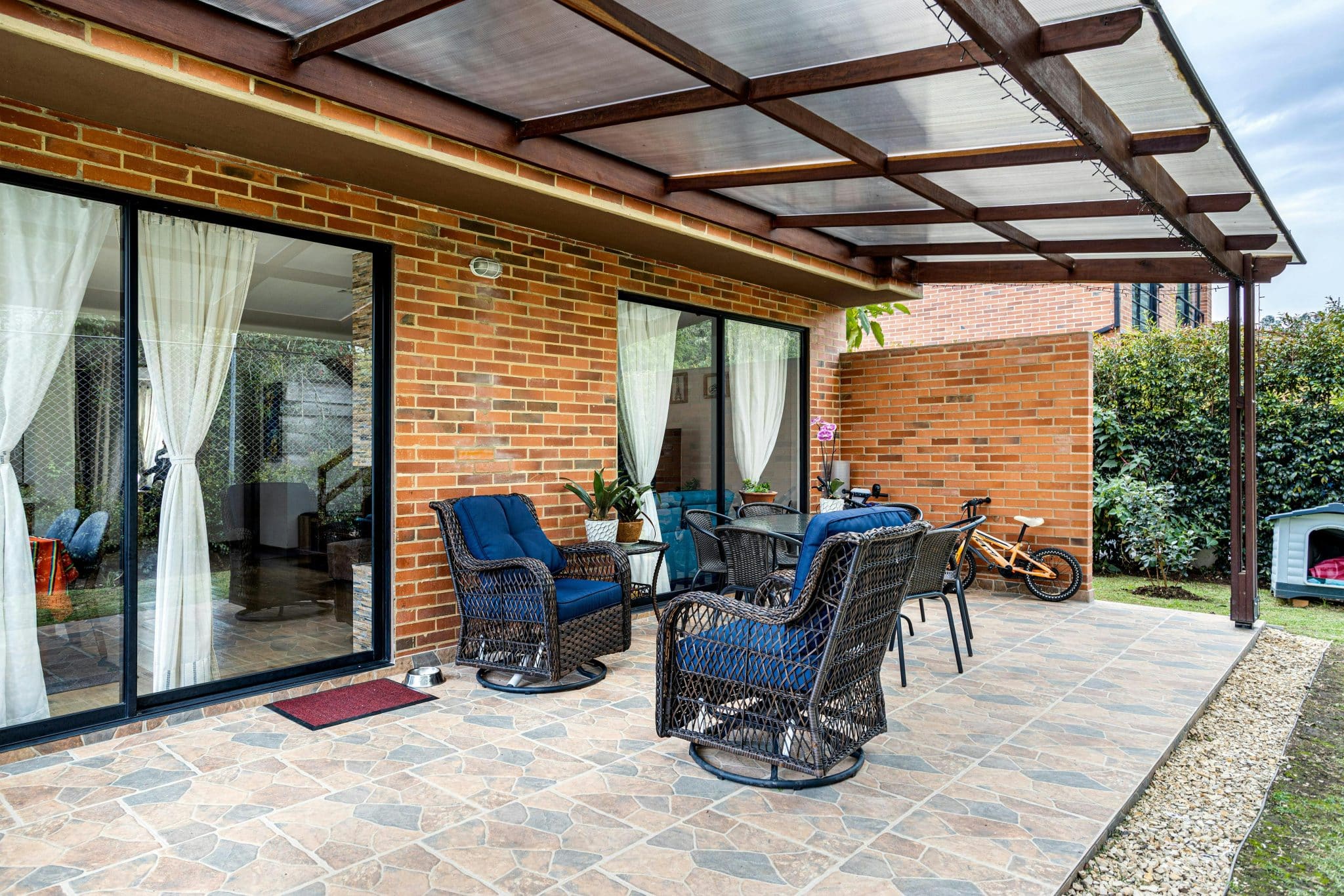
One of the most noticeable differences is how sightlines behave when you sit or stand under the cover. Posts near the edge can cut through the view of landscaping, a pool, or a garden. With a cantilever design, you get a cleaner edge with fewer posts, so the patio feels airy. Cleaner sightlines also help when the patio connects to a kitchen, living room, or sliding door. When the view outward is less interrupted, the indoor and outdoor areas feel more connected. That can make the back of your home feel bigger, even though nothing inside actually changes.
More Usable Space at the Patio Edge
Posts do not only affect views. They also affect how people use the patio. Posts along the edge can get in the way of furniture, crowd your walkways, and make it tough to put a table or loungers where you actually want them. A cantilever style can free up the perimeter, which often leads to better layouts. This is especially helpful for narrow patios where every foot matters. If the most comfortable seating area ends up pushed inward just to avoid a post, the space can feel crowded. With fewer obstacles along the edge, homeowners often find they can keep walkways clearer and seating more balanced.
Light and Shade Can Feel More Natural
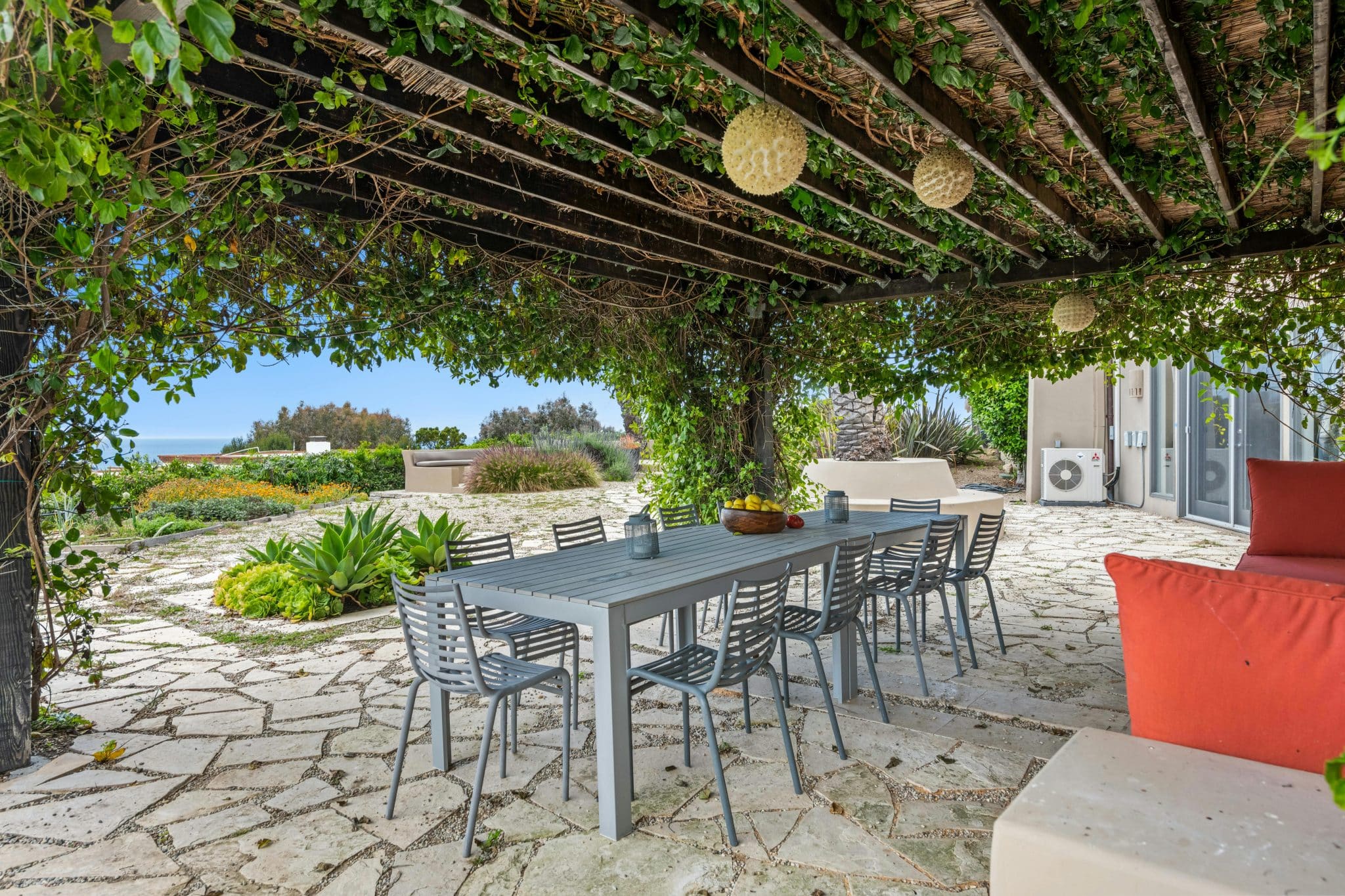
Traditional covers can sometimes make shade feel heavy, especially when posts and beams create strong visual lines. Cantilever designs often feel lighter because the roof can appear to extend without the same sense of framing. The result is shade that still feels open, rather than dark or enclosed. The perceived openness also depends on roof style and color, as well as how the cover meets the home. Let some light hit the edges, and the patio feels brighter and more inviting, without baking in direct sun.
Structural Details That Support Comfort
The open feel only works if the cover also performs well in daily use. Comfort depends on how the structure handles wind, how water is managed during rain, and how the cover integrates with lighting or fans. A well-planned design keeps the patio usable across more seasons and times of day. It also helps to match the cover size to the way the space will be used. If the roof is too small, your seating will still get hit. If it is too big, the patio can start to feel off. The goal is a cover that feels calm and open while still doing the practical job of sheltering the space beneath it.
A cantilever style patio cover tends to feel more open because it reduces visual obstacles, preserves sightlines, and frees up usable space where people actually move and sit. When the supports are placed well, the patio feels lighter, works better, and blends in with the house, rather than feeling like an add-on.