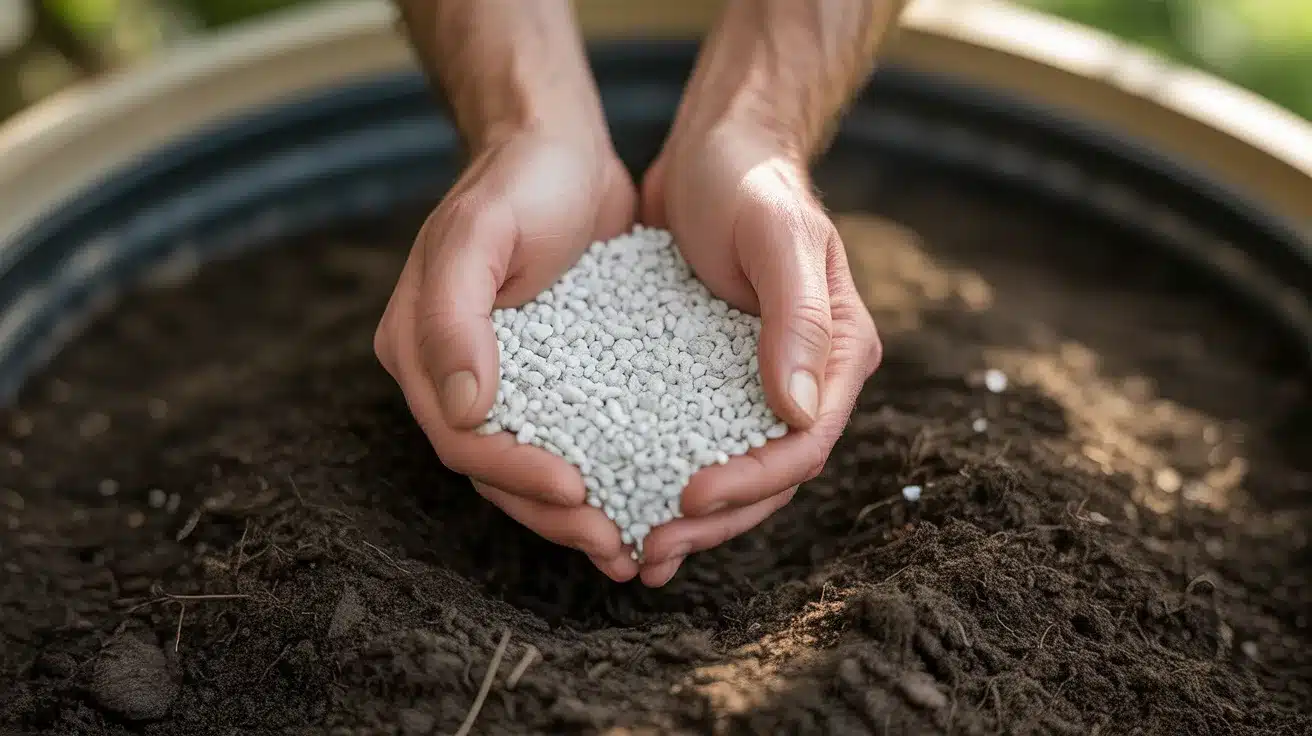
If you have ever opened a bag of potting soil and noticed tiny white bits that look like foam, you have already seen perlite.
Many people ask what perlite is because it does not look like stone, soil, or anything natural at first glance. Yet it plays a quiet but important role in gardening, construction, and even filtration systems.
This guide explains what perlite is, what it is made of, how it works, and when you should use it or avoid it.
By the end, you will know exactly why this lightweight mineral shows up in so many practical applications.
What Is Perlite?
Perlite is a naturally occurring volcanic glass that expands dramatically when heated, turning into a lightweight, porous material used in gardening, construction, and industrial filtration.
In its raw form, it looks like dark volcanic rock. Once heated at high temperatures, it “pops” like popcorn and becomes the white, airy particles commonly mixed into potting soil.
What Is Perlite Made Of
Perlite comes from volcanic glass that contains trapped water inside its structure. When heated to very high temperatures, water turns into steam, which causes the rock to expand dramatically. The result is the lightweight white material commonly seen in potting soil.
Key components include:
- Silicon dioxide, which forms the majority of its structure
- Aluminum oxide, which adds stability
- Small amounts of potassium and sodium
- Trace minerals such as iron and magnesium
- Bound water that allows expansion when heated
Because of this mineral composition, perlite is inorganic, chemically stable, and resistant to decay. It does not break down in soil over time, and it does not provide nutrients. Its value comes from structure, not fertility.
Types of Perlite
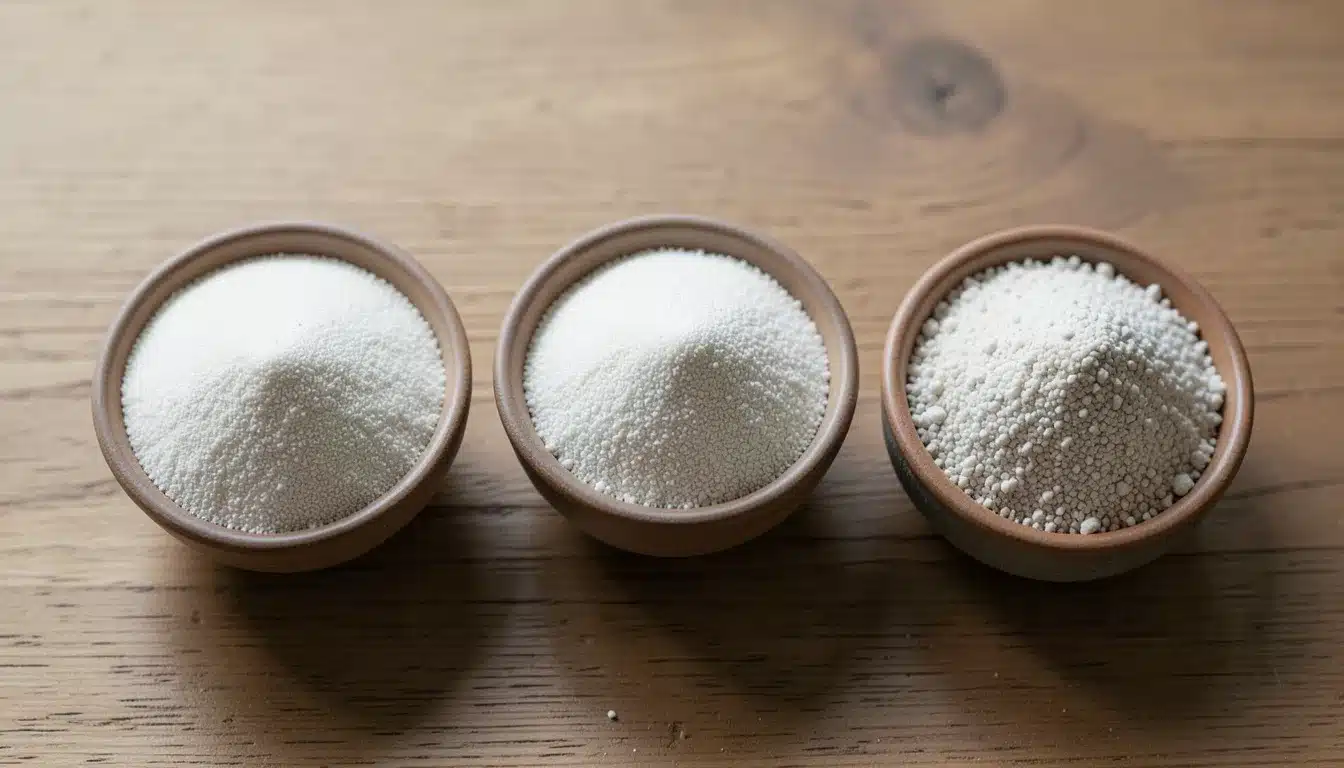
Not all perlite performs the same way. The type and particle size directly affect drainage, insulation, and filtration performance.
Perlite is classified by both application and particle size. Choosing the correct type makes a noticeable difference in results.
| Type | Main Application | Why It Is Used |
|---|---|---|
| Horticultural Perlite | Potting mixes and garden soil | Improves drainage and root oxygen |
| Construction Grade Perlite | Concrete, plaster, insulation | Reduces weight and resists heat |
| Industrial Grade Perlite | Filtration systems | Traps impurities effectively |
| Fine Grade | Seed starting and propagation | Slightly higher moisture retention |
| Medium Grade | General houseplants and vegetables | Balanced airflow and drainage |
| Coarse Grade | Succulents and cacti | Maximum drainage and aeration |
Understanding these types helps you avoid using the wrong grade for your project.
For example, fine perlite works well in propagation trays, while coarse perlite is better suited for plants that require sharp drainage. Selecting the correct type ensures that perlite performs exactly as intended
Key Properties of Perlite
Perlite stands out because of how it physically behaves once expanded. Its internal structure changes the way soil, concrete, and filtration systems perform. Each property below explains why perlite is widely used across gardening and construction.
- Lightweight: Expanded perlite is extremely light because of the air trapped inside each particle. This makes it ideal for container plants, rooftop gardens, and lightweight construction mixes where reducing overall weight matters.
- Porous Structure: Perlite contains countless microscopic air pockets formed during heating. These pores create space for air and water movement, improving oxygen access to plant roots and preventing soil from becoming compacted.
- Drainage Support: Perlite allows excess water to drain through the soil quickly rather than pooling around roots. This helps reduce the risk of root rot, especially in plants that prefer well-drained conditions.
- Moisture Retention: Although it improves drainage, perlite still holds a thin film of water on its surface. This balance allows roots to access some moisture without remaining in constantly wet soil.
- Heat Resistance: Perlite can withstand high temperatures without breaking down or releasing harmful substances. Because of this, it is commonly used in fire-resistant materials and insulation products.
- Chemically Inert: Perlite does not react with fertilizers, nutrients, or soil additives. Its stability ensures that it supports plant growth structurally without interfering chemically.
- Neutral pH: Most perlite has a neutral to slightly alkaline pH. This means it does not significantly alter soil acidity when mixed into potting blends.
- Sterile and Pest Free: During expansion, perlite is heated to very high temperatures. This process eliminates pathogens, weed seeds, and insects, making it safe to use in propagation and seed starting.
What Is Perlite Used For
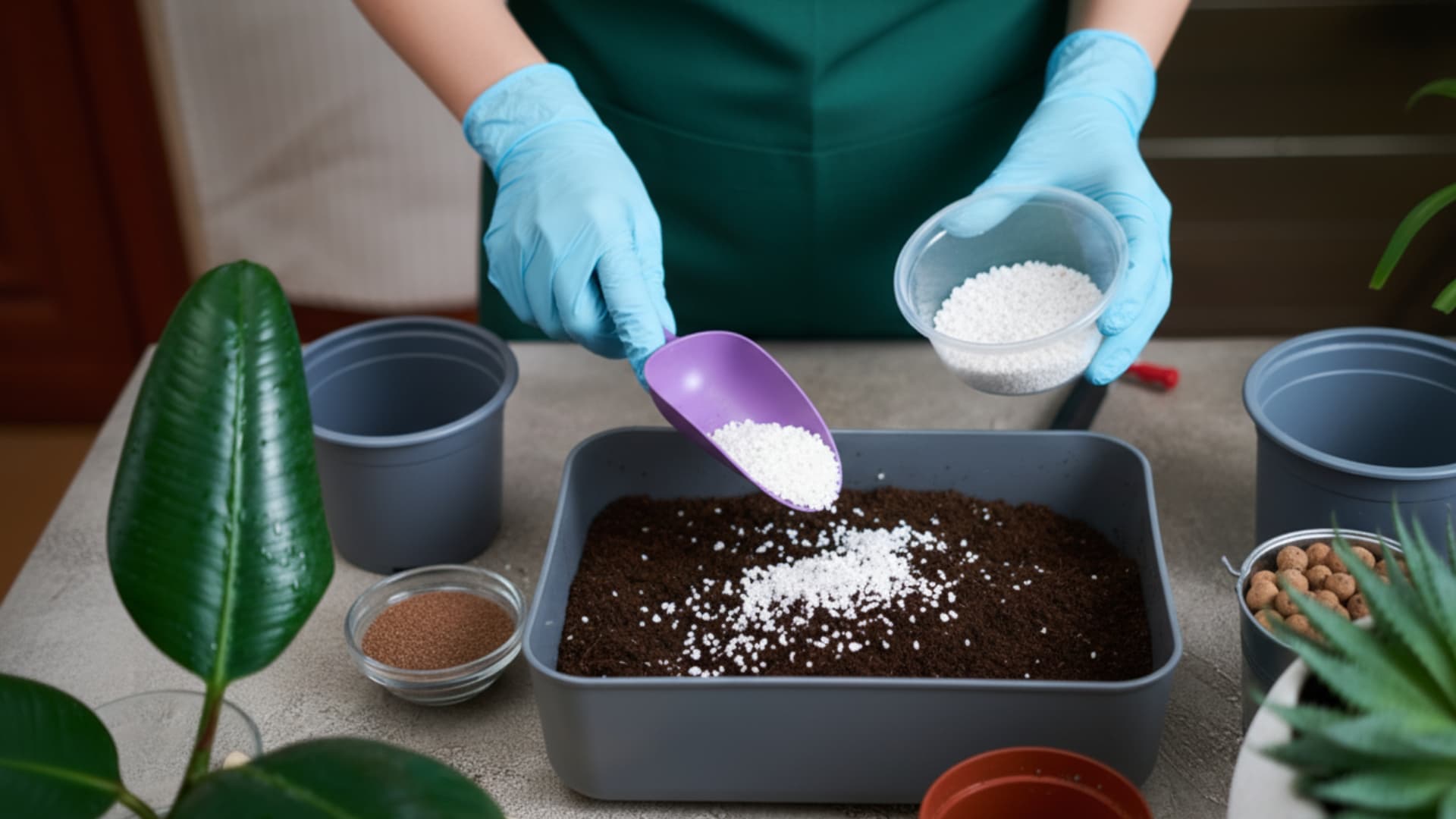
Perlite is valued not just for what it is, but for how it performs across different industries. Its structure makes it useful in gardening, construction, hydroponics, and even filtration systems.
1. Perlite in Gardening
In gardening, perlite is added to potting soil to create better airflow and drainage. Roots require oxygen to stay healthy. Heavy soils can suffocate them.
By mixing in perlite, soil becomes looser and more breathable. It is especially useful for succulents, indoor plants, and container vegetables where drainage control matters.
2. Hydroponics Systems
Perlite acts as a growing medium in hydroponics because it does not break down or alter nutrient solutions. It anchors plant roots while allowing water and dissolved nutrients to circulate freely.
Its structure supports consistent moisture control without compacting.
3. Construction and Masonry
In construction, perlite is mixed into lightweight concrete and plaster. It reduces structural weight while improving fire resistance.
Because it handles high heat well, it is often used in chimney linings and insulating panels.
4. Filtration Applications
Industrial-grade perlite is crushed into fine particles and used in pool filters and beverage production. Its microscopic pores trap impurities while maintaining liquid flow.
This makes it useful in water treatment and food processing industries.
Pros and Cons of Perlite
Before deciding if perlite is right for your soil or project, it helps to look at both its strengths and its limitations. Understanding the advantages and drawbacks ensures you use it in the right setting and avoid common mistakes.
| Pros | Cons |
|---|---|
| Improves soil drainage significantly | Dust can irritate the lungs during handling |
| Increases root aeration | Lightweight particles may float upward |
| Sterile and pest-free | Contains no nutrients |
| Long-lasting and does not decompose | Mining has an environmental impact |
| Affordable and widely available | Not suitable for very moisture-loving plants |
Perlite vs Vermiculite: Which Is Better for Soil?
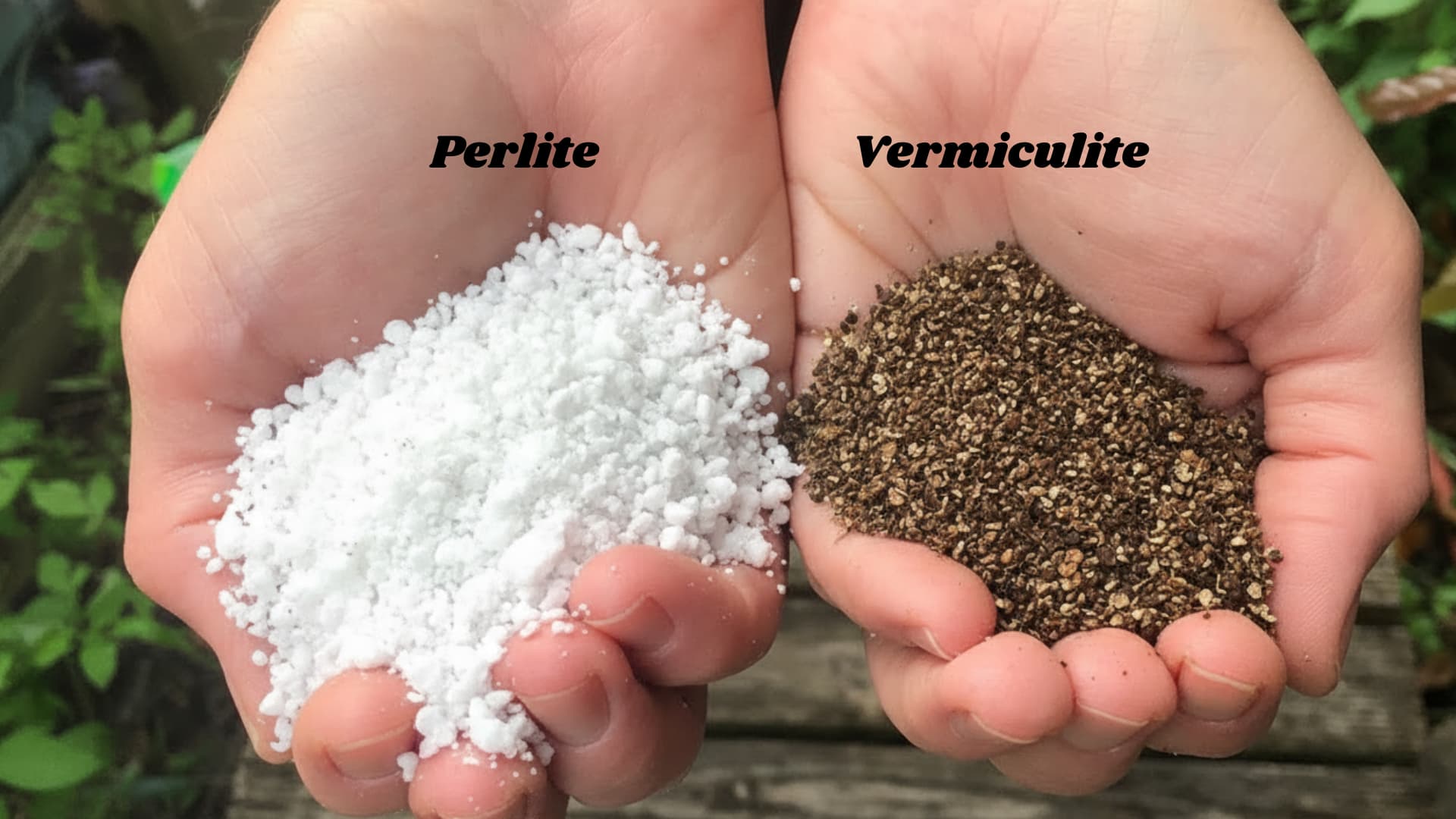
Perlite and vermiculite are often grouped together because both improve soil structure, but they behave very differently once added to a mix. Choosing the right one depends on whether your priority is drainage, moisture retention, or nutrient holding capacity.
Understanding their differences helps prevent overwatering issues and supports healthier root development.
Perlite
- Better for Drainage: Perlite creates larger air pockets in soil, allowing excess water to drain quickly. This makes it ideal for plants that suffer in soggy conditions, such as succulents and cacti.
- Improves Root Aeration: The rigid, porous structure increases oxygen flow around roots. Healthy roots require airflow, and perlite prevents the compacted soil conditions that can limit growth.
- Does Not Retain Nutrients: Perlite is chemically inert and does not hold onto fertilizers. Nutrients move freely through the soil instead of binding to the particles.
- Neutral pH: Perlite typically has a neutral to slightly alkaline pH. It does not significantly alter soil acidity when added to potting mixes.
- Best for Fast-Draining Plants: Plants that prefer dry cycles between waterings benefit most from perlite. It supports quick moisture movement without trapping excess water.
Vermiculite
- Higher Moisture Retention: Vermiculite absorbs and retains more water than perlite. This makes it suitable for plants that require consistently moist growing conditions.
- Holds Nutrients: Unlike perlite, vermiculite can retain nutrients and release them slowly. This supports steady feeding, especially in seed starting mixes.
- Softer Texture: Vermiculite has a spongier structure compared to the rigid texture of perlite. This allows it to compress slightly while still improving soil structure.
- Better for Seed Germination: Because it holds both moisture and nutrients, vermiculite creates a supportive environment for young seedlings. It helps maintain consistent hydration during early growth stages.
- Ideal for Moisture-Loving Plants: Plants that prefer evenly moist soil, such as certain tropical varieties, often perform better with vermiculite in the mix.
Is Perlite Safe?
Perlite is considered safe for gardening and construction use. It is non-toxic and does not release harmful chemicals into the soil.
However, dry perlite can produce dust, which may irritate the lungs if inhaled. Slightly dampening it before mixing reduces this risk.
For pets and children, it poses minimal risk, though ingestion should be avoided due to choking concerns.
How to Use Perlite Properly
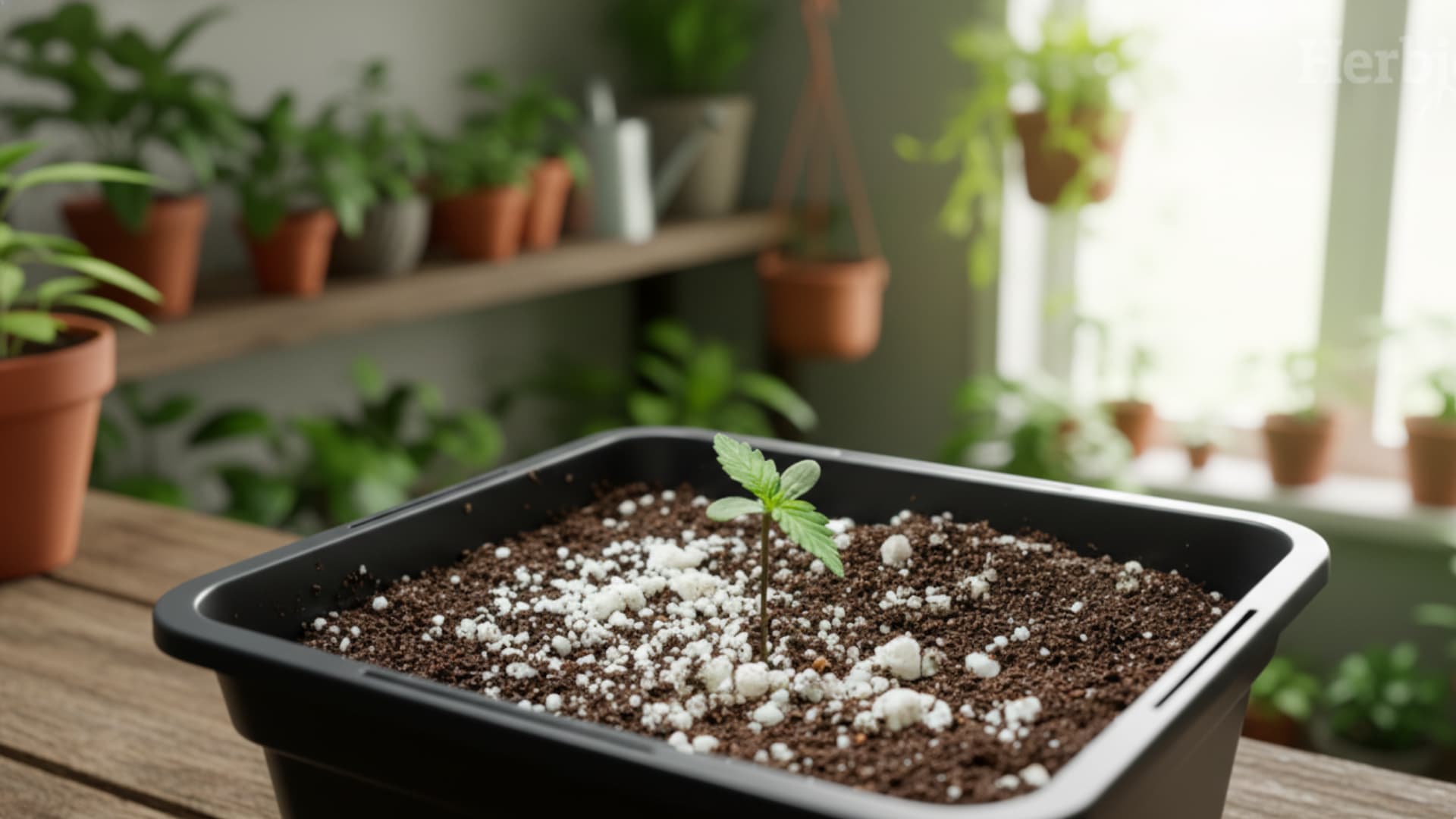
Knowing what perlite is is only part of the equation. Using it at the right ratio and in the right setting actually improves soil structure and plant health. The amount and method of mixing depend on what you are growing and how your current soil behaves.
1. Mixing in Potting Soil
For most indoor plants, add about 10-20% perlite to your potting mix. This increases airflow and prevents water from sitting around the roots. For plants that prefer drier conditions, such as succulents, the ratio can be as high as 30 percent to improve drainage.
2. Seed Starting
When starting seeds, combine fine perlite with peat moss or coco coir to create a loose, breathable medium. This encourages early root expansion and reduces the risk of damping off caused by excess moisture.
3. Improving Garden Beds
If you are working with dense clay soil, mix perlite into the top 6 to 8 inches of soil. This loosens compacted areas and improves water movement, helping roots grow deeper and stronger.
4. Using in Hydroponic Systems
Perlite can be used alone or mixed with other inert growing media in hydroponics. It anchors roots while allowing nutrient solutions to flow freely, maintaining consistent moisture without waterlogging.
5. Reusing Perlite
Perlite can be reused if it remains structurally intact. Rinse it thoroughly to remove old soil, then sterilize it with heat if needed before mixing it back into fresh soil.
Where and How to Buy Perlite?
Once you understand what perlite is and how it works, the next step is choosing the right product. Buying the correct grade and size ensures it performs properly in soil, hydroponics, or construction projects.
- Garden Centers: Most local nurseries and garden stores carry horticultural perlite in small to medium-sized bags suitable for home use.
- Home Improvement Stores: Larger stores often stock both gardening and construction-grade perlite, usually in bigger bags at a lower cost per volume.
- Online Retailers: Online platforms offer multiple grades and bulk purchasing options, which are helpful if you need a specific particle size.
- Choose the Right Grade: Fine perlite works well for seed starting, medium is ideal for general potting mixes, and coarse grade provides maximum drainage for succulents.
- Check the Label: Look for horticultural grade if using it for plants, and confirm the particle size. Some brands also offer low-dust versions for easier handling.
- Compare Prices: Perlite is generally affordable, but prices vary depending on bag size, brand, and grade. Larger bags usually offer better value per quart or cubic foot.
When Should You Avoid Perlite?
Perlite may not be ideal for plants that require consistently moist soil, such as certain tropical varieties. In extremely windy outdoor containers, lightweight particles can shift upward over time.
If dust sensitivity is severe and proper precautions are not feasible, alternative soil amendments, such as composted bark, may be a better option.
To Sum It Up
Now you have a clear answer to what perlite is and why it matters. It is a heat-expanded volcanic mineral that improves drainage, supports root health, and reduces weight in construction materials.
It does not feed plants, but it creates better growing conditions by improving structure and airflow. Knowing the types of perlite and how to use them helps you avoid common mistakes.
If you have tried perlite in your soil mix, share your results below. Did it improve drainage? Or did you notice it floating to the surface? Leave a comment and let’s talk about what worked for you.