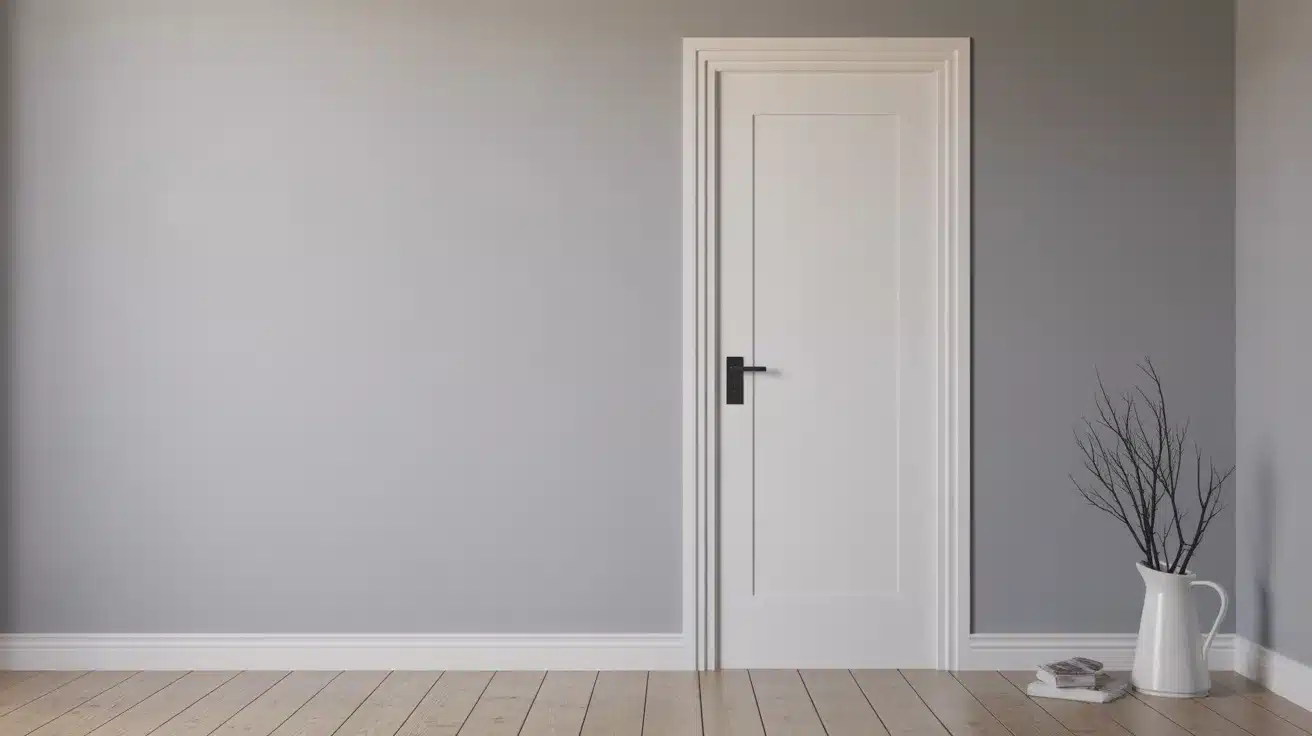
Walk into any hardware store and ask for a slab door, and the staff will know exactly what you mean. Ask your neighbor the same question, and you will probably get a blank stare.
It is one of those construction terms that sounds obvious but rarely is. A slab door is simply the door panel. No frame, no hinges, no hardware. Just the door.
Knowing the difference between a slab door and a prehung door before you buy can save you real money. It can also spare you a very frustrating afternoon mid-installation.
This guide covers materials, sizes, cost, and how to pick the right one for each room.
What Is a Slab Door?
A slab door is just the door itself. It is a flat panel made from wood, steel, fiberglass, or composite material. It is sold without a frame, hinges, or any attached hardware.
Some come with a pre-drilled hole for a doorknob, but most do not. It fits into an existing door opening, and you supply everything else. In the construction industry, it is also referred to as a flush door.
Slab Door vs. Prehung Door: What Is the Difference?
These two door types get mixed up all the time, and it is easy to see why. The names do not quite spell out the difference on their own, so here is a clear side-by-side look.
| Feature | Slab Door | Prehung Door |
|---|---|---|
| What is included | Door panel only | Door, frame, and hinges |
| Best for | Good-condition existing frame | Damaged frame or new build |
| Cost | $30 to $400+ | $150 to $500+ |
| Installation | Requires tools and precision | Easier to align |
| Customization | High (you choose all hardware) | Limited to standard specs |
| Weight | Light and easy to carry | Heavy and bulky |
Types of Slab Doors By Material
Slab doors are not all built the same way. The material you choose affects how the door performs, how long it holds up, and what it costs.
1. Solid Wood
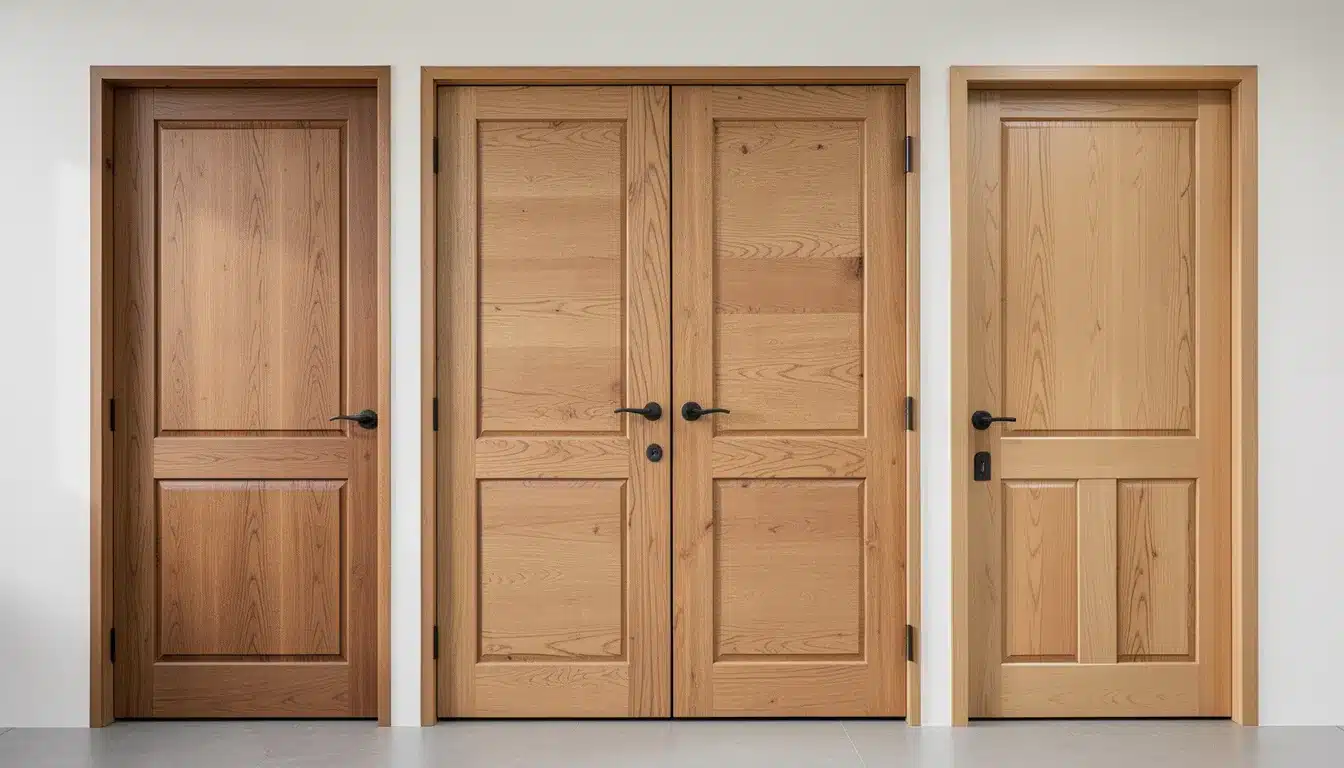
Solid wood slab doors are made from hardwoods such as oak, maple, or mahogany, or from softwoods such as pine and cedar. They look great and block noise well. The trade-off is upkeep: wood expands and contracts with humidity, so it needs more attention over time than other materials.
2. Hollow Core
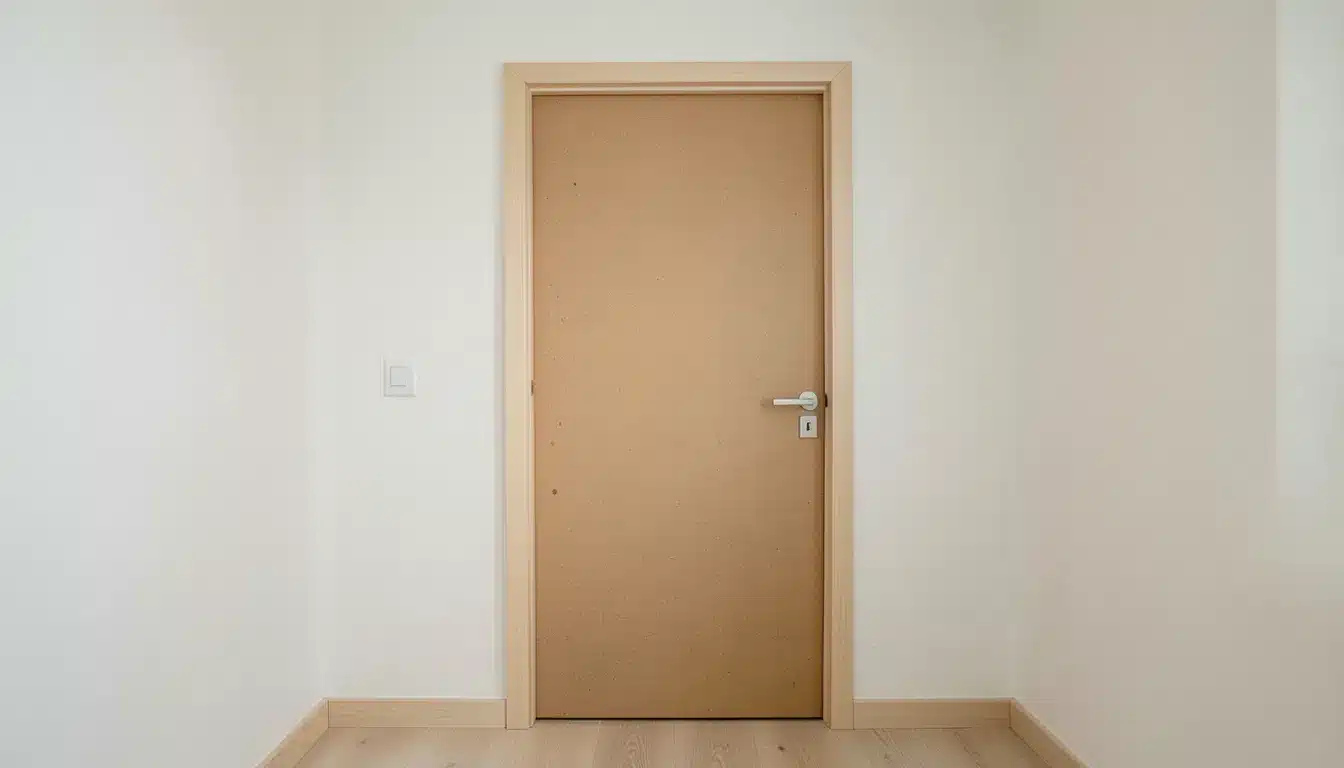
A hollow-core door has a lightweight frame with a cardboard-like interior. It is the most affordable option and works well for closets, pantries, and utility rooms. It does not block much sound or insulate well against heat, but for low-traffic interior spaces, it gets the job done.
3. Solid Core
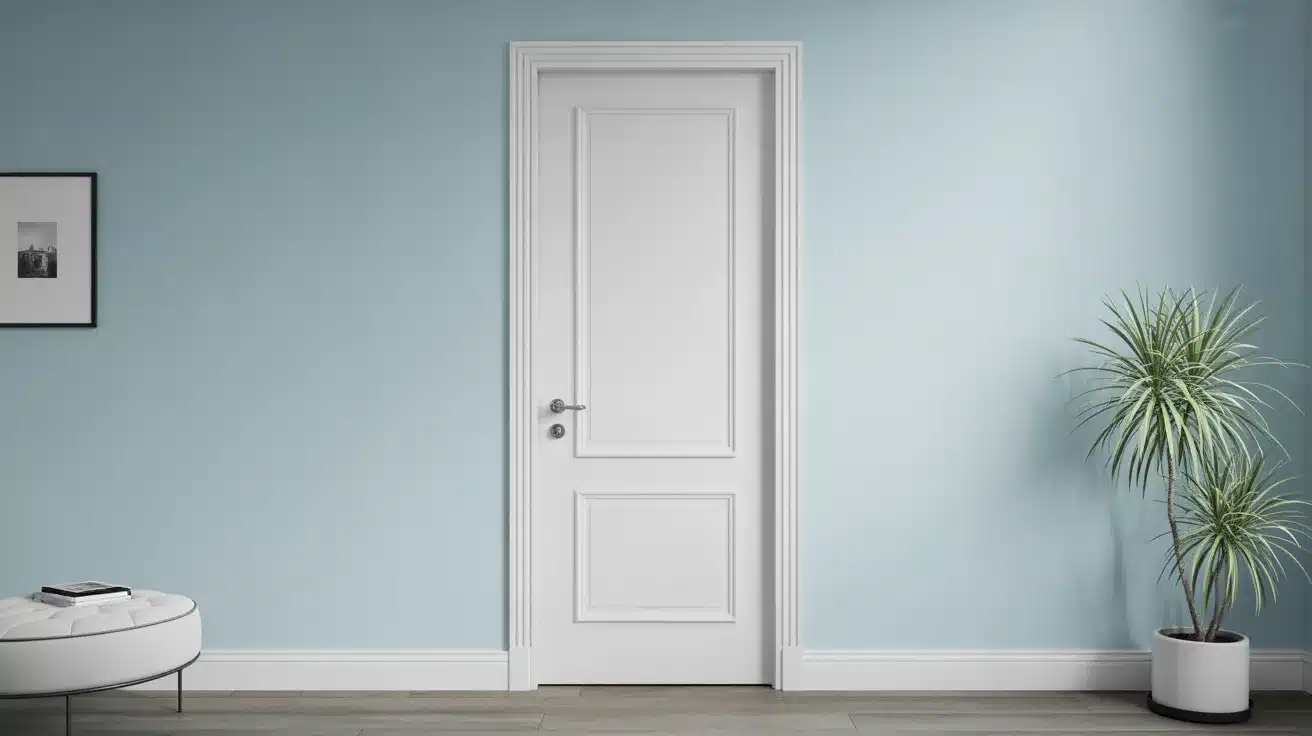
Solid-core slab doors are made from composite materials such as MDF or particleboard. They are denser than hollow core and do a much better job at reducing noise and holding room temperature. Many come with a wood veneer finish, giving you the look of real wood at a lower price.
4. Metal

Metal slab doors are typically made from steel or an aluminum composite. They are heavy and not the most visually warm option, but they are built for security and exterior use. If safety is the priority, metal is hard to beat.
5. Fiberglass
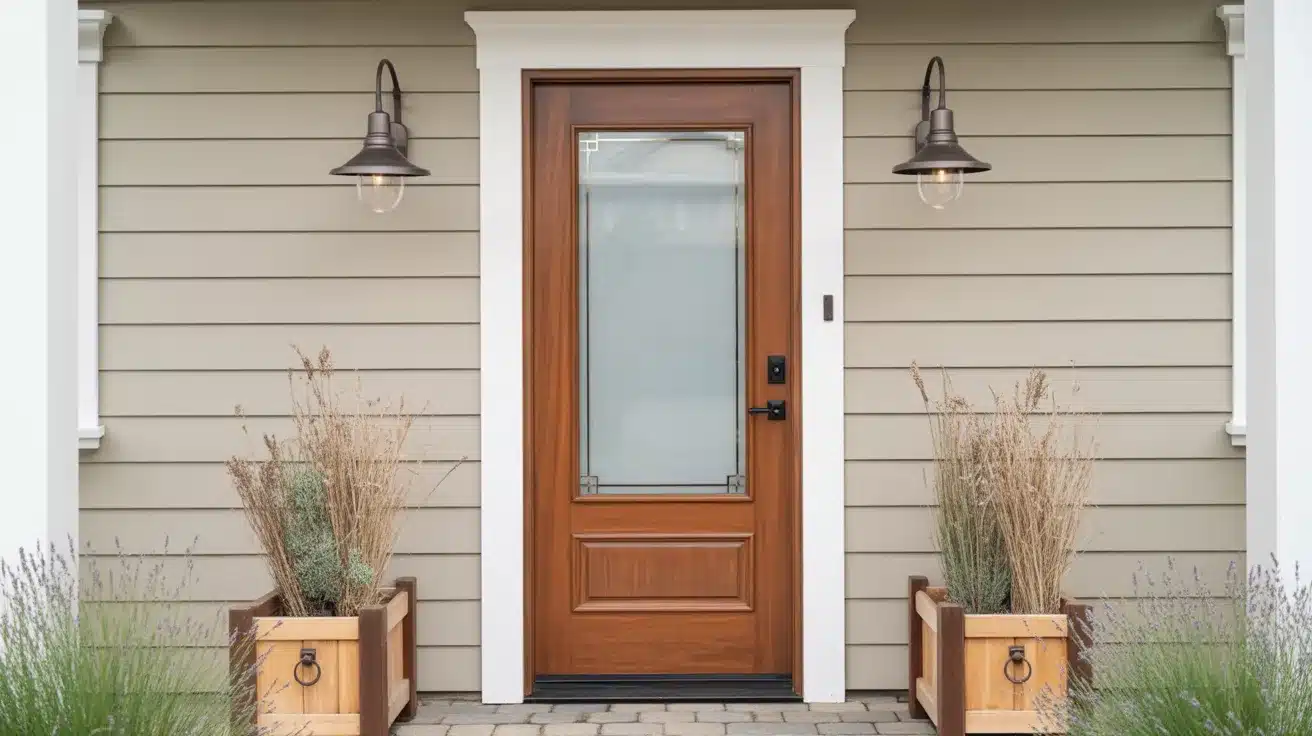
Fiberglass slab doors cost more upfront but hold up very well in harsh weather. They resist warping, cracking, and moisture damage. Many come with a realistic wood-grain texture. They are the go-to material for exterior doors in homes that deal with extreme heat, cold, or high humidity.
Interior vs. Exterior Slab Doors: Which One Do You Need?
Not every slab door works in every spot. The location of the door changes what you need from it in terms of material, finish, and additional features.
Interior Slab Doors
- Best for bedrooms, bathrooms, closets, home offices, and kitchens.
- Hollow core and solid core are the two main choices for indoor spaces.
- Solid core is the smarter pick for rooms where sound control matters.
- No weatherstripping needed since interior doors are not exposed to outside air or moisture.
Exterior Slab Doors
- Must handle weather changes, temperature swings, and security requirements.
- Fiberglass and metal are the top material choices for outdoor-facing entries.
- Always add weatherstripping after installation. A slab door is not included.
- Skipping weatherstripping on an exterior door can lead to higher energy bills and long-term moisture damage.
Standard Slab Door Sizes: What to Know Before You Buy
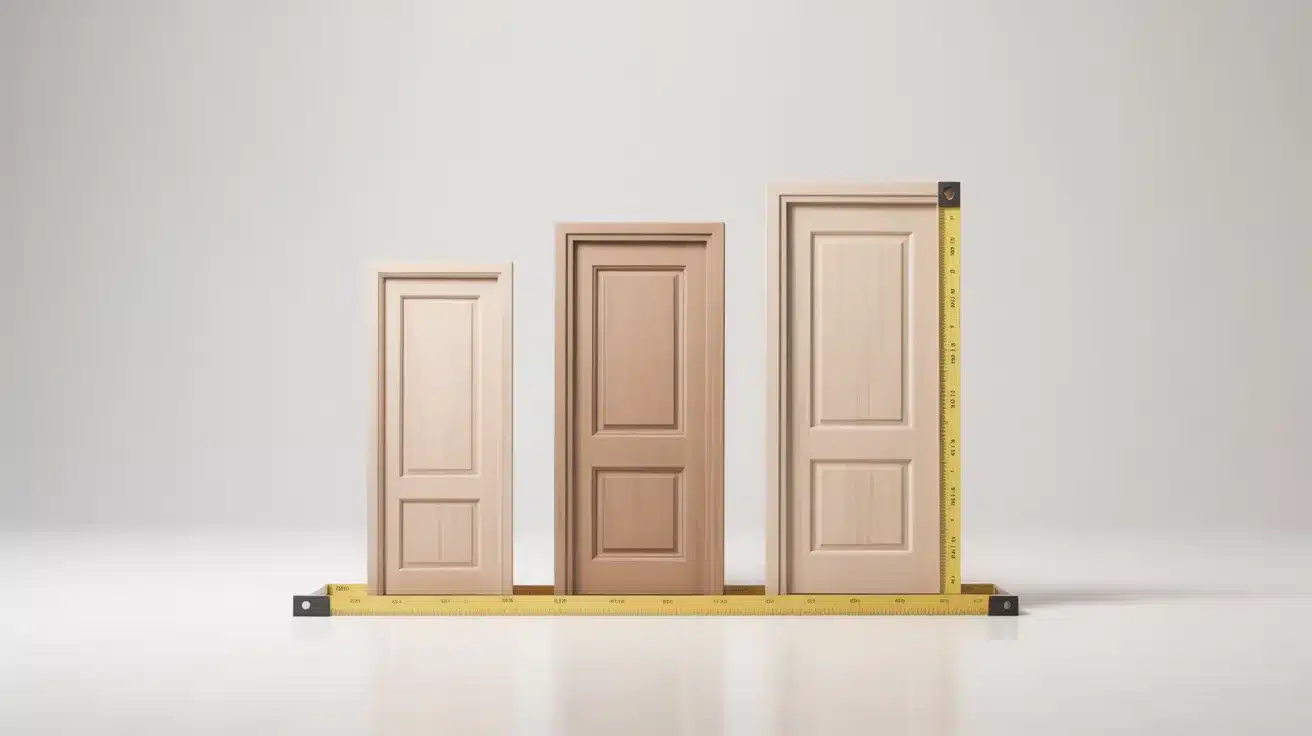
Getting the size wrong means extra work or a return trip to the store. Knowing the standard dimensions before you shop saves time and prevents costly mistakes.
1. Interior Door Sizes
Standard interior slab doors are 80 inches tall in most homes. Width options typically include 24, 28, 30, 32, and 36 inches.
The 32-inch width is most common for bedrooms, while 28-inch doors are usually used for bathrooms. Always measure your frame opening at multiple points since frames are not always perfectly even from top to bottom.
2. Exterior Door Sizes
The standard exterior slab door is 36 inches wide by 80 inches tall. For larger openings, sizes like 60 x 96 and 72 x 96 inches are also available.
If your home has an oversized or custom entry, a specialty door supplier will have the right fit for your space.
3. Clearance Gaps
Leave about 1/8 inch of space on each side and at the top of the door for smooth operation. At the bottom, 3/8 to 1/2 inch over carpet works well.
Keep the gap smaller over hard floors. These clearances stop the door from sticking or dragging during everyday use.
How to Install a Slab Door?
Installing a slab door takes longer than installing a prehung door, but the process is manageable if you follow the right steps. Here is a clear overview of what the installation looks like from start to finish.
- Measure the opening: Note width and height at the top, middle, and bottom of the frame.
- Check if trimming is needed: Compare your door dimensions to the frame opening before you begin work.
- Transfer hinge positions: Copy hinge locations from the old door onto the new one using a speed square.
- Cut the mortises: Use a sharp chisel to create flat, flush recesses for the hinges along the door edge.
- Drill hardware holes: Mark and drill holes for the doorknob and latch if the door did not come pre-drilled.
- Attach the hinges: Screw the hinges onto the door from the top, using pilot holes to prevent splitting.
- Hang and adjust: Connect hinges to the frame, test the swing, and adjust until the gaps are even all around.
How to Measure for a Slab Door?
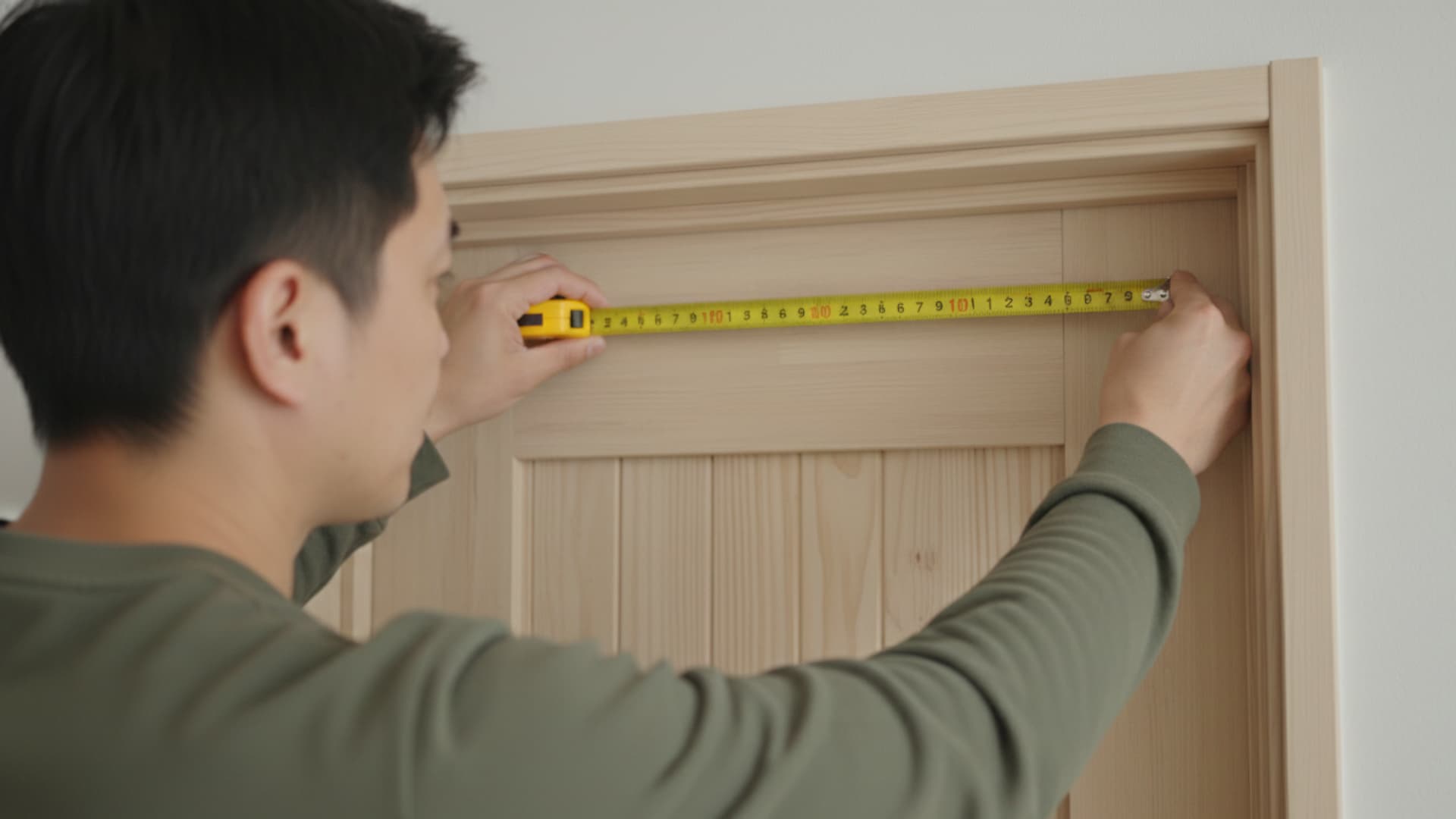
Measure the width of your frame at the top, middle, and bottom, then use the smallest number. Do the same for height on both sides.
Subtract 1/4 inch from the total width and about 1/2 inch from the height to leave the right clearance gaps. Use a carpenter’s square to check if the frame is square.
An uneven frame will require extra trimming and careful adjustment during the installation process.
Slab Door Cost: What to Expect
Slab doors are generally more affordable than prehung options, but the final price depends on the material and any hardware you need to purchase separately. Here is a breakdown to help you plan your budget.
| Door Type | Price Range | Notes |
|---|---|---|
| Hollow core | $30 to $100 | Best for interior, low-traffic areas |
| Solid core | $80 to $200+ | Good for bedrooms and home offices |
| Solid wood | $100 to $400+ | Price varies by wood species |
| Metal | $150 to $500+ | Built for security and exterior use |
| Fiberglass | $200 to $600+ | Best for exterior, weather-resistant |
| Hinges (per set) | $10 to $40 | Sold separately from the door |
| Doorknob or lockset | $20 to $200 | Varies by interior vs exterior grade |
| Professional installation | $100 to $300 | Optional, but worth it for first-timers |
Pros and Cons of Slab Doors
Slab doors come with clear advantages, but they are not the right fit for every project. Here is an honest look at both sides before you decide.
Pros
- Costs less than a prehung door upfront.
- Lighter and easier to carry through narrow hallways or up stairwells.
- You choose your own hardware, finish, and trim.
- Ideal for replacing a door without disturbing the existing frame.
- Can be cut down to fit a non-standard opening, within limits.
- Great for preserving original woodwork in older homes.
Cons
- Does not include a frame, hinges, or hardware.
- Requires careful measuring and a precise hand during installation.
- Trimming too much off the door can weaken its structure.
- Not suitable when the existing frame is warped or damaged.
- Exterior use requires additional steps, such as adding weatherstripping.
How to Choose the Right Slab Door for Each Room?
Match the door to what the room actually needs. Bedrooms and home offices benefit from a solid-core door, as it reduces noise between rooms.
Bathrooms need a material that handles moisture well, so solid core or solid wood is the right call. Closets and pantries are low-stakes spaces where a hollow-core door works perfectly fine.
For front or back entry doors, go with fiberglass or metal. Both handle weather, security demands, and daily use without wearing down quickly.
The Bottom Line
A slab door is one of the most practical and cost-friendly options in home improvement. It is simply the door panel: no frame, no hinges, no extras.
Pick the right material for the space, measure your frame opening carefully, and leave the proper clearance gaps.
For noise-sensitive rooms, go with solid core. For exterior entries, go with fiberglass or metal. For closets, hollow-core doors get the job done.
The choice comes down to what the door needs to do and the condition of your existing frame. Once you match those two things, the rest falls into place.
Have a question about your door project? Drop it in the comments below.
Frequently Asked Questions
Can You Use a Slab Door for an Exterior Door?
Yes, you can. Just make sure you choose a fiberglass or metal slab door and add weatherstripping after installation to seal out air, moisture, and cold.
How Do I Know if I Need a Prehung Door or Slab Door?
Check your existing frame first. If it is straight, level, and in good condition, a slab door works perfectly. If the frame is warped, cracked, or damaged, go with a prehung door instead.
Does a Slab Door Have a Door Knob Hole?
Some do, but most do not. Many slab doors are sold without any pre-drilled holes, so you mark and drill the knob and latch holes yourself based on your hardware placement.
Is a Pocket Door Just a Slab Door?
A pocket door uses a slab door panel, but the two are not the same thing. The difference is in how it moves. A pocket door slides into a wall cavity instead of swinging open, but the door panel itself is a standard slab.