Ever plant flowers hoping to see butterflies, only to watch them fly right past your garden?
The problem isn’t your effort. Most gardeners focus only on pretty blooms without understanding what butterflies actually need to survive.
Butterflies want nectar-rich flowers like zinnias and milkweed, but they also need host plants where they can lay eggs and raise caterpillars.
This guide covers the flowers butterflies love most, how they choose where to land, the difference between nectar and host plants, and simple ways to keep butterflies visiting your garden from spring through fall.
What Flowers Do Butterflies Like?
Butterflies are drawn to bright, nectar-rich flowers like zinnias, coneflowers, milkweed, and black-eyed Susans. These blooms provide the sweet nectar butterflies need for energy.
There’s an important difference, though. Adult butterflies visit many flowers for nectar, but their caterpillars need specific host plants to grow.
The best butterfly gardens include both nectar sources and host plants that bloom across seasons, giving butterflies food from spring through fall in your region.
How Butterflies Choose Flowers?
Butterflies don’t just land on any flower they see. They look for specific traits that make feeding easier and more rewarding.
- Nectar depth and accessibility: Butterflies have long, straw-like tongues called proboscis that reach into flowers, so they prefer blooms with shallow to medium nectar depths that they can actually access.
- Flower color preferences: Butterflies see colors differently from us and are most attracted to bright reds, oranges, yellows, purples, and pinks because these colors signal nectar-rich food sources.
- Native vs non-native blooms: Native flowers have co-evolved with local butterfly species for thousands of years, making them the most reliable food source, while non-native plants may not provide the right nectar quality or timing.
- Bloom shape and landing space: Butterflies need flat or clustered flower heads, such as those on coneflowers and zinnias, because they provide a stable landing platform where butterflies can rest while feeding.
- Why fragrance matters more than people realize: Strong, sweet scents help butterflies locate flowers from far away, especially during peak feeding times in warm weather when fragrance travels better through the air.
Best Flowers That Attract Butterflies
Not all flowers are created equal when it comes to attracting butterflies. Here are the top 13 blooms that consistently bring these pollinators to your garden.
1. Milkweed
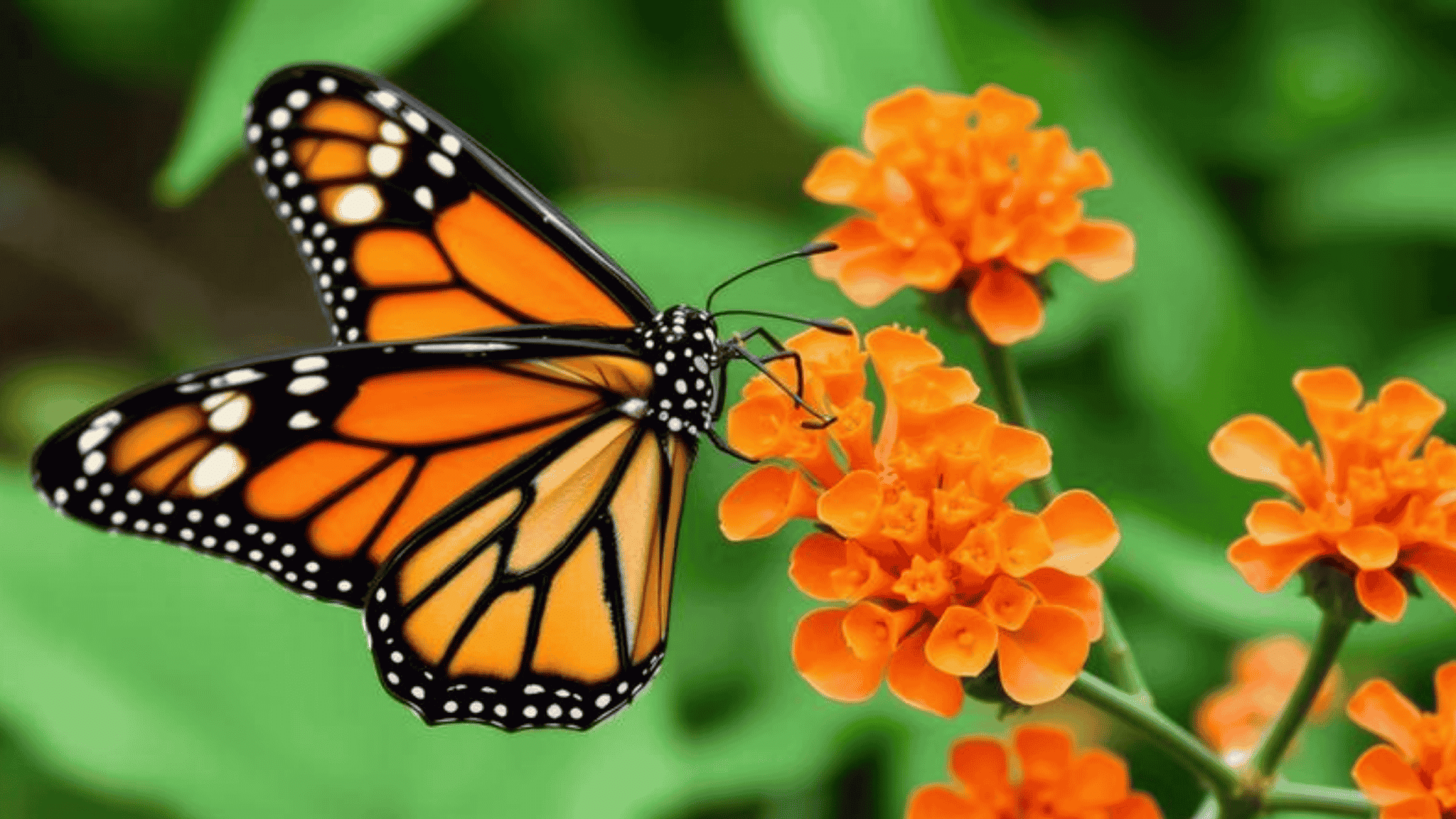
Milkweed is the only plant monarch butterflies use to lay eggs and feed their caterpillars. It provides nectar for adult butterflies while serving as a critical host plant for larvae. Without milkweed, monarch populations cannot survive.
- Monarch Dependency: Essential for the monarch butterfly reproduction cycle and survival
- Dual Purpose: Serves as both a nectar source and caterpillar host plant
- Regional Varieties: Multiple species available, including common, swamp, and tropical milkweed
2. Coneflower
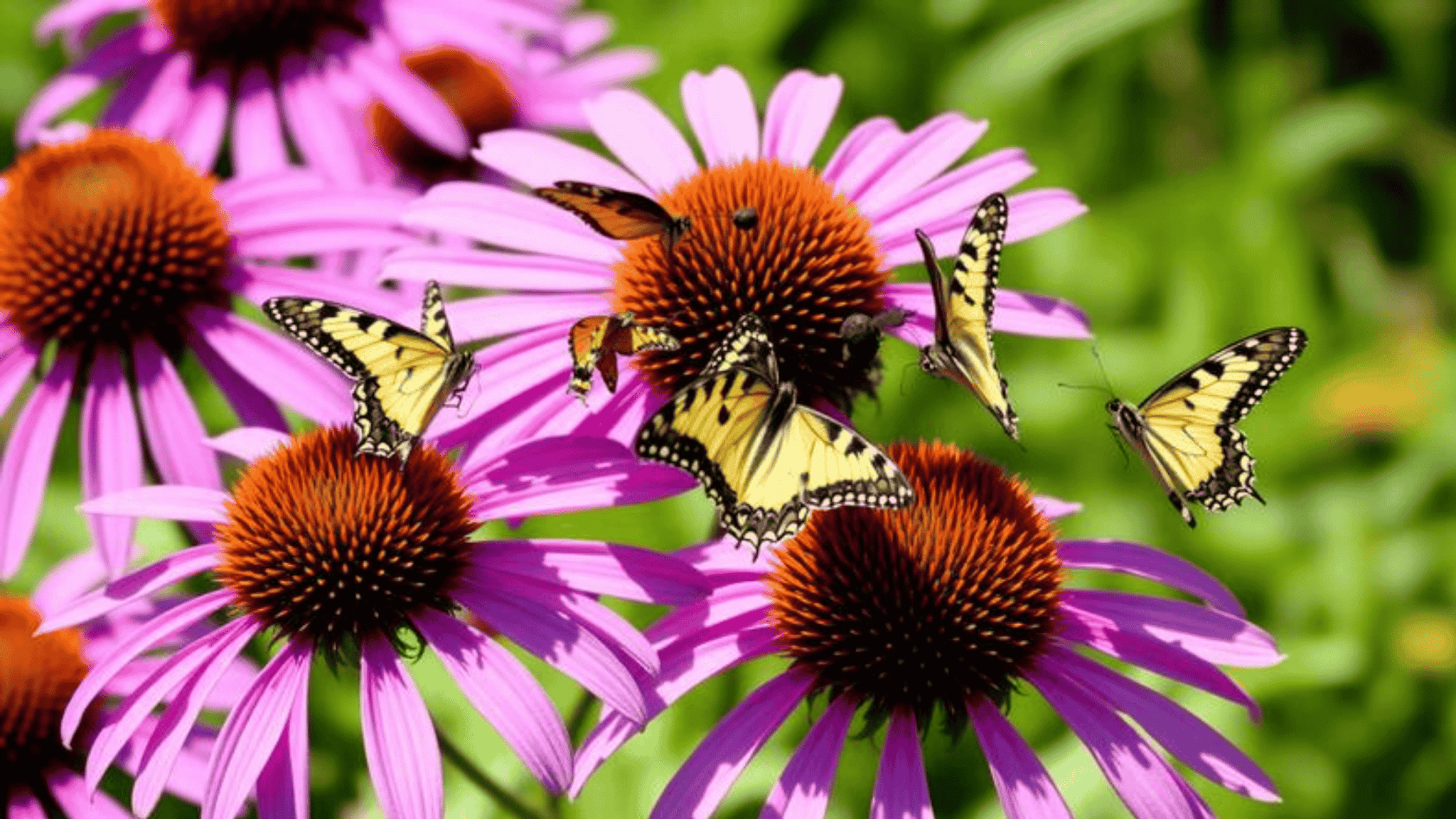
Coneflowers bloom for weeks and attract swallowtails, monarchs, and painted ladies. Their raised central cone provides butterflies with a perfect landing spot. These tough perennials come back year after year with minimal care.
- Extended Blooming: Flowers last 6-8 weeks, providing a consistent nectar supply
- Species Attraction: Draws over a dozen different butterfly species
- Low Maintenance: Drought-resistant once established in the garden
3. Black-Eyed Susan
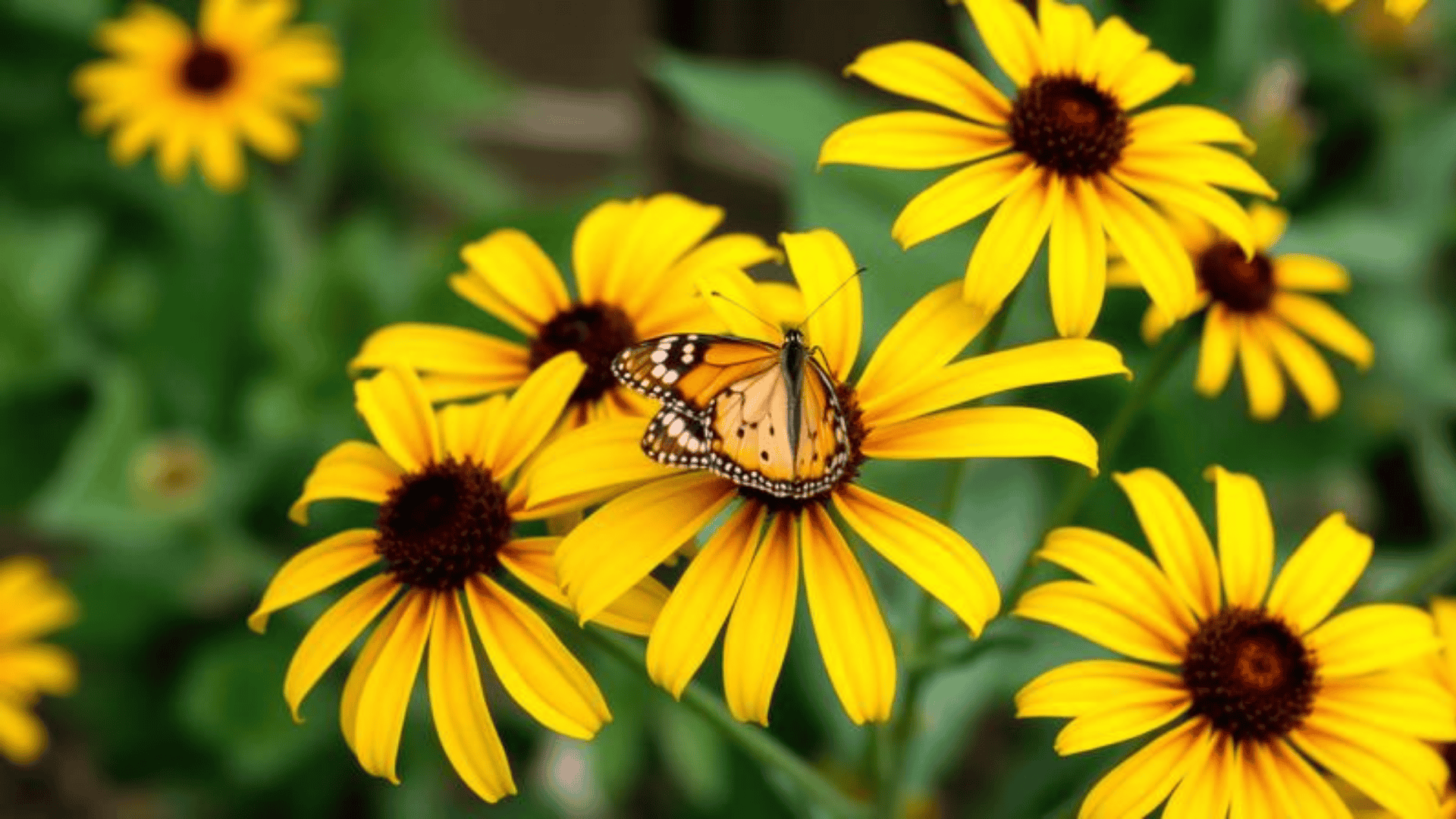
Black-eyed Susans are hardy wildflowers that thrive in most soil types. They bloom heavily during mid-summer when butterflies need energy most. These cheerful yellow flowers require almost no maintenance once planted.
- Peak Season Blooms: Mid-summer flowering matches butterfly feeding needs
- Soil Tolerance: Handles heat, drought, and poor soil conditions
- Natural Spread: Self-seeds for garden expansion without replanting
4. Zinnia
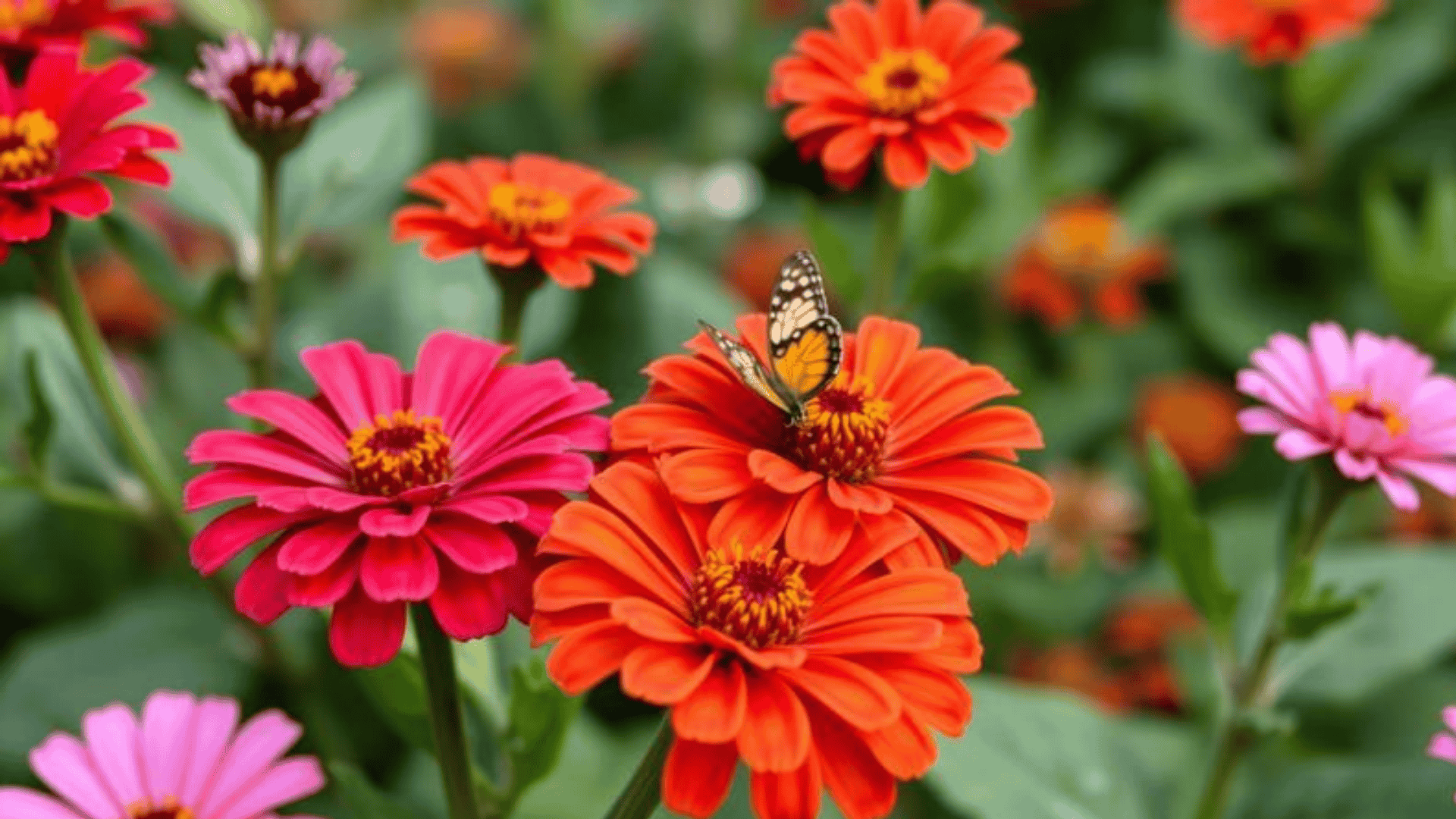
Zinnias offer bright colors in red, orange, pink, and yellow that butterflies can spot from far away. Their flat blooms and shallow nectar make feeding easy for butterflies of all sizes. They grow quickly from seed and bloom until frost.
- Easy Access: Shallow nectar depth is perfect for most butterfly species
- Color Range: Available in bright colors butterflies prefer most
- Beginner Friendly: Great starter flower requiring minimal gardening skills
5. Lantana
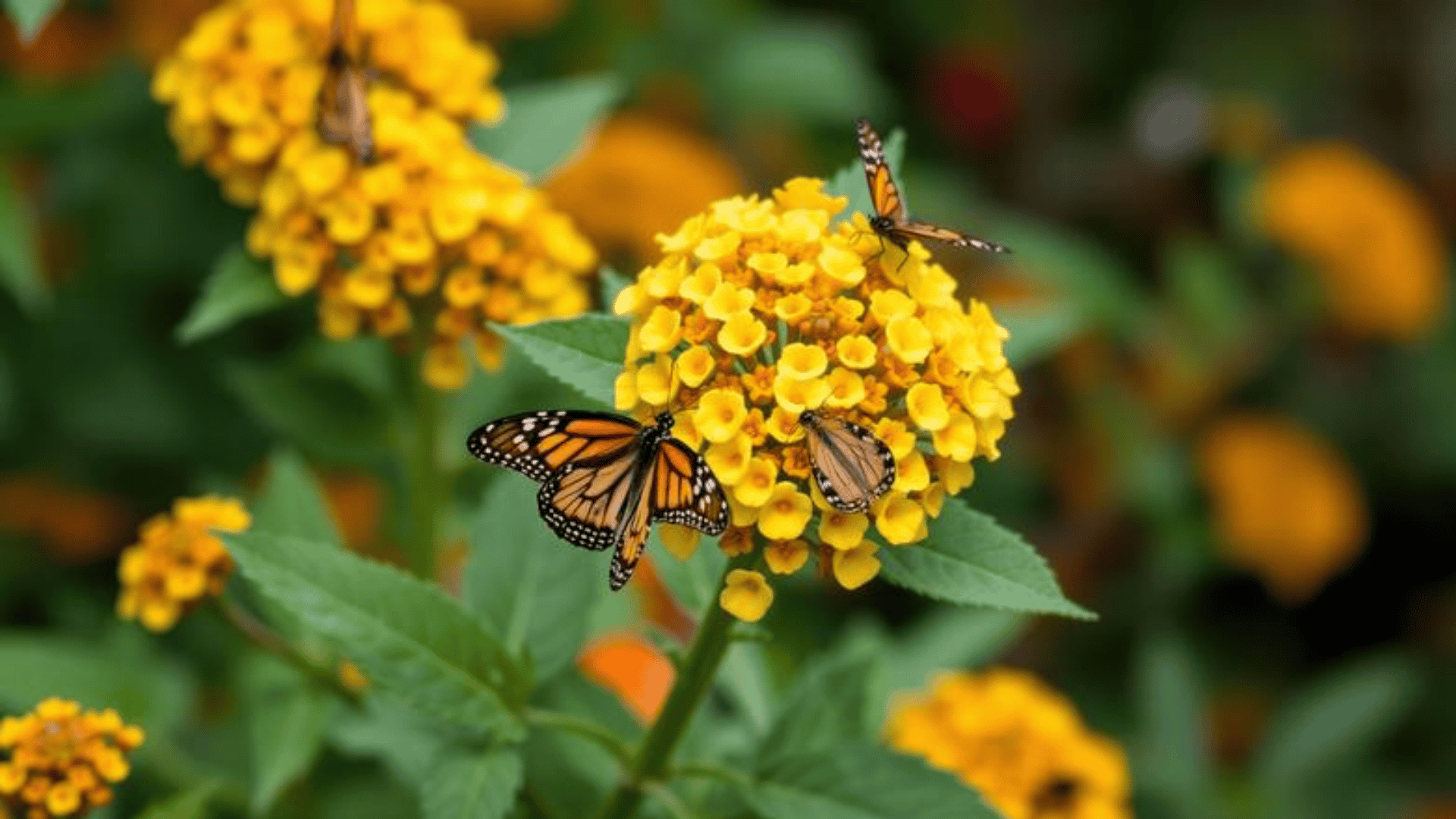
Lantana produces clusters of tiny flowers packed with nectar. Each plant can support dozens of butterflies at once. This heat-loving plant thrives in southern states and blooms nonstop in warm weather.
- High Nectar Output: Produces more nectar per bloom than most garden flowers
- Continuous Blooming: Flowers from late spring through fall without breaks
- Heat Tolerance: Handles extreme heat and humidity in southern climates
6. Butterfly Bush
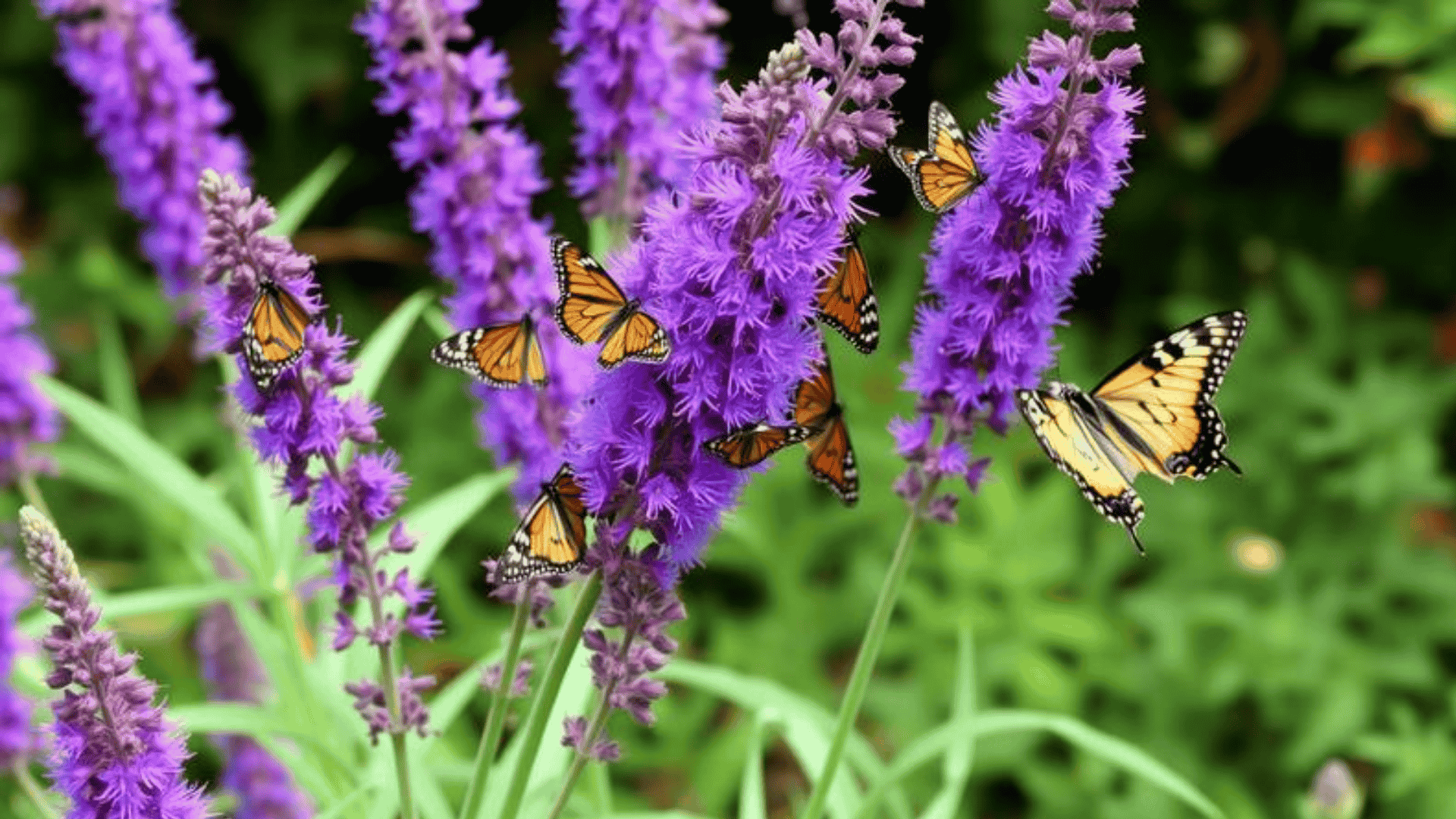
Butterfly bush lives up to its name by attracting huge numbers of butterflies daily. The long flower spikes provide abundant nectar and emit a sweet fragrance. Plant non-invasive cultivars to avoid spreading issues in your region.
- High Traffic: Single plant attracts 20+ butterflies at peak times
- Fragrance Appeal: Sweet scent helps butterflies locate flowers easily
- Responsible Planting: Choose sterile varieties to prevent invasive spread
7. Phlox
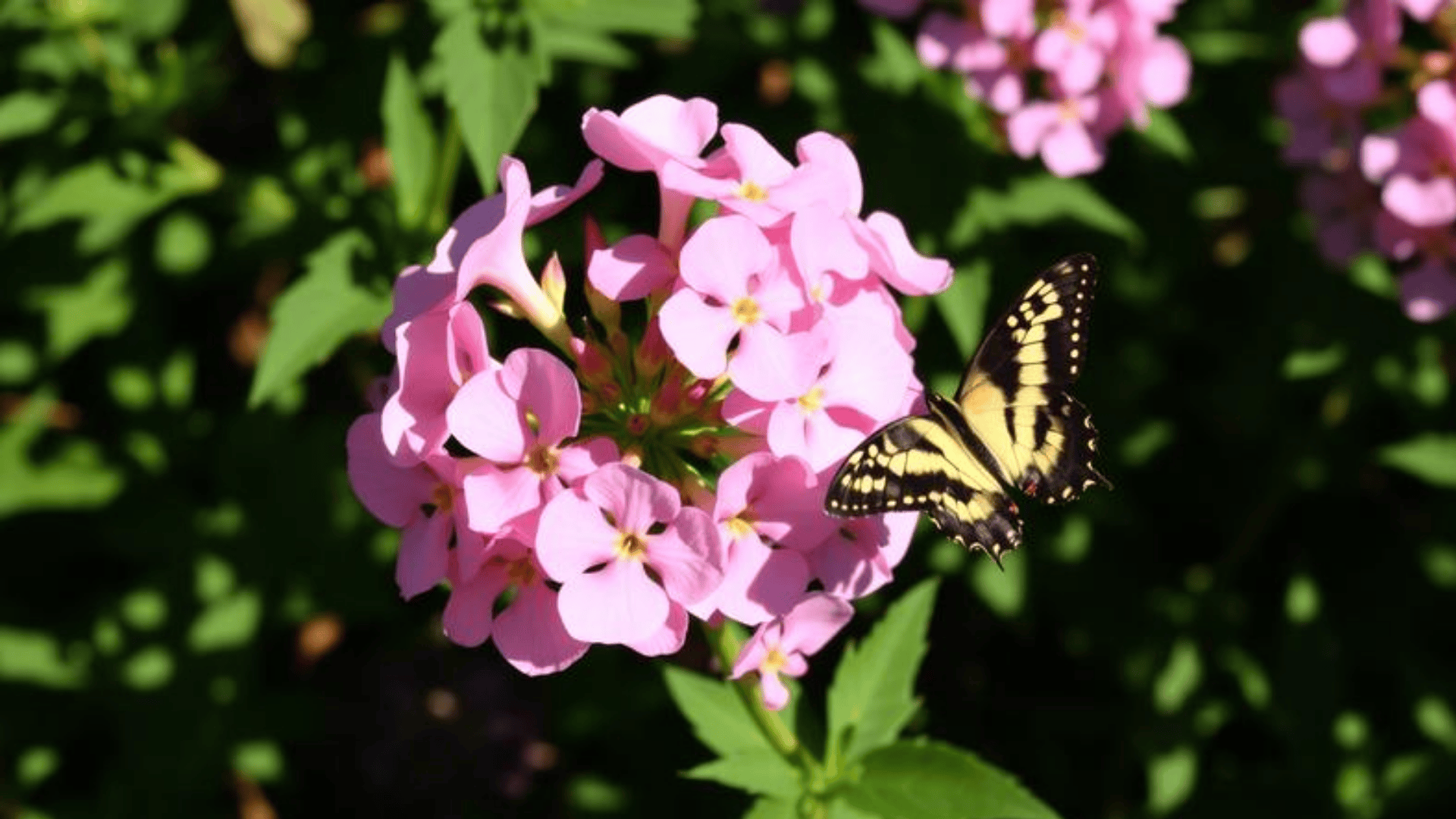
Phlox releases a sweet scent that draws butterflies throughout the day. Native phlox varieties better support local butterfly populations than imported varieties. These flowers work well in shaded garden areas where other nectar plants struggle.
- Scent Power: Strong fragrance attracts butterflies from a considerable distance
- Native Support: Native species better support regional butterfly populations
- Shade Tolerance: Grows successfully in partial shade conditions
8. Aster
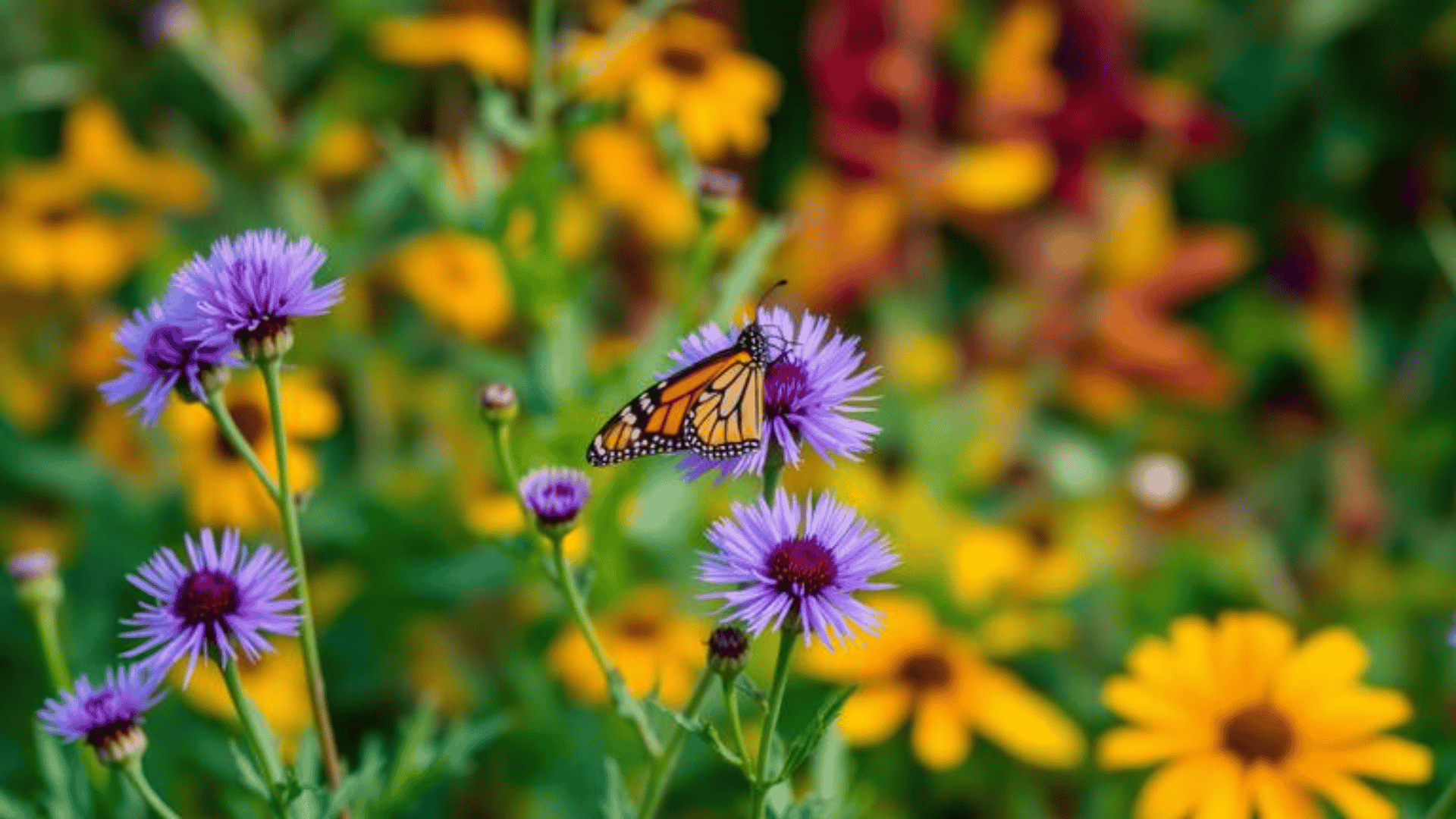
Asters bloom in late summer and fall when many other flowers have finished. They provide crucial nectar for migrating monarch butterflies heading south. These perennials return each year reliably and spread naturally.
- Migration Support: Blooms align with fall butterfly migration timing
- Last Food Source: Provides final nectar before winter months
- Native Diversity: Over 100 native species across North America
9. Joe Pye Weed
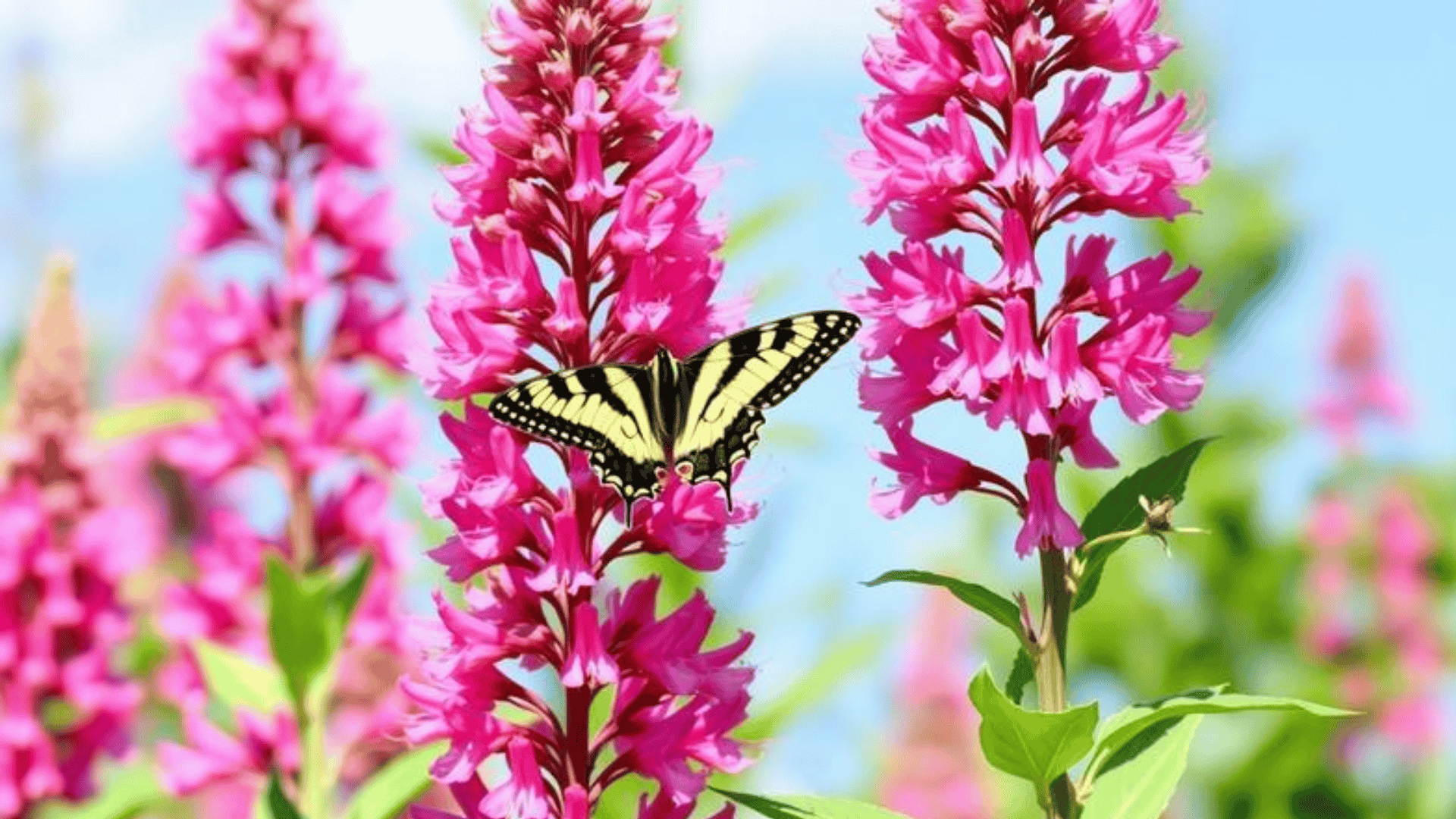
Joe Pye Weed grows 4-7 feet tall with massive pink flower clusters at the top. Large butterflies like swallowtails and monarchs prefer these substantial blooms. This native wetland plant adapts well to regular garden conditions.
- Size Appeal: Large flower clusters accommodate bigger butterfly species
- Height Advantage: Grows 4-7 feet tall, making it visible from a distance
- Moisture Lover: Thrives in moist soilthat other plants avoid
10. Coreopsis
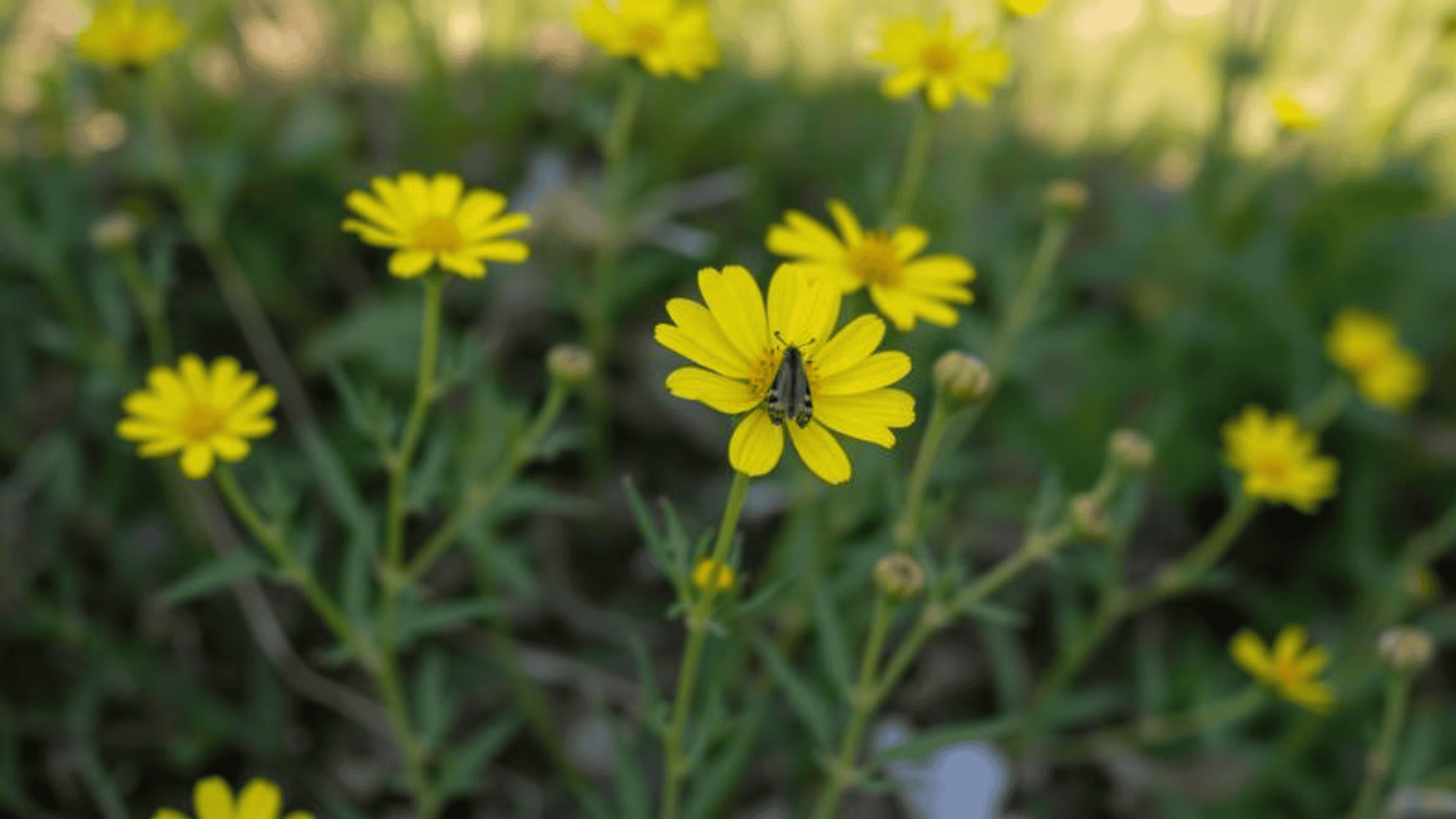
Coreopsis starts blooming in early spring when butterflies first emerge from hibernation. These cheerful yellow flowers handle dry conditions and poor soil. They bloom repeatedly if you remove spent flowers.
- Early Season: First blooms provide nectar when food sources are scarce
- Drought Resistance: Survives on rainfall alone once roots establish
- Extended Blooms: Deadheading extends the flowering period through the summer
11. Verbena
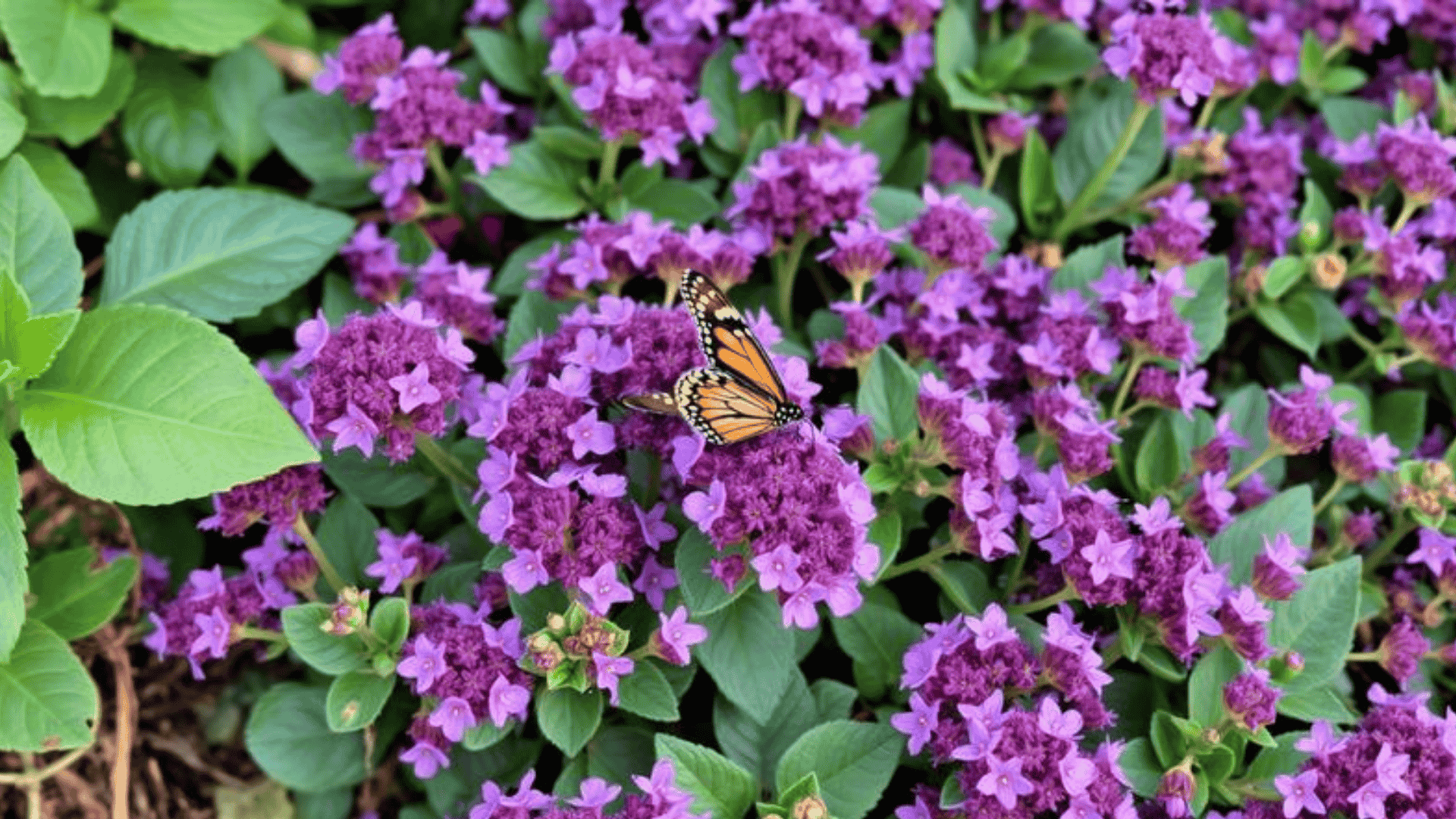
Verbena forms low mats covered in purple, pink, or white flower clusters. It blooms continuously without deadheading required. This low-growing plant works perfectly along garden borders and in containers.
- Long Season: Blooms from spring until hard frost hits
- Zero Deadheading: No maintenance needed for continuous flowering
- Ground Cover: Spreads to fill spaces and suppresses weed growth
12. Goldenrod
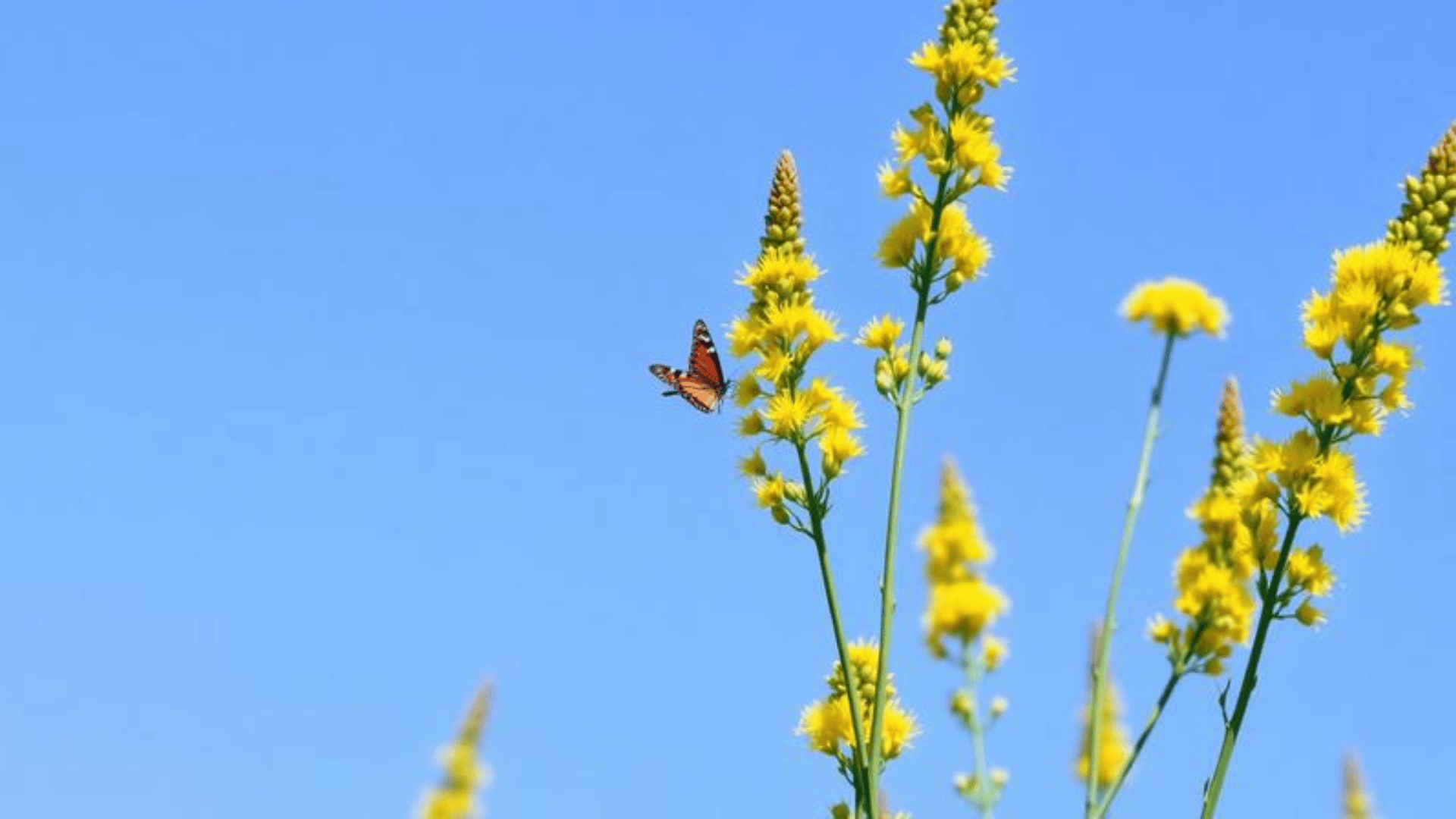
Goldenrod gets blamed for allergies, but actually provides vital fall nectar. It blooms when butterflies need to build energy reserves for migration or overwintering. This native wildflower supports over 100 butterfly and moth species.
- Fall Importance: Critical late-season food source for migration prep
- Allergy Myth: Does not cause allergies (ragweed is the culprit)
- Species Support: Feeds over 100 butterfly and moth species
13. Salvia
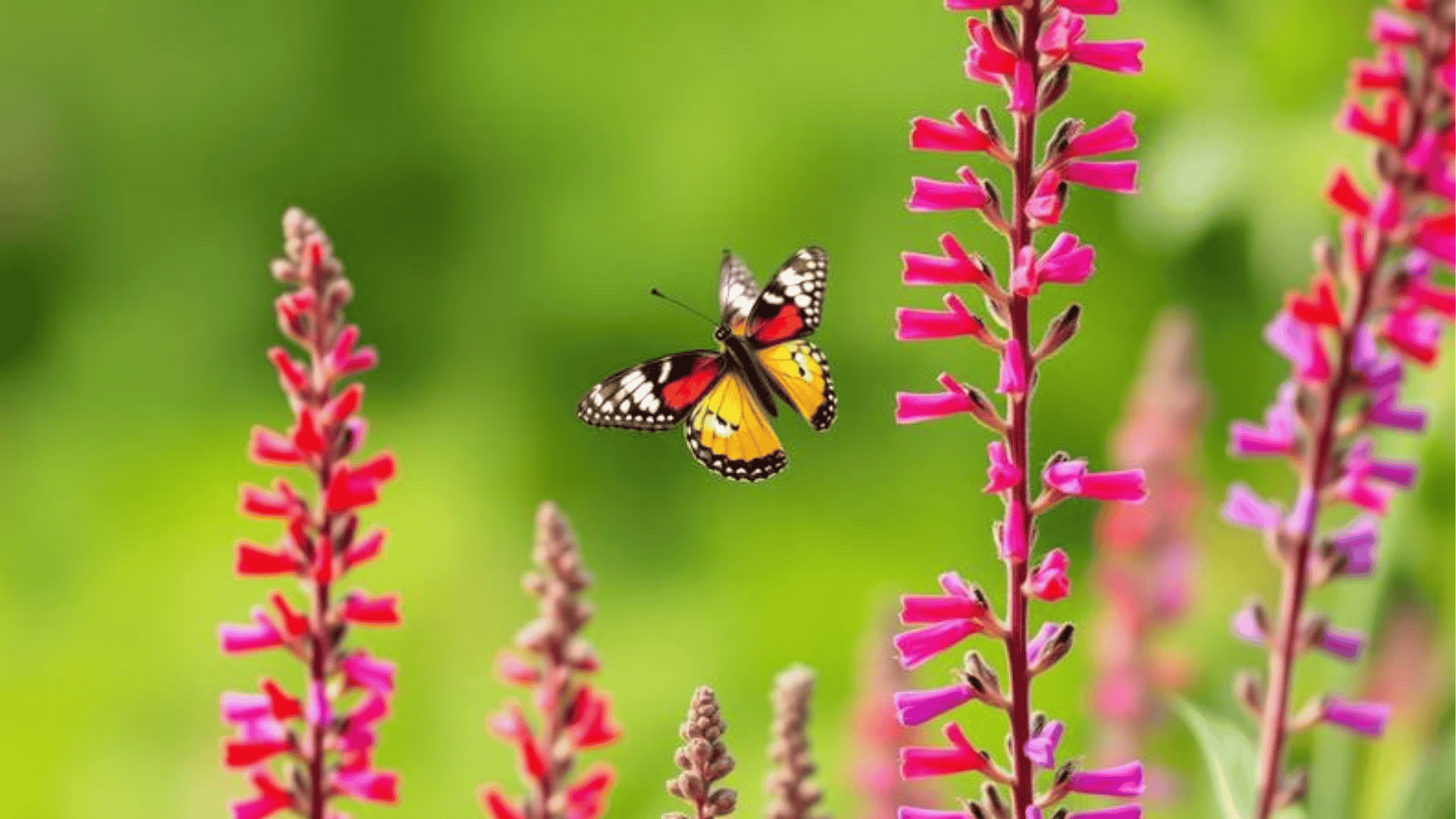
Salvia’s tubular flowers produce nectar that stays protected from rain and wind. The flowers bloom on tall spikes that butterflies can easily spot. Different Salvia varieties bloom at different times, providing season-long nectar.
- Nectar Protection: Tubular shape keeps nectar fresh and dry longer
- Visibility: Vertical flower spikes are visible from a considerable distance
- Seasonal Coverage: Multiple species extend blooming calendar throughout seasons
How to Attract Butterflies to Your Garden?
Getting butterflies to visit is one thing, but keeping them around requires the right conditions. Here’s how to make your garden a butterfly-friendly space they’ll return to regularly.
- Choose nectar-rich flowers and host plants: Plant both nectar flowers for adult butterflies and host plants where they can lay eggs, giving them reasons to stay beyond just feeding.
- Plant in clusters instead of single specimens: Group 3-5 plants of the same type together because butterflies spot large color patches more easily than scattered single flowers.
- Provide sun exposure and wind protection: Butterflies need 6+ hours of sunlight daily to stay warm and active, but also require sheltered spots protected from strong winds.
- Add shallow water sources: Place a dish with wet sand or pebbles in a sunny spot since butterflies drink from damp surfaces rather than open water.
- Avoid chemical treatments: Skip pesticides and herbicides entirely because these chemicals kill caterpillars and contaminate the nectar that adult butterflies drink.
- Allow some natural garden mess: Leave leaf litter, dead plant stems, and unmulched areas because many butterfly species overwinter as chrysalises in garden debris.
Plants That Attract Butterflies Beyond Flowers
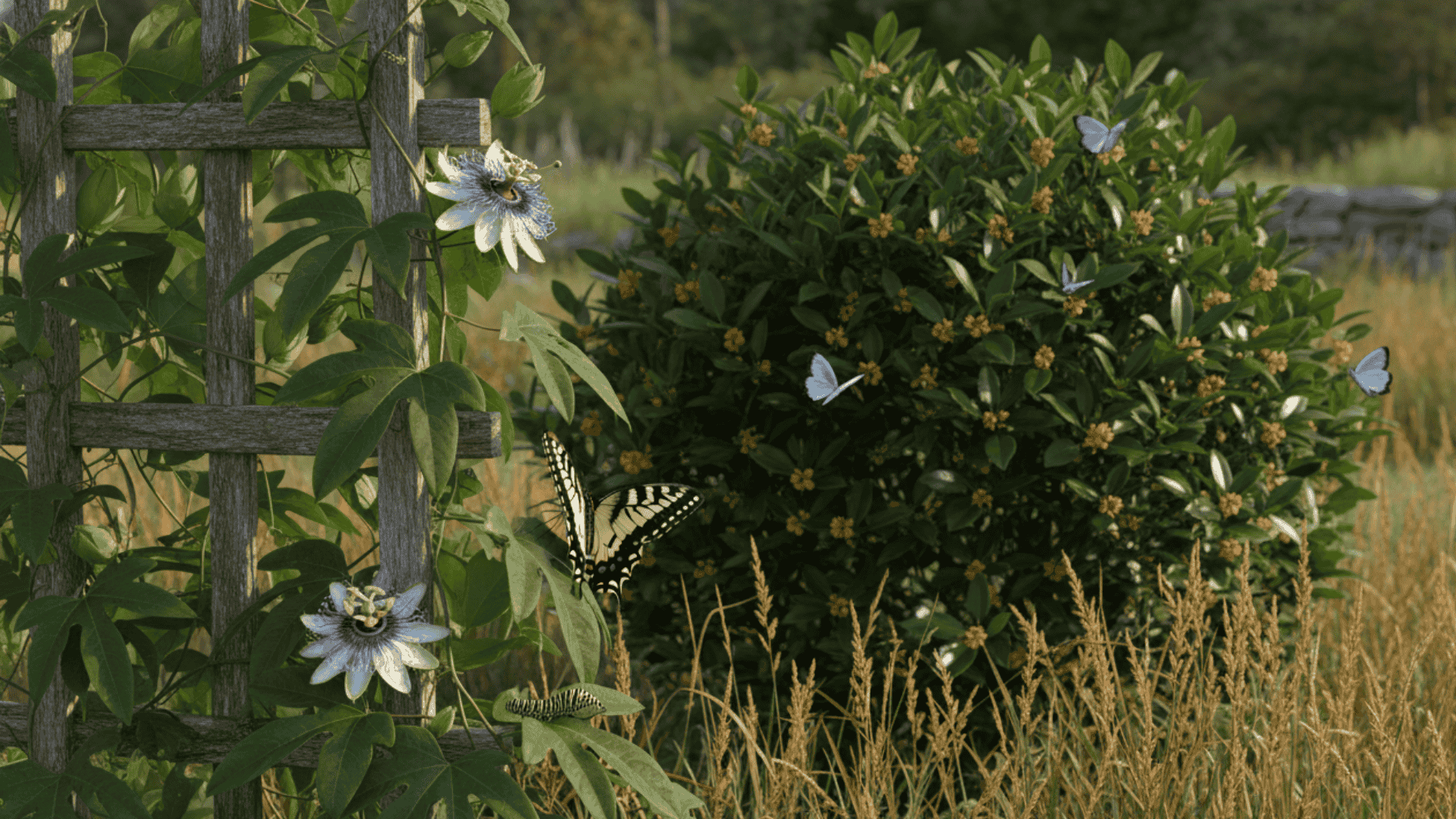
Flowers get all the attention, but butterflies need more than nectar to survive. Understanding the full range of plants butterflies depend on will help you create a garden they actually use year-round.
1. Host Plants vs Nectar Plants
Adult butterflies drink nectar from flowers for energy, but their caterpillars need specific host plants to eat and grow. Monarchs lay eggs only on milkweed because their caterpillars can only digest milkweed leaves. Without host plants, your garden feeds adults but won’t support the next generation.
2. Shrubs and Vines Butterflies Rely On
Passionflower vines feed Gulf Fritillary and Zebra Longwing caterpillars in southern states. Spicebush supports Spicebush Swallowtail butterflies while providing shelter from wind and predators. Pipevine is the only food source for Pipevine Swallowtail caterpillars and makes them toxic to birds.
3. Supporting Plants and Grasses
Native grasses create resting spots where butterflies hide from wind and predators. Many skipper butterflies lay eggs on specific native grasses, making these plants essential for reproduction. Gardens with varied heights keep butterflies around longer because they feel protected.
Seasonal Planning for Butterfly-Friendly Gardens
Plan your garden to bloom across all three seasons, so butterflies have food from spring through fall.
In spring, plant early bloomers like coreopsis and phlox when butterflies first emerge from hibernation and need immediate nectar.
Summer is peak butterfly season, so focus on heavy bloomers like zinnias, coneflowers, and black-eyed Susans that produce nectar through the hottest months.
Fall flowers like asters and goldenrod are critical for migrating monarchs and other butterflies, who build energy reserves before winter.
A garden that provides food in all three seasons supports more butterfly species and helps entire populations survive.
The Bottom Line
Knowing what flowers butterflies like is just the first step.
The real magic happens when you combine nectar-rich blooms with host plants and create a garden that supports butterflies through their entire life cycle.
Start with easy options like zinnias, coneflowers, and milkweed. Plant them in sunny clusters and skip the chemicals. Add a few native grasses and let some areas grow a bit wild.
Your garden will soon buzz with butterfly activity from spring through fall. Ready to get started? Pick three plants from this list and plant them this weekend.
Have questions or success stories? Drop a comment below.