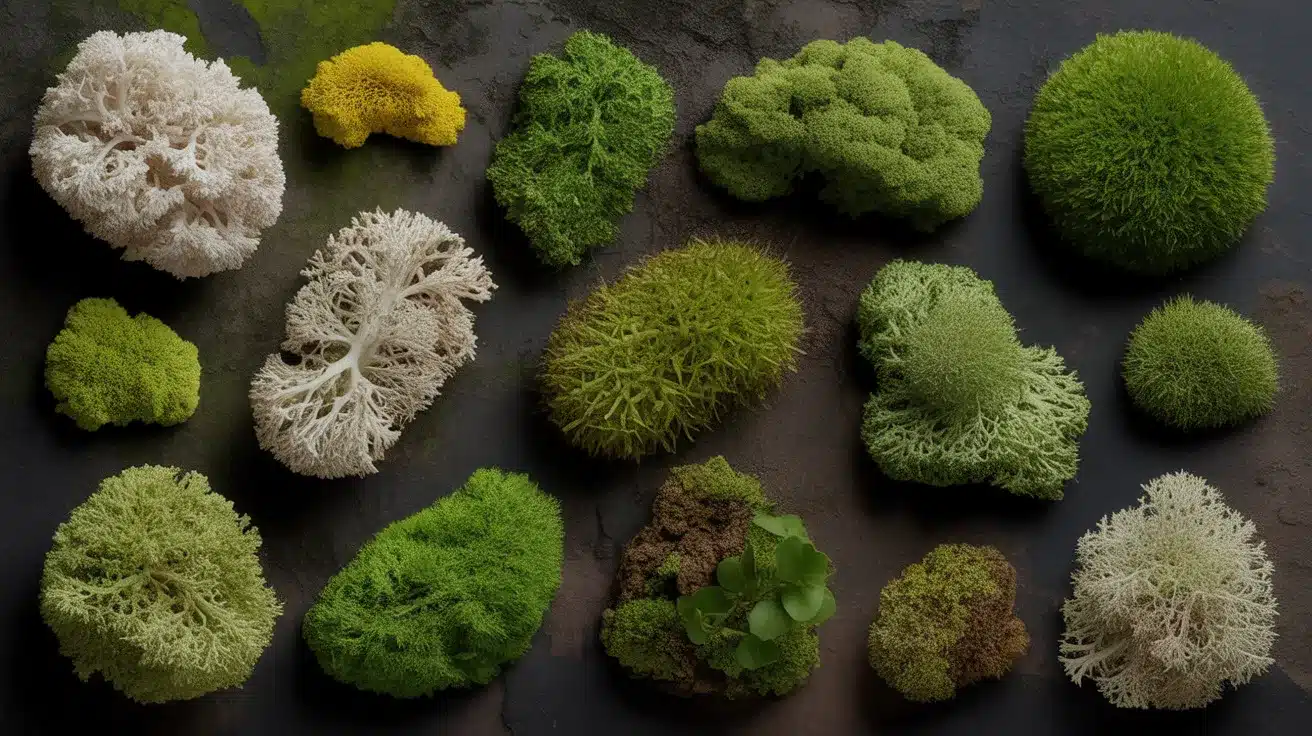
Step outside after a light rain and you will see it quietly glowing along stones, tree bases, and shaded soil.
Moss rarely asks for attention, yet it shapes entire forest floors and even softens city walls.
When people search for types of moss, they are often surprised by how much variety exists in something that looks so simple at first glance.
From cushion-forming clumps to feathery woodland mats, each kind tells a story about moisture, light, and soil.
This guide walks through distinct types of moss, how to tell them apart, and where they naturally thrive, with clear, field-based detail you can actually use.
What Is Moss?
Moss is a small, nonvascular plant that absorbs water and nutrients directly through its leaves rather than through true roots. It does not produce flowers or seeds and reproduces through spores.
Because moss lacks a vascular system, it stays low to the ground and depends on moisture in the air and surface water to survive.
These plants are among the oldest land plant groups and are studied in botany for their simple yet highly adaptive structure.
Where Moss Grows and Why It Grows There?
Moss appears wherever moisture lingers, and competition from larger plants stays low. Its structure allows it to settle in places many plants cannot.
- Forest floors: Moss thrives under tree canopies because filtered light and steady humidity prevent it from drying out too quickly.
- Wetlands and bogs: In saturated ground, certain types of moss store impressive amounts of water, allowing them to dominate peat-rich habitats.
- Rocks and stone walls: Bare surfaces collect thin films of moisture, giving moss a foothold where soil is almost absent.
- Tree bark: Rough bark traps water and organic particles, creating small anchor points for bark-dwelling species.
- Urban pavement cracks: Compacted grit between bricks holds just enough moisture for resilient varieties adapted to disturbance.
Types of moss
Now that the basics are clear, it becomes easier to see why different environments produce different types of moss. Below are 18 distinct varieties, each with unique structure, habitat preference, and identifying traits.
1. Sphagnum Moss
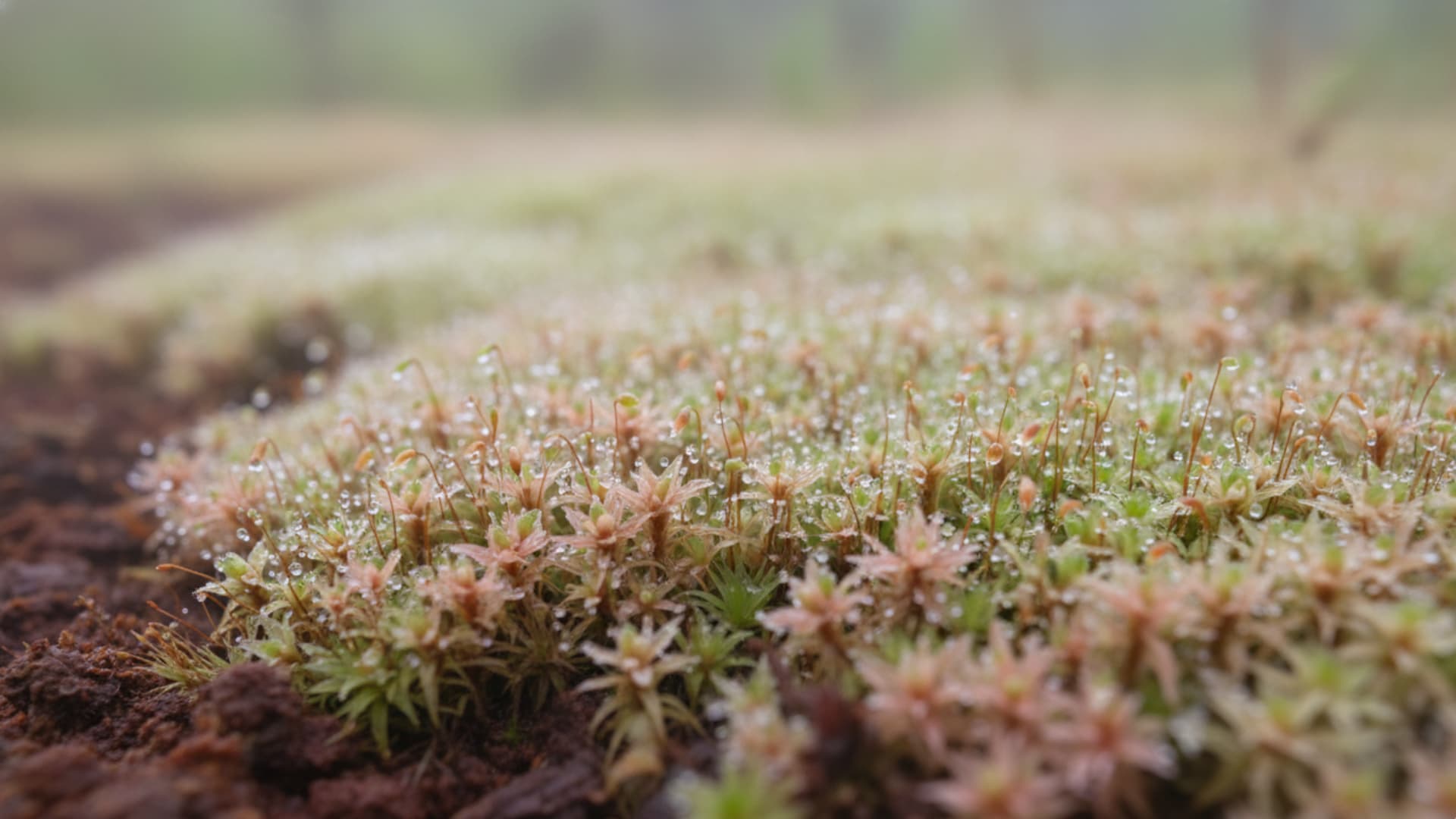
Sphagnum forms thick, springy carpets in wetlands and is one of the most researched types of moss due to its water retention capacity. It actively shapes bog ecosystems by holding moisture and influencing acidity levels. When pressed gently, it feels soft and saturated.
| Subfield | Details |
|---|---|
| Scientific Name | Sphagnum spp |
| Type | Bog moss |
| Color | Pale green, pink, or reddish |
| Size | 2 to 8 inches tall |
| Light | Partial sun to bright shade |
| Soil | Waterlogged acidic peat |
| Feature | Specialized cells that retain large volumes of water |
2. Haircap Moss
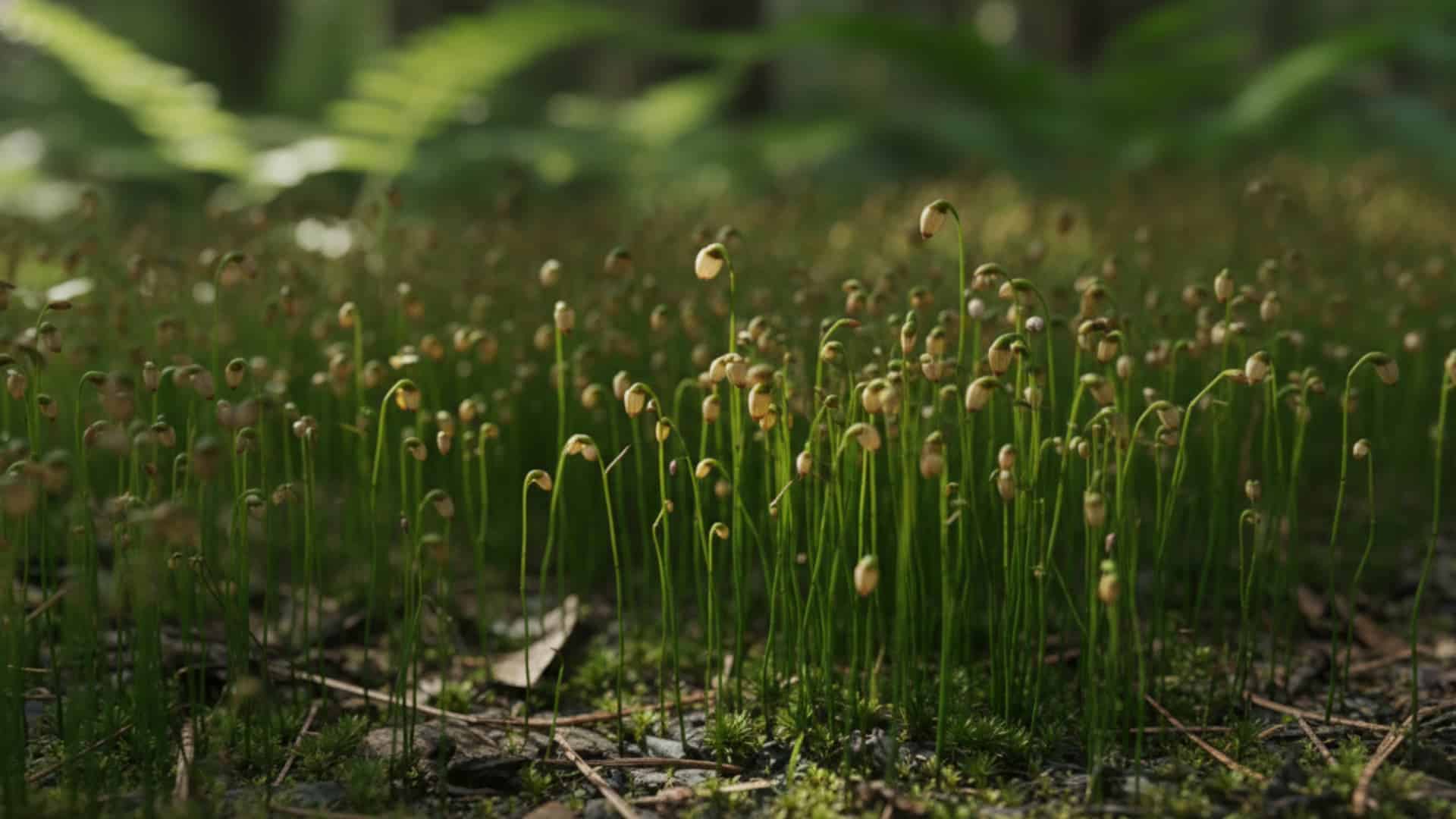
Haircap moss stands taller than many ground species, giving it a miniature forest appearance. It commonly grows in upright clumps along trails and damp slopes. Among the visible types of moss, this one is easier to spot because of its height.
| Subfield | Details |
|---|---|
| Scientific Name | Polytrichum commune |
| Type | Upright tufted moss |
| Color | Deep green |
| Size | Up to 12 inches |
| Light | Filtered sunlight |
| Soil | Slightly acidic woodland soil |
| Feature | Tall stems with distinct capsule structures |
3. Cushion Moss
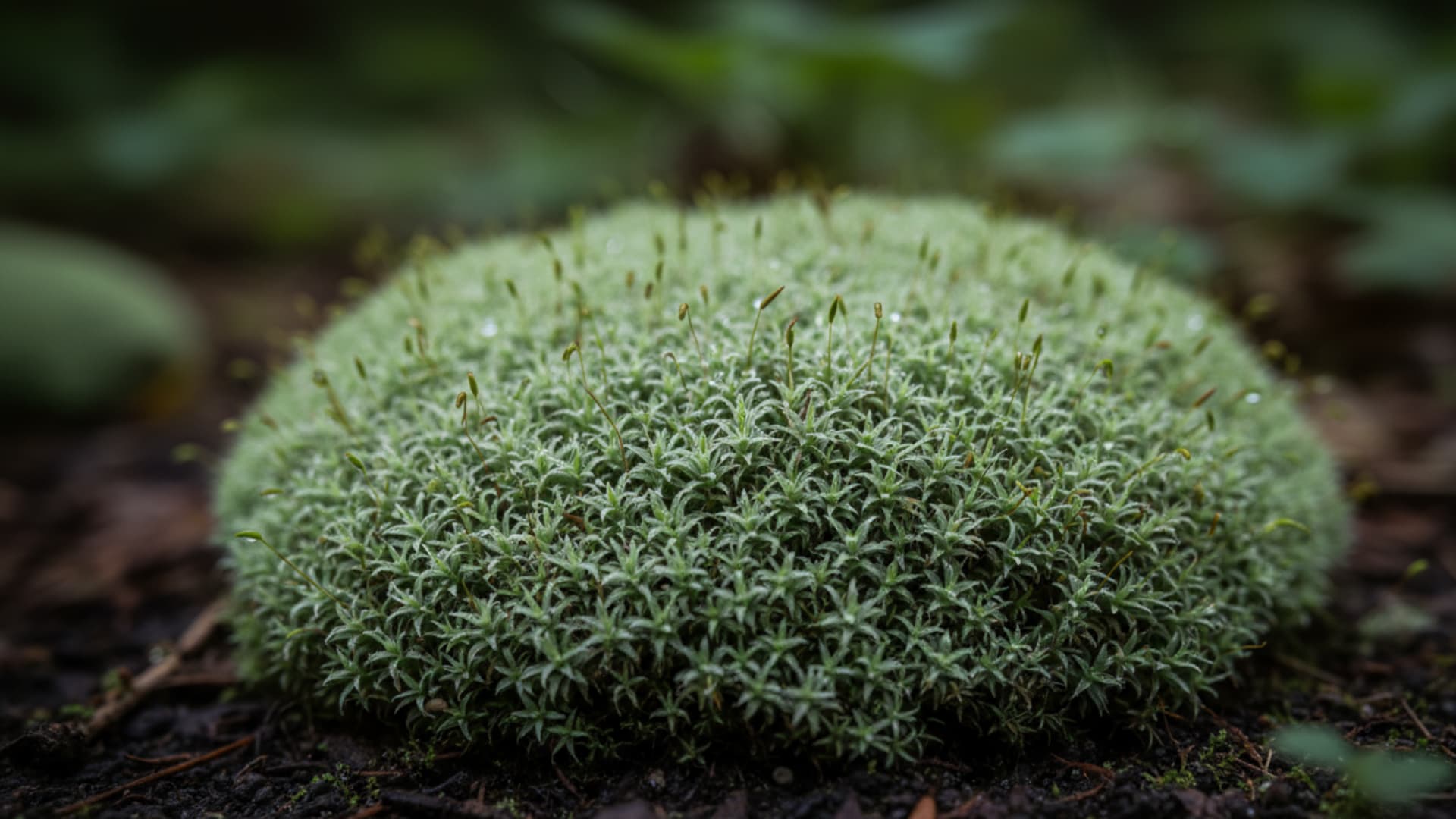
Cushion moss develops compact, rounded mounds that resemble soft green domes. It is often found on woodland soil and shaded stone surfaces. The dense structure helps it retain internal moisture.
| Subfield | Details |
|---|---|
| Scientific Name | Leucobryum glaucum |
| Type | Cushion-forming moss |
| Color | Silvery green |
| Size | 1 to 4 inches high |
| Light | Dappled shade |
| Soil | Acidic forest soil |
| Feature | Firm, pillow-shaped clusters |
4. Sheet Moss
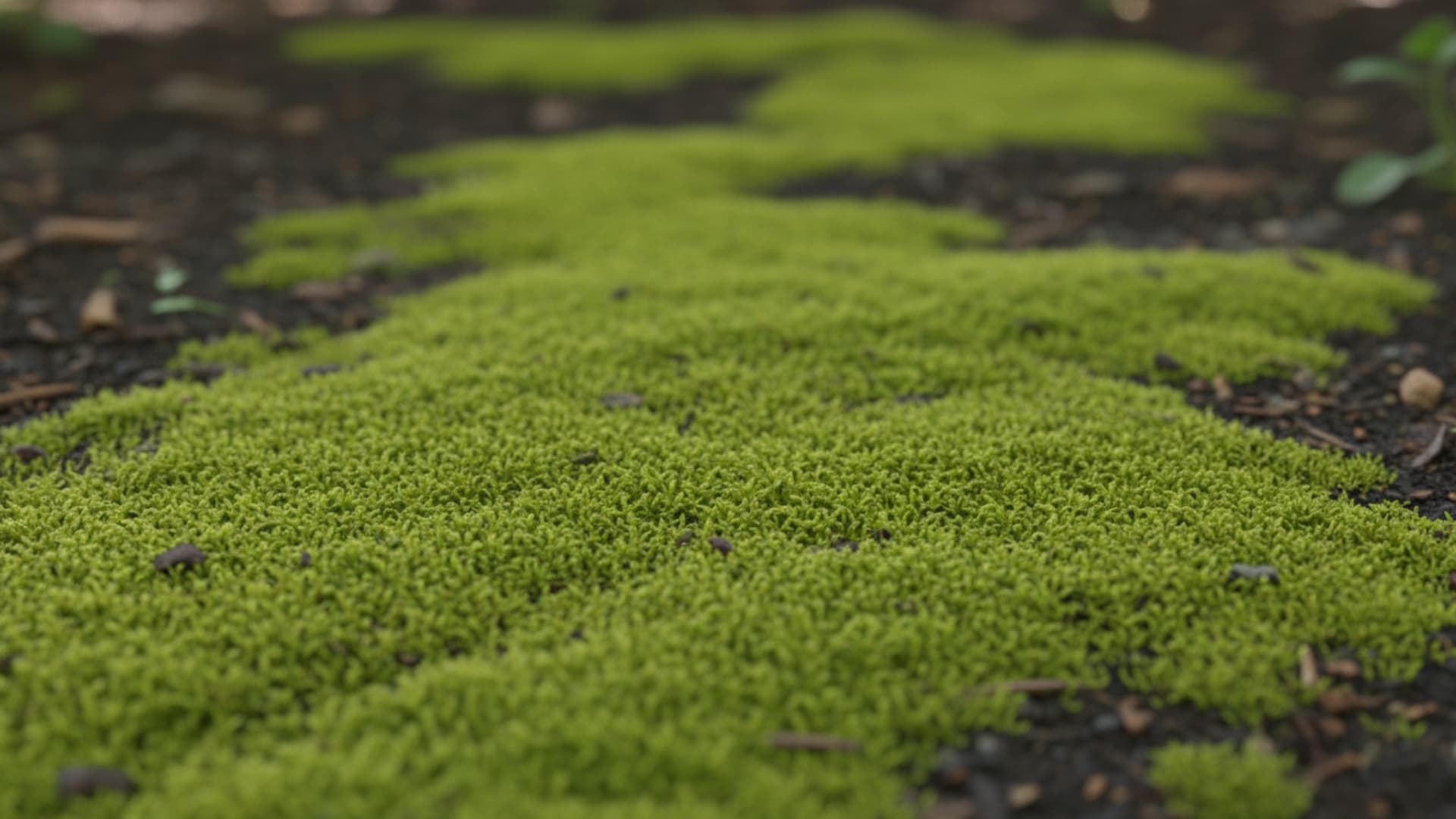
Sheet moss spreads horizontally in smooth layers, creating a natural carpet effect. It is frequently used in shaded landscape areas where turf struggles to establish. Over time, it forms even, continuous coverage.
| Subfield | Details |
|---|---|
| Scientific Name | Hypnum imponens |
| Type | Carpet forming moss |
| Color | Bright green |
| Size | Under 2 inches |
| Light | Shade |
| Soil | Moist, well-drained soil |
| Feature | Creeping interwoven stems |
5. Mood Moss
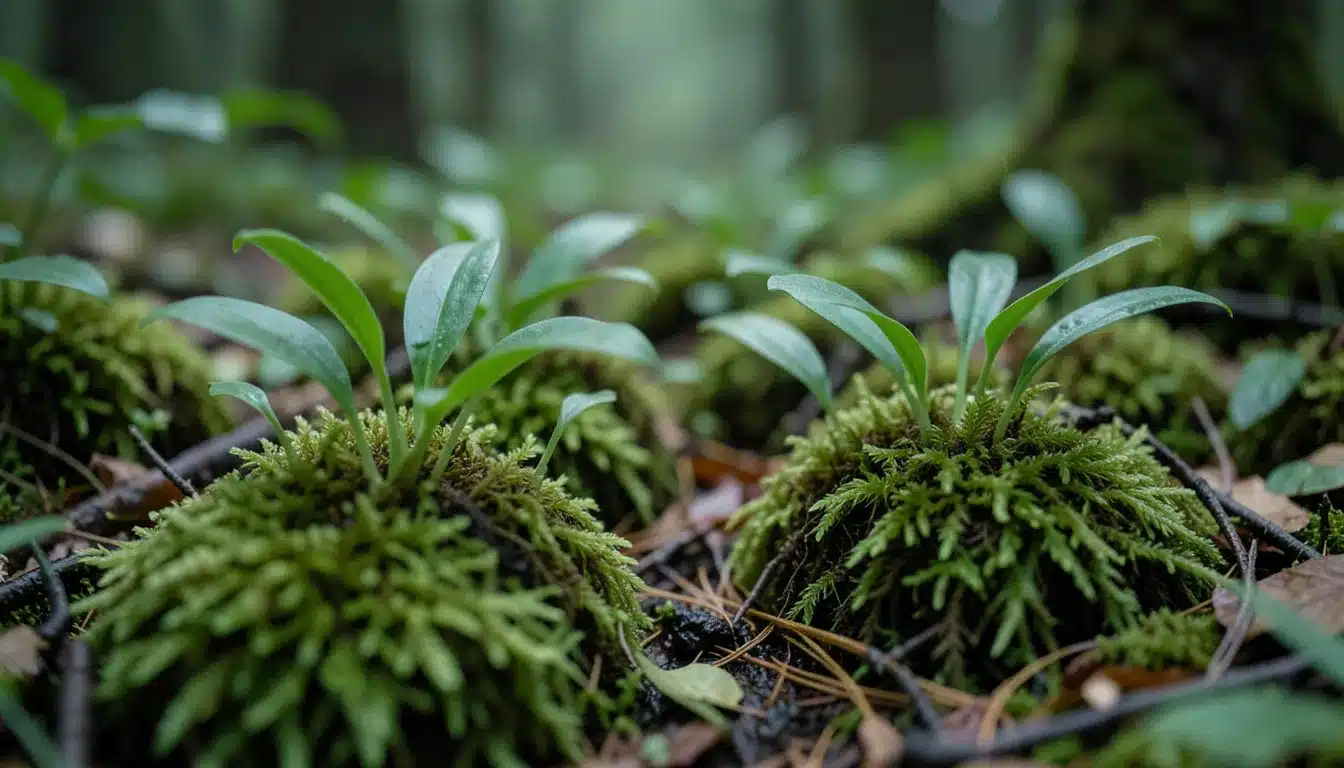
Mood moss grows in loose clusters with gently curved leaves that bend in one direction. It thrives in woodland gardens and humid terrarium settings. The soft texture gives it an ornamental appeal.
| Subfield | Details |
|---|---|
| Scientific Name | Dicranum scoparium |
| Type | Clump-forming moss |
| Color | Medium green |
| Size | 2 to 6 inches |
| Light | Indirect light |
| Soil | Humus-rich soil |
| Feature | Leaves bend uniformly to one side |
6. Fern Moss
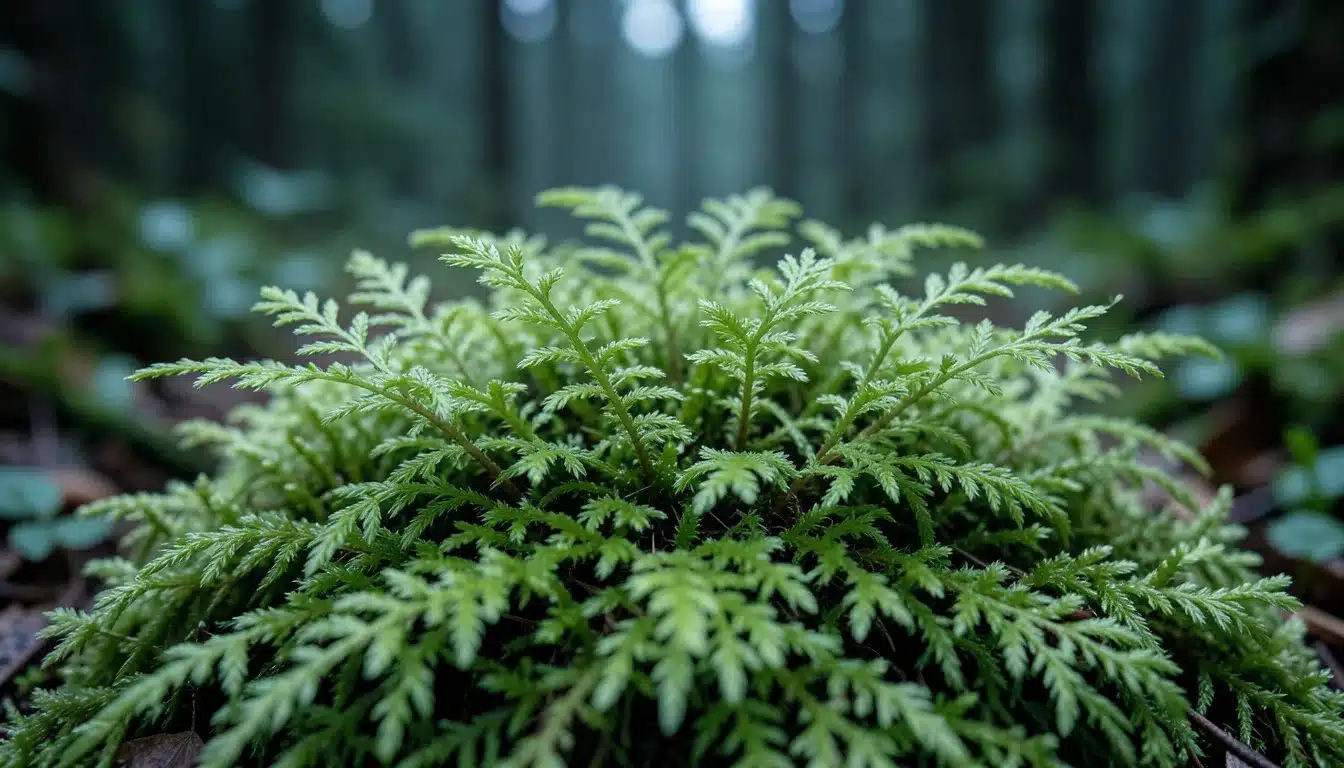
Fern moss resembles miniature fern fronds with layered branching. It prefers cool woodland settings with consistent moisture. Its detailed structure adds texture to forest floors.
| Subfield | Details |
|---|---|
| Scientific Name | Thuidium delicatulum |
| Type | Feather-like moss |
| Color | Light emerald |
| Size | 1 to 3 inches |
| Light | Light shade |
| Soil | Moist woodland soil |
| Feature | Finely divided branching structure |
7. Rock Cap Moss
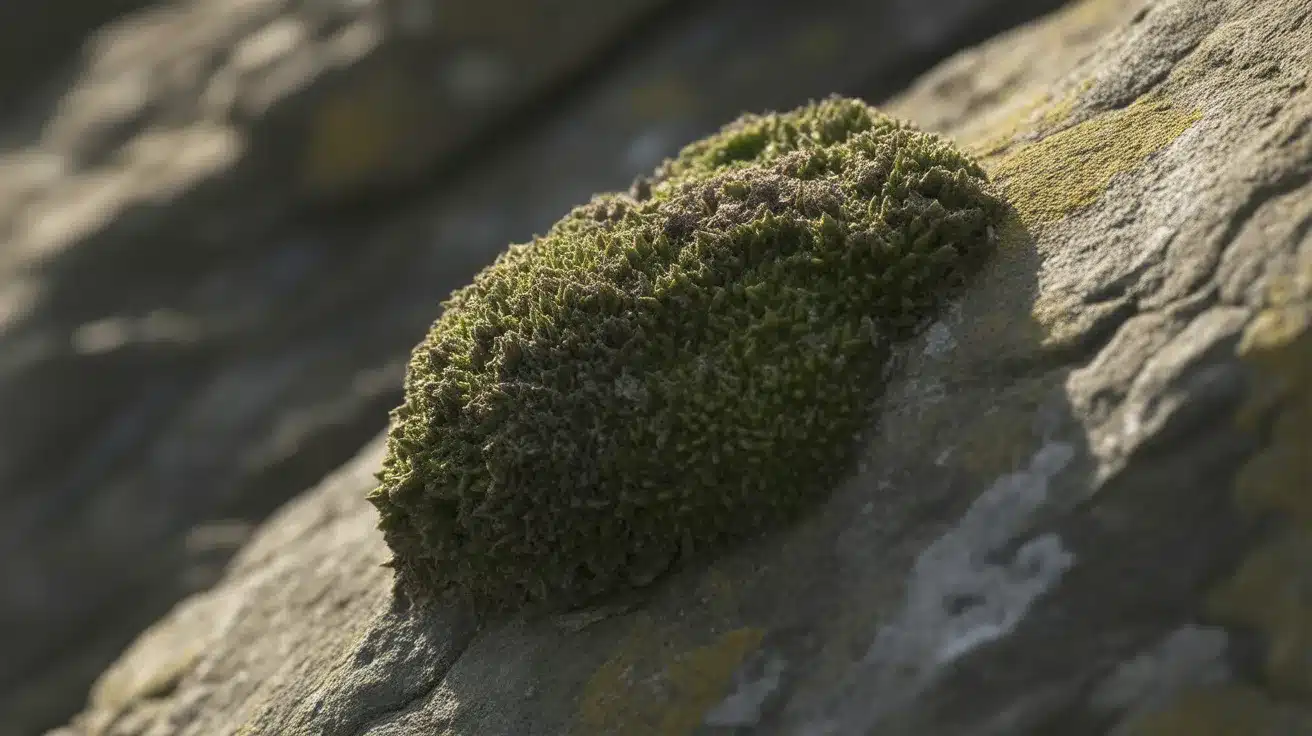
Rock cap moss anchors tightly to exposed stone surfaces. It tolerates drying conditions better than many woodland varieties. You often see it on boulders and masonry.
| Subfield | Details |
|---|---|
| Scientific Name | Grimmia pulvinata |
| Type | Rock-dwelling moss |
| Color | Dark green to gray |
| Size | Under 1 inch |
| Light | Full sun to partial shade |
| Soil | Minimal gritty substrate |
| Feature | Compact, rounded tufts on rock |
8. Silver Moss
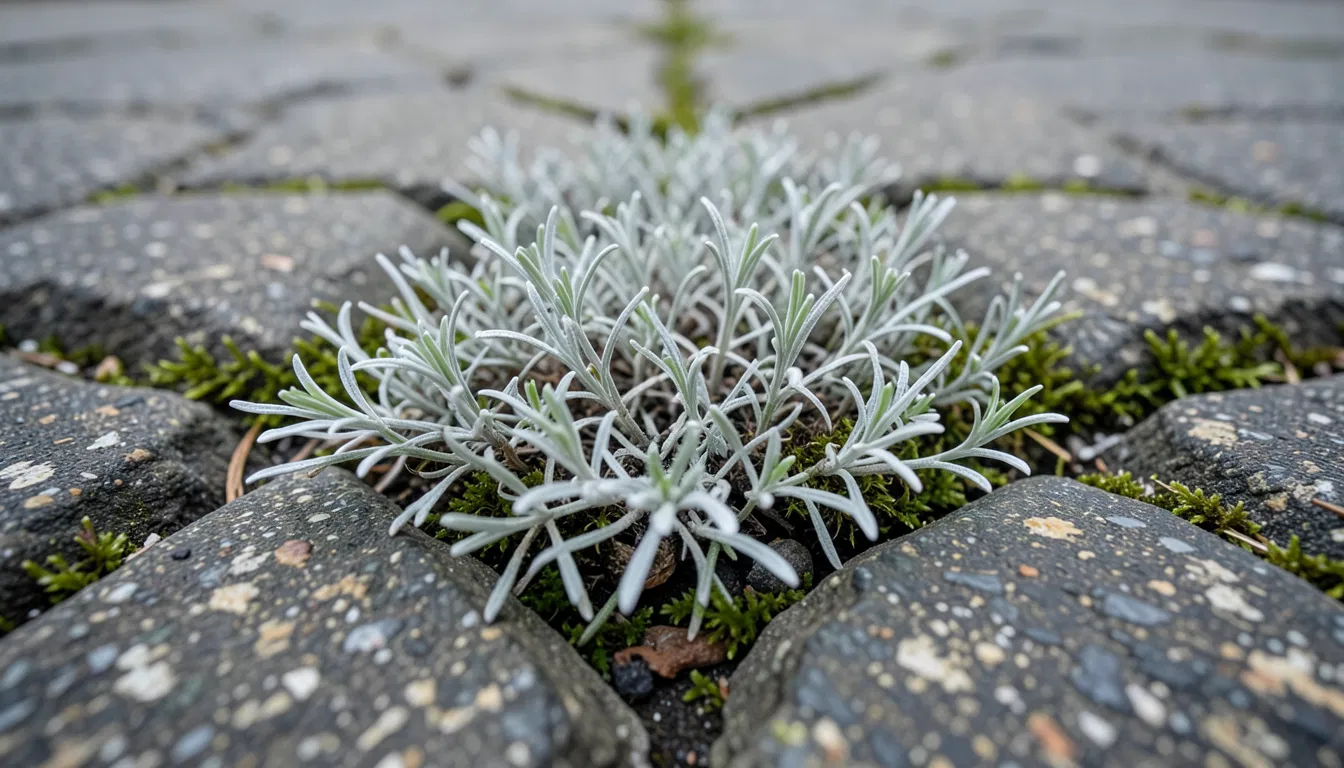
Silver moss adapts well to urban settings and frequently grows between paving stones. During dry periods, its tips develop a pale sheen. It is resilient in compacted soil conditions.
| Subfield | Details |
|---|---|
| Scientific Name | Bryum argenteum |
| Type | Urban colonizing moss |
| Color | Green with silvery sheen |
| Size | 0.5 to 1 inch |
| Light | Open light |
| Soil | Compacted soil |
| Feature | Metallic appearance when dry |
9. Star Moss
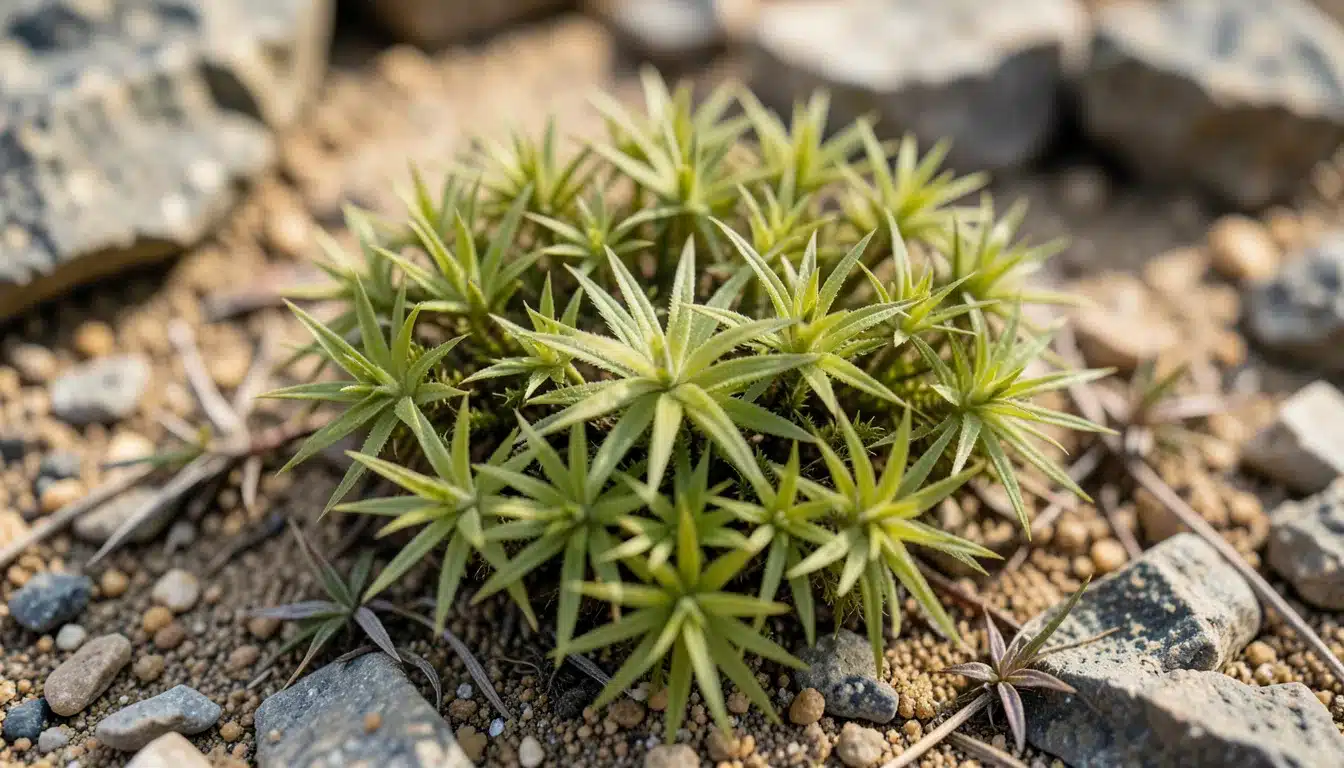
Star moss forms open rosettes that spread outward like a starburst. It thrives in thin soil over rock and efficiently captures surface moisture. Its radial pattern is easy to notice after rainfall.
| Subfield | Details |
|---|---|
| Scientific Name | Syntrichia ruralis |
| Type | Rosette-forming moss |
| Color | Olive green |
| Size | Around 1 inch |
| Light | Sun to partial shade |
| Soil | Sandy or rocky soil |
| Feature | Star-shaped leaf arrangement |
10. Tree Moss
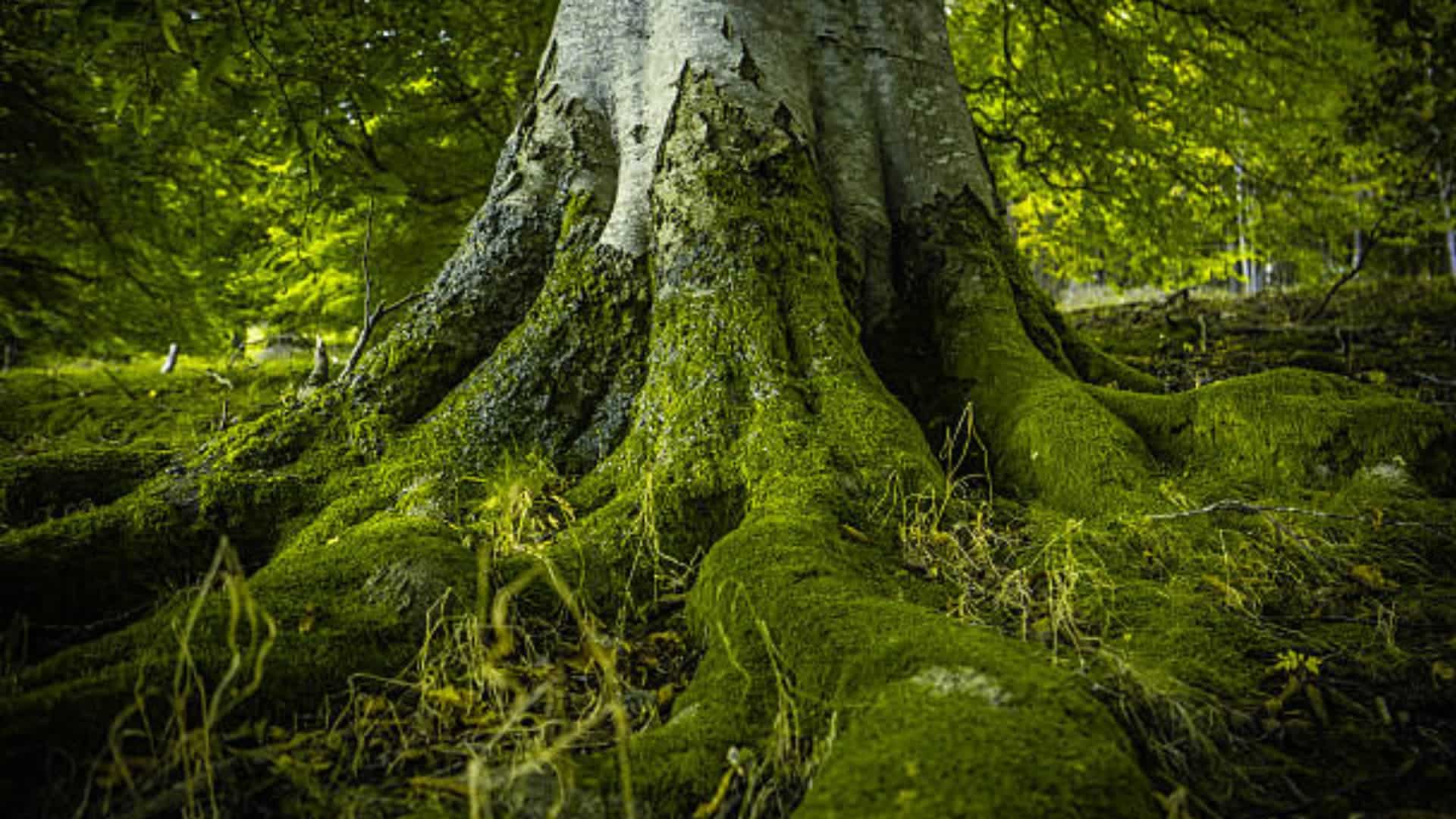
Tree moss grows upright with branching stems that resemble miniature trees. It is often seen in damp woodland margins. The vertical form sets it apart from flatter mats.
| Subfield | Details |
|---|---|
| Scientific Name | Climacium dendroides |
| Type | Upright branching moss |
| Color | Rich green |
| Size | 2 to 6 inches |
| Light | Shaded woodland |
| Soil | Moist forest soil |
| Feature | Tree-like vertical structure |
11. Pincushion Moss
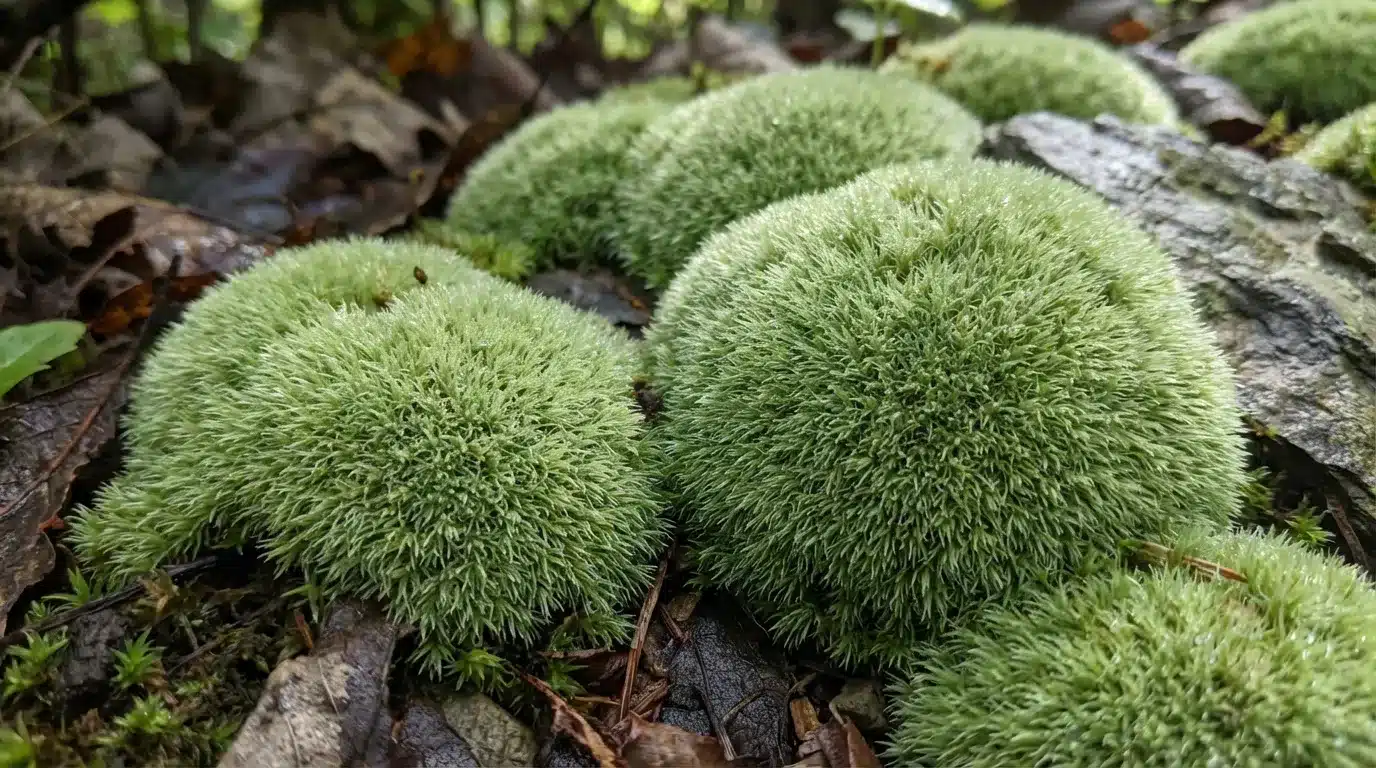
Pincushion moss forms rounded clusters with a velvety texture. It prefers shaded forest soil and acidic conditions. Its pale tone makes it visually distinct from the nearby darker mosses.
| Subfield | Details |
|---|---|
| Scientific Name | Leucobryum spp |
| Type | Cushion-type moss |
| Color | Pale green |
| Size | 1 to 3 inches |
| Light | Filtered shade |
| Soil | Acidic substrate |
| Feature | Dense, dome-shaped growth |
12. Broom Moss
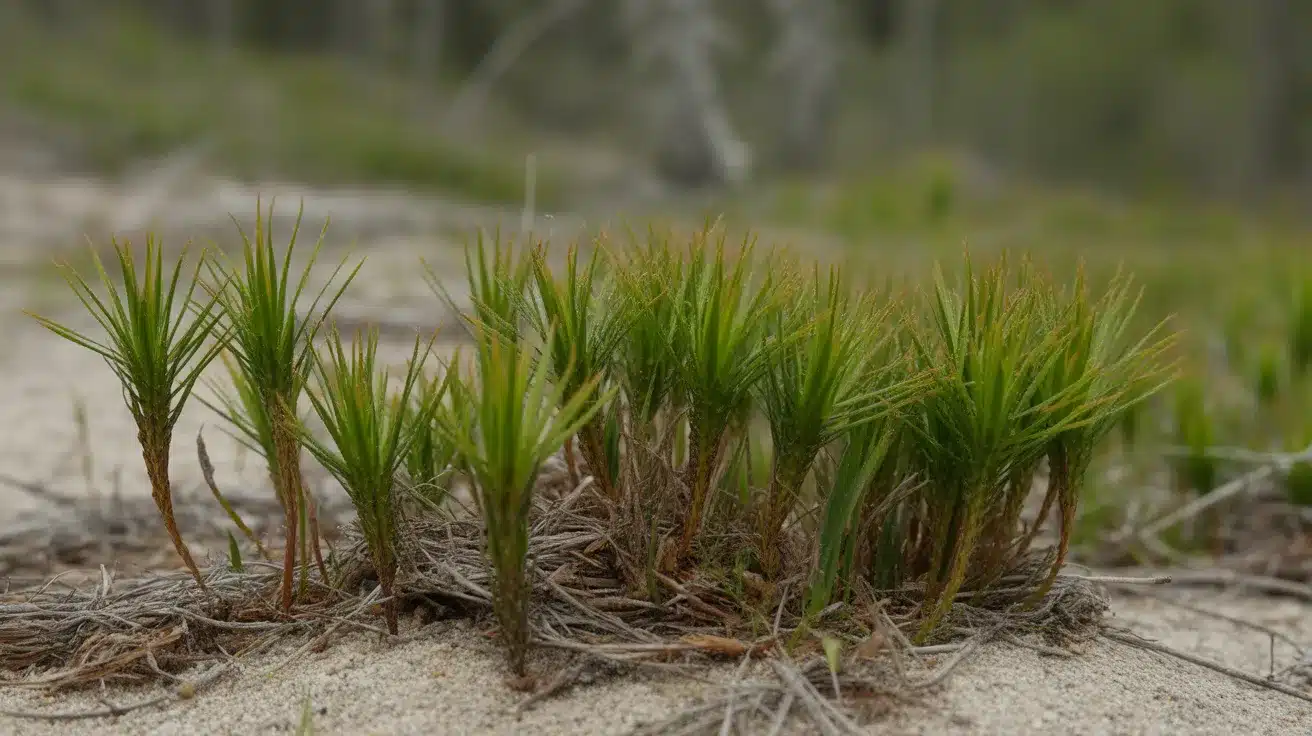
Broom moss grows in tall, slender tufts with leaves angled consistently in one direction. It commonly appears in coniferous woodland settings. The directional leaf pattern assists identification.
| Subfield | Details |
|---|---|
| Scientific Name | Dicranum spp |
| Type | Woodland tuft moss |
| Color | Deep forest green |
| Size | 3 to 5 inches |
| Light | Moderate shade |
| Soil | Sandy woodland soil |
| Feature | Leaves swept in one direction |
13. Swan Neck Thyme Moss
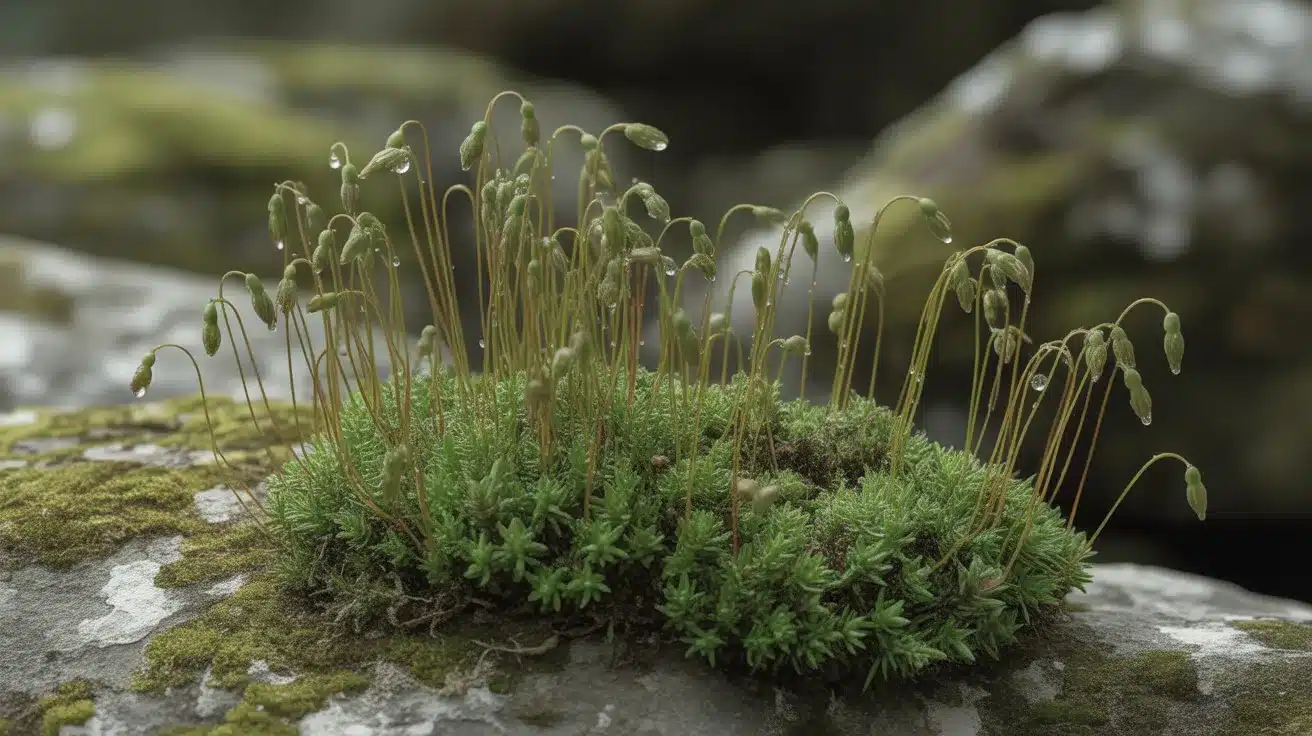
This moss features upright stems with gently curved capsules that resemble a swan’s neck. It thrives in moist woodland paths and shaded banks. Its glossy leaves catch filtered light.
| Subfield | Details |
|---|---|
| Scientific Name | Mnium hornum |
| Type | Upright leafy moss |
| Color | Glossy green |
| Size | 2 to 4 inches |
| Light | Shade |
| Soil | Damp loamy soil |
| Feature | Curved capsule stalk |
14. Juniper Haircap Moss
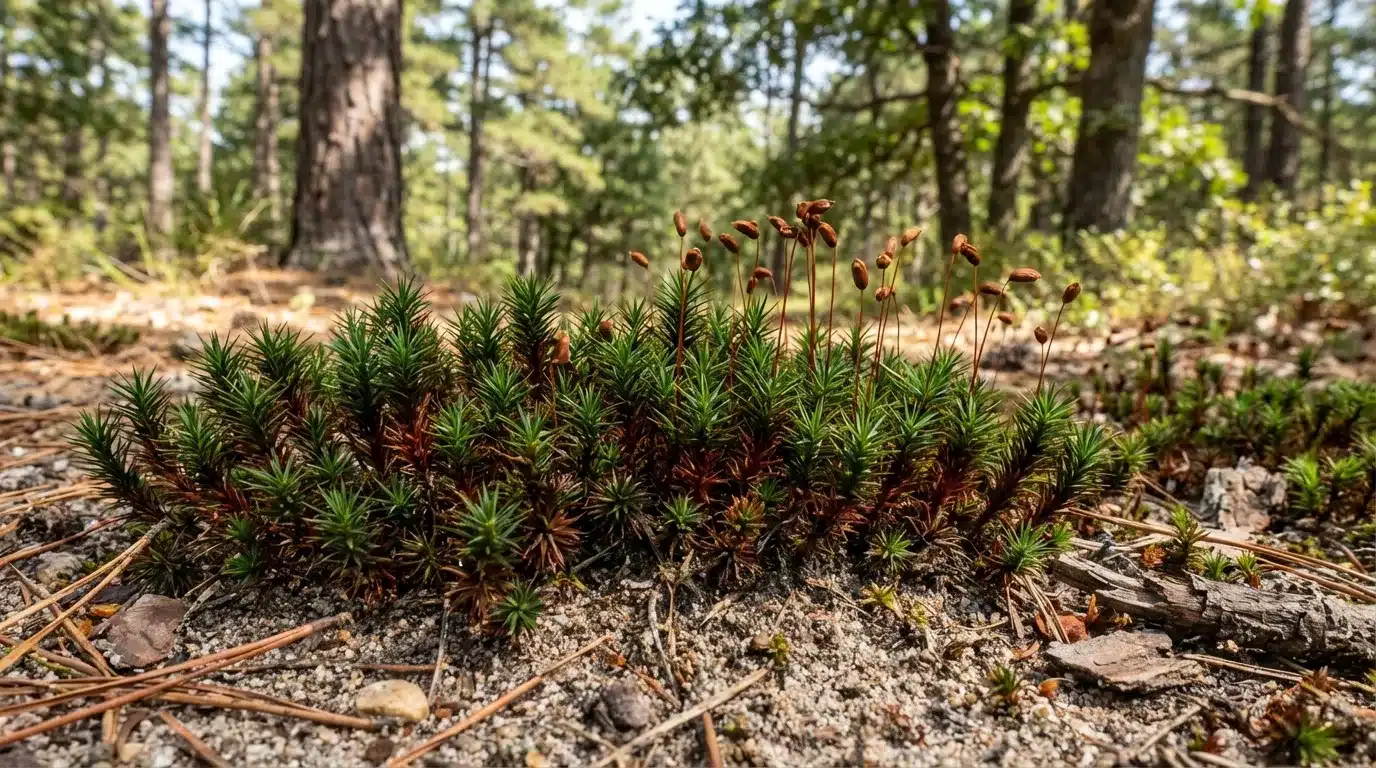
Juniper haircap tolerates exposed sandy soil and brighter conditions than many woodland species. It is often one of the first types of moss to appear after disturbance. The reddish stem base is a helpful clue.
| Subfield | Details |
|---|---|
| Scientific Name | Polytrichum juniperinum |
| Type | Pioneer upright moss |
| Color | Dark green with reddish stems |
| Size | 2 to 4 inches |
| Light | Partial sun |
| Soil | Sandy or gravelly soil |
| Feature | Reddish lower stem base |
15. Tamarisk Moss
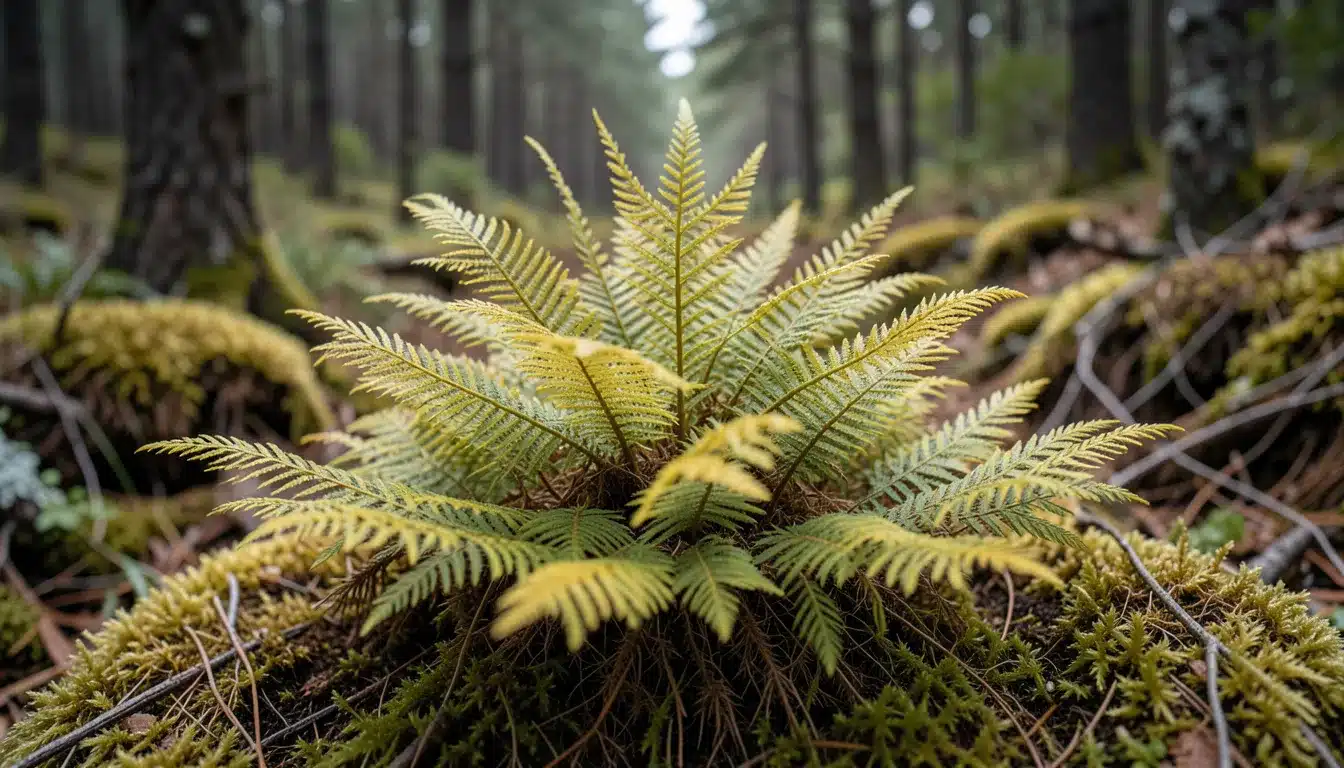
Tamarisk moss forms layered, feathered sprays that spread across shaded slopes. It prefers stable moisture and cooler climates. The overlapping branches give it depth and texture.
| Subfield | Details |
|---|---|
| Scientific Name | Thuidium tamariscinum |
| Type | Feathered mat moss |
| Color | Yellow green |
| Size | 1 to 5 inches |
| Light | Indirect light |
| Soil | Moist humus-rich soil |
| Feature | Multi-layered branching pattern |
16. Thread Moss
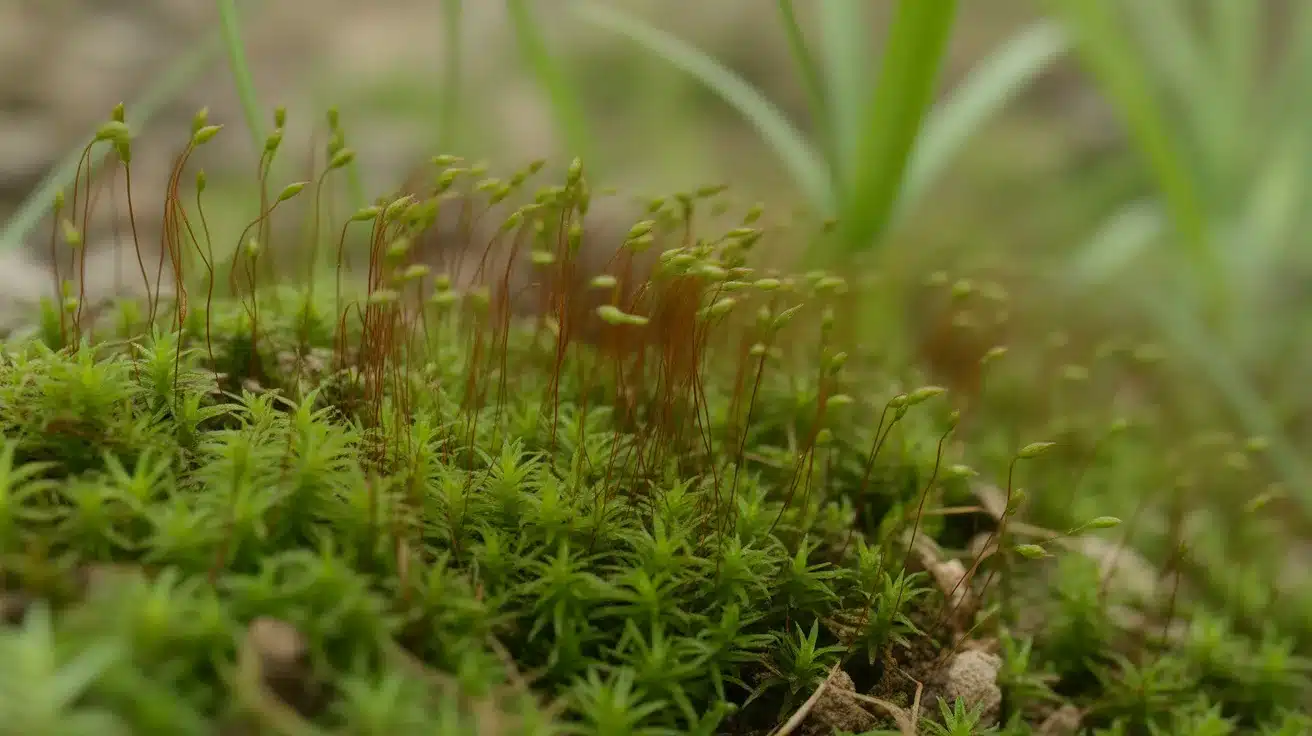
Thread moss produces fine, slender shoots that quickly colonize exposed soil. It often appears in garden beds after rainfall. The delicate texture resembles thin green threads.
| Subfield | Details |
|---|---|
| Scientific Name | Bryum capillare |
| Type | Fine-textured moss |
| Color | Bright green |
| Size | Under 1 inch |
| Light | Variable light |
| Soil | Loose soil |
| Feature | Thin threadlike stems |
17. Dicranella Moss
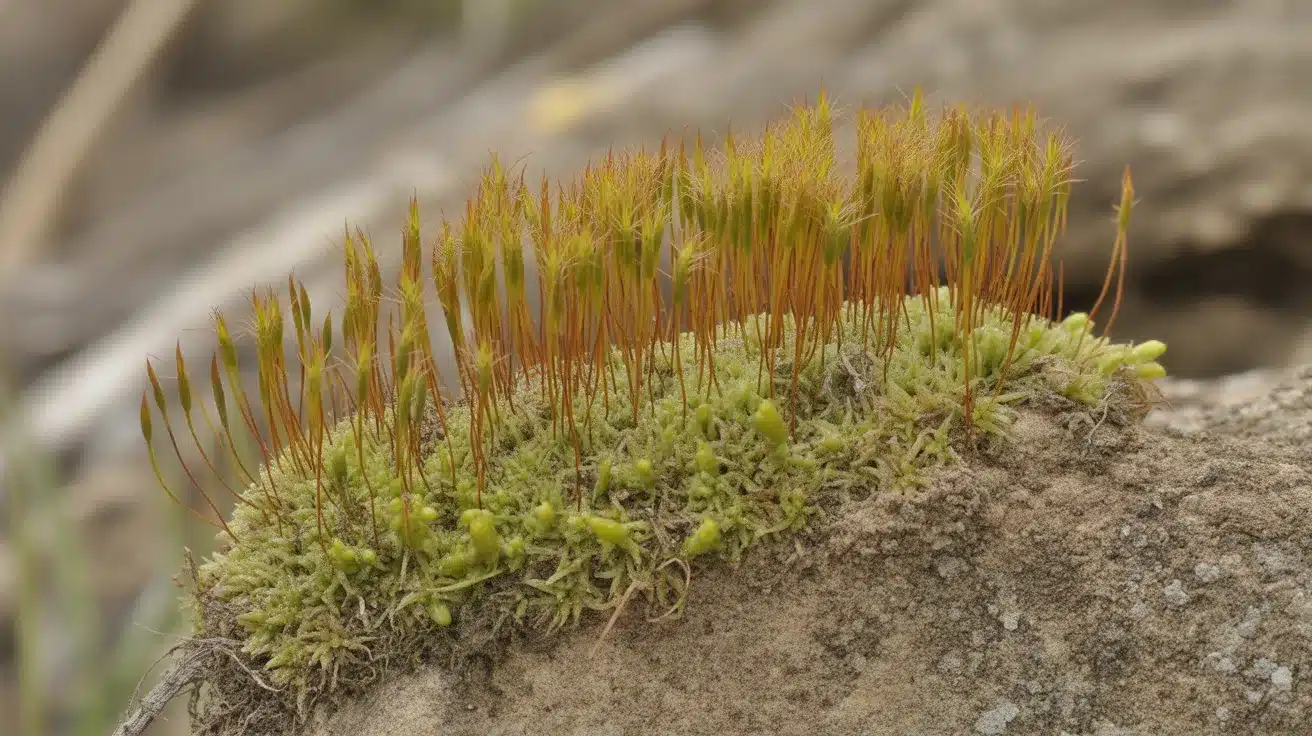
Dicranella species grow in compact upright tufts on bare soil banks. They are common in recently disturbed areas. Their structure allows them to stabilize loose ground.
| Subfield | Details |
|---|---|
| Scientific Name | Dicranella heteromalla |
| Type | Pioneer tuft moss |
| Color | Yellow green |
| Size | Around 1 inch |
| Light | Partial shade |
| Soil | Bare mineral soil |
| Feature | Dense upright clusters |
18. Hypnum Moss
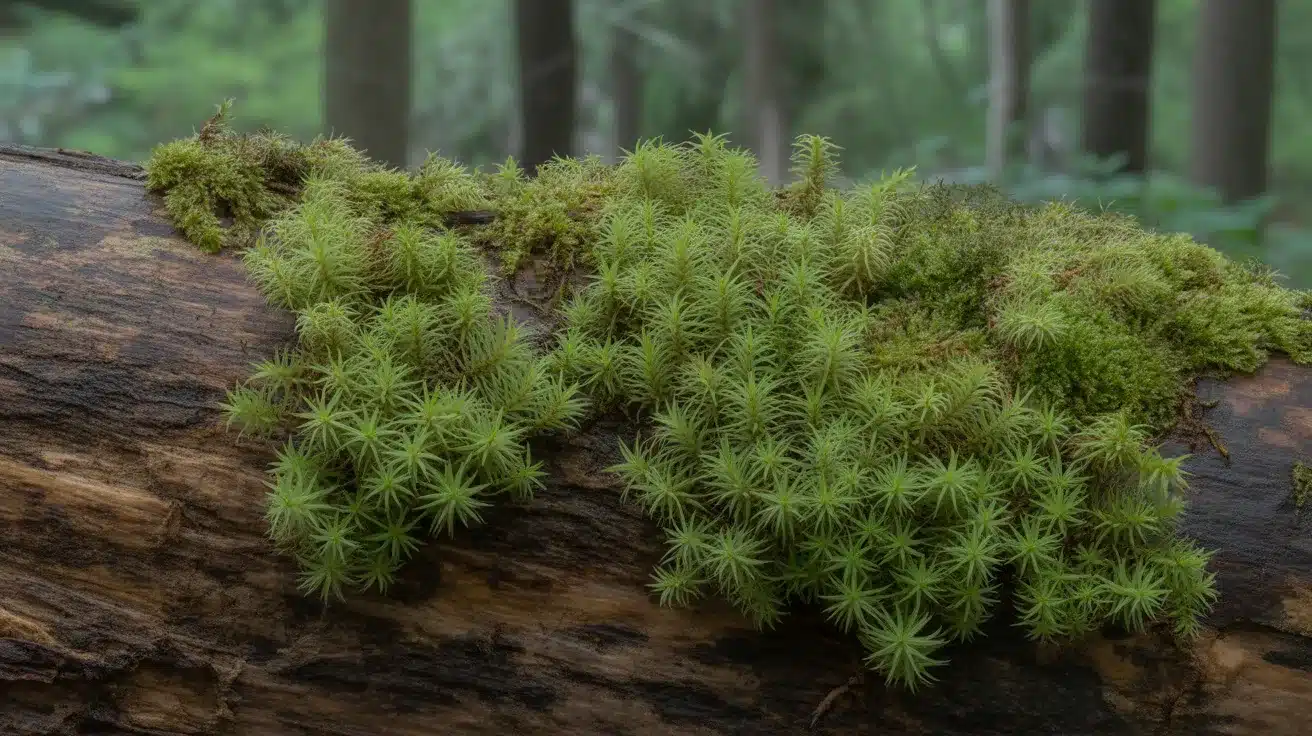
Hypnum moss spreads in soft, trailing mats across logs and shaded soil. It adapts well to woodland humidity and gradually forms thick coverage. Many gardeners recognize it as a classic forest-floor moss.
| Subfield | Details |
|---|---|
| Scientific Name | Hypnum cupressiforme |
| Type | Trailing mat moss |
| Color | Medium green |
| Size | Low growing |
| Light | Shade |
| Soil | Moist organic soil |
| Feature | Interlocking creeping stems |
Why Moss Matters in Nature
Moss may look small and quiet, but its ecological role is surprisingly powerful. These plants support entire micro habitats and influence how water and soil behave.
- Water regulation: Moss absorbs rainfall like a sponge, slowing runoff and helping maintain steady moisture levels in forests and wetlands.
- Soil formation: Over time, moss traps dust and organic particles, gradually contributing to the creation of new soil layers.
- Erosion control: Dense moss mats stabilize loose ground and reduce soil loss on slopes and exposed surfaces.
- Habitat support: Moss provides shelter and moisture for insects, microorganisms, and small invertebrates.
- Peatland development: Certain types of moss, especially sphagnum, play a key role in forming peat and storing long-term carbon.
- Temperature buffering: Moss cushions the ground surface, helping regulate temperature extremes in delicate ecosystems.
How to Identify Moss in the Wild?
Before diving into field guides, start with visible traits. A few simple observations quickly narrow down many types of moss.
| Check Point | What to Look For | Why It Helps |
|---|---|---|
| Growth form | Cushion, mat, tuft, or rosette | Separates major groups fast |
| Height | Very low or upright stems | Indicates species category |
| Leaf direction | Curved, straight, swept | Helps distinguish similar genera |
| Surface location | Soil, rock, bark | Habitat narrows options |
| Capsule presence | Stalk with spore case | Confirms reproductive stage |
Is Moss a Fungus or A Mold?
Moss is neither a fungus nor a mold. It is a true plant, specifically a nonvascular plant that produces spores instead of seeds.
Unlike fungi, which feed on organic matter, moss creates its own food through photosynthesis.
Mold belongs to the fungal kingdom and breaks down material, while moss uses sunlight, water, and carbon dioxide to grow.
Their appearance in damp places sometimes causes confusion, but biologically, they are completely different organisms.
The Bottom Line
Once you start noticing the variety among different types of moss, it becomes hard to see them as simple green patches.
Each species reflects the conditions around it, from saturated bogs to sun-baked stone. Learning a few field clues, such as growth form, height, and habitat, makes identification far less overwhelming.
Moss also plays a quiet but meaningful role in water balance, soil stability, and small-scale ecosystems.
If you have spotted an interesting moss in your yard or on a trail, share what it looked like and where you found it. Drop your observation in the comments below and let us talk moss together.