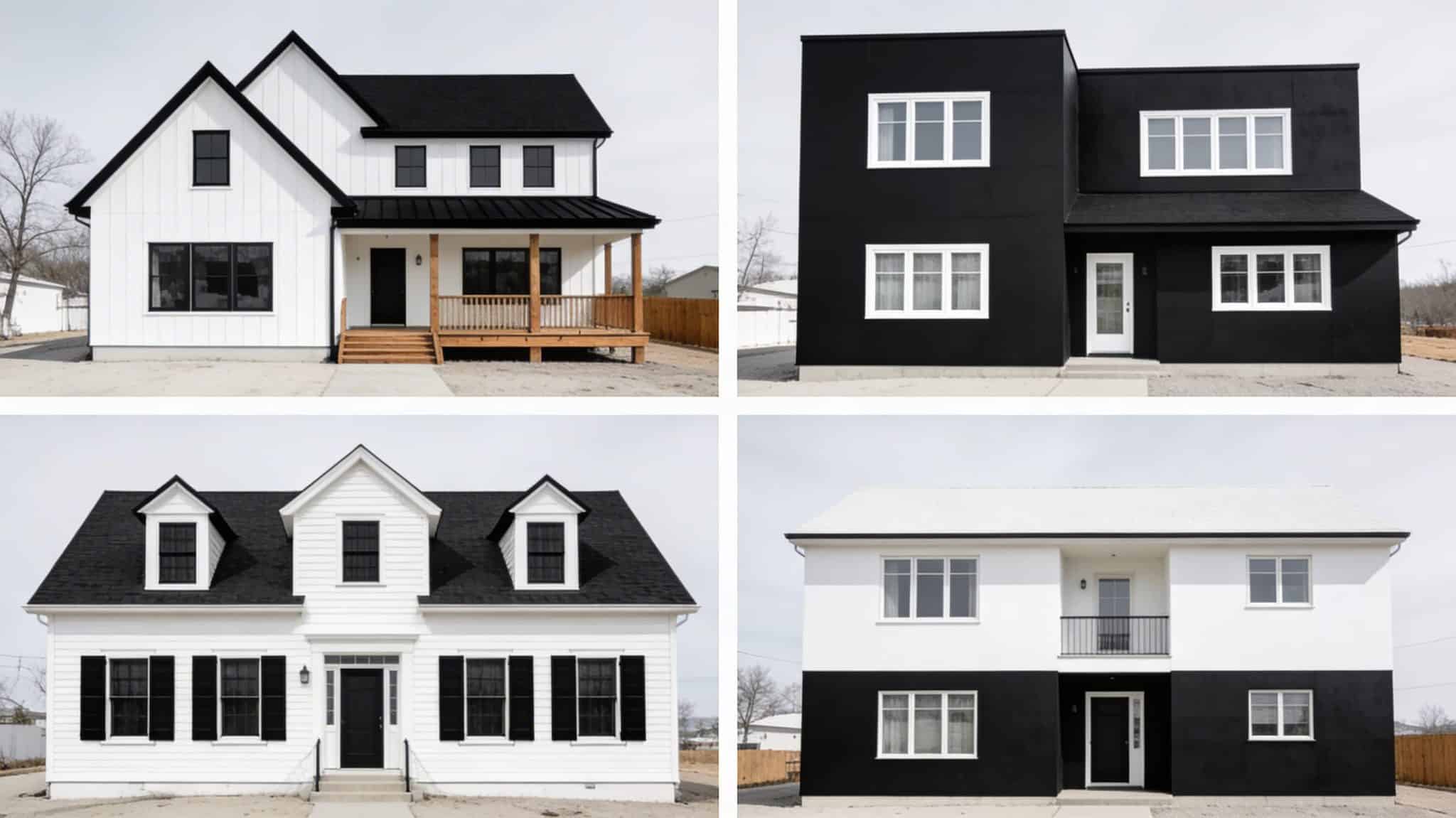
For generations, the starter home was a cornerstone of the American housing narrative. Buy small, compromise on features, build equity, and move up when life and finances allowed. It was a predictable first rung on the ladder. Today, that ladder looks very different, and for many buyers, the first rung has all but disappeared.
According to a Rocket Mortgage® survey, a growing number of buyers no longer expect (or even want) to purchase a home they plan to outgrow quickly. That shift has reshaped demand, pricing, and expectations, helping explain why the traditional starter home has faded from prominence.
How the Starter Home Became the Default
The starter home emerged during a period when upward mobility felt more attainable. Housing costs were lower relative to income, renovation labor was accessible, and moving every few years was financially realistic. These homes were often modest in size, light on amenities, and imperfect by design, and buyers accepted trade-offs because the next step felt achievable. Equity accumulation was the goal, not long-term comfort. The starter home worked because the system around it supported progression.
Affordability Pressure Changed the Equation
As home prices rose faster than wages in many markets, the idea of “starting small” became less practical. Starter homes no longer offer the affordability advantage they once did. In many areas, smaller homes command premium prices due to limited inventory and high demand. When price differences narrow, buyers question why they should compromise. When the cost feels similar, expectations change.
The Timeline for Moving Has Stretched
One of the quiet forces behind the decline of the starter home is time. Today’s buyers are moving less frequently. Today’s career paths are less linear, family timelines are more varied, and relocation often feels disruptive rather than aspirational. So now, the assumption that a buyer will upgrade in five years no longer holds. Accordingly, homes are being evaluated as longer-term commitments by default.
Lifestyle Expectations Have Shifted
Modern buyers place more emphasis on livability from day one. Functional layouts, work-from-home space, storage, and updated systems matter more than they did when starter homes were the norm. Buyers want homes that support daily life without requiring immediate compromise. The tolerance for “making it work for now” has dropped.
Fixer Uppers No Longer Fill the Gap
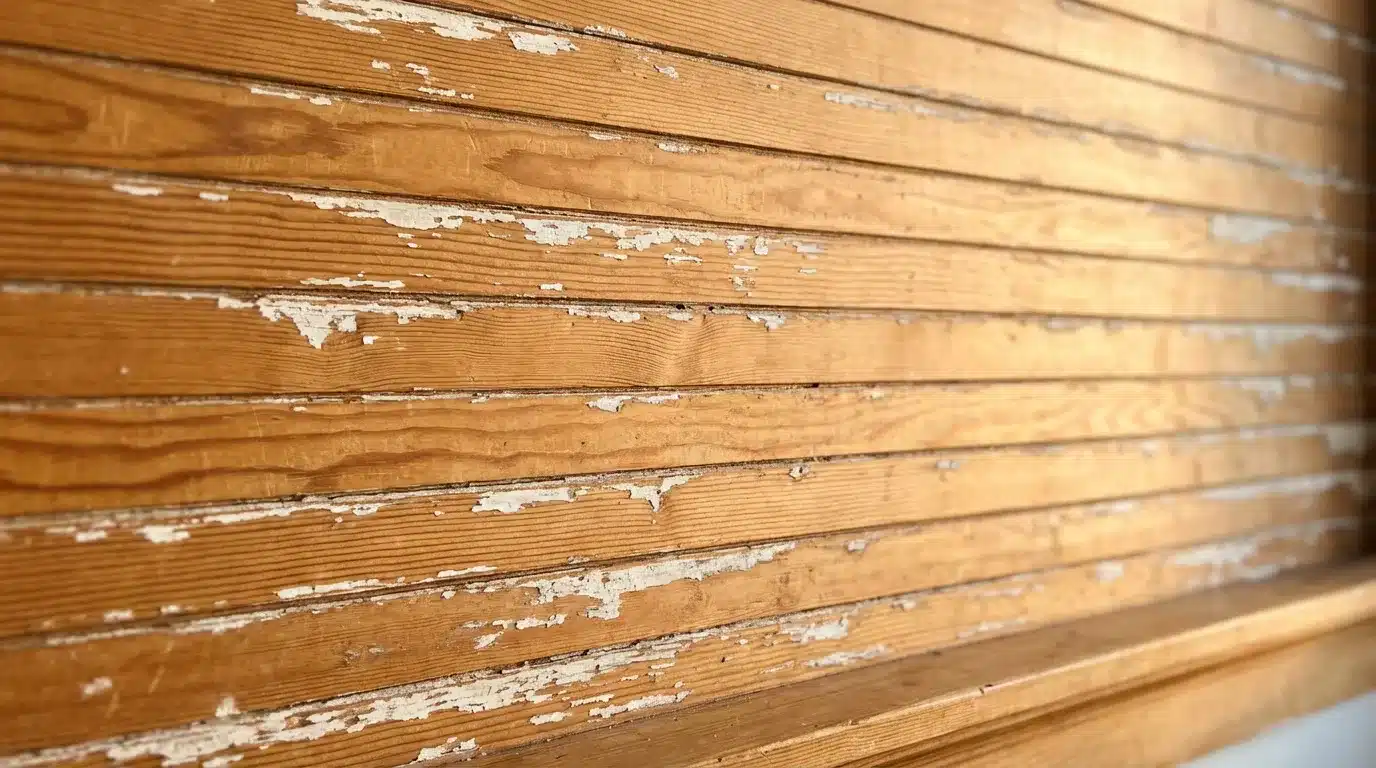
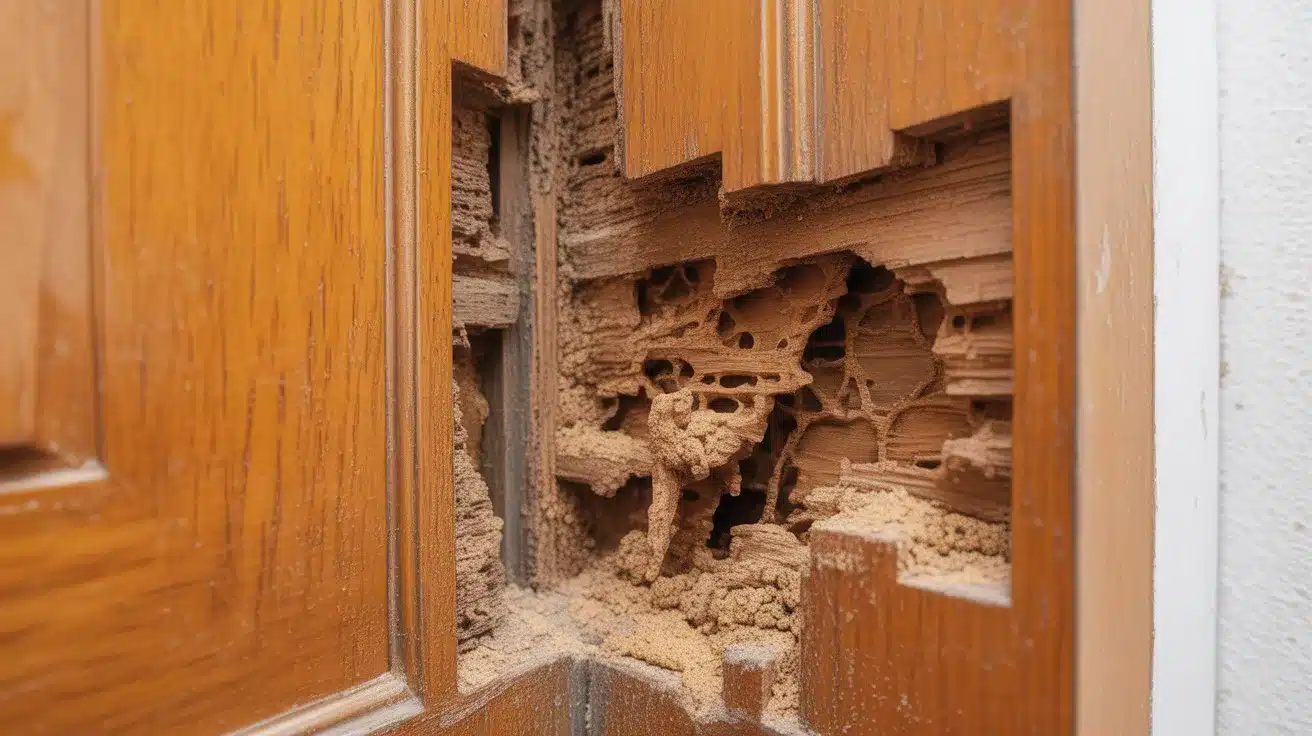
Fixer uppers once complemented the starter home model. Buyers traded effort for affordability. Today, renovation costs, labor shortages, and time constraints have made that trade-off less appealing. Homes that require work feel risky, not empowering. And without fixer uppers as a viable stepping stone, the starter home loses some of its flexibility.
The Emotional Cost of Compromise Is Higher
Compromise used to feel temporary, but now it can feel permanent. When buyers expect to stay longer, compromises carry more emotional weight. Living with an awkward layout or outdated systems for years feels different than tolerating them briefly. In short, buyers are less willing to accept friction they may not escape.
Inventory Constraints Have Redefined the Category
In many markets, true starter homes are scarce. Smaller, more affordable homes are often purchased by investors, converted into rentals, or priced competitively due to demand. New construction rarely targets the traditional starter home price point. The category hasn’t just lost appeal; it’s been squeezed.
Financing Has Become More Cautious
Financing standards and buyer risk awareness have evolved as well. First-time buyers are often more conservative, preferring predictable costs and stable monthly obligations. Homes that may require significant upgrades introduce uncertainty that lenders and buyers alike scrutinize more closely. And today, predictability holds premium value.
The Rise of the “Forever Home” Mindset
Rather than climbing a ladder, many buyers now look for a place to settle. Homes are evaluated based on how they’ll function through career changes, family growth, or shifting priorities. Flexibility and durability matter more than size alone. This mindset doesn’t eliminate compromise, but it does change where and how compromises are made.
Starter Homes Still Exist, But Their Role Has Changed
The starter home hasn’t vanished entirely, of course. It has simply stopped being the default. Some buyers still embrace smaller or simpler homes intentionally. Others view them as long-term choices rather than stepping stones. The label has shifted from “starter” to “right-sized,” and this language reflects expectations.
The Starter Home: Past, Present, and Future
The rise and fall of the starter home reflects broader changes in affordability, lifestyle expectations, and buyer psychology. Today’s buyers are less interested in stepping stones and more focused on stability, predictability, and homes they can genuinely grow into. The starter home didn’t fail, necessarily; rather, it became misaligned with how people now approach homeownership. In its place, a new model is emerging — and it’s one that values longevity over progression and comfort over compromise.