Ever noticed how TV shopping has become ridiculously complicated? You walk into a store (or browse online) and suddenly you’re bombarded with acronyms that sound like someone’s playing alphabet soup. QLED, OLED, Mini-LED, Neo QLED. The whole thing can make your head spin.
But here’s the thing about display technology – it’s actually moving pretty fast right now, and two particular innovations are genuinely changing how we experience movies and shows at home. We’re talking about Mini-LED and QLED tech, and honestly, the difference is more dramatic than you might expect.
What’s All This Mini-LED Buzz About?
Picture this: you’re watching a space movie with those gorgeous shots of stars against deep black space. Traditional LED TVs kind of struggle here because they can’t really turn off individual lights behind the screen. The result? Those blacks look more like dark grays, and the whole scene loses its punch.
Mini-LED technology basically takes the backlighting system and shrinks it down massively. Instead of having maybe a few dozen lighting zones, you get thousands of tiny LEDs working independently. The result is pretty impressive – darker blacks, brighter highlights, and way better contrast overall.
The thing is, Mini-LED isn’t just about making dark scenes look better. It also means HDR content actually pops the way directors intended. Those sunset scenes in nature documentaries? Yeah, they’ll actually make you squint a little.
QLED: The Color Revolution
Now, QLED is where things get interesting from a color perspective. The “Q” stands for quantum dot, which sounds like something from a sci-fi movie but is actually pretty straightforward tech.
Quantum dots are essentially microscopic particles that get excited by light and produce incredibly pure colors. When you combine this with the precision lighting of Mini-LED, you get colors that are not just more vibrant, but more accurate too.
Here’s what’s wild – QLED displays can reproduce colors that older LCD TVs simply couldn’t touch. That red Ferrari in a racing movie? It’ll look like actual Ferrari red, not some approximation that your brain has to fill in the gaps for.
The Home Cinema Game Changer
Look, anyone who’s serious about their home viewing setup knows that the display is pretty much everything. You can have the fanciest sound system and the most comfortable seating, but if your screen can’t deliver, the whole experience falls flat.
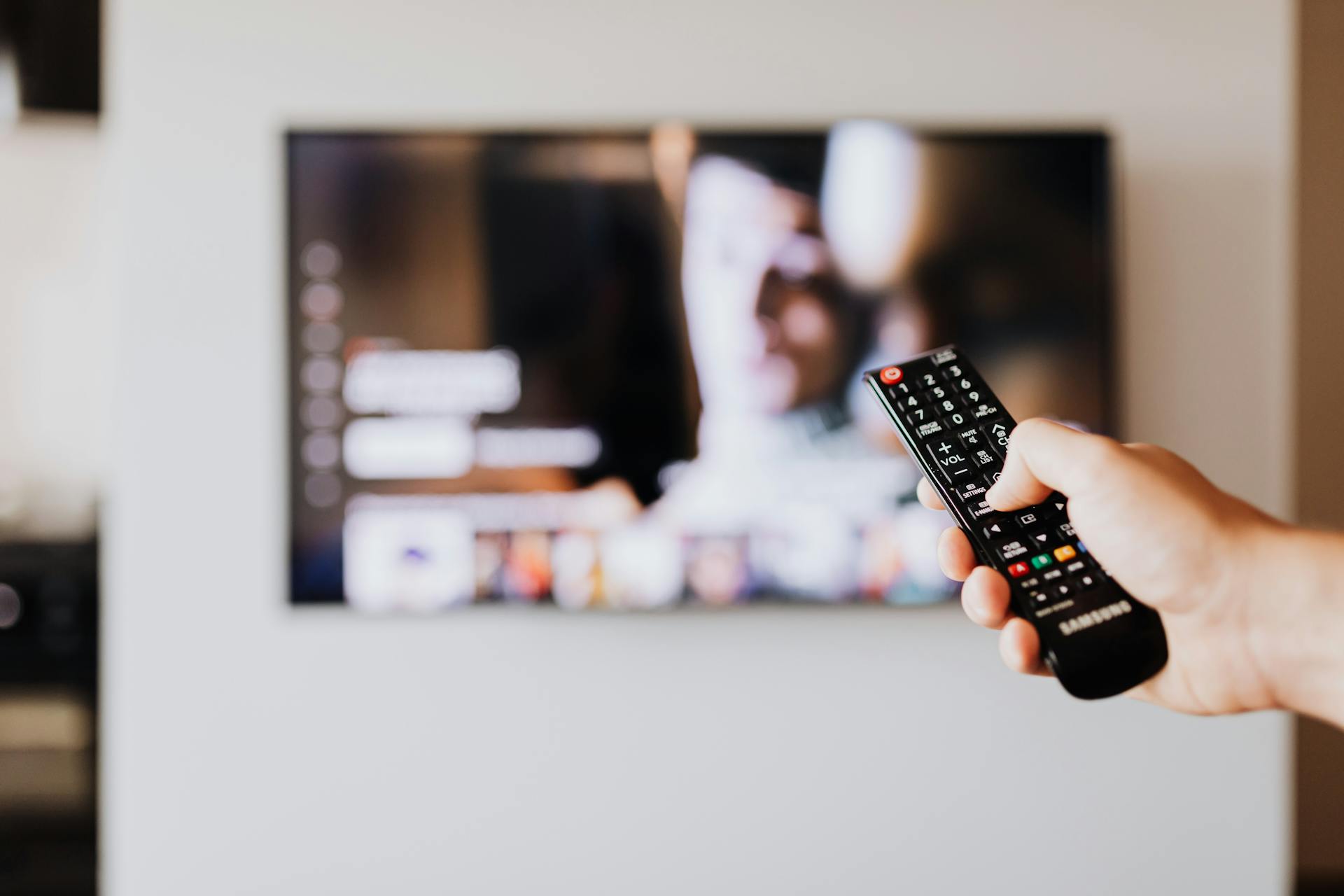
The combination of Mini-LED backlighting with QLED color technology is creating displays that are getting surprisingly close to what you’d see in actual movie theaters. The peak brightness levels these TVs can hit mean that HDR content finally has room to breathe and show off what it can do.
But it’s not just about the technical specs. The viewing experience just feels more immersive. Those Netflix nature documentaries become almost hypnotic. Action movies have more impact. Even regular TV shows look noticeably better.
What This Means for Your Next TV Purchase
The truth is, if you’re in the market for a new TV and you care about picture quality, Mini-LED QLED displays deserve serious consideration. The technology has matured enough that you’re not paying early-adopter prices for half-baked features.
Brands like TCL have been particularly aggressive about bringing this tech to various price points, making it more accessible than you might expect. If you’re looking to buy TCL TVs online Philippines, you’ll find options that would have cost twice as much just a couple of years ago.
The sweet spot seems to be in the 55-65 inch range where the benefits of the improved backlighting and color reproduction really shine. Smaller screens don’t show off the advantages as much, while larger ones can get pricey quickly.
Actually, the timing’s pretty good right now for anyone considering an upgrade. The technology has stabilized, prices have come down, and content libraries are packed with HDR material that can really show off what these displays can do.