Every home relies on its heating, ventilation, and air conditioning system to maintain comfort throughout the year. Yet, many homeowners tend to postpone necessary HVAC repairs, often believing that minor issues can wait. Unfortunately, ignoring these early warning signs can lead to more than just temporary discomfort.
The hidden costs of delaying HVAC repairs can quietly accumulate, affecting not only your finances but also the longevity and efficiency of your system. Understanding why timely maintenance matters can help you avoid unexpected breakdowns and major repair bills in the future.
Early Signs That Indicate a Problem
It is common for homeowners to overlook subtle signs that their HVAC system may need attention. Maybe there is a faint sound coming from the unit, or perhaps the airflow feels weaker than usual. You might be asking yourself is this an HVAC emergency or something that can wait until later.
The reality is that even small irregularities can point to bigger issues developing beneath the surface. A system that runs longer than usual to reach the desired temperature, strange odors from vents, or fluctuating temperatures in different rooms are all early warnings that something is amiss.
Ignoring these signs can cause minor mechanical issues to escalate quickly. For example, what begins as a loose belt or clogged filter can evolve into motor failure or refrigerant leaks. These more severe problems often require extensive repairs or even replacement of major components.
Energy Efficiency Declines Over Time
When an HVAC system operates with underlying issues, it must work harder to maintain the same level of comfort. This increased strain means more energy consumption and higher utility bills. Dirty coils, blocked ducts, or malfunctioning thermostats all force the system to run longer and less efficiently. Over time, these inefficiencies not only drain energy but also put unnecessary stress on components that were not designed to handle constant overuse.
The cost of wasted energy can accumulate significantly over the months. What might seem like a small monthly increase can add up over the year, becoming a hidden expense that goes unnoticed until it becomes overwhelming.
The Risk of Major Breakdowns
Delaying HVAC repairs does more than affect performance; it can lead to sudden and costly breakdowns. A system that is struggling to perform efficiently is more likely to fail under heavy usage, especially during extreme weather conditions. This means you could find yourself without heating during a freezing night or without cooling during a heatwave. Emergency repairs are often more expensive and may take longer to complete, particularly during peak seasons when technicians are in high demand.
Beyond the inconvenience, breakdowns often signal extensive damage to multiple parts of the system. When one component fails, it can cause a chain reaction, leading to additional wear and tear on other parts.
The Impact on Indoor Air Quality
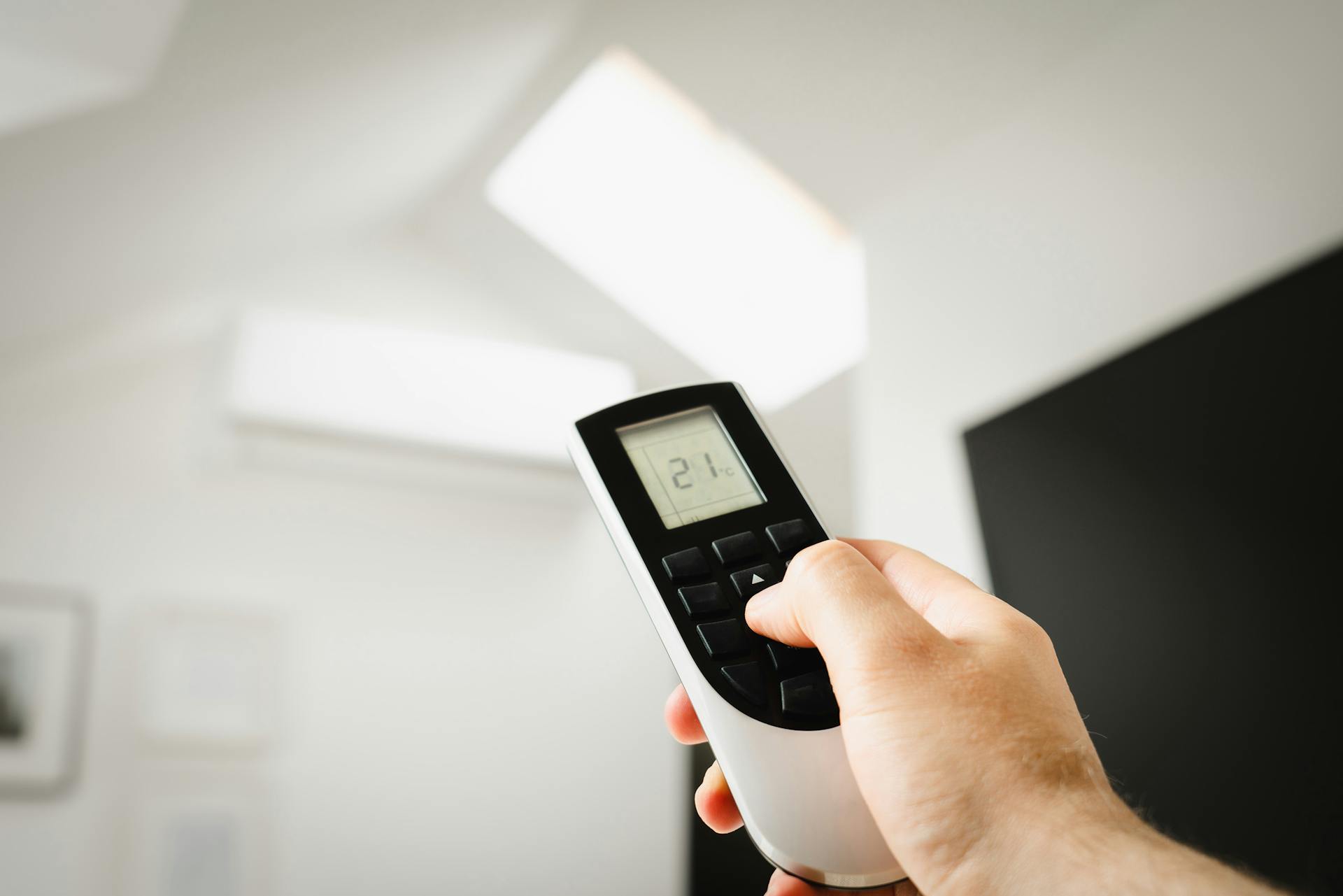
An often-overlooked consequence of delaying HVAC maintenance is its effect on indoor air quality. A malfunctioning system may fail to properly filter dust, allergens, and other airborne particles, allowing them to circulate through your home. Over time, this can lead to a buildup of contaminants in your ducts and vents, which can aggravate allergies or respiratory conditions for those living in the household.
Dirty filters and damp components also create an environment where mold and bacteria can thrive. Once these contaminants spread through the air, they can be difficult to remove without professional cleaning. Prompt repairs, along with regular filter replacements, ensure that your HVAC system continues to provide clean, breathable air while maintaining a healthy living environment.
Reduced Lifespan of Your System
Every HVAC system has an expected lifespan, typically ranging between 10 to 15 years with proper maintenance. However, neglecting timely repairs can shorten this considerably. Continuous strain from operating with damaged or worn-out parts accelerates wear and tear, forcing the system to work beyond its capacity. This not only leads to more frequent repairs but can also bring about premature failure of the entire unit.
When the system reaches a point where repairs become frequent or ineffective, replacement becomes the only viable solution. By that time, the cost of delaying small repairs far outweighs the expense of addressing issues as they arise.
The Financial Burden of Neglect
Many homeowners postpone HVAC repairs in hopes of saving money, but this approach often has the opposite effect. A small malfunction left unaddressed can turn into a major expense down the line.
For instance, a minor refrigerant leak might seem insignificant at first, but it can cause the compressor to fail, resulting in a costly replacement. Similarly, ignoring worn-out electrical components can lead to system-wide failures that require extensive work to fix.
Additionally, poor maintenance can void manufacturer warranties. Many warranties require regular service checks to remain valid. If documentation of maintenance is lacking, you may find yourself paying out of pocket for repairs that would otherwise have been covered.
How to Avoid Major HVAC Issues
The best way to avoid the hidden costs of HVAC neglect is through a combination of vigilance and preventive care. Scheduling routine maintenance at least once or twice a year allows professionals to detect and correct potential issues before they escalate. Technicians can clean coils, inspect ducts, test thermostats, and ensure that all parts are functioning properly. This not only prevents breakdowns but also improves efficiency and performance.
Homeowners can also play an active role in maintenance by performing simple checks between professional visits. Replacing air filters regularly, keeping vents unobstructed, and monitoring for unusual noises or odors can go a long way in preventing serious damage.
Delaying HVAC repairs may seem like a way to save money in the short term, but the hidden costs tell a different story. Energy inefficiency, reduced air quality, system breakdowns, and premature replacements all add up to far greater expenses over time.
By paying attention to early warning signs, addressing issues promptly, and investing in regular maintenance, homeowners can protect their comfort, their health, and their finances.