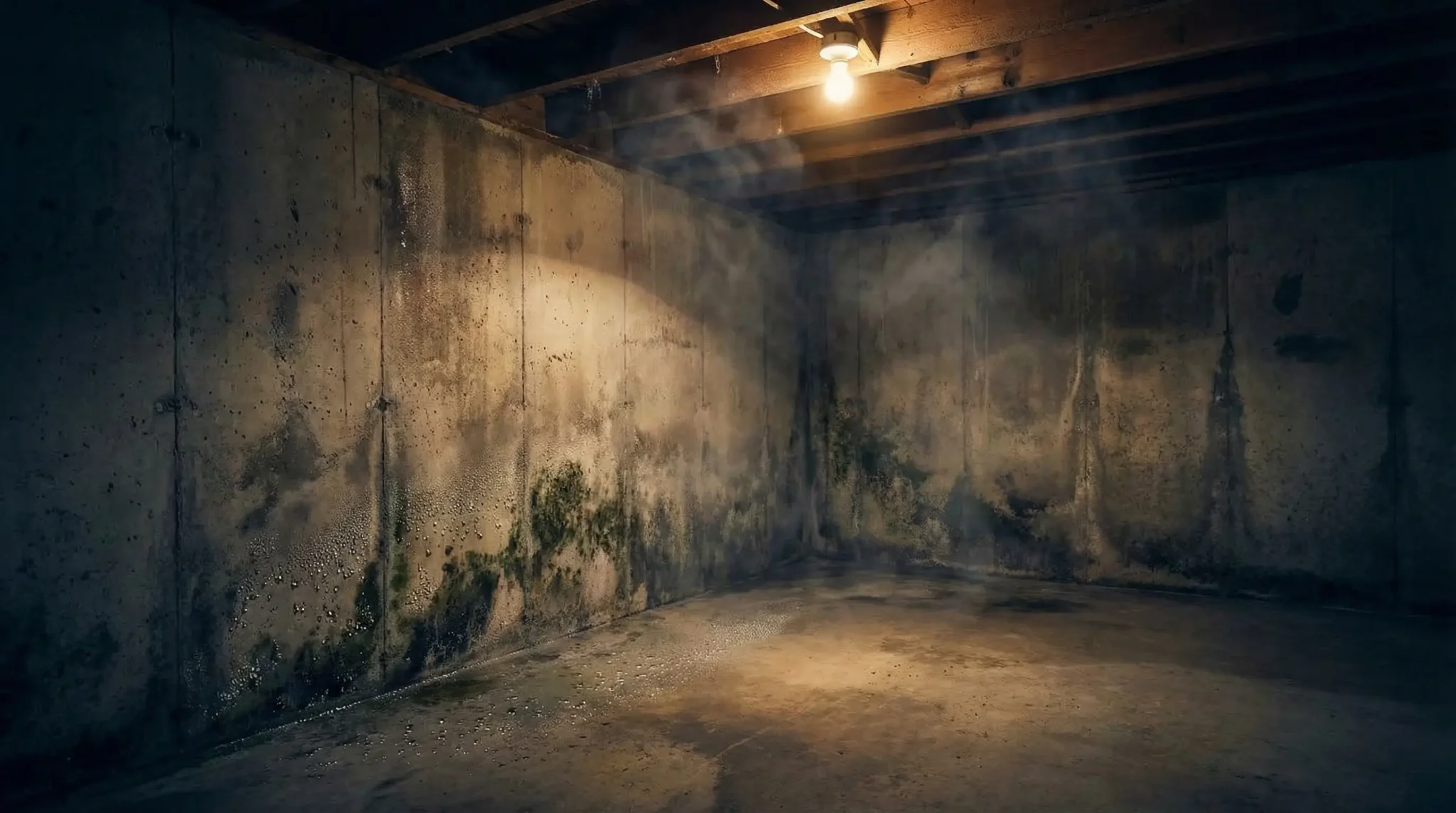
Walking down the stairs often leads to a familiar scent that people associate with older houses or storage areas. This damp, earthy aroma is frequently dismissed as a natural part of living in a home with a lower level. Most homeowners assume that a basement simply smells that way because it is underground and lacks sunlight. However, a lingering odor is actually a signal that something is happening behind the scenes with the air quality.
Identifying the source of the scent is the first step toward a healthier home. It is often a sign of organic growth feeding on moisture. Learning to manage chronic basement humidity is essential for protecting the entire building. Excess moisture can gradually damage structural materials and reduce indoor air quality throughout the house. Addressing humidity early helps prevent more serious problems from developing over time.
The Relationship Between Air Flow and the Stack Effect
The air in a house does not stay still; it moves constantly according to the laws of physics and temperature differences. Warmer air naturally rises toward the upper floors, creating a subtle vacuum effect in the lower parts of the building.
This movement is known as the stack effect, and it pulls air from the basement directly into the main living spaces. Any odors or particles found at the bottom of the home eventually circulate through the main bedrooms and the kitchen area.
If the basement environment is damp, the entire house ends up breathing that same air throughout the day. This invisible cycle explains why a problem in the crawl space can affect someone sitting comfortably on the second floor.
Condensation Hazards on Foundation Surfaces
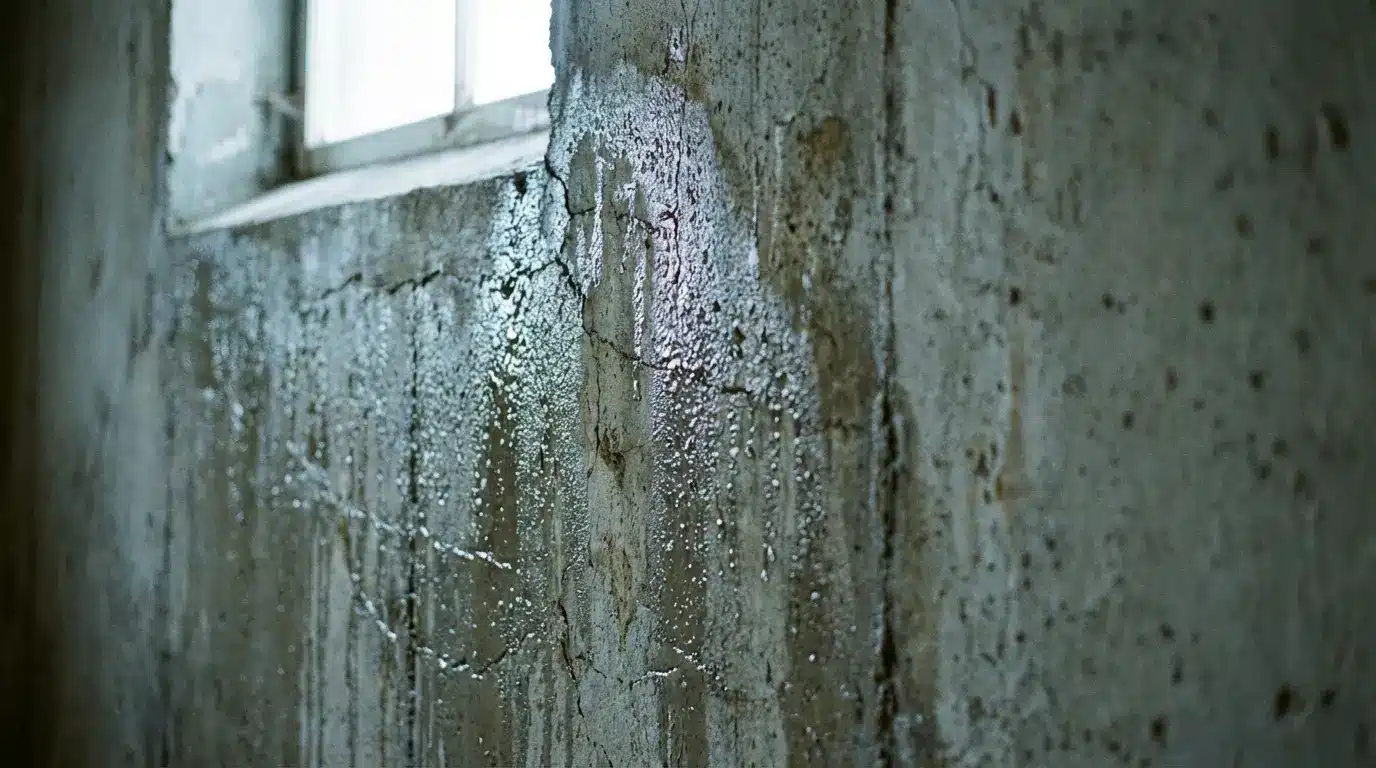
Concrete walls remain much cooler than the air inside a finished room, especially during the humid summer months. When warm, moist air touches these cold surfaces, it quickly turns into liquid droplets through the natural and inevitable process of condensation.
This hidden moisture provides the perfect breeding ground for mold to begin growing on common building materials. Drywall and wood studs are particularly vulnerable because they are organic and offer a steady food source for these tiny organisms to thrive.
Even if a wall looks dry on the surface, the space behind the insulation might be holding significant amounts of water. This creates a cycle of growth that continues to spread as long as the humidity remains high in the room.
Impact of Airborne Irritants on Living Standards
Breathing in air that contains high levels of moisture and organic spores can lead to various physical discomforts over time. Many people notice that their seasonal allergies seem to linger much longer when they are actually sitting inside their own homes.
Poor air quality often causes headaches or a general feeling of fatigue that is difficult to explain through other simple means. These symptoms are frequently tied to the environment in the lower level where moisture is left completely unmanaged every day.
Protecting the health of the family depends on maintaining a dry and clean atmosphere from the ground up. Addressing the moisture issue at its source is the only way to ensure the air remains safe for everyone to breathe always.
Solving Seepage Issues at the Structural Level
Scrubbing away a dark spot or using a strong scented spray might make a room look better for a few days. These surface level fixes only address the visible symptoms while leaving the underlying problem completely untouched and ready to return soon.
Foundation blocks are naturally porous and can act like a slow moving sponge for ground water. If the exterior of the home is not sealed, moisture will continue to seep through the masonry regardless of how often the interior is cleaned.
Solving the problem requires a shift in focus from the appearance of the walls to the structural integrity of the seal. Stopping the water before it enters is the only permanent solution for a fresh and dry basement environment.
Maintaining a fresh and healthy home environment is a balance between structural sealing and consistent air circulation. No single tool or spray can replace a dry foundation that is protected from the forces of the outside environment every day.
Reclaiming the lower level starts with a commitment to finding the root cause of that familiar musty scent. It is a signal that the home needs attention and that the current moisture levels are simply too high for occupant safety.
A dry basement provides a solid foundation for the health and comfort of the entire household for many years. Addressing these issues today leads to a cleaner atmosphere and a much more valuable property for the future years.