Ever grabbed what you thought was a sweet potato, cooked it perfectly, and still ended up disappointed by the taste? Maybe it was too dry. Or not sweet enough. Or it turned an unexpected color.
The problem isn’t your cooking skills. It’s that sweet potatoes come in dozens of varieties, and each one behaves completely differently in the kitchen.
That orange one labeled “yam” at the grocery store? It’s not actually a yam. And those purple ones? They won’t taste anything like the orange kind.
This guide breaks down sweet potato varieties you’ll actually find in stores.
You’ll learn what makes each type different, how to pick the right one for your recipe, and why those confusing labels exist in the first place.
What Defines a Sweet Potato
Sweet potatoes (Ipomoea batatas) are root vegetables from Central and South America and are not related to regular potatoes.
Market labels like “yam” or variety names can confuse shoppers since they all refer to the same plant species. The real difference comes from the specific variety and how it’s cured after harvest.
Curing converts starches to sugars and firms the skin, which is why some taste sweeter than others. Different varieties also cook differently. Some turn creamy and moist, while others stay firm and dry.
Sweet Potato vs Yam: What’s the Real Difference?
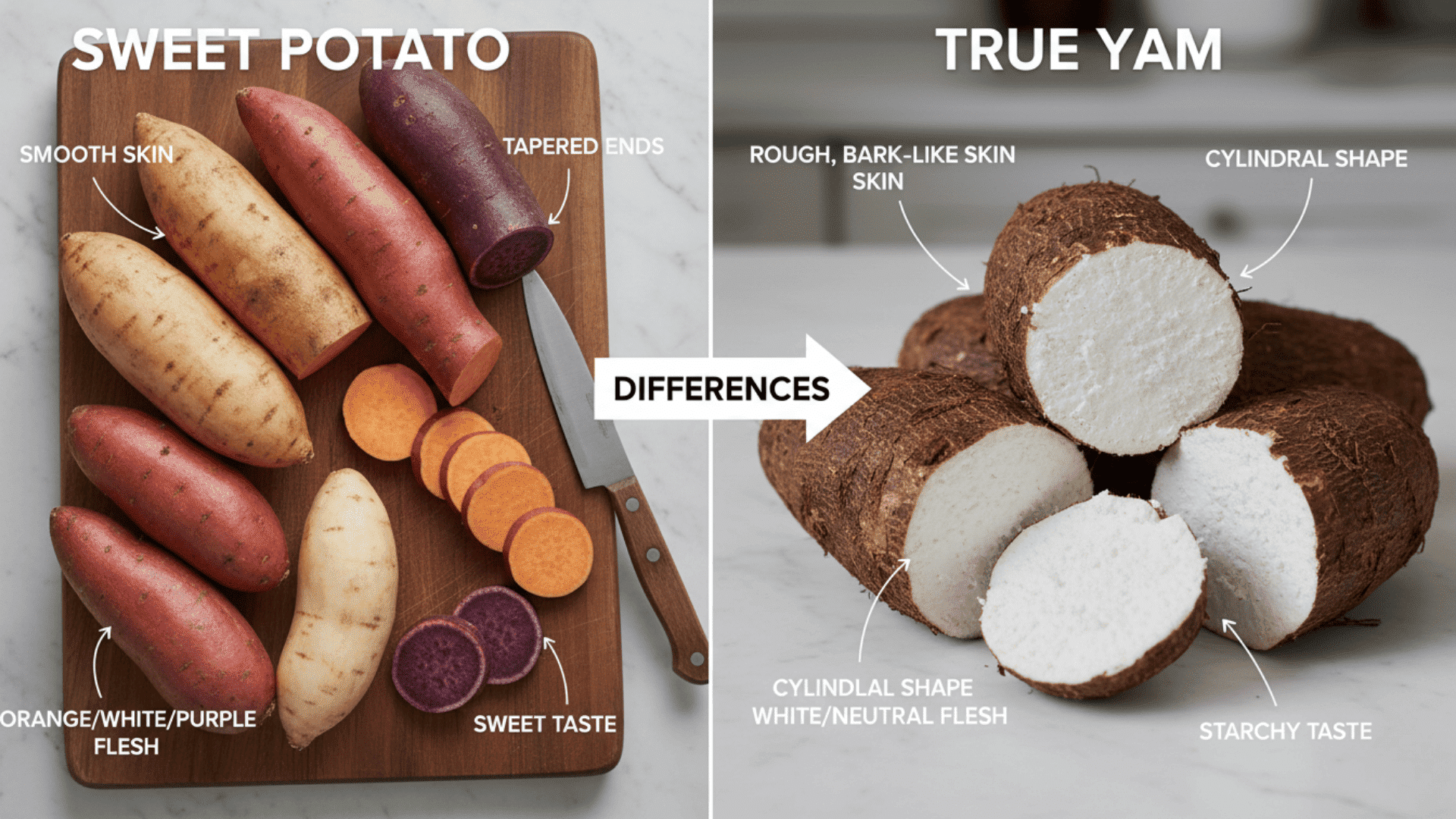
You’ve probably seen both labels at the store and wondered if they’re actually different. Let’s clear up the confusion once and for all.
| Aspect | Sweet Potato | True Yam |
|---|---|---|
| Plant Family | Morning glory family | Yam family |
| Origin | Central and South America | Africa, Asia, Caribbean |
| Skin | Smooth, thin | Rough, bark-like |
| Flesh Color | Orange, white, or purple | White or purple |
| Texture | Soft, moist, or firm | Starchy, dry |
| Flavor | Sweet | Mildly sweet to neutral |
| Size | 5-8 inches, under 2 lbs | 3-5 feet, up to 100+ lbs |
| U.S. Availability | Every grocery store | Rare; specialty stores only |
The confusion started when orange-fleshed sweet potatoes entered U.S. markets. Farmers used “yam” as a marketing term to distinguish it from white varieties. The name stuck. True yams have thick, rough skin and grow huge. They’re expensive to import and hard to find in regular stores.
Types of Sweet Potatoes and How They Differ
Not all sweet potatoes are created equal. Here are 14 popular types you’ll find in stores, along with what makes each one special.
1. Beauregard
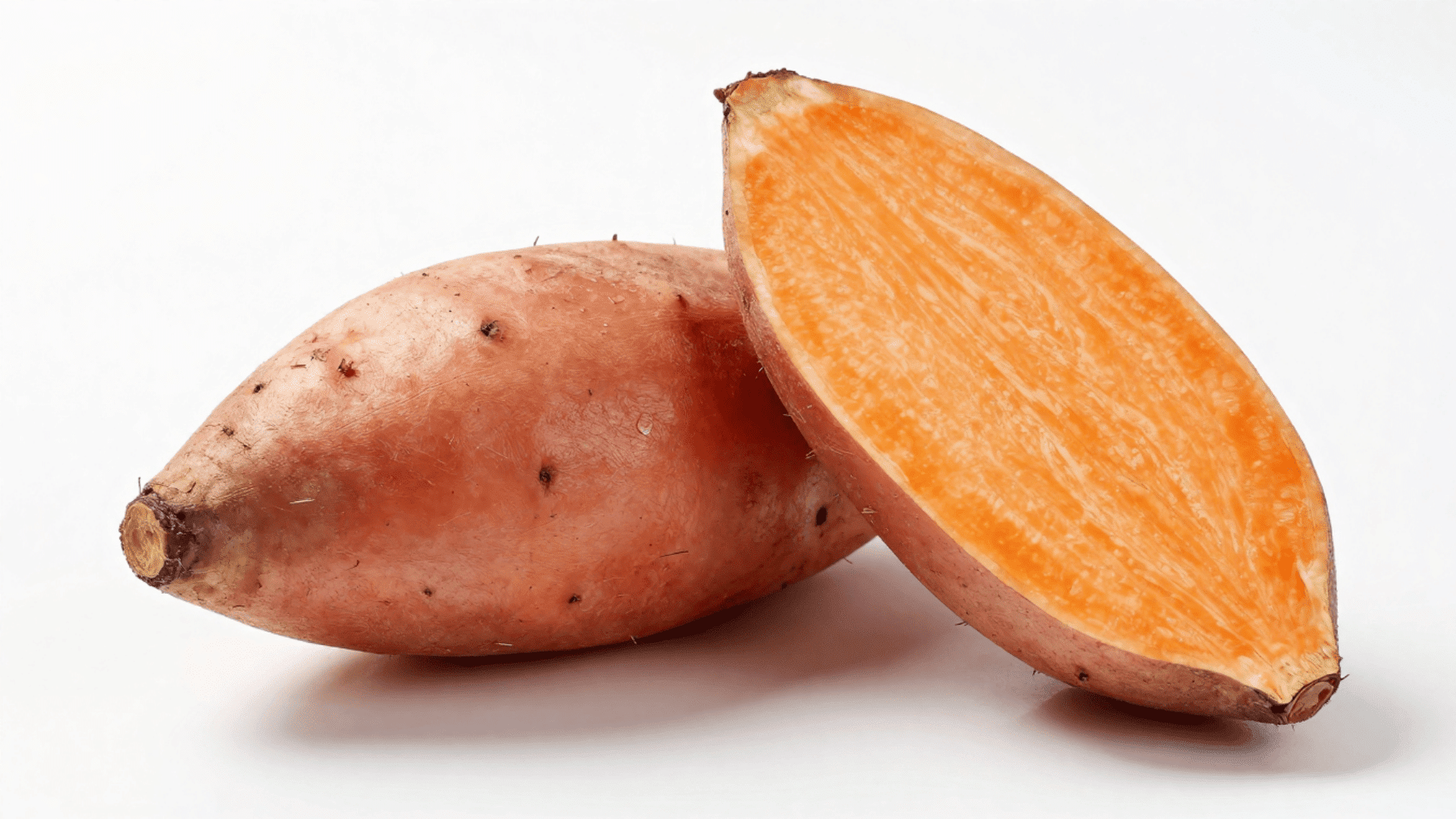
Skin Color: Reddish-copper, smooth
Flesh Color: Deep orange
Flavor Profile: Very sweet with hints of nuttiness
Texture After Cooking: Soft, moist, and creamy
Best Uses: Baking, mashing, casseroles, pies
This is the most common type sold in U.S. grocery stores. Beauregard sweet potatoes cook quickly and hold their sweetness well. They’re perfect when you want that classic sweet potato flavor everyone loves.
2. Covington
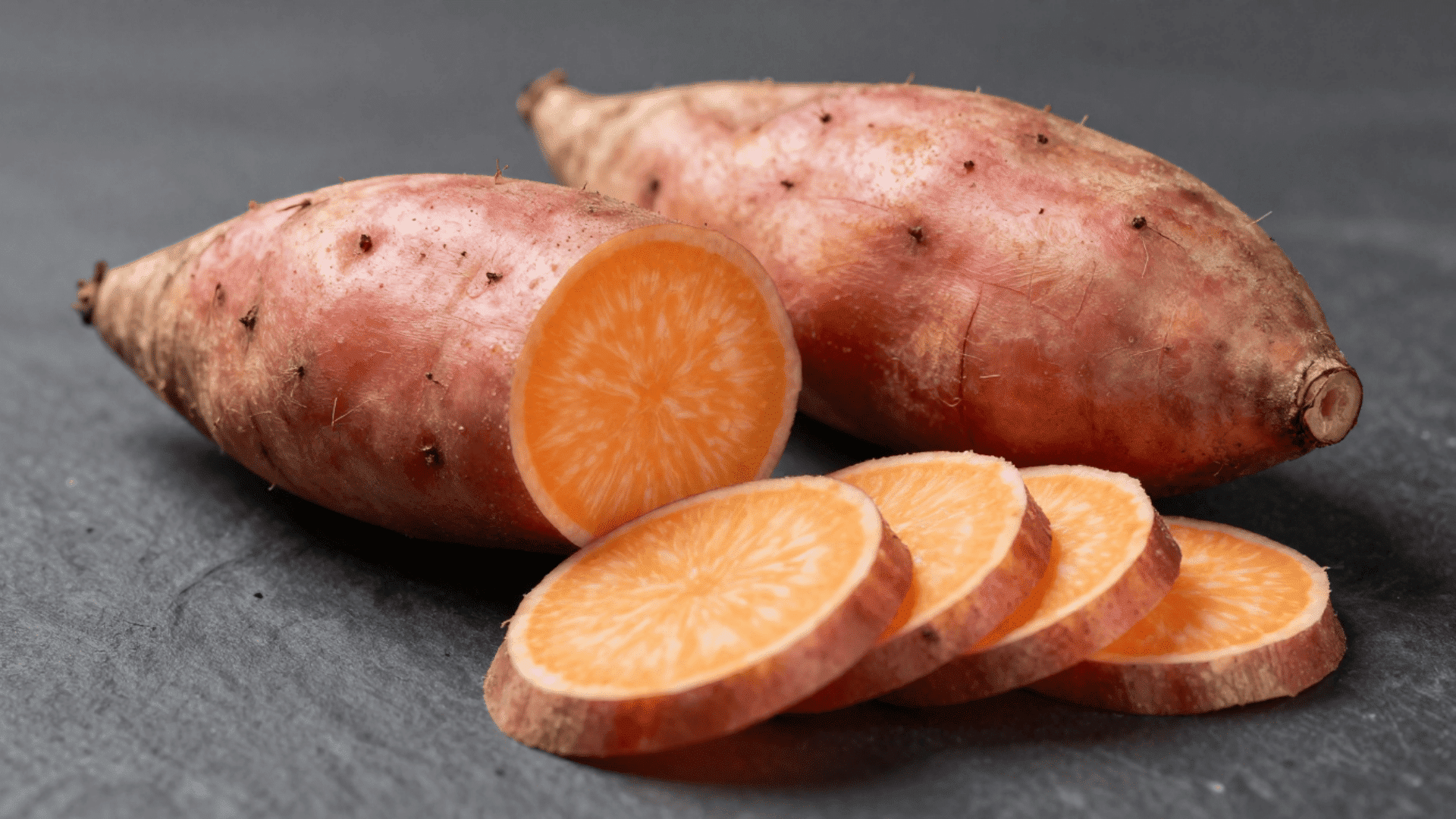
Skin Color: Rose to copper-red
Flesh Color: Bright orange
Flavor Profile: Sweet and smooth, slightly earthy
Texture After Cooking: Moist but holds shape better than Beauregard
Best Uses: Roasting, fries, soups, meal prep
Covington is a farmer’s favorite because it stores longer than most varieties. It has consistent sweetness and doesn’t get mushy as easily. This makes it great for recipes where you need the pieces to stay intact.
3. Jewel
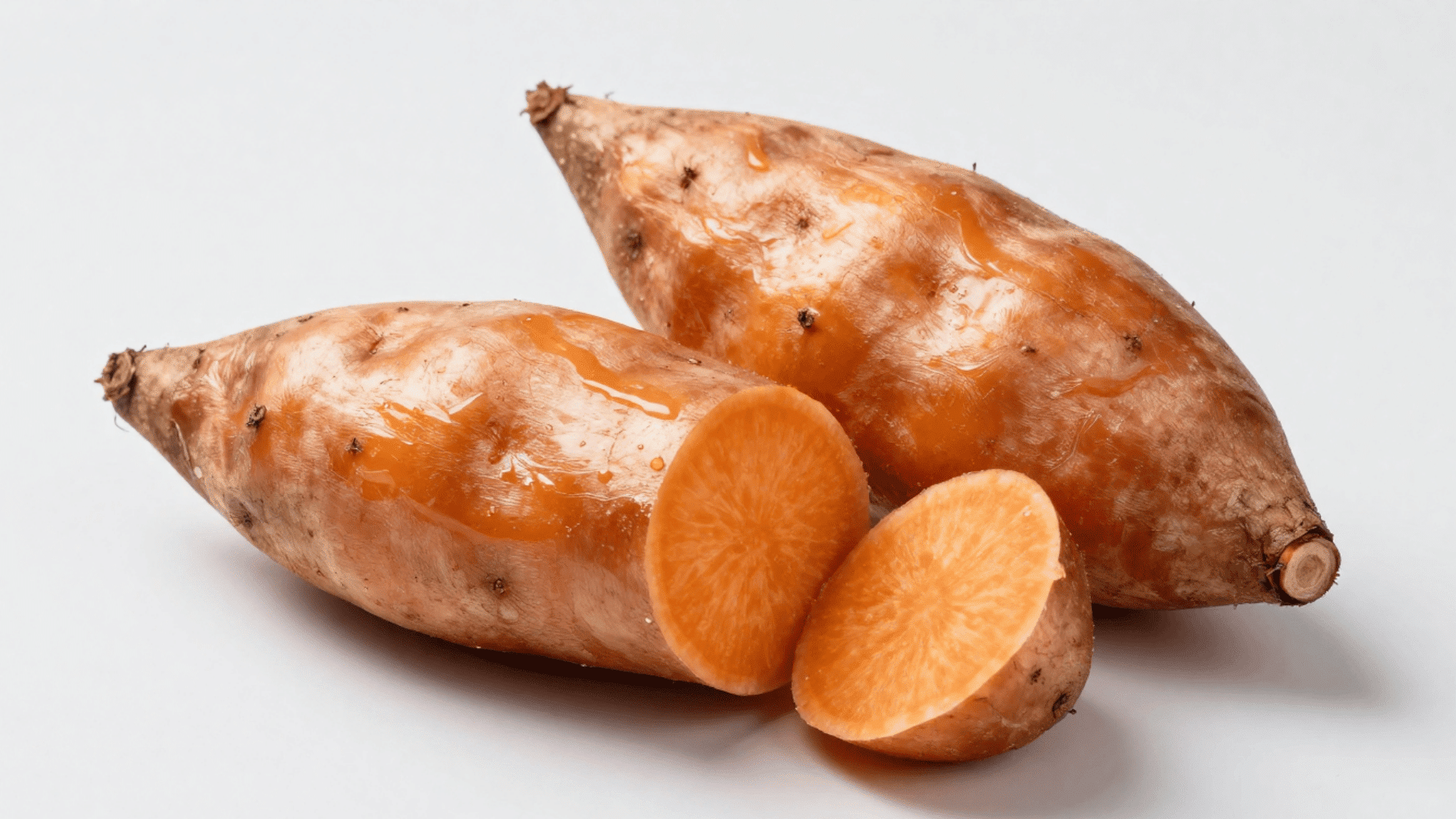
Skin Color: Copper-orange, glossy
Flesh Color: Dark orange
Flavor Profile: Intensely sweet with floral notes
Texture After Cooking: Very soft and fluffy
Best Uses: Mashing, baking, desserts, baby food
Jewel sweet potatoes are sweeter than Beauregar sweet potatoes. They break down completely when cooked, which makes them ideal for smooth purees. If you want ultra-creamy mashed sweet potatoes, this is your pick.
4. Garnet
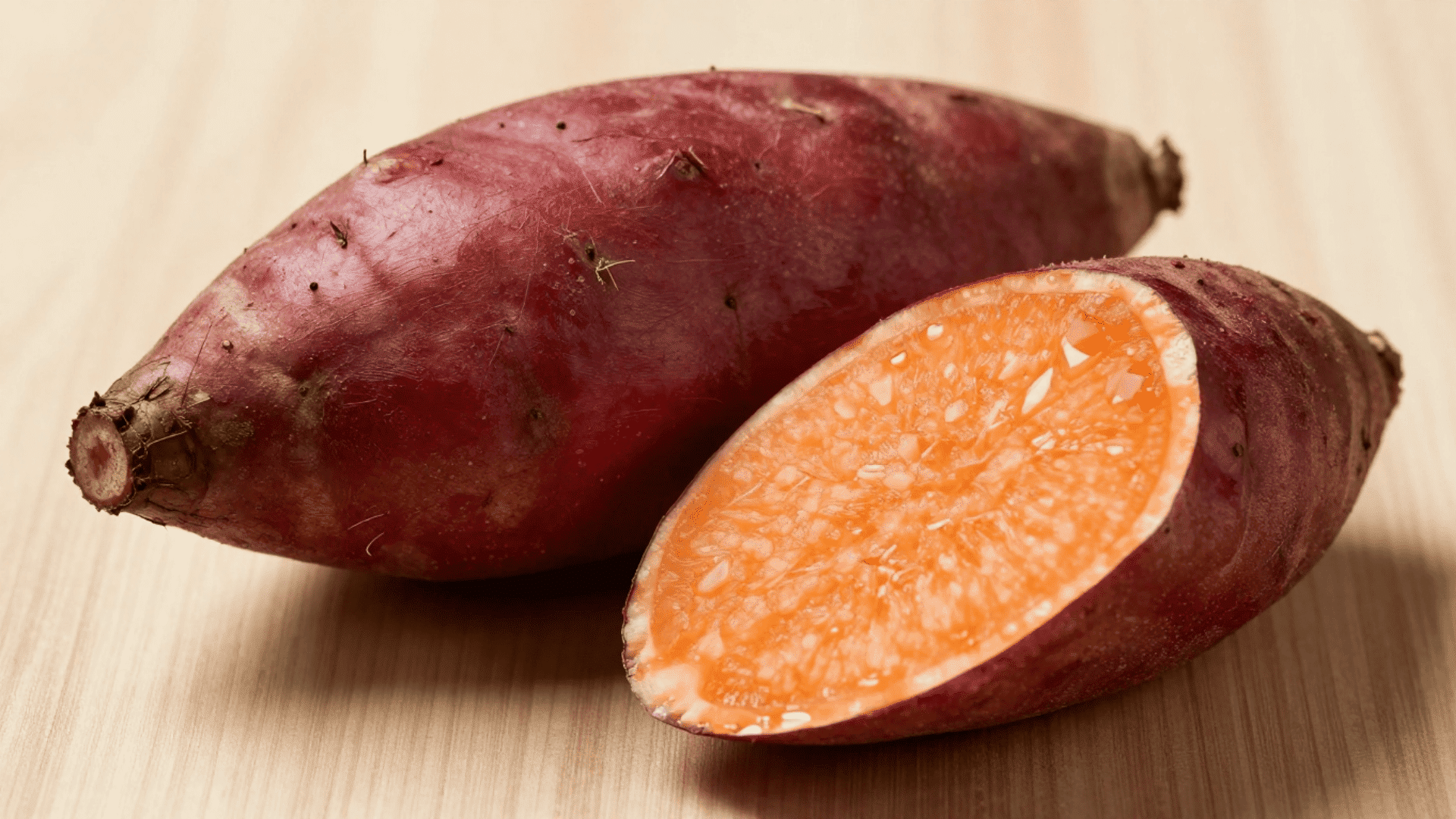
Skin Color: Dark red to purple-red
Flesh Color: Deep orange-red
Flavor Profile: Rich, sweet, molasses-like
Texture After Cooking: Dense, creamy, slightly stringy
Best Uses: Roasting, grilling, stuffed sweet potatoes
Garnet has a thicker skin and denser flesh than Beauregard. The flavor is richer and more complex. It holds up well to high heat, so it’s great for roasting or grilling.
5. Hannah
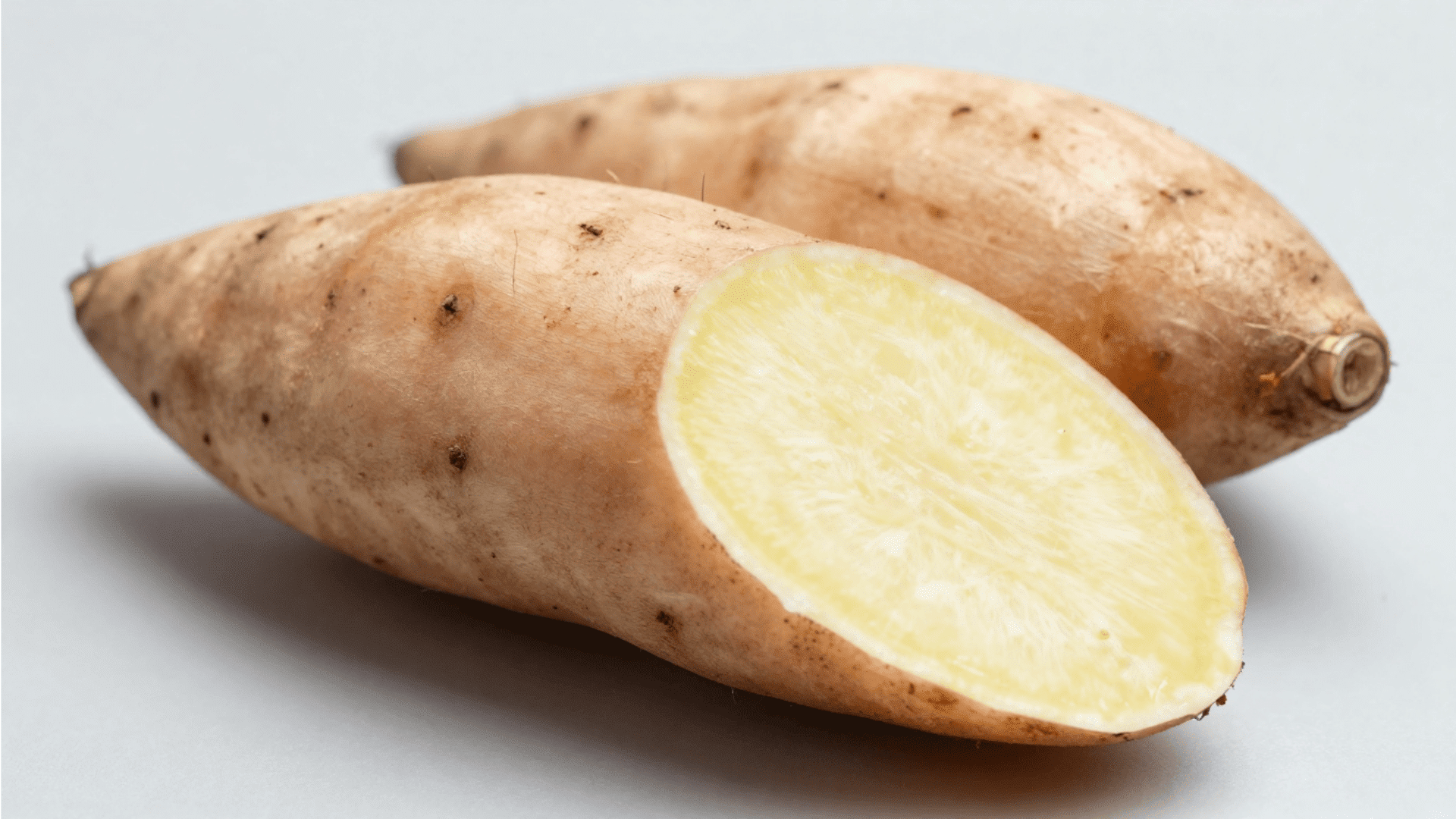
Skin Color: Pale tan to cream
Flesh Color: Off-white to pale yellow
Flavor Profile: Mild sweetness, nutty, and buttery
Texture After Cooking: Dry, fluffy, similar to a baking potato
Best Uses: Baking whole, fries, savory dishes
Hannah’s sweet potatoes don’t look or taste like typical orange varieties. They’re less sweet and more starchy. This makes them perfect for people who prefer a milder flavor or want something closer to a regular potato.
6. Stokes Purple
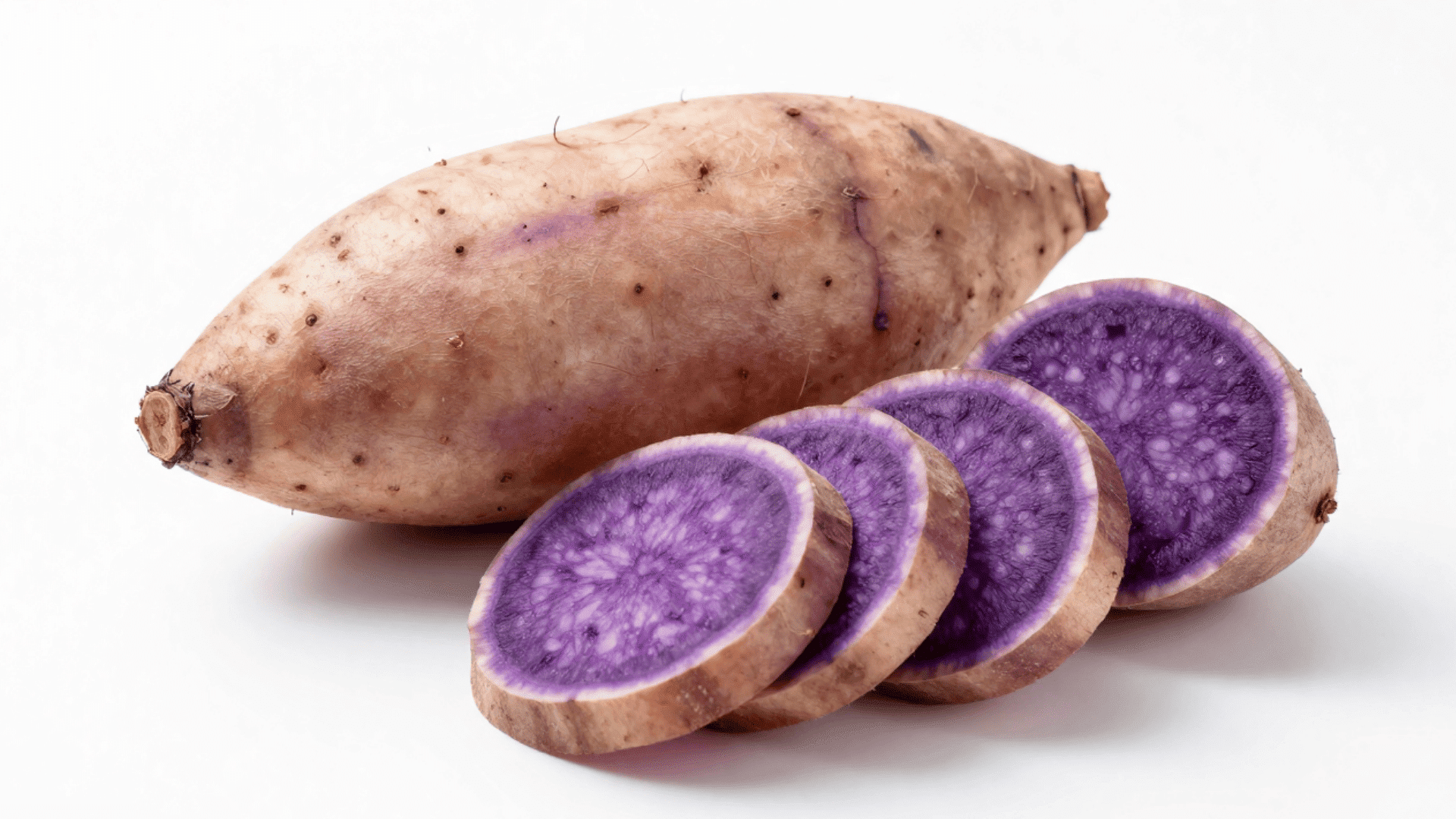
Skin Color: Light tan with hints of purple
Flesh Color: Vibrant deep purple throughout
Flavor Profile: Mildly sweet with subtle berry notes
Texture After Cooking: Creamy and slightly dense
Best Uses: Baking, side dishes, smoothies, adding color to plates
This variety turns heads because of its color. The purple flesh stays vibrant even after cooking. Stokes Purple is lower in sugar than orange types but higher in antioxidants.
7. Japanese Sweet Potato
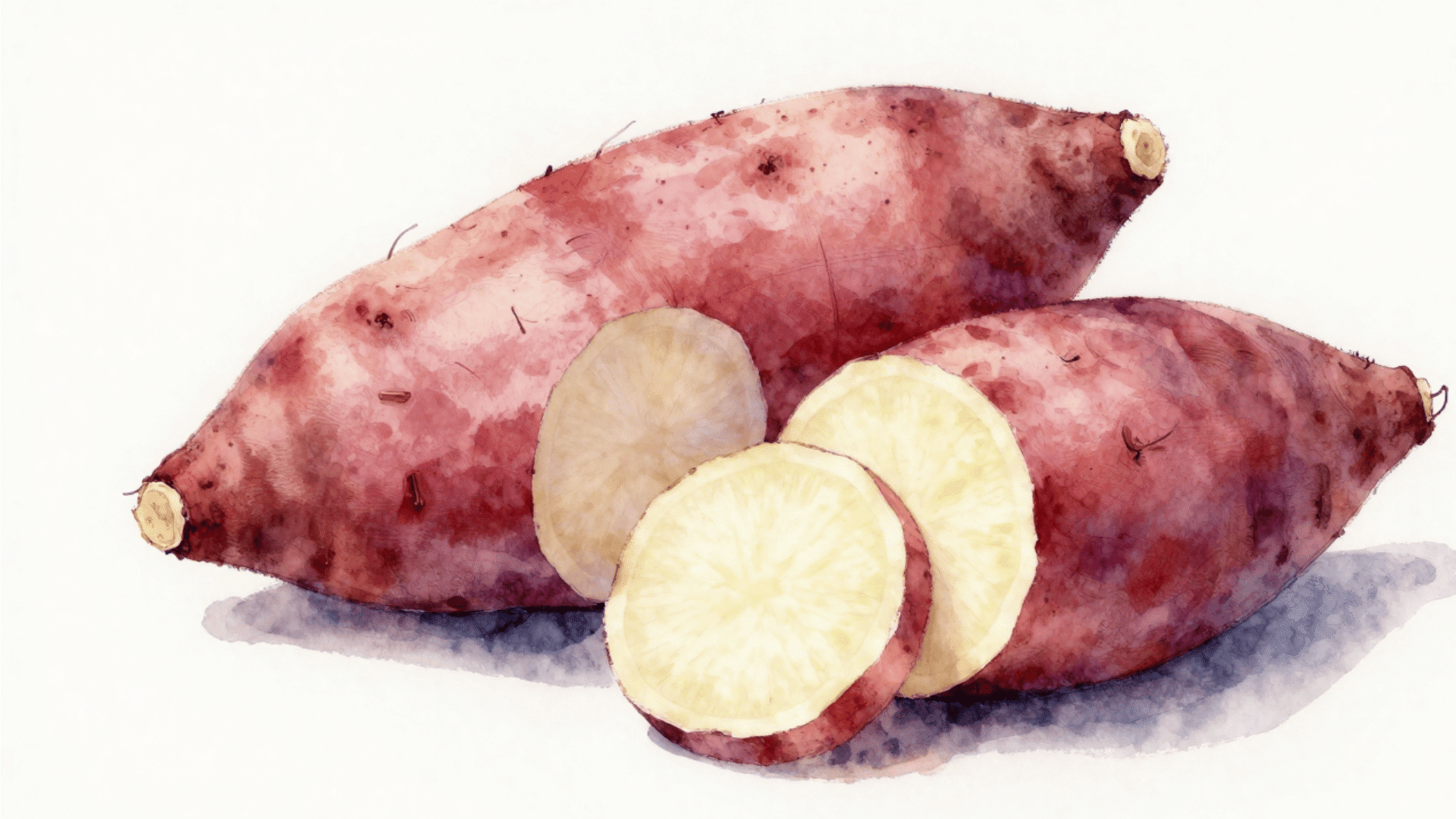
Skin Color: Red to purple-red, thin
Flesh Color: Creamy white to pale yellow
Flavor Profile: Sweet with chestnut-like, earthy tones
Texture After Cooking: Fluffy, dry, and light
Best Uses: Roasting, steaming, Japanese, and Korean recipes
Japanese sweet potatoes have a cult following. They taste almost like roasted chestnuts when baked. The texture is lighter and less moist than that of orange varieties. Many people find them less heavy on the stomach.
8. Okinawan Sweet Potato
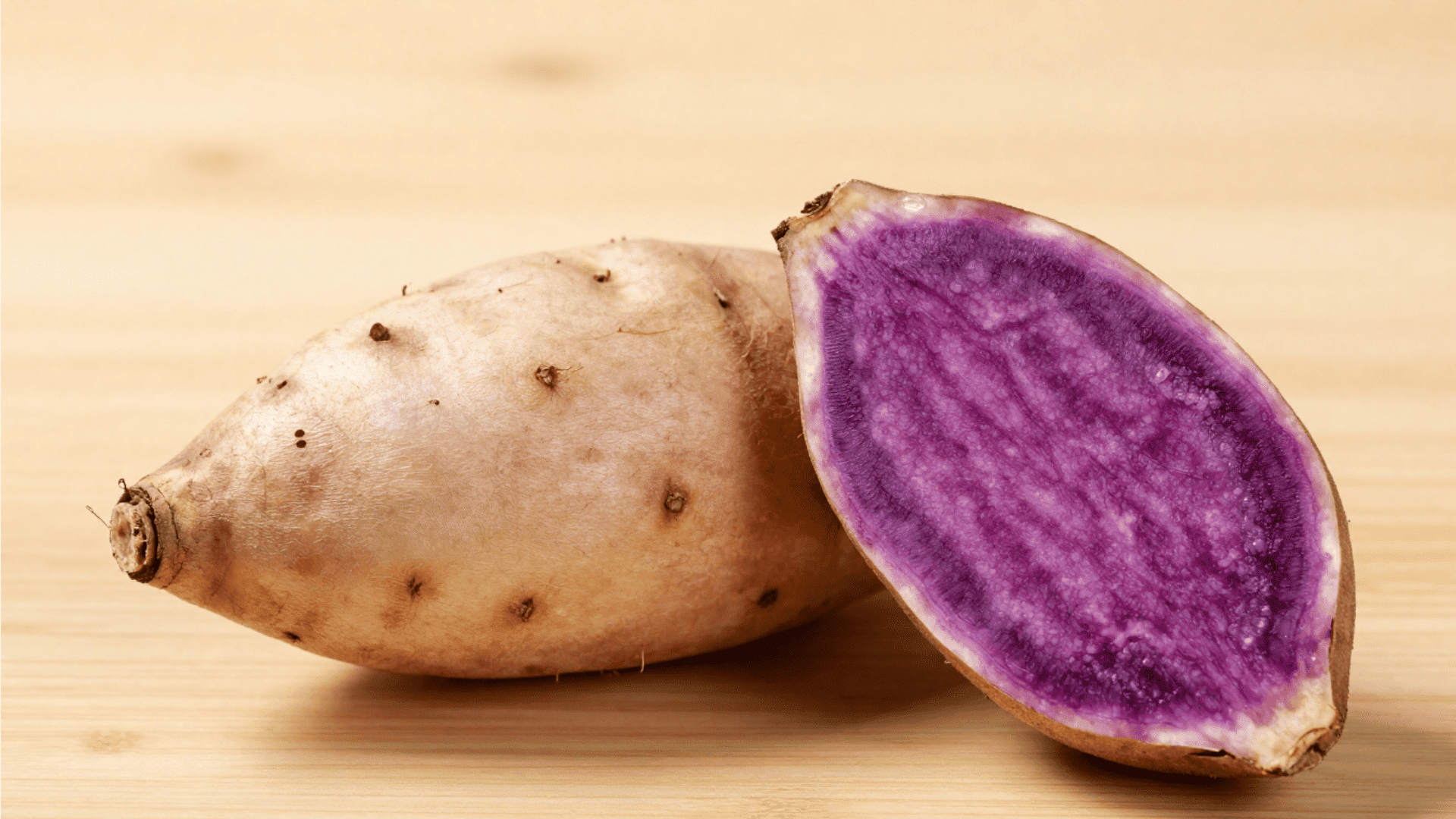
Skin Color: Beige to light brown with rough texture
Flesh Color: Bright purple to magenta
Flavor Profile: Sweet with floral and vanilla hints
Texture After Cooking: Moist, smooth, slightly waxy
Best Uses: Steaming, making poi, tropical-inspired dishes, and desserts
This Hawaiian staple has a unique flavor. It’s sweeter than most purple varieties and has a smoother texture. Okinawan sweet potatoes are packed with anthocyanins, the same antioxidants found in blueberries.
9. Bonita
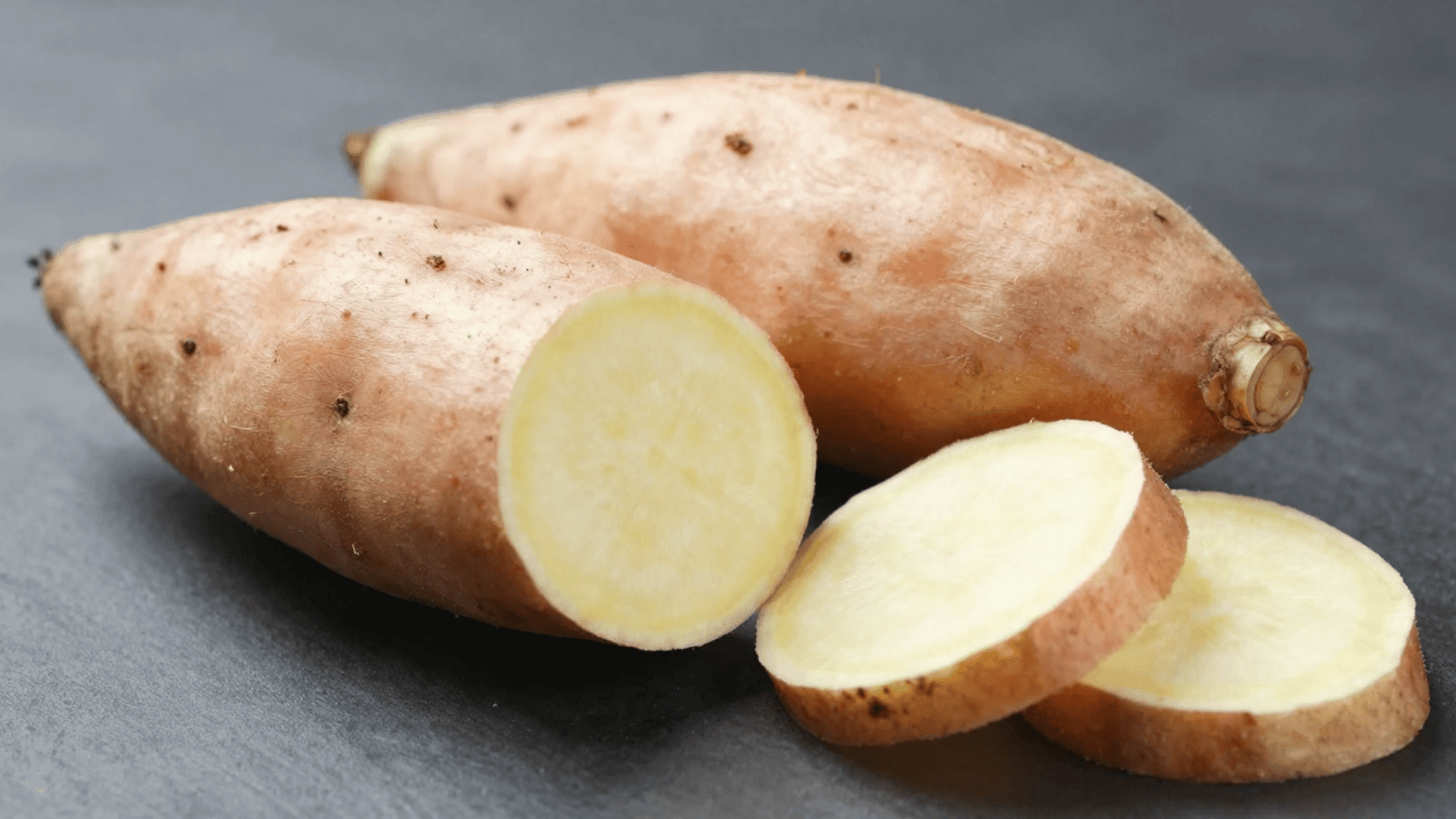
Skin Color: Light tan to cream, smooth
Flesh Color: Pale yellow to white
Flavor Profile: Subtle sweetness, mild, and buttery
Texture After Cooking: Dry, firm, holds shape well
Best Uses: Grilling, roasting, savory applications, fries
Bonita is similar to Hannah but firmer when cooked. It’s a great choice when you need sweet potato chunks that stay intact. The mild flavor works well in dishes where you don’t want too much sweetness.
10. Murasaki
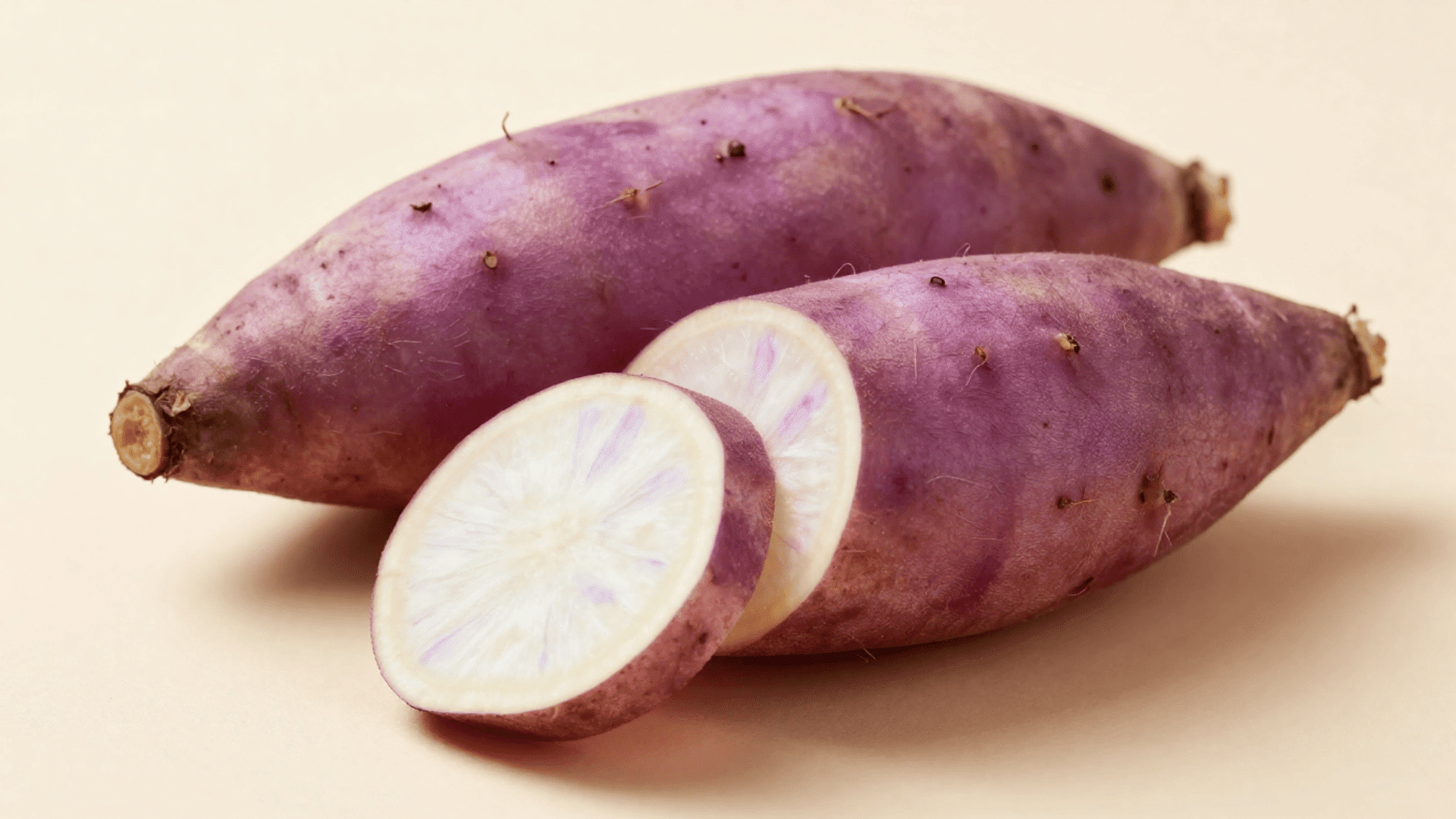
Skin Color: Purple-red, thin and delicate
Flesh Color: Cream to white with light purple streaks
Flavor Profile: Lightly sweet, nutty, earthy
Texture After Cooking: Fluffy and dry like a baked potato
Best Uses: Baking, roasting, tempura, Asian cooking
Murasaki is the Japanese variety you’ll see at Asian grocery stores. It has a drier texture than most, which makes it perfect for dishes where you don’t want extra moisture. The flavor is subtle and not overly sweet.
11. Carolina Ruby
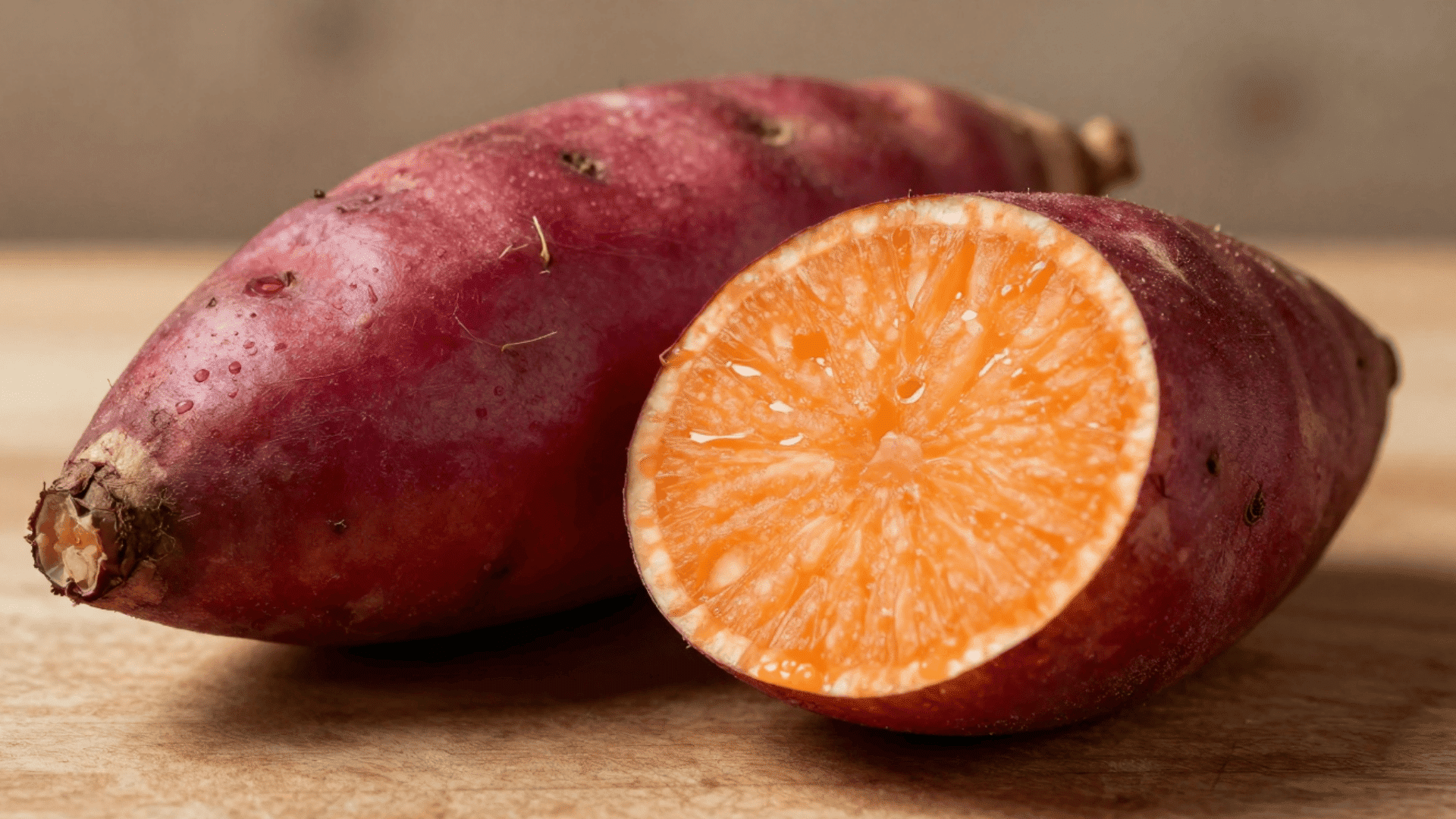
Skin Color: Deep red to burgundy
Flesh Color: Rich orange-red
Flavor Profile: Very sweet with caramel undertones
Texture After Cooking: Moist and velvety
Best Uses: Baking, casseroles, holiday dishes, glazing
Carolina Ruby is bred specifically for sweetness. It’s one of the sweetest varieties available. The deep color makes it visually appealing, too. This variety is excellent when you want maximum flavor.
12. Orleans
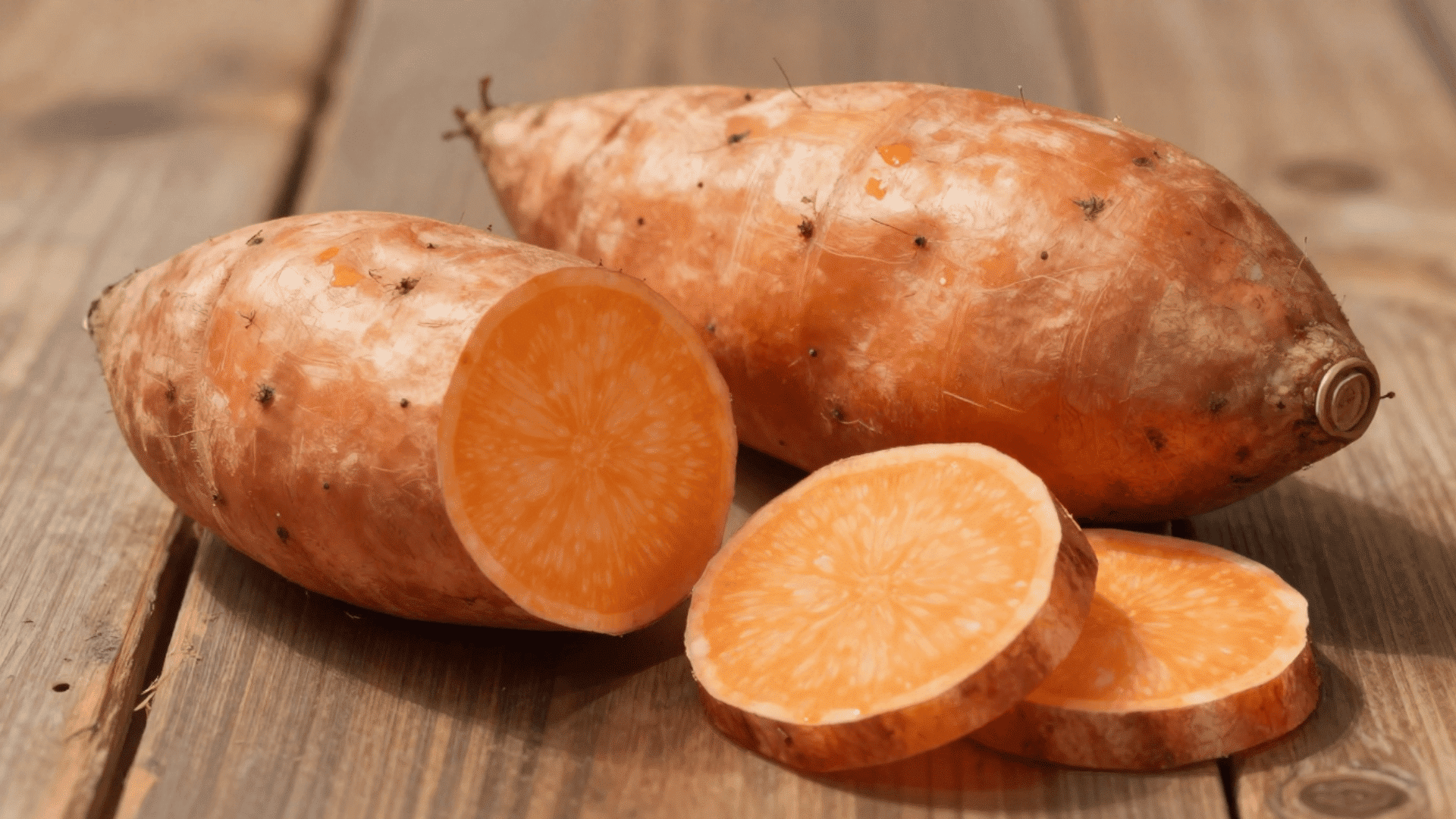
Skin Color: Copper-orange, smooth
Flesh Color: Deep orange
Flavor Profile: Balanced sweetness, not too intense
Texture After Cooking: Moist with medium firmness
Best Uses: All-purpose cooking, roasting, side dishes
Orleans is a versatile variety that works in almost any recipe. It’s not as soft as Jewel but not as firm as Bonita. The moderate sweetness makes it suitable for both sweet and savory dishes.
13. O’Henry
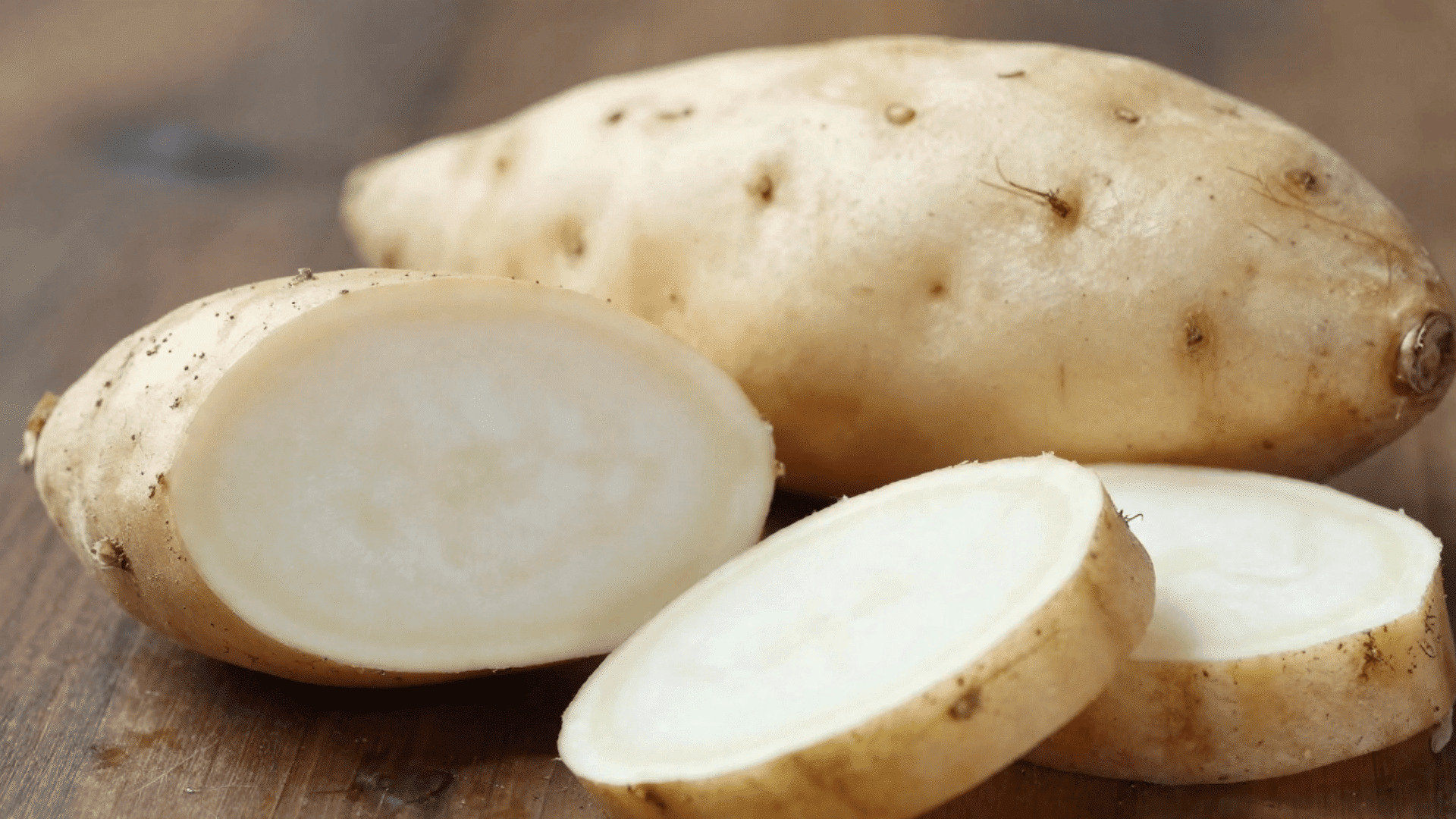
Skin Color: White to cream, smooth
Flesh Color: Pale white throughout
Flavor Profile: Very mild, slightly sweet, neutral
Texture After Cooking: Dry, fluffy, mealy
Best Uses: Baking, fries, and dishes where you want less sweetness
O’Henry is the mildest sweet potato you can find. It barely tastes sweet at all. This makes it a good substitute for regular potatoes in recipes. People who don’t like overly sweet flavors prefer this variety.
14. Centennial
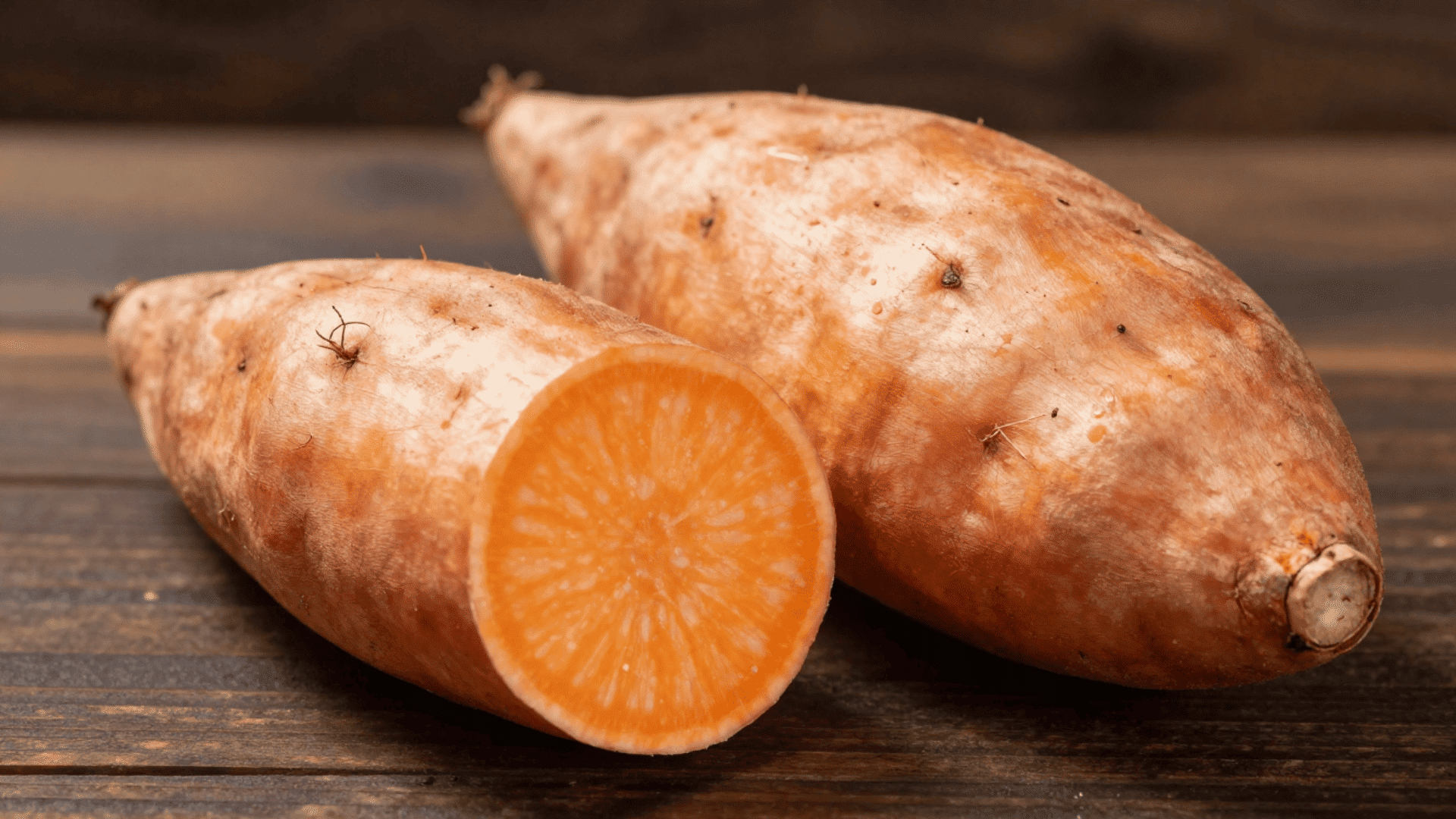
Skin Color: Copper to light orange
Flesh Color: Medium orange
Flavor Profile: Moderately sweet, clean flavor
Texture After Cooking: Moist but not as soft as Beauregard
Best Uses: Roasting, baking, general cooking
Centennial is an older variety that’s still popular today. It has a good balance of moisture and firmness. The flavor is straightforward without being too complex. This makes it reliable for everyday cooking.
Sweet Potatoes That Are Not Mainly Grown for Eating
Not every sweet potato ends up on your dinner plate. Some types are grown purely for their looks or their leaves.
- Ornamental sweet potatoes and their purpose: These varieties are bred for beautiful foliage in gardens, hanging baskets, and landscaping, not for root production or flavor.
- Why ornamental varieties taste bitter or bland: Growers focus on leaf color and vine growth instead of root sweetness, so the tubers often taste unpleasant or have no flavor at all.
- Sweet potato leaves as edible greens vs. ornamental vines: Leaves from food varieties are nutritious and taste like spinach, but ornamental varieties may have been treated with chemicals that are not safe for eating.
- Safety notes and common misconceptions: Don’t eat ornamental sweet potato tubers or leaves from garden centers, as they’re often grown with decorative fertilizers and pesticides not intended for food crops.
How to Choose Sweet Potatoes at the Store
When shopping, look for firm sweet potatoes with smooth, tight skin and no soft spots or bruises. Choose medium-sized ones that are roughly the same size so they cook evenly. Labels can be tricky.
“Yam” usually means orange-fleshed varieties like Beauregard. “White” or “Japanese” refers to pale-fleshed types with a drier texture. Avoid sweet potatoes with cracks, sprouts, or wrinkled skin.
These signs mean they’re old or improperly stored. Also, skip any with dark spots or a musty smell. Think about how you’ll cook them before buying. For mashing or pies, grab orange varieties that get creamy.
For roasting or fries, choose firmer white or purple types that hold their shape. Heavier sweet potatoes have more moisture and will be softer when cooked.
Final Thoughts
Sweet potato varieties offer more options than most people realize. From creamy orange Beauregard to nutty Japanese types to vibrant purple Okinawan, each variety brings something different to your plate.
The key is matching the right type to your cooking method. Orange-fleshed varieties work best for mashing and baking. White or purple types shine when roasted or fried.
Now that you know the differences, you can stop guessing at the store. Next time you shop, skip the confusion. Check the flesh color, feel the firmness, and think about your recipe.
Your dishes will taste better when you choose the right sweet potato variety from the start.
Ready to try a new type? Pick one from this list and see how it changes your cooking.