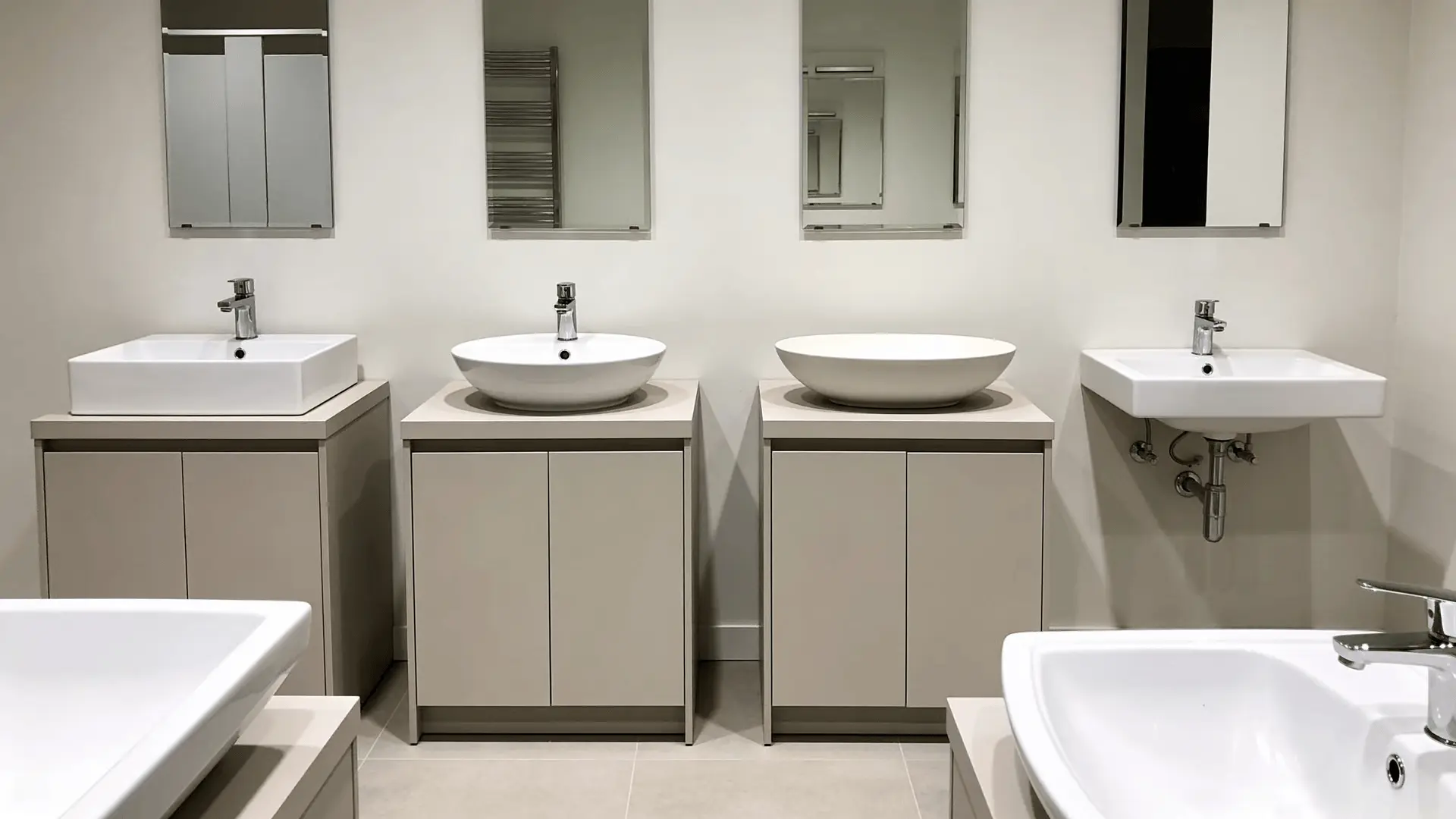
Most people think there’s one “standard size” for bathroom sinks that fits every space. I used to think the same thing. Then I realized the numbers mean very different things depending on the sink type and setup.
Width is not the same as bowl depth. Height is not fixed. And two sinks with the same width can feel completely different in real use.
If you only look at one number, you can end up with a sink that technically fits but feels awkward every day.
Today, I’ll clear all that up. Let’s break this down so you know exactly what to measure and what each dimension actually affects.
Bathroom Sink Dimensions Quick Reference
| Sink Type | Typical Width | Front-to-Back Depth | Bowl Depth |
|---|---|---|---|
| Rectangular | 19–24 inches | 16–23 inches | 5–8 inches |
| Round / Oval | 16–20 inches (diameter) | Same as diameter | 5–8 inches |
| Small / Powder Room | 15–24 inches | 12–20 inches | 5–7 inches |
| Vessel (Round) | 14–20 inches | 14–20 inches | 5–8 inches |
| Wall-Mount | 15–24 inches | 12–18 inches | 5–8 inches |
Note: These ranges reflect common residential sizes. Exact dimensions vary by manufacturer and installation style.
Key Bathroom Sink Dimensions You Must Measure
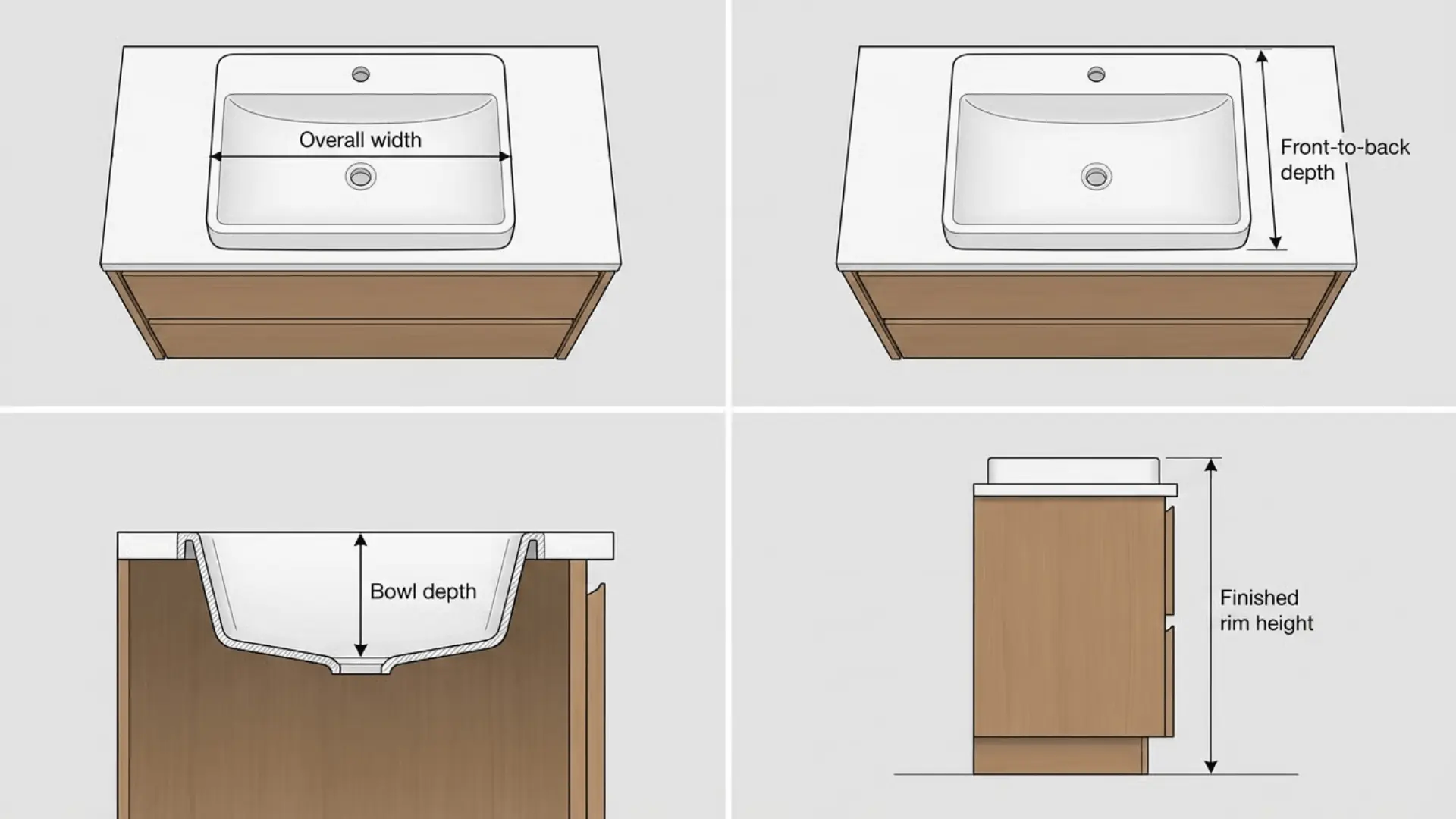
Bathroom sink dimensions typically include overall width, front-to-back depth, bowl depth, and finished rim height. Standard residential sinks usually range from 16–24 inches wide and 5–8 inches deep, but the right size depends on sink type and vanity layout.
When you read a spec sheet, you’ll see several measurements. Each one affects comfort, splash, and fit in a different way.
1. Overall Width
Overall width is the left-to-right measurement of the entire sink. This includes the rim or outer edge.
This number controls how much counter space you have. A wider sink gives you more washing room. But it also eats into side space for soap or toothbrushes.
Two sinks can both be 20 inches wide. One might have thin walls and a large bowl. Another might have thick edges and a smaller interior. The same width can feel very different.
If the sink is too wide for the vanity, it crowds the edges. If it’s too narrow, it can look undersized and leave awkward gaps. Width affects both appearance and elbow room.
2. Front to Back Depth
Front-to-back depth is the distance from the back (near wall) to front edge (toward you) of the sink.
This dimension controls how much standing space you have. A deeper sink pushes you farther into the room. In a tight bathroom, that can feel cramped.
Some vanities are shallow. If the sink is placed too deep front-to-back, it can hang over the edge or leave almost no counter space behind the faucet.
Here’s where confusion happens. Many people hear “depth” and assume it means how deep the bowl is. It often doesn’t. Front-to-back depth is about the footprint, not the water capacity.
3. Bowl Depth
Bowl depth is the vertical measurement from the rim down to the lowest part of the basin.
This number affects splash and comfort more than people expect.
A shallow bowl may look sleek. But water hits the bottom and rebounds more easily. That leads to splashing, especially with strong flow or short faucets.
A deeper bowl holds water better and reduces splash. But if it’s very deep and the faucet is short, you may feel cramped when washing your hands.
Bowl depth is about how the sink behaves during use, not just how it looks.
4. Height to Rim
Height to rim is the distance from the floor to the top edge of the sink once installed.
This number affects posture. If it’s too low, you bend forward. If it’s too high, your shoulders lift and your wrists angle upward.
The same sink can end up at different heights depending on the vanity, countertop thickness, or whether it sits above the counter.
Height is not just a factory number. It’s the result of the whole setup.
5. Cutout Size vs. Outside Size
Cutout size is the hole required in the countertop. Outside size is the full outer measurement of the sink.
For drop-in or undermount sinks, these numbers are not the same. If you confuse them, the sink may not sit properly.
- Too small a cutout and it won’t fit.
- Too large and you lose support.
People often make the mistake of measuring the top rim but forget the actual opening required underneath.
Standard Bathroom Sink Size Ranges by Sink Type
Now that you know what the measurements mean, let’s look at typical size ranges. These will help you narrow your options quickly.
1. Rectangular Sinks
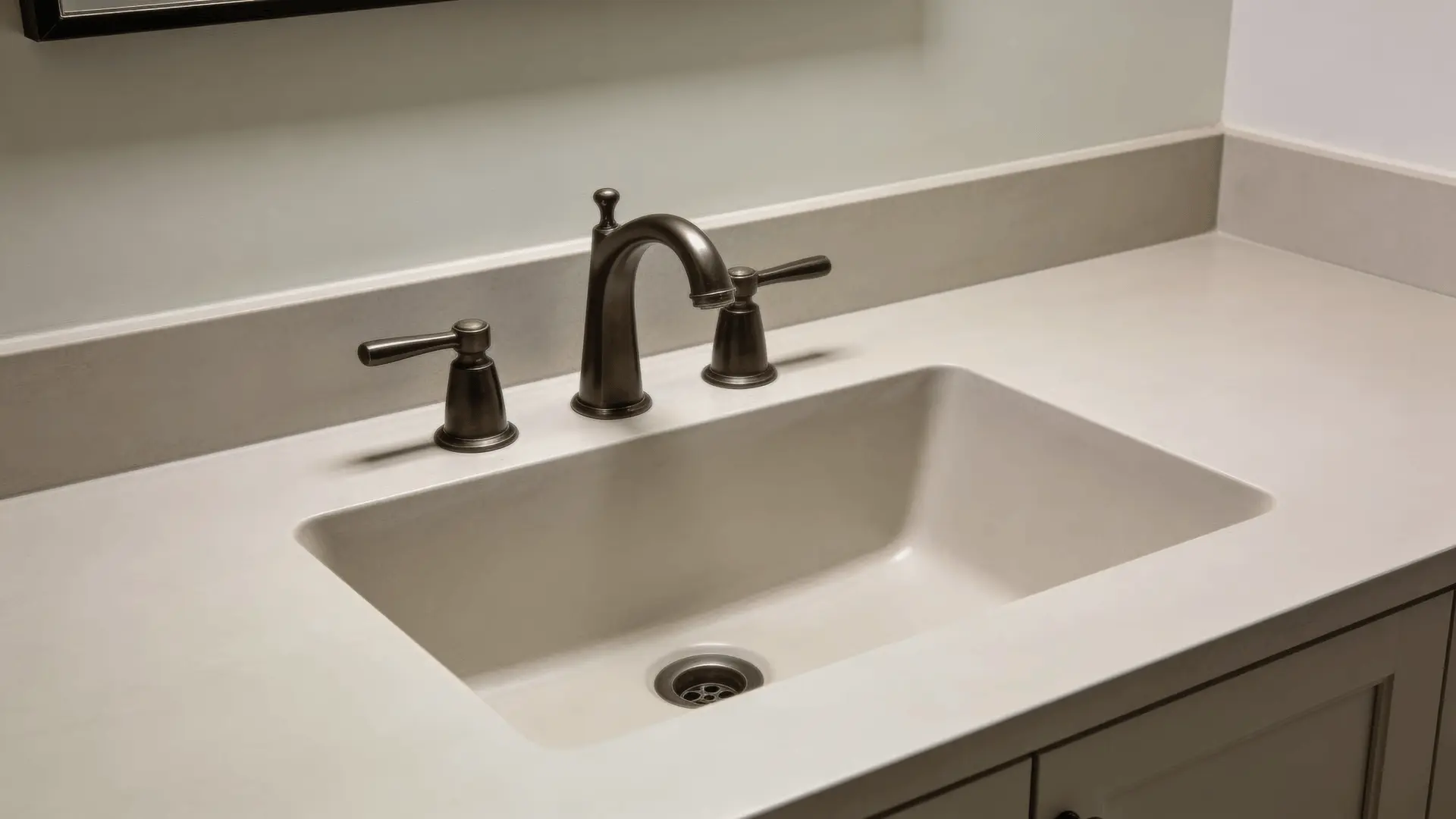
Rectangular sinks are very common in vanities.
- Typical width: about 19 to 24 inches
- Typical front-to-back depth: about 16 to 23 inches
They often provide more usable bowl space because the shape follows the counter lines. Wider rectangular sinks give a roomy feel. Narrow ones are common in small vanities.
Here, width and front-to-back depth matter most for fit. Bowl depth varies but usually falls in a moderate range.
2. Round and Oval Sinks
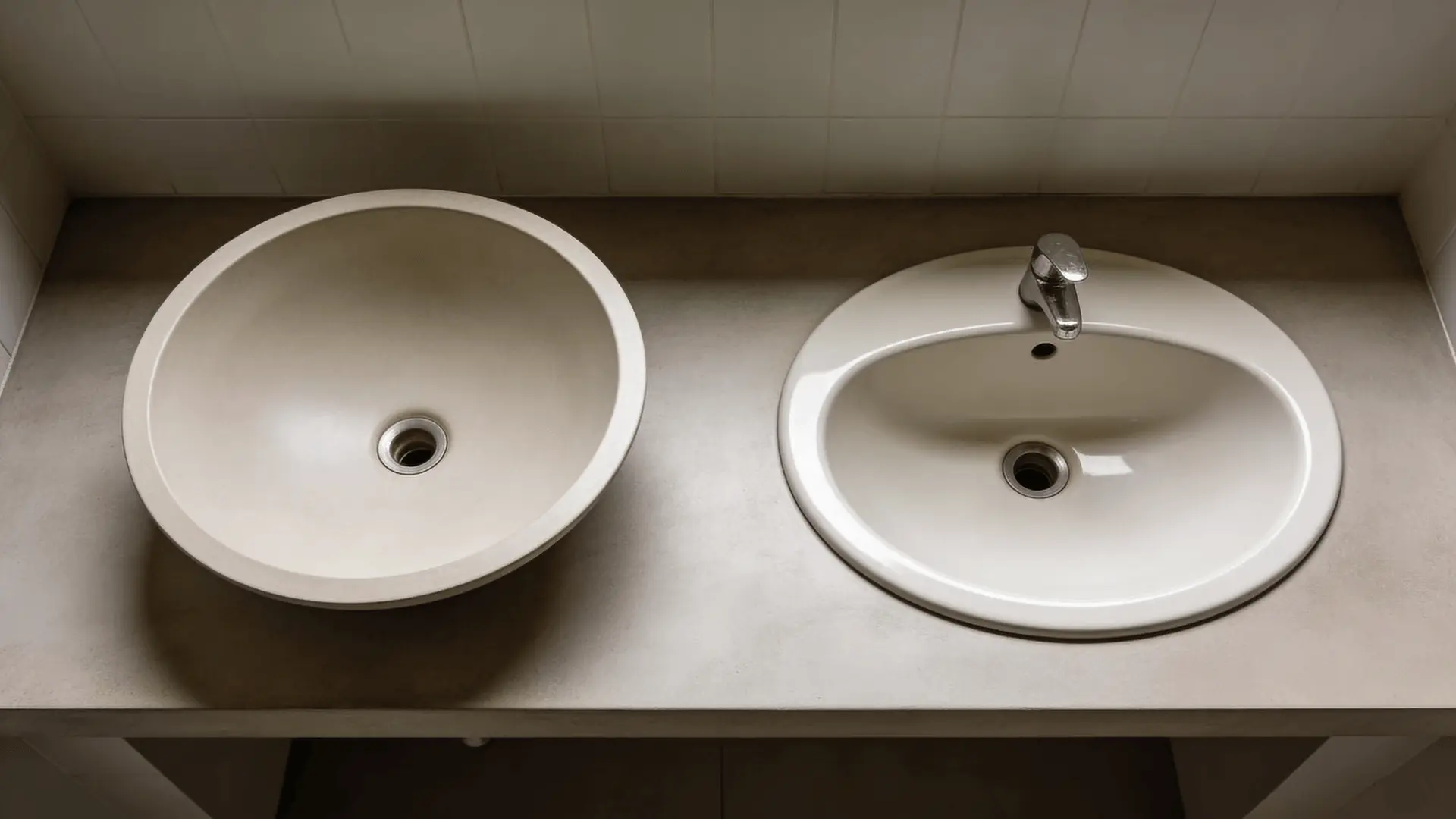
Round or oval sinks usually measure about 16 to 20 inches in diameter.
Because they are curved, they often take up less corner space. But they may offer slightly less usable surface area inside compared to a same-width rectangle.
With round sinks, the diameter becomes the key number. Front-to-back depth is tied directly to that diameter.
They can feel softer in small spaces, but may limit faucet placement behind them if space is tight.
3. Small and Powder Room Sinks
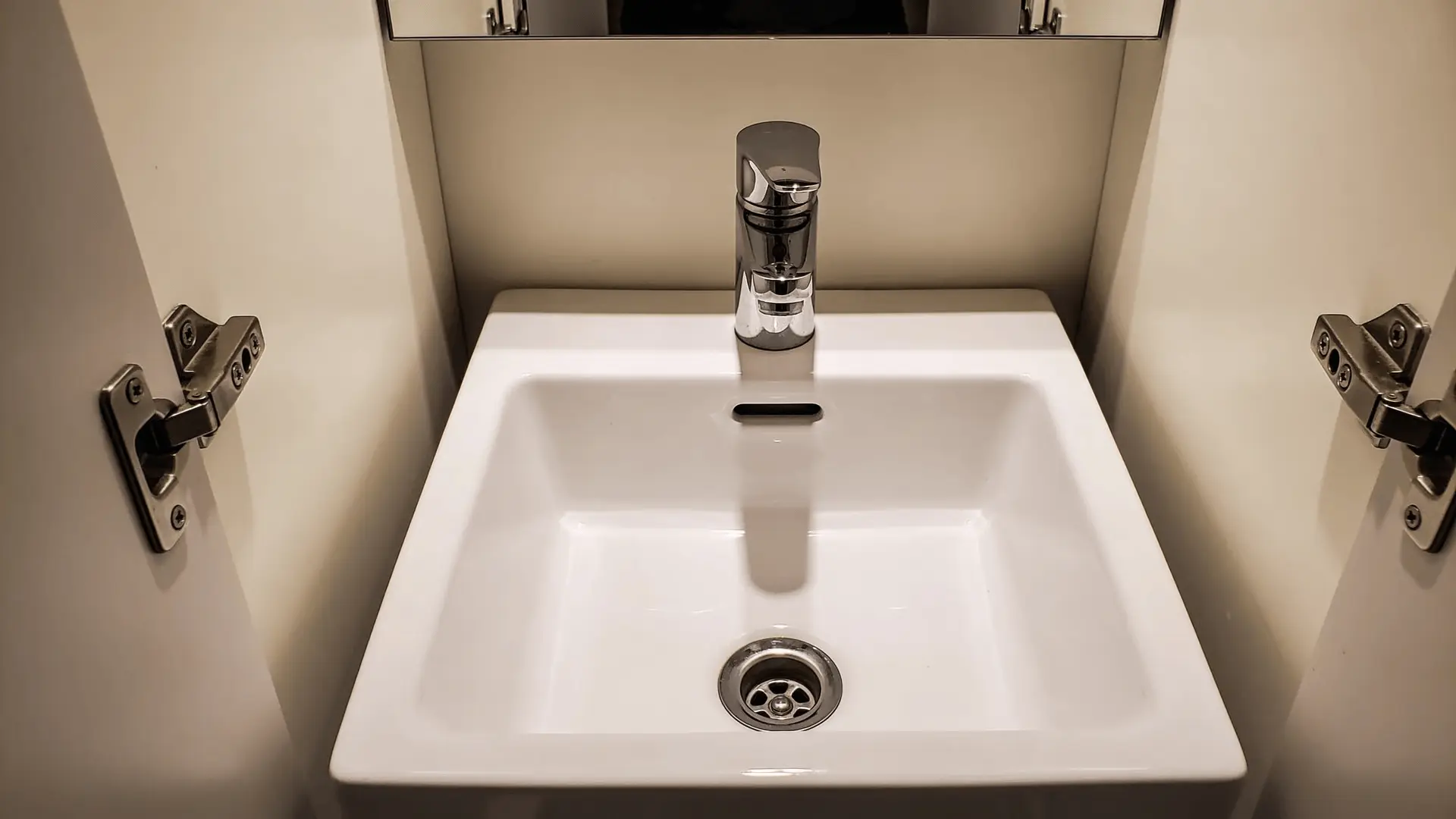
Compact sinks typically range from 15 to 24 inches wide and 12 to 20 inches front-to-back.
These are designed for tight bathrooms. The footprint matters more than bowl size here.
The tradeoff is reduced interior space. They work well for quick hand washing. But if used in a main bathroom, they can feel restrictive. In small sinks, every inch of front-to-back depth affects comfort.
4. Vessel Sinks
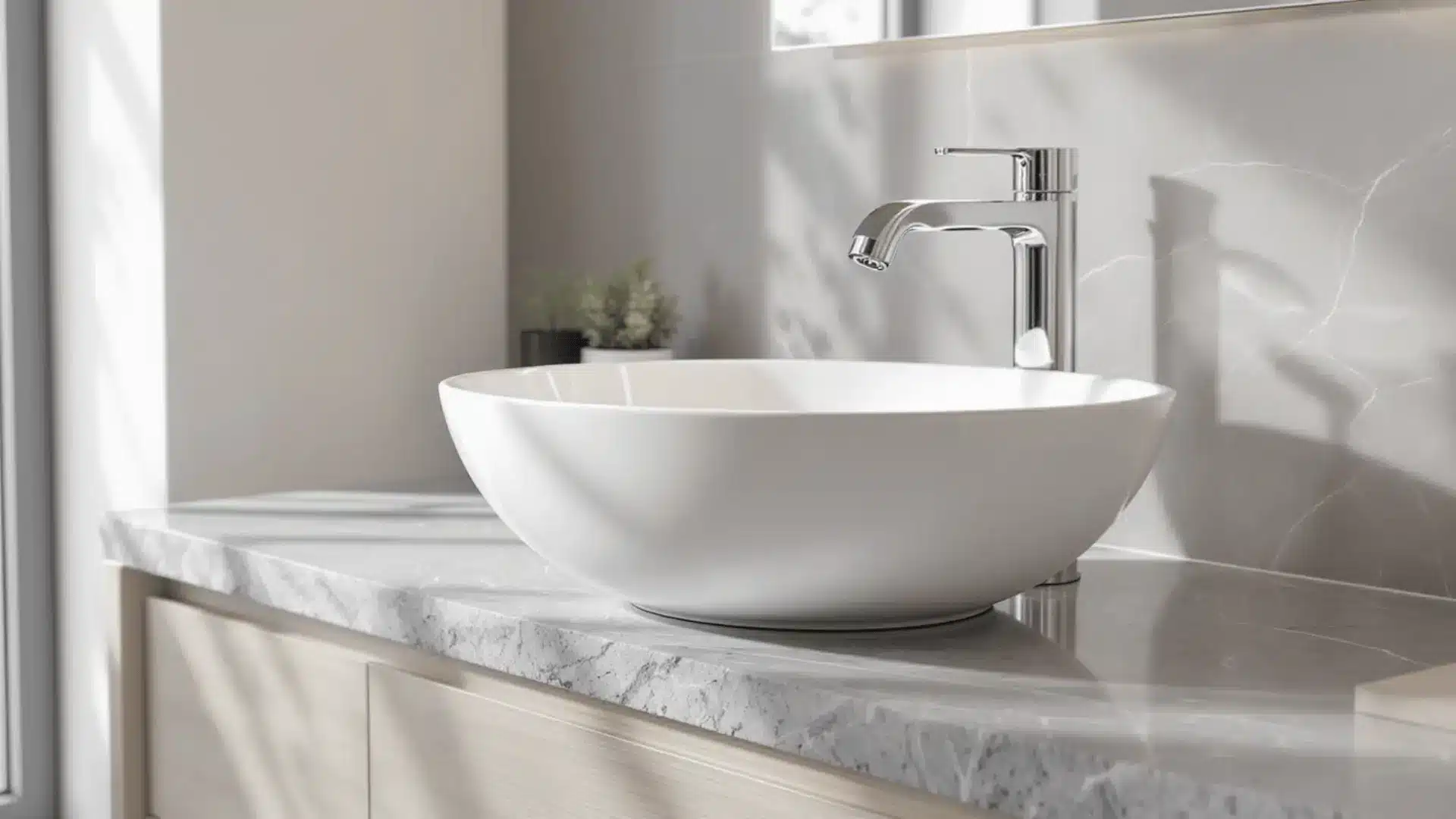
Vessel sinks sit on top of the counter. They often measure about 14 to 20 inches in diameter if round, or around 15 to 25 inches long if rectangular.
The key difference is height. Vessel sinks add extra height because they sit above the surface. So even if the width looks standard, the total rim height changes dramatically.
With vessels, height is the dominant dimension for comfort.
5. Wall Mount and Pedestal Sinks
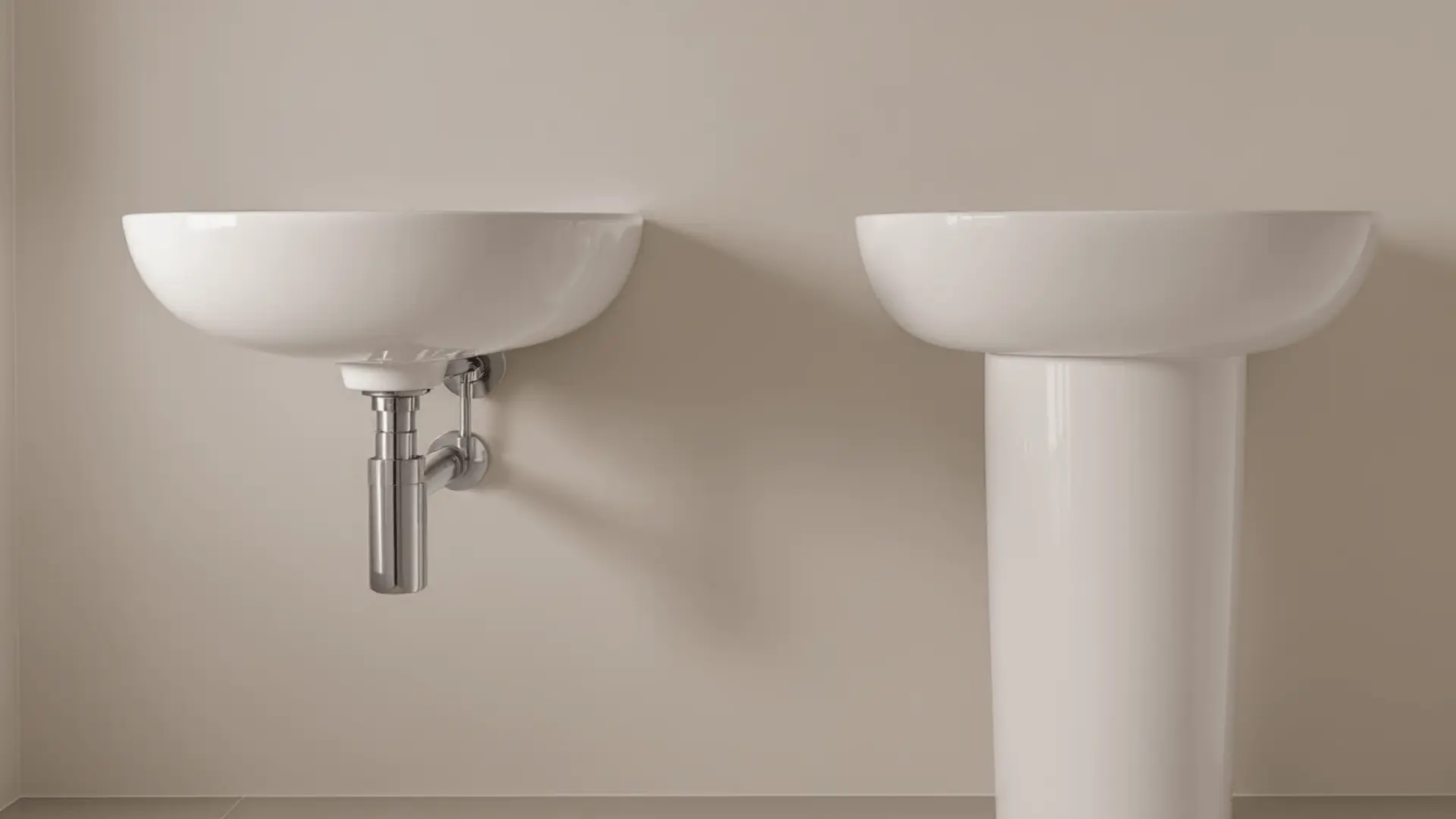
Wall-mount sinks typically range from about 15 to 24 inches wide and 12 to 18 inches front-to-back.
They are compact because they don’t sit inside a vanity. Since there is no cabinet below, the footprint and rough plumbing location matter more.
Pedestal sinks often have a similar basin size but include a base that hides plumbing. With these types, front-to-back depth and wall placement drive comfort more than vanity fit.
The sink type changes which measurement matters most. That’s where many people get tripped up.
Basin Depth, Splash, and Everyday Use
Bowl depth has a bigger impact on daily comfort and splash control than most other sink measurements.
Typical Bowl Depth Range and What It Feels Like
| Bowl Depth | How It Feels in Daily Use | Tradeoff to Consider |
|---|---|---|
| Around 5 inches | Open and easy to reach inside | Higher splash risk, especially with stronger water flow |
| Around 6 inches | Balanced and comfortable for most users | Moderate splash control, depends on faucet position |
| Around 7–8 inches | More contained and splash-resistant | Can feel tighter if paired with a short faucet |
A small difference in depth can noticeably change comfort, splash control, and how natural hand washing feels.
When Shallow Bowls Cause Problems
- Water rebound increases when water hits a shallow basin bottom quickly.
- High faucet position raises splash risk in shallow bowls.
- Strong water pressure worsens splashing.
- Steep faucet angle directs water forcefully into the basin.
- Hand movement impact amplifies water scatter.
- Frequent countertop splashing leads to constant cleanup.
When Deep Bowls Cause Problems
- Short faucet reach creates cramped hand space in deep bowls.
- Limited spout projection makes positioning hands uncomfortable.
- Lower effective washing area reduces usable space near the rim.
- Arm angle strain increases when the bowl sits too far below the faucet.
- Depth-to-faucet imbalance affects overall comfort.
Standard Sink Height and Why the “Right Height” Depends on Sink Style
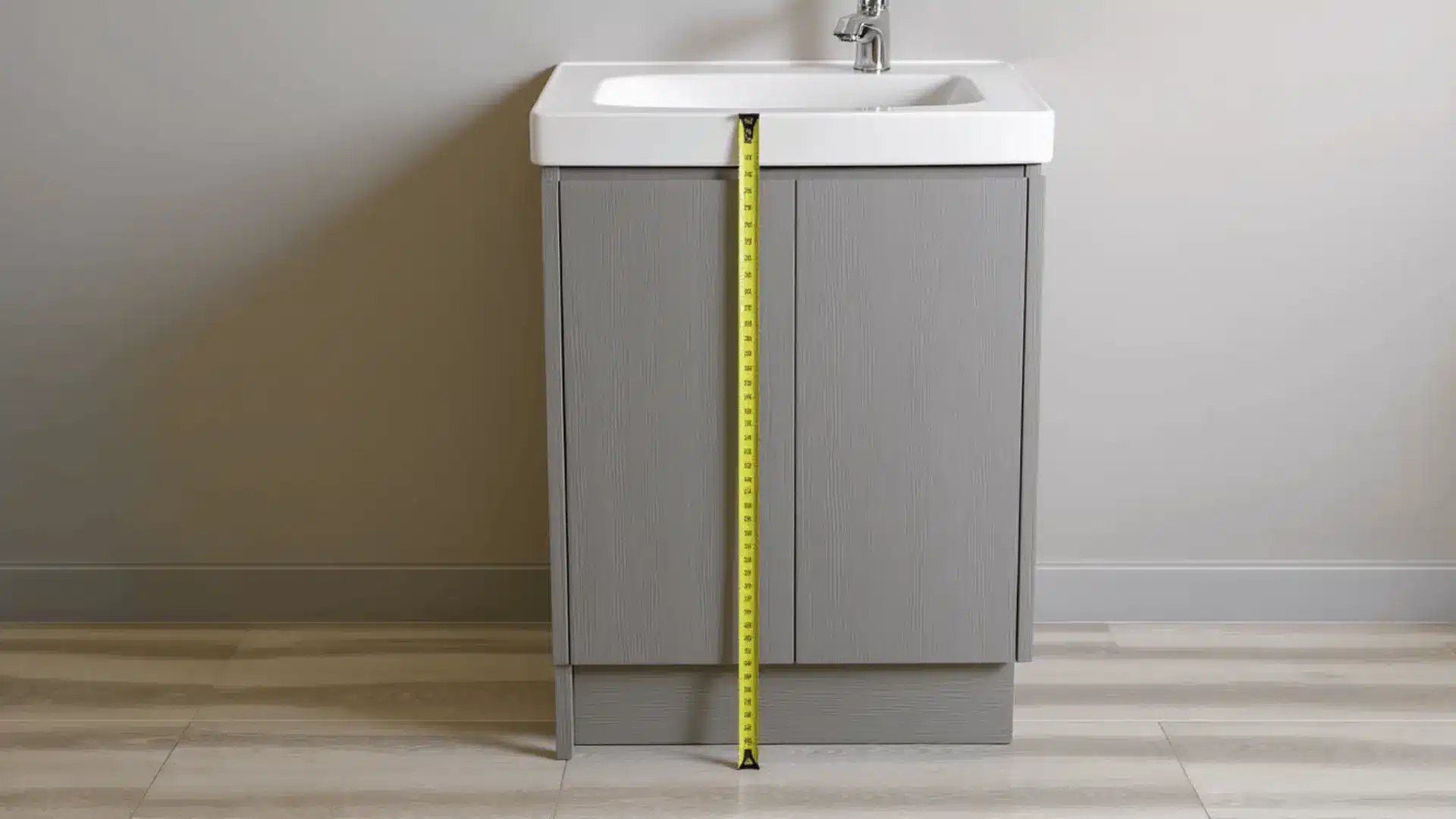
Sink height affects posture and comfort every single day, so even small changes in final rim height make a noticeable difference.
| Factor | Typical Range / Situation | What It Affects | What Can Go Wrong |
|---|---|---|---|
| Finished Rim Height | About 30–36 inches from floor | Overall comfort and posture | Too low causes bending; too high strains shoulders |
| Vanity Height | Commonly 30–36 inches | Base height of sink setup | Taller vanity raises rim beyond comfort range |
| Countertop Thickness | Around 1–2 inches | Adds to total sink height | Thick tops can unintentionally raise final height |
| Vessel Sink | Sits above countertop | Significantly increases rim height | Can feel too tall on standard vanity |
| Undermount / Drop-In Sink | Installed within or slightly above counter | Keeps height closer to vanity level | Height depends almost entirely on cabinet base |
| Wall-Mount Sink | Height chosen during install | Allows flexible placement | Incorrect mounting height creates long-term discomfort |
Accessibility Note: In ADA-compliant bathrooms, the sink rim or counter surface is typically no higher than 34 inches from the floor, with required knee clearance underneath. See the 2010 ADA Standards for Accessible Design for the full requirements. Residential bathrooms don’t have to follow ADA standards, but this can help if accessibility is a consideration.
The finished sink height isn’t one fixed number; it’s the combined result of vanity height, countertop thickness, and the sink style you choose.
Bathroom Sink Fitting Rules that Actually Matter
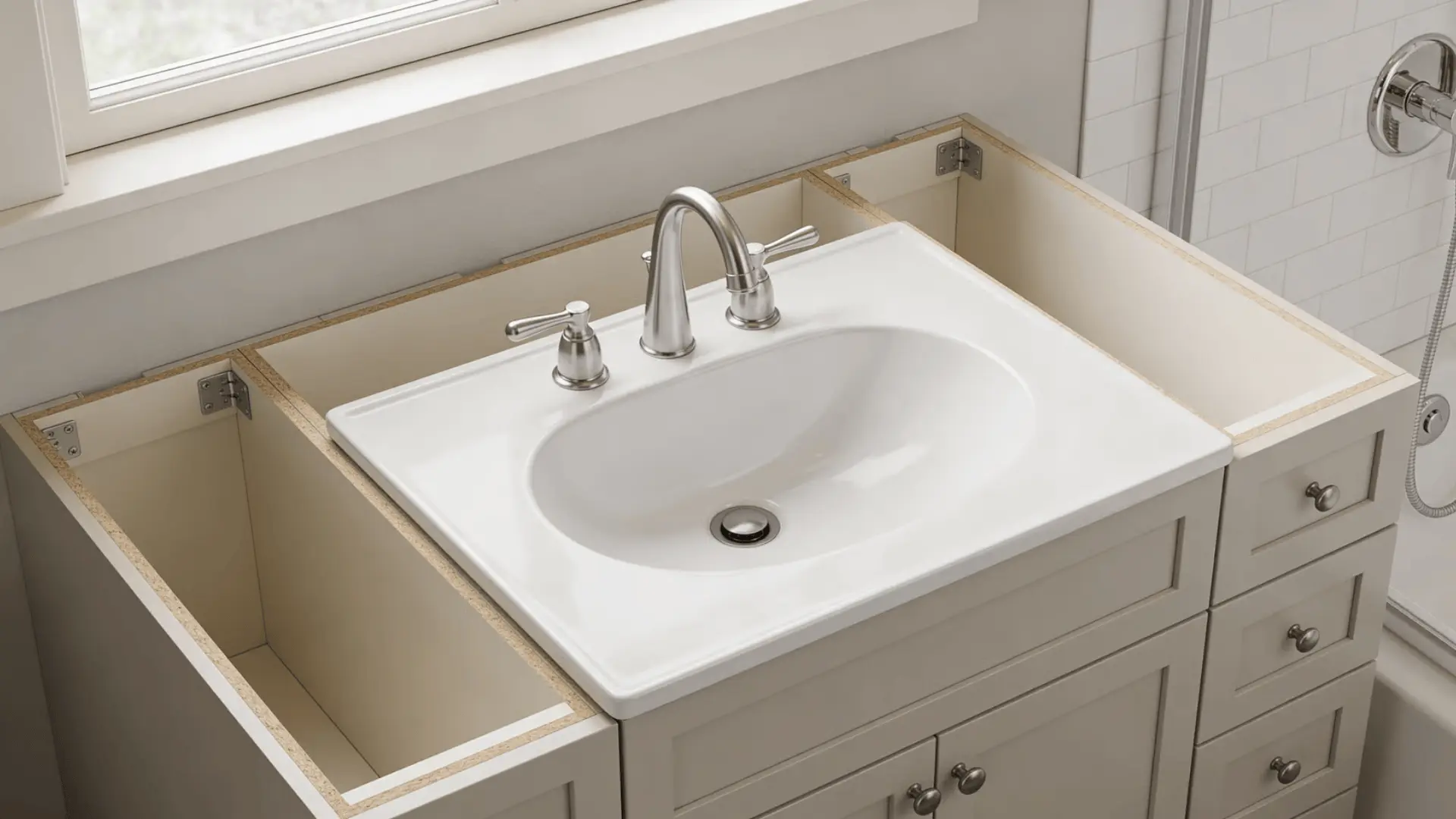
A sink can technically fit inside a vanity and still feel awkward every time you use it. These fit checks help you avoid that:
Sink Width vs. Vanity Width and Why the Gap Matters
A common rule says the sink should be a few inches narrower than the vanity. That gap creates usable space on both sides and keeps the layout from feeling cramped.
If the sink stretches too close to the edges, you lose surface area and elbow room. But width alone isn’t enough. In shallow vanities, a sink may fit side to side yet sit too close to the wall, reducing rear deck space.
The goal is not just fitting inside the cabinet. It’s keeping functional space around the bowl.
Front to Back Depth vs. Standing Space
Front to back depth determines how far the sink projects into the room. If it extends too far forward, standing space shrinks.
In smaller bathrooms, even a slight increase can push you closer to doors or tight walkways. The sink may fit on paper but feel intrusive when you move. This dimension controls how comfortably you can stand and shift at the counter.
Faucet and Deck Space Checks
The space behind the sink must allow room for the faucet and handles. If the bowl sits too close to the wall, installation becomes tight and hand movement feels restricted.
The faucet spout also needs enough reach into the basin. If it barely extends inward, washing feels awkward. Vanity width alone does not determine comfort. Bowl position and faucet reach complete the fit.
Bathroom Sink Clearance and Spacing Guidelines
Clearance numbers aren’t just technical rules. They protect comfort and movement around the sink.
Side Clearance from the Sink Centerline
A common guideline is at least 15 inches from the sink centerline to a side wall or tall obstruction.
That space prevents shoulder crowding and elbow contact when washing hands. If the distance shrinks much below that, the sink starts to feel boxed in, even if it technically fits.
Side clearance is about arm movement, not aesthetics.
Clear Space in Front of the Sink
Most layouts aim for about 30 inches of clear floor space in front of the sink.
This gives you room to stand comfortably and step back without hitting doors or drawers. When front clearance drops too low, you feel pinned between fixtures, especially in small bathrooms.
Front space controls how freely you can move, not just whether you can physically stand there.
Most residential layouts aim for at least 15 inches of side clearance and 30 inches of clear floor spacein front of the sink.
Common Obstruction Checks
Even when spacing meets general guidelines, nearby obstacles can change the experience. Check for:
- Towel bars mounted too close
- Shower glass panels near the vanity edge
- Cabinet or door swing paths
- Adjacent toilets placed too tightly
A bathroom can meet basic spacing numbers and still feel cramped if these conflicts exist.
Clearance isn’t just about passing a measurement test. It’s about whether your body can move naturally in the space.
Plumbing Rough-In Dimensions that Affect Sink Choice and Placement
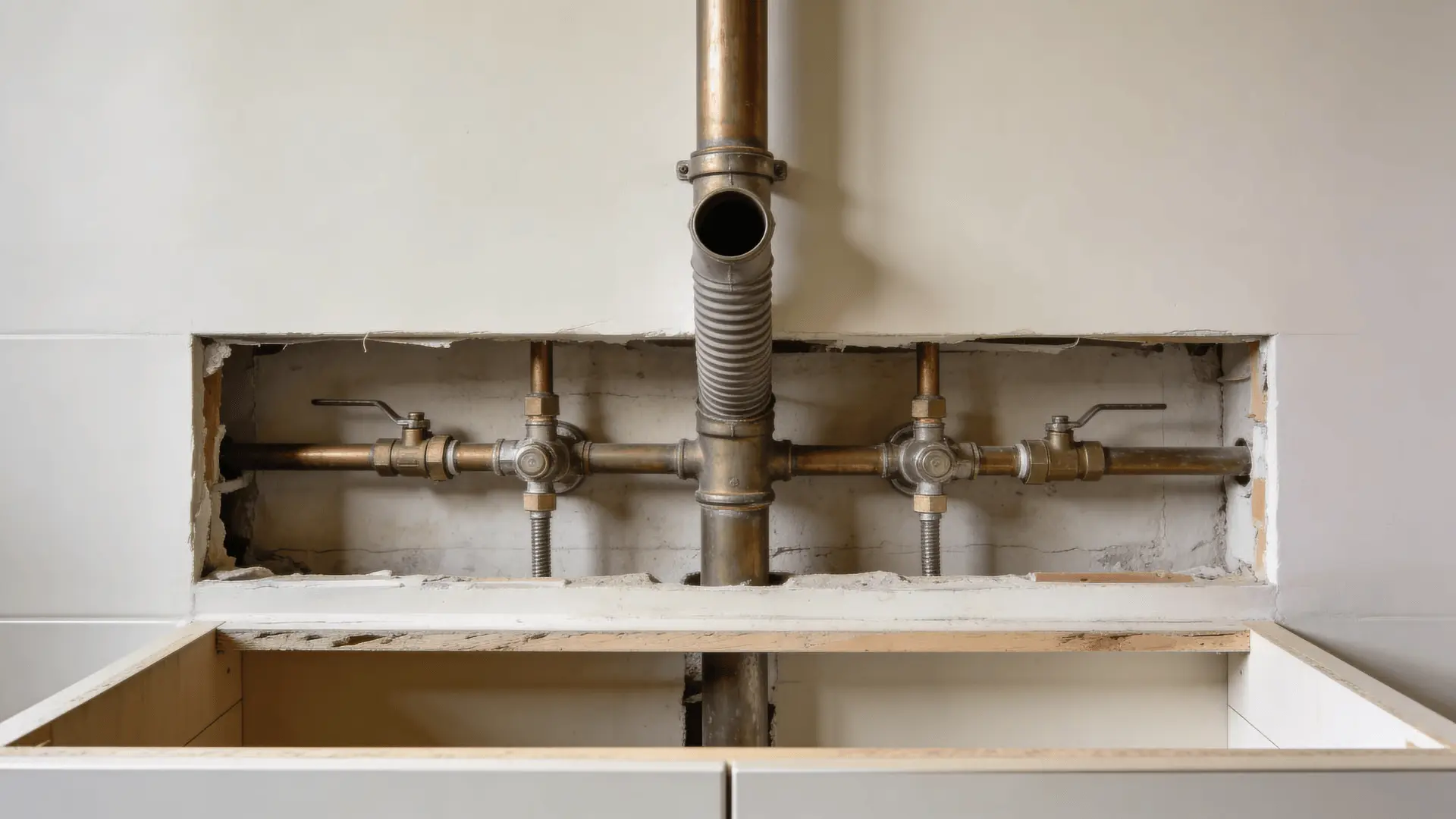
Rough-in dimensions are easy to overlook, but they directly affect how your sink aligns and functions.
What Rough-In Height Refers To
Rough-in height is the location of the drain and water supply lines inside the wall. It’s typically measured from the finished floor to the center of the drain pipe.
For many bathroom setups, the drain rough-in often lands around 18 to 20 inches above the floor, though this can vary.
If the rough-in height doesn’t align with your vanity and sink choice, the drain connection can feel forced or awkward. Pipes may sit too high, too low, or require tight bends that reduce usable space below.
Why Wall-Mount Setups Change the Constraints
With wall-mount sinks, plumbing is visible underneath. That means rough-in placement directly controls final sink height and appearance.
- If the drain is set too high, the sink must mount higher to line up properly.
- If it’s too low, exposed piping may hang lower than expected.
Unlike vanity setups, there’s less room to hide adjustments. The wall location limits flexibility.
Common Conflicts with Drawers and Shallow Cabinets
In vanities with drawers, drain and trap placement must clear interior storage space. Common conflicts include:
- Drain set too high, forcing tight pipe angles
- Poor horizontal centering, interfering with drawer boxes
- Trap assembly depth, extending too far into storage area
- Shallow cabinet interiors, limiting adjustment room
These issues don’t appear in product spec sheets, but they determine whether the plumbing fits cleanly behind the cabinet.
Wrapping Up
Bathroom sink dimensions shape how your space functions long after installation day. The right measurements influence movement, storage, faucet pairing, and how natural the sink feels during daily routines.
Small differences on paper can create big changes in comfort once everything is mounted and connected.
Instead of focusing on one “standard” number, think about how the sink interacts with your vanity, plumbing, and layout as a whole. When you look at that bigger picture in mind, choices become clearer and mistakes are easier to avoid.
Take a few extra minutes to measure carefully and compare options before buying. That simple step protects both comfort and investment.
Frequently Asked Questions
What is the standard size for bathroom sinks?
Most bathroom sinks are between 16 and 24 inches wide and about 5 to 8 inches deep, but size varies by shape and type.
Are all sinks 22 inches wide?
No. While 22 inches is common, sinks range widely in width depending on style, from compact 15-inch models to much wider options.
How much space is needed for a bathroom sink?
You need enough width for the basin plus side space, and clear floor space in front so you can stand comfortably without bumping walls or doors.
What height should a bathroom sink be from the floor?
Most finished sink rims sit between 30 and 36 inches from the floor, depending on vanity height and sink style.