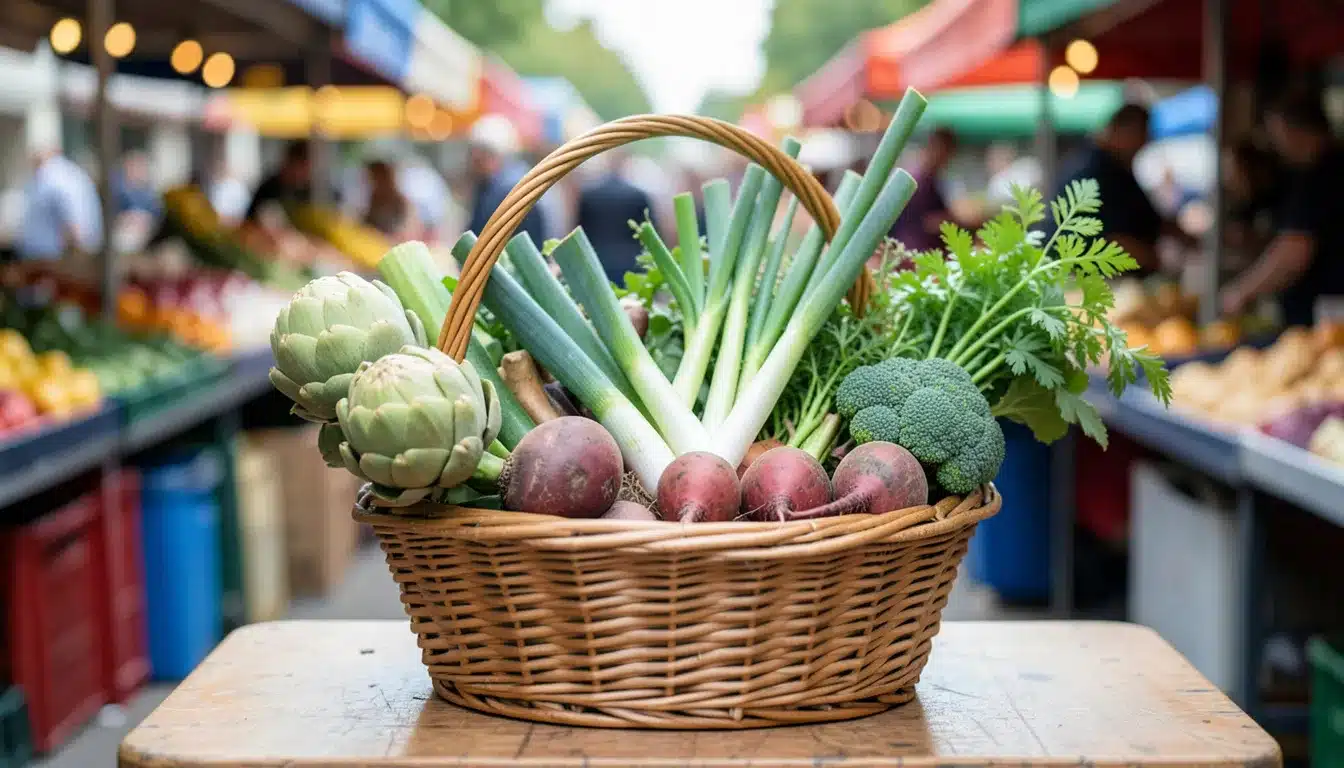
Spring is a short window. Most people miss the best part of it. The produce that shows up in March, April, and May is some of the freshest you will find all year.
But if you do not know what to look for, you walk right past it at the store and reach for the same old bag of frozen peas.
Here is the honest truth. Seasonal vegetables taste better. They are picked when ready, not shipped unripe from two states over.
This guide covers spring vegetables in full detail. You will find what each one looks like, when it peaks in flavor, how to store it, and what to cook with it. Let us get started.
What Makes a Vegetable a “spring Vegetable”?
Spring vegetables are cool-season crops that grow best when soil temperatures sit between 45°F and 65°F. They are planted in late winter or early spring and harvested before summer heat arrives.
Once temperatures climb past 75°F, most of them bolt, meaning they flower fast and turn bitter. In most parts of the US, the spring growing window runs from March through June, though this varies by region.
Spring Vegetables You Should Know About
Spring brings a short but solid window of fresh produce. These 21 vegetables thrive in cool soil, grow quickly, and taste best when picked at the right time.
1. Asparagus
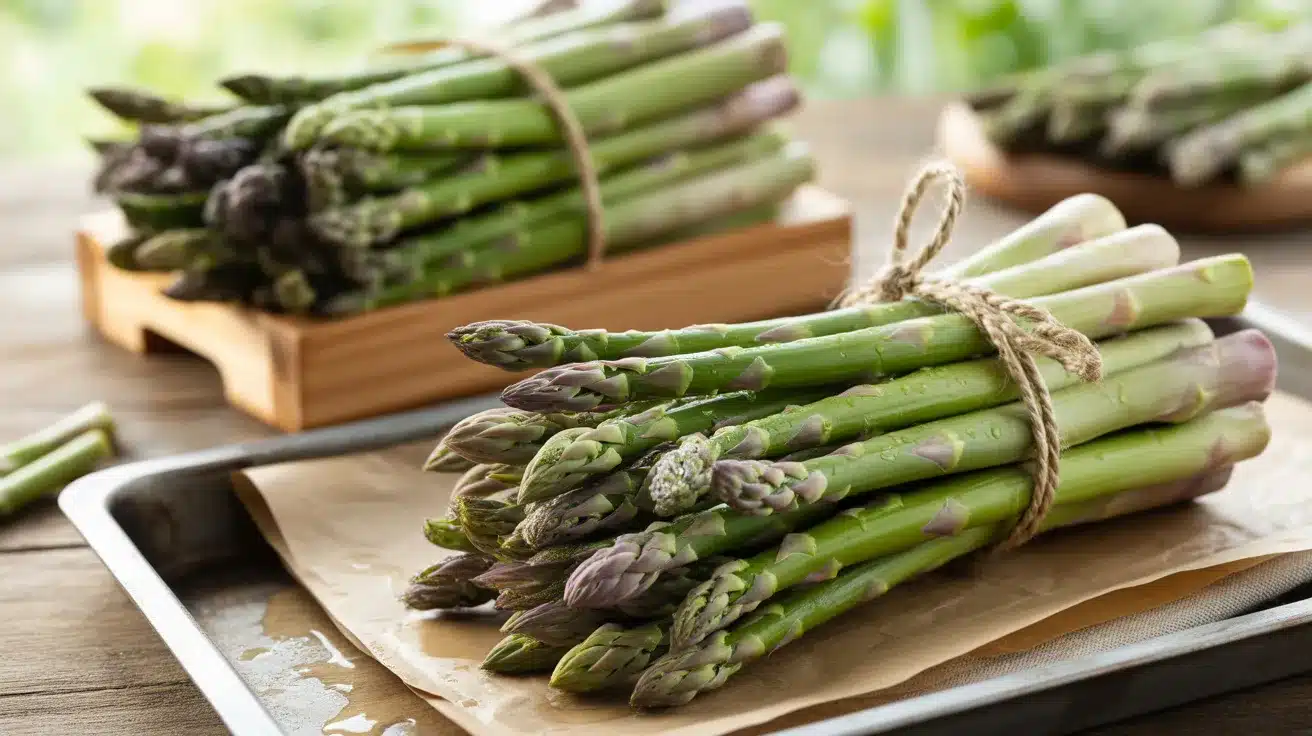
Asparagus is one of the first signs that spring has actually arrived. It pushes up through the soil fast, and you only get a few weeks to enjoy it at its freshest before the spears toughen up and go woody.
- What it looks like: Tall green spears with tight, closed tips. Some varieties are white or purple.
- US Season: March to June. The peak in most states is in April.
- Flavor: Earthy, slightly grassy, and mildly sweet when fresh.
- Kitchen uses: Roast with olive oil, toss into pasta, or blanch and serve alongside eggs.
- Nutrition fact: High in folate and vitamin K, which support cell growth and bone strength.
- Pro Tip: Pick spears that feel firm. Limp ones are already past their best.
2. Peas
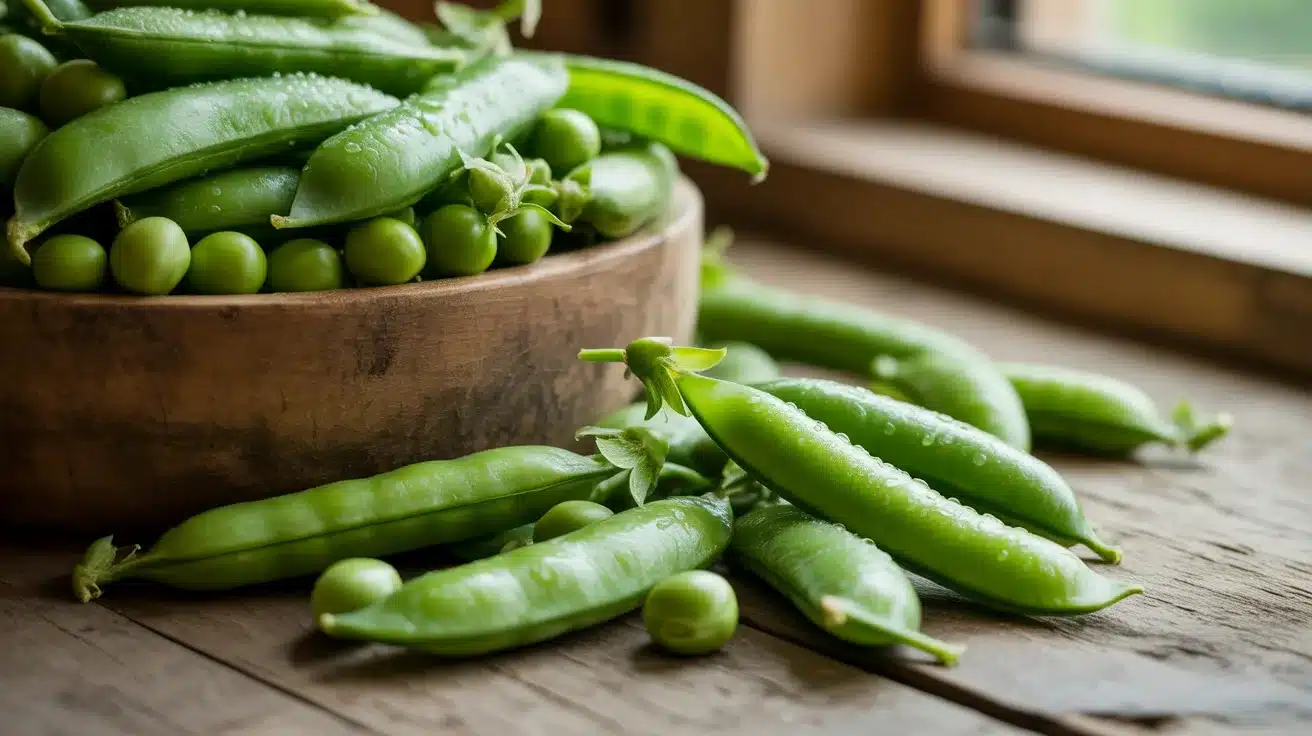
Peas are one of the few vegetables that taste genuinely better raw than cooked. A handful of snap peas straight from the vine in April is hard to beat. They are also one of the quickest crops a home gardener can grow.
- What it looks like: Bright green pods on climbing vines. Comes in snap, snow, and shelling varieties.
- US Season: April to June.
- Flavor: Sweet and fresh. Sugar content drops fast after picking.
- Kitchen uses: Toss raw into salads, add to stir-fries, or blend into bright green dips.
- Nutrition fact: A solid plant-based protein source with good amounts of vitamin C.
- Pro Tip: Snap peas are the easiest variety to grow at home and produce very quickly.
3. Spinach
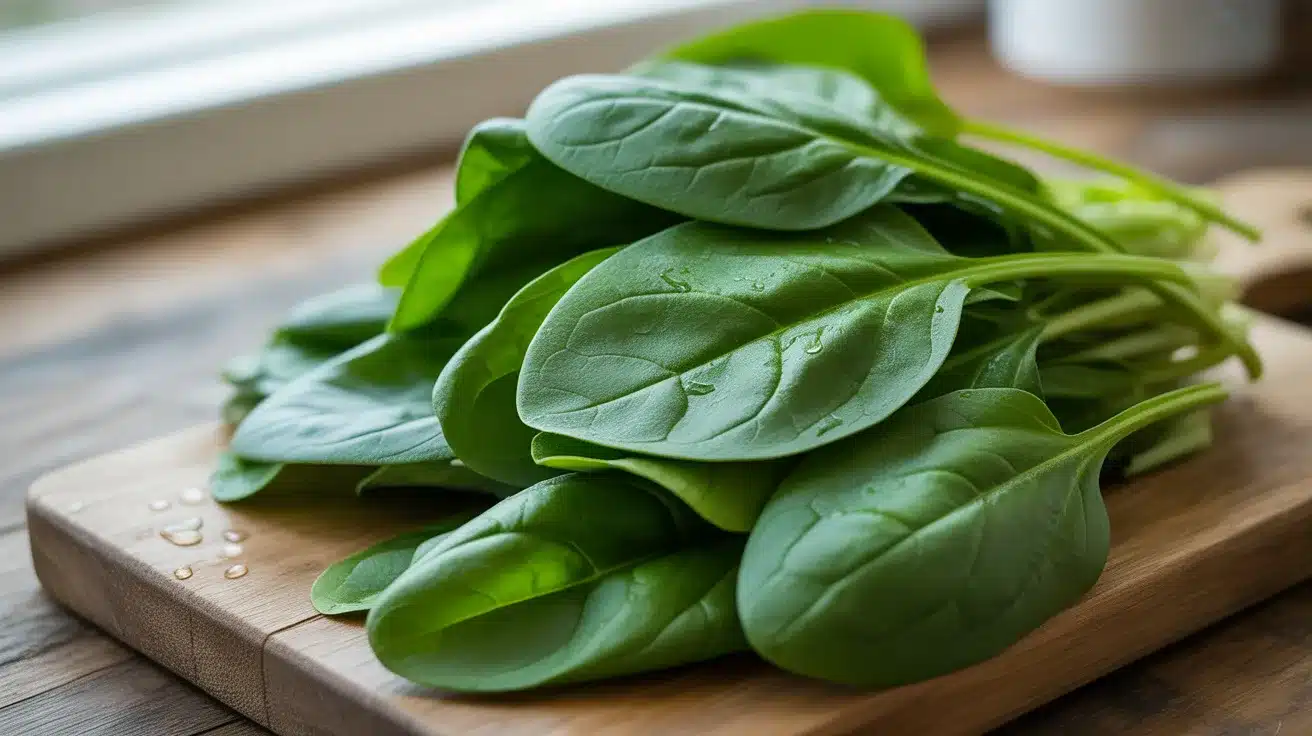
Spinach is a cold-weather crop that does its best work before summer heat shows up. It is one of the most versatile spring greens you can have in your kitchen and works well in nearly every meal format.
- What it looks like: Dark green, smooth or slightly crinkled leaves on low-growing plants.
- US Season: March to May.
- Flavor: Mild and slightly earthy. Baby spinach is softer with less bitterness.
- Kitchen uses: Eat raw in salads, sauté with garlic, or blend into smoothies.
- Nutrition fact: Rich in iron and calcium, both important for energy and bone health.
- Pro Tip: Harvest leaves in the morning for the crispest texture of the day.
4. Artichokes
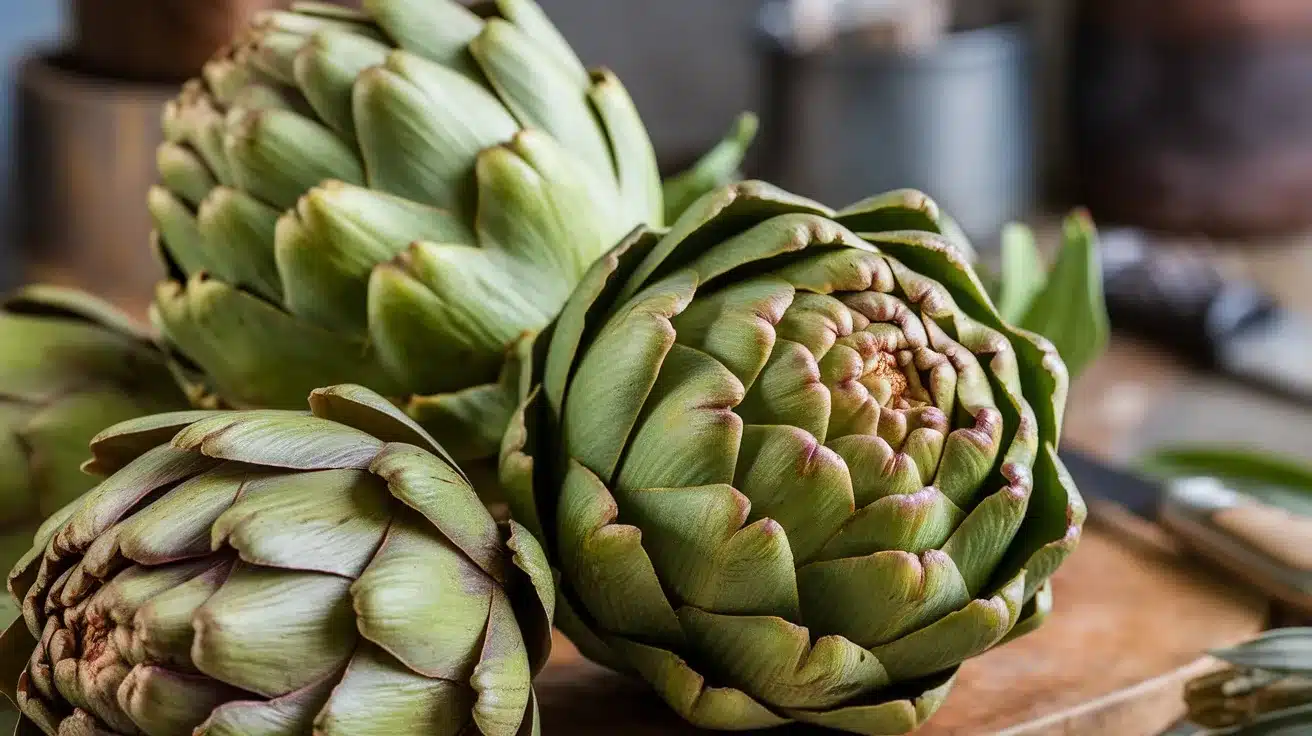
Artichokes are one of the more unusual spring vegetables on this list. They are actually the flower buds of a thistle plant, harvested before the flowers open. California produces nearly all of the US supply, and spring is its peak season.
- What it looks like: Large globe-shaped buds with thick green scales and a fuzzy center called the choke.
- US Season: March to May.
- Flavor: Mild, slightly nutty, and buttery once cooked.
- Kitchen uses: Steam whole, then dip in butter; stuff and bake; or add the hearts to pasta.
- Nutrition fact: One of the highest-antioxidant vegetables available in the fresh produce aisle.
- Pro Tip: Press the leaves together. A fresh artichoke will squeak. A silent one is past its prime.
5. Radishes
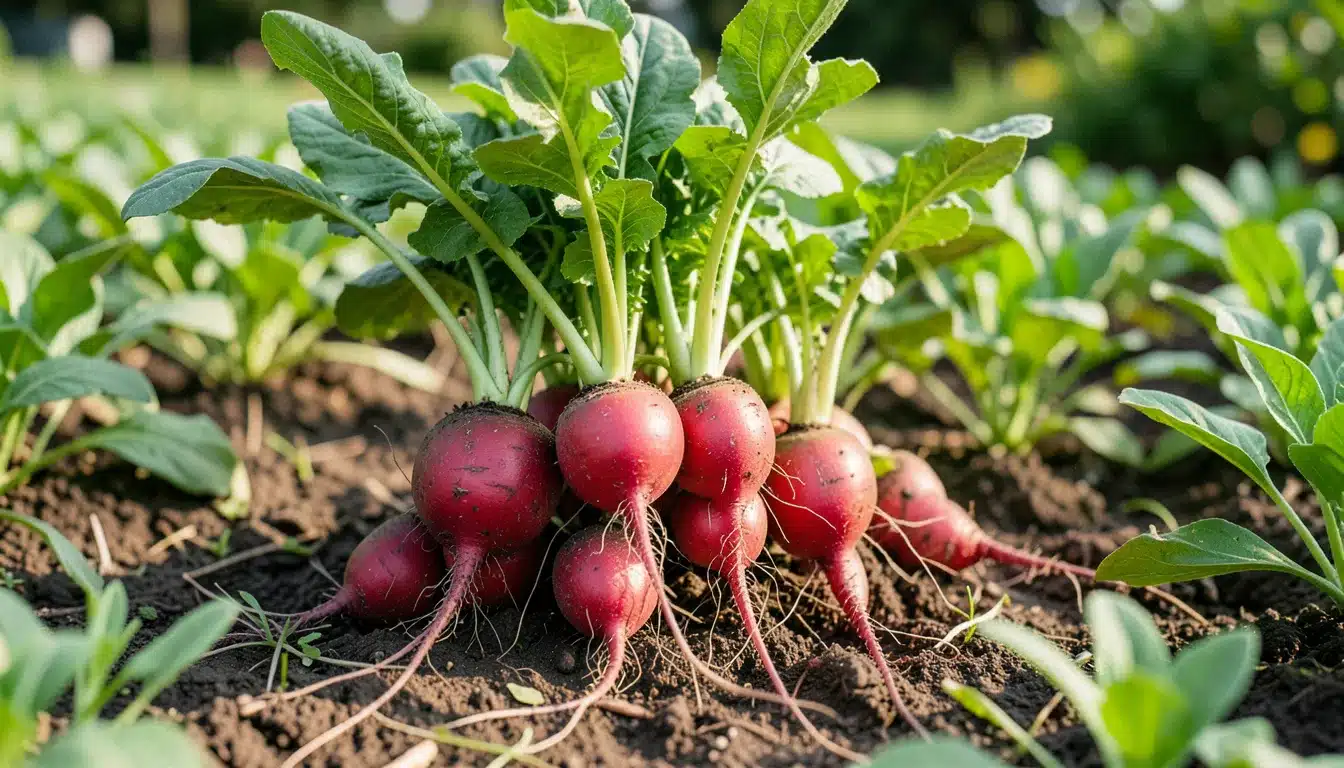
Radishes are the sprinters of the spring garden. They go from seed to harvest faster than almost anything else you can plant. They also add a sharp, peppery crunch to meals that most other spring vegetables cannot match.
- What it looks like: Small, round or oblong roots with bright red or pink skin and crisp white flesh.
- US Season: March to May.
- Flavor: Peppery and crisp when raw. The heat softens significantly when cooked.
- Kitchen uses: Slice thin into salads, pickle in vinegar, or roast to mellow the sharpness.
- Nutrition fact: Low in calories and a reliable source of vitamin C and folate.
- Pro Tip: Radishes can go from seed to table in as little as 25 days.
6. Spring Onions (Scallions)
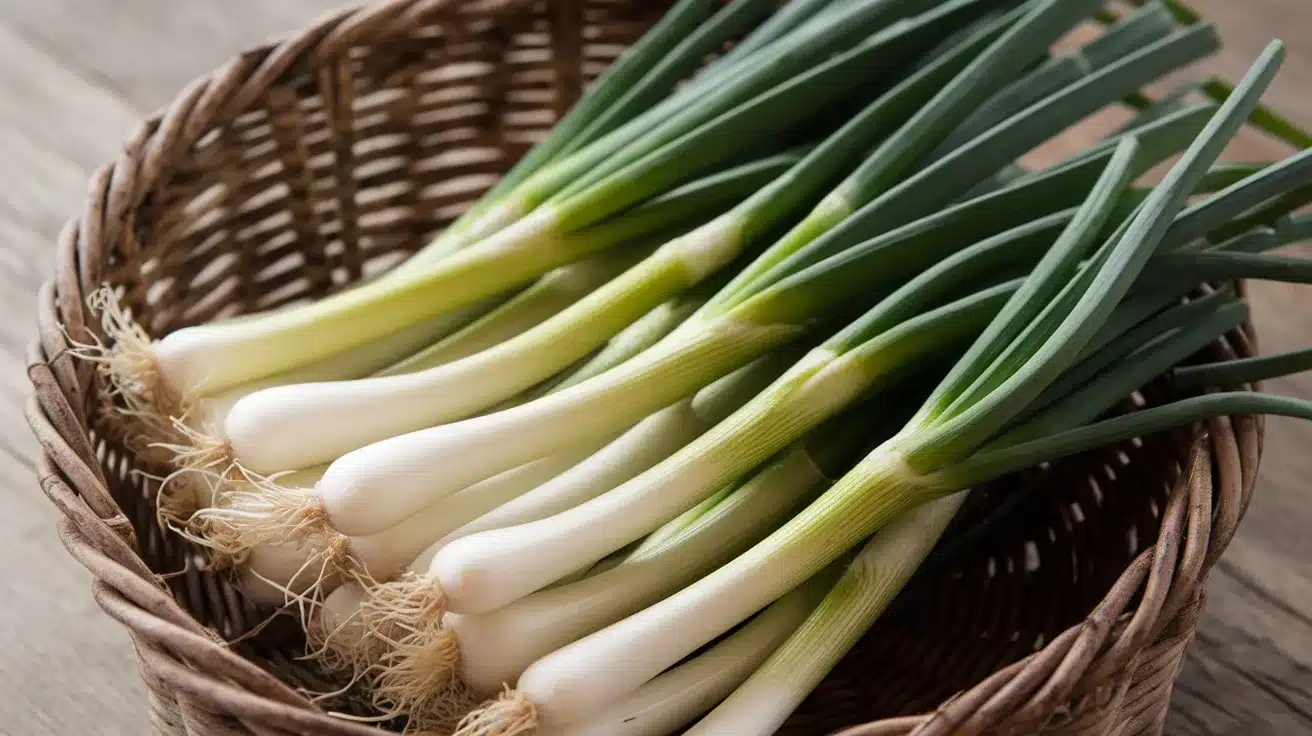
Spring onions are the mild, fresh cousin of the regular onion. They show up early in the season and work in almost any dish without overpowering it. Both the green tops and the white base are fully usable.
- What it looks like: Long green stalks with a small white bulb at the base.
- US Season: March through June.
- Flavor: Milder and fresher than regular onions, with a light, clean bite.
- Kitchen uses: Use raw as a garnish, grill whole, or chop and add to scrambled eggs and soups.
- Nutrition fact: Contains quercetin, a natural compound that supports the immune system.
- Pro Tip: Place cut bulbs in a glass of water on a sunny windowsill, and they will regrow in days.
7. Lettuce
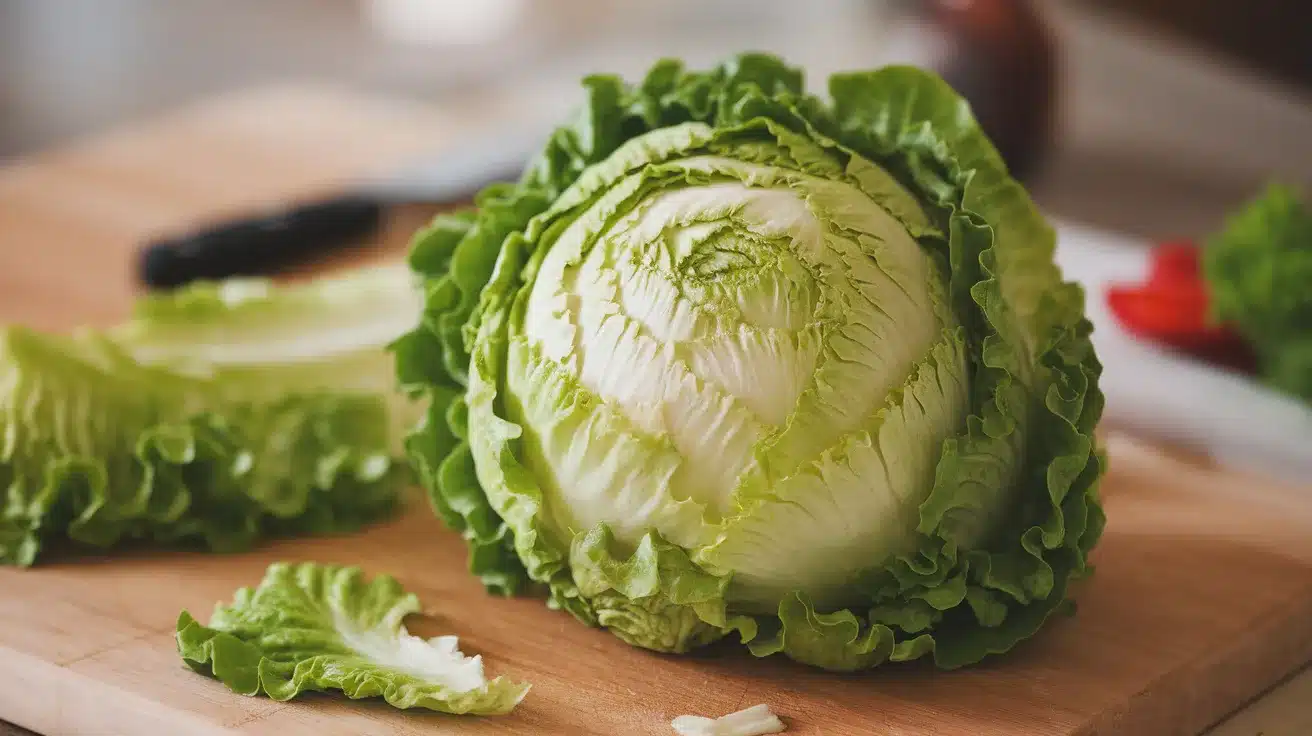
Lettuce is one of those vegetables that almost everyone eats, but few people think about growing. Spring is when it tastes best. The cool air keeps it crisp, and the flavor stays mild before summer heat turns it bitter.
- What it looks like: Loose-leaf or tight-head plants in shades of green, red, and burgundy.
- US Season: April to June. Bolts and turns bitter quickly once summer heat arrives.
- Flavor: Mild and slightly watery. Butter lettuce has a notably soft, rich taste.
- Kitchen uses: Use in salads, wraps, grain bowls, or as a low-carb taco shell substitute.
- Nutrition fact: Romaine varieties are especially high in vitamin A and potassium.
- Pro Tip: Harvest the outer leaves first, and the plant will keep producing for several more weeks.
8. Arugula
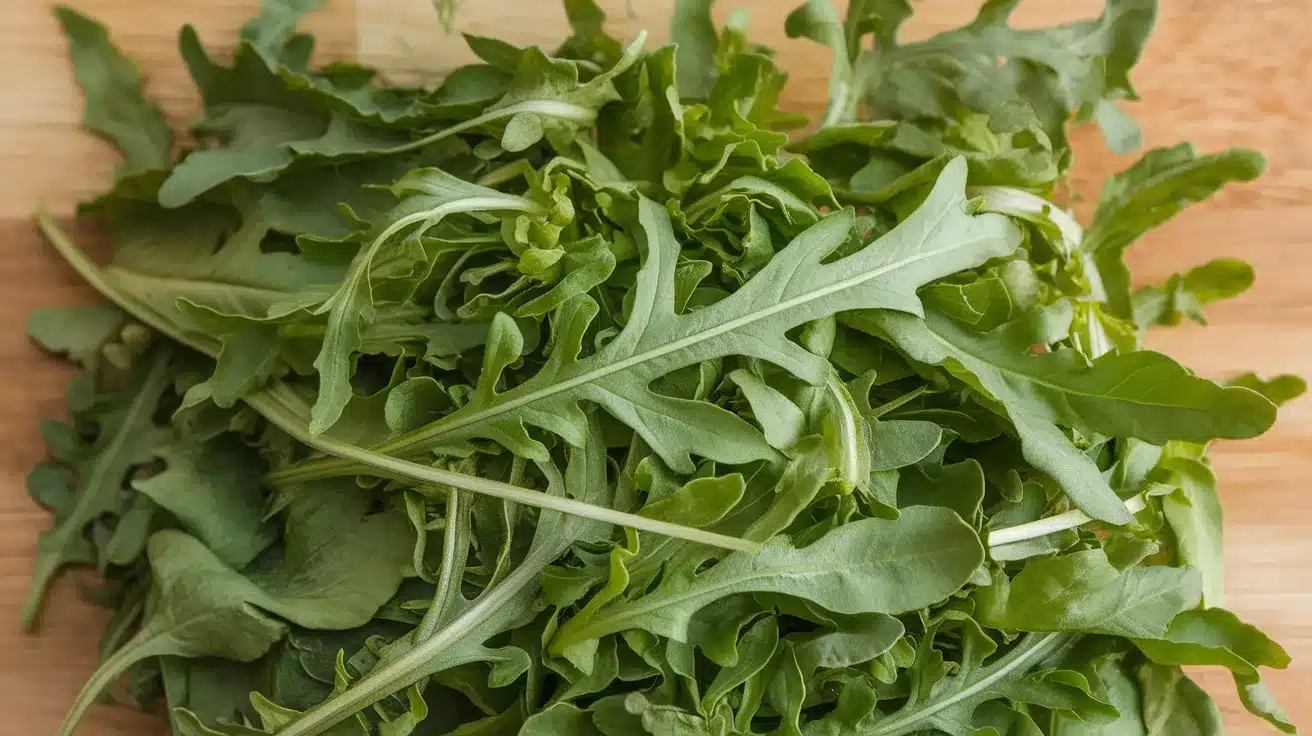
Arugula divides people. Some love the bold, peppery bite. Others find it too sharp. Either way, it is one of the most flavorful leafy greens spring produces, and it works beautifully as both a salad base and a finishing green on hot dishes.
- What it looks like: Narrow, lobed green leaves that grow in a low rosette pattern.
- US Season: March to May.
- Flavor: Peppery and slightly bitter with a faint nutty finish.
- Kitchen uses: Toss with lemon and parmesan, lay over pizza, or layer into sandwiches.
- Nutrition fact: A good source of vitamin K and calcium, both key for bone health.
- Pro Tip: Younger, smaller leaves taste noticeably milder. Harvest early if you prefer less bitterness.
9. Swiss Chard
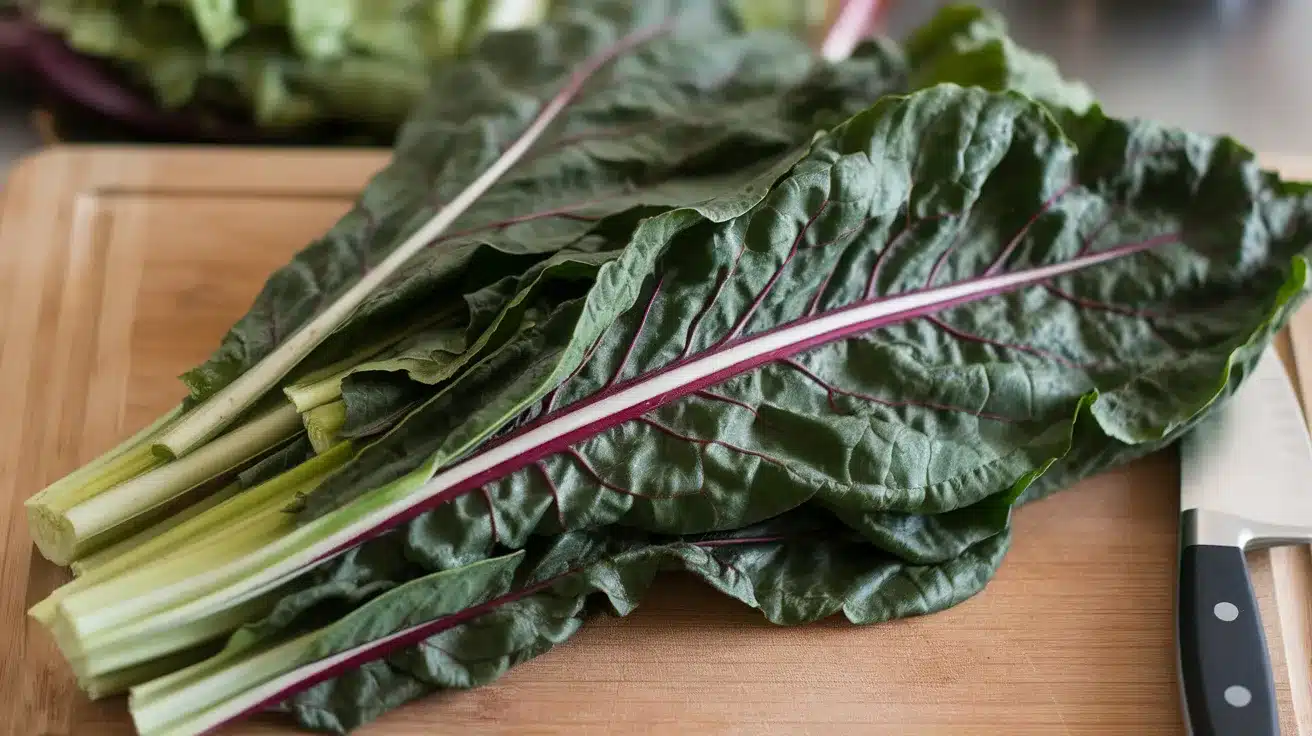
Swiss chard is one of the most visually striking vegetables in the spring garden. The stems come in deep red, bright yellow, and white, making them as easy to spot in a produce display as on a plate.
- What it looks like: Large, broad leaves with colorful stems in red, yellow, or white.
- US Season: April to June.
- Flavor: Earthy and slightly salty, sitting somewhere between spinach and beets in taste.
- Kitchen uses: Cook the stems first since they take longer, then add the leaves. Works well in soups and frittatas.
- Nutrition fact: Packed with magnesium and vitamins A, C, and K all in a single serving.
- Pro Tip: The stems are too good to throw away. Cook them separately like you would asparagus.
10. Kale
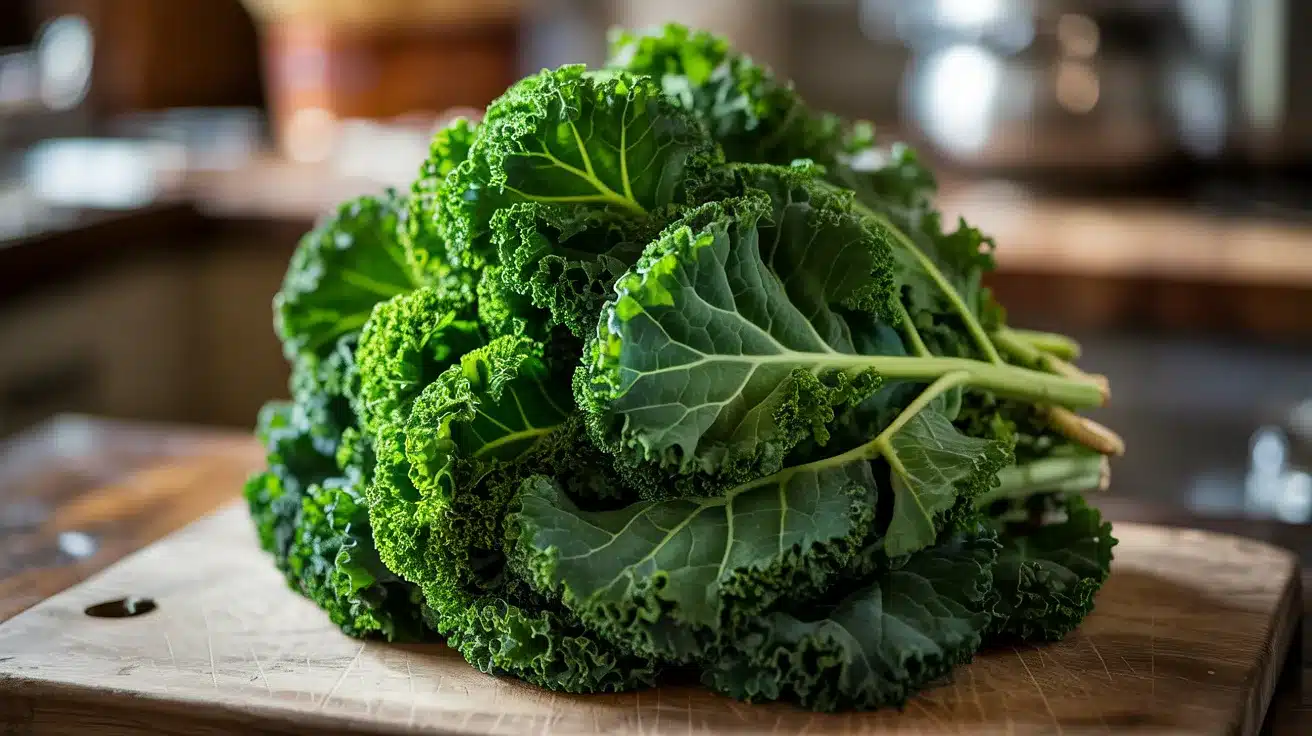
Kale has a reputation for being tough and bitter, and honestly, that reputation is not bad when it is grown in the wrong season. Spring kale, especially after a cold snap, is a completely different vegetable. Sweeter, softer, and far more enjoyable.
- What it looks like: Curly or flat leaves on thick stems. Color ranges from dark green to blue-green.
- US Season: March to May. Cold temperatures actually improve the flavor.
- Flavor: Earthy and mildly bitter. Massaging raw leaves with oil softens both the texture and taste.
- Kitchen uses: Use in salads, bake into chips, or blend into hearty soups.
- Nutrition fact: One of the most nutrient-rich leafy greens available in any season.
- Pro Tip: Kale that has been through a frost tastes noticeably sweeter than summer-grown kale.
11. Rhubarb
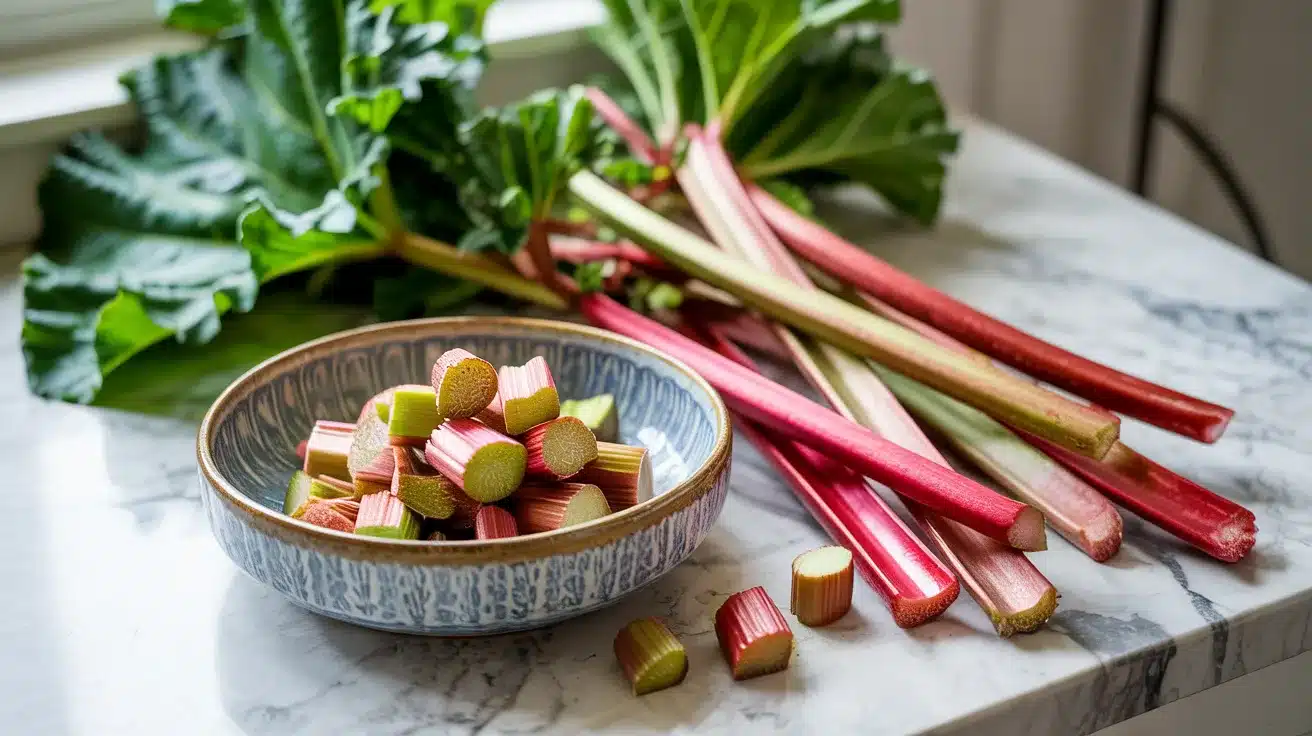
Rhubarb is technically a vegetable, though most people only know it from pies and jams. It is one of the few spring crops that returns year after year from the same plant, making it a favorite for home gardeners who want something low-effort and reliable.
- What it looks like: Long, thick red or pink stalks with very large leaves on top.
- US Season: April to June. A perennial that comes back each spring without replanting.
- Flavor: Extremely tart and sour. It almost always needs sugar to make it palatable.
- Kitchen uses: Use in pies, jams, and chutneys, or pair it with strawberries for a classic combination.
- Nutrition fact: The stalks contain calcium and vitamin K despite their sharp, sour flavor.
- Pro Tip: Never eat rhubarb leaves. They contain oxalic acid, which is toxic to humans.
12. Fava Beans
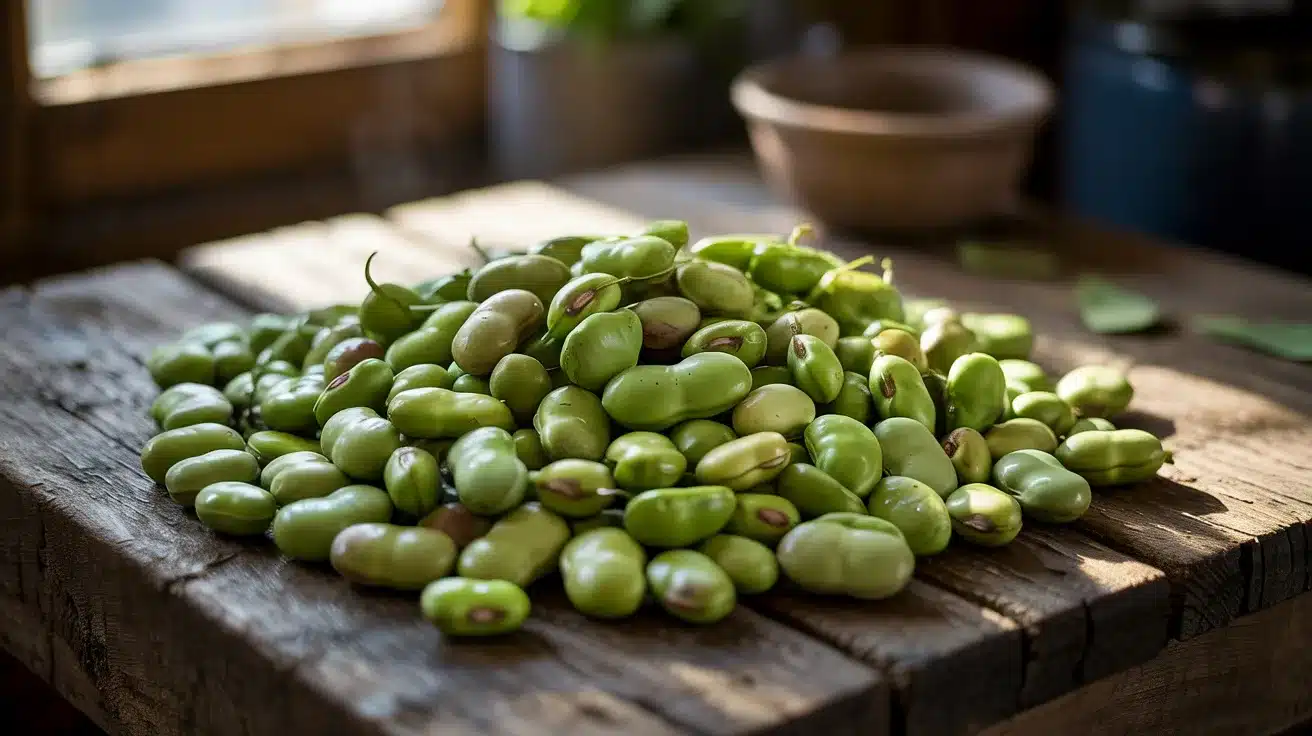
Fava beans are a spring staple in Mediterranean cooking that many American home cooks have not tried yet. They take a little more prep than most beans, but the creamy, rich flavor is worth the extra few minutes of work.
- What it looks like: Large, flat green pods with thick, spongy walls. Each pod holds 3 to 8 big beans.
- US Season: March to May.
- Flavor: Creamy and buttery with a mild, lightly sweet taste.
- Kitchen uses: Shell, blanch, and toss with olive oil and fresh herbs. Add to pasta or mix into risotto.
- Nutrition fact: High in protein, fiber, and iron, which support muscle function and energy levels.
- Pro Tip: For the best texture, remove the outer pod, then peel the thin skin off each bean.
13. Fennel
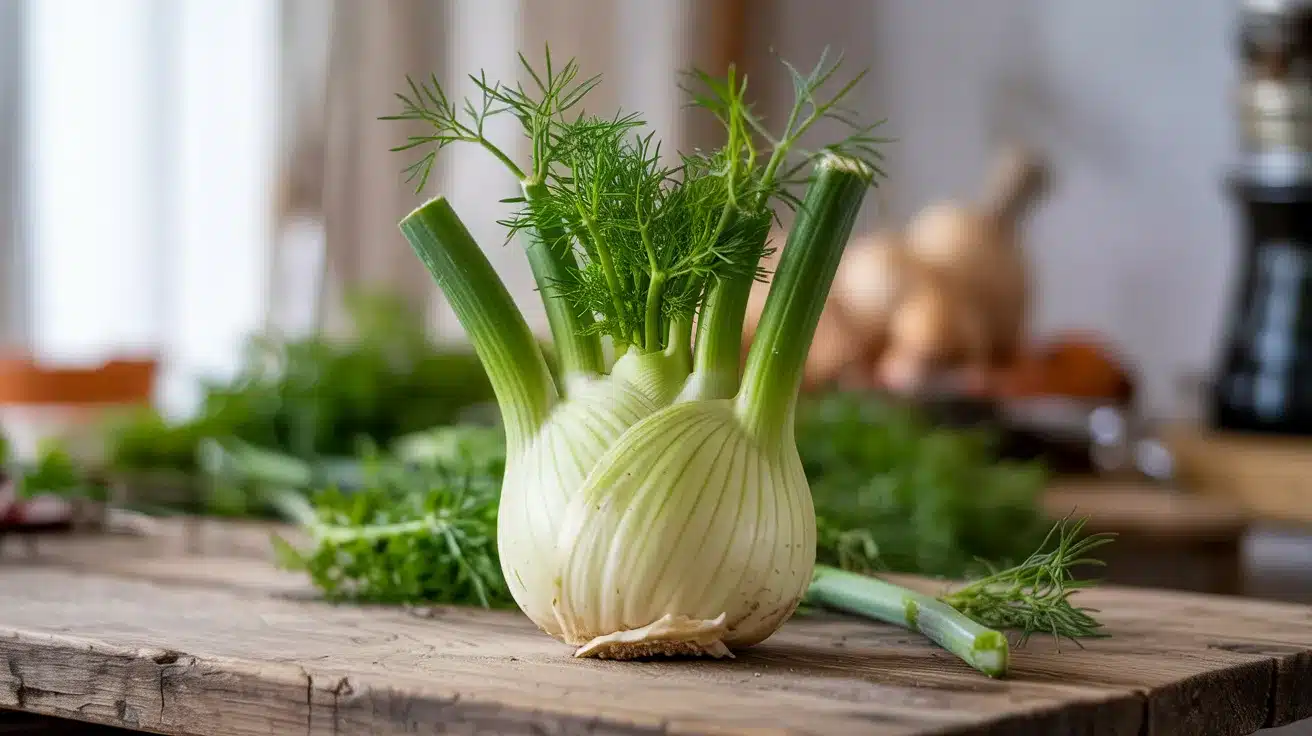
Fennel is one of those vegetables that surprises people. Raw, it has a mild licorice note that not everyone expects. Roasted, that flavor softens into something sweet and almost caramel-like. It is more versatile than it gets credit for.
- What it looks like: A white or pale green bulb at the base with feathery, bright green fronds growing upward.
- US Season: April to June.
- Flavor: Mildly sweet with a gentle licorice note. The flavor becomes much softer when cooked.
- Kitchen uses: Slice raw into salads, roast until caramelized, or braise alongside fish.
- Nutrition fact: Provides fiber, vitamin C, and potassium in a very low-calorie package.
- Pro Tip: The feathery fronds at the top are edible. Use them as a fresh herb in any dish.
14. Turnips
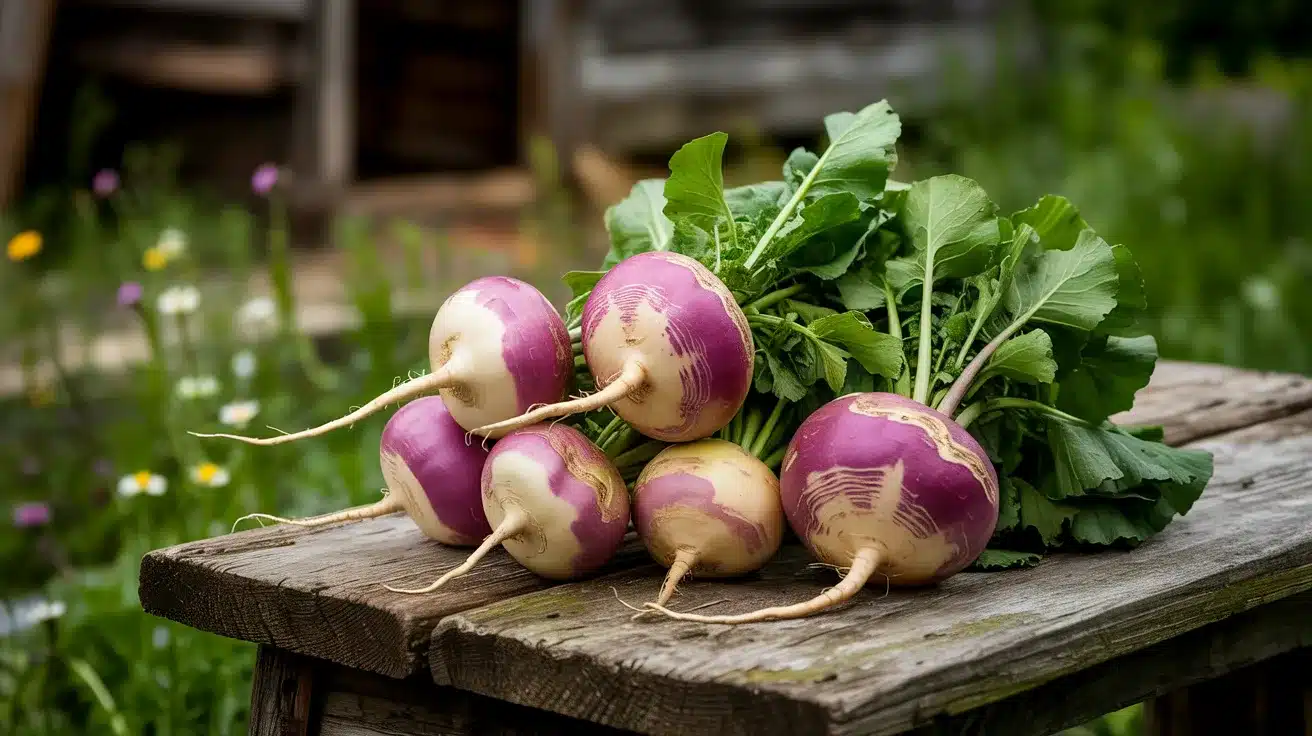
Turnips are one of the most underused spring vegetables in the US kitchen. Most people only know them as a winter root, but spring turnips are smaller, milder, and far more tender than the large fall ones that end up in stews.
- What it looks like: Round roots with white skin and a purple or pink top, with leafy green tops attached.
- US Season: March to May.
- Flavor: Mild and slightly peppery when raw. Roasting turns them sweet and soft.
- Kitchen uses: Roast with olive oil, mash with butter as a potato alternative, or dice into broths.
- Nutrition fact: Low in calories and a useful source of vitamin C for immune support.
- Pro Tip: Baby turnips under 2 inches wide are the most tender and require almost no prep.
15. Beets
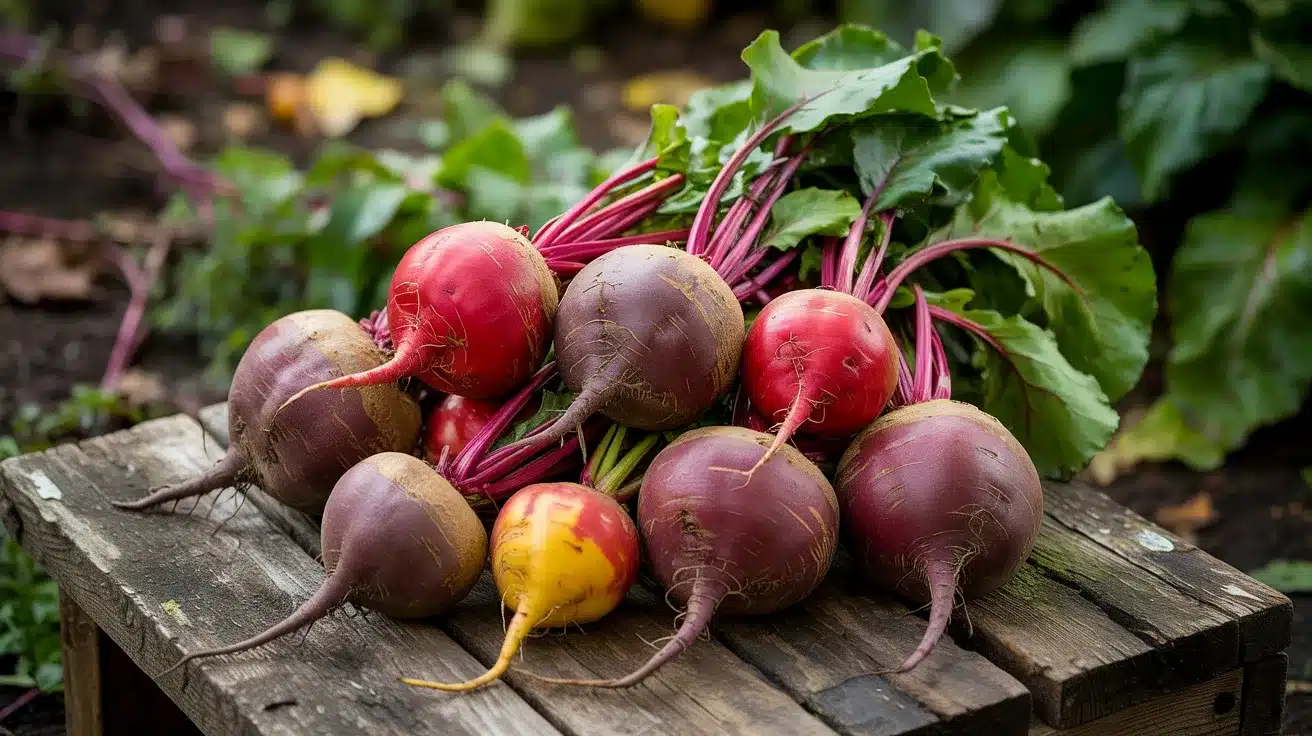
Beets grown in spring are different from what most people pick up at the store in the fall. Smaller, earthier, and often sweeter. The whole plant is usable too, which makes them one of the best-value spring vegetables you can grow or buy.
- What it looks like: Round roots in deep red or golden yellow, with long stems and large leaves attached.
- US Season: April to June for spring-planted beets.
- Flavor: Sweet and earthy. Golden beets are slightly less sweet and have a milder overall taste.
- Kitchen uses: Roast whole in foil, slice raw into salads, or blend into a smooth, vibrant soup.
- Nutrition fact: Contain natural nitrates that support healthy blood flow and cardiovascular function.
- Pro Tip: The leafy tops are fully edible and cook exactly like Swiss chard. Do not throw them away.
16. Carrots
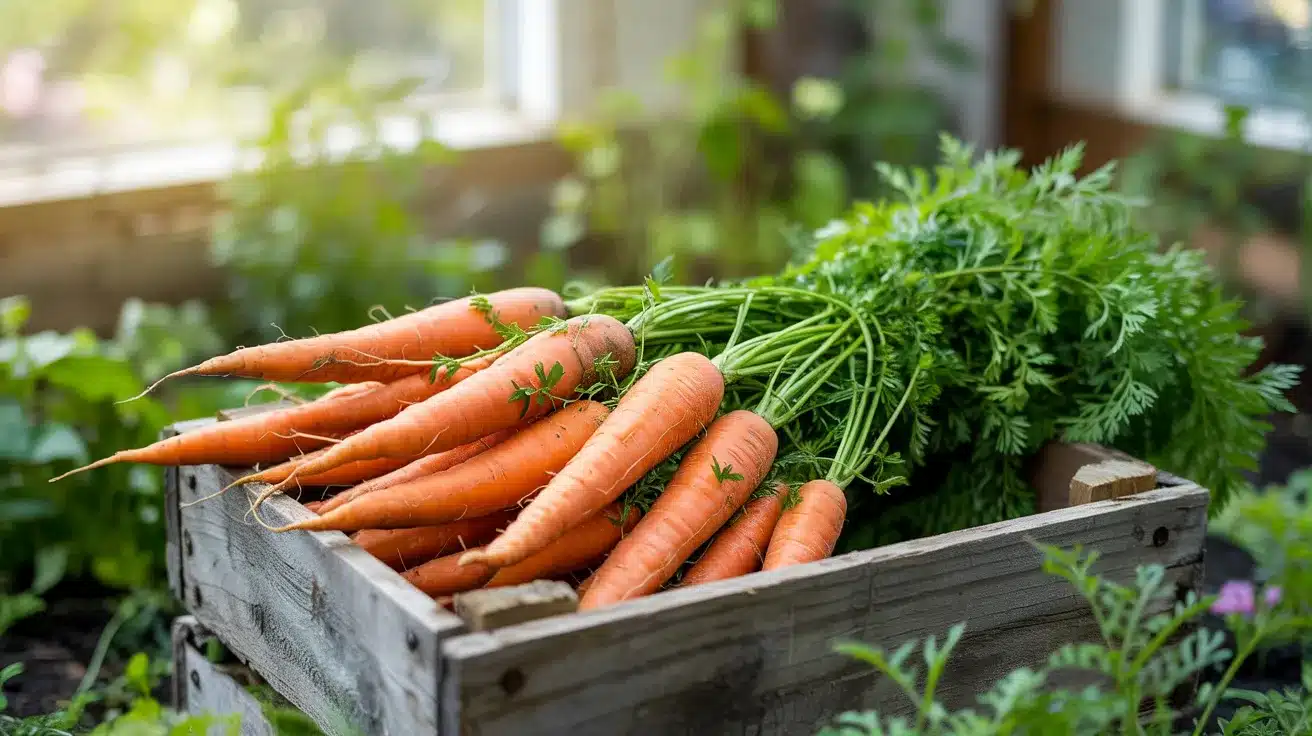
Most people think of carrots as a fall or year-round vegetable, but spring-planted carrots have a noticeably different flavor. Smaller, often sweeter, and with a more tender texture than the large, mature ones harvested in fall.
- What it looks like: Long tapered orange roots. Also available in purple, yellow, and white varieties.
- US Season: May to June for spring-sown carrots.
- Flavor: Sweet and crisp. Spring carrots tend to be smaller but pack more concentrated sweetness.
- Kitchen uses: Eat raw as a snack, roast with honey and thyme, or use as a base for soups and stocks.
- Nutrition fact: High in beta-carotene, which the body converts into vitamin A to support eye health.
- Pro Tip: Plant carrots in loose, sandy, well-draining soil for the straightest, most evenly shaped roots.
17. Broccoli
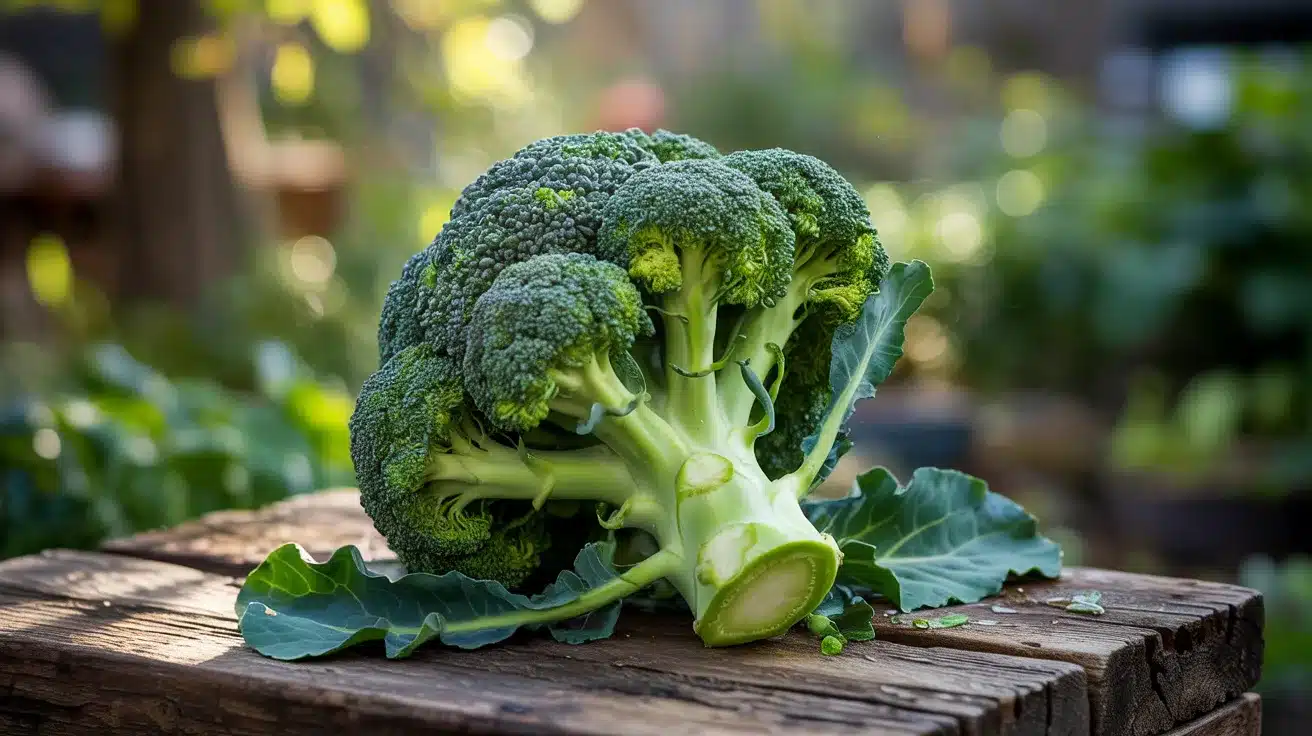
Broccoli is a cool-season crop that most people grow in the fall, but spring-planted broccoli can be just as good if timed right. The key is to harvest before the weather warms, when the tightly packed heads start to open and flower.
- What it looks like: Dense dark green florets clustered on a thick central stalk.
- US Season: March to May. The best quality is before the summer heat causes the head to bolt.
- Flavor: Mild and slightly grassy when raw. Roasting brings out a nuttier, caramelized quality.
- Kitchen uses: Steam, roast on a sheet pan, stir-fry with garlic, or serve raw with dips.
- Nutrition fact: High in vitamin C, folate, and fiber, making it a well-rounded everyday vegetable.
- Pro Tip: Harvest the head while the florets are still tightly closed. Yellow flowers mean it is already too late.
18. Cabbage
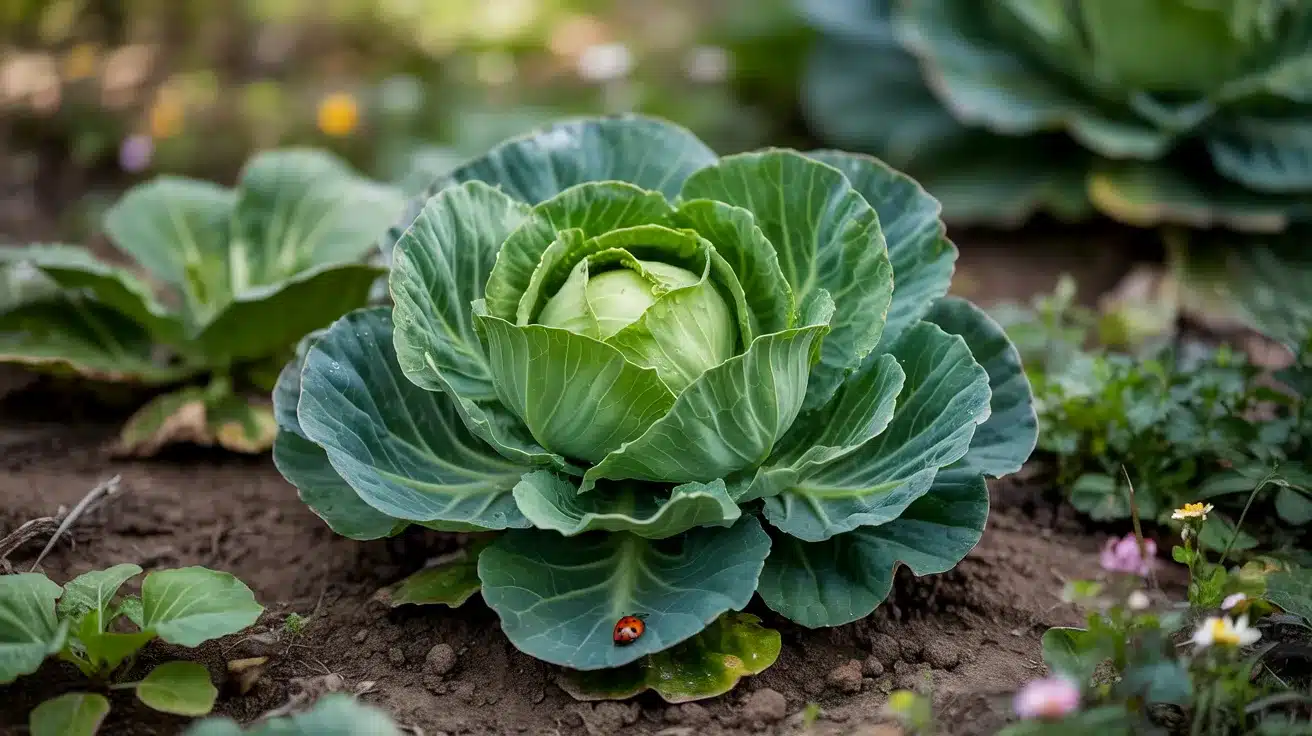
Cabbage is a workhorse vegetable that rarely gets the attention it deserves. It stores well, cooks in many different ways, and spring-grown heads have a lighter, crisper texture than the dense, heavy ones that come out of cold storage in winter.
- What it looks like: Tightly packed, round heads in smooth green, deep red, or crinkled savoy varieties.
- US Season: April to June.
- Flavor: Mild and slightly peppery raw. Cooking brings out a natural sweetness.
- Kitchen uses: Shred for slaws, stir-fry with noodles, add to soups, or ferment into sauerkraut.
- Nutrition fact: Rich in vitamin C and contains compounds that support a healthy gut lining.
- Pro Tip: Red cabbage holds up better in the fridge after cutting than green cabbage does.
19. Leeks
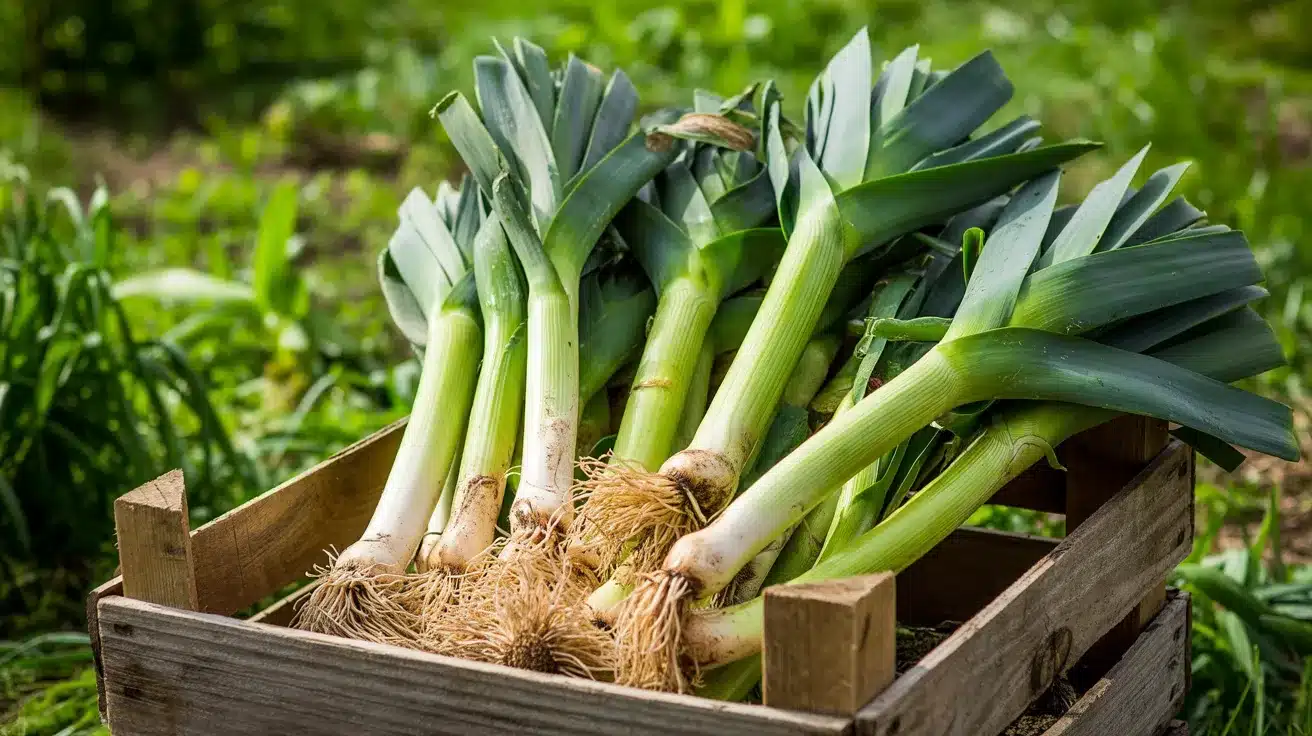
Leeks look like oversized scallions, and in many ways, they cook like a milder, softer onion. They are a staple in French and British cooking and one of the best vegetables for building a rich base in soups and braises without the sharpness of a regular onion.
- What it looks like: Long, thick, cylindrical stalks with flat, broad leaves fanning out at the top.
- US Season: April to June.
- Flavor: Mild and naturally sweet, like a gentler, more refined version of onion.
- Kitchen uses: Sauté in butter as a soup base, layer into pot pies, or braise whole as a side dish.
- Nutrition fact: Contain prebiotics that feed beneficial gut bacteria and support digestive health.
- Pro Tip: Soil collects between the layers. Slice leeks lengthwise and rinse in cold water before cooking.
20. Watercress
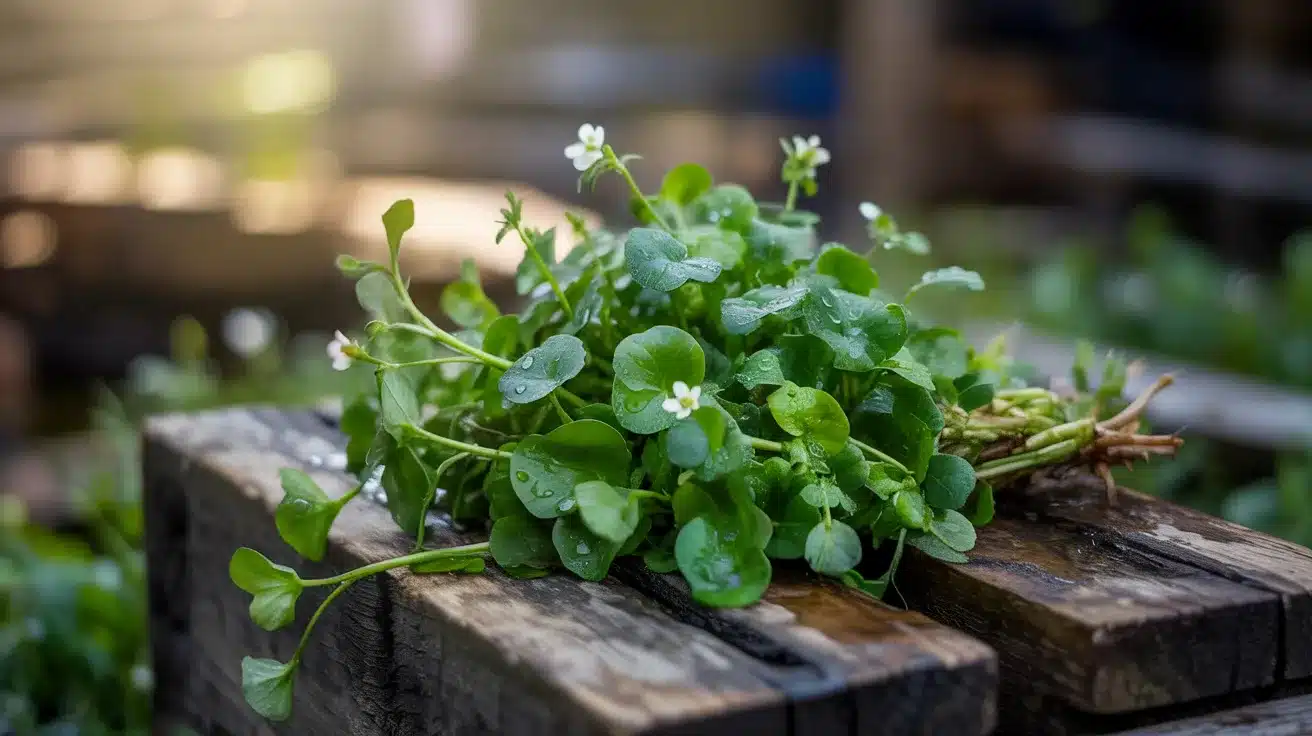
Watercress is one of the oldest cultivated vegetables in human history and one of the most nutritionally dense greens on this entire list. It grows naturally near streams and water sources, which is why it shows up so early in spring when most other greens are just getting started.
- What it looks like: Small, round leaves on thin, hollow stems. Naturally found growing in or near moving water.
- US Season: March to May. One of the very first spring greens to appear.
- Flavor: Peppery and crisp with a slightly bitter finish. Milder than arugula but with a similar sharpness.
- Kitchen uses: Toss into salads, blend into a smooth green soup, or layer into sandwiches and wraps.
- Nutrition fact: The CDC classifies watercress as one of the most nutrient-dense foods available.
- Pro Tip: Wild watercress from open streams needs very thorough washing. It can carry harmful parasites.
21. Bok Choy
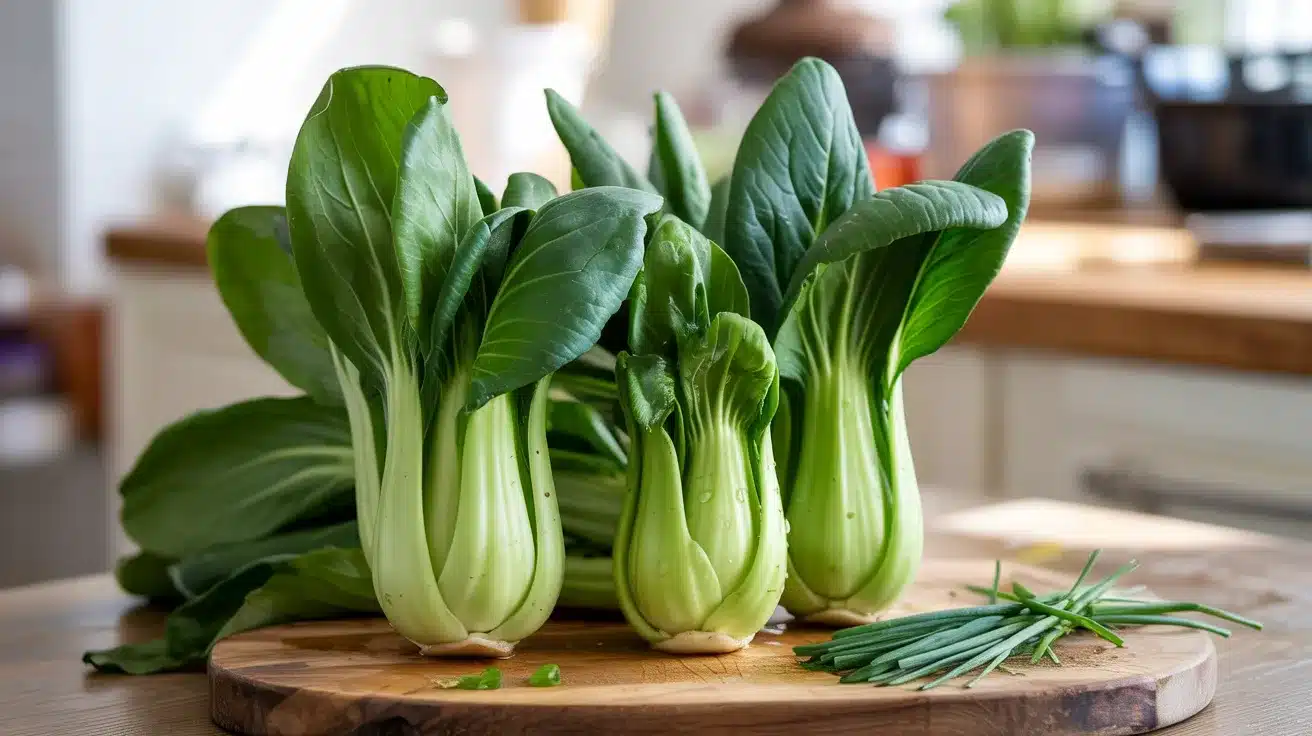
Bok choy is a staple in Chinese cooking that grows perfectly in the cool temperatures of spring. It is fast, forgiving, and works in more dishes than most people realize. Baby bok choy, in particular, is one of the most practical vegetables you can keep stocked in a spring kitchen.
- What it looks like: A compact leafy green with thick white or pale green stalks and broad dark green leaves on top.
- US Season: April to June. One of the faster-growing spring vegetables overall.
- Flavor: Mild, slightly sweet, and crisp. Noticeably less bitter than other greens in the brassica family.
- Kitchen uses: Stir-fry whole baby bok choy, simmer in broths and noodle soups, or braise in soy and ginger.
- Nutrition fact: High in vitamins C and A, with calcium levels that support strong bones.
- Pro Tip: Baby bok choy under 6 inches tall is the most tender and cooks through in just a few minutes.
How to Store Spring Vegetables So They Last
Spring vegetables are delicate and naturally high in moisture, which means how you store them can make or break their freshness. A few simple fridge habits will help protect their texture, flavor, and overall quality for longer.
| Type | Vegetables | Storage Method |
|---|---|---|
| Leafy Greens | Spinach, Lettuce, Arugula, Swiss Chard, Kale, Watercress, Bok Choy | Unwashed in a breathable bag with a paper towel in the crisper |
| Stalks and Alliums | Asparagus, Spring Onions, Leeks | Wrap loosely in a damp towel or stand the asparagus in water |
| Pods and Beans | Peas, Fava Beans | Keep in pods in a produce bag in the fridge |
| Roots | Radishes, Turnips, Beets, Carrots | Remove tops, store dry in crisper |
| Brassicas | Broccoli, Cabbage | Store whole in a loose produce bag |
| Bulbs and Specialty | Fennel, Artichokes, Rhubarb | Refrigerate loosely wrapped, keep dry |
How to Shop for Spring Vegetables?
Fresh spring vegetables give themselves away if you know what to check. Look for bright, even color with no soft spots, cracks, or yellowing on the leaves.
Leafy greens should feel firm and crisp, not limp. Root vegetables should feel solid and heavy for their size. Smell matters too.
Fresh produce has a clean, mild scent. If something smells sharp or off, put it back. At a farmers’ market, ask the vendor when the batch was harvested.
Anything picked that morning or the day before is always your best option.
To Sum It Up
Knowing your spring vegetables changes how you shop, cook, and eat. It really is that simple.
You do not need to try all at once. Start with one you have never cooked before. Maybe it is fava beans. Maybe it is watercress. Give it one real try this season.
Spring vegetables are at their best for only a few months each year. Fresh asparagus in April and crisp snap peas in May will not wait for you. Use the window while it is open.
Try something new this spring. Your meals will be better for it. Which spring vegetable are you most excited to cook? Drop it in the comments below.