
Looking for a houseplant that practically takes care of itself while making your space feel alive? Spider plants might just be your new best friend.
With their arching leaves and cascading baby plantlets, these resilient little wonders have been brightening homes for generations.
People often rave about them for good reason: spider plants do more than just look pretty on your shelf. They’ve earned a solid reputation for improving indoor air quality and creating healthier living spaces.
If you’re curious about how a simple houseplant could actually make a difference in your daily life, spider plants pack some real benefits worth knowing about.
What is a Spider Plant?
The spider plant, scientifically known as Chlorophytum comosum, is one of those houseplants that feels like it was designed specifically for busy people.
Native to tropical Africa, it’s become a staple in American homes because it thrives on minimal attention and forgives occasional neglect.
You’ll recognize it by its long, striped leaves that fountain outward and those adorable baby plants that dangle from thin stems.
Care-wise, it asks for very little: moderate light, occasional watering when the soil dries out, and room temperature conditions.
This adaptability is exactly why spider plants have maintained their popularity across decades, making them perfect for beginners and seasoned plant lovers alike.
Benefits of Spider Plant
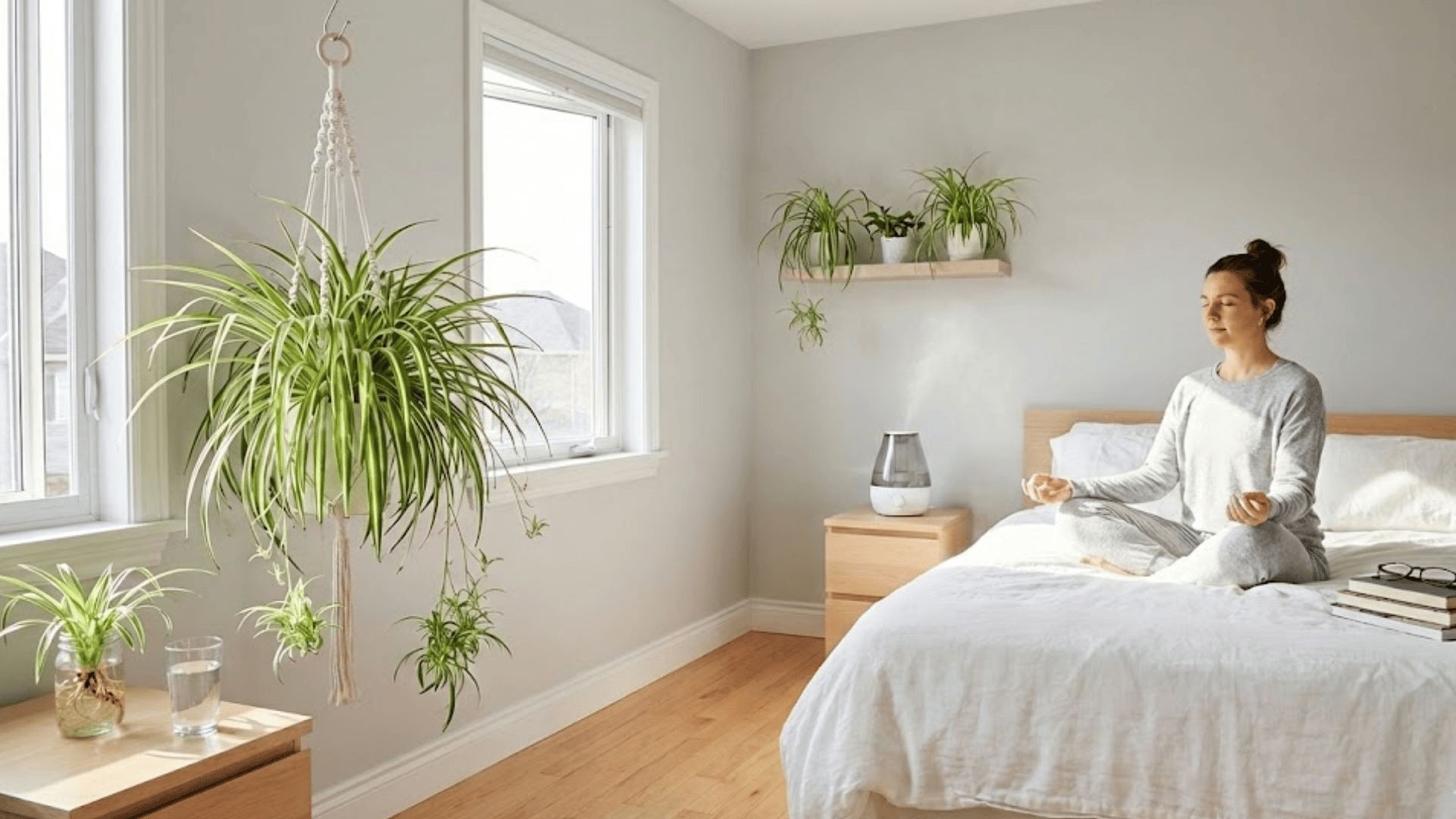
Spider plants aren’t just sitting pretty on your shelf. They’re quietly working behind the scenes to make your home a better place to live.
Here are 11 solid reasons why these unassuming plants deserve a spot in your space.
1. Helps Improve Indoor Air Quality
Spider plants have earned attention for their ability to absorb common indoor pollutants like formaldehyde and xylene.
NASA’s famous Clean Air Study found that spider plants effectively removed harmful chemicals from enclosed spaces.
While your home isn’t a space station, these findings suggest spider plants can help tackle everyday air contaminants from cleaning products, furniture, and building materials. They’re basically natural air filters that never need replacing.
2. May Reduce Airborne Irritants
Cleaner air means easier breathing, especially for people sensitive to indoor allergens and irritants.
Spider plants help filter out particles that can trigger discomfort, making them popular choices for bedrooms where you spend hours sleeping. Their continuous air-filtering action works quietly while you rest.
Many people notice their spaces feel fresher with spider plants around, though individual results vary based on room size and plant quantity.
3. Supports a Healthier Home Environment
Stale indoor air is more common than you’d think, especially in tightly sealed modern homes.
Spider plants contribute to fresher indoor spaces by absorbing carbon dioxide and releasing oxygen through photosynthesis. This natural exchange process helps combat that stuffy feeling you sometimes get in closed rooms.
They’re particularly helpful in spaces with limited ventilation, adding a biological element to your home’s air circulation system.
4. Non-Toxic and Safe for Homes
Unlike some popular houseplants that can be harmful if chewed or touched, spider plants are completely safe for curious pets and children.
The ASPCA lists them as non-toxic to cats and dogs, giving you peace of mind. This safety factor makes them ideal for households where little hands or paws might explore.
You can place them anywhere without worrying about accidental poisoning incidents.
5. Low Maintenance and Beginner Friendly
Spider plants thrive on neglect, making them perfect for people who forget to water or travel frequently.
They’ll survive in various light conditions and forgive irregular watering schedules. Their resilient nature means you won’t find yourself replacing dead plants every few months.
Even if you’ve killed every plant you’ve ever owned, spider plants give you a real shot at success.
6. Helps Increase Indoor Humidity
Plants naturally release moisture through transpiration, and spider plants are particularly good at this.
They add humidity to dry indoor air, which can help with dry skin, irritated throats, and static electricity. This benefit becomes especially noticeable during winter months when heating systems zap moisture from the air.
A few spider plants in a room can make the atmosphere feel more comfortable without running a humidifier.
7. Can Support Better Focus and Mood
Research shows that having plants in your environment can reduce stress and improve concentration.
A 2015 study in the Journal of Physiological Anthropology found that interacting with indoor plants can lower psychological and physiological stress levels.
Spider plants are common in offices and study spaces for good reason. Their presence creates a calming atmosphere that helps people feel more grounded and productive throughout the day.
8. Fast Growing and Easy to Propagate
Spider plants produce baby plantlets, called spiderettes, that dangle from the mother plant on long stems.
You can snip these babies off and root them in water or soil within days. This easy propagation means you’ll have new plants to share with friends or fill your own space.
One spider plant can become a dozen in a single growing season.
9. Helps Reduce Indoor Odors
While they won’t mask strong smells like air fresheners, spider plants absorb airborne particles that contribute to odors.
Their air-filtering capabilities work on the compounds that create musty or stale smells in enclosed spaces.
Place them in kitchens or bathrooms where odors tend to linger. They won’t replace proper ventilation, but they add another layer of freshness to your routine cleaning efforts.
10. Adds Natural Beauty to Home Decor
The cascading leaves of spider plants create beautiful visual interest in any room. Their fountain-like growth pattern works in hanging baskets, on shelves, or in floor planters.
The variegated striping on the leaves adds texture and movement to modern, minimalist, and traditional interiors alike.
They bring life to corners that might otherwise feel empty or forgotten.
11. Cost-Effective Indoor Plant Choice
Spider plants offer incredible value for your money. They live for years with minimal care and multiply freely, giving you more plants without additional cost.
Their long lifespan and self-propagating nature mean one small investment keeps giving.
Compared to cut flowers that die in a week or expensive decor that sits static, spider plants deliver ongoing benefits that grow over time.
Where to Place Spider Plants for Maximum Benefits?
Spider plants are flexible enough to thrive in different spots around your home, but strategic placement can maximize their benefits.
Here’s where these adaptable plants work best based on what you want to achieve.
| Location | Why It Works | Placement Tips |
|---|---|---|
| Bedroom | Releases oxygen overnight and filters formaldehyde from fabrics | 3-5 feet from bed in indirect light; ideal at 65-75°F |
| Living Room | One plant per 100 sq ft maintains cleaner air in busy spaces | East or west windows; cascading leaves shine in hanging baskets |
| Bathroom | Loves 50-60% humidity and naturally combats mildew odors | Near shower in steamy conditions; tolerates lower light |
| Kitchen | Absorbs cooking pollutants like carbon monoxide and xylene | Place near sink for humidity; avoid greasy areas |
| Home Office | Desk plants can boost productivity by up to 15% | Eye level within arm’s reach; needs natural light |
| Hallways | Feng shui values entryway plants for positive energy | Hanging baskets save space; needs 4+ hours indirect light |
Spider Plant Care Tips to Maintain Benefits
Keeping your spider plant healthy doesn’t require a green thumb, but a few simple care habits make all the difference. Thriving plants deliver better air purification and look more vibrant in your space.
Essential Care Basics:
- Bright, Indirect Light is Ideal: Direct sun scorches leaves while too much shade slows growth and reduces air-filtering abilities.
- Water When the Top Inch of Soil Feels Dry: Overwatering causes root rot (the most common killer), while underwatering makes leaf tips brown.
- Use Well-Draining Potting Mix: Regular houseplant soil works perfectly; avoid heavy, moisture-retaining mixes that suffocate roots.
- Keep Temps Between 65-75°F: Spider plants tolerate occasional dips to 50°F but struggle in extreme heat or cold drafts.
- Feed Lightly During Growing Season: Diluted liquid fertilizer once monthly from spring through summer keeps leaves vibrant without chemical buildup.
A healthy spider plant means better benefits for your home. Give yours these basics, and it’ll reward you with cleaner air, gorgeous cascading growth, and plenty of baby plants to share.
Spider Plant Myths vs. Facts
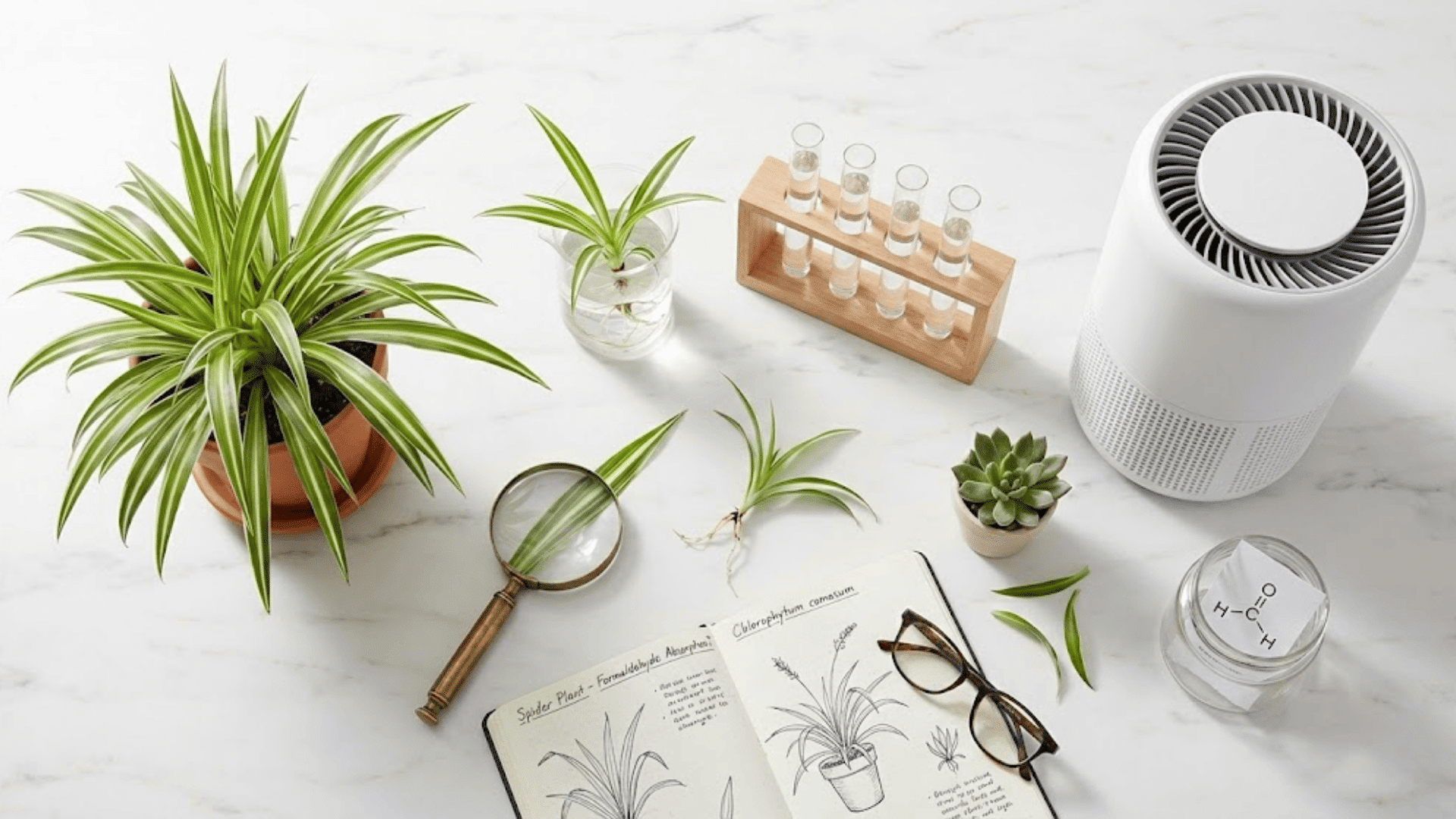
Spider plants have picked up plenty of claims over the years, some backed by research and others purely wishful thinking.
Let’s separate what’s real from what’s exaggerated so you know exactly what to expect.
Myth 1: One Spider Plant Can Purify an Entire Room
Fact: The NASA study used controlled chambers with multiple plants. In real homes, you’d need dozens of spider plants in each room to match those lab conditions, making one plant helpful but not a complete air purification solution.
Myth 2: Spider Plants Remove All Types of Toxins
Fact: Spider plants target specific compounds like formaldehyde and xylene effectively. They don’t filter out viruses, bacteria, or all pollutants, so they complement but don’t replace proper ventilation and cleaning.
Myth 3: Spider Plants Produce Oxygen Better Than Other Houseplants
Fact: All plants photosynthesize and release oxygen during daylight hours at similar rates. Spider plants aren’t exceptional oxygen producers; their real strength lies in toxin absorption and easy care rather than oxygen output.
Myth 4: Spider Plants Can Replace Air Purifiers
Fact: Spider plants work slowly and passively compared to mechanical air purifiers with HEPA filters. They’re excellent supplementary tools for cleaner air but can’t match the filtration speed and capacity of dedicated devices.
The Closing Note
Spider plants prove that the simplest additions often bring the most joy. These graceful growers filter your air, multiply effortlessly, and ask for almost nothing while giving back so much.
Watching those arching leaves unfurl and baby plantlets dangle feels like a small victory every single day. They won’t solve everything, but they’ll definitely make your space feel more alive, more breathed-in, more like home.
Tuck one on a shelf or let it cascade from a ceiling hook, and you’re inviting a little living magic indoors.
Growing spider plants in your space? Share your favorite tips or questions in the comments below.