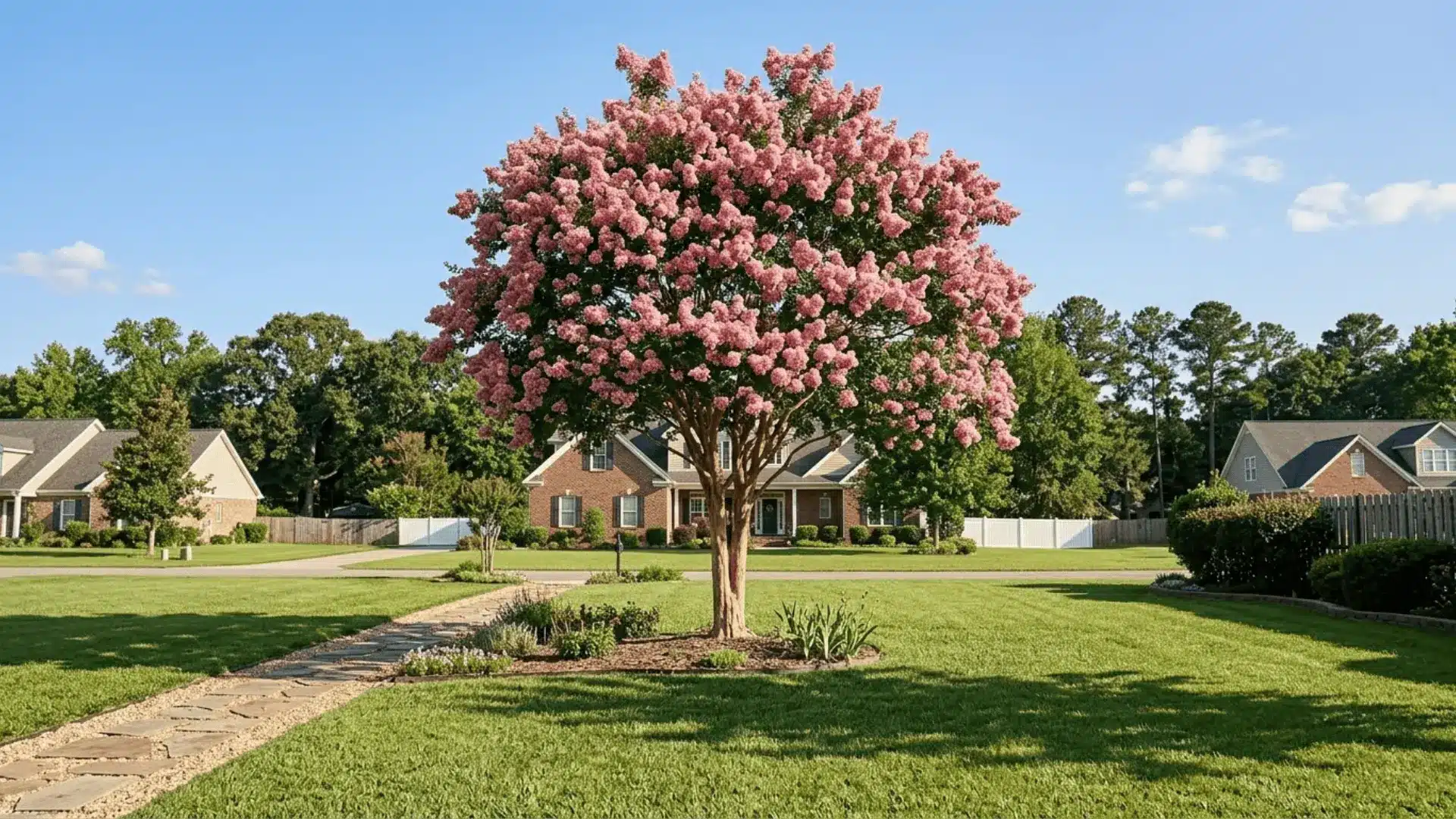
Some things feel better when you build them yourself. That’s how I felt when I started learning about raised bed gardening.
It gave me more control over the soil, saved space, and made everything easier to reach. I didn’t need to bend over so much, and I got better results too.
It surprised me how a simple change made such a big difference.
If you’re thinking about growing your own vegetables or flowers, raised bed gardening can make things a lot easier for you. In this blog, you’ll learn how it works, what to use, how to build one, and what to plant.
I’ll also share tips that helped me along the way.
Understanding the Basics of Growing Above Ground
Growing above ground means planting in soil that sits higher than the natural ground level.
This setup gives you more control over what your plants grow in, which is important when native soil is too hard, too sandy, or low in nutrients.
Soil structure matters because loose, healthy soil lets roots grow deeper and spread out more.
That gives plants better access to water and nutrients. With raised soil, water drains faster, which helps prevent root rot. At the same time, raised beds warm up quicker in the spring, letting you plant earlier and giving crops a longer season.
Raised beds are one method of growing above ground, but so are large containers, grow bags, and even elevated troughs. All of these share the same idea: better soil, better drainage, and more control.
They work well for people who want healthy plants in spaces where in-ground gardening isn’t ideal.
What is Raised Bed Gardening?
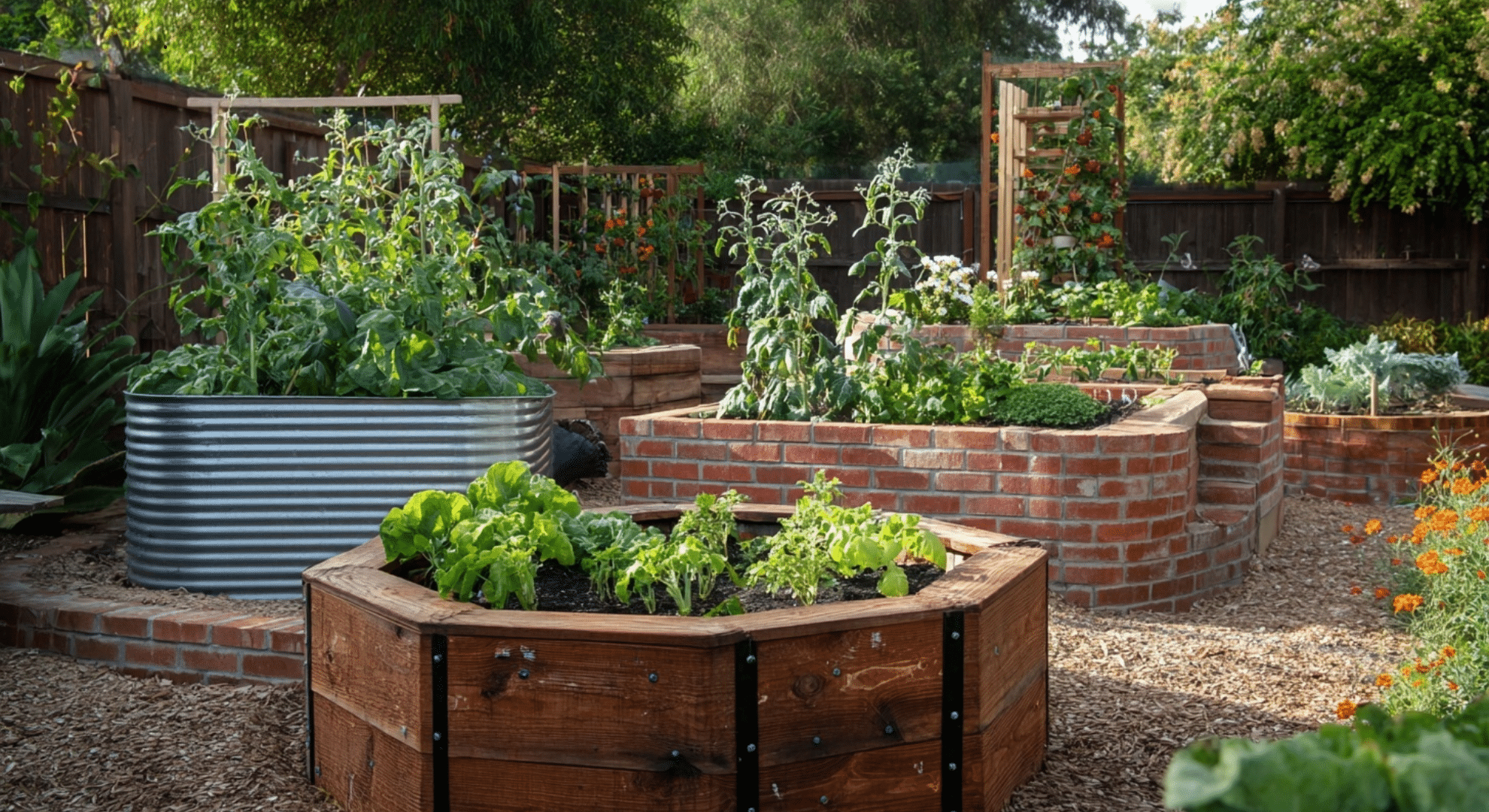
Raised bed gardening is when you grow plants in soil that’s raised above the ground. The soil is held in a box or frame, usually made of wood, bricks, or even metal.
These beds can sit right on your yard, patio, or deck. You fill them with good-quality soil that drains well and doesn’t get packed down. It’s easier to control what goes into your soil, which means healthier plants and fewer weeds.
Raised beds can be small or big, high or low. Some are only a few inches tall, while others are raised up to waist level. You can grow almost anything in them: vegetables, herbs, flowers, and even small fruits.
People like them because they’re neat, easier to reach, and often give better results than digging straight into the ground.
They help make gardening possible in places where regular gardens just don’t work as well.
Comparing Raised Beds, Containers and Row Gardens
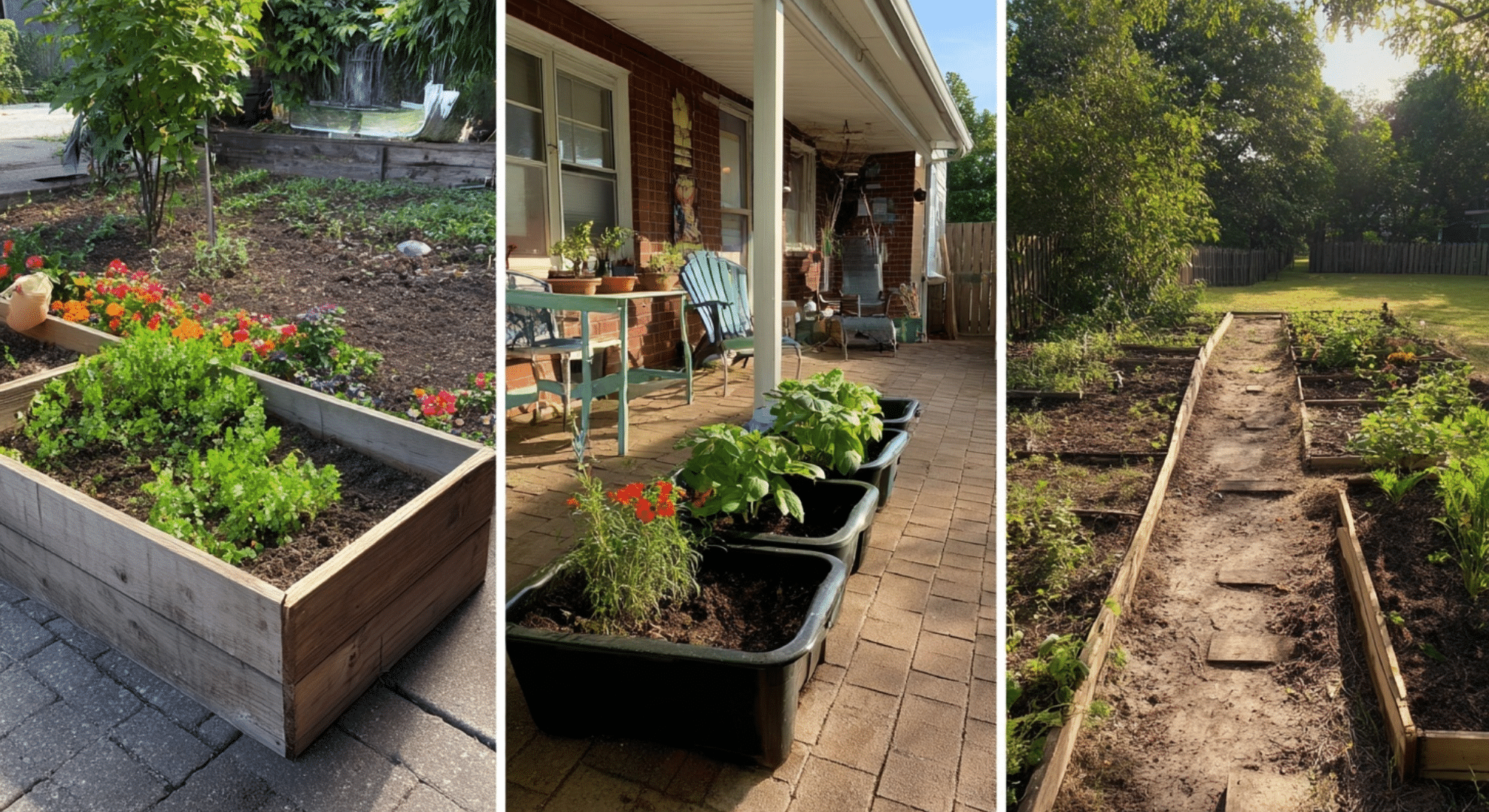
There are a few main ways to grow plants: raised beds, containers, and traditional rows. Each has its own pros and cons depending on your space, goals, and how much work you want to put in.
Here’s a quick look at how they compare:
| Feature | Raised Beds | Containers | Traditional Rows |
|---|---|---|---|
| Space Needed | Medium | Small (great for patios/decks) | Large |
| Soil Control | High | Very High | Low |
| Cost to Start | Medium | Low to Medium | Low |
| Maintenance | Low to Medium | Low | High |
| Best For | Small yards, poor soil, easy access | Tiny spaces, balconies, flexible spots | Large yards, wide open ground |
| Drainage | Good | Very Good | Depends on ground quality |
| Mobility | No | Yes | No |
| Plant Variety | Wide Range | Limited (size matters) | Very Wide Range |
Each method works well, it just depends on what fits your space and needs best. If you like order and neatness, raised beds are great.
If you move a lot or have a balcony, containers may be perfect. Big yard? Traditional rows might be all you need.
Why Gardeners Choose Raised Beds
Raised beds give you more control over the soil. You’re not stuck with hard, rocky, or poor ground. You can fill the bed with soil that’s rich and drains well, which helps roots grow strong and healthy. Since you’re starting fresh, it’s easier to keep weeds out too.
Another bonus is timing. The soil in raised beds warms up faster in spring and stays loose, so you can plant earlier and keep growing longer into the season.
Raised beds also make gardening easier on your body. If you have back or knee pain, or just don’t want to crouch down, raised beds bring the garden closer to you.
In short, raised beds are a smart choice for gardeners who want healthy plants, fewer weeds, a longer growing season, and a setup that’s easier to work with, especially in small or tricky spaces.
Pros and Cons of Raised Bed Gardening
Raised beds offer a lot of benefits, but they’re not perfect. Knowing both the good and the not-so-good helps you decide if they’re the right fit for your space, time, and budget.
Here’s a clear look at what works well and what might be tricky when using this method.
What Works Well:
- Soil control: You get to fill the bed with exactly the kind of soil your plants need.
- Drainage: Water moves through the soil better, helping roots stay healthy.
- Less weeding: Starting with clean soil means fewer unwanted plants.
- Season stretch: Beds warm up faster in spring, so you can start planting sooner.
- Comfort: Raised height means less bending, which is easier on your back and knees.
What to Think About:
- Cost: Materials like wood and soil can add up fast, especially for multiple beds.
- Soil needs: You’ll need a lot of soil to fill each box deep enough for root growth.
- Moisture: Raised beds can dry out quicker in hot or windy weather.
- Upkeep: Over time, wood can rot, and soil needs to be topped off or refreshed.
It’s a solid setup, but knowing the effort and cost ahead of time can help you plan better.
Planning a Raised Bed Garden the Right Way
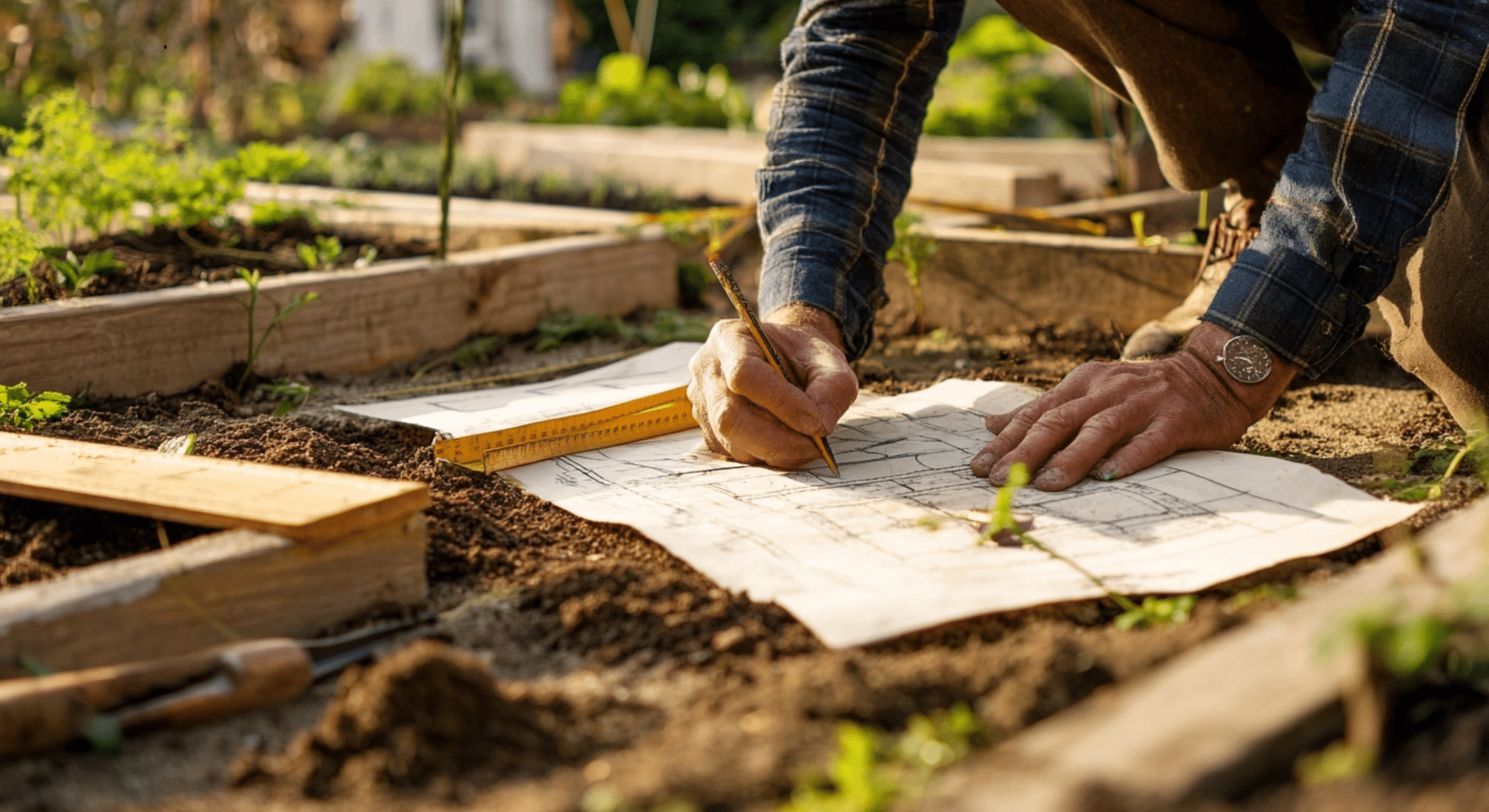
Taking time to plan before you build or buy anything can save you stress and money later. A lot of first-time gardeners jump in too fast, only to find they need more space, better materials, or didn’t think through where the sun hits their yard.
Start by choosing the right spot, somewhere with at least 6 hours of sun. Think about how many beds you really need and how much time you can give to care for them.
Also, set a budget. Good soil, quality wood, and tools can cost more than expected. Make sure you’re ready for the time and effort it takes to build, fill, and maintain the beds.
A solid plan keeps things simple and helps you avoid problems later. It’s better to take a little extra time now than to fix mistakes after you’ve already started planting.
Choosing the Best Location for Raised Beds
Pick a spot that gets at least 6 hours of direct sunlight each day, most vegetables need full sun to grow well. Avoid areas with too much shade from trees, fences, or buildings.
Make sure water can drain easily. If the ground stays soggy, roots can rot. A slight slope is okay, but place the bed across the slope, not down it, to stop soil from washing away.
Keep the bed close to a water source.
If you have to drag a hose across the yard every day, it’ll get old fast.
On patios or balconies, check weight limits and be sure there’s good drainage so water doesn’t pool underneath.
How Much Soil Do You Need
To find out how much soil you need, multiply the length × width × depth of your raised bed (in feet), then divide by 27 to get the amount in cubic yards. For smaller beds, you can use inches and convert to cubic feet.
For example, a 4×8 foot bed that’s 1 foot deep needs about 32 cubic feet of soil. That’s a little over 1 cubic yard.
Always round up a bit to cover settling. If you add layers like sticks or leaves at the bottom, you can use less soil on top, but still enough for strong root growth.
Raised Bed Size, Depth, and Layout Guidelines
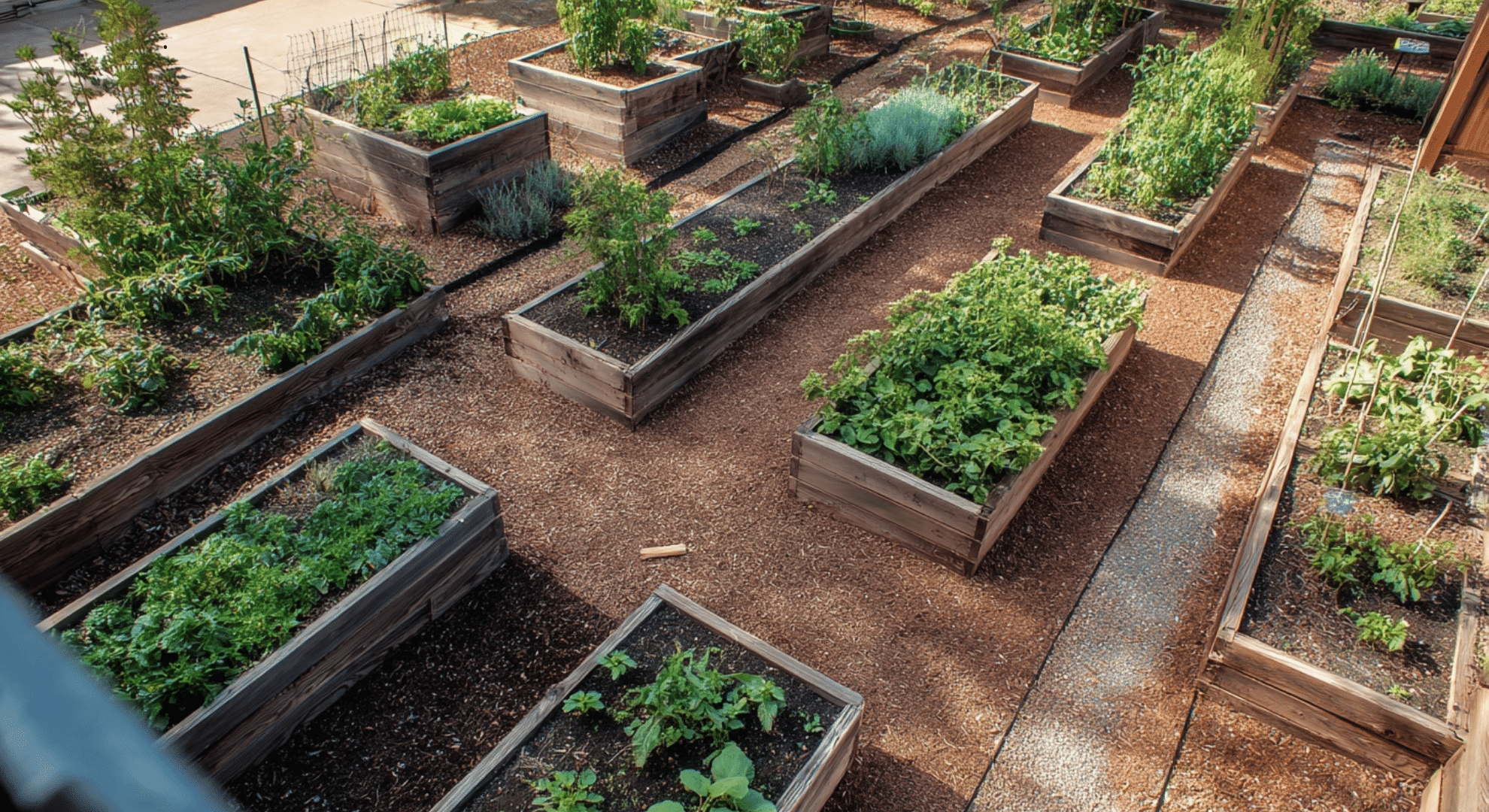
Getting the size and layout right makes gardening easier and helps your plants grow better. Here are some things to keep in mind:
Width: Keep beds 3 to 4 feet wide so you can reach the middle from either side without stepping in. If the bed is against a wall or fence, 2 2-foot-wide bed is best.
Length: There’s more freedom here, 6 to 12 feet long works well. Just make sure it fits your space and you can walk around it.
Depth: 12 inches is enough for most veggies. Root crops like carrots do better with 18 inches. Shallow-rooted herbs or greens can grow in 6 to 8 inches.
Height: If bending is hard for you, raise beds to 24–36 inches. This makes gardening more comfortable.
Spacing: Leave at least 18 to 24 inches between beds so you can move easily and let air flow around plants.
Plan smart now, and everything feels easier later.
What to Put at the Bottom of a Raised Garden Bed
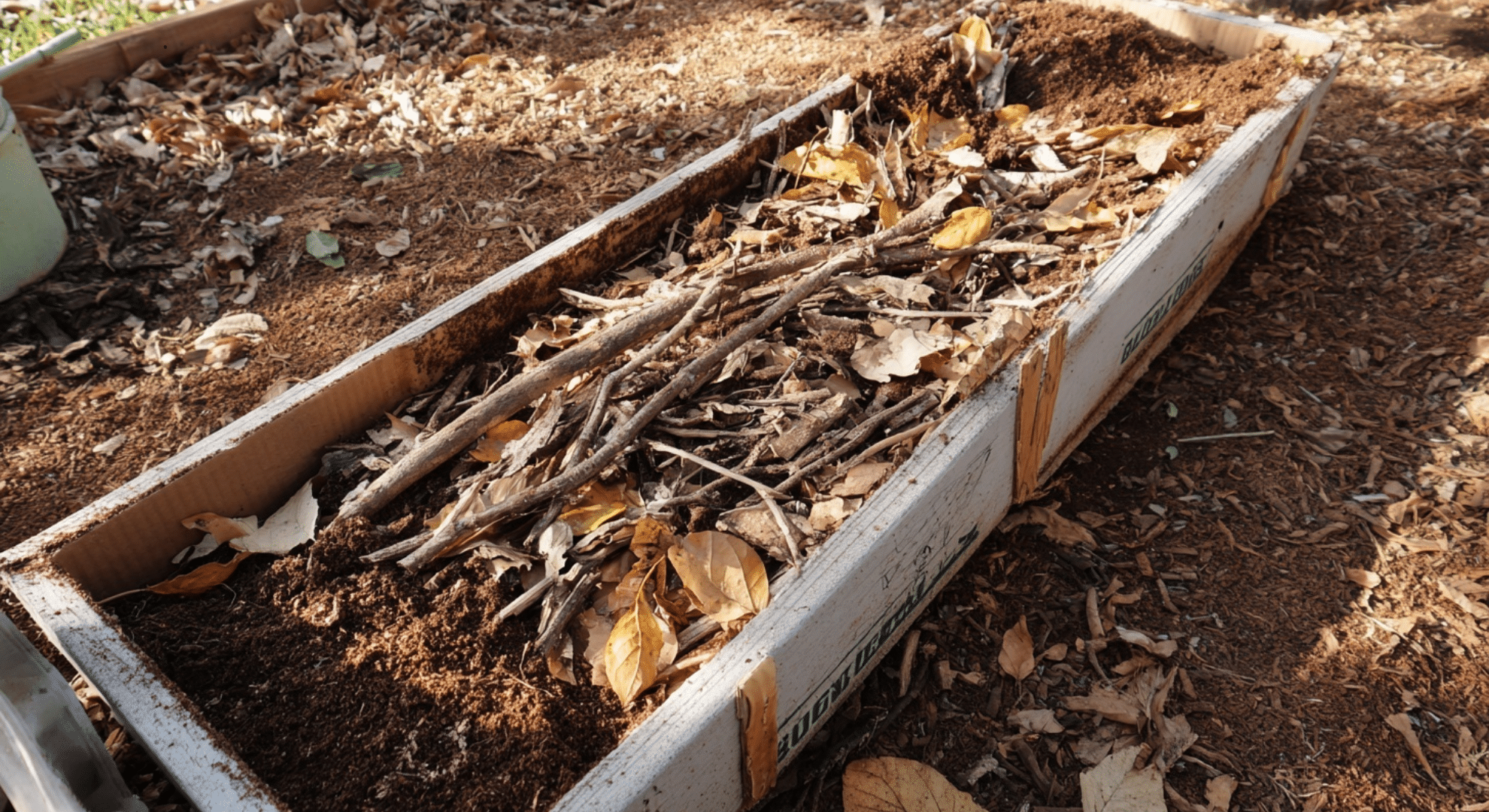
Start with cardboard or newspaper at the bottom. This helps block weeds and grass while breaking down slowly into the soil. On top of that, you can add sticks, leaves, or grass clippings, this saves soil and adds organic matter over time.
Layering works well if your bed is deep. But if it’s shallow (under 12 inches), skip the thick layers and just fill it with good soil. Too many layers can block roots or stop water from moving through.
A common myth is that you need rocks for drainag; don’t do it. Rocks can actually slow down drainage and cause soggy roots.
One big mistake beginners make is not removing large weeds or thick grass before adding layers. This lets weeds grow back faster.
Another is using too much filler, leaving less room for soil and plant roots. Keep it simple, and focus on healthy, loose soil.
Materials for Raised Garden Beds
Picking the right material matters for how long your beds last, how safe they are, and how much they cost. Here I’ll tell you about some mindful options you can consider:
Wood: Cedar and redwood last the longest: up to 10–15 years, but cost more. Pine is cheaper but breaks down faster, often in 4–6 years. Avoid painted or treated wood unless it’s labeled safe for gardens, since some treatments can leak into the soil.
Metal: Metal beds, like galvanized steel, won’t rot and can last over 20 years. They look neat and need little upkeep. But they can heat up in full sun, which may stress roots during hot months.
Stone or Concrete: These are strong and won’t rot or rust. They’re heavy, hard to move, and more expensive up front, but last a long time and need almost no maintenance.
Is Raised Bed Gardening Right for You?
Raised bed gardening works well for lots of people, but it really shines in a few situations. If your yard has poor soil, too many weeds, or bad drainage, raised beds can help you get around all that.
They’re also great if you have back or knee pain, since you don’t have to bend as much. Live in a city or have a small patio or deck? You can still grow a lot using raised beds or even containers.
They’re a smart choice if you want to keep things tidy and easy to manage. But they’re not always the best fit. If you have a large yard with healthy soil, you might not need one.
They also take some time and money to build, especially if you’re doing more than one. Think about your space, your needs, and how much time you want to put in. That’ll help you decide if it’s right for you.
The Best Soil Setup for Raised Bed Gardening
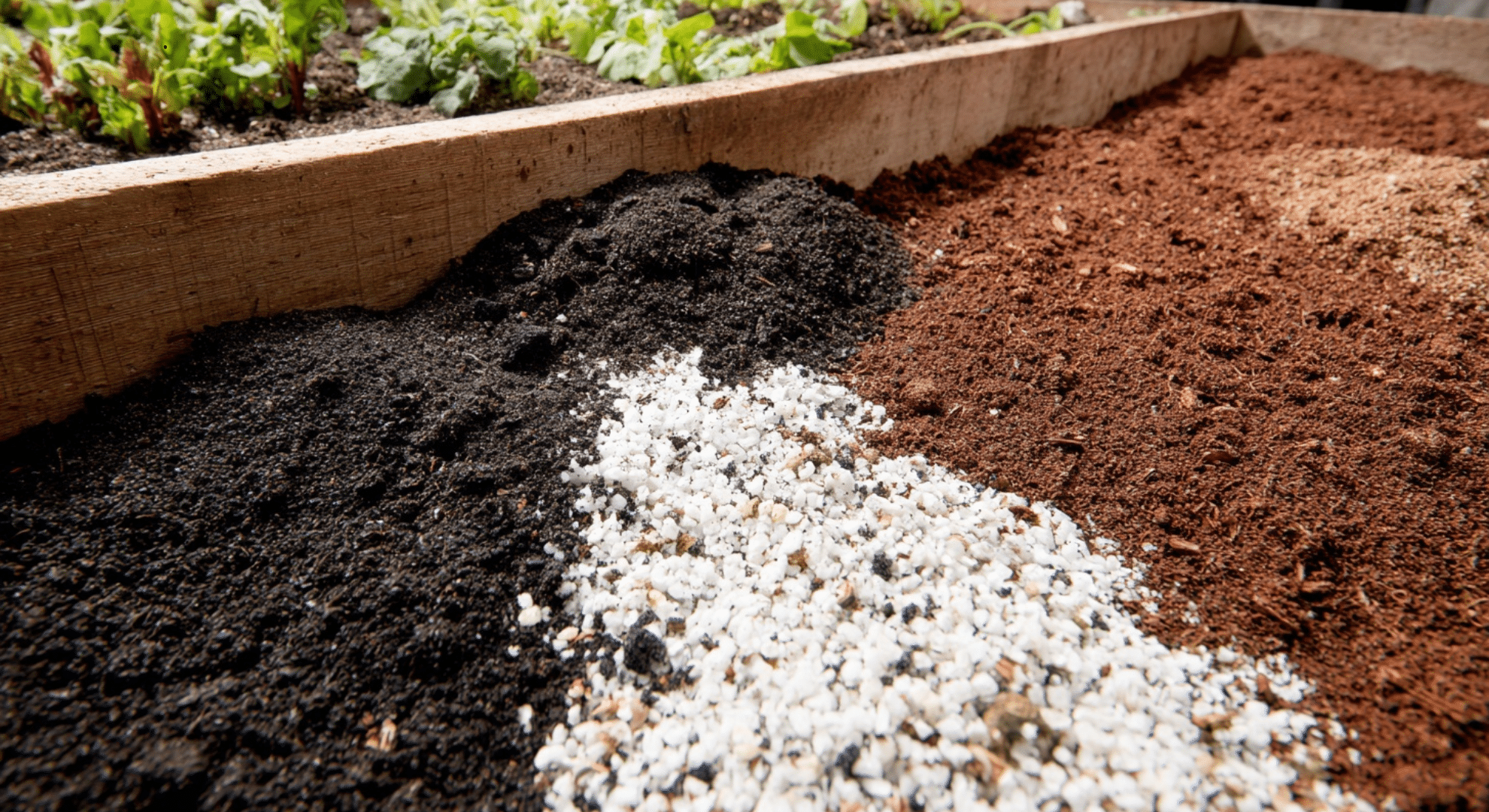
Soil quality matters more in raised beds because your plants rely only on what you put inside the box. There’s no help from the ground below.
Good soil means stronger roots, better growth, and fewer problems with drainage or pests. A solid basic mix is:
- 60% topsoil
- 30% compost
- 10% sand or perlite (for drainage)
Topsoil gives structure. Compost adds nutrients. Sand or perlite keeps the soil loose so roots can spread easily.
For compost, don’t overdo it. Around 25–30% is enough. More than that can lead to too much nitrogen, which makes leafy plants grow fast but weakly. Try using compost made from food scraps, leaves, or aged manure.
Different plants need small changes. Root crops like carrots do best in soft, sandy soil. Leafy greens love rich compost. Tomatoes like slightly more acidic soil. You can adjust with things like lime or sulfur, but always test your soil first if you’re unsure.
Refill or mix your soil every year to keep it fresh. Raised beds lose nutrients faster, so giving back to the soil is part of keeping your garden strong.
What Grows Best in Raised Beds
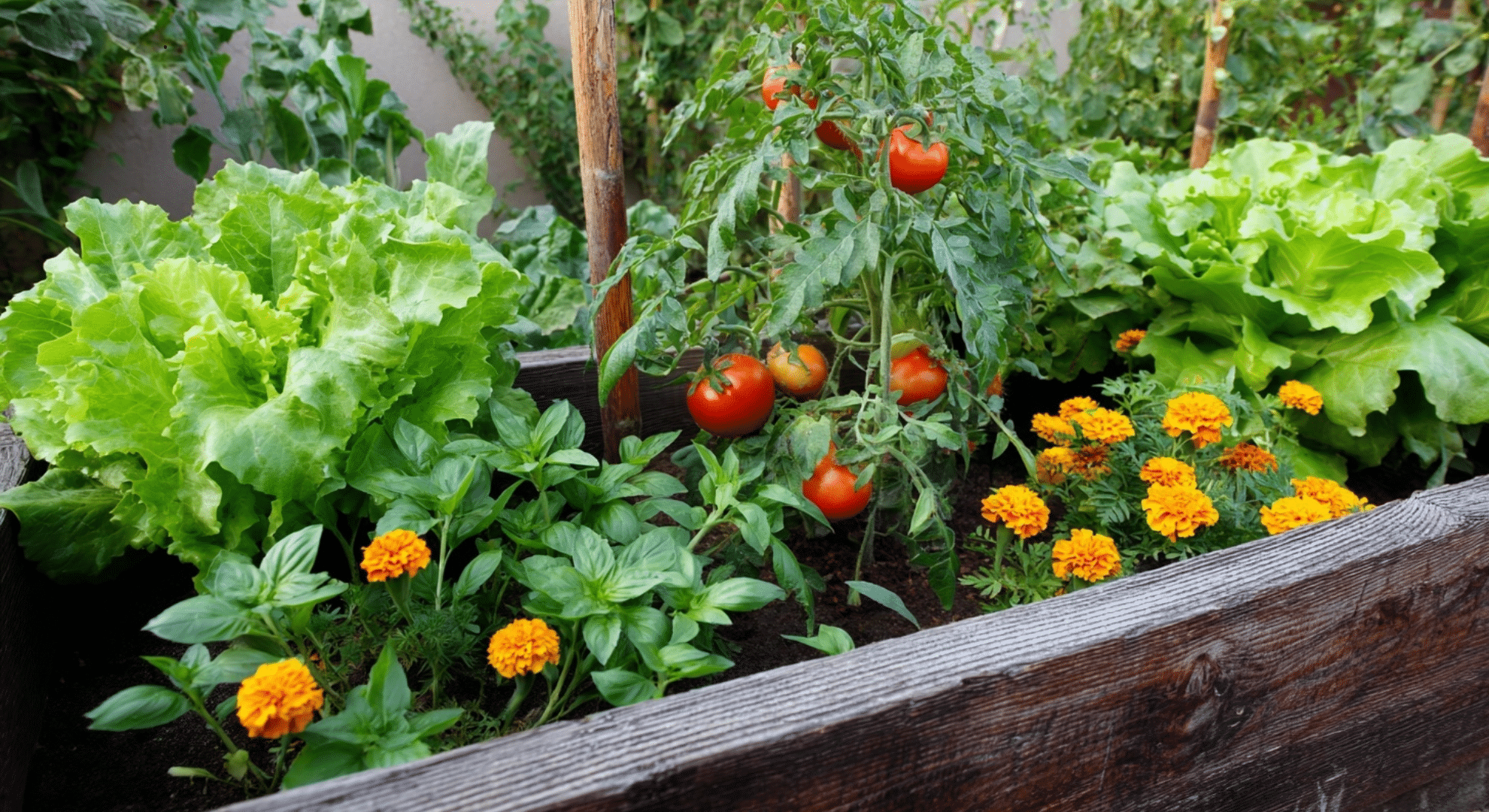
Raised beds are perfect for many kinds of plants because you control the soil and layout. Some plants do especially well in this setup.
Vegetables that thrive:
- Tomatoes
- Peppers
- Lettuce
- Spinach
- Cucumbers
- Zucchini
- Beans
These grow fast and love the warm, loose soil in raised beds.
Herbs and flowers that work well:
- Basil
- Parsley
- Thyme
- Chives
- Marigolds
- Nasturtiums
Herbs stay small and are easy to harvest in tight spaces. Flowers like marigolds help keep pests away.
Root crops vs. shallow-root plants: Carrots, beets, radishes, and potatoes need deeper beds—about 12–18 inches. Shallow-root plants like lettuce or onions do fine in 6–8 inches of soil.
Companion planting basics: Some plants grow better next to certain others.
For example:
- Basil helps tomatoes.
- Carrots and onions protect each other from bugs.
- Marigolds protect many veggies from pests.
Planting the right combos can save space, reduce pests, and help everything grow better. Raised beds make it easy to plan and manage these smart pairings.
What Not to Grow in Raised Beds
Some plants just don’t do well in raised beds. Large or spreading plants like corn, pumpkins, and watermelon need lots of space and can take over the whole bed.
They grow better in open ground where they can spread freely.
Deep-rooted perennials like asparagus, rhubarb, or artichokes also aren’t the best fit. Their roots need more depth and space over many years, which raised beds don’t always provide.
That said, there are exceptions. If you have very deep beds or don’t mind giving one bed to just one plant, it can work.
But for most people, it’s better to save raised beds for compact, fast-growing crops that thrive in rich, loose soil with less space.
Raised Bed Gardening Do’s and Don’ts
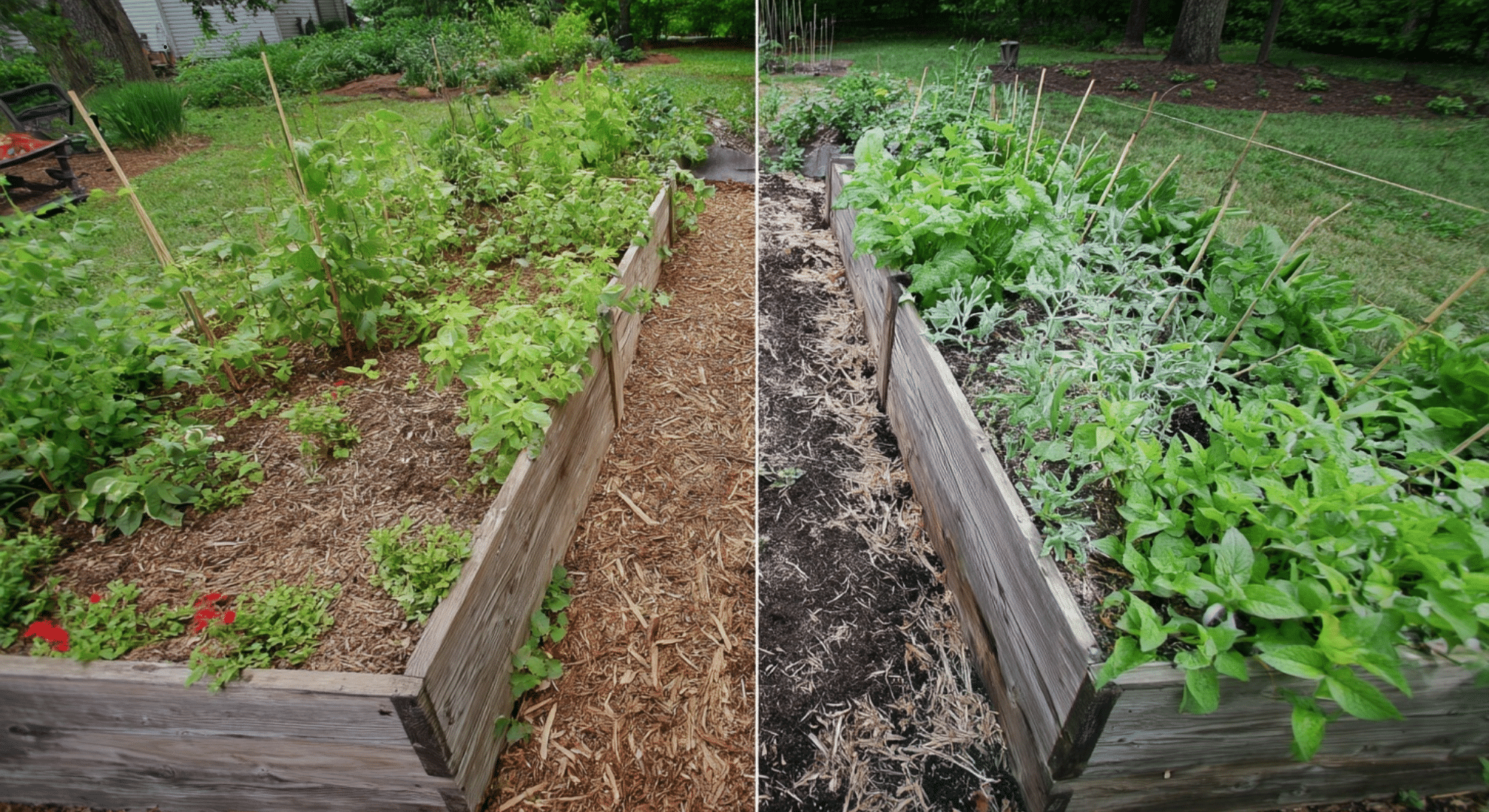
Getting the basics right makes a big difference in how well your raised bed garden grows. Here’s a clear list of what helps and what hurts your plants over time:
| Do | Don’t |
|---|---|
| Use rich, loose soil with compost | Don’t use poor-quality fill dirt |
| Space plants so they have room to grow | Don’t overcrowd your plants |
| Water deeply and consistently | Don’t only water the surface |
| Add mulch to hold in moisture | Don’t leave soil bare and exposed |
| Plan your layout before planting | Don’t plant without thinking about space and sunlight |
| Refresh the soil yearly with compost or mix | Don’t reuse tired soil year after year |
| Keep walkways clear between beds | Don’t place beds too close together |
These tips help avoid common mistakes and support healthy plant growth.
Paying attention to small details now can lead to better results and less work later.
Is Raised Bed Gardening Worth the Effort?
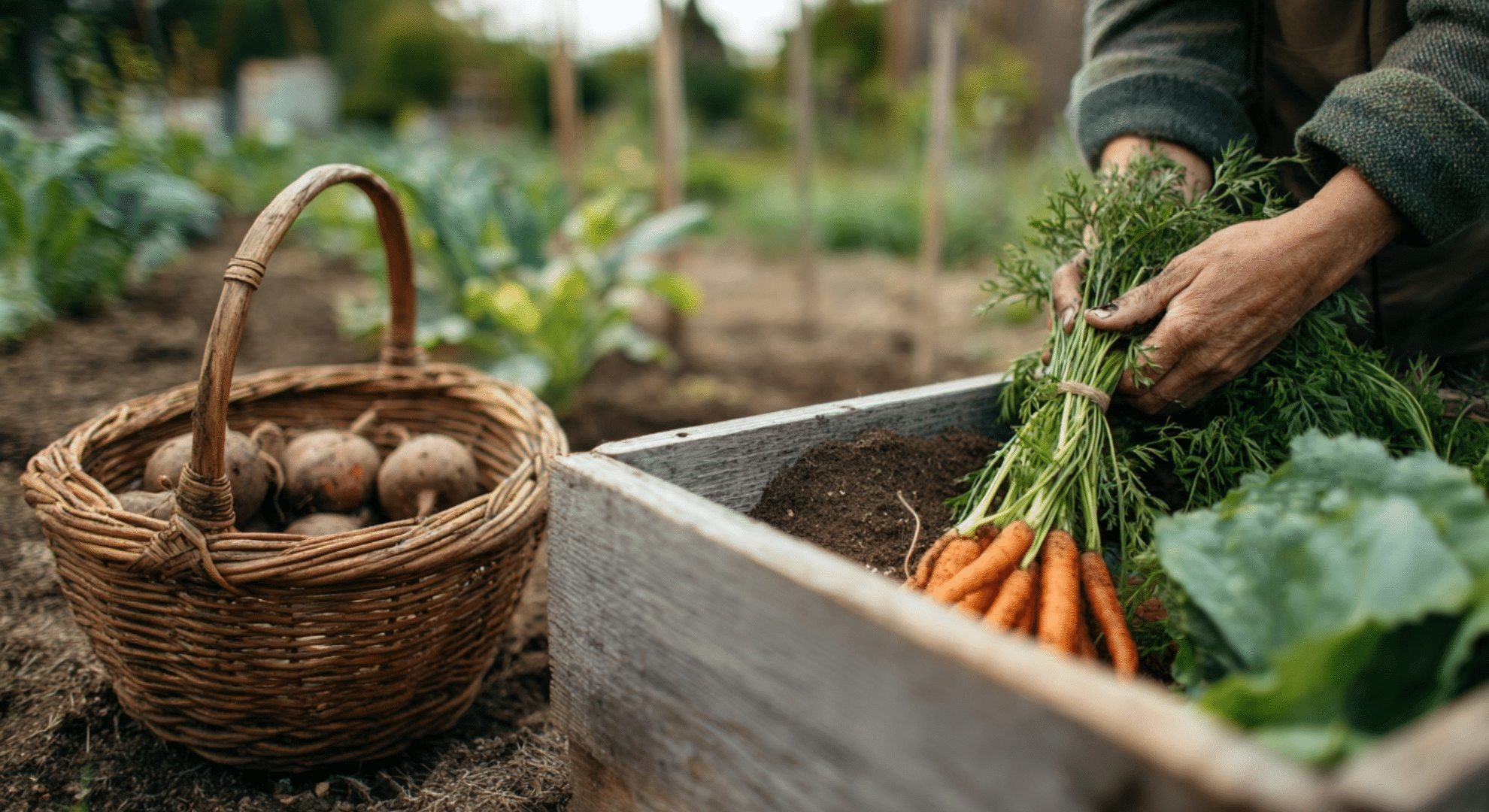
It depends on what you want from your garden. Raised beds do take more work and money at the start.
You’ll spend on wood, soil, and tools, and it takes time to build and set everything up. But once it’s done, the rewards often make it worth it.
You’ll spend less time pulling weeds, the soil stays healthier, and plants often grow faster and stronger. For people with small yards, poor ground soil, or limited mobility, the benefits are even greater.
If you enjoy growing your own food and want a setup that lasts for years, raised beds are a smart choice.
They may cost more at the beginning, but they save time and hassle in the long run. Over time, you’ll get better harvests, fewer problems, and a garden that’s easier to care for.
That trade-off often feels worth it.
Simple Raised Bed Tips for Beginners and Limited Spaces
If bending or kneeling is tough, go for raised beds that are 24 to 36 inches tall. It brings the garden up to you, making planting, watering, and harvesting easier. Keep the width under 3 feet so you don’t have to reach too far.
In tight yards or patios, long narrow beds work well along fences or walls.
If space is tight, try square or even corner beds. For balconies, raised containers with strong bottoms and good drainage give you the same benefits.
Use mulch to keep weeds down and soil moist. Install a simple watering system like a drip line or soaker hose.
Pick easy plants to start: lettuce, herbs, radishes, or bush beans are low-maintenance and grow fast.
Keep tools nearby, paths clear, and your setup simple. Gardening should feel good, not like a chore.
Conclusion
Raised bed gardening helped me grow more in less space, with less hassle. It gave me better soil, fewer weeds, and made the whole process easier on my back.
Now that you know how it works, you can start planning your own setup: one that fits your space, time, and comfort. Whether you’ve got a big yard or just a sunny corner, this method can work for you.
Think about what matters most to you; less bending, easier upkeep, or growing better food. Raised beds can check all those boxes.
Want to keep learning? Check out the other blogs for more tips on what to grow, how to care for your plants, and ways to make gardening even simpler!