Most homeowners start thinking about exterior cleaning when their home is already looking neglected. Dark spots on the facade, a slippery walkway, a barely noticeable green film under the roof line are often dismissed as minor aesthetic details. In fact, they are clear signs of long-term processes that have been developing imperceptibly for years, simply slipping out of sight.
The exterior of a home is constantly under pressure. Rain, dust, sun, organic debris, and temperature fluctuations affect it every day. If this accumulation is left unattended, small spots of dirt do not stay small for long – they gradually turn into problems that affect not just how the house looks, but how well its materials hold up over time.
This is where residential pressure washing really shows its value. When done professionally, it removes dirt, pollen, mold, and moss without damaging the surface underneath.
Experts know what pressure to use and which cleaning products are right for specific materials. This balance keeps surfaces looking good for longer and helps avoid unnecessary repair costs. The benefits are most obvious on large areas, hard-to-reach areas, and during full-scale seasonal cleanings when the entire exterior needs effective and careful care.
Seasonality is a key factor. What makes sense to clean in spring may be pointless – or even counterproductive – in summer or fall. Each season leaves its own type of dirt, and effective exterior cleaning works with these seasonal patterns, not against them.
Spring – Deep Cleaning After Winter
Fine dust, water stains, and organic residue accumulate imperceptibly during the winter months and become noticeable as soon as the temperature rises.
Spring is a time to focus on:
- Façade. Siding and stucco tend to show signs of trouble quickly this time of year. Faint traces of mold, green algae, and dark streaks under the roofline are easy to spot as winter dirt washes away.
- Gutters and downspouts. When they become clogged with leaves and debris, they no longer serve their purpose. Water overflows, runs down walls, and leaves stains that can lead to moisture damage if ignored.
- Driveways and sidewalks. Concrete absorbs a lot in the winter – dirt, road salt, tire residue. A proper spring wash evens out the color and helps prevent slippery surfaces.
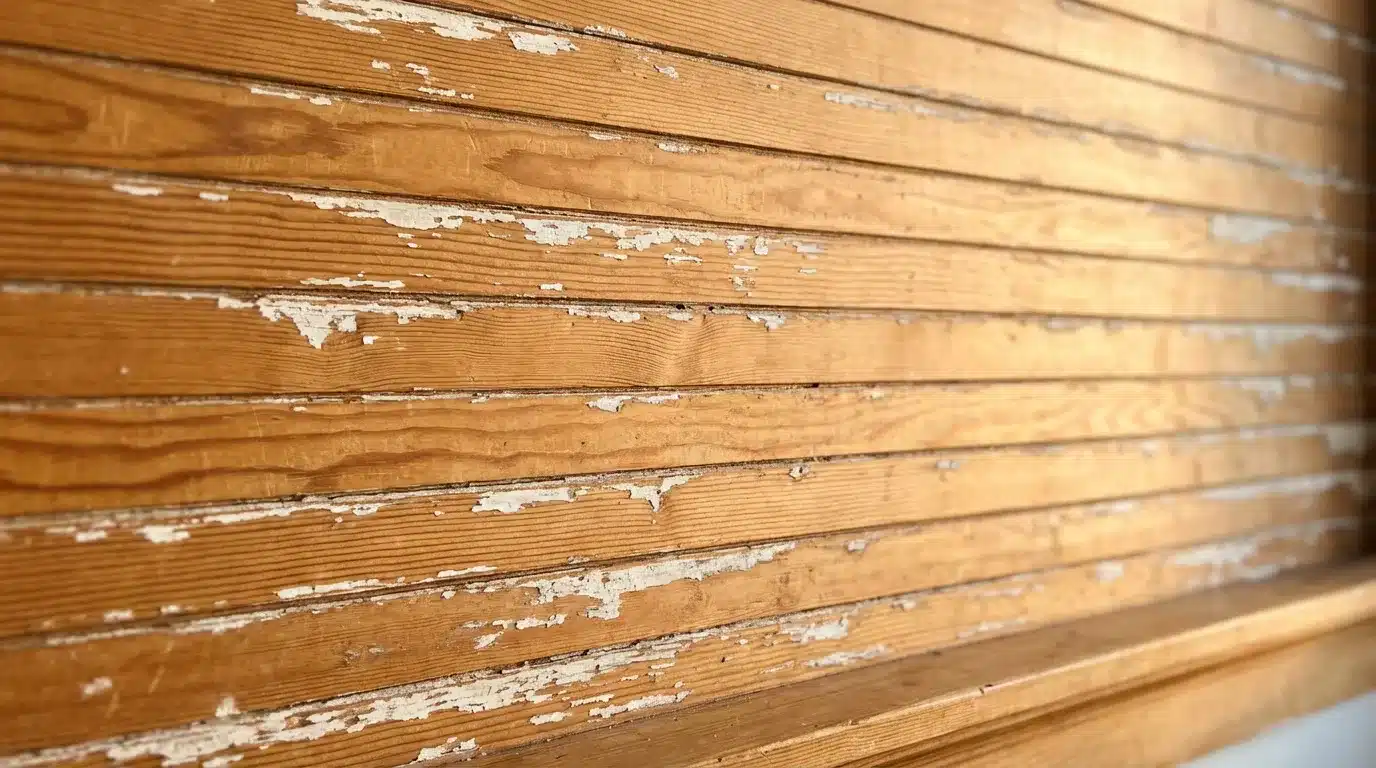
Mold and microalgae aren’t always visible in early spring, but they’re already active. They spread quickly once the summer heat sets in, penetrating deeper into the material. This is where moderation is key. Too much pressure can do more harm than good: the paint may already have small cracks, and the wood may be either too dry or still holding moisture.
Effective cleaning depends on a balanced approach – gentle cleaning, the right cleaning products, and a clear understanding of where aggressive pressure becomes a risk rather than a solution.
Summer – Controlling Algae Growth and Surface Safety
At first glance, a house usually looks its best in the summer. Everything seems clean, and there are no problems at all. This is usually deceiving. The heat and humidity create ideal conditions for mold, algae, and fungi to grow, especially on shaded or north-facing surfaces where moisture is trapped.
Attention should be drawn to:
- Roof. Black or dark green streaks are not just a visual problem. They trap moisture on the surface and slowly break down roofing materials. This is one of the areas where gentle, low-pressure cleaning is most important.
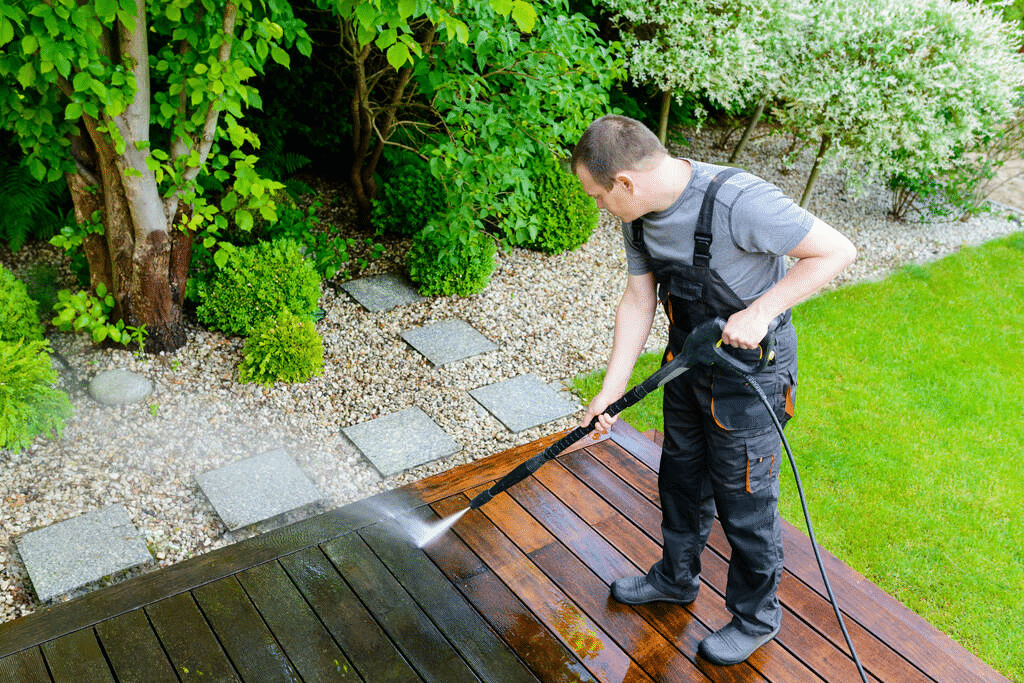
- Decks, patios, and terraces. Wood and composite surfaces tend to darken quickly in warm weather. Regular cleaning prevents dirt from settling into the material, helping to prevent cracking, splintering, and premature wear.
- Fences. Wood fences suffer in the summer. Sunlight dries out the boards, while dust and organic residue settle in and effectively bake onto the surface, making later removal more difficult.
Summer cleaning is not so much about fixing visible damage as about preventing it from occurring. Done in a timely manner, it preserves the results of spring work and prevents minor problems from turning into much larger issues later on.
Fall – Preparing Exterior for the Damp, Leaves, and Cold
Fallen leaves, pollen, and small branches collect in gutters, on porches, terraces. They act like a sponge, holding water and preventing surfaces from drying properly. When moisture remains for weeks, dark spots appear, surfaces become slippery, and materials begin to deteriorate slowly. This damage is often easy to miss in the fall, but by spring, it is usually noticeable.
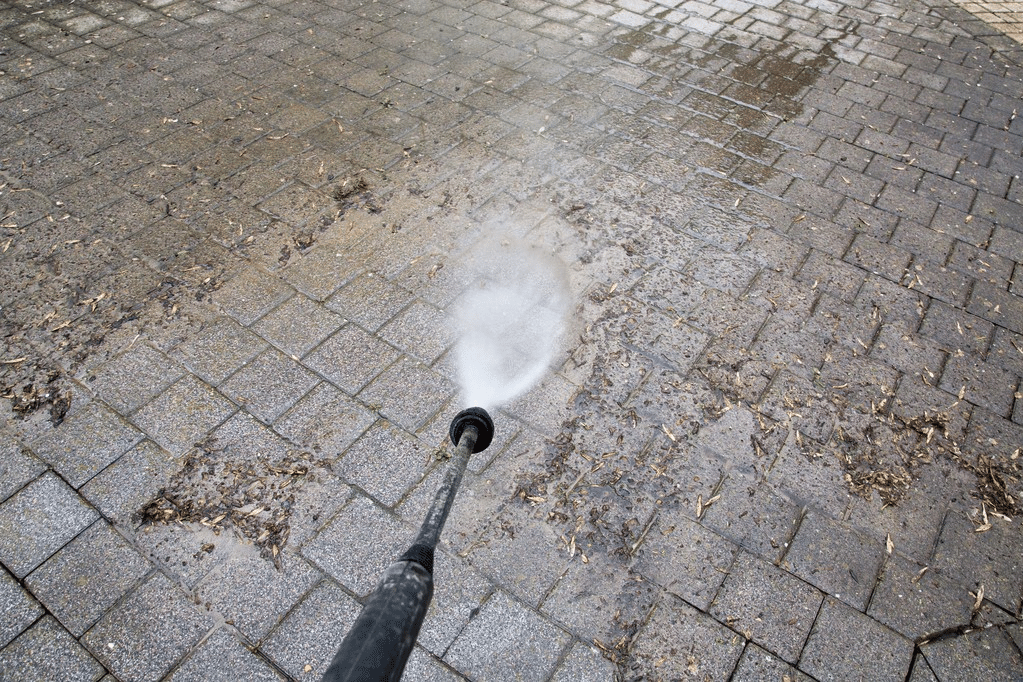
Water drains and the areas below them need special attention. When clogged, they overflow, running down the facade and leaving dark streaks under eaves and around corners. Areas that remain wet age much faster than the rest of the exterior.
Stairs, porches, walkways often become slippery even without rain. A thin organic film traps moisture from the air, and in winter, these spots freeze first, creating a safety hazard.
In general, the goal of autumn cleaning is practical – to remove what retains moisture and let surfaces go into winter dry. This is what really extends their service life.
Different Surfaces Require Different Methods
A common mistake when cleaning exterior residential premises is the idea that a simple pressure adjustment can cope with every surface. But each material reacts differently. And what is suitable for one can easily damage another:
- siding is easy to clean, but seams are delicate;
- roofs may look durable, but aggressive water flows can damage tiles or coatings;
- wood absorbs water and may raise its grain;
- concrete withstands pressure well, but its pores trap dirt and organic residues;
- natural stone can react unpredictably to certain cleaning chemicals.
Effective cleaning always starts with an assessment of the material type, condition, dirt build-up, and the safest method of removal. This careful approach separates professional work from trial-and-error attempts.
Do-It-Yourself vs. Professional Care
Easy do-it-yourself cleaning is fine for walkways or small areas. But some jobs really need professional attention. For example, roofs or high areas, stubborn mold or algae, older or costly surfaces, when nearby plants and landscaping must be protected. Using more pressure to fix mediocre results often backfires – the surface may look clean for a short time, but hidden damage usually shows up later.
Why a Seasonal Approach Works
When dirt and moisture are dealt with regularly, they don’t have time to sink in or cause damage. As a result:
- Dirt doesn’t penetrate deeply.
- Less aggressive cleaning is needed.
- Surfaces stay looking good for longer.
- Risk of expensive repairs is reduced.
- Home looks well-maintained.
In short, seasonal exterior cleaning of residential properties is a practical strategy that preserves materials, keeps the home looking cared-for, and prevents long-term damage.