Caring for a healthy lawn is already a year-round job, but when you add pets into the mix, the work becomes a balancing act between protecting your landscape and keeping your animals safe.
As the seasons shift, everything in your yard shifts with them. Grass growth changes, soil behaves differently, pests show up at different times, and your pets interact with the environment in new ways. When you understand those patterns, it becomes easier to plan ahead.
Understanding How the Seasons Affect Both Pets and Your Landscape
Temperature, moisture, and plant cycles all affect how your yard behaves. In spring and fall, plants wake up or wind down. Summer heat pushes your turf to its limits. Winter dormancy gives grass a break, but often compacts the soil. As these shifts occur, pets respond to their environment, sometimes in predictable ways and sometimes not.
Warm weather can dry out the soil and create surfaces that can burn paws. Rainy seasons create muddy areas that pets track into high-traffic spots.
Fertilizers applied at the wrong time can cling to paws or fur before they’ve settled. And seasonal pests like fleas, ticks, and mosquitoes can surge in response to temperature and moisture levels.
When you look at your lawn and your pets together, you start to see how connected their needs really are.
Spring Lawn and Garden Prep With Pets in Mind
Spring is the natural reset point. It’s the moment when you can clear away what winter left behind and get the yard ready for active months ahead.
Clearing Winter Debris and Repairing Damaged Areas
Winter usually leaves a mix of sticks, fallen branches, and leftover leaves. Pets often treat these like toys, so getting them out early helps prevent chewing or swallowing anything sharp or unsafe.
Once the yard is clear, it’s easier to spot bare patches caused by moisture or heavy pet traffic. Reseeding or patching these spots early helps stabilize the ground before summer play increases.
Safe Fertilizing and Weed-Control Practices
Spring treatments are helpful, but timing is everything when pets are involved. Fresh fertilizer or weed-control products can stick to paws if pets walk across the lawn too early. Keeping pets inside until products fully settle is a simple way to avoid irritation.
If you’d rather play it safer, look for pet-friendly options or slow-release products. Temporary barriers or flags also help keep pets off treated zones.
And if your pet shows signs of irritation or illness after accidental exposure to fertilizer, a mobile vet in Mesa, AZ, can step in quickly for everyone in the area. Otherwise, you should contact your veterinarian.
Reestablishing Pet Paths and Digging Zones
Pets rely on familiar routes, and winter often disrupts them. Spring is a good time to reestablish those natural paths. Mulch or stepping stones help guide pets and reduce wear on your grass.
If your pet loves digging, designating a digging spot keeps the rest of your garden protected. A small sandbox or a loose-soil corner can work wonders.
Summer Strategies for Heat, Hydration, and Turf Protection
Summer is the most demanding season. Heat, pests, and heavy activity all peak at once, so your yard benefits from a little extra planning.
1. Creating Shade and Cooling Areas
Pets feel heat more intensely than we do. Adding shade with shrubs, umbrellas, or shade sails helps keep outdoor time safer. Cooling spots like water bowls, a splash zone, or a shallow kiddie pool make a big difference on hot days.
2. Protecting Grass From Heavy Pet Play
Between running, chasing, and rolling around, pets can wear out turf quickly. Rotating play zones gives grass time to recover. If you’re choosing new turf, warm-season grass varieties tend to handle heavy play better.
3. Managing Fleas, Ticks, and Mosquitoes
Summer pests love warm, moist environments. Yard treatments help, but make sure the products you use are pet-friendly. Watch for any signs of skin irritation or unusual behavior after treatments.
Rainy-Season and Post-Storm Considerations
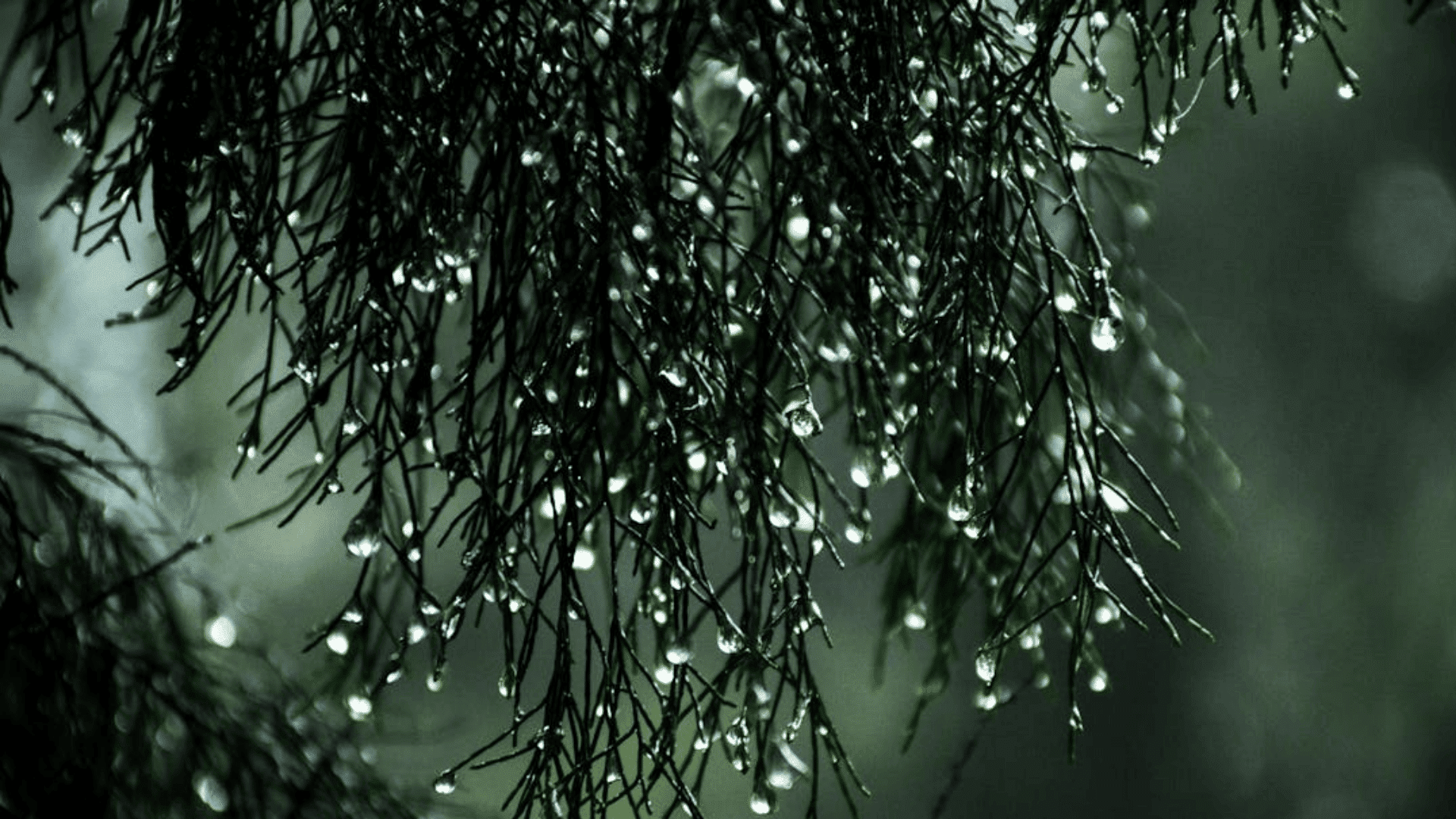
Rainy weather changes the landscape fast. Soft soil, standing water, and sudden mud can affect both pets and plants.
Preventing Mud, Slips, and Lawn Damage
When the ground gets saturated, it’s easy for pets to tear up turf. Improving drainage in high-use areas or dog runs can help. Quick-dry ground covers and gravel paths keep both your lawn and your pet cleaner. For long-term solutions, consider professional irrigation system installation to ensure even watering and prevent oversaturated soil that can harm pets and plants alike.
Reducing Waterborne Risks
Standing water creates real risks. Parasites, bacteria, and insects thrive in stagnant puddles. After storms, walk the yard and drain any lingering water. Adjust your irrigation schedule so pets aren’t stepping into oversaturated soil.
Protecting Plants and Soil Structure
Wet soil is delicate. A single digging session can easily uproot plants or compact the ground. Raised beds or temporary barriers help keep pets out of areas that need time to dry. Adding mulch can also stabilize the soil while it firms up.
Fall Lawn Care and Pet Preparation for Cooler Weather
Fall is a transition season, and it’s ideal for restoring your lawn and preparing for cooler temperatures ahead.
1. Overseeding, Aeration, and Timing
Fall is prime time for overseeding and aeration. Keeping pets off the lawn for a short period helps new seeds establish and prevents damage to fresh plugs. Hardy seed blends also support lawns that see a lot of pet traffic.
2. Managing Leaves and Allergens
While leaf piles look fun, they’re often full of moisture, insects, or mold. These can irritate sensitive pets. Mulching leaves instead of piling them reduces allergens and makes cleanup easier.
3. Preparing Pet Zones for Winter
Before winter arrives, reinforce high-use areas with mulch or gravel to reduce slipperiness. Check fences, gates, and pet structures early so you don’t have to repair anything during freezing weather.
Year-Round Tips to Balance Pet Needs and Lawn Health
Some habits matter in every season. Creating designated pet zones helps protect delicate garden spaces. Storing lawn chemicals safely keeps curious pets out of harm’s way. And it helps to keep an eye on your pets after any lawn treatment. If they ever react to fertilizers or pesticides, a mobile vet service in your area can provide fast, local support without leaving home.