

Caring for roses gets easier once you understand how they grow, what they respond well to, and how to fix issues before they slow the plant down.
Many beginners think roses are difficult, but most thrive when their basic needs are met.
In this blog, I’ll walk you through simple steps that help you choose the right spot, plant the rose correctly, water the right way, feed it at the right time, and handle pruning without stress.
You’ll also learn how to spot common problems early and how different rose types need slightly different care. Let’s start by looking at the basics your plant depends on.
Understanding What Roses Need
When you know what your roses actually want, everything gets easier. In my experience, most problems come from the basics being off.
The good news is that roses only need three main things. Sun. The right soil. Good air flow. Get these right and you set yourself up for healthy growth and steady blooms.
Sunlight Requirements
Roses love the sun because it fuels strong growth and keeps them blooming through the season. They need about six to eight hours of direct light each day. This amount helps the plant build energy so it can grow new stems and open more flowers.
Morning light is the best kind for them. It dries the leaves early in the day and cuts the chance of fungus showing up. Afternoon light can be stronger and hotter, so a little shade late in the day can help if you live in a place with intense summer heat.
If your roses are not getting enough sun, you will see a few signs. The plant might grow tall and thin as it reaches for more light. New growth might look weak or soft. You might also see fewer flowers because the plant does not have enough energy to produce good buds.
Soil and Drainage
Roses like soil that drains well but still holds enough moisture to keep the roots comfortable.
Sandy soil drains fast and might need more compost. Clay soil holds water too long and might need extra organic material to help it loosen up. A mix that feels soft and crumbly usually works best.
Adding organic matter makes a big difference. Things like compost or aged bark help the soil stay loose and healthy. This gives the roots room to grow and lets water move through at a steady pace without sitting around the plant.
Most roses grow well when the soil pH stays between 6.0 and 6.8. This range helps the plant take in nutrients without trouble. If the pH is too low or too high, the plant might show yellowing leaves or slow growth, even if you are watering and feeding correctly.
You can improve bad soil by working in compost, leaf mold, or well aged manure. These materials help with drainage and make the soil richer over time.
If your soil is heavy clay, mixing in coarse sand or fine bark chips can help it break up and drain better. If the soil is too sandy, more compost will help it hold water a bit longer so the roots do not dry out too fast.
How to Plant a Rose Bush the Right Way
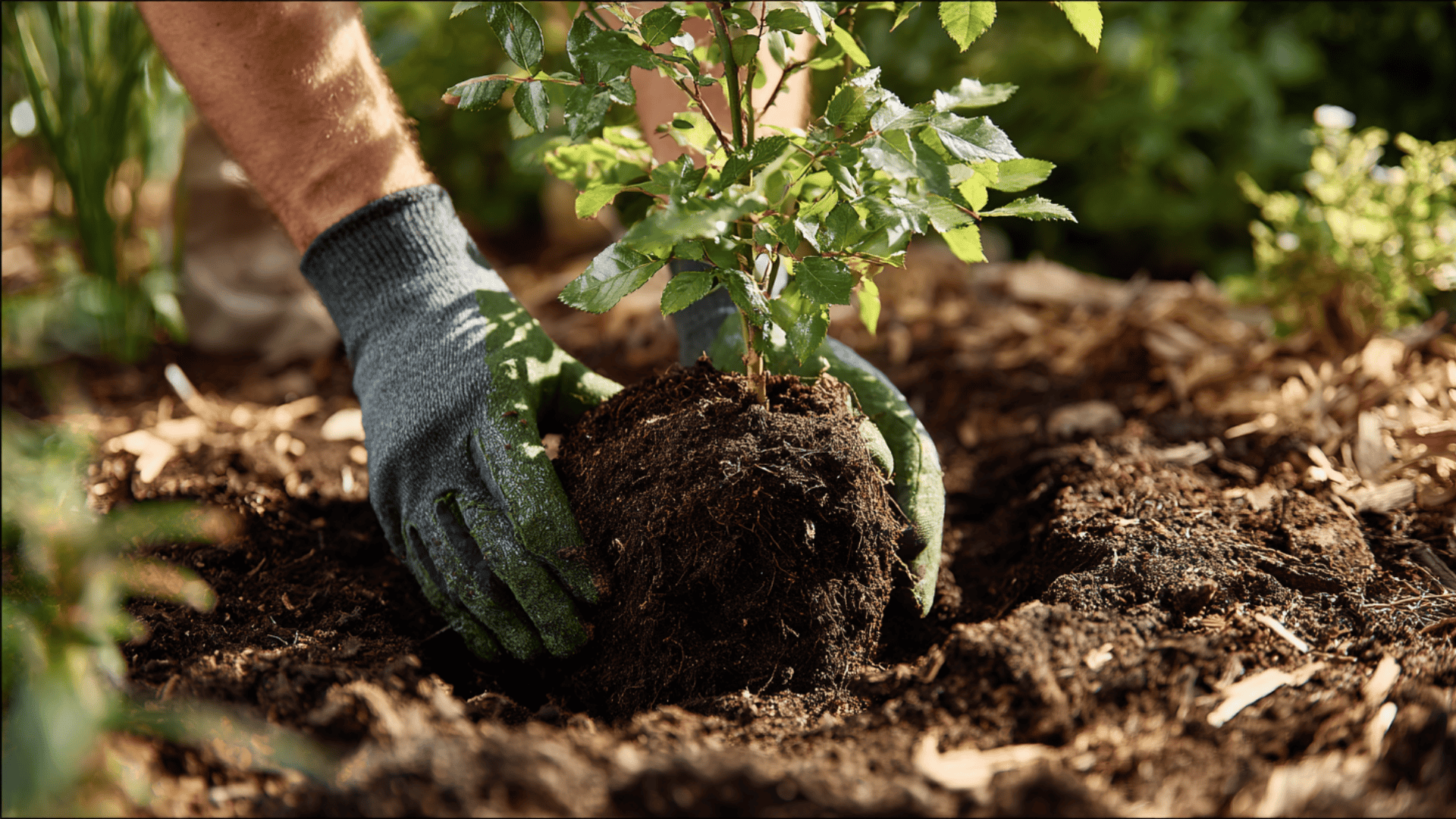
Planting the right way saves you from most problems later. A good start helps the roots settle in and keeps the plant strong through the season.
Step 1: Pick the Right Spot and Give It Space
Choose a sunny area with at least six hours of direct light, especially in the morning. Make sure the soil drains well and does not stay soggy. Keep roses two to three feet apart so air can move through the leaves and reduce mildew and black spot.
Step 2: Prepare the Hole and Improve the Soil
Dig a hole twice as wide as the root ball and just deep enough to keep the top of the root ball level with the soil. Mix compost into the removed soil to give the roots a good start. This helps with drainage and makes the soil richer.
Step 3: Set the Rose, Water, and Mulch
Place the rose in the hole, spread the roots gently, and fill the space with your soil mix. Press lightly to remove air pockets. Water slowly until the soil is fully soaked, then add a two to three inch layer of mulch to help the soil hold moisture.
Step 4: First 30 Days and Potting Option
Water two or three times a week, depending on the weather, and keep the soil evenly moist. Do not fertilize during the first month.
If planting in a pot, use a container that holds at least fifteen gallons with good drainage and a high quality potting mix.
Watering Schedule for Rose Bushes
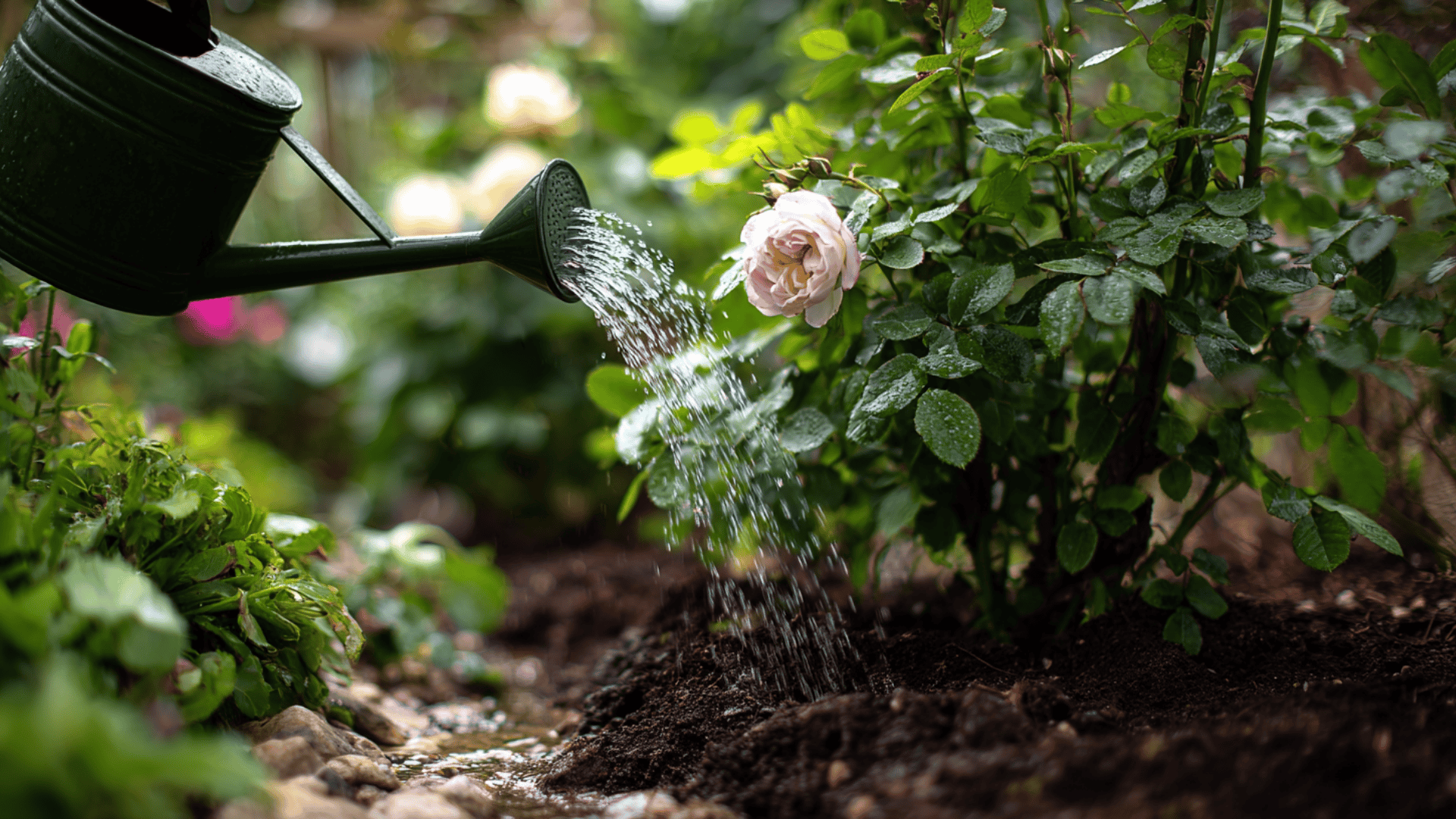
Roses like deep, consistent moisture. When the soil stays steady, the plant grows stronger roots and produces better blooms.
1. How Often to Water (By Season and Climate)
Water more often in hot weather and less when temperatures stay mild.
In warm months, most roses need two or three deep waterings each week. In cooler seasons, once a week is usually enough.
Dry, windy, or desert climates may need extra checks since the soil dries faster. Humid areas often need less frequent watering.
2. How to Water Correctly (Base, Not Leaves)
Water at the base of the plant so the moisture reaches the roots. Keeping the leaves dry lowers the chance of fungus. Slow, deep watering helps the soil soak everything in instead of letting it run off the surface.
3. Watering for Container Roses
Roses in pots dry out faster than roses planted in the ground. Check the soil often by feeling the top few inches. Water when it feels dry.
In hot weather, container roses may need watering every day. Make sure the pot drains well so the roots do not sit in standing water.
4. Signs of Overwatering vs. Underwatering
Overwatered roses can show yellow leaves, soft stems, or soil that stays wet for too long. Underwatered roses often droop, and the leaves may turn dry or crispy at the edges.
When you check the soil, it will guide you. Wet and heavy soil points to too much water. Dry and crumbly soil points to not enough.
The Right Way to Fertilize Roses
Roses grow better and bloom more when they get steady feeding through the growing season. The right timing and the right mix make a clear difference in how strong the plant becomes.
When to Fertilize
Start feeding in early spring once you see new growth. Add another round after the first big bloom cycle.
In warm areas with long growing seasons, you may add light feedings every four to six weeks. Keep the soil moist when you fertilize so the roots can take in the nutrients without stress.
What Type of Fertilizer to Use (NPK Explained Simply)
Most roses do well with a balanced mix. The three numbers on the label show nitrogen, phosphorus, and potassium. Nitrogen supports leafy growth. Phosphorus supports roots and flower production. Potassium supports strength and overall plant health.
A balanced mix like 10-10-10 or a rose-specific blend works well for most gardens. If your soil is already rich, lighter feeding is enough.
When to Stop Fertilizing (Frost Timing)
Stop feeding six to eight weeks before your first expected frost. This gives the plant time to slow down and harden off for winter. Feeding too late can push out soft new growth that gets damaged in cold weather.
Once fall arrives and temperatures drop, let the plant prepare for its rest period without extra nutrients.
How to Mulch Rose Bushes
Mulch helps roses keep steady moisture, protects the roots, and improves soil over time.
The best mulch options include compost, shredded bark, wood chips, or leaf mold. These materials break down slowly and keep the soil healthy. A layer about two to three inches deep works well for most roses.
Keep the mulch a few inches away from the base of the plant so the crown stays dry and does not rot
In hot climates, mulch helps the soil stay cool and hold water longer, which lowers stress during heat.
In cold climates, the same layer gives the roots extra protection from freezing temperatures and helps the plant settle into winter more safely.
Pruning and Deadheading Roses
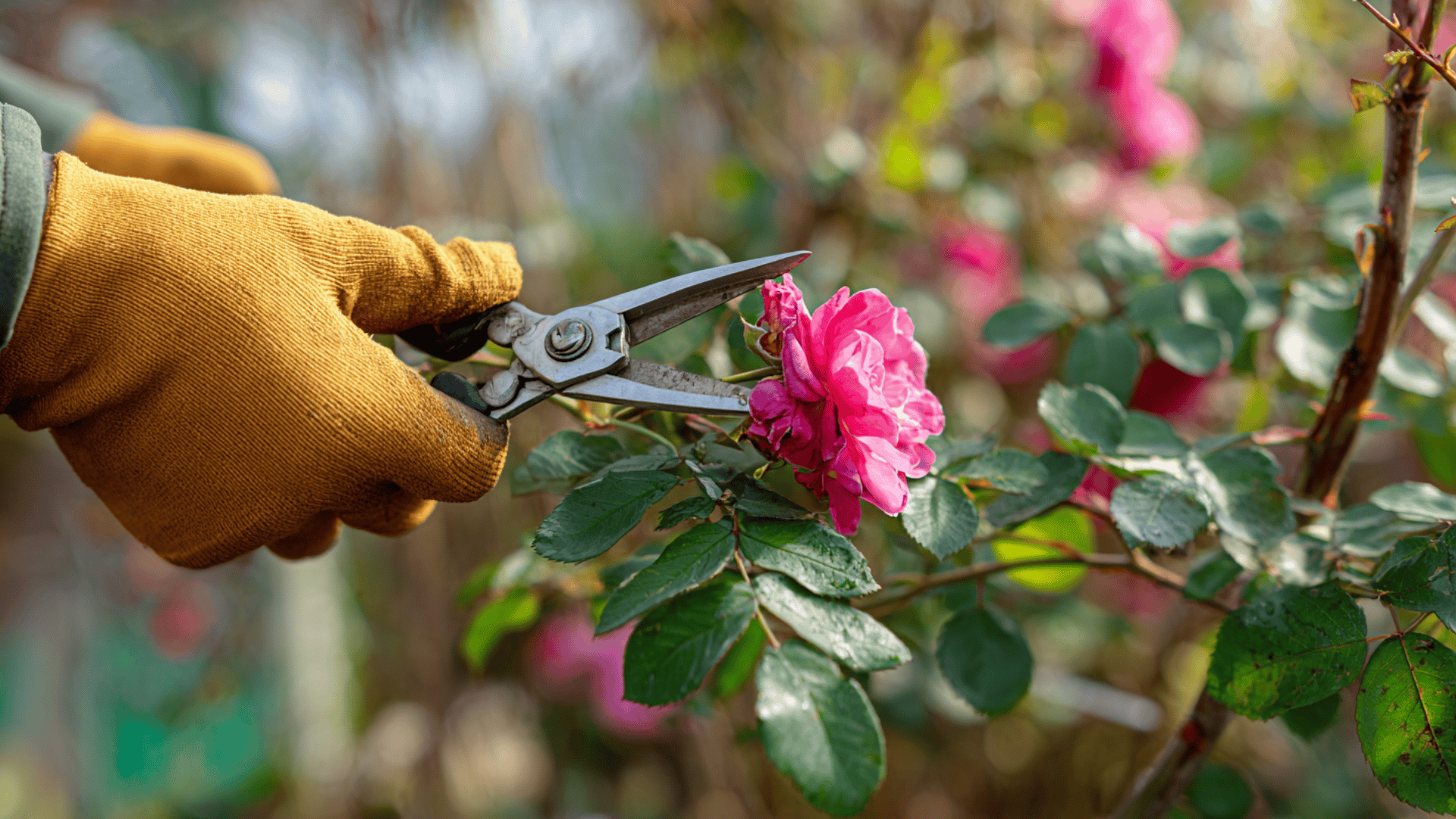
Pruning keeps roses strong and blooming. It helps the plant grow fresh stems, hold a better shape, and stay healthier through the season.
1. When to Prune (By Zone)
Most pruning happens in late winter or early spring when the plant is still dormant. Cold zones wait until the last hard freeze has passed.
Warm zones prune a little earlier because roses start growing sooner. Light trimming through the season is fine, but major cuts should wait for dormancy.
2. Tools You Need
A sharp pair of bypass pruners handles most cuts. Loppers help with thicker canes. Gloves protect your hands from thorns. Clean tools prevent disease from spreading, so wipe the blades between plants.
3. Pruning Guide
Start by removing dead, damaged, or weak canes. Cut back to healthy wood. Shape the plant by removing branches that cross or rub.
Make each cut above an outward-facing bud so the new growth moves away from the center. Aim for an open shape that lets air move through the plant.
4. How to Deadhead for Continuous Blooms
Cut off spent flowers right above a five-leaflet leaf. This encourages new stems and more blooms. Make clean cuts and remove fading clusters before they turn brown. Repeat-blooming roses respond well to steady deadheading through the warm months.
5. Common Pruning Mistakes
Cutting too early can expose new growth to frost. Cutting too hard in summer can slow blooming. Leaving crossed branches reduces airflow and raises disease risk. Using dull tools crushes the stems and slows healing.
Rose Bush Problems and How to Fix Them
Most problems have simple solutions. This table gives you quick answers so you can spot the issue fast and fix it without guessing.
| Problem | What You’ll See | What To Do |
|---|---|---|
| Aphids or Spider Mites | Tiny bugs on new growth, sticky leaves, webbing, distorted buds | Rinse with water, use insecticidal soap, and keep the plant well watered to reduce stress |
| Black Spot, Mildew, Rust | Dark spots, white powder, yellowing leaves, leaf drop | Remove infected leaves, improve airflow, water at the base, and use a mild fungicide if needed |
| Roses Not Blooming | Lots of leaves but few flowers | Add more sun, prune to open the plant, avoid high nitrogen fertilizer, and deadhead spent blooms |
| Yellow Leaves | Fading color, leaves dropping early | Check soil moisture, improve drainage, adjust watering, and feed only if the plant shows new growth |
| Dying or Neglected Rose Bush | Weak stems, poor growth, few leaves, pale color | Cut back dead wood, water deeply, add compost, and give steady care for a few weeks to help it recover |
This helps you understand what your rose needs. Most fixes start with steady watering, good airflow, and removing anything that holds moisture on the leaves.
Care Tips for Different Types of Roses
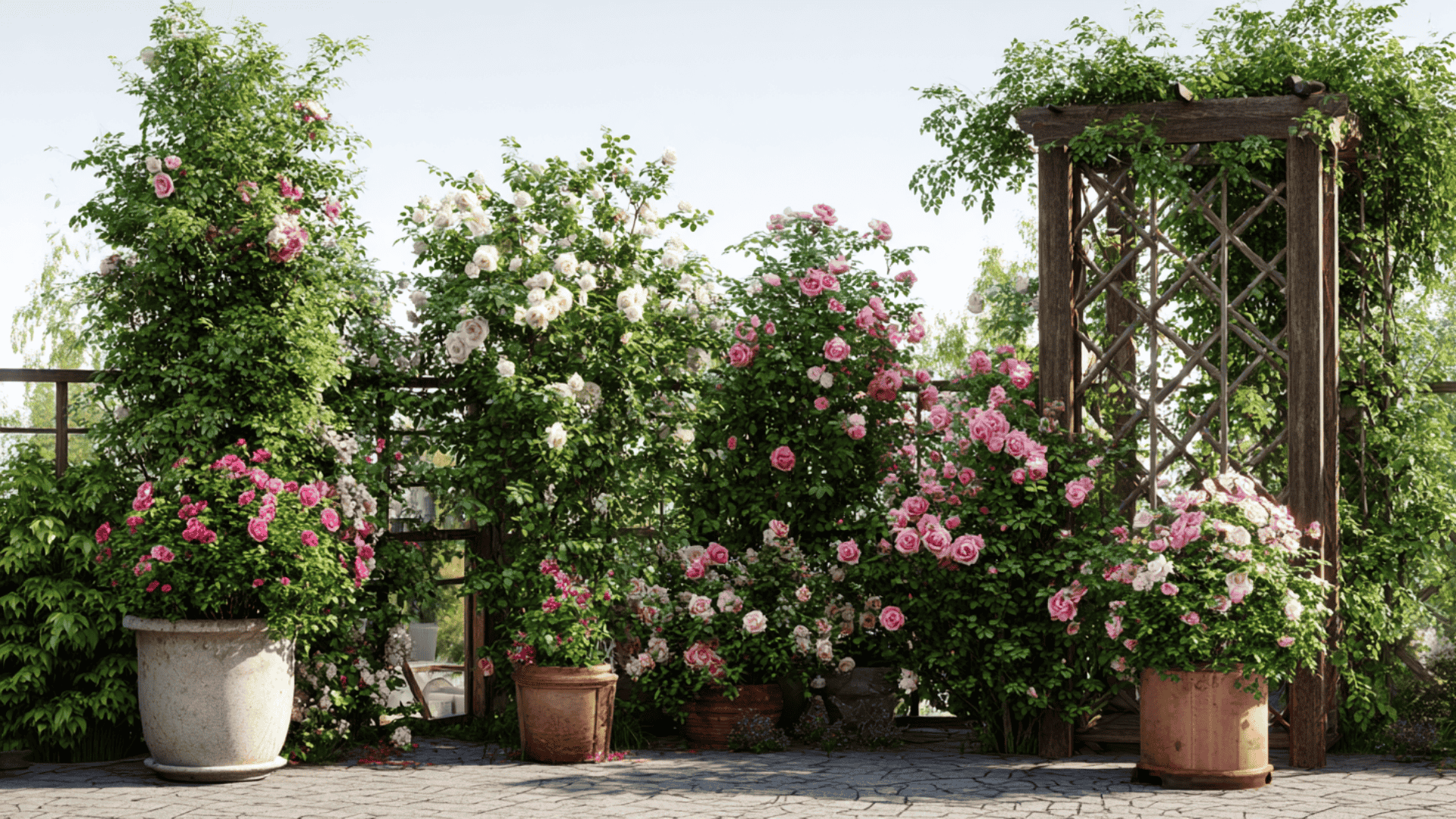
Different types of roses grow in their own way, but each one stays healthy with the right approach. These quick notes help you care for each type without overthinking it.
- Hybrid Tea: Known for long stems and bold blooms. Needs full sun, steady watering, regular deadheading, and yearly pruning to keep the plant open and encourage strong new growth for better flowers.
- Floribunda: Produces clusters of flowers. Grows best with consistent moisture, balanced feeding, and light shaping through the season. Handles heat well but still needs airflow to avoid leaf issues in damp conditions.
- Climbing Roses: Needs support and gentle training. Tie canes horizontally to boost blooms. Prune only after flowering. Keep soil moist and give the plant room so the long canes can grow freely.
- Shrub Roses: Low maintenance with steady growth. Good for beginners. Keep soil rich, water deeply, and trim lightly once a year. Strong disease resistance makes them easy to manage in most climates.
- Miniatures: Perfect for pots or small spaces. Use well draining soil and water often since containers dry fast. Give full sun and light shaping to keep the plant tidy through the growing season.
- Tree Roses: Needs staking for support. Protect the graft in winter and water slowly at the base. Prune to maintain a rounded top and remove weak wood to keep the structure balanced.
These tips help you match the right care to the right type so each rose can grow well and bloom the way it should.
Wrapping Up
Roses respond well to steady care, and once you understand their rhythm, the entire process becomes far more enjoyable.
Most of the work comes down to giving the plant sun, water, healthy soil, and small adjustments through the season. With the right approach, your rose bush gets stronger each year and produces better blooms.
Use what you learned to set up a routine that fits your climate and your garden space. Trust the process and watch how your plant improves with consistent attention.
If you are ready to grow healthier roses, start applying these steps today and give your garden the boost it deserves.