Want flowers that actually thrive without all the backbreaking work? Raised beds solve that problem. They give you better soil, easier access, and way less weeding than traditional gardens.
Building one sounds complicated, but it’s not. You can create a raised flower bed in a weekend with basic tools and materials from any hardware store. Wood, stone, metal, or recycled pallets all work great.
This guide covers practical raised flower bed ideas with step-by-step instructions.
You’ll learn how to create various designs, arrange flowers for maximum impact, and maintain your beds throughout every season. Let’s get started.
What Is a Raised Bed Garden?
A raised bed garden is a planting area built above ground level in a contained frame. The soil sits 6 to 24 inches high in a box structure.
Unlike in-ground beds that use existing soil, raised beds give you full control over soil quality. You fill them with fresh soil and compost for better drainage.
Common materials include wood like cedar or redwood, galvanized metal, stone, and brick. Each material has benefits. Wood is affordable and easy to work with. Metal lasts longer.
Stone looks beautiful and stays in place for years. Choose materials that fit your budget when planning raised flower bed ideas.
Raised Flower Bed vs In-Ground Flower Bed
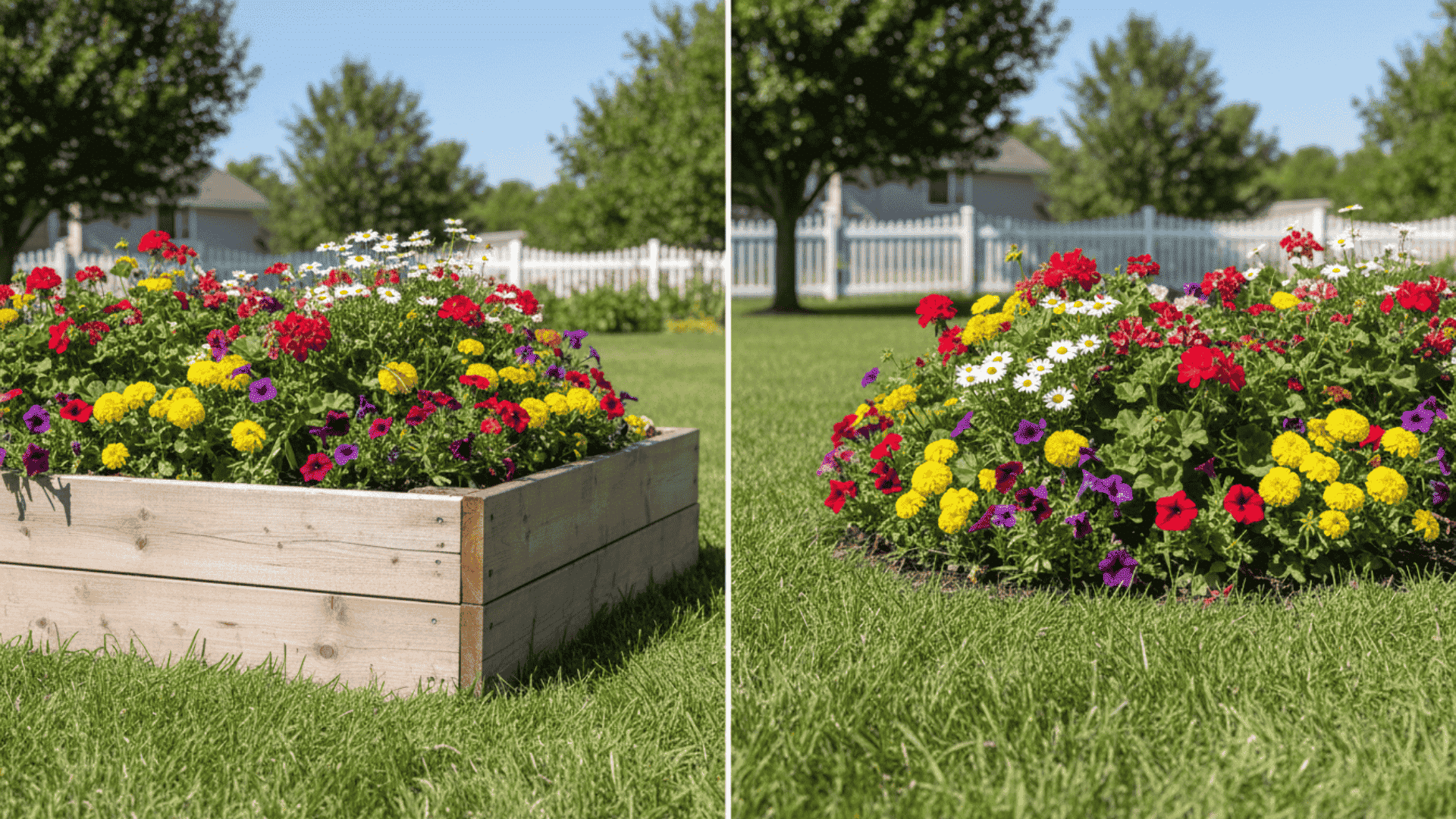
Now that you know what raised beds are, let’s see how they stack up against traditional ground beds. This comparison will help you decide which option works best for your space.
| Feature | Raised Flower Bed | In-Ground Flower Bed |
|---|---|---|
| Soil Quality | Custom soil mix. Better control. | Existing soil. Needs amending. |
| Water Management | Drains fast. More watering is needed. | Holds moisture. Risk of waterlogging. |
| Weed and Pest Control | Fewer weeds. Pests are deterred by height. | More weeds. Easy pest access. |
| Flexibility | Easy to move or change. | Permanent setup. |
21 Raised Flower Bed Ideas With DIY Steps
Now let’s get into the designs that actually work. Each idea includes simple DIY steps and a maintenance tip to keep your beds looking great.
1. Classic Wooden Raised Flower Bed
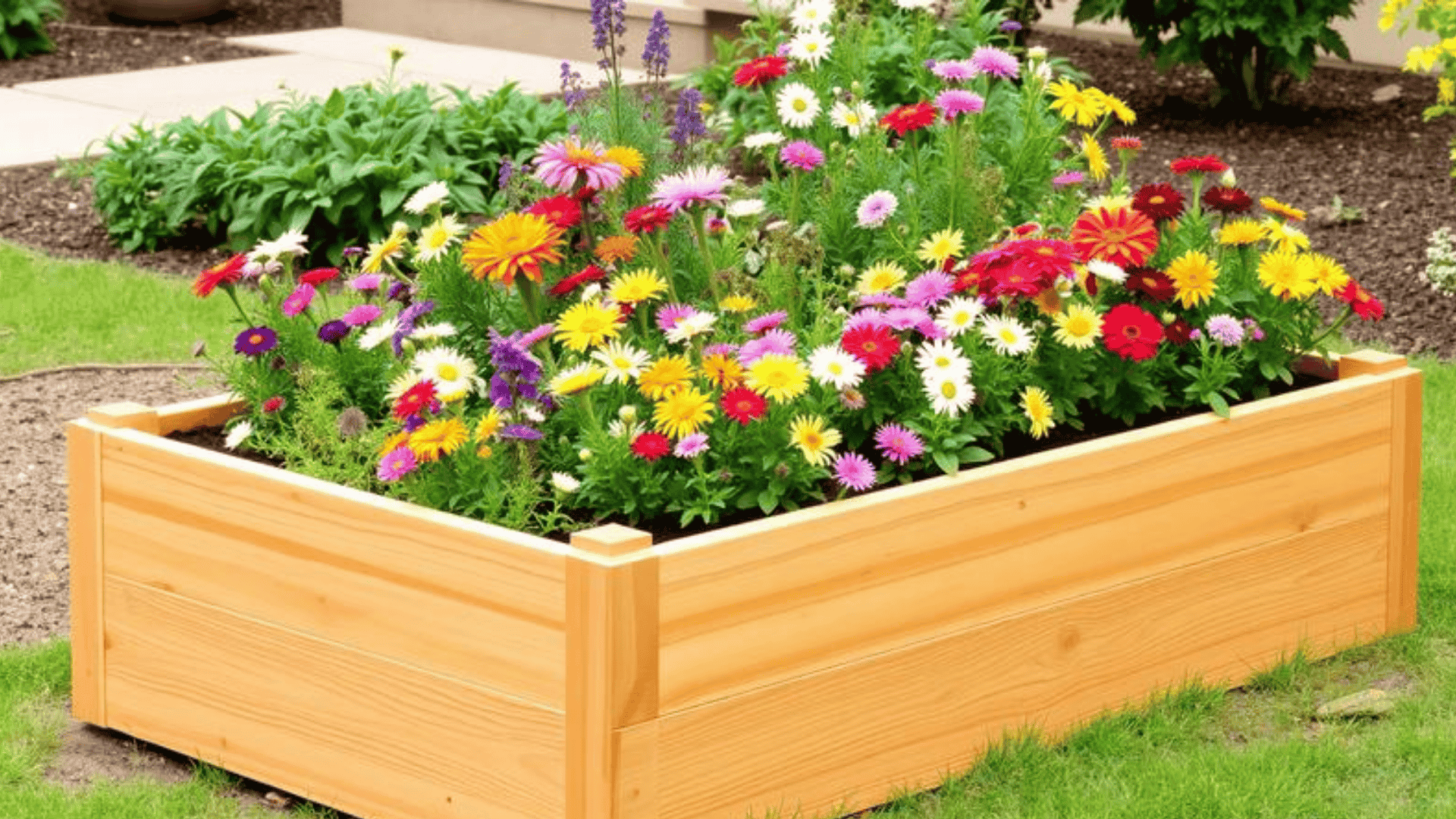
Cedar and pine work great for building raised beds. Wood is easy to cut and assemble at home. You can find these materials at any hardware store. This is one of the most budget-friendly raised flower bed ideas you can try.
DIY Steps:
- Cut four boards to your desired length and width. Attach corners with 3-inch deck screws.
- Place the frame on level ground. Line the bottom with landscape fabric to block weeds.
- Fill with a mix of topsoil, compost, and peat moss. Water thoroughly before planting.
Maintenance Tip: Apply wood sealer every two years to prevent rot and extend the bed’s life.
2. Tiered Raised Flower Bed for Sloped Yards
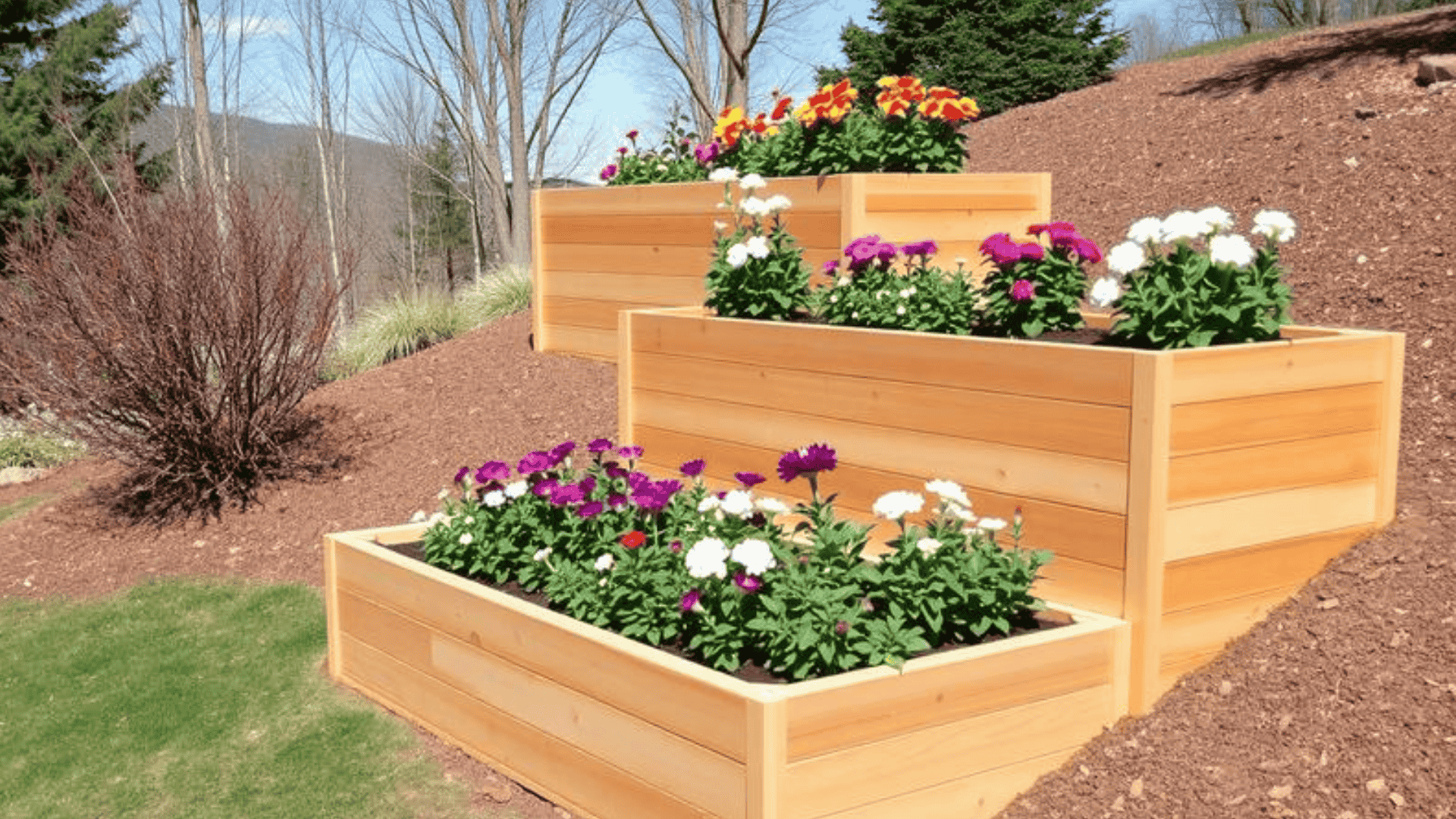
Building in tiers turns a slope into usable garden space. Each level catches water and prevents erosion. This design works well for homes with uneven terrain. Tiered raised flower bed ideas add depth to your landscape, too.
DIY Steps:
- Mark out three levels on your slope. Build the bottom frame first and secure it with stakes.
- Add the second tier 12 inches behind the first. Repeat for the third level.
- Fill each tier with soil. Plant taller flowers at the back and shorter ones in front.
Maintenance Tip: Check for soil erosion after heavy rain and add more soil where needed.
3. Stone Raised Flower Bed
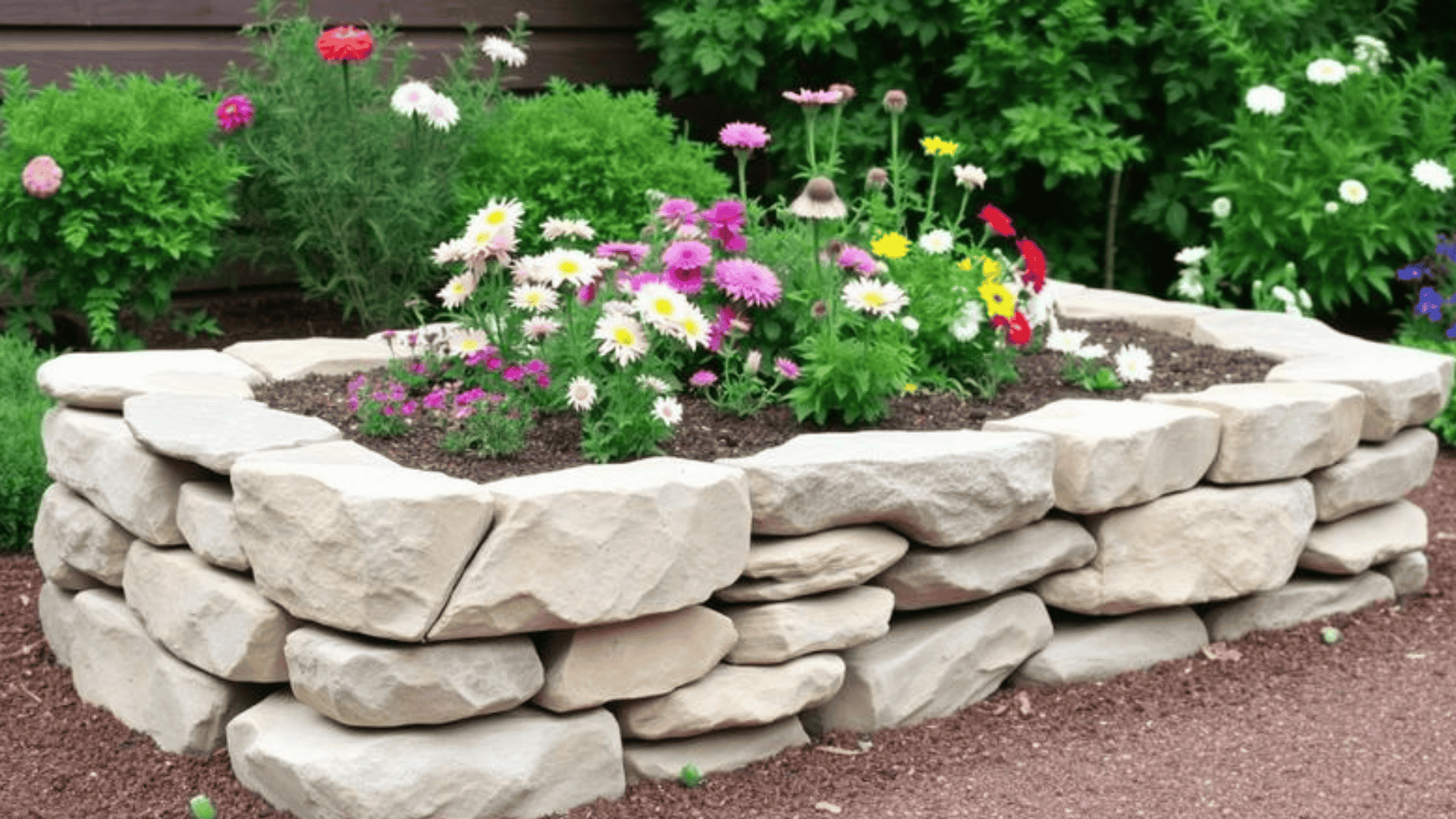
Stone beds last for decades and need almost no upkeep. They add a timeless look to any garden. Natural stone or stacked rocks create a sturdy border.
These beds stay cool in summer heat. They also work well in formal and cottage-style gardens. Stone is heavy, so this option stays put once built.
DIY Steps:
- Dig a shallow trench for the base. Lay the largest stones first to create a solid foundation.
- Stack smaller stones on top. Stagger the joints like brickwork for stability.
- Fill gaps with soil. Add your planting mix and let it settle before adding flowers.
Maintenance Tip: Reset any loose stones each spring to keep the structure stable.
4. Brick Raised Flower Bed
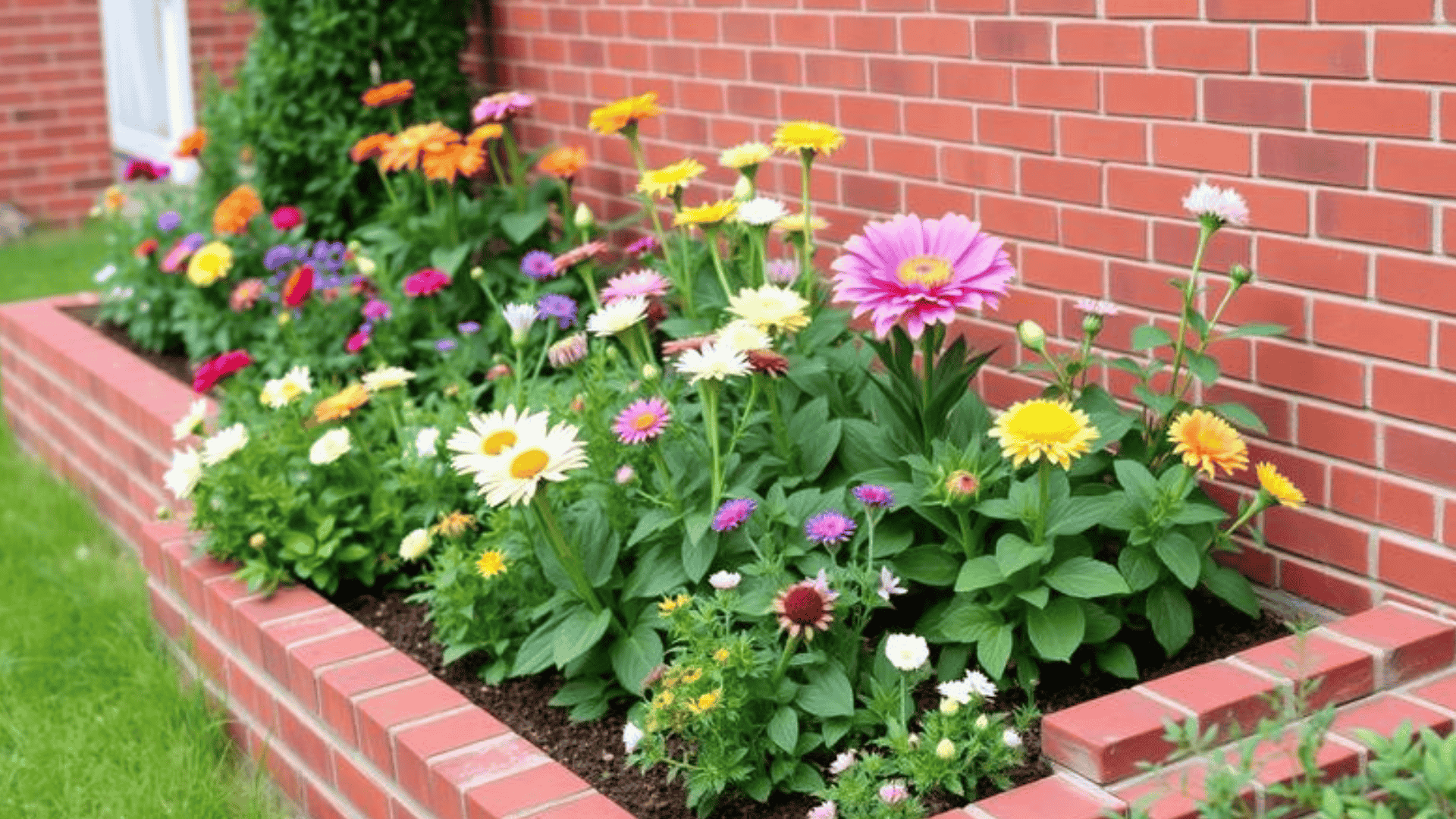
Brick gives you clean lines and a polished finish. It suits traditional homes and formal gardens best. You can lay bricks with or without mortar. Dry-stacked bricks are easier for beginners.
Mortared beds last longer and hold soil better. Both methods create one of the most classic raised flower bed ideas around.
DIY Steps:
- Level the ground and create a small trench. Lay the first row of bricks end to end.
- Apply mortar between bricks if you want a permanent structure. Stack rows in a staggered pattern.
- Let the mortar dry for 24 hours. Fill with soil and plant your flowers.
Maintenance Tip: Repoint mortar joints every few years if they start to crack or crumble.
5. Metal Raised Flower Bed
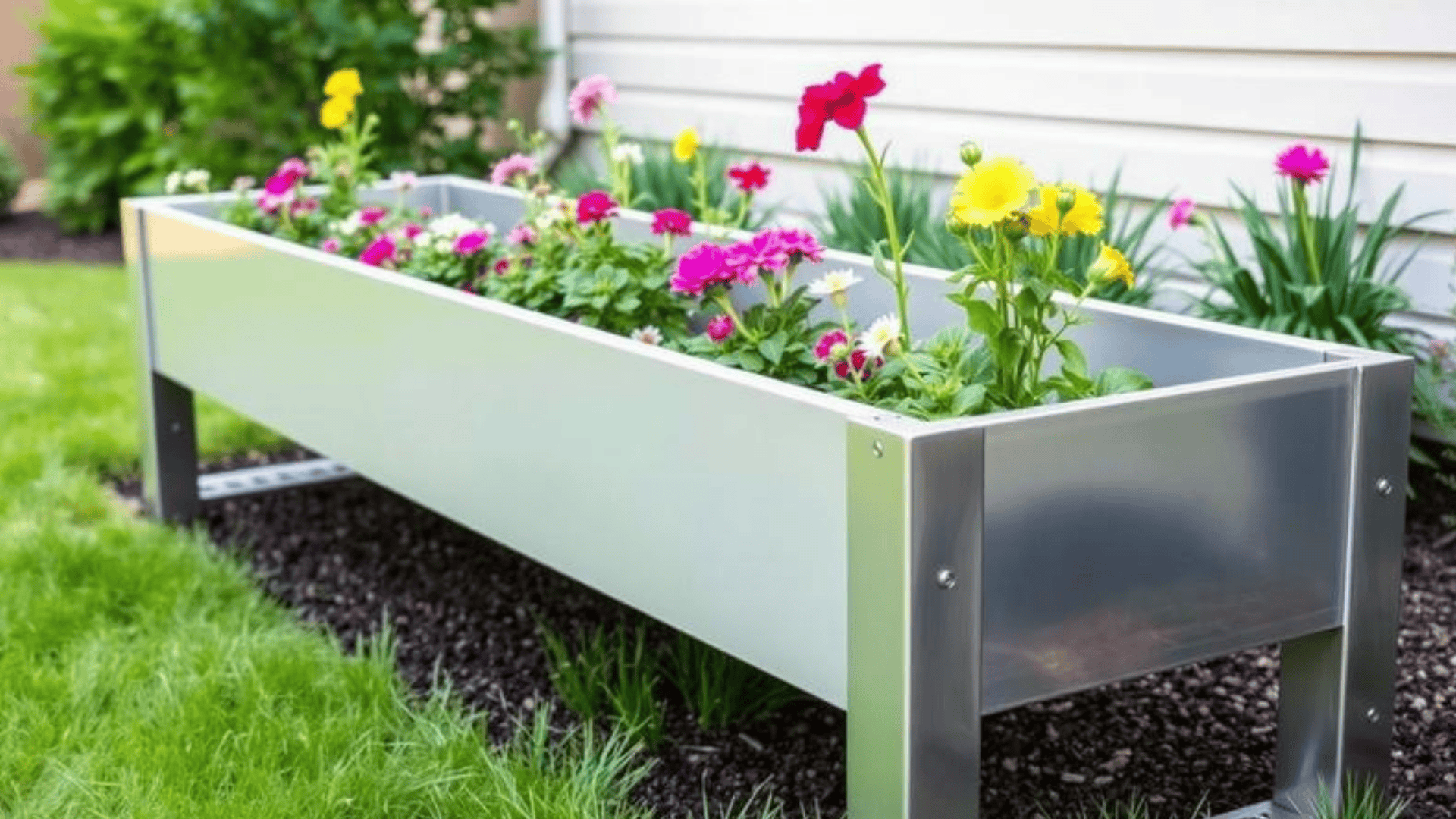
Metal beds heat up fast and look modern. They fit well in contemporary garden designs. Galvanized steel and corrugated metal are common choices.
These materials resist rust and last 15 to 20 years. Metal reflects heat, which some plants love. Make sure to pick heat-tolerant flowers for these beds.
DIY Steps:
- Buy precut metal panels or cut them yourself. Connect panels using corner brackets and bolts.
- Set the frame on level ground. Add a rubber strip along the top edge to prevent cuts.
- Fill with soil that drains well. Plant flowers that handle heat without wilting.
Maintenance Tip: Hose down the sides weekly in summer to cool the soil and keep plant roots cool.
6. Circular Raised Flower Bed
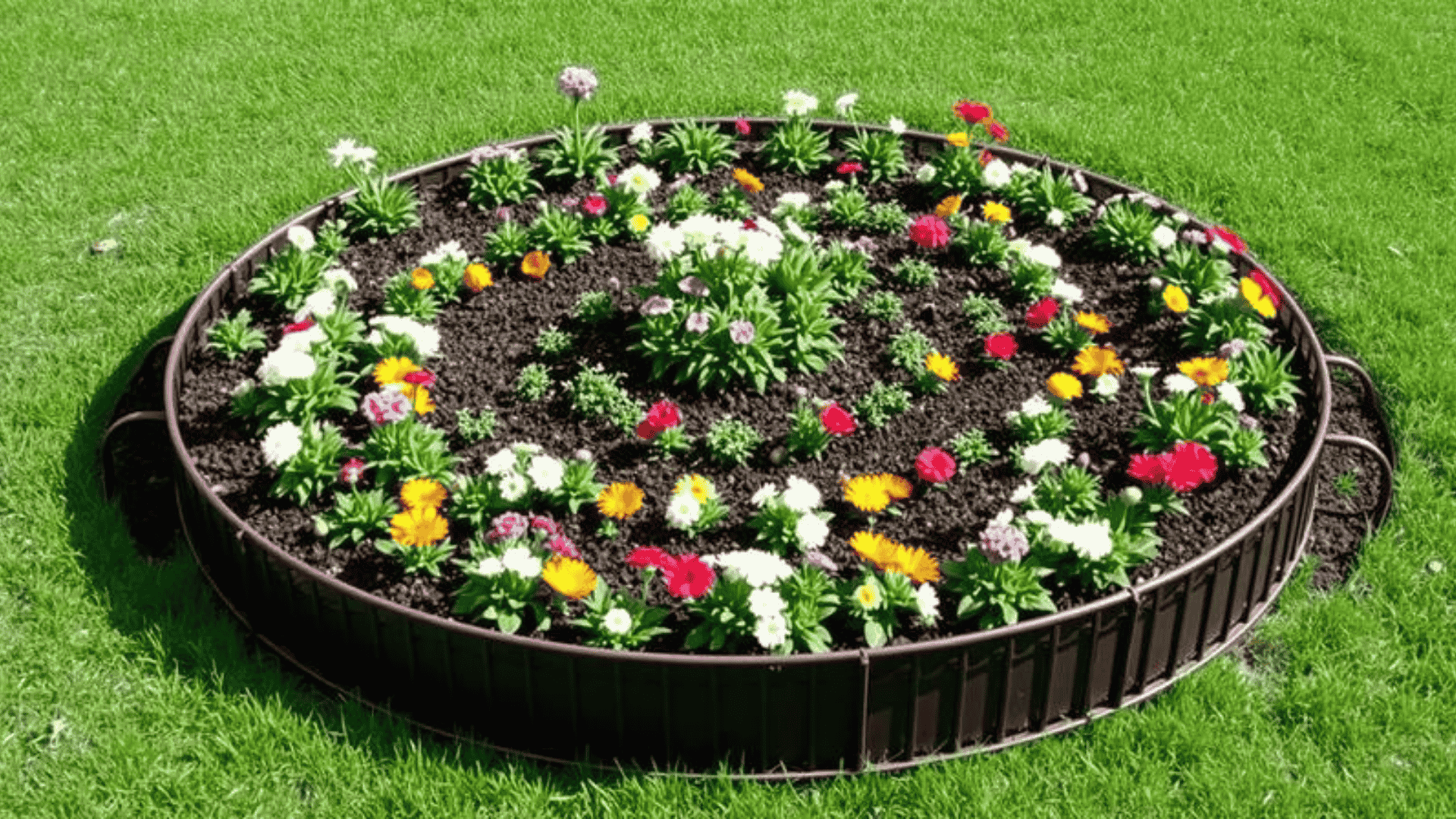
Round beds soften hard edges in your yard. They work well as focal points near patios or walkways. Circles are harder to build than rectangles, but worth the effort.
They create flow and movement in your garden. Use flexible materials, such as metal edging or thin wood strips. This is one of the more artistic raised flower bed ideas to consider.
DIY Steps:
- Mark a circle on the ground using a string and a stake. Dig a shallow trench along the line.
- Bend flexible metal edging into the trench. Secure with ground stakes every 2 feet.
- Fill the circle with soil. Plant flowers in rings, with taller varieties in the center.
Maintenance Tip: Trim back plants every few weeks to keep the circular shape visible.
7. Raised Flower Bed With Seating
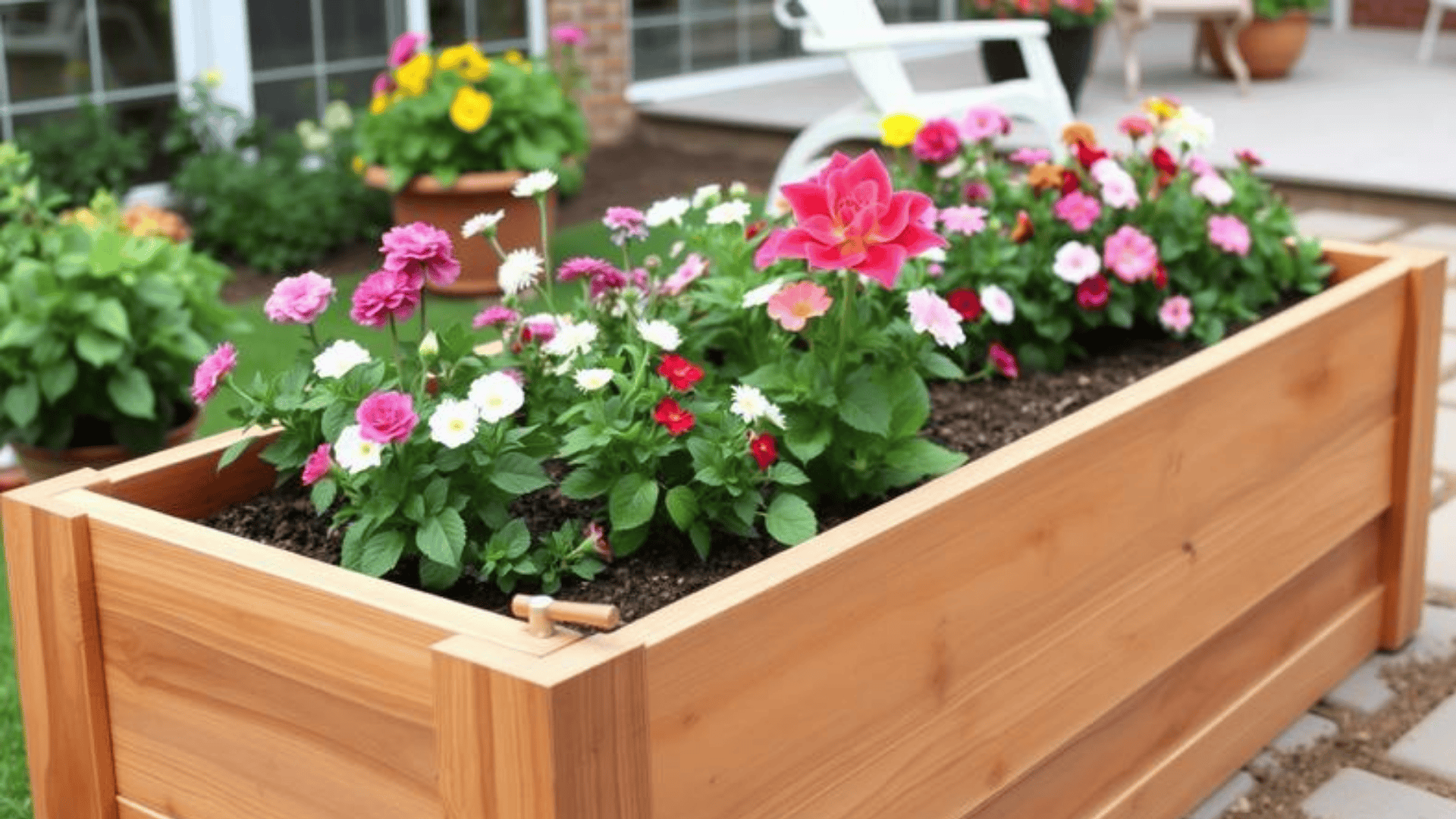
Why not sit while you garden? Adding a seating edge gives you a place to rest and enjoy your work. Build the bed walls wide enough to double as benches. Use smooth, finished wood for comfort.
This design is perfect near patios or fire pits. It combines function with one of the smartest raised-flower-bed ideas out there.
DIY Steps:
- Build a raised bed at least 18 inches tall. Cap the top with wide 2×10 boards for seating.
- Sand the seating boards smooth. Apply outdoor wood stain to protect against the weather.
- Fill with soil and plant low-growing flowers so they don’t block your view when seated.
Maintenance Tip: Wipe down the seating area monthly to remove dirt and pollen.
8. Corner Raised Flower Bed
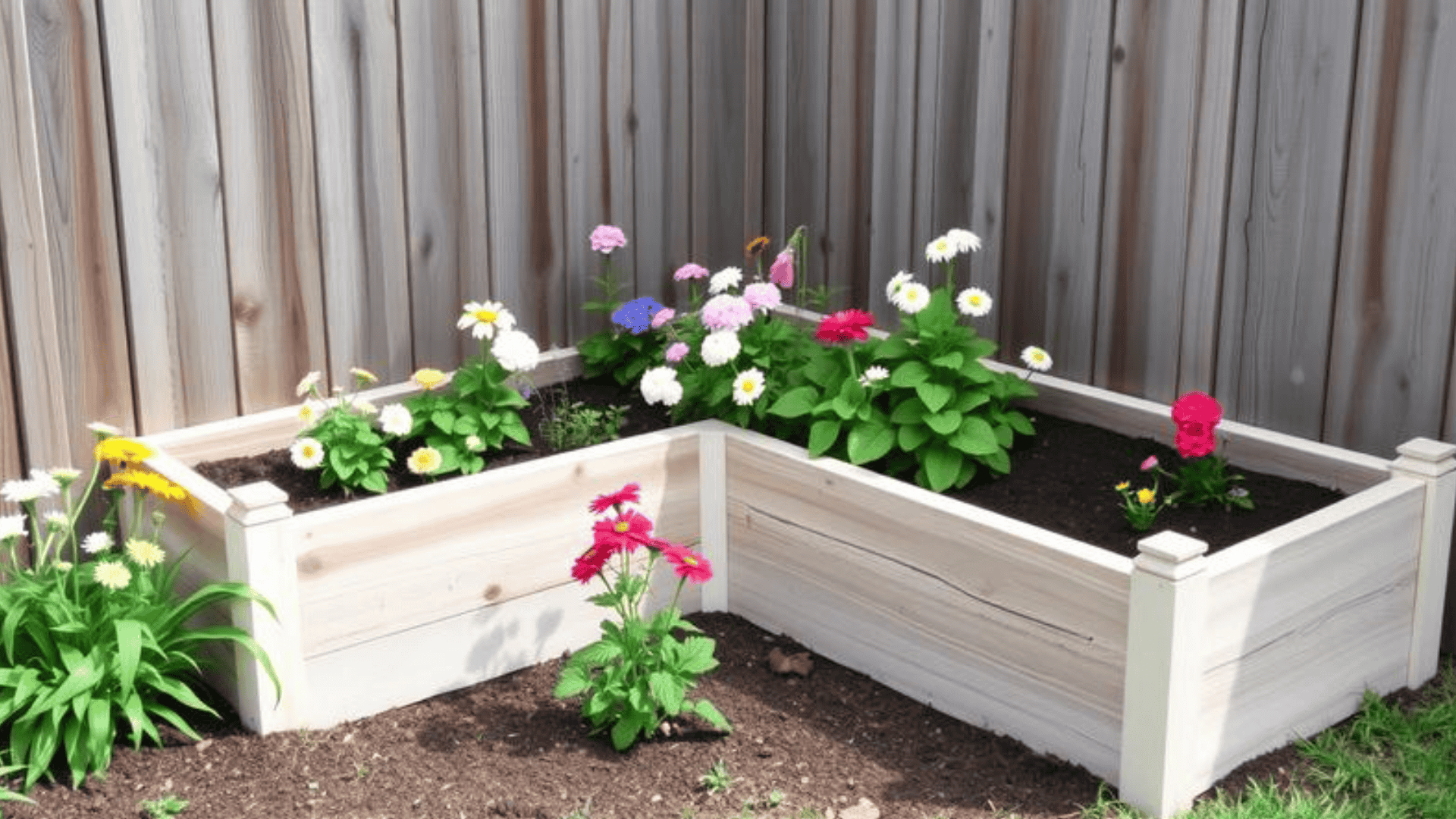
L-shaped beds fit snugly into corners of fences or walls. They make small yards feel bigger. You can grow more flowers without taking up open lawn space. This is one of the smartest raised flower bed ideas for compact areas.
DIY Steps:
- Measure both sides of the corner. Cut boards to form an L shape, then join them with screws.
- Position the bed tightly against both fence lines. Level if needed by adjusting the ground.
- Fill with quality soil mix. Plant flowers that bloom at different times for continuous color.
Maintenance Tip: Prune plants near the fence so air can circulate and prevent mildew.
9. Raised Flower Bed Along a Fence
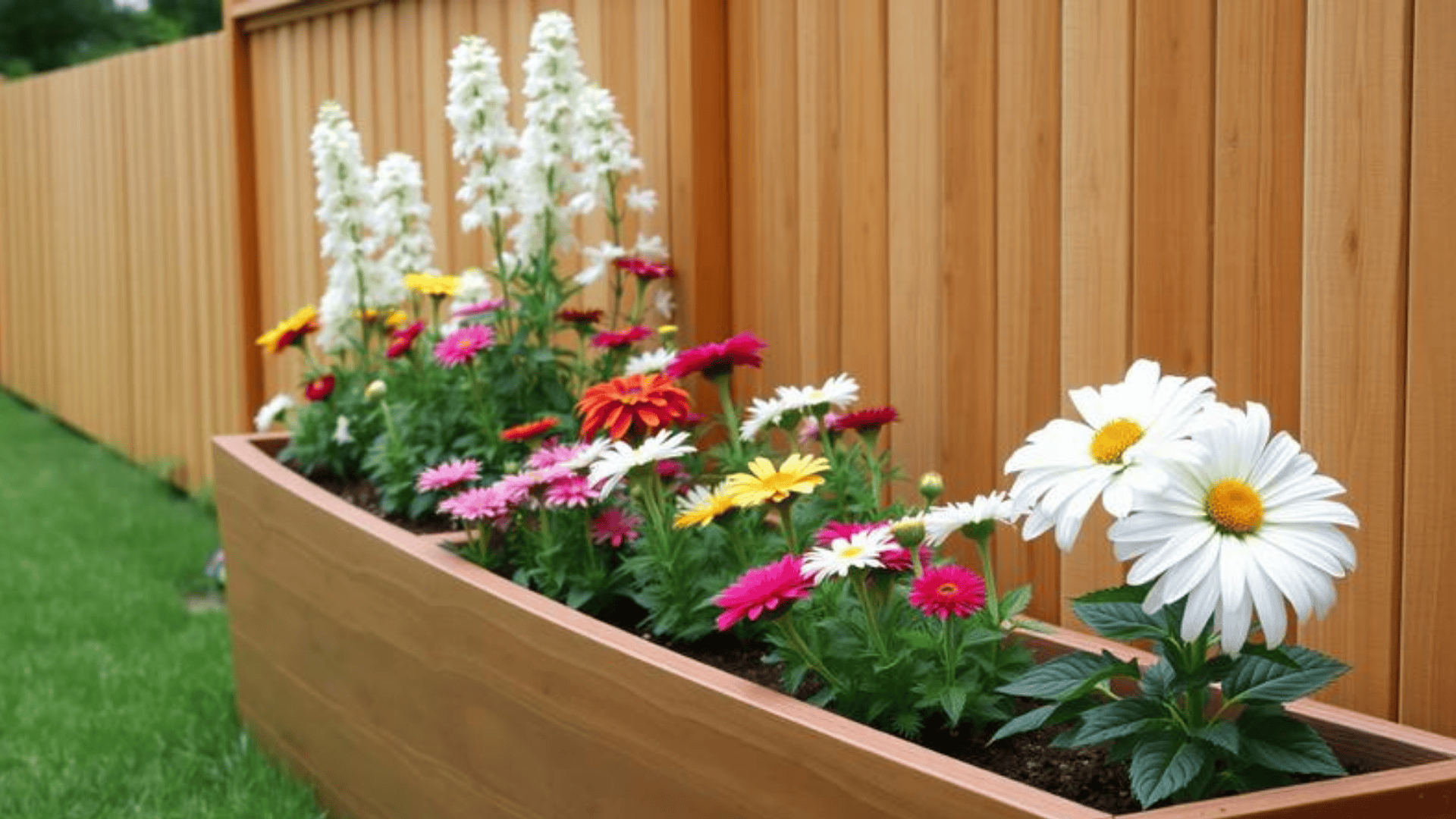
A bed running along a fence line creates a beautiful backdrop. It also hides worn fencing or adds privacy screening. Long, narrow beds work best here. Keep them 2 to 3 feet wide for easy reach.
Plant tall flowers at the back and shorter ones in front. This layered look is a favorite among raised flower bed ideas for property lines.
DIY Steps:
- Build a long rectangular frame parallel to the fence. Leave 6 inches between the bed and fence for airflow.
- Anchor the bed with stakes if the ground slopes. Fill with well-draining soil.
- Plant in rows. Use taller perennials near the fence and annuals in front for pops of color.
Maintenance Tip: Pull weeds monthly and add mulch to keep moisture in the soil.
10. Small Raised Flower Bed for Patios
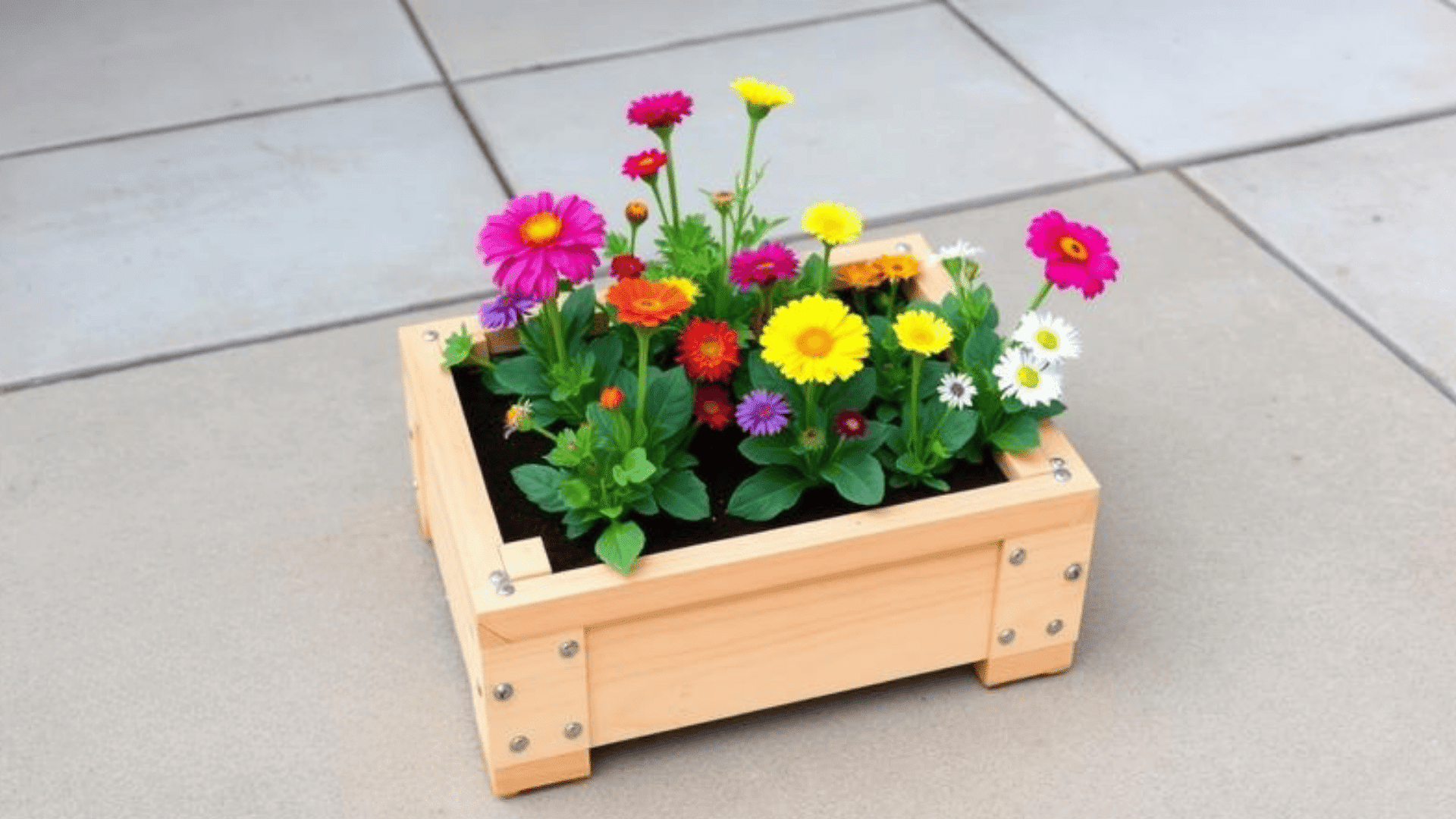
Patios need color, too. Small raised beds bring life to concrete or stone spaces without taking up room. Build compact beds that fit your patio size. Use rot-resistant wood or decorative metal.
These mini beds can move if you rearrange your outdoor furniture. They rank among the most flexible raised flower bed ideas for tight spaces.
DIY Steps:
- Cut wood or metal to make a bed about 2 feet square and 12 inches deep.
- Drill drainage holes in the bottom if placing on solid ground. Line with landscape fabric.
- Fill with potting soil. Plant colorful annuals that bloom all season long.
Maintenance Tip: Water daily in hot weather since small beds dry out faster than large ones.
11. Raised Flower Bed With Trellis
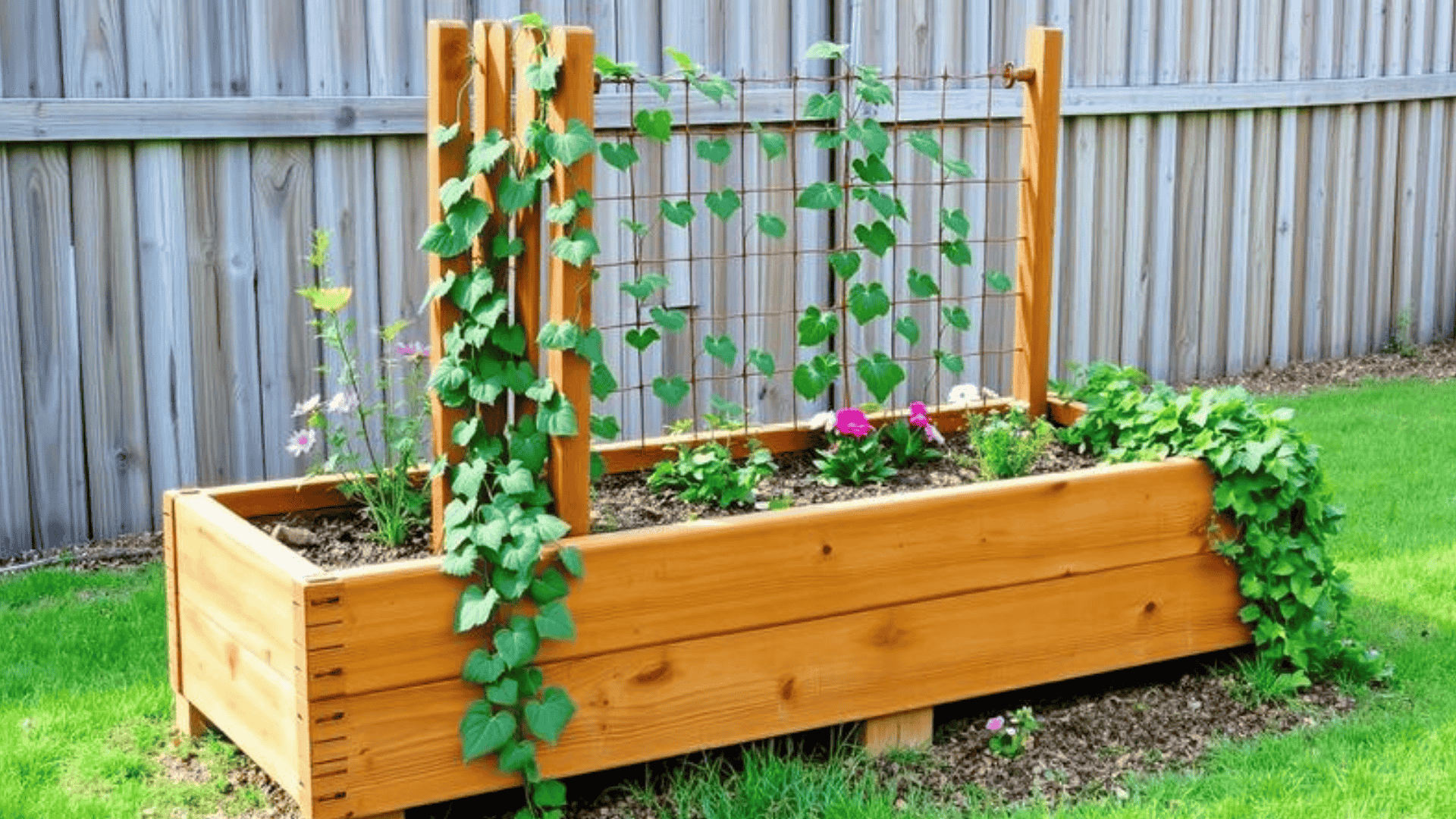
Adding a trellis gives climbing flowers room to grow up instead of out. This saves space and adds vertical beauty. Attach a trellis to one side of the bed. Plant climbers like clematis or morning glories at the base.
The trellis can also provide shade for shorter flowers below. This combines two garden features into one of the most practical raised flower bed ideas.
DIY Steps:
- Build your raised bed as usual. Attach a wooden or metal trellis to the back using brackets.
- Make sure the trellis is stable. Bury support posts 12 inches deep for strength.
- Plant climbing flowers near the trellis. Add shorter flowers in front for a layered effect.
Maintenance Tip: Guide vines onto the trellis as they grow to prevent tangling.
12. Pollinator-Friendly Raised Flower Bed
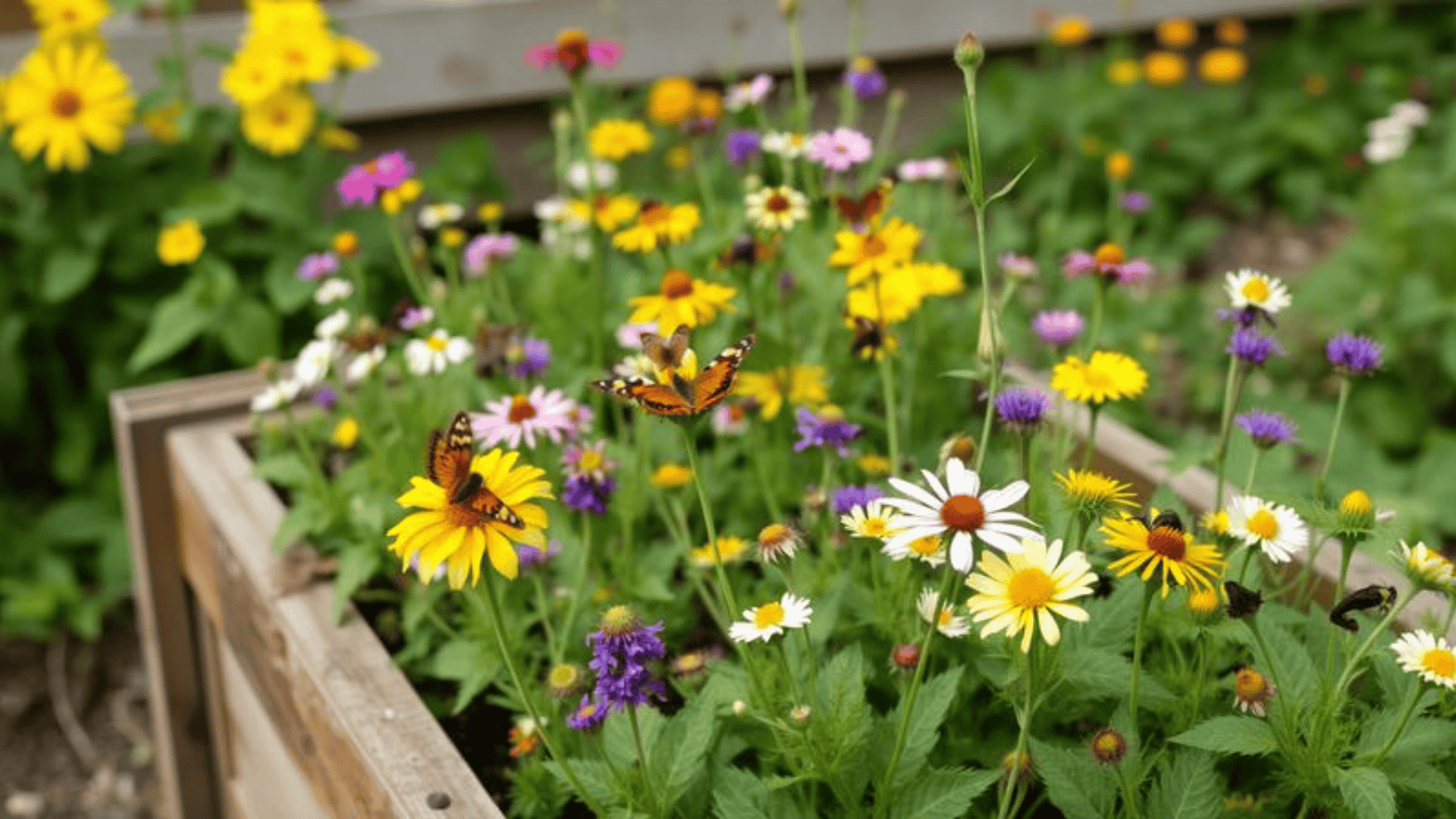
Help bees and butterflies thrive by planting flowers they love. A pollinator bed supports local wildlife and keeps your garden healthy. Choose native flowers that bloom from spring to fall.
Include a variety of colors and shapes to attract different pollinators. Avoid pesticides to keep insects safe. This is one of the most eco-friendly raised flower bed ideas you can create.
DIY Steps:
- Build a standard raised bed in a sunny spot. Pollinators prefer sun-loving flowers.
- Fill with organic soil and compost. Mix in native wildflower seeds or seedlings.
- Plant in clusters rather than single stems. This makes it easier for pollinators to find food.
Maintenance Tip: Leave some dead flower heads over winter as shelter for beneficial insects.
13. Cut Flower Raised Bed
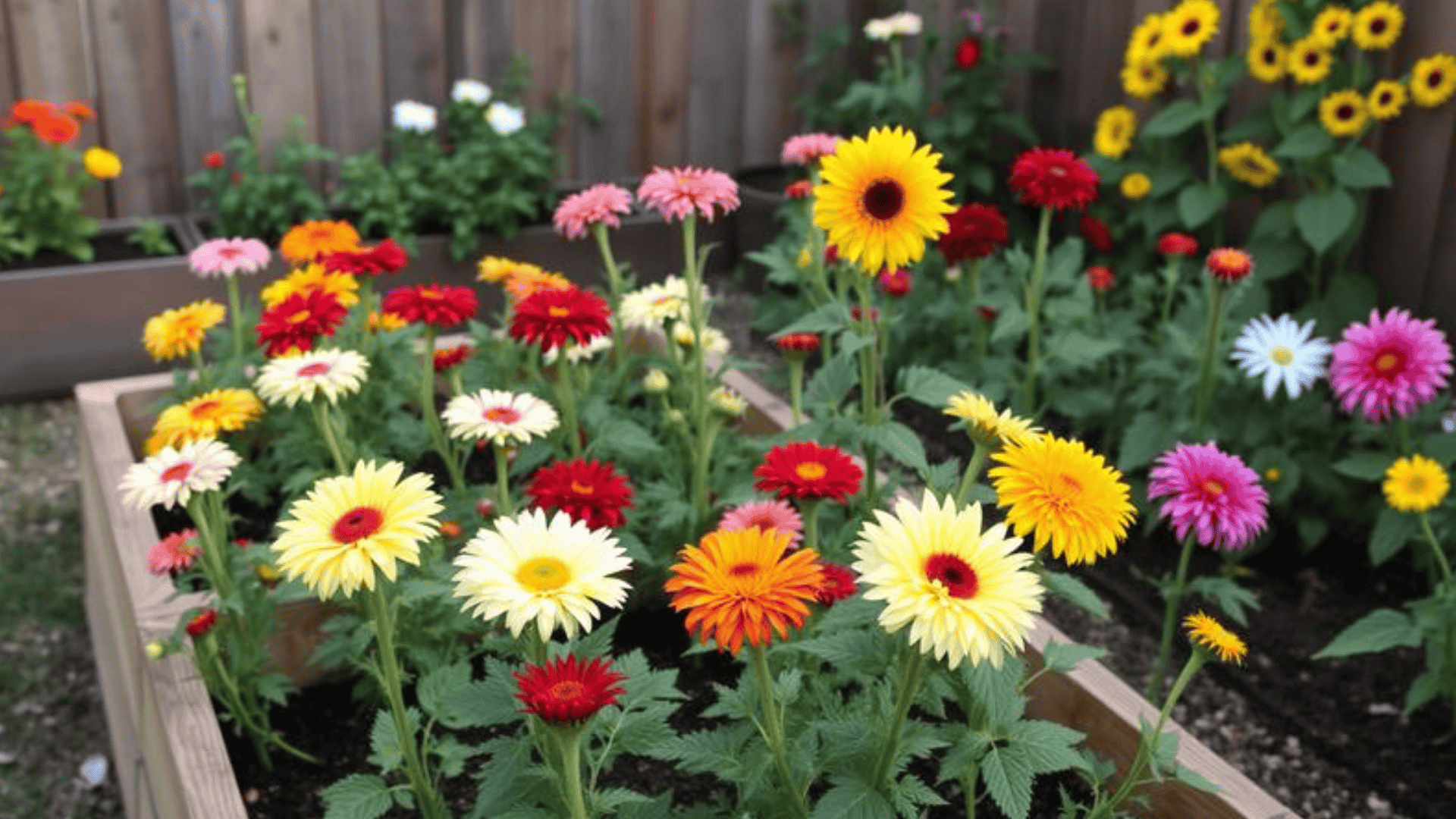
Grow your own bouquets at home. A cut flower bed gives you fresh blooms for vases all season. Plant flowers known for long vase life. Zinnias, sunflowers, and dahlias are top picks.
Harvest in the morning when stems hold the most water. This practical setup is among the most rewarding raised flower bed ideas for flower lovers.
DIY Steps:
- Build a bed at least 4 feet long for plenty of cutting space. Use good drainage soil.
- Plant flowers in rows for easy access to cut flowers. Space them as the seed packet suggests.
- Cut stems at an angle and place them in water right away for the longest vase life.
Maintenance Tip: Deadhead regularly to encourage more blooms throughout the growing season.
14. Low-Maintenance Raised Flower Bed
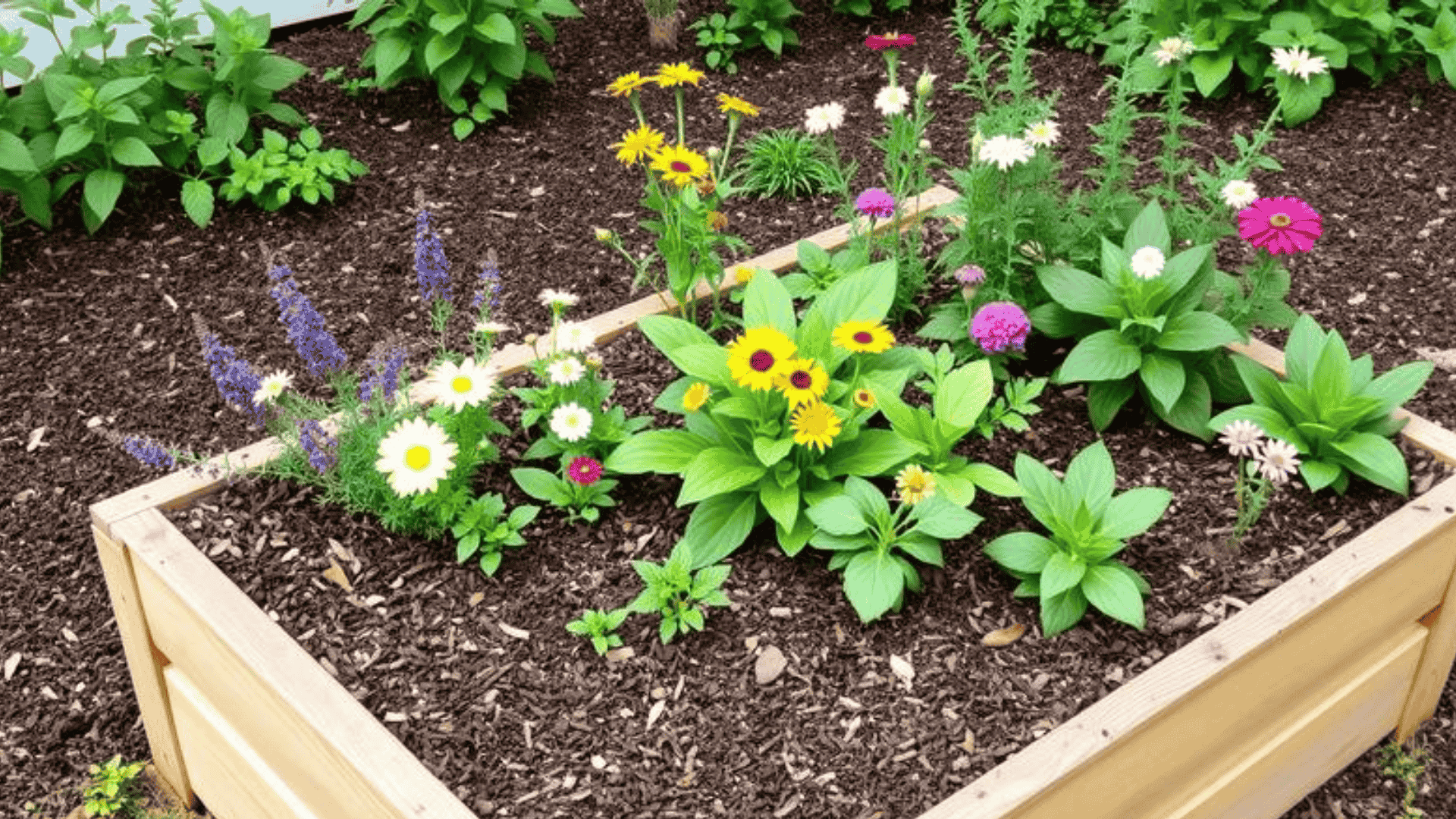
Not everyone has time for constant garden care. Low-maintenance beds give you beauty without the work.
Choose perennials that come back each year. Add mulch to reduce weeds. Pick drought-tolerant plants that need less water. This is one of the easiest raised flower bed ideas for busy homeowners.
DIY Steps:
- Build your bed and fill it with soil mixed with compost. Add a thick layer of mulch on top.
- Plant hardy perennials like coneflowers, sedums, and daylilies. Space them properly so they fill in.
- Water deeply once a week until plants establish. After that, they mostly care for themselves.
Maintenance Tip: Refresh mulch once a year in spring to keep weeds down.
15. Mixed Annual and Perennial Raised Bed

Combining annuals and perennials gives you color now and later. Perennials return each year while annuals fill gaps with bright blooms.
This mix keeps your bed interesting through every season. Perennials provide structure. Annuals add quick color changes. It is one of the most versatile raised flower bed ideas for changing looks.
DIY Steps:
- Build a bed in full sun. Fill with nutrient-rich soil since you will have many plant types.
- Plant perennials first. They need room to spread over time.
- Fill open spaces with annuals. Change them each year for a fresh look.
Maintenance Tip: Divide perennials every three years to keep them healthy and blooming well.
16. Color-Themed Raised Flower Bed
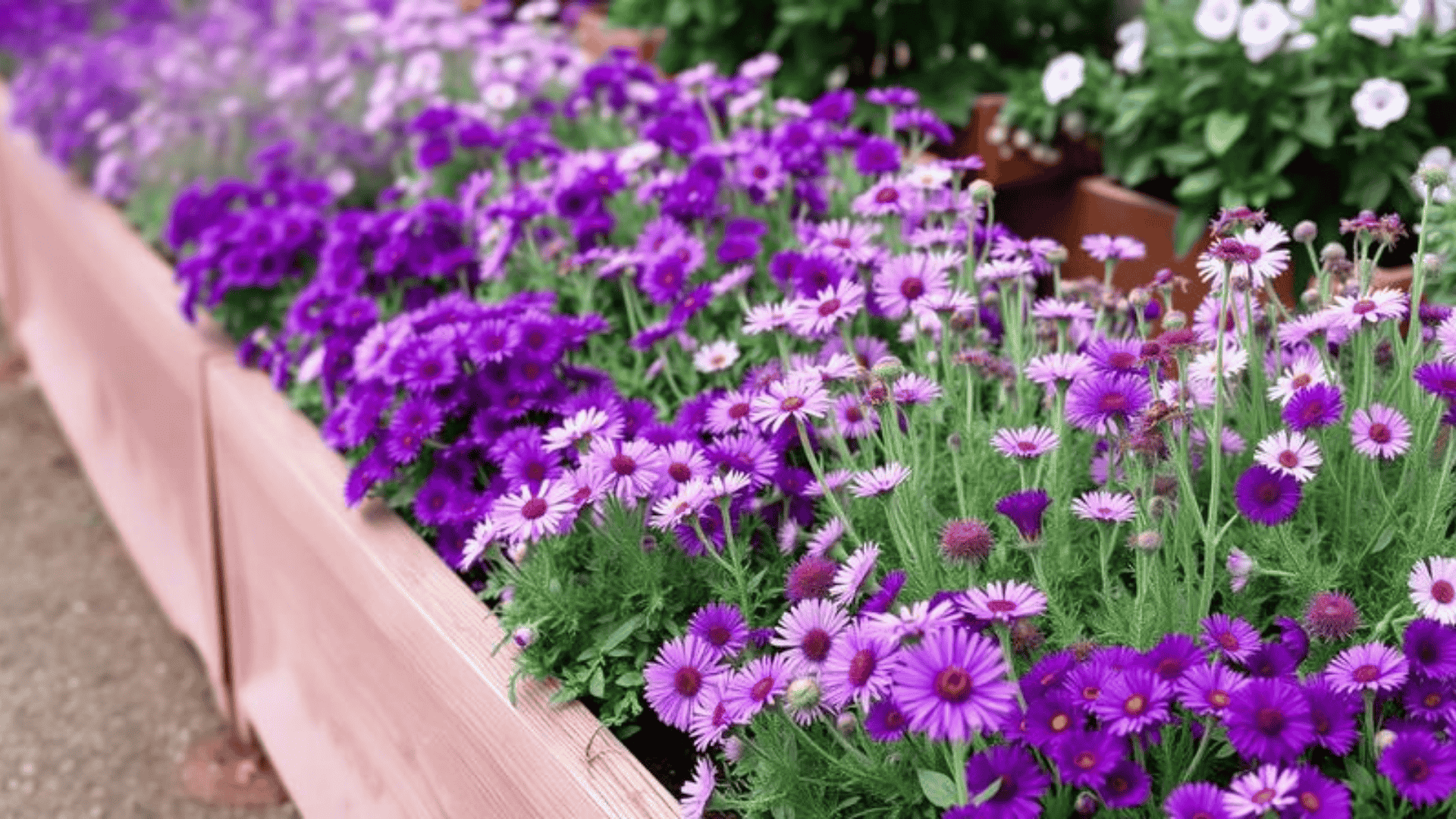
Pick one color and run with it. Color themes make bold statements and make design choices easier. You might choose all purple flowers or an all-white garden.
Single-color beds look organized and intentional. They stand out more than mixed rainbow beds. This focused approach is among the most striking raised-flower-bed ideas.
DIY Steps:
- Build your bed and pick your color theme. Research flowers in that color family.
- Choose three to five flower types in your chosen shade. Include different bloom times.
- Plant in groups of odd numbers for a natural look. Water and fertilize as needed.
Maintenance Tip: Remove any flowers that do not match your color scheme to keep the theme strong.
17. Raised Flower Bed Using Recycled Materials
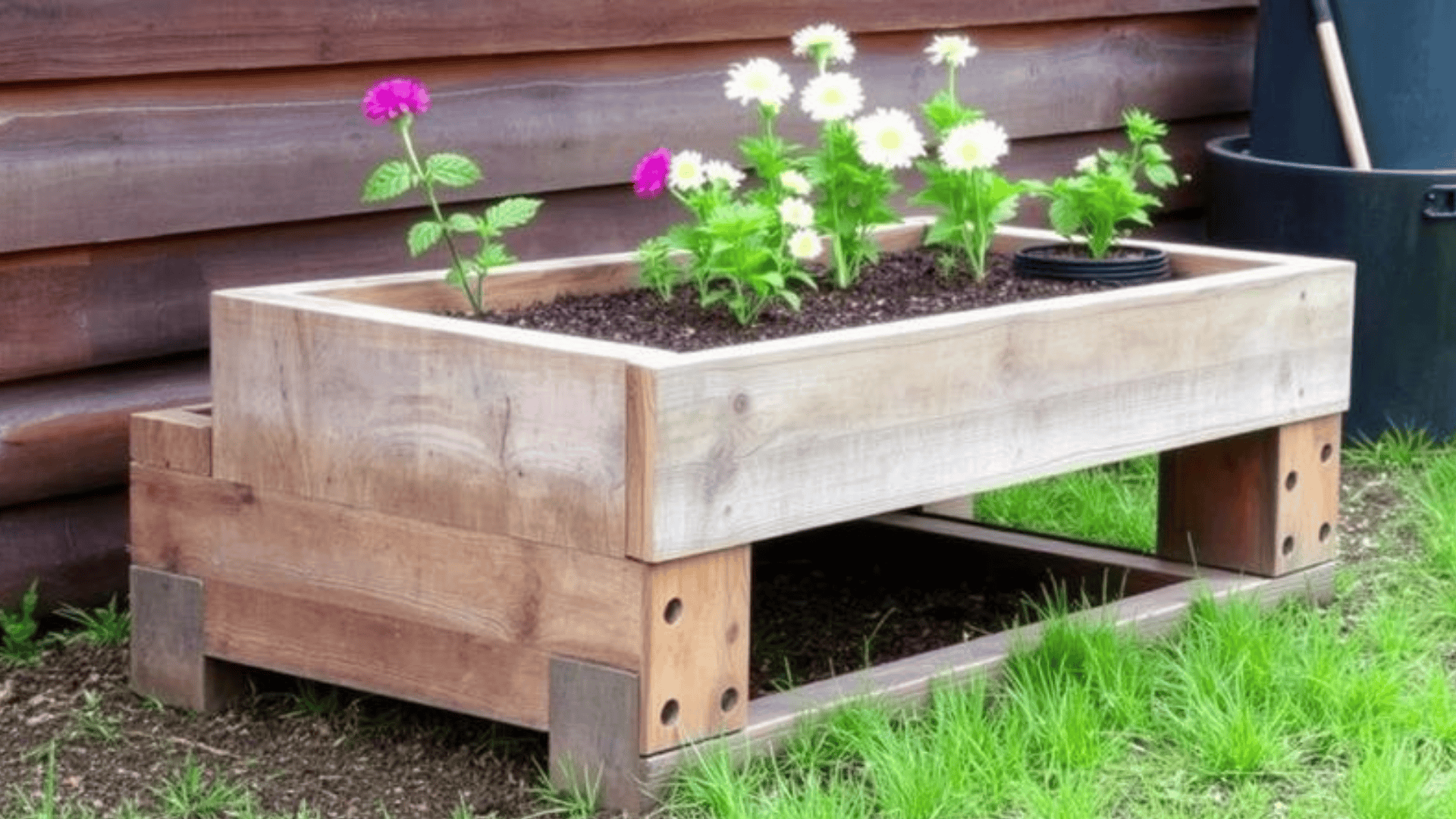
Save money and help the planet by using salvaged materials. Old pallets, bricks, and stones work great for raised beds. Check construction sites or online marketplaces for free materials.
Clean everything before use. Recycled beds have character that new materials lack. This earth-friendly option tops the list of budget-friendly flower bed ideas.
DIY Steps:
- Gather clean recycled materials, such as pallet wood or old bricks. Inspect for nails or splinters.
- Build your frame using whatever material you found. Secure boards with screws or stack stones firmly.
- Fill with soil and plant as usual. The bed functions the same as one made with new materials.
Maintenance Tip: Check recycled wood for rot more often than new lumber and replace boards as needed.
18. Deep Raised Flower Bed for Perennials
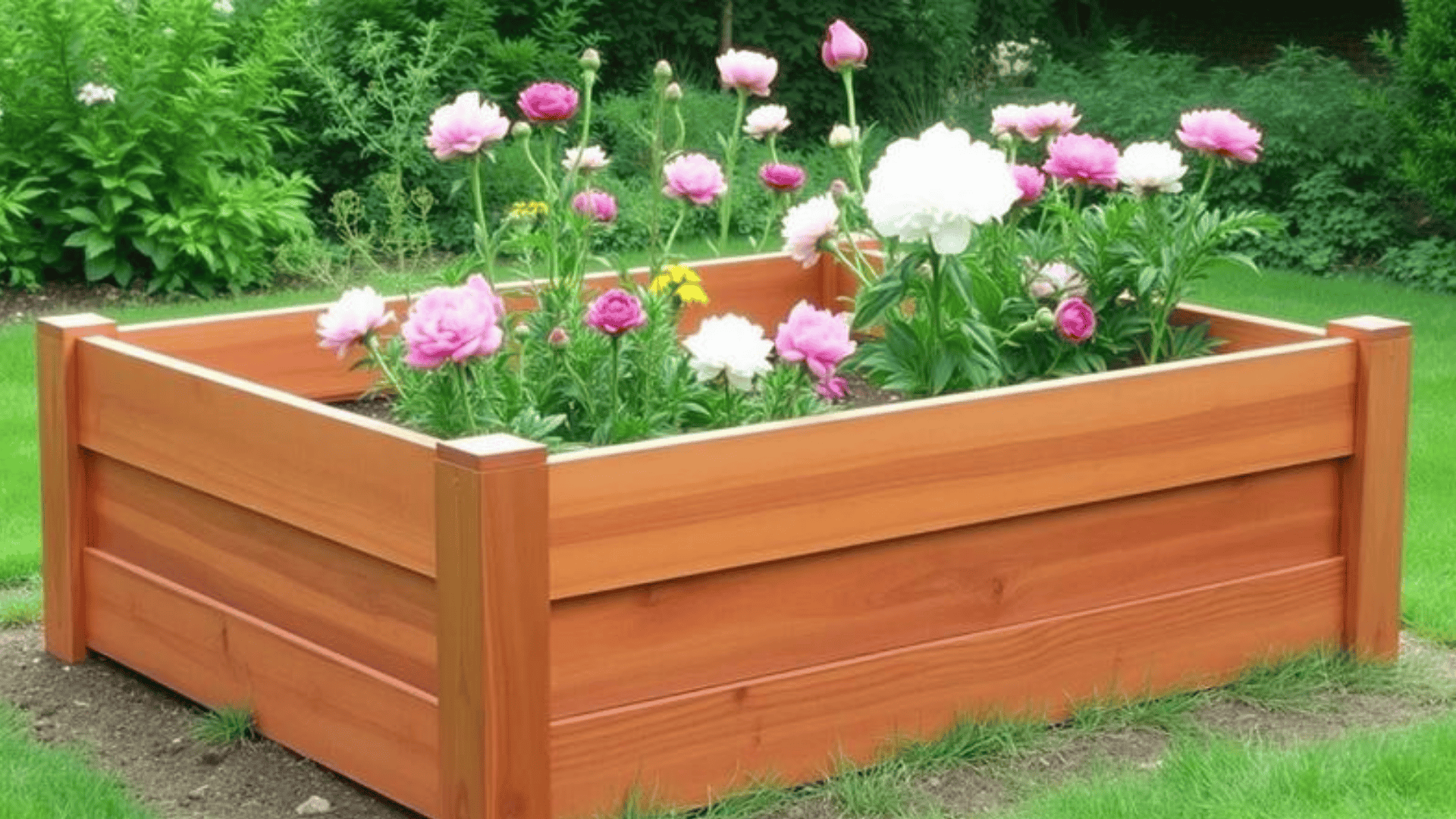
Perennials need deep roots. A tall bed gives them room to grow strong and healthy. Build beds at least 18 inches deep for perennials like peonies and irises. Deep soil stays moist longer.
It also provides better insulation in winter. This is one of the best raised flower bed ideas for serious perennial growers.
DIY Steps:
- Build a frame 18 to 24 inches tall. Use sturdy lumber that can handle the soil weight.
- Fill the bottom 6 inches with coarse material for drainage. Add quality soil on top.
- Plant perennials at the depth they prefer. Water deeply to help roots reach down.
Maintenance Tip: Top-dress with compost each spring to replenish nutrients in deep soil.
19. Raised Flower Bed With Gravel Base
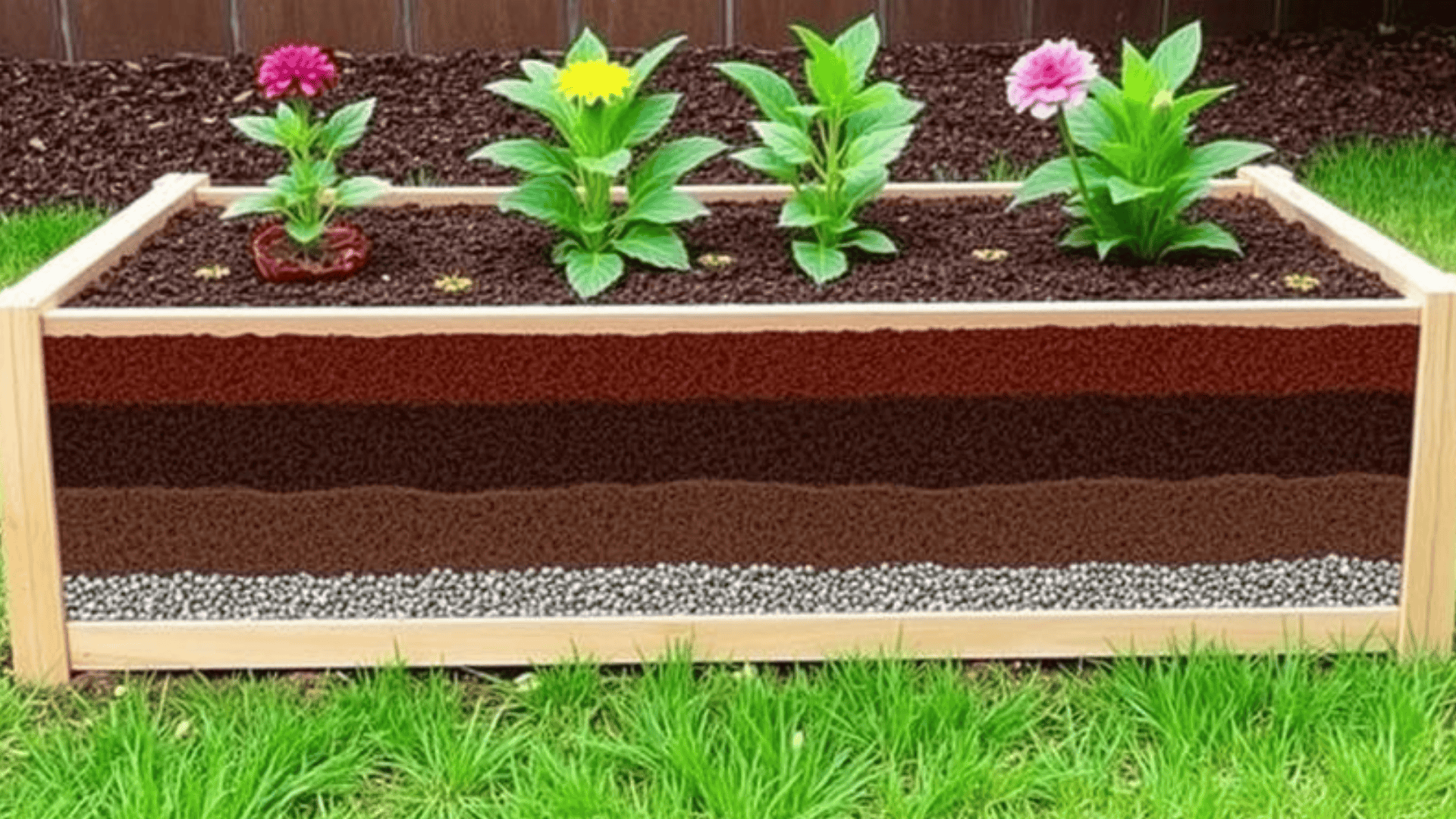
A gravel base improves drainage and prevents water from pooling. This keeps roots healthy in wet climates.
Lay gravel before adding soil. This creates a barrier between the ground soil and your bed. Excess water drains away instead of sitting. It is one of the smartest raised flower bed ideas for rainy regions.
DIY Steps:
- Build your frame and set it in place. Spread 2 to 3 inches of gravel inside the frame.
- Cover the gravel with landscape fabric to keep soil from mixing in. Cut slits for drainage.
- Add your planting soil on top. Plant flowers that like good drainage, like lavender or salvia.
Maintenance Tip: Check drainage holes annually and clear any clogs caused by roots or debris.
20. Raised Flower Bed for Shade Gardens
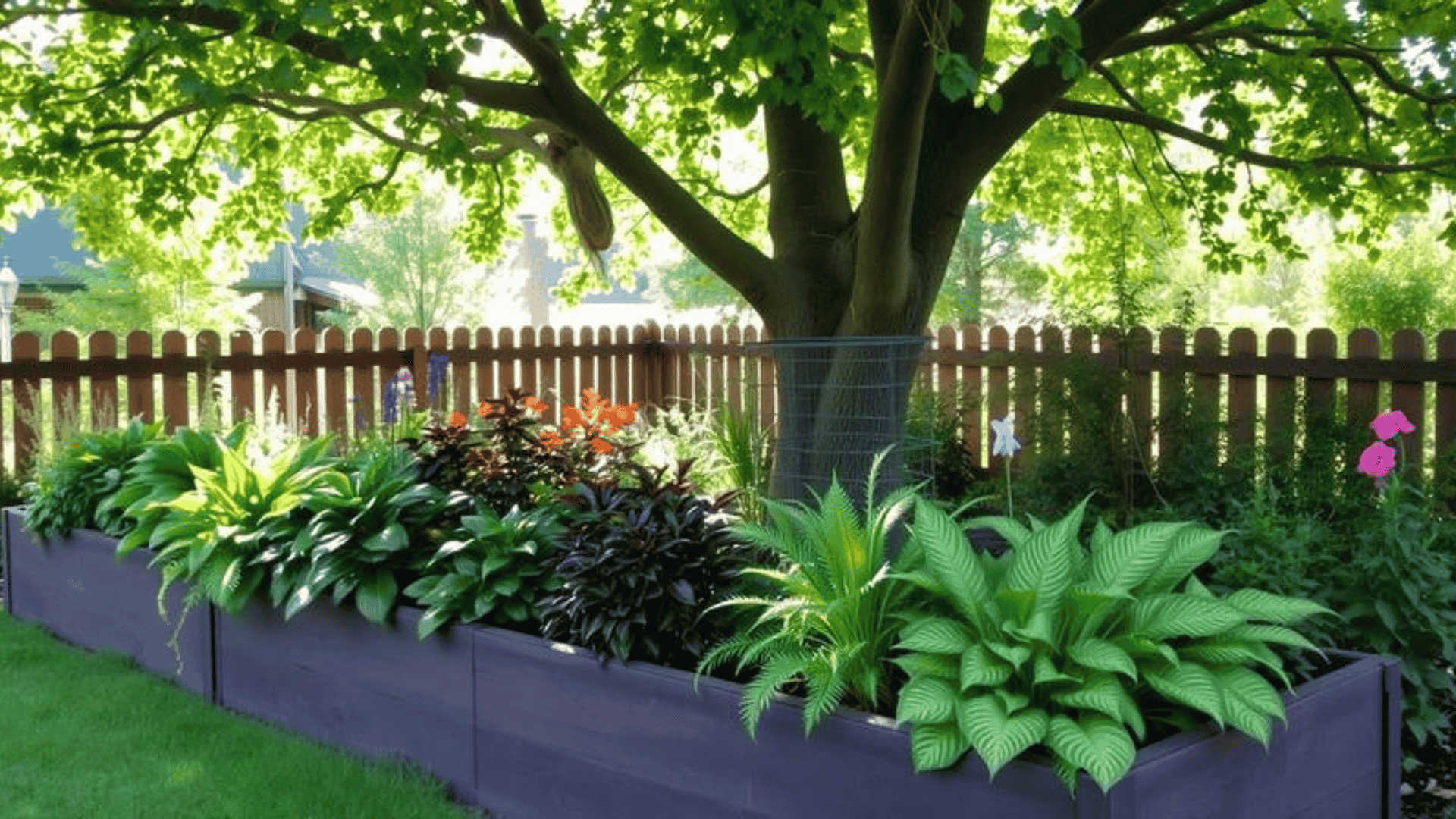
Not all yards get full sun. Shade beds let you grow beautiful flowers under trees or near buildings. Pick shade-loving plants like hostas, ferns, and astilbes.
They need less light but still want good soil. Raised beds help in shady spots where the ground soil is often poor. This is among the most useful raised flower bed ideas for woodland settings.
DIY Steps:
- Build your bed in a spot that gets morning sun or dappled shade. Avoid deep full shade.
- Fill with rich organic soil. Shade plants love soil high in compost.
- Plant shade perennials and ferns. Water regularly since tree roots compete for moisture.
Maintenance Tip: Add leaf mulch in fall to mimic the forest floor and feed the soil naturally.
21. Entryway Raised Flower Bed
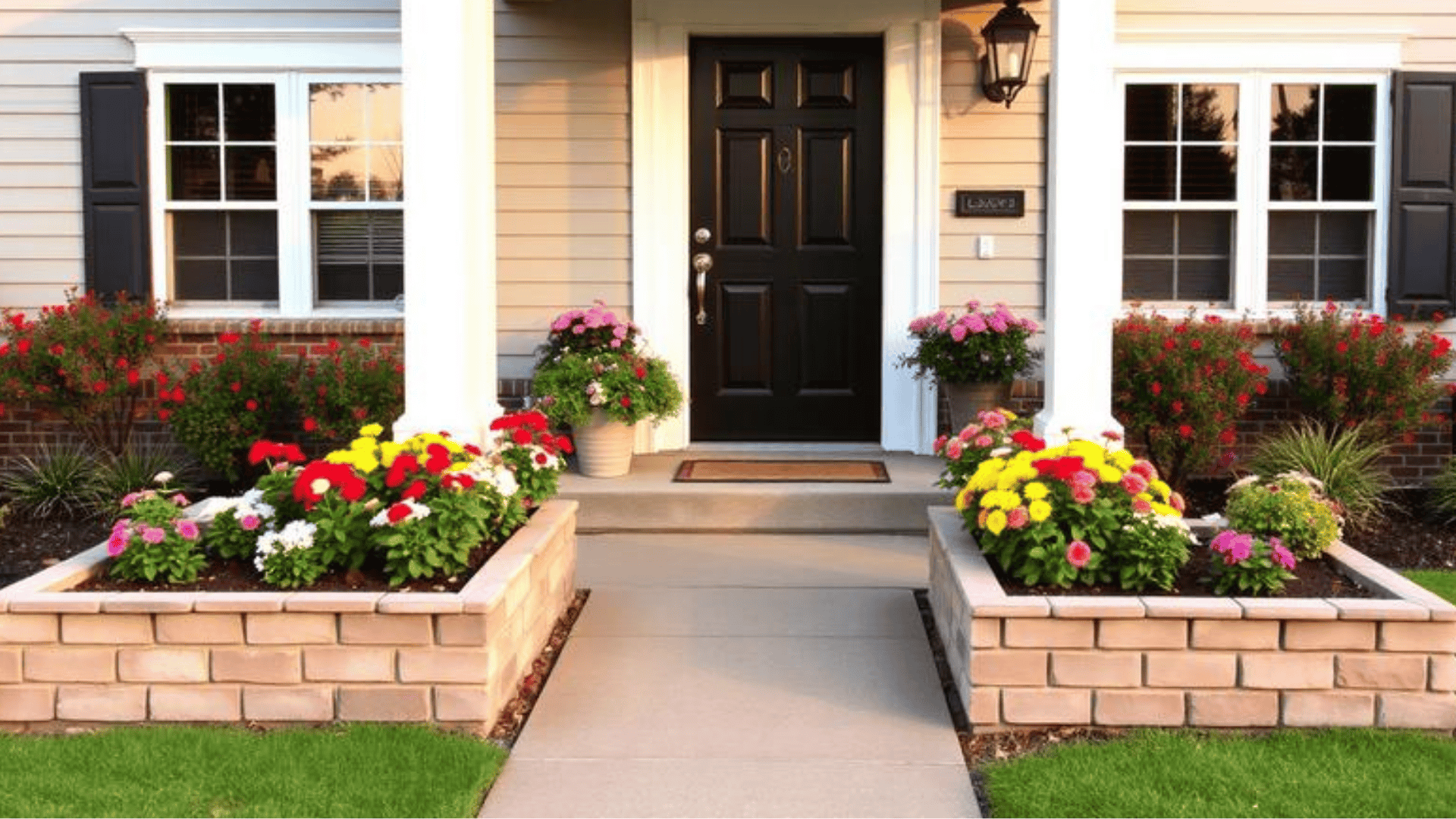
Keep these beds low-maintenance since they represent your home. Choose reliable bloomers that look good for months. Symmetrical designs work well near doors. This is one of the most important raised flower bed ideas for curb appeal.
DIY Steps:
- Build matching beds on both sides of your door or a single bed along the walkway.
- Fill with quality soil. Plant a mix of evergreens for structure and annuals for seasonal color.
- Add a layer of decorative mulch for a finished look. Install small solar lights for nighttime appeal.
Maintenance Tip: Deadhead spent blooms weekly to keep the entryway looking its best.
Seasonal Care Tips for Raised Flower Beds
Raised beds need different care throughout the year. Here’s what to do each season to keep your raised flower bed ideas thriving.
| Season | Care Tasks |
|---|---|
| Spring Care | Remove old mulch. Add compost. Plant new flowers and fertilize. |
| Summer Care | Water deeply in the mornings. Mulch to keep soil cool. Deadhead blooms. |
| Fall Care | Cut back dead plants. Add compost. Plant spring bulbs. |
| Winter Protection | Apply 3 to 4 inches of mulch. Cover tender plants. Water only if dry. |
How to Arrange Flowers in Raised Beds?
Use the thriller, filler, spiller method for best results. Plant tall flowers in the back, medium ones in the middle, and trailing plants at the edges. Layer by height so all plants get sunlight.
Plan bloom times by mixing early- and late-bloomers for continuous color. Coordinate colors using two or three shades that complement each other.
Plant in odd-numbered groups for natural appeal. Cool colors like blue and purple feel calming. Warm colors like red and orange add excitement.
Sketch your layout before planting to see how everything fits together in your raised flower bed ideas.
Wrapping It Up
Raised flower beds change any yard into a colorful, manageable garden space. You now have raised-flower-bed ideas to choose from, each with clear steps for building your own.
Start with a simple wooden bed if you’re new to gardening. Try tiered designs for slopes or corner beds for small spaces. The key is picking a design that fits your yard and skill level.
Good soil, proper drainage, and seasonal care keep your flowers blooming strong.
Remember to layer plants by height and plan for continuous color throughout the growing season.
Ready to start building? Pick one design from this list and gather your materials this weekend. Your dream flower garden is just a few hours of work away. Share your results in the comments below!