Exterior wood doors have a timeless appeal that no other material quite matches. From rich grain patterns to natural warmth and the ability to customize nearly every detail, wood doors continue to be a favorite among homeowners who value both beauty and craftsmanship. Yet, as appealing as they are, wood doors also come with considerations that every homeowner should evaluate before making a purchase.
Whether you’re upgrading your home’s curb appeal or replacing an aging entry door, understanding the strengths and drawbacks of wood doors will help you make the right investment.
The Benefits of Exterior Wood Doors
1. Unmatched Visual Appeal
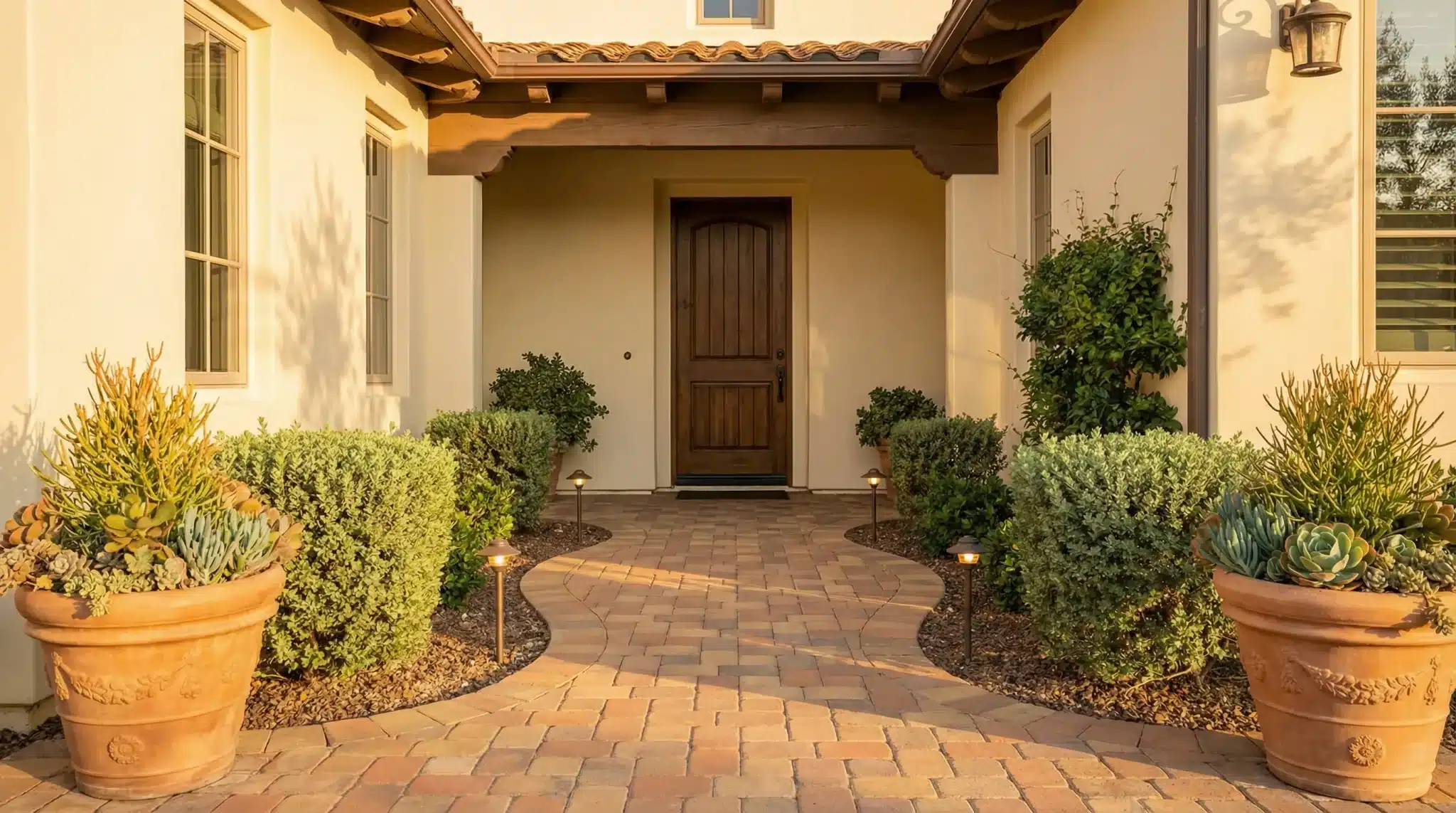
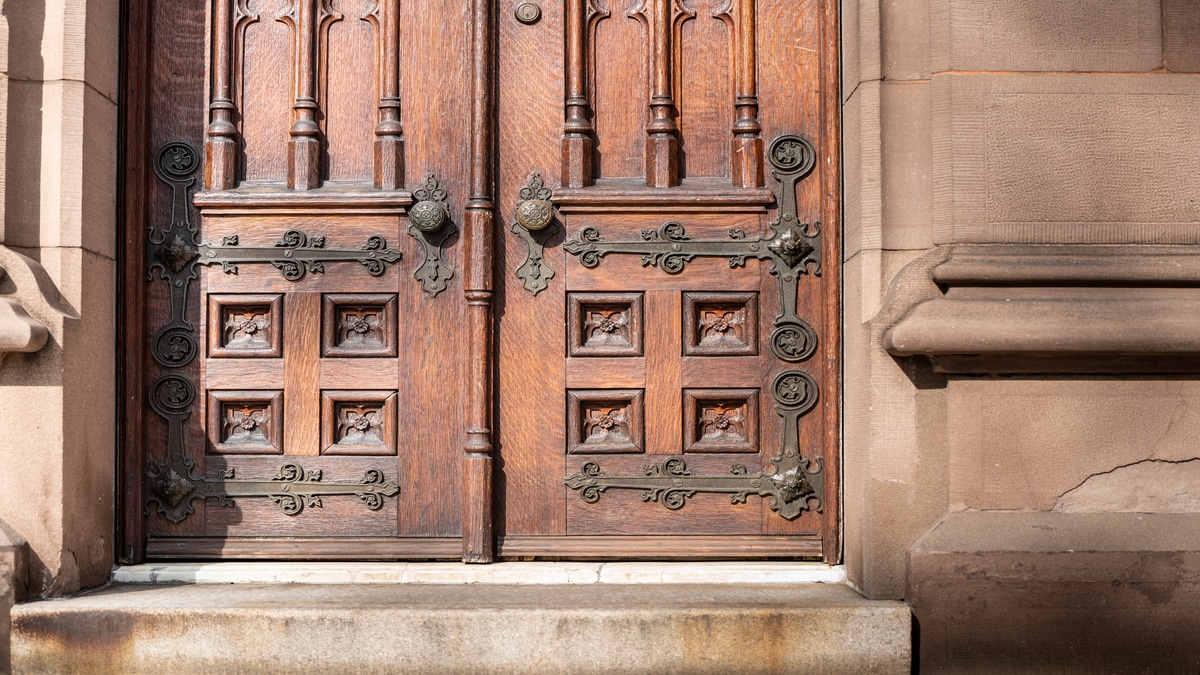
Wood offers natural beauty, warmth, and character. No two pieces are exactly alike, and the rich grains and color variations create a premium look that enhances any home style—from modern to traditional.
2. High Customization
Wood doors can be shaped, stained, carved, painted, and designed with intricate paneling or window inserts. For homeowners who want a “statement entry,” wood offers the broadest design flexibility on the market.
3. Strong Insulating Properties
High-quality wood doors provide solid insulation thanks to wood’s natural density. When properly sealed and maintained, wood doors help reduce heat transfer and support overall energy efficiency.
4. Repairable and Long-Lasting
Unlike steel or fiberglass, which often must be fully replaced when damaged, wood doors can be sanded, refinished, or repaired—making them a long-term investment with proper care.
The Drawbacks of Exterior Wood Doors
1. Higher Maintenance Requirements
Wood expands and contracts with humidity and temperature, which may lead to warping or cracking over time. They require periodic sealing, painting, or staining to maintain durability and appearance.
2. More Vulnerable to Weather Exposure
In regions with heavy rainfall, high humidity, or direct sun exposure, wood doors can weather quickly when not maintained. Homeowners in such areas must be especially diligent with upkeep to prevent moisture damage.
3. Higher Upfront Cost
Wood doors tend to be more expensive than fiberglass or steel alternatives. This cost reflects the material, craftsmanship, and customization but it may not fit all budgets.
4. Potential Security Limitations
While solid wood doors are strong, they can be more susceptible to impact damage compared to reinforced steel. Homeowners seeking maximum security may need upgraded hardware or reinforced installation.
Climate Considerations and Regional Fit
A wood door’s longevity heavily depends on climate. Dry, mild climates are ideal. Coastal or humid areas, meanwhile, require more routine refinishing and protective coatings. This is why some Maryland homeowners start their research by comparing different door types and services related to doors and windows near Aberdeen before deciding on the best fit for their home’s exposure and weather conditions.
How Wood Compares to Other Exterior Door Materials
Wood vs. Fiberglass
Fiberglass doors require less maintenance and are more resistant to weathering. However, they often lack the authenticity and natural feel of real wood.
Wood vs. Steel
Steel doors provide stronger security and lower cost but may dent, scratch, or rust. They are less customizable and can feel “colder” in style.
Wood vs. Composite
Composite doors offer durability and insulation but tend to have fewer options for personalization and character.
Understanding these comparisons helps homeowners choose based on lifestyle, budget, and long-term expectations.
Midway through the decision-making process, many homeowners benefit from browsing practical exterior-upgrade insights, such as exterior home improvement ideas that boost value and comfort, to understand how materials like wood doors fit into broader design trends and long-term home enhancement strategies.
When Wood Doors Make the Most Sense
Wood doors shine in situations where homeowners prioritize beauty, custom design, and craftsmanship. They’re ideal for:
- High-end exterior renovations
- Traditional or historic homes
- Custom architectural designs
- Entryways needing unique sizing or custom features
- Homeowners who enjoy periodic maintenance
According to Home Business Mag, wood remains one of the most desirable entry door materials due to its aesthetics and ability to elevate curb appeal—provided that homeowners commit to the necessary upkeep.
Selecting the Right Wood Door for Your Home
When choosing a wood door, consider:
- Wood species: mahogany, oak, walnut, maple, or pine
- Exposure: covered porch vs. direct sun or rain
- Finish: stain, paint, or natural
- Security: upgraded hinges, deadbolts, and reinforced frames
- Energy efficiency: insulated cores or energy-rated glass inserts
Customization allows you to create a door that fits your home’s architecture perfectly, but it’s important to match the door’s durability to your environment.
Homeowners who prioritize long-term value often consult local experts who specialize in exterior doors near Aberdeen to evaluate the best wood door options for the region’s climate and home styles.
Conclusion
Exterior wood doors offer stunning beauty, natural character, and unmatched customization—qualities that appeal to homeowners who want an elegant and welcoming entryway. However, they also come with maintenance needs, weather considerations, and higher upfront costs.
By weighing the pros and cons and considering your local climate and lifestyle, you can decide whether a wood door is the right investment for your home. With thoughtful selection and proper care, a wood door can provide both charm and durability for years to come.