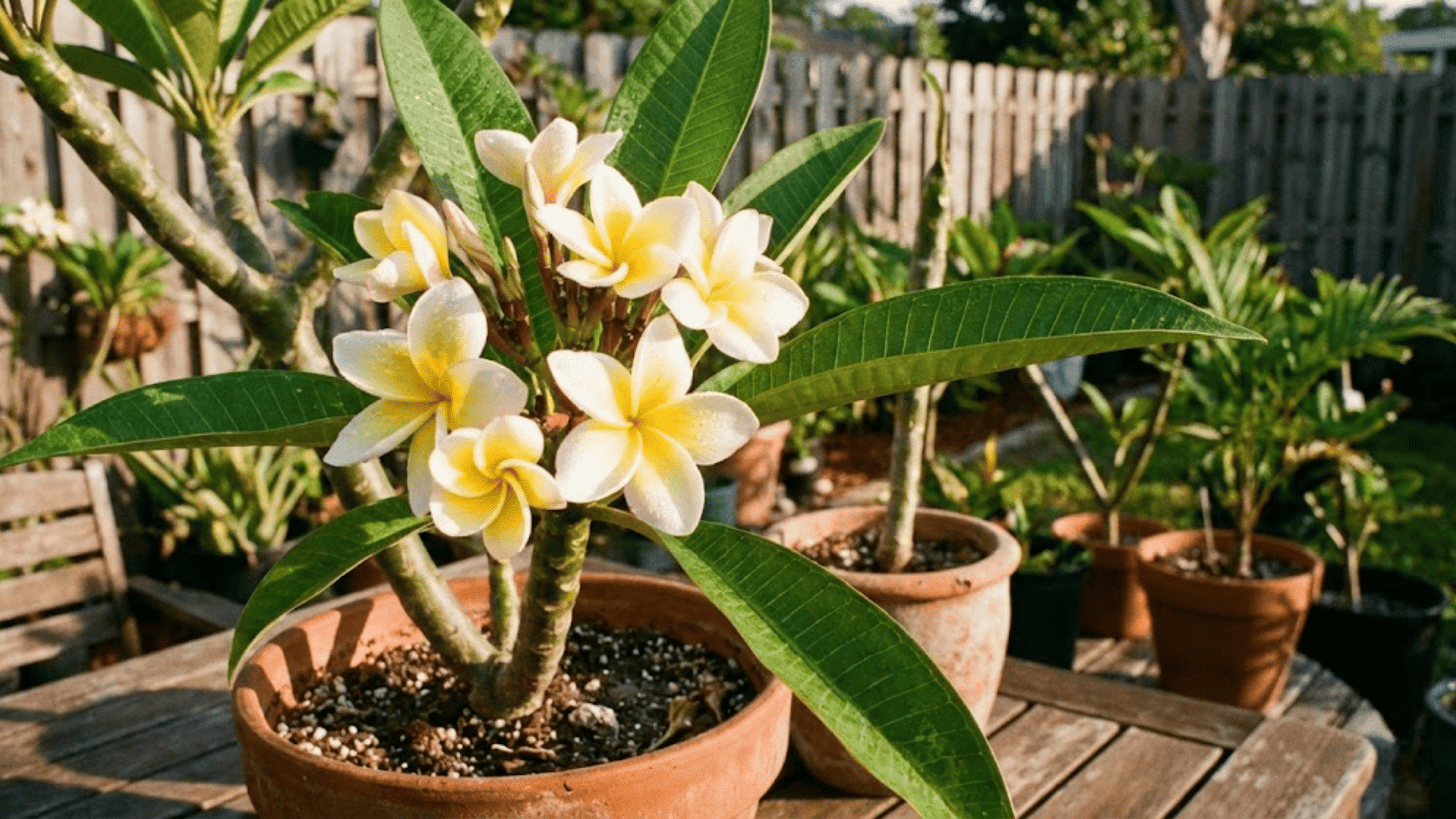
Plumerias are beloved for their spiral blooms and intoxicating scent, but these tropical plants need more than basic watering to truly thrive.
Their sun-soaked origins mean they’re sensitive to seasonal changes, especially when winter rolls around and temperatures start dropping.
Adjusting your plumeria care routine through dormancy and active growth periods keeps your plumeria healthy and blooming abundantly.
You’ll learn what these plants need during each season, how to overwinter them successfully, and which common mistakes to sidestep along the way.
Plumeria Basics: What Every Grower Should Know
Plumerias hail from tropical regions, which explains their love for warmth and complete intolerance to frost.
These plants need their sunshine fix, thriving best with six to eight hours of direct sunlight daily to produce those show-stopping blooms. Without adequate light, you’ll see plenty of foliage but disappointingly few flowers.
Soil drainage matters just as much as sun exposure. Plumerias despise wet feet, so a cactus or succulent mix works beautifully to prevent root rot.
They’re happiest when temperatures hover between 65 and 85 degrees Fahrenheit, which is why winter care becomes crucial for gardeners outside year-round warm climates.
Seasonal Plumeria Plant Care Overview
Plumerias follow nature’s rhythm, shifting between vigorous growth and restful dormancy.
Aligning your plumeria plant care with these natural cycles keeps your plant healthy and blooming beautifully.
Spring: Revival and Growth
Time Period: March through May, once nighttime temperatures consistently stay above 55 degrees Fahrenheit.
This is when your plumeria wakes up from its winter rest. Bring plants out of storage gradually, increasing their light exposure over several days to avoid shock.
Resume regular watering as the soil dries out, and start monthly fertilizing to fuel new growth. You’ll notice leaf buds swelling and stems plumping up as the plant transitions back into active mode.
Summer: Active Growth and Blooming
Time Period: June through August, when warmth and long daylight hours peak.
Flowers appear in full force now, rewarding you with that signature fragrance. Water when the top few inches of soil feel dry, but never let it stay soggy or become completely bone dry.
Switch to a high-phosphorus fertilizer to encourage more blooms rather than just leafy growth. This is when your plant puts on its best show, so consistent care pays off.
Fall: Preparing for Dormancy
Time Period: September through November, as temperatures cool and daylight shortens.
Your plumeria starts winding down naturally. Scale back watering and stop fertilizing altogether, especially anything nitrogen-rich that would push tender new growth vulnerable to cold damage.
Leaves yellowing and dropping is completely normal during this transition, not a sign of trouble. The plant is simply redirecting energy inward for winter survival.
Winter Plumeria Plant Care
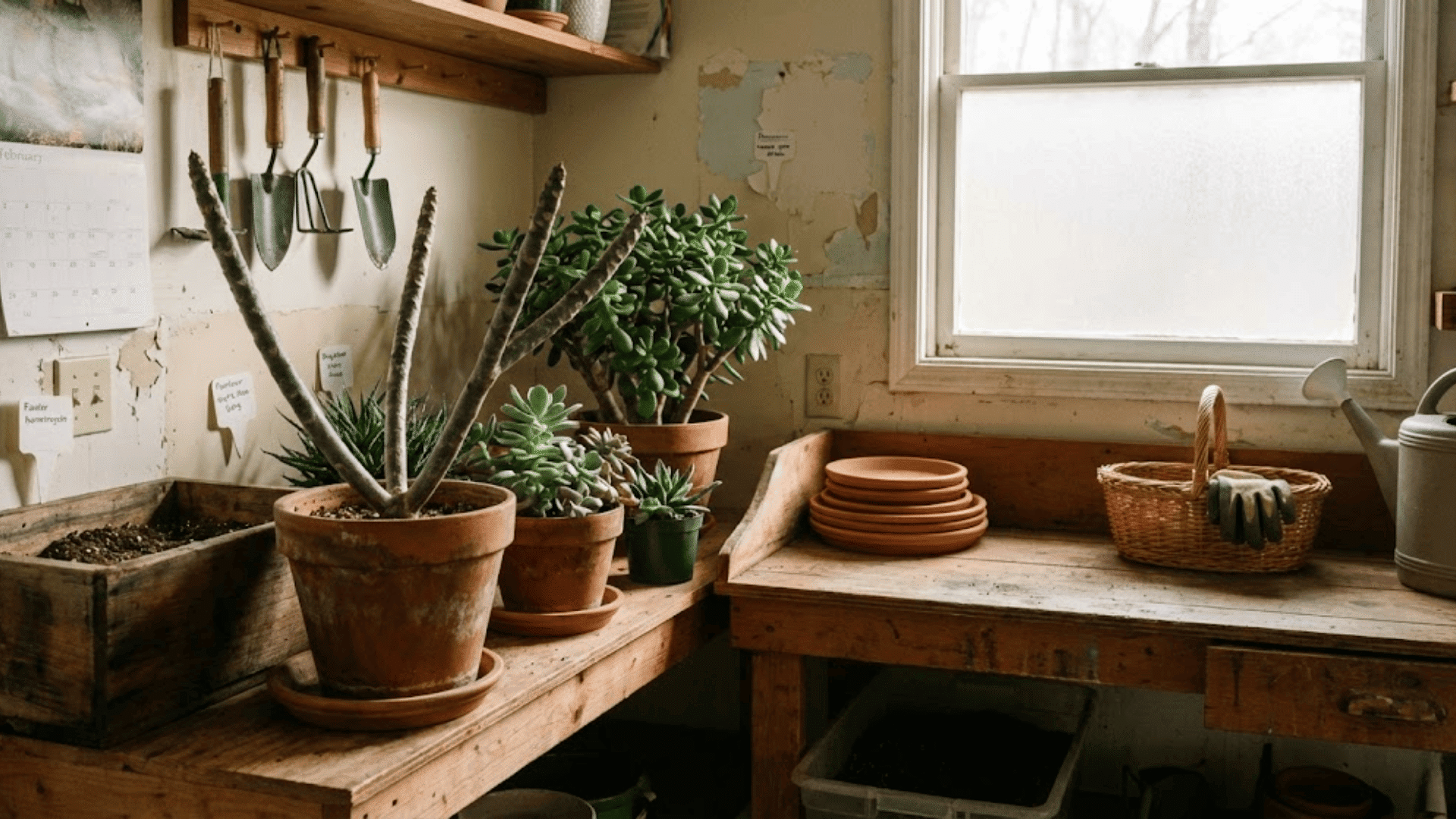
Winter is when plumerias take their well-deserved rest, shedding leaves and conserving energy until warmer days return.
Knowing how to support them through dormancy prevents damage and sets the stage for vigorous spring growth.
1. Understanding Dormancy
Plumerias naturally slow down when temperatures drop and daylight shrinks. Leaves turn yellow and fall off as the plant redirects resources away from foliage and into its roots and stems. This isn’t a problem, it’s protection.
Dormancy helps your plumeria survive cold conditions it would never encounter in its native tropical habitat, essentially hitting pause until the environment becomes favorable again.
2. Temperature Thresholds: When to Act?
Watching the thermometer helps you time your winter preparations perfectly.
| Temperature Range | Plant Response | Action Needed |
|---|---|---|
| Below 50°F (10°C) | Dormancy begins, leaf drop starts | Reduce watering, stop fertilizing |
| Below 40°F (4–5°C) | Frost damage risk increases | Move indoors or insulate immediately |
3. Overwintering Container Plumerias
Moving potted plants indoors before the first freeze gives you complete control over their winter environment.
- Step 1: Bring your plumeria inside once nighttime temperatures consistently dip near 50 degrees, well before any frost threatens.
- Step 2: Choose a cool, dry location like a garage, basement, or spare room where temps stay above freezing but don’t need heating.
- Step 3: Remove any remaining leaves to prevent pest issues and fungal growth during storage.
- Step 4: Place the pot somewhere it won’t be disturbed until spring, with no watering or light required during full dormancy.
4. Overwintering In-Ground Plumerias
In-ground plants need either relocation or heavy protection to survive freezing temperatures.
- Step 1: Decide whether to dig up your plumeria and pot it for indoor storage, or protect it in place with insulation.
- Step 2: If digging up, do so before the first frost and replant in a container with well-draining soil, then follow container overwintering steps.
- Step 3: If leaving in ground, pile thick mulch around the base and wrap branches in frost cloth or burlap for protection.
- Step 4: Add outdoor string lights beneath the wrapping to generate gentle ambient warmth during cold snaps.
5. Winter Watering and Feeding
Stop all fertilizer once dormancy begins and don’t resume until spring growth appears. Watering becomes minimal to nonexistent. Most growers completely stop watering dormant plumerias, especially those stored in cool locations.
If your storage area is warm and dry, check monthly for shriveling stems and offer a tiny drink if needed, but err on the side of too little rather than too much.
6. Airflow, Pests and Disease Prevention
Indoor storage can invite unwanted guests if conditions get stale. Remove all remaining leaves before bringing plants inside to eliminate hiding spots for pests and prevent fungal problems from decaying foliage.
Keep air circulating around stored plants to discourage spider mites, which thrive in still, dry indoor environments. A small fan running occasionally helps more than you’d expect.
Plumeria Care: Common Problems & How to Fix Them
Even with careful attention, plumerias can run into trouble during seasonal transitions. Recognizing these issues early and responding correctly saves your plant from lasting damage.
Challenge 1: Mushy stems: frost injury or overwatering rot?
Solution: Check the roots and soil moisture. Rot smells foul and spreads from soggy soil, while cold damage affects exposed areas first and the soil stays relatively dry.
Challenge 2: Stems shriveling during winter storage period.
Solution: If temperatures are above freezing, offer a small drink of water, just enough to plump the stems slightly without soaking the soil.
Challenge 3: Spider mites and scale thriving in still air.
Solution:Remove all leaves before storage and keep air circulating with a small fan. Inspect stems monthly and wipe down with rubbing alcohol if you spot any pests.
Final Thoughts
Plumeria care really comes down to paying attention and adjusting as the year unfolds.
Once you get the hang of when to water more, when to pull back, and how to handle those chilly months, everything else falls into place. Your plant will tell you what it needs if you know what to look for.
Watching those first blooms open after a long winter makes all the effort worthwhile. That fragrance alone is enough reason to get seasonal care right.
Have your own plumeria stories or questions about keeping yours happy? Drop a comment and let’s chat.