When Root Bound Palms Actually Need Repotting (Spoiler: Not Every Time You See a Root)
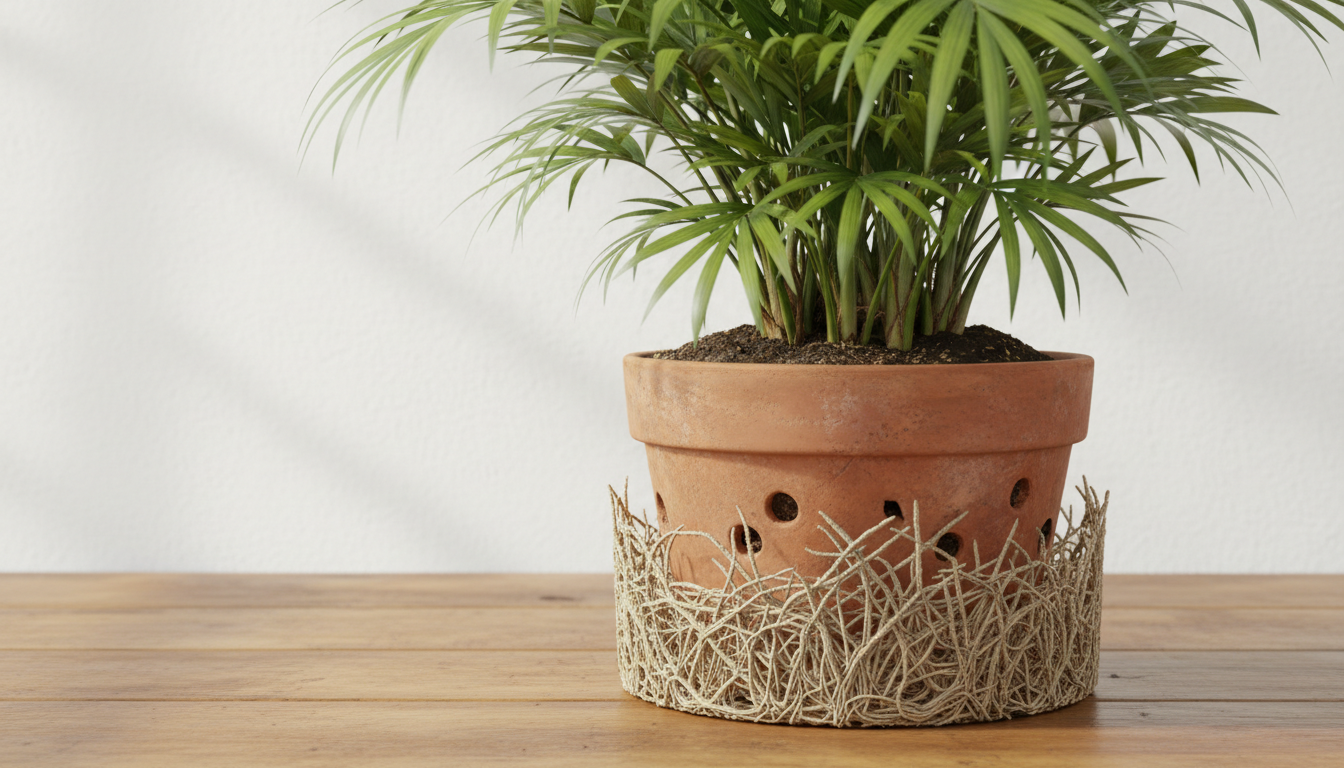
If you’ve ever spotted roots sneaking out of the drainage holes and immediately felt the urge to run to the store for a bigger pot… hi, you’re my people.
But palms? Palms are weird little divas in the best way. Most of them actually like being a bit snug. Their roots are more fibrous and stringy than the thick, beefy roots some houseplants throw out, so a “crowded” pot doesn’t automatically mean “panic.”
The real trick is learning the difference between:
- “I’m cozy and thriving”
and
- “I’m cramped and quietly plotting my demise.”
Let’s get you reading your palm’s signals like you’re in a very leafy detective show.
First: Don’t Repot Just Because You Saw Roots
Seeing roots at the bottom is often just your palm doing normal palm things. What matters is whether the plant is still functioning like a normal, happy houseplant drinking water properly, staying stable, and pushing new growth.
Here are my three favorite “do I actually have a problem?” checks that don’t require you to fully unearth your plant like an archaeologist.
The 3 Quick Checks (No Trauma Required)
- Drainage check: Water your palm. You want water to come out of the drainage holes pretty quickly (like within a minute-ish). If it sits on top forever or drains in a weird, angry trickle, something’s up.
- Stability check: Grab the pot (not the fronds never the fronds) and gently wiggle. If the whole plant wobbles like a toddler in rain boots, it may be too top heavy or root packed.
- Pressure check: Look at the pot itself. Bulging sides? Cracks? Soil/root mass lifting up above the rim like a muffin top? That’s not “cute snug,” that’s “container hostage situation.”
If you do decide to peek, slide the root ball out carefully and support the base. Please don’t yank on the fronds unless you enjoy heartbreak.
The “Root Bound” Stages (Because Not All Tight Pots Are Bad)
I like thinking of root binding in three stages. It keeps you from repotting out of guilt (or boredom… I’ve been there).
Stage 1: Cozy + Fine (Leave It Alone)
Roots are peeking out the bottom. Maybe you see a few around the edges. But:
- water still drains normally
- your palm is still putting out new fronds
- the pot isn’t deforming
This is the stage where palms are often happiest. Personally? I consider Stage 1 a win. Less repotting for you, less disruption for your palm. Everybody lives.
Stage 2: Getting Crowded (Watch Closely)
Now you’re seeing things like:
- lots of roots circling when you slide it out
- growth slowing down (fewer/new fronds taking forever)
- watering gets weird: either it runs straight through without soaking OR it pools on top like the soil has decided it’s waterproof
Quick little test: push your finger a couple inches into the soil. If you hit solid root mass almost immediately, you’re in the “okay… noted” zone.
This stage doesn’t always mean “repot today.” It means “pay attention and don’t ignore the weird watering.”
Stage 3: Not Fine (Act Now)
This is where I stop being chill. Stage 3 looks like:
- stunted growth (like… nothing is happening)
- soil that seems exhausted/compacted and never behaves right
- the pot cracking or bulging
- soil/root ball rising above the rim
- the plant getting dangerously top heavy
At this point, repotting isn’t you being extra. It’s you being a responsible plant parent.
Which Palms Can Stay Snug Forever (And Which Ones Get Restless)
Some palms are basically the introverts of the plant world: don’t touch them, don’t move them, don’t make it a whole thing.
In my experience (and from what I see over and over), these tend to tolerate tight pots really well so you can match palms to light:
- Ponytail “palms” (not technically a palm, but still acts like one emotionally): loves being left alone
- Kentia and Rhapis: slow growers, happy to chill for a long time
- Sago: can go years without needing a bigger pot
And then there are the growers that act like they’re training for a marathon:
- Areca and Majesty palms especially can fill a pot faster than you’d expect
Also: some big outdoor style palms (like certain king/royal types) just aren’t thrilled as long term indoor container plants. If yours always looks vaguely stressed no matter what you do, it might not be you. It might be the plant’s unrealistic expectations.
Pot + Soil: The Part That Matters More Than People Think
If you only take one thing from this post, take this: going too big on the new pot is how you get rot.
A giant pot holds a giant amount of wet soil. Wet soil + palm roots that don’t like to sit soggy = sadness.
My Pot Rule
For growing palms in pots go up about 2 inches in diameter. That’s it. No “future proofing.” Your palm is not a toddler who needs room to grow into its shoes.
My Simple Palm Soil Take
Palms want drainage. They want air. They do not want to marinate.
A basic mix that works for a lot of indoor palms is:
- mostly potting mix
- plus something coarse to open it up (coarse sand or pine bark)
If you tend to overwater (no judgment some of us water out of anxiety), add more chunky, airy stuff like bark. If your mix dries out too fast in your house, add something that holds a bit more moisture like coco coir.
(And yes, you can absolutely buy a good palm/cactus mix and tweak it this is real life, not a plant lab.)
How to Repot a Palm Without Making It Hate You
Palms don’t love root disturbance. So the goal is: minimal drama, minimal root damage, quick replant.
Before You Start: Know What a Healthy Root Looks Like
- Living roots: white/cream/light tan, firm, a little flexible
- Dead roots: dark, brittle, sometimes musty smelling
If you scratch a root lightly with your fingernail and see pale tissue underneath, it’s alive. If it’s dark/hollow, it’s done.
Gentle Wins (Most of the Time)
If the roots are healthy but tightly packed, I’d rather you do one of these than go in slicing like you’re prepping onions:
- Soak the pot (room temp water) to loosen everything up
- Cut the pot if it’s plastic and the root ball is welded in there (I have absolutely sacrificed a $6 nursery pot for the greater good)
If your palm is declining and the roots are circling like a bowl of spaghetti, you can do light scoring a few shallow vertical cuts around the outside to encourage roots to grow outward. Keep it modest.
If you’ve got actual rot (black, mushy, foul smell), trim only what’s affected with sterile pruners and don’t reuse that soil. And if you find yourself wanting to remove a huge portion of roots… pause. Palms are not big fans of extreme makeovers.
The Depth Rule (This Is Where People Mess Up)
When you repot, keep the palm at the same soil level it was before.
Burying the base even an inch too deep can invite crown rot. Planting too high can dry out new roots. Match the old soil line like you’re tracing it with a ruler.
Aftercare (AKA: Don’t Fertilize It Like a Sorry Gift)
- Water right after repotting.
- Then let the top inch dry before watering again.
- Hold off on fertilizer for 4-6 weeks (it needs to recover, not be force fed).
If Your Palm Is Acting Weird, It Might Not Be “Root Bound”
A lot of “root bound symptoms” are actually watering/soil issues wearing a fake mustache.
A few quick fixes I use all the time:
- Water beads up and runs off: Soil’s gone hydrophobic. Soak the pot for 20-30 minutes so it actually absorbs again.
- Dry in the middle even after watering: The root ball isn’t taking in water. Bottom water for a week or two (sit the pot in a basin so it wicks up).
- White crust on soil (salt buildup): Flush the pot occasionally with plain water. If you fertilize regularly, this helps a lot.
- Yellow/brown fronds: Don’t immediately go full haircut. Palms pull nutrients from older fronds. I only remove fronds that are fully dead and hanging below the canopy.
My Final Verdict
If your palm has a few roots peeking out of the drainage holes, it’s not automatically begging for a bigger home. Most palms are perfectly happy being a little snug and they really do prefer you not messing with their roots unless it’s necessary.
Use the stages:
- Stage 1: relax
- Stage 2: watch watering + growth
- Stage 3: repot (gently, with a sane pot size)
And next time you see those roots at the bottom? You’ll know whether it’s a harmless little wave… or an actual SOS.