Fertilizers shape more than plant growth. They shape the soil beneath it. Many people focus on fast results, but that approach often misses what keeps plants healthy long term.
Natural fertilizers work differently, and that difference affects how soil behaves, how roots grow, and how stable plants remain over time.
Today, I’ll go beyond surface growth and into what actually happens below the soil line. I’ll also break down how nutrients move, why timing matters, and where slow change can lead to stronger results.
By the end, you will have a clearer picture of when natural fertilizers make sense and what they truly offer. To understand why they work this way, let’s start with the basics…
What is a Natural Fertilizer?
A natural fertilizer is made from plant, animal, or mineral sources that exist with little processing. Instead of feeding plants directly with lab-made nutrients, it feeds the soil first. The soil then feeds the plant.
Common examples include compost, aged manure, bone meal, fish-based products, seaweed extracts, and plant meals like alfalfa or soybean meal. These materials break down over time.
The main difference from chemical fertilizer is how nutrients are delivered. Chemical fertilizers dissolve quickly in water. Plants absorb them fast. Natural fertilizers need soil life and moisture to unlock their nutrients. This makes the process slower, but also more stable.
How Natural Fertilizers Work in the Soil
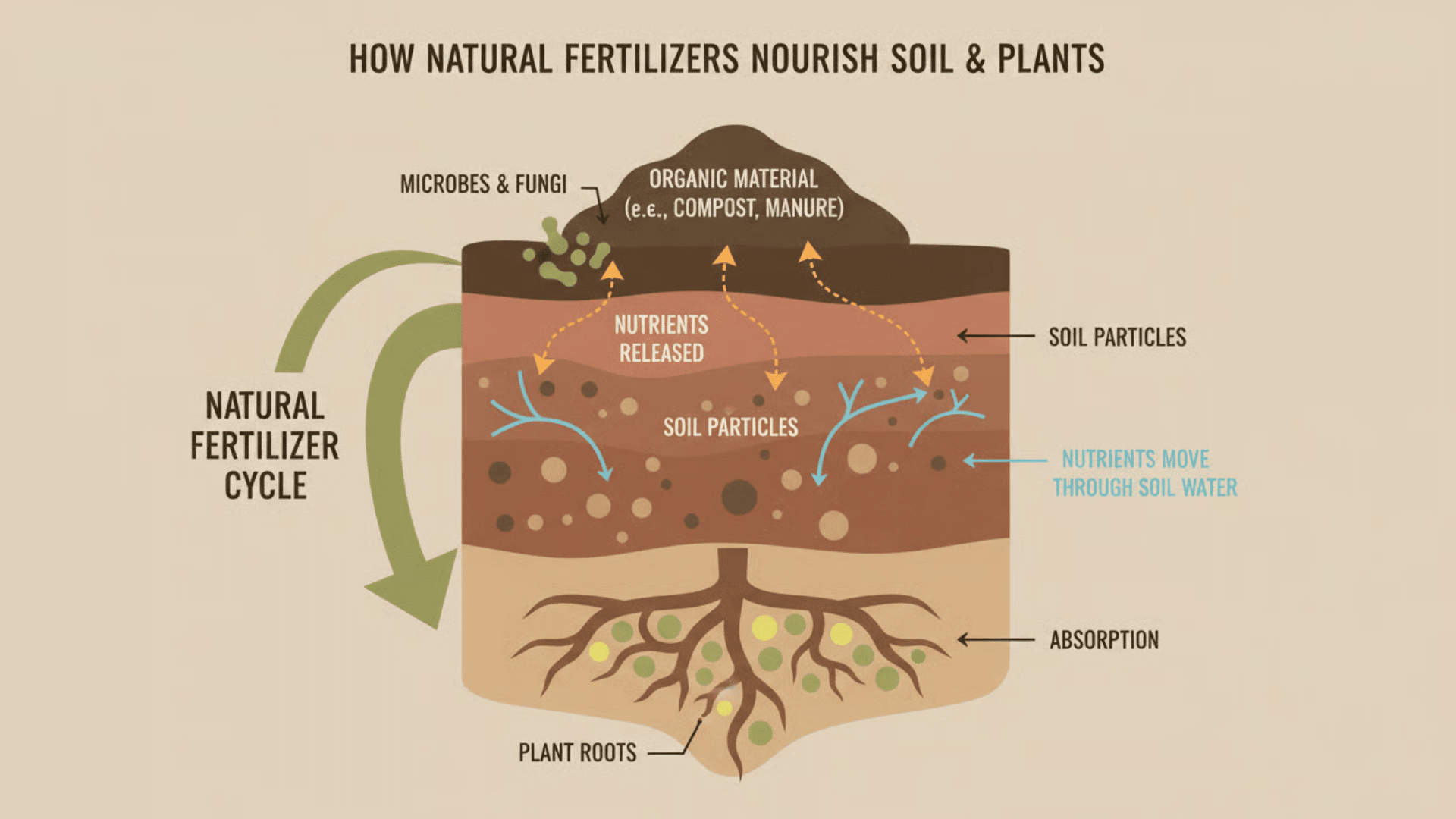
Natural fertilizers change soil behavior before they change plant growth. That part often gets skipped, but it matters.
Slow Nutrient Release
Natural fertilizers rely on decomposition. Microbes and fungi break organic material into usable nutrients. This takes time.
Because nutrients are released bit by bit, plants are less likely to get overwhelmed. Instead of a quick spike followed by nothing, they receive a steady supply. This is why growth feels more even and less dramatic.
Slow release also means nutrients stay in the soil longer. They are less likely to wash away after watering or rain.
Soil Structure Improvement
Organic matter acts like a soil conditioner. In sandy soil, it helps hold moisture. In clay soil, it creates small air pockets that improve drainage.
Over time, soil becomes looser and easier for roots to move through. Roots do not have to fight compacted ground as much. This improves access to water and nutrients without extra effort from the plant.
Support for Soil Life
Healthy soil is active soil. Bacteria, fungi, insects, and worms all play roles in nutrient cycling.
Natural fertilizers feed these organisms. In return, they convert nutrients into forms plants can use. Worms create tunnels that improve airflow and water movement. Fungi extend the reach of plant roots.
This living system is why results improve year after year instead of fading.
Key Advantages of Natural Fertilizers
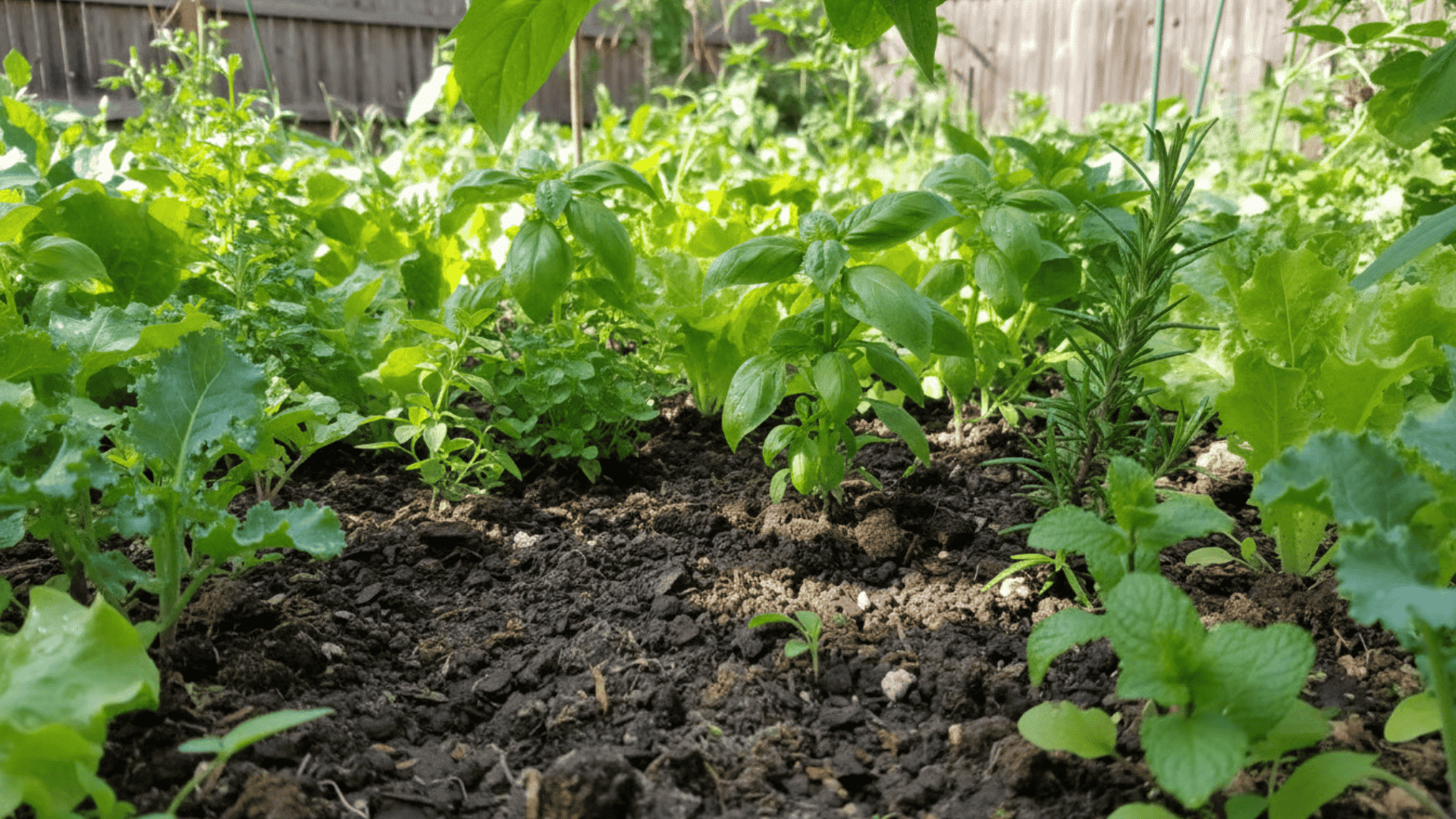
The advantages of natural fertilizers are not immediate, but they build on each other over time. What starts as slow progress often turns into more stable growth and healthier soil with fewer problems later on.
1. Better Long-Term Soil Health
Natural fertilizers improve the soil itself instead of pulling nutrients out faster than they can be replaced. Each application adds organic material that helps balance nutrients, loosen compacted areas, and support root growth.
This matters because most plant problems start in the soil. When soil health improves, plants need fewer corrections later and become less dependent on constant feeding to stay stable.
2. Reduced Risk of Plant Damage
Synthetic fertilizers can damage roots when nutrients are delivered too quickly or applied unevenly. This often happens due to salt buildup around the root zone, which interferes with water uptake.
Natural fertilizers release nutrients gradually and typically contain lower salt levels. That slower release makes overfeeding less likely and gives plants time to adjust, which is especially helpful for newer gardeners.
3. Improved Water Retention
Organic matter helps soil hold water more effectively. Instead of water draining away or evaporating quickly, moisture stays available in the root zone.
This becomes important during dry weather or between waterings. Roots remain active longer, and plants experience less stress, even when watering is not perfectly timed.
4. Environmental Benefits
Fast-release fertilizers can move easily with rain or irrigation, carrying nutrients into drains, streams, and waterways. This runoff contributes to nutrient pollution and wasted fertilizer.
Natural fertilizers bind nutrients within organic material. Because they release slowly and stay in place longer, nutrients are more likely to be used by plants rather than washed away.
5. Safer for People and Pets
Most natural fertilizers are low in toxicity and do not contain harsh chemicals. When used as directed, they pose fewer risks to pets, children, and beneficial soil organisms.
This does not remove the need for care, but it does mean the margin for erroris wider compared to many synthetic fertilizers, making them easier to manage in shared spaces.
Advantages of Natural Fertilizers for Different Uses
The benefits of natural fertilizers are not one-size-fits-all. How they help depends on where and how plants are grown, and what the soil or container can realistically support.
| Growing Use | How Natural Fertilizers Help |
|---|---|
| Home Gardens | Steady nutrient release supports vegetables and flowers without sudden growth spikes. Improved soil texture helps roots spread evenly and retain moisture. |
| Lawns | Growth may appear slower at first, but root systems strengthen over time. This improves drought tolerance and reduces the need for frequent feeding. |
| Farms and Crops | Healthier soil biology supports consistent yields across seasons. Reduced erosion and better nutrient retention improve long-term field stability. |
| Potted and Indoor Plants | Slow release helps prevent overfeeding in limited soil space. Organic matter improves moisture balance and reduces stress between waterings. |
What these uses have in common is a shift away from quick reactions and toward steadier growth. When natural fertilizers are matched to the right setting, their advantages become more practical and easier to see over time.
Natural Fertilizer Disadvantages
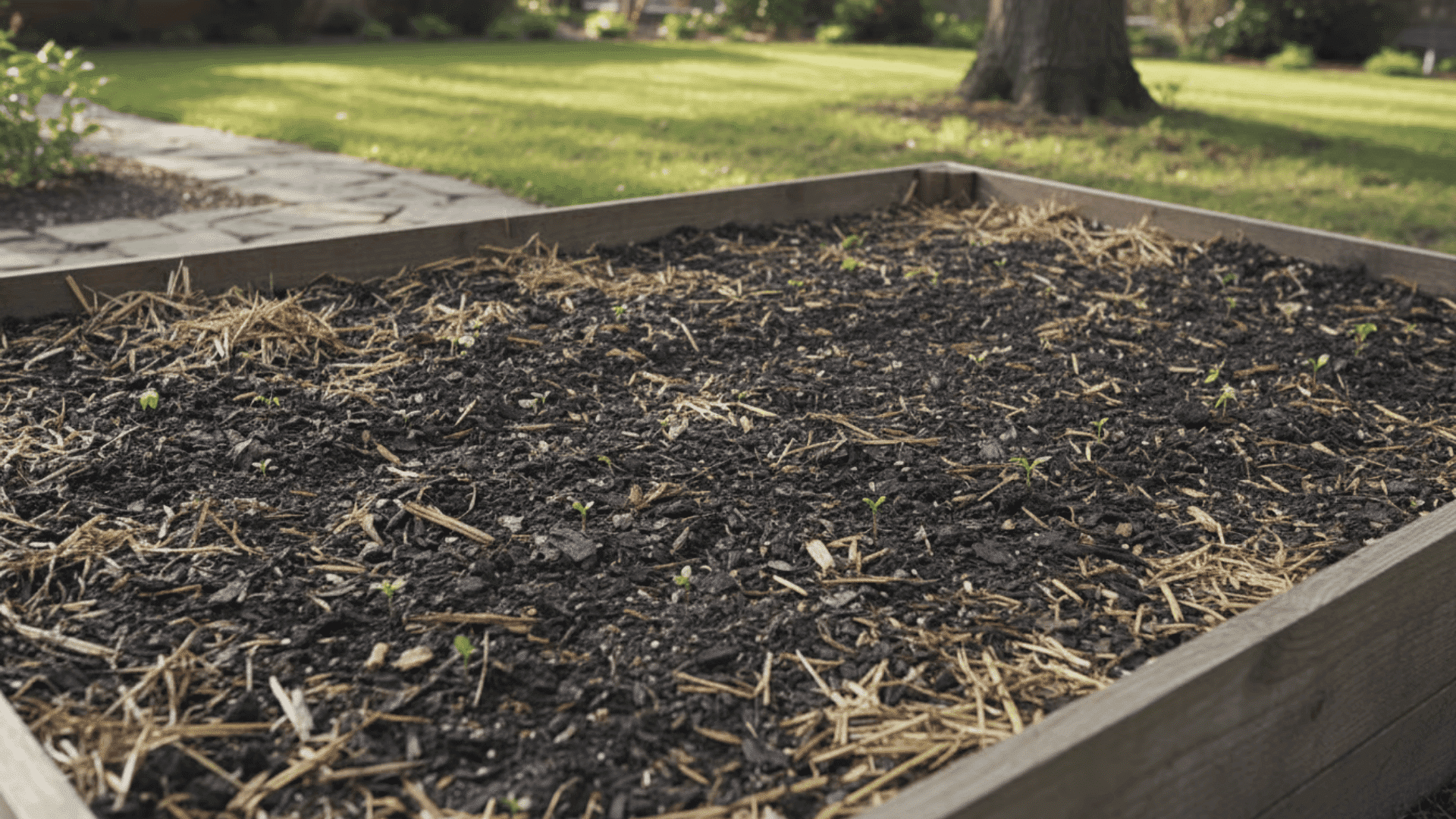
Natural fertilizers offer long-term benefits, but they are not designed for instant results. Understanding their limits upfront helps prevent confusion and unrealistic expectations.
- Slower Visible Results: Nutrients are released gradually as materials break down, so plants do not respond immediately. Growth improves over time, not overnight.
- Lower and Variable Nutrient Levels: Nutrient content can vary between batches, especially with compost or manure, making results less predictable than synthetic fertilizers.
- Limited Quick-Fix Ability: Natural fertilizers are not ideal for correcting severe nutrient deficiencies quickly, as they work best as part of an ongoing soil-building approach.
- Odor and Handling Concerns: Some types, such as manure or fish-based products, may produce strong smells and require careful storage to avoid pests.
- More Planning and Patience Required: Application timing matters more, since results depend on soil activity rather than immediate nutrient availability.
These are not flaws so much as trade-offs. When used with the right expectations, natural fertilizers become easier to manage and far less frustrating to work with.
Natural vs. Synthetic Fertilizers
Natural (organic) and synthetic (chemical) fertilizers both have a place. Most problems happen when people expect them to behave the same way. They don’t. They are built for different jobs, and understanding that difference makes the comparison much clearer.
| Area of Comparison | Natural Fertilizers | Synthetic Fertilizers |
|---|---|---|
| Nutrient Release Speed | Slow and gradual as materials break down | Fast and immediate once applied |
| Primary Focus | Improving soil health over time | Feeding plants directly and quickly |
| Soil Structure Impact | Improves texture, aeration, and moisture balance | Does not improve soil structure |
| Best Use Case | Routine care and long-term stability | Correcting urgent nutrient deficiencies |
| Risk of Overuse | Lower risk of plant burn | Higher risk of root burn and salt buildup |
| Long-Term Results | Builds resilience season after season | Requires repeated application to maintain results |
Natural fertilizers shine when soil health matters and when steady, predictable growth is the goal. Synthetic fertilizers act fast and can be useful when plants are under clear nutrient stress and need immediate support.
This difference in speed and impact is also where many downsides of synthetic fertilizers come from, which makes it important to look at them on their own.
Chemical or Synthetic Fertilizer Disadvantages
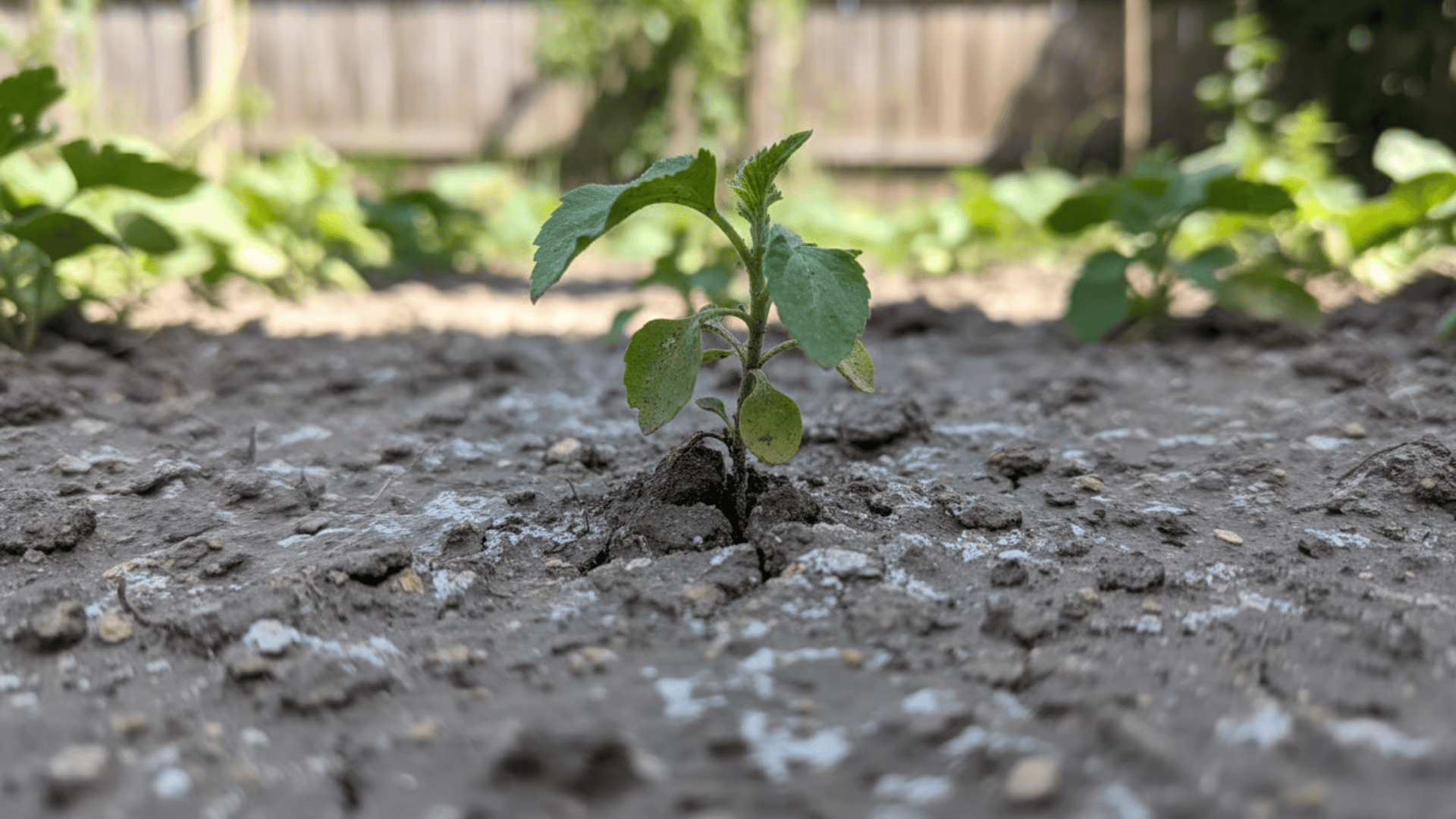
Synthetic fertilizers can be effective, especially for fast nutrient correction, but they also come with clear limitations. Some of those are:
- Risk of Root and Leaf Burn: Synthetic fertilizers release nutrients immediately. If applied too heavily or too often, salts can build up and damage roots or leaf tissue.
- Soil Structure Decline Over Time: These fertilizers feed plants directly but do not add organic matter. Repeated use can leave soil compacted and less able to hold water.
- Nutrient Runoff and Leaching: Because nutrients dissolve quickly, excess fertilizer can wash away with rain or irrigation, leading to wasted product and environmental pollution.
- Short-Lived Results: Growth often looks strong at first, but effects wear off quickly, requiring frequent reapplication to maintain appearance.
- Reduced Soil Biology: Heavy reliance on synthetic fertilizers can disrupt beneficial microbes and earthworms, weakening natural nutrient cycling.
These disadvantages do not mean synthetic fertilizers are always the wrong choice. They highlight why careful use matters and why long-term soil health often declines when they are used as the primary feeding strategy
Common Myths About Natural Fertilizers
Misunderstandings come from expecting the wrong outcome.
Myth: Natural fertilizers don’t work.
Fact: They work by improving the soil first, then feeding plants gradually. Results show up steadily, not instantly.
Myth: Natural fertilizers are too slow to be useful.
Fact: Slower release is intentional. It supports consistent growth and longer-lasting results instead of short bursts.
Myth: Natural fertilizers lack nutrients.
Fact: The nutrients are there, but they are released as organic material breaks down rather than all at once.
These myths usually come from judging success by quick color changes instead of looking at soil health and plant stability over time.
How to Choose the Right Natural Fertilizer
The best natural fertilizer depends on what your soil needs and how much control you want over results. Each option works a little differently, so matching the fertilizer to the situation matters.
- Compost: Best for overall soil improvement. It improves structure, supports microbial activity, and helps balance moisture, making it ideal for long-term soil health.
- Manure: Rich in nutrients but must be fully aged or composted. Fresh manure can damage plants and introduce excess salts.
- Plant-Based Fertilizers: Made from materials like alfalfa or kelp. These are gentler and work well for routine feeding without overwhelming plants.
- Store-Bought Organic Blends: Offer consistent nutrient levels and clear application rates. A good option for beginners who want predictable results with less guesswork.
Choosing the right type is less about finding the “best” product and more about understanding what your soil and plants actually need right now.
Wrapping Up
Natural fertilizers suit people who value steady progress over instant change. They work best when soil health matters and long-term results are the goal.
Switching does not require perfection or deep knowledge. It requires patience and clear expectations.
Advantages of natural fertilizers become clearer when you stop looking for quick results and start paying attention to soil behavior.
If you are curious, start small. Choose one area, apply thoughtfully, and observe how the soil responds over time.
To keep learning, explore other soil and plant care guides on the website to build a deeper, more practical understanding over time.