Indoor plants have quietly taken over our living spaces, and honestly, it’s easy to see why.
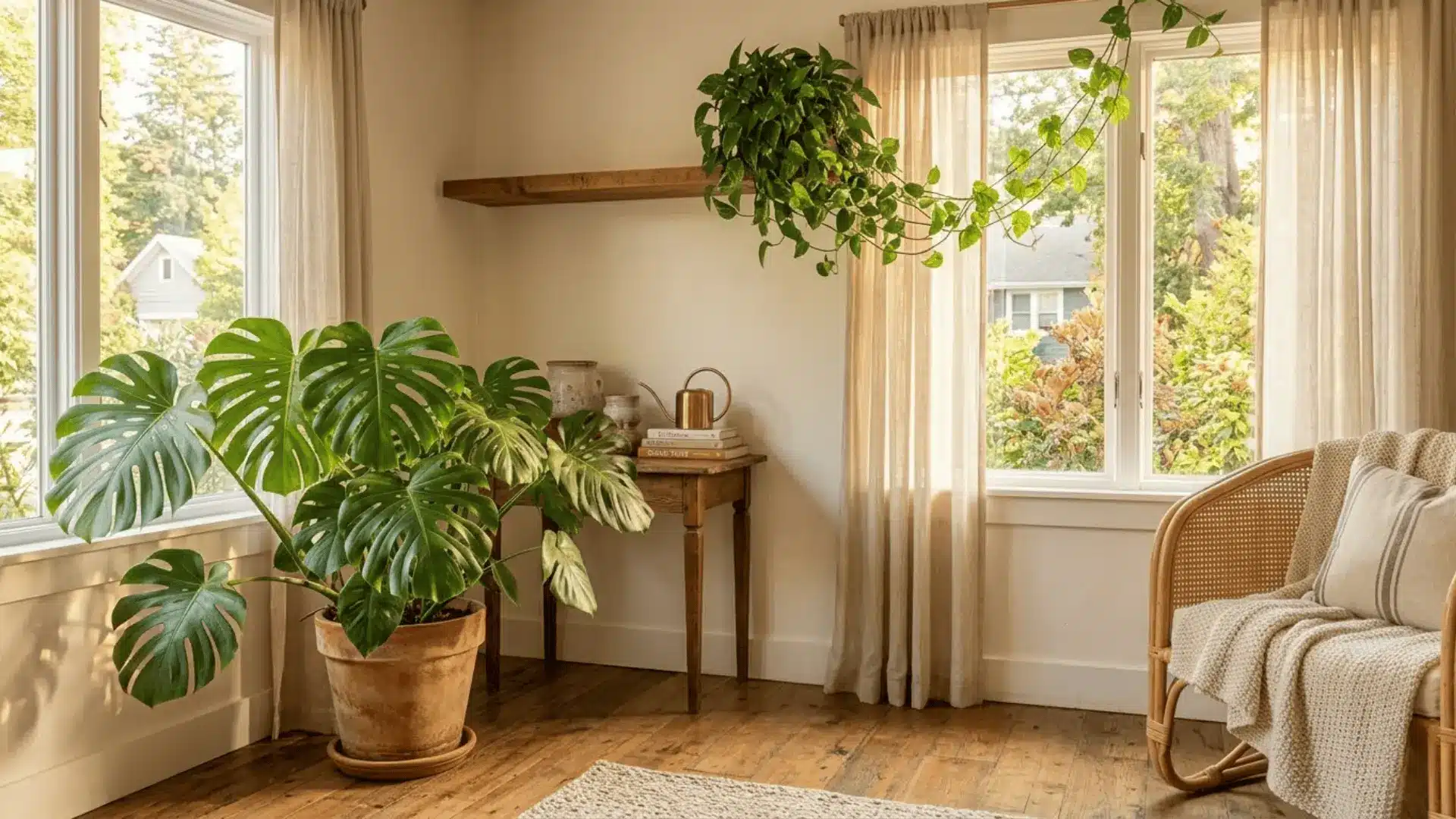
A trailing pothos on a shelf or a lush monstera by the window just makes a room feel alive.
But tucked beneath all that greenery is something most plant parents don’t think about until it’s too late: some of the most beautiful houseplants are also the most harmful to the little ones sharing your home.
If you have curious pets or tiny humans running around, knowing which plants to avoid (and what to reach for instead) might just be the most important thing you do for your space this season.
What Makes a Houseplant Toxic?
Most houseplants don’t come with a warning label, but many carry natural chemical compounds like oxalates, saponins, and alkaloids that the plant produces simply to protect itself.
When ingested or even handled, these compounds can affect both people and pets in different ways.
Some cause mild skin irritation or an upset stomach, while others can lead to vomiting, swelling, or in more serious cases, organ damage.
Toxicity really does exist on a spectrum, and understanding that not every toxic plant is equally dangerous helps you make smarter, safer choices for your home.
Most Toxic Indoor Houseplants
Your plant collection might look straight out of a Pinterest board, but some of the most popular picks are hiding a harmful side.
Here are the houseplants you’ll want to think twice about if pets or little ones are part of your home.
1. Dieffenbachia
Toxic for: Humans, cats, and dogs
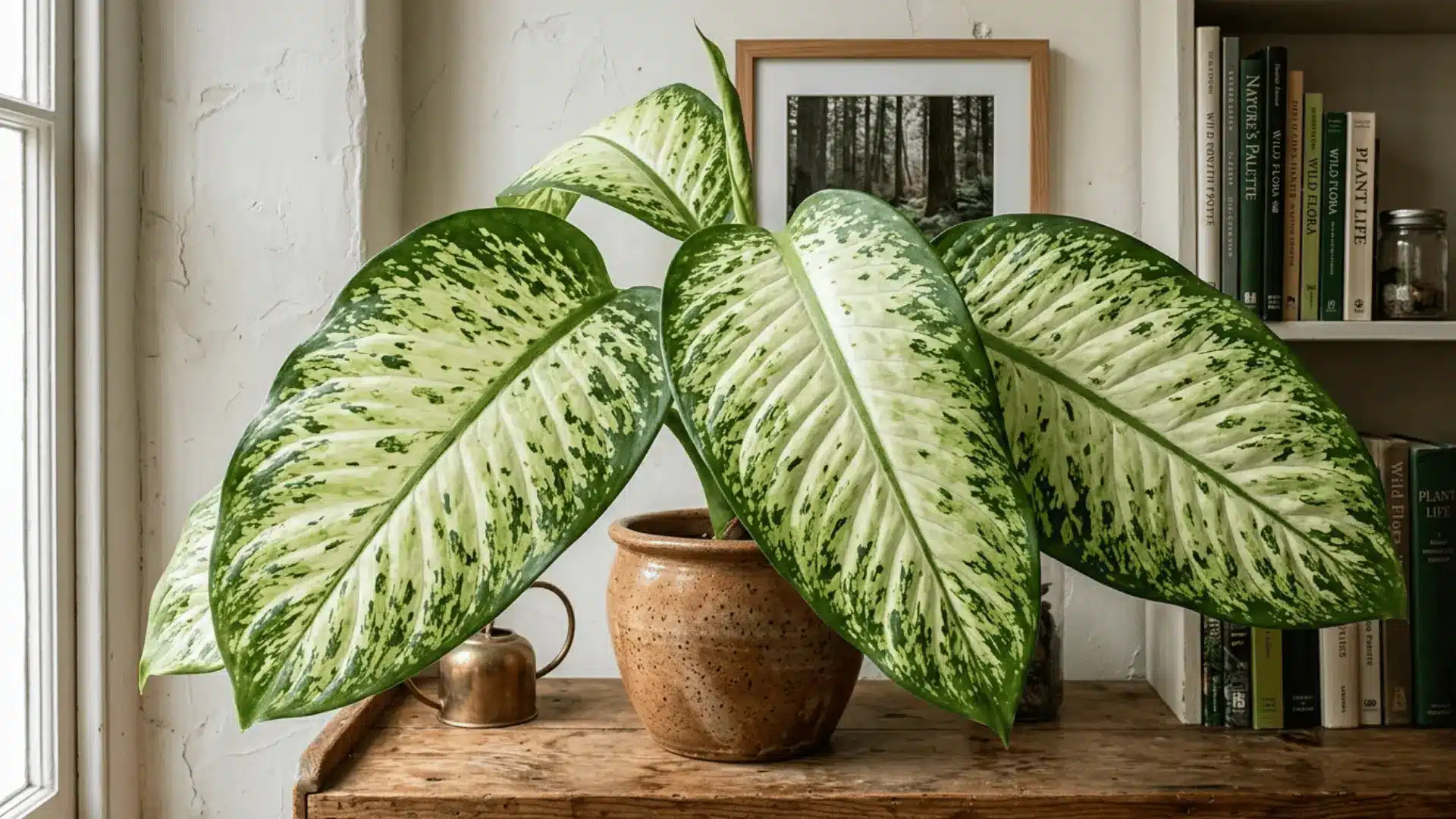
Dieffenbachia is stunning with its broad, patterned leaves, but it earns its nickname for a reason.
It contains calcium oxalate crystals that, when chewed, cause an almost immediate burning sensation, intense swelling of the mouth and throat, and, in severe cases, temporary inability to speak.
It’s one of the more aggressive irritants on this list, and even brief contact with its sap can bother sensitive skin.
2. Philodendron
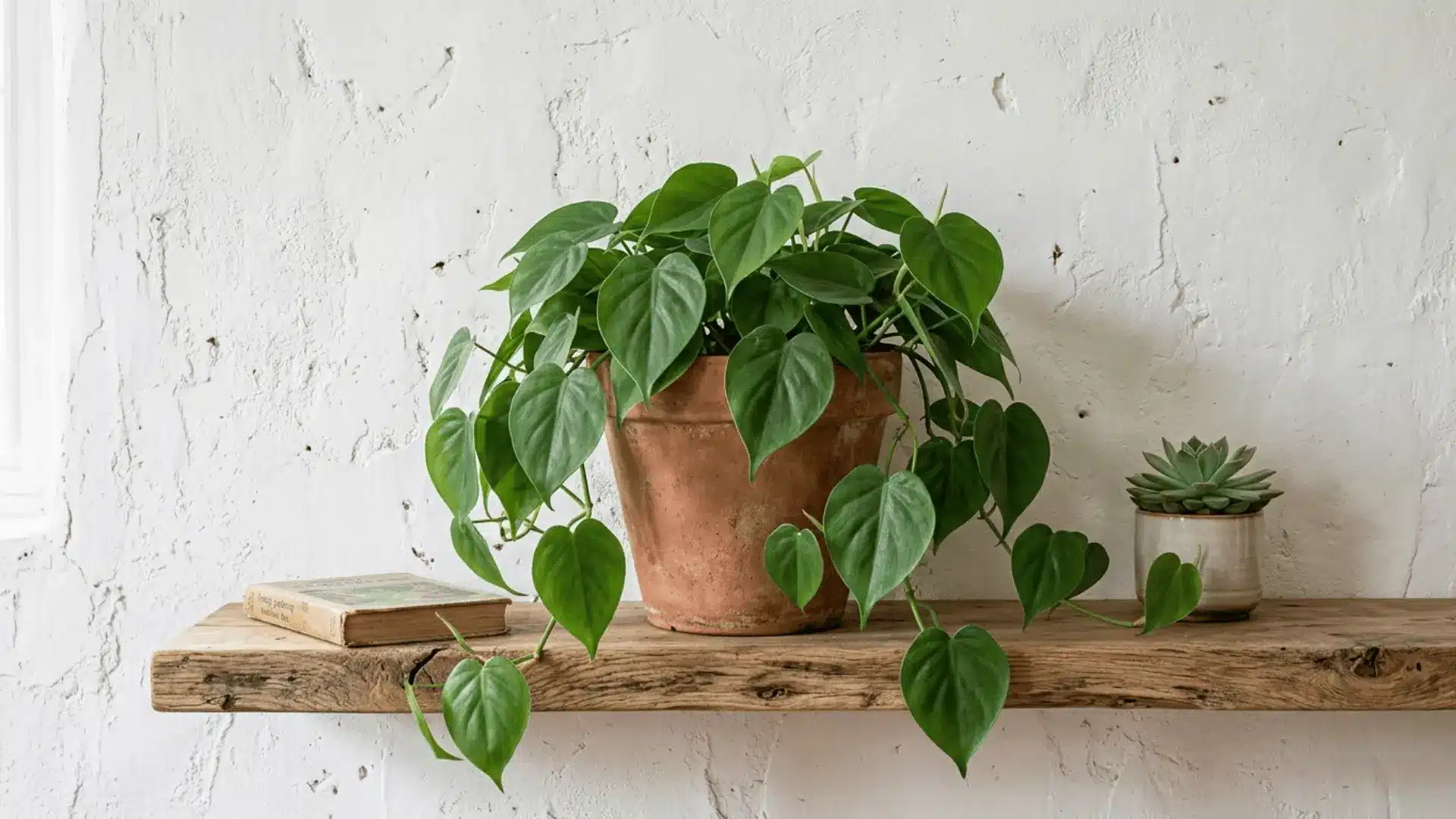
Toxic for: Cats and dogs, mildly irritating to humans
Philodendrons are everywhere, and it’s not hard to see why. They’re low-maintenance, fast-growing, and genuinely beautiful.
The problem is that they also contain calcium oxalates, making them toxic when ingested by both pets and children. Symptoms typically include oral irritation, excessive drooling, and stomach upset.
Heartleaf philodendrons, in particular, are common culprits simply because they’re so widely kept.
3. Peace Lily
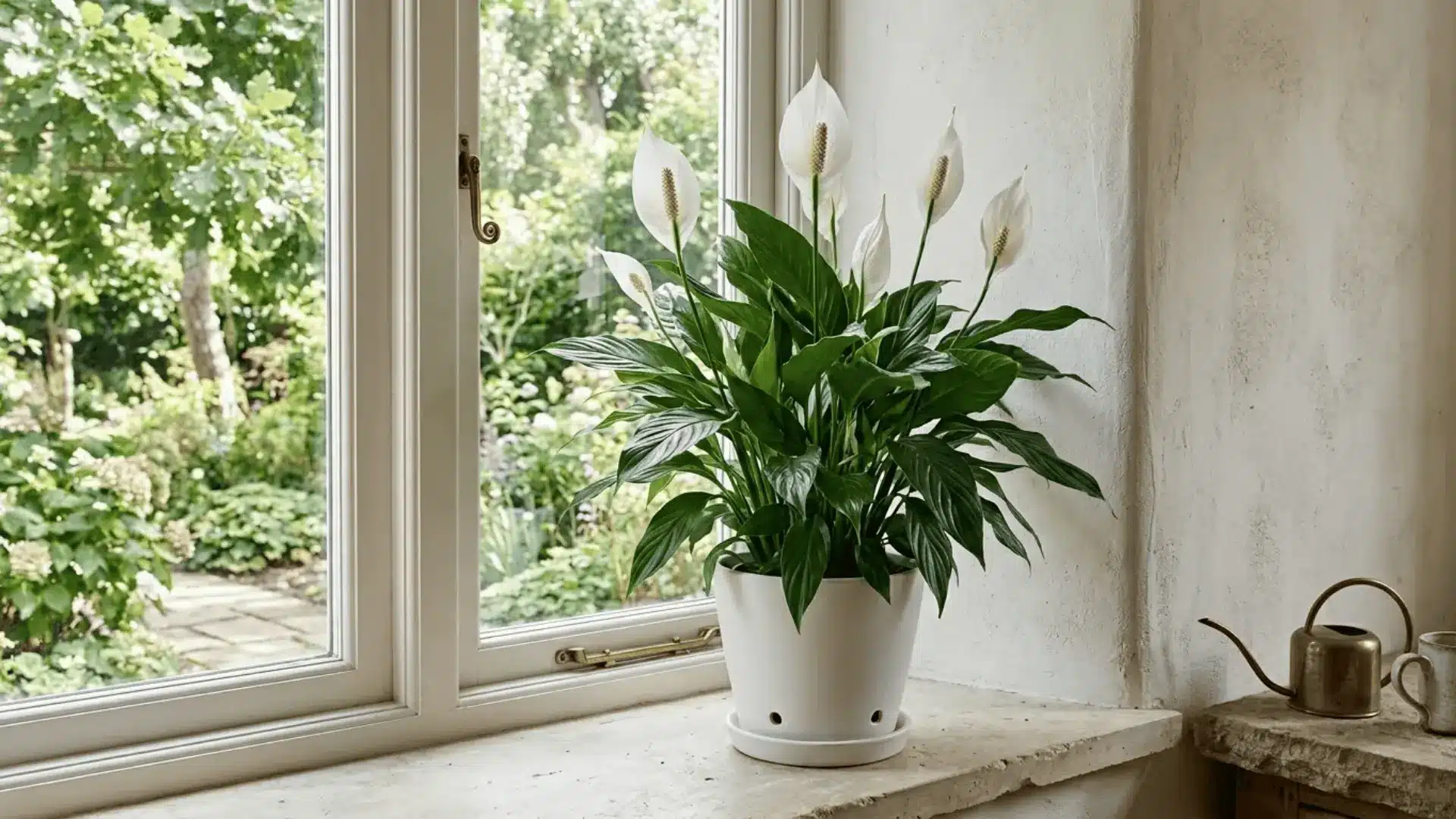
Toxic for: Cats and dogs, mildly toxic to humans
The peace lily looks serene and graceful, but it carries a quiet risk.
Despite its name, it’s toxic to both cats and dogs, causing irritation of the mouth and digestive tract, vomiting, and difficulty swallowing. In cats, especially, even small amounts can be concerning.
It’s worth noting that true lilies are far more dangerous, but the peace lily is still not something you’d want a pet chewing on.
4. Snake Plant
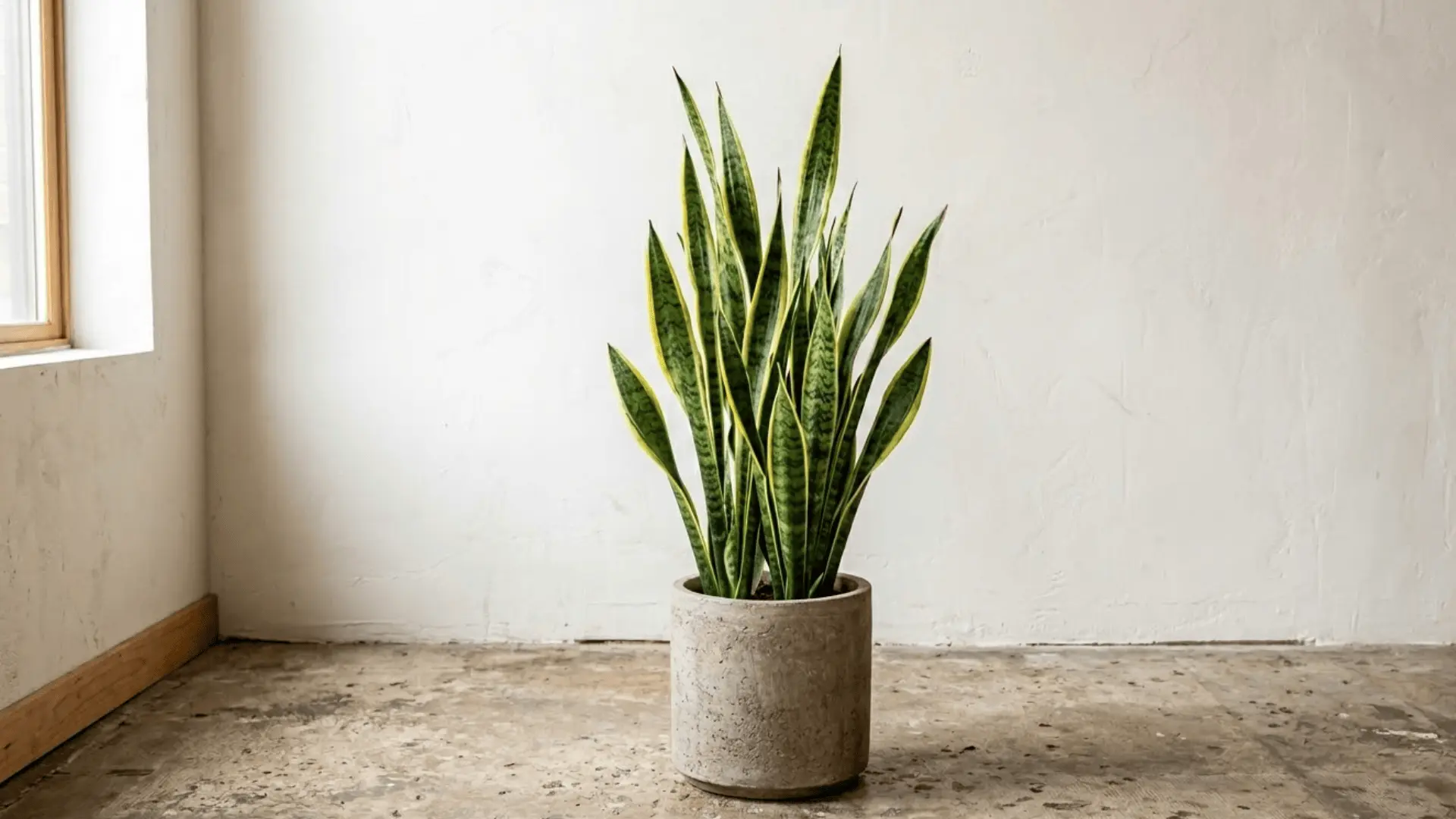
Toxic for: Cats and dogs, low risk for humans
Snake plants are practically the poster child for low-effort indoor gardening. They tolerate neglect, look architectural, and purify the air.
But they contain saponins, which can cause nausea, vomiting, and diarrhea in pets if ingested.
The toxicity is generally mild to moderate, so it’s not the most alarming plant on this list, but if you have a cat or dog with a chewing habit, placement matters.
5. Pothos
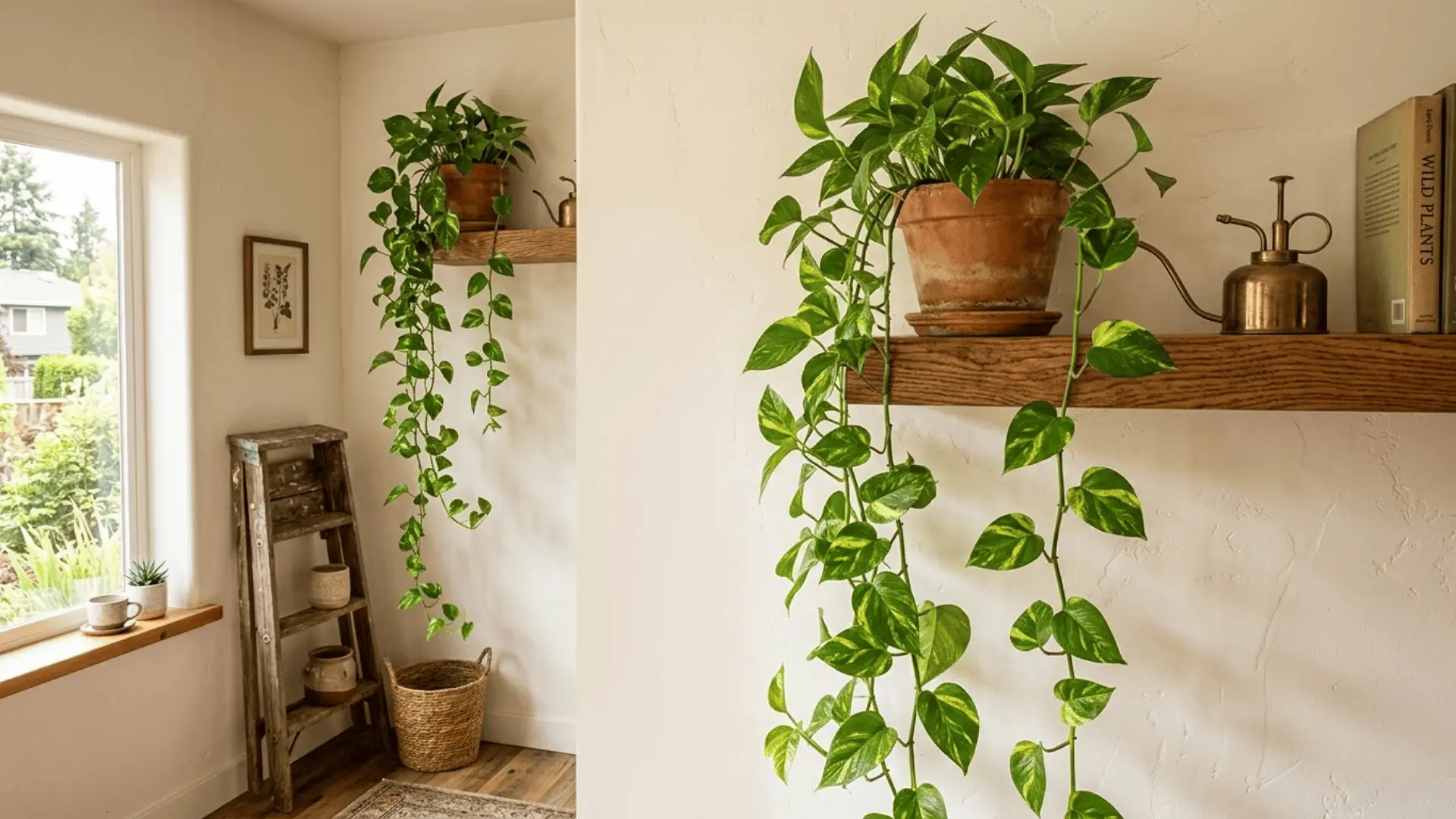
Toxic for: Cats, dogs, and young children
Pothos is probably the most gifted and recommended beginner plant out there, which is exactly what makes its toxicity worth flagging.
Those trailing vines contain insoluble calcium oxalates that irritate the mouth, throat, and digestive system when chewed.
Pets are most at risk since they’re more likely to nibble, but children can be affected, too. It’s not deadly, but the discomfort it causes is very real.
6. Rubber Plant
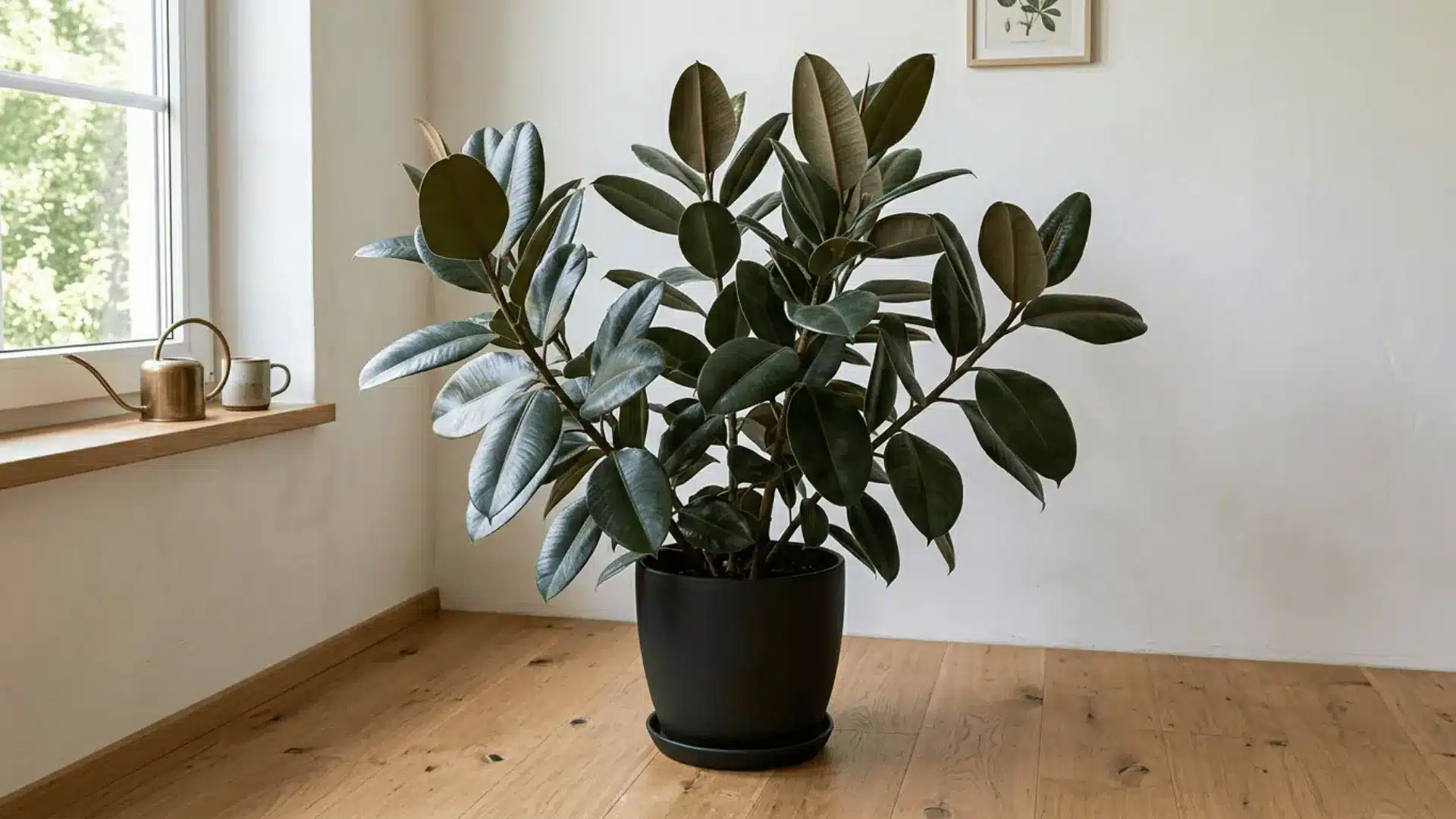
Toxic for: Cats, dogs, and people with latex sensitivities
The rubber plant brings that bold, glossy energy that interior designers love, and its key benefits go well beyond just good looks.
What it also brings is a milky sap that can irritate the skin on contact and cause stomach upset if ingested. People with latex sensitivities may react more strongly to it.
For pets, ingestion can lead to vomiting and diarrhea. It’s a moderate-risk plant, but one that deserves a spot out of easy reach.
7. Aloe Vera
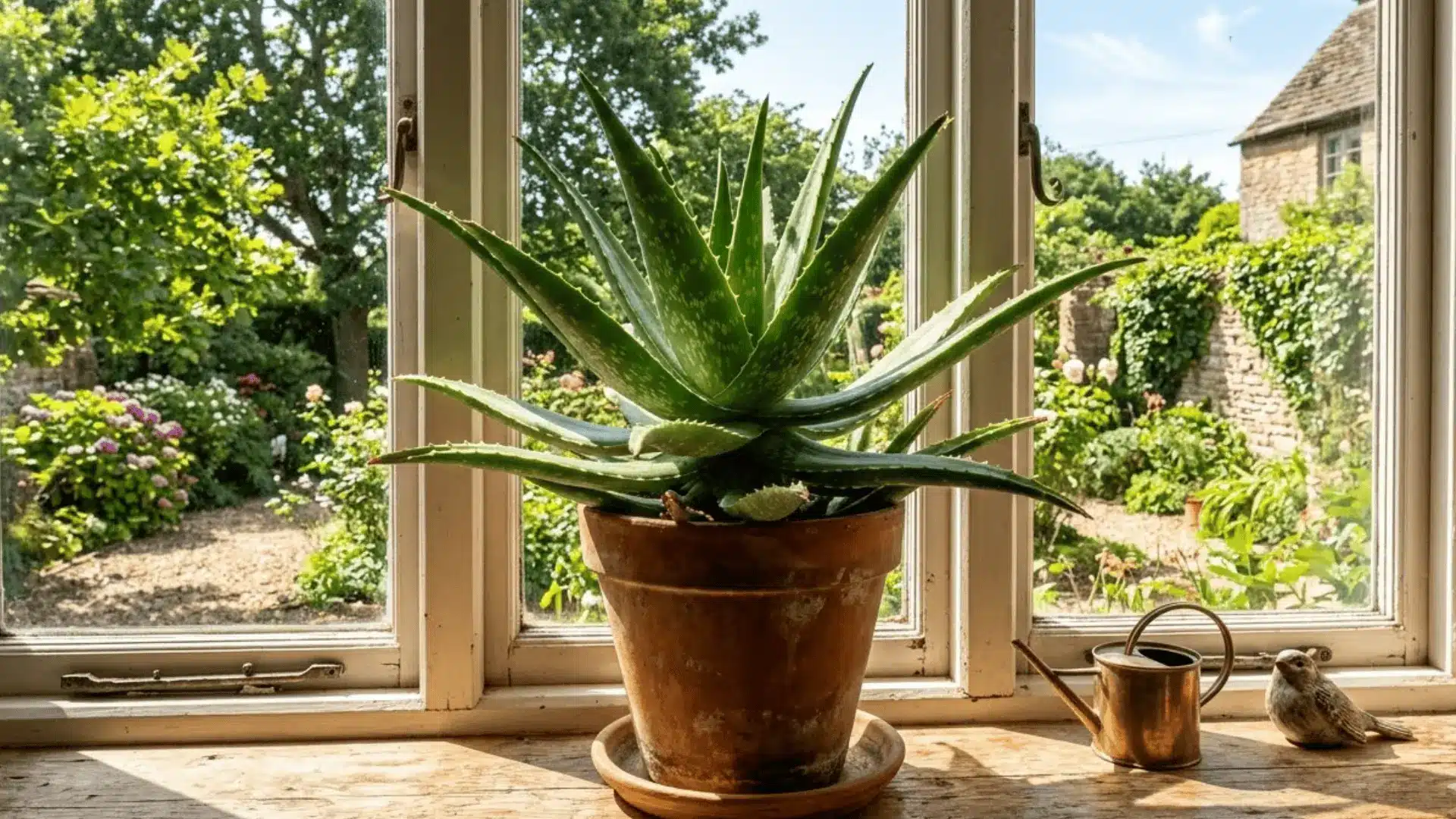
Toxic for: Cats and dogs, safe for humans externally
Aloe vera sits in a uniquely confusing category because it’s genuinely useful for humans but toxic to cats and dogs.
The gel inside is fine for us, but the latex layer just beneath the skin contains compounds called anthraquinones that act as strong laxatives in pets, causing vomiting, lethargy, and diarrhea.
If you swear by your aloe for skincare, just keep it on a high shelf away from curious paws.
8. English Ivy
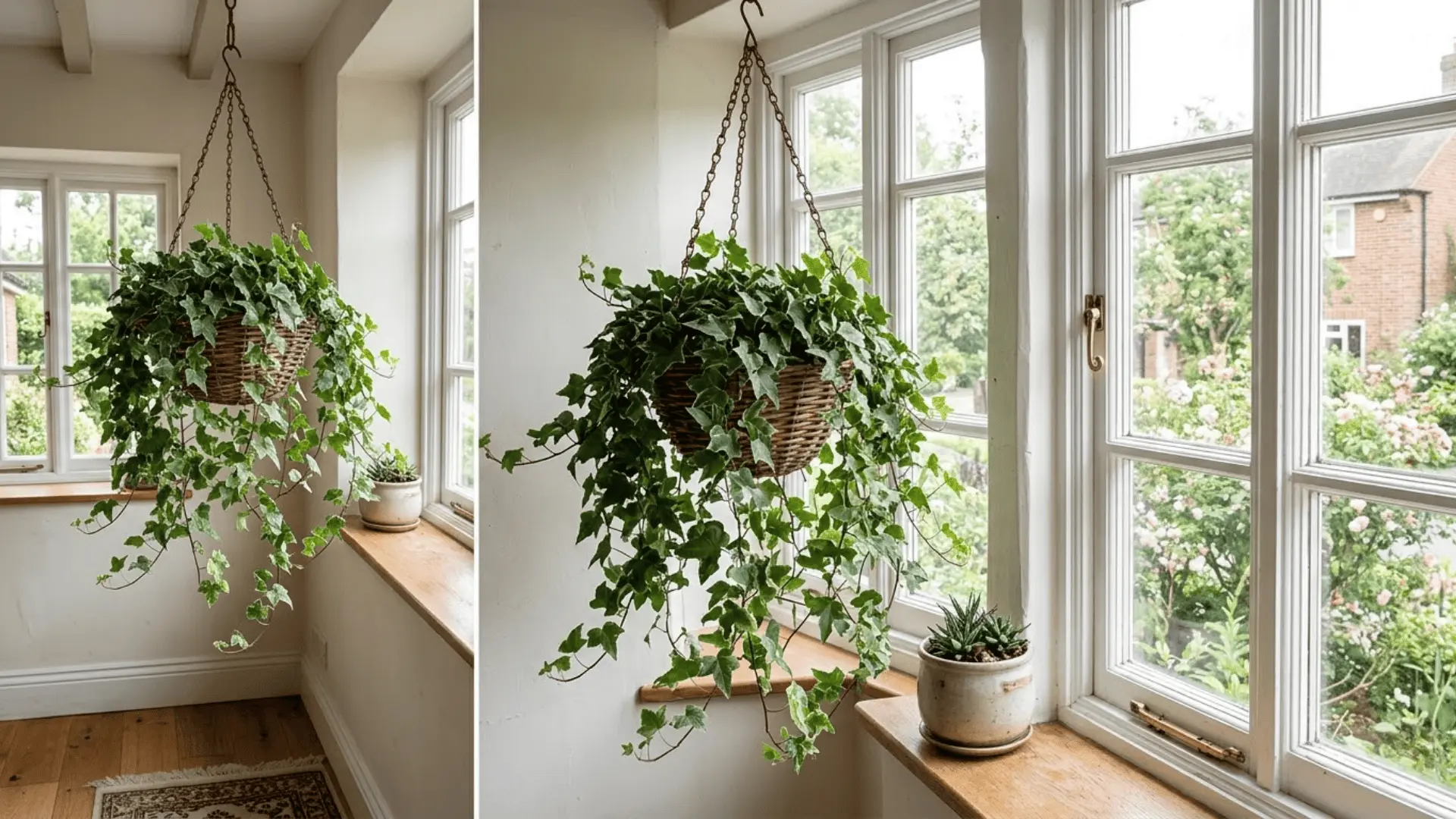
Toxic for: Cats, dogs, and humans if ingested
English ivy has a romantic, cottage-core appeal that makes it a favorite for hanging baskets and trailing displays.
However, it contains triterpenoid saponins that are toxic when ingested, causing drooling, vomiting, diarrhea, and, in more serious cases, breathing difficulties.
The leaves are more toxic than the berries, which surprises most people. Pets and children who handle or chew on it are most vulnerable.
9. ZZ Plant
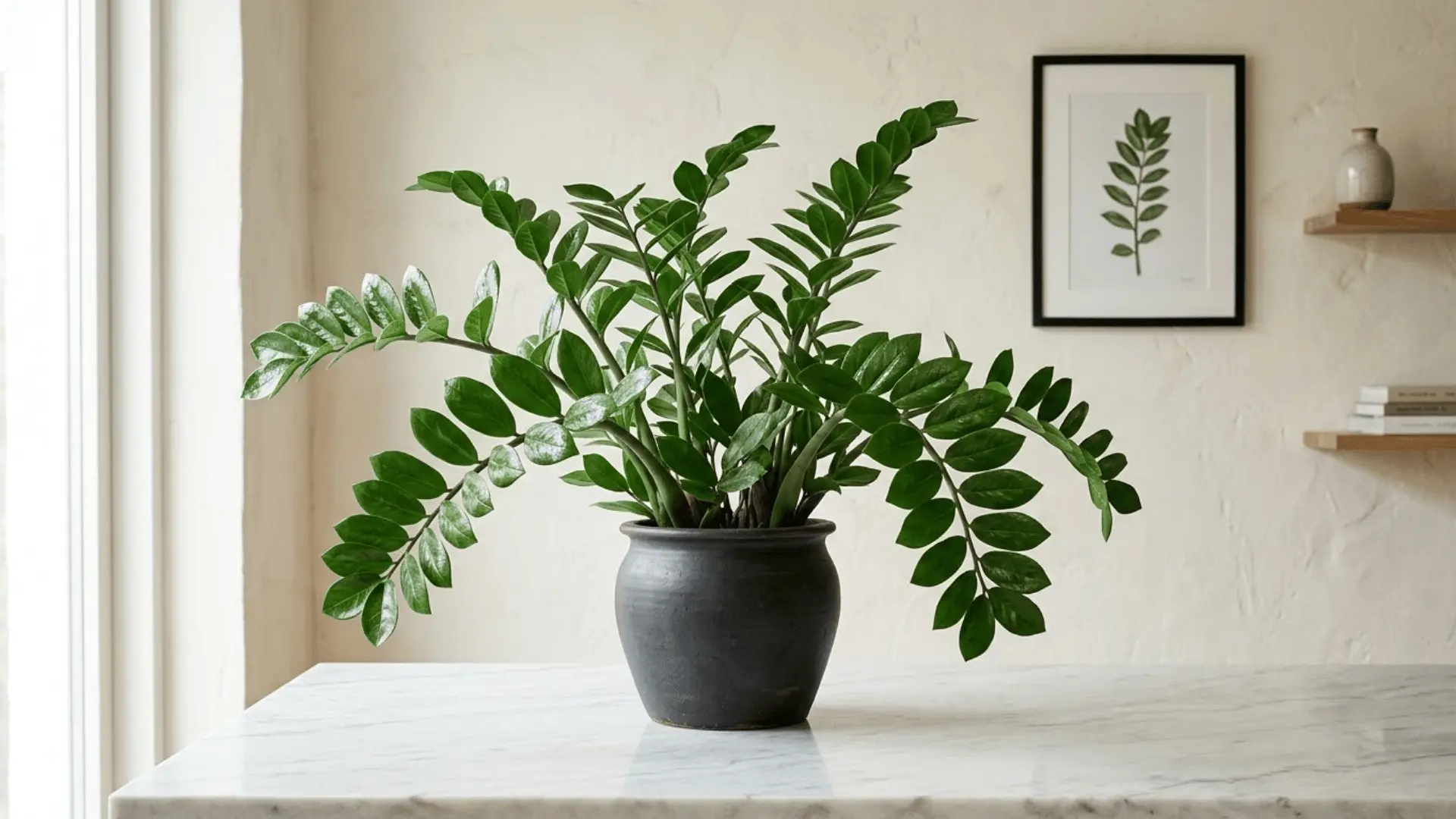
Toxic for: Humans, cats, and dogs
The ZZ plant has built its reputation on being nearly indestructible, and aesthetically, it delivers every time.
But it also contains calcium oxalate crystals throughout its leaves and stems, making it toxic if ingested by humans or pets. Skin contact with its sap can cause irritation, too.
Symptoms after ingestion include stomach pain, vomiting, and diarrhea. It’s a plant best admired from a distance if you have young kids or animals at home.
10. Caladium
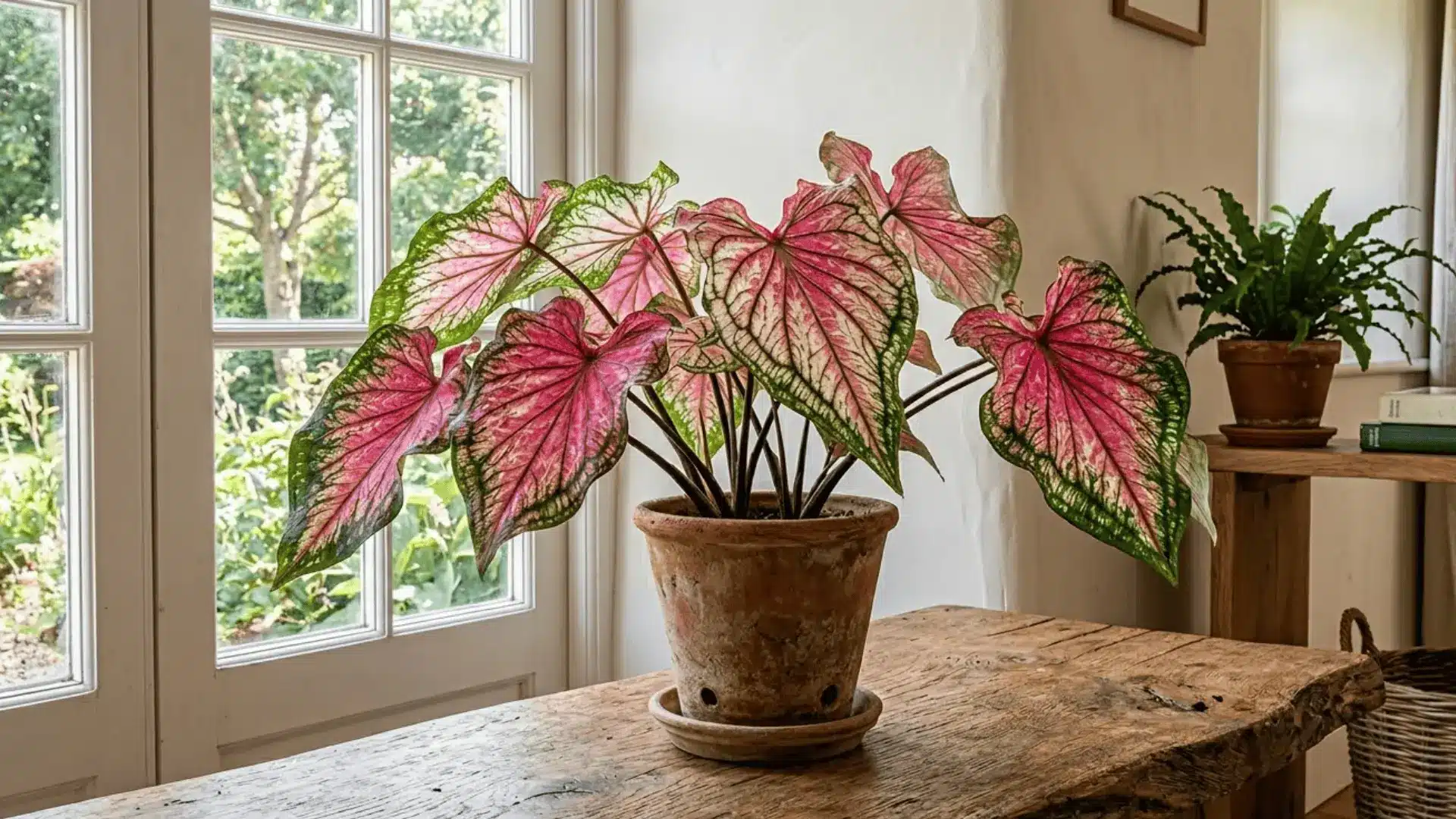
Toxic for: Humans, cats, and dogs
Caladiums are almost absurdly beautiful with their paper-thin, vibrantly colored leaves. They’re also one of the more intensely irritating plants on this list.
Every part of the caladium contains insoluble oxalates, and ingestion can lead to severe burning and swelling of the mouth, excessive drooling, and difficulty swallowing.
In pets, reactions can be particularly intense. It’s best treated as a display-only plant, kept completely out of reach.
Symptoms of Houseplant Poisoning
Knowing what to look for can make all the difference. A curious child or a pet who snuck a sneaky bite can both be affected in ways that range from mildly uncomfortable to genuinely urgent.
These are the symptoms to watch for, organized by how serious the situation might be.
| Severity Level | Symptoms | What To Do |
|---|---|---|
| Mild | Skin irritation, redness, itching, mild drooling | Rinse the affected area, monitor closely |
| Moderate | Vomiting, swelling of the mouth or throat, excessive drooling, stomach pain | Contact your vet or pediatrician promptly |
| Severe (Emergency) | Difficulty breathing, seizures, loss of coordination, severe swelling | Seek emergency medical or veterinary care immediately |
Quick Note: Symptoms can escalate quickly in pets, especially cats, even after ingesting a small amount. When in doubt, always reach out to a professional rather than waiting to see how things unfold.
What to Do If Someone Eats a Toxic Plant?
Stay calm and act quickly. Remove any plant material from the mouth, rinse with water, and do not induce vomiting unless specifically directed by a medical professional.
If symptoms like swelling, difficulty breathing, or persistent vomiting appear, get help immediately.
- For humans, contact the U.S. Poison Control Center at 1-800-222-1222, available around the clock.
- For pets, reach out to the ASPCA Animal Poison Control Center at 1-888-426-4435.
Acting within the first few minutes genuinely matters, so keep these numbers somewhere easy to find.
How to Keep Toxic Plants Safely at Home?
Giving up your favorite plants doesn’t have to be the answer. A few simple adjustments around your home can let you enjoy your greenery while keeping everyone safe.
- Place toxic plants on high shelves or hanging planters well out of reach of pets and children.
- Use closed rooms or dedicated plant spaces that young kids and animals don’t have access to.
- Invest in tall plant stands that add height and double as a safety buffer, especially for plants like the rubber plant, where feng shui placement already encourages elevation.
- Label your plants with their common and botanical names, especially useful in homes with kids or new pet owners.
- Keep a list of every plant in your home alongside the poison control numbers from the section above.
A little awareness goes a long way. Your home can still be lush, layered, and beautiful; it just takes a bit of thoughtful placement to make it safe for everyone in it.
Toxic vs. Non-Toxic Plants: A Quick Reference Guide
Not every plant on your wishlist needs to be crossed off.
This side-by-side comparison makes it easy to see exactly where your current or future plants land, so you can make informed choices without second-guessing every trip to the nursery.
| Plant Name | Toxicity Level | Safe for Pets? | Safe for Kids? |
|---|---|---|---|
| Dieffenbachia | High | No | No |
| Philodendron | Moderate | No | With caution |
| Peace Lily | Moderate | No | With caution |
| Snake Plant | Mild | With caution | Generally safe |
| Pothos | Moderate | No | With caution |
| Rubber Plant | Mild | With caution | With caution |
| Aloe Vera | Mild | No | Generally safe |
| English Ivy | Moderate | No | No |
| ZZ Plant | Moderate | No | No |
| Caladium | High | No | No |
| Spider Plant | Non-toxic | Yes | Yes |
| Areca Palm | Non-toxic | Yes | Yes |
| Boston Fern | Non-toxic | Yes | Yes |
| Calathea | Non-toxic | Yes | Yes |
| Haworthia | Non-toxic | Yes | Yes |
Note: “With caution” means the plant poses a low to moderate risk and is generally safe unless ingested in large quantities. Always supervise young children and pets around any houseplant, toxic or not.
Common Myths About Toxic Houseplants
There’s a lot of well-meaning but misleading advice floating around the internet when it comes to houseplants. It’s time to set a few of the most common ones straight.
Myth 1: “If it’s natural, it’s safe.”
Fact: Many of the most toxic substances in the world come straight from nature. A plant being natural says nothing about its safety, especially when ingested by pets or young children.
Myth 2: “A small amount won’t really hurt.”
Fact: Toxicity doesn’t always come down to quantity. For certain plants, even a small nibble can trigger a significant reaction, particularly in cats and smaller dog breeds.
Myth 3: “Air-purifying plants are always pet and child friendly.”
Fact: Some of the most celebrated air-purifying plants, including pothos and peace lilies, are also among the most toxic. Air-purifying ability and safety are two completely separate things.
Myth 4: “If my pet ignores it, it’s fine to keep around.”
Fact: Pets are unpredictable, and curiosity can kick in at any time. A plant that’s been left alone for months can become a chewing target overnight, so placement should never rely on assumption.
That’s a Wrap
Living with plants and living safely aren’t mutually exclusive.
Now that you know which of the most toxic indoor houseplants could pose a risk, you’re in a much better position to make choices that work for your whole household, furry members included.
A little research before you bring something home goes further than you’d think. Keep the reference table handy, stay curious, and don’t be afraid to swap out a risky plant for something just as beautiful but far more forgiving.
Have a plant question or a swap suggestion? Drop it in the comments below!