I’ve spent years watching design trends come and go, but there’s something about a room with rich wood paneling, carefully curated antiques, and layers of texture that stops me in its tracks.
Traditional interior design is about creating spaces that feel collected over time, spaces that tell a story.
If you’re drawn to the classiness of crown molding, the warmth of classic furniture, or simply want to understand what makes these rooms feel so enduringly beautiful, you’re in the right place.
I’ll tell you the core elements that define this style, from selecting the right pieces to balancing formality with comfort, so you can bring that same sense of warmth into your own home.
Why Traditional Interiors Still Work in Real Homes
Traditional interiors have staying power that most design styles can’t match. People gravitate toward these spaces because they offer something trends can’t, a sense of permanence.
You walk in and immediately feel grounded. There’s comfort in the familiar arrangements, the quality materials, and the thoughtful symmetry that makes everything feel intentional.
Traditional homes prioritize structure over novelty. You’ll find established furniture layouts, classic color palettes, and pieces chosen for longevity rather than Instagram appeal. While trend-based interiors chase what’s hot right now, traditional design builds on principles that have worked for generations.
That’s why a traditionally designed room from 20 years ago still looks good today.
This approach works across decades because it’s rooted in balance and proportion, not fleeting aesthetics.
You’re investing in a foundation that adapts to your life without needing constant updates. It’s design that serves you, not the other way around.
What Traditional Interior Design Really Means
Traditional interior design pulls from 18th and 19th century European styles, particularly English and French influences. You’re looking at a style that values symmetry, classic proportions, and established design principles.
It’s not about copying a specific era, it’s about creating spaces that feel refined, orderly, and welcoming through timeless elements.
Balance sits at the core of this style. You’ll see matching furniture pairs, centered focal points, and arrangements that feel intentional. Order shows up in consistent color schemes, coordinated patterns, and furniture that follows classic lines.
Comfort comes through layered textiles, plush seating, and rooms designed for actual living.
Traditional design differs from modern in obvious ways. Where modern strips things down to clean lines and minimal ornamentation, traditional embraces decorative details, curved silhouettes, and rich textures.
Transitional style sits between the two, borrowing traditional’s warmth but simplifying the details.
Many homes today use traditional as a foundation, then lighten it up.
You might keep the classic furniture layout and wood tones but swap heavy drapes for simpler window treatments. It’s traditional principles without the heaviness.
Key Features That Define Traditional Interior Design
Traditional interior design has recognizable elements that work together to create that refined, established look.
Once you understand these core features, you’ll start noticing them in homes that feel polished and intentional. Some of the core elements are:
- Symmetry and balanced layouts: furniture arranged in pairs, centered focal points, matching elements on either side of a room
- Classic furniture shapes: rolled arms, turned legs, curved silhouettes, and proportions that have proven comfortable for generations
- Warm color palettes: rich neutrals like cream, beige, and taupe layered with deeper accent tones like burgundy, navy, or forest green
- Quality materials: dark or medium wood finishes, silk or velvet upholstery, natural textiles that age well and develop character
- Decorative details: crown molding, grouped picture frames, patterned rugs, and collectibles displayed thoughtfully rather than all at once
These features don’t have to show up all at once. You’re building a foundation that feels cohesive.
Each element supports the others, creating spaces that look collected and lived-in rather than staged or rushed.
Traditional Interior Design Ideas You Can Use at Home
These ideas give you practical ways to bring traditional style into your space. You don’t need to use all of them, pick what fits your home and build from there:
1. Symmetrical Living Room Furniture Layouts
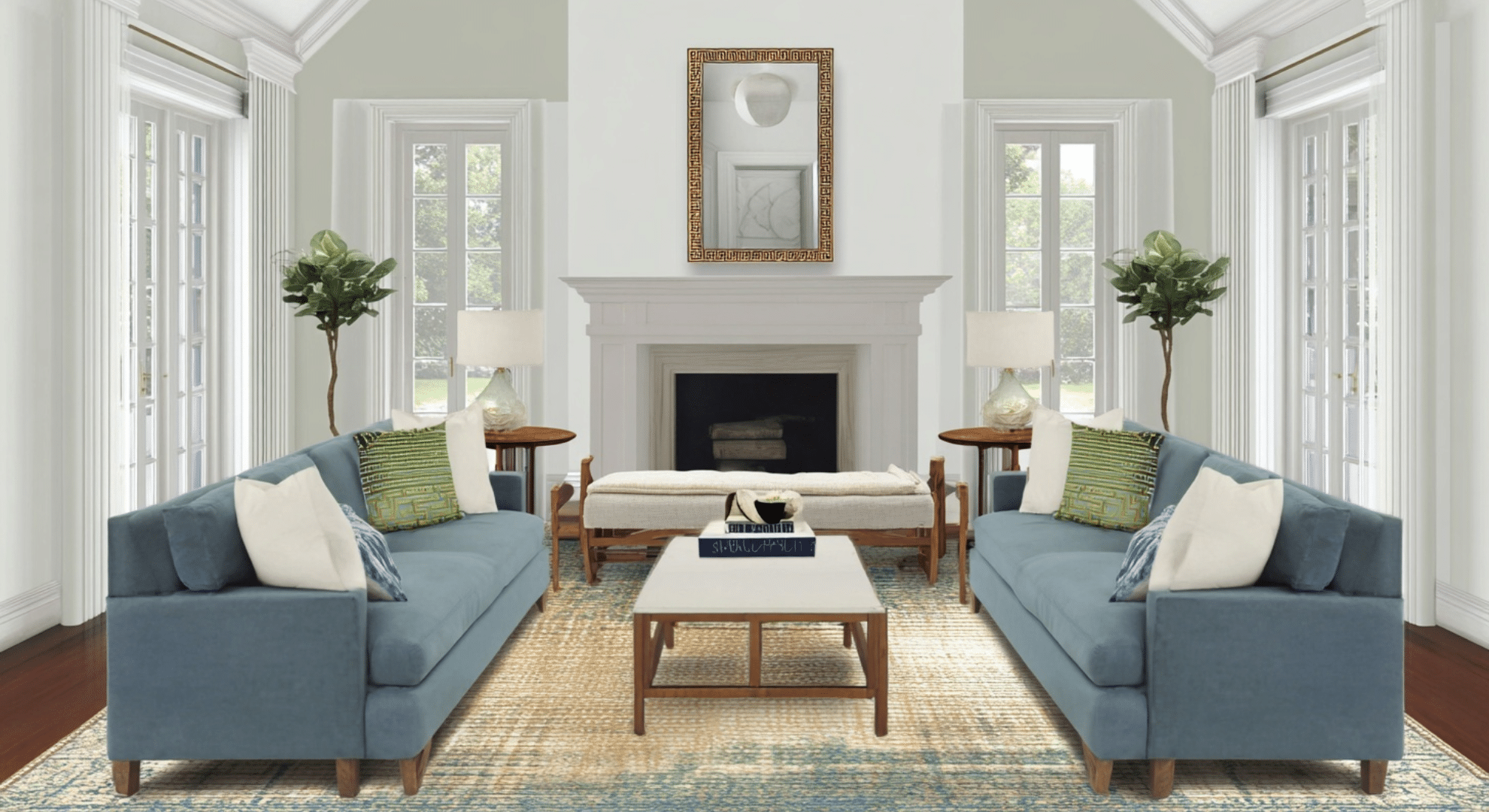
Arrange your seating in balanced pairs. Place two sofas facing each other or position matching chairs on either side of a fireplace. Center your coffee table between seating pieces.
This layout creates visual order and makes conversation areas feel natural. You’ll notice the room feels more pulled-together immediately. Symmetry works because it gives your eye a clear path through the space without confusion.
2. Upholstered Sofas With Rolled or Camelback Arms
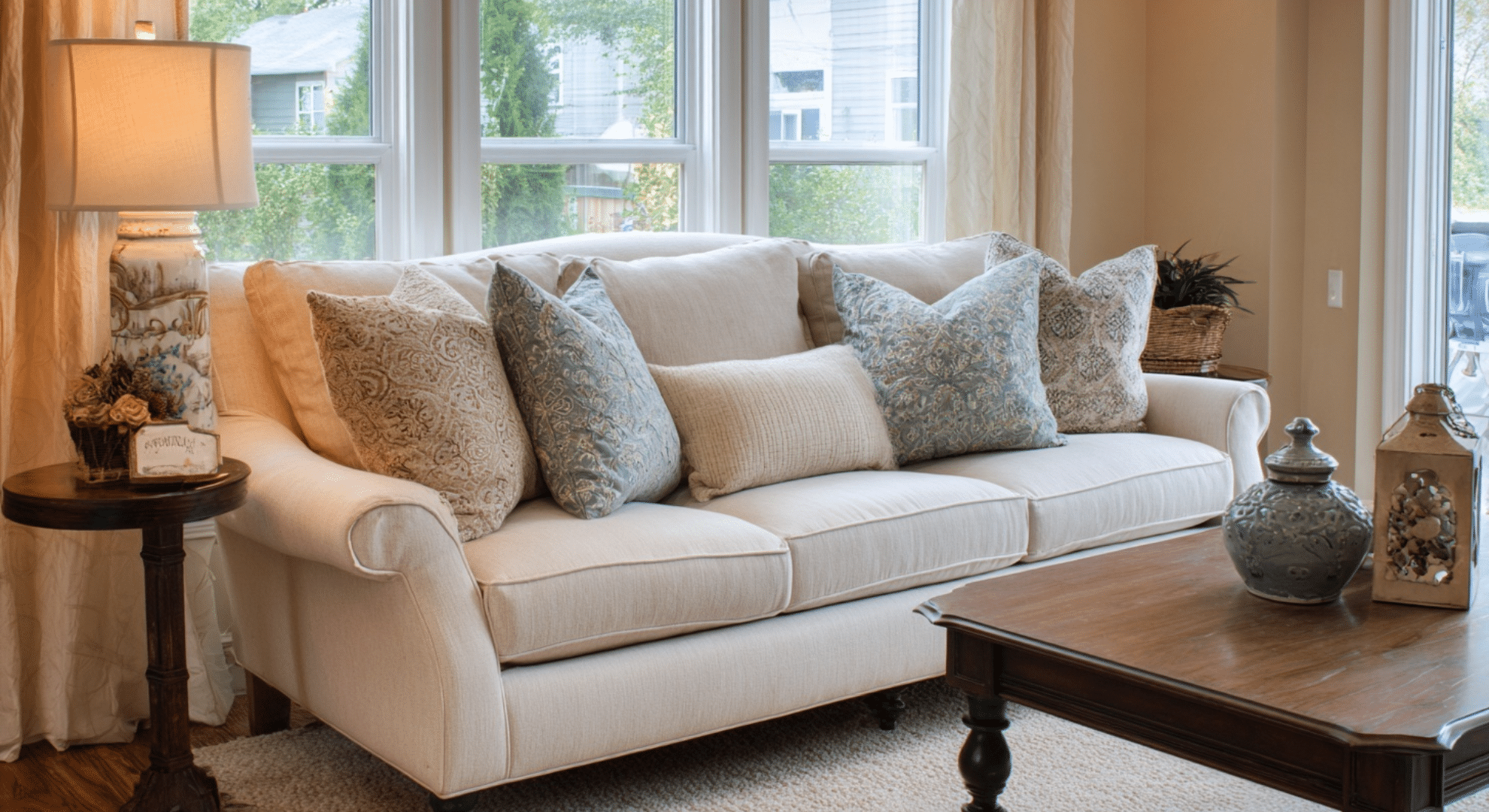
Choose sofas with curved, rolled arms instead of straight modern lines. Camelback sofas feature that distinctive arched top that adds elegance without feeling stuffy. These silhouettes have been comfortable for centuries because they support your arms naturally.
Look for quality upholstery in solid colors or subtle patterns. The curved details soften a room and give it that classic traditional feel you’re after.
3. Dark Wood Coffee Tables With Carved Details
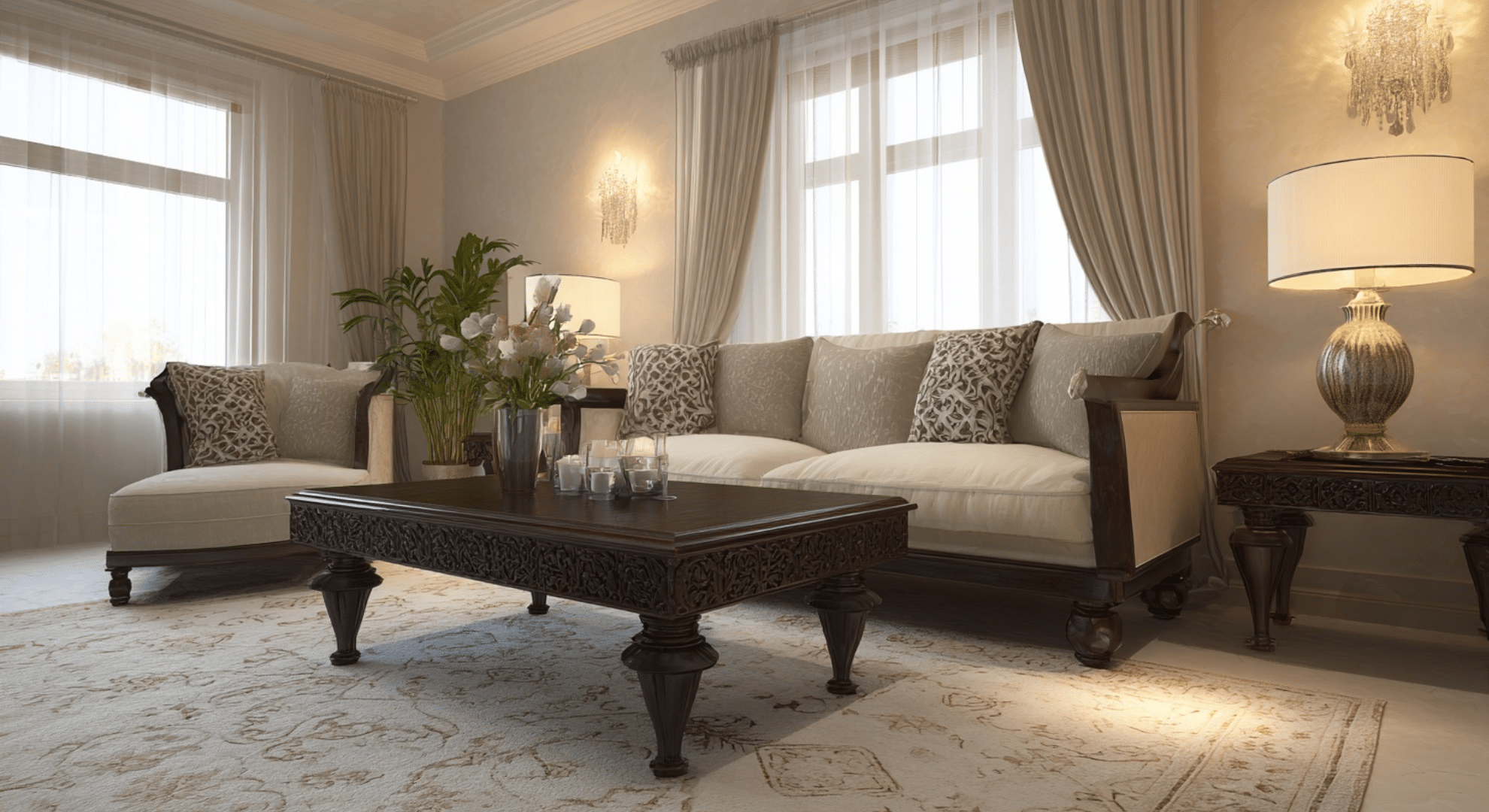
Go for coffee tables in rich wood finishes like cherry, mahogany, or walnut. Look for turned legs or carved details that add visual interest. These tables anchor your seating area and provide weight that grounds the space.
Solid wood ages beautifully and handles daily use better than lighter materials. The darker tones create contrast against neutral sofas and rugs, making your arrangement feel intentional.
4. Layered Area Rugs Over Hardwood Floors
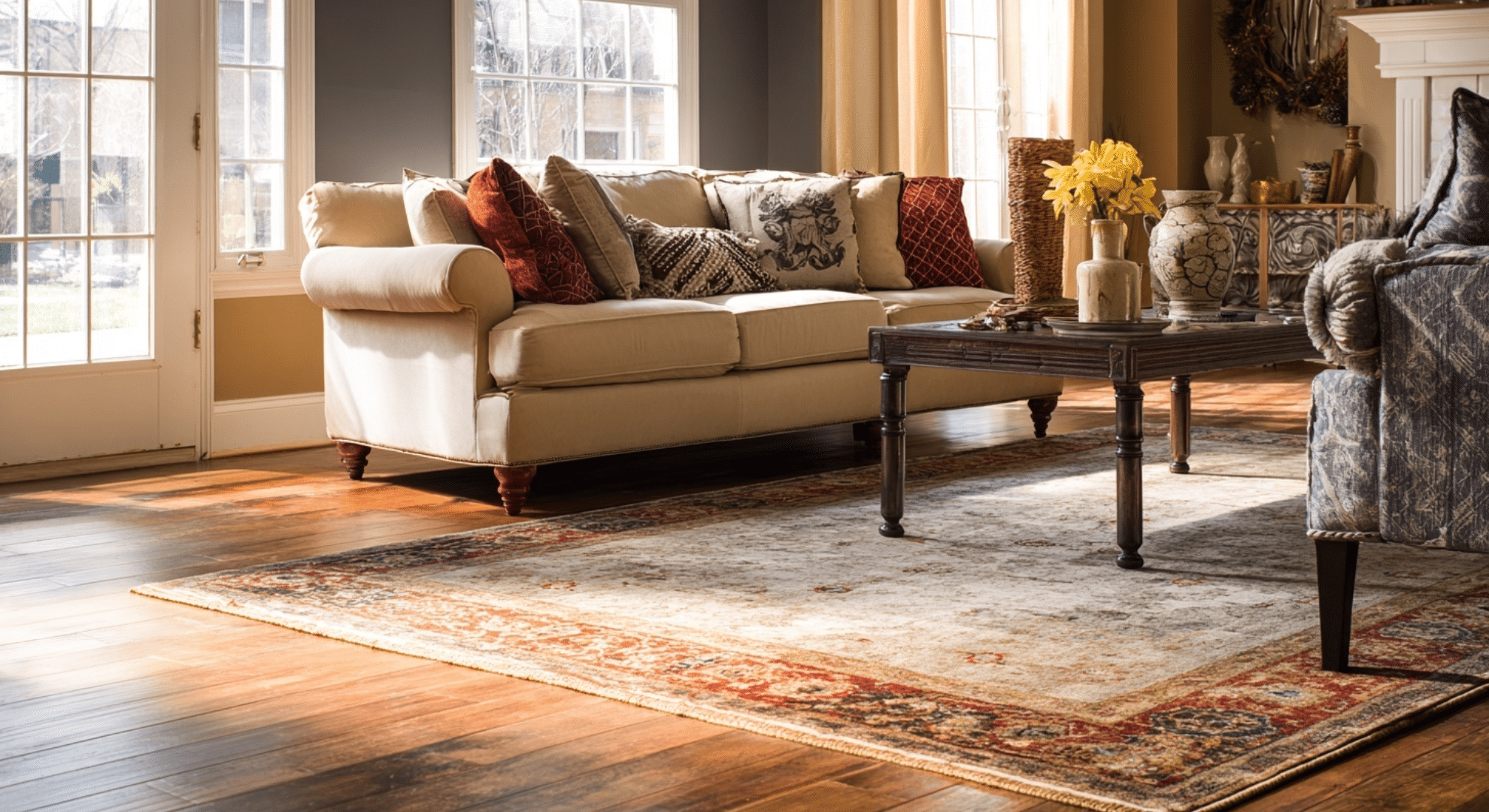
Place area rugs over your hardwood to define spaces and add warmth. Traditional rugs often feature Persian or Oriental patterns with detailed borders. Layer a smaller accent rug over a larger neutral one for added depth.
This approach softens hard floors and creates clear zones in open layouts. Quality rugs also absorb sound and make rooms feel cozier and more finished.
5. Neutral Walls With Warm Undertones
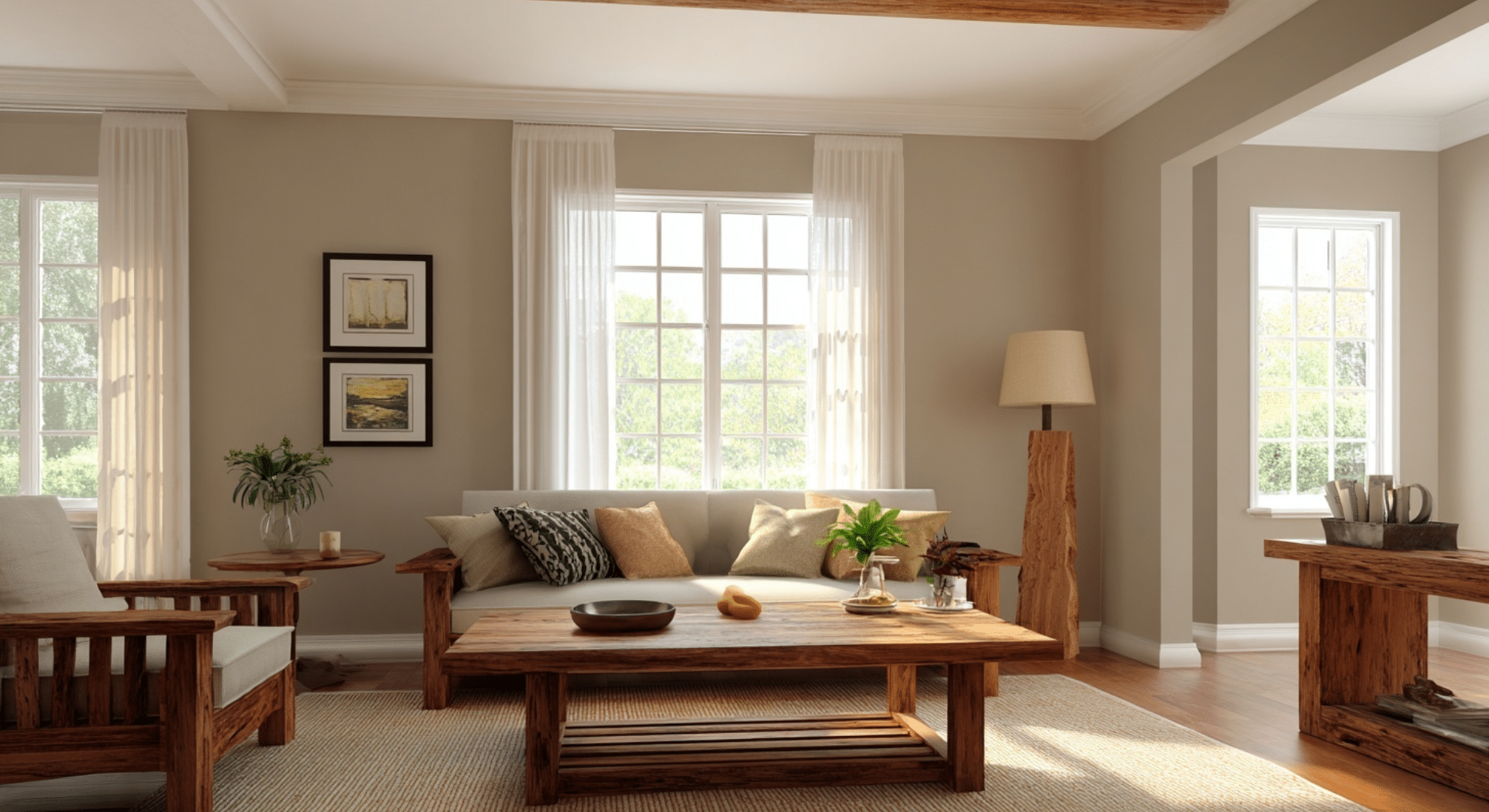
Paint walls in warm neutrals like cream, beige, or soft taupe instead of stark white. These colors create a backdrop that makes wood furniture and rich textiles stand out.
Warm undertones feel inviting and work with traditional’s emphasis on comfort. Test paint samples in your lighting before committing. You want walls that enhance your furniture choices rather than competing with them for attention.
6. Classic Crown Molding and Wall Trim
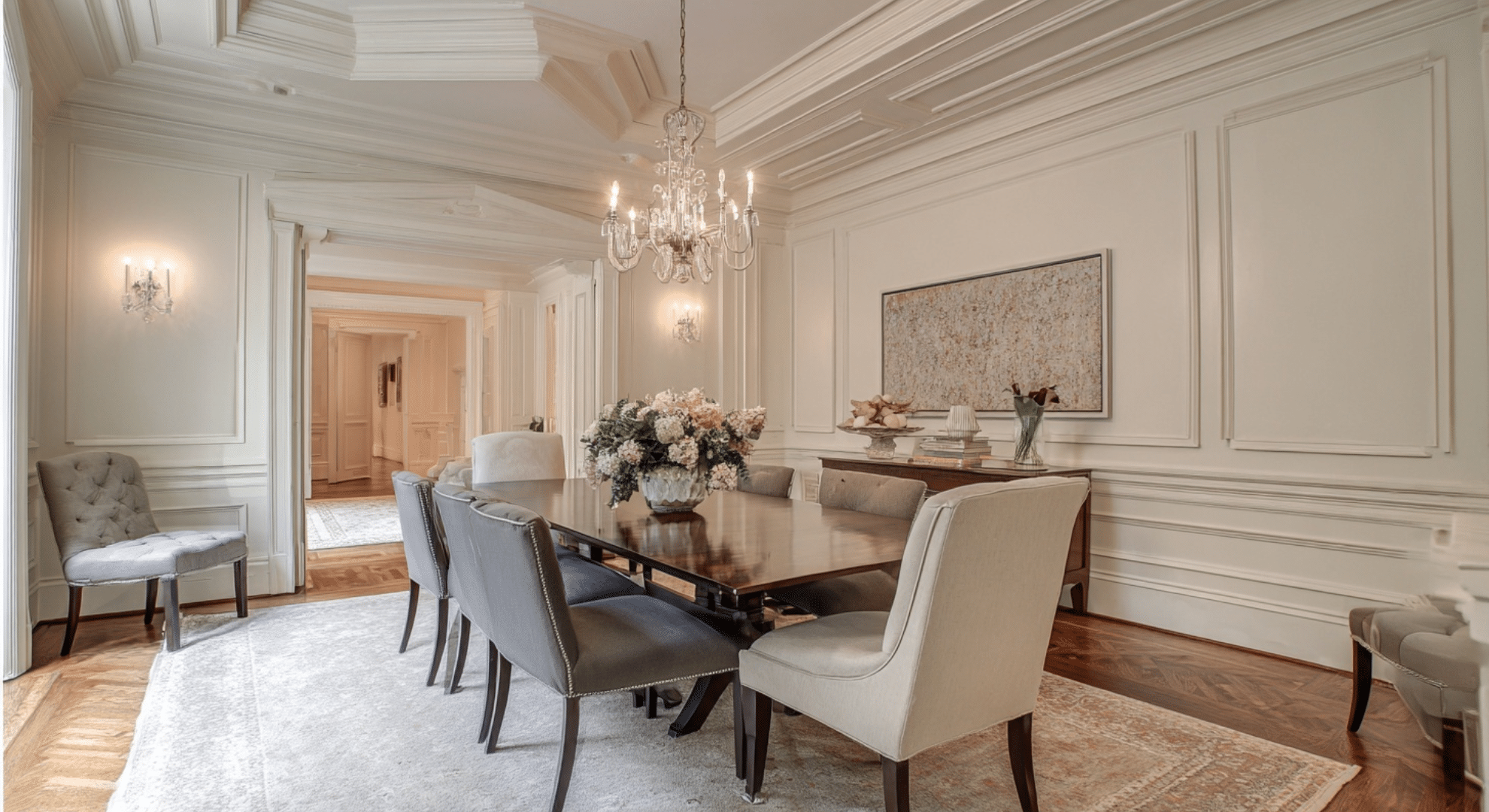
Add crown molding where walls meet ceilings to create architectural interest. Install chair rails or picture molding at mid-wall height for additional detail. These elements give rooms a finished, crafted look that elevates the entire space.
You can paint trim in crisp white against colored walls for contrast. Even simple molding profiles add traditional character without overwhelming your budget or timeline.
7. Built-In Bookcases With Traditional Styling
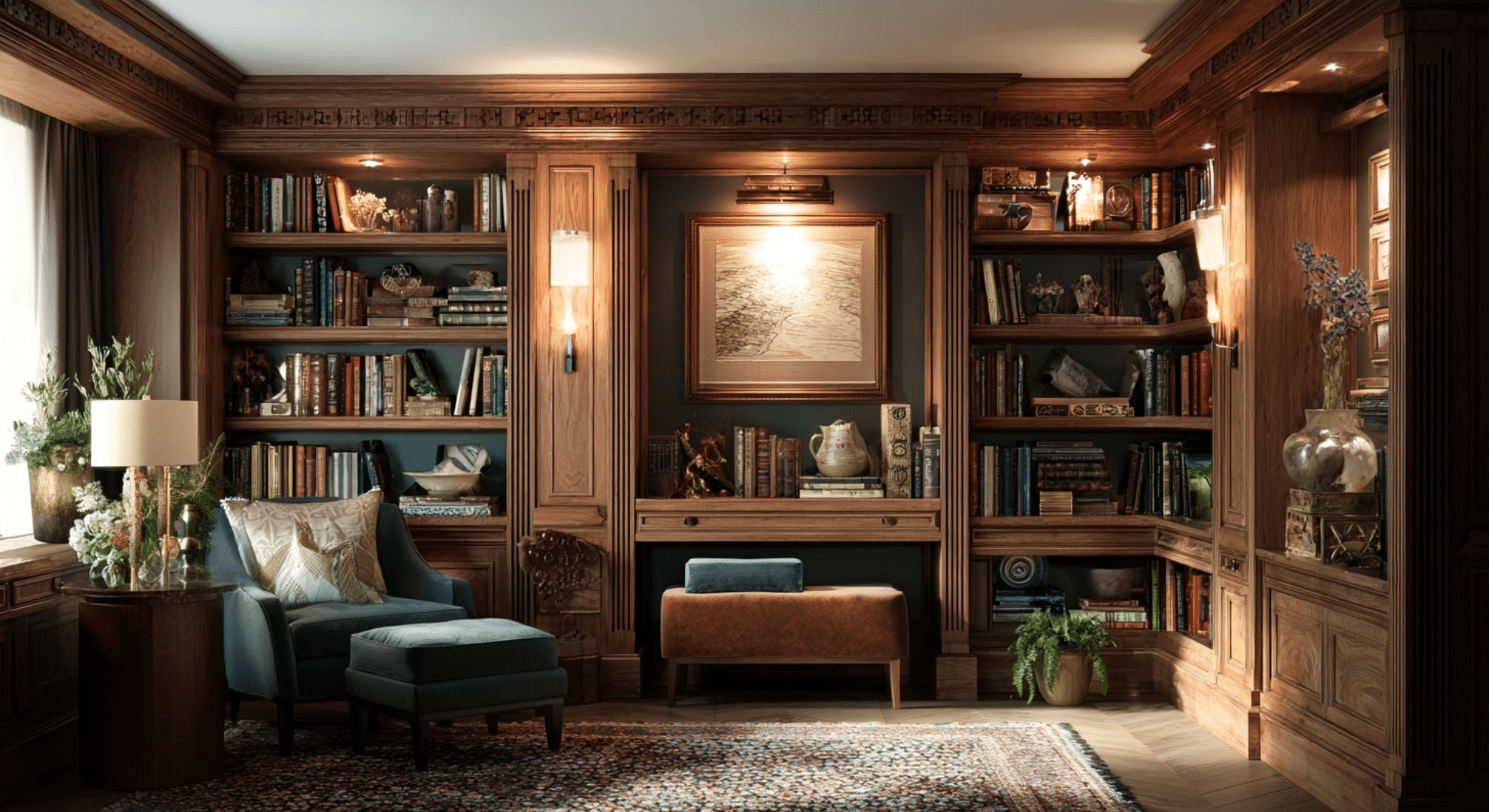
Install built-in bookcases with detailed trim work and adjustable shelving. Frame them with decorative molding and paint them to match your trim or create contrast. Fill shelves with books, framed photos, and collected objects arranged in balanced groupings.
Built-ins provide storage while adding architectural weight to walls. They make rooms feel custom and considered rather than generic or temporary.
8. Patterned Throw Pillows Using Florals or Stripes
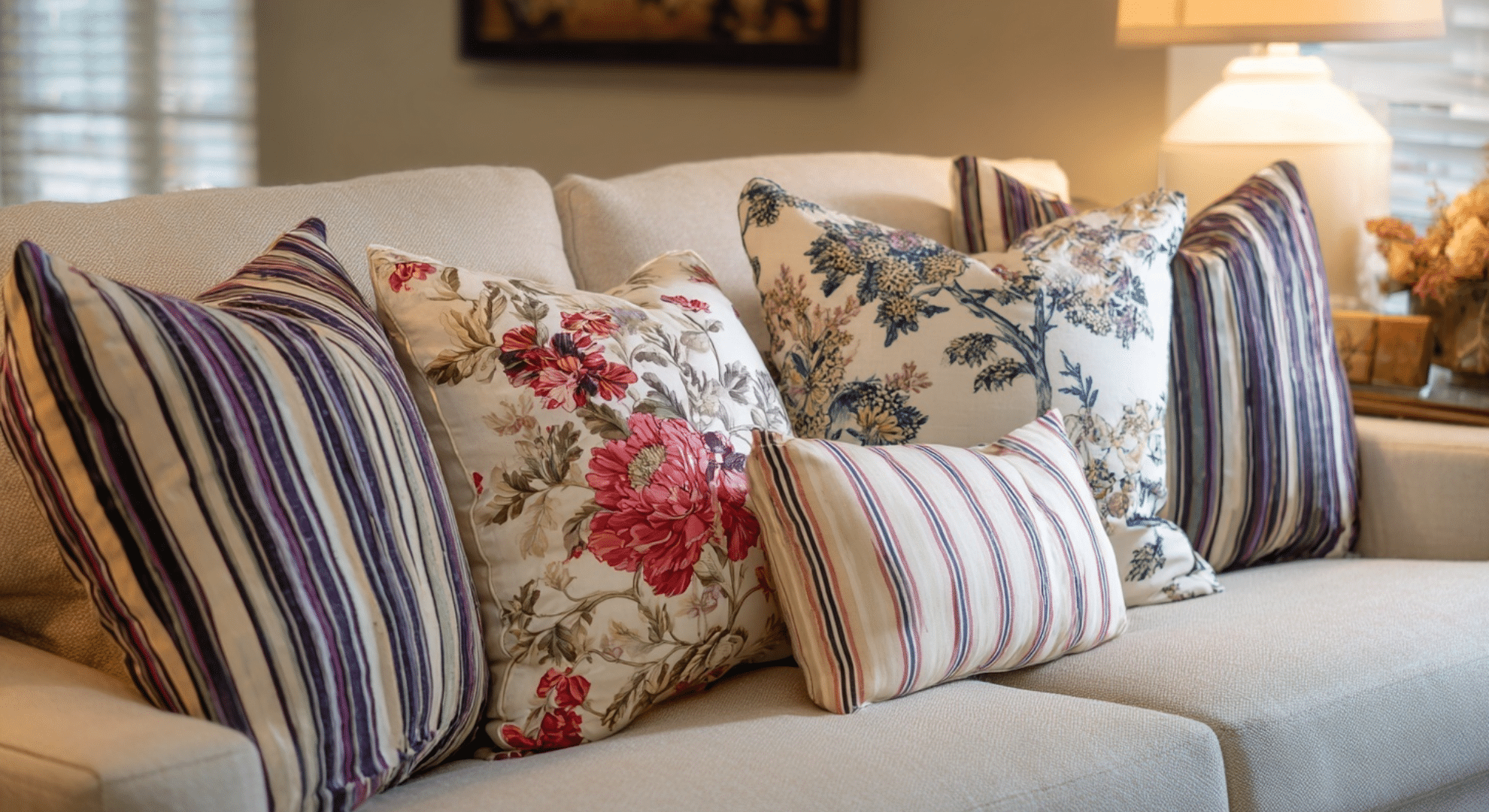
Layer throw pillows in traditional patterns like florals, stripes, or damask across your sofas and chairs. Mix patterns in coordinating colors rather than matching everything exactly. Use odd numbers like three or five pillows per seating piece.
Quality fabrics like silk, velvet, or jacquard add texture and visual richness. Pillows are an easy way to introduce pattern without committing to larger upholstered pieces.
9. Table Lamps With Fabric Shades
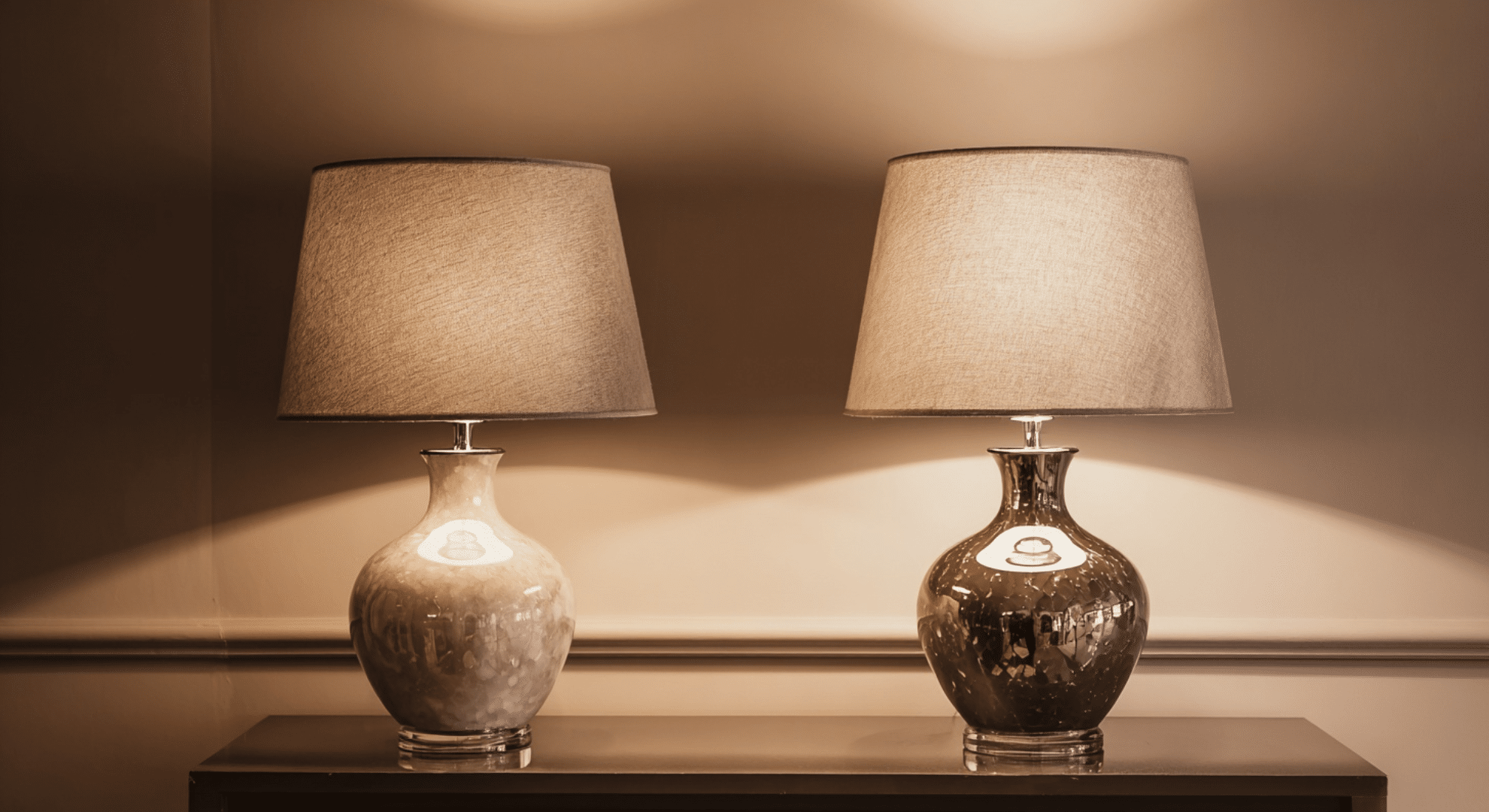
Place matching table lamps on end tables, console tables, or nightstands. Choose lamps with traditional bases in ceramic, crystal, or brass with fabric shades in neutral tones. The paired lamps create symmetry while providing task lighting.
Fabric shades diffuse light softly and feel warmer than bare bulbs or modern fixtures. Quality lamps become decorative elements even when they’re turned off during the day.
10. Chandeliers as a Central Light Source
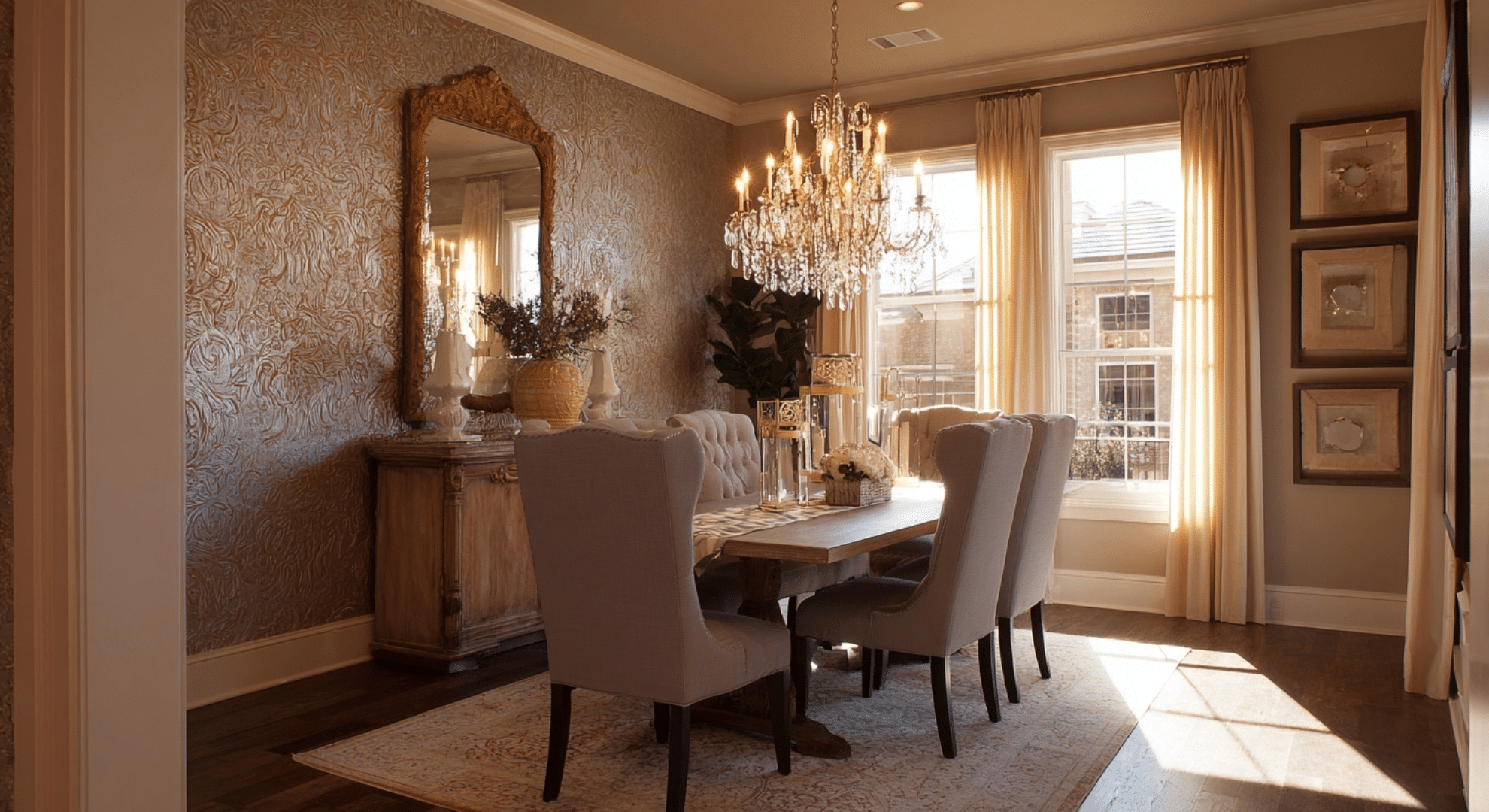
Hang a chandelier as your dining room’s focal point, centered over the table. Traditional chandeliers feature multiple arms, candle-style lights, or crystal details. They provide ambient lighting while adding elegance and visual weight to the ceiling plane.
Size matters, your chandelier should be proportional to your table and room. This classic lighting choice instantly elevates formal spaces and anchors your furniture arrangement below.
11. Skirted Accent Tables
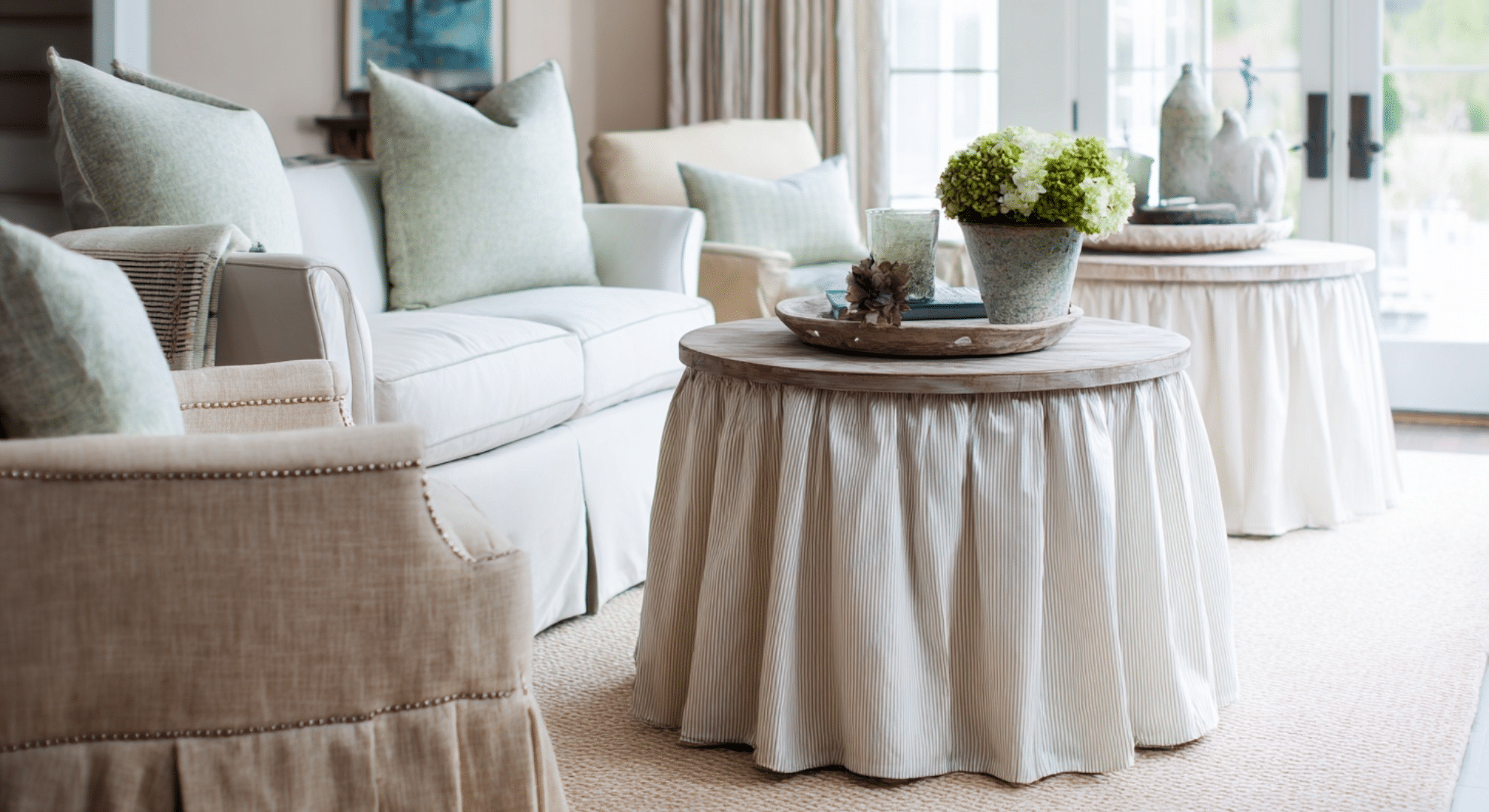
Use round side tables with fabric skirts that reach the floor. The skirt hides storage underneath while adding softness and texture. Choose fabrics that coordinate with your room’s color scheme and pattern mix.
Skirted tables work especially well in living rooms and bedrooms where you need flexible storage. They’re a traditional detail that’s both practical and decorative, softening hard furniture lines in your space.
12. Traditional Dining Tables With Solid Wood Bases
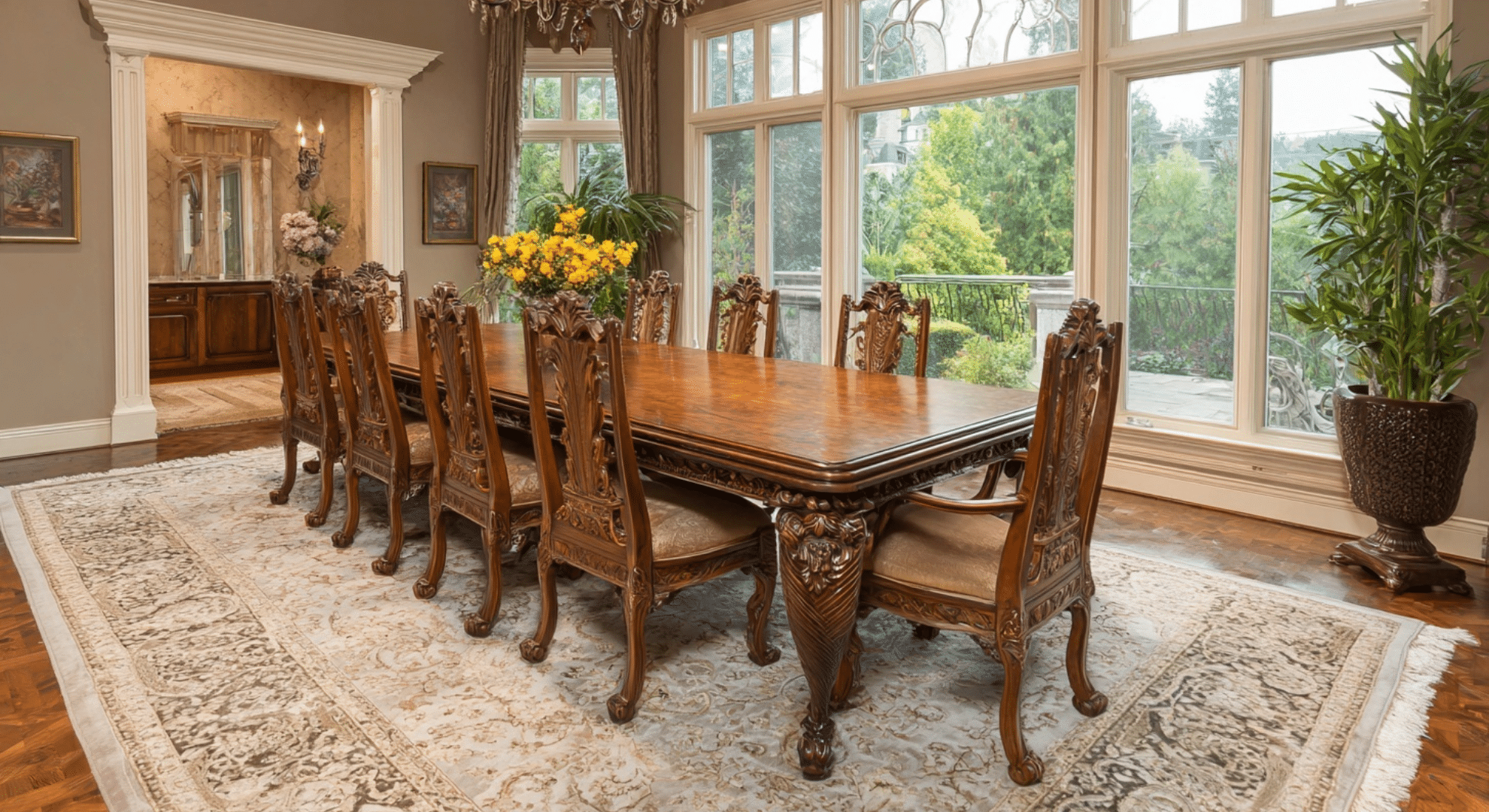
Invest in a solid wood dining table with turned or carved legs. Look for tables with substantial bases that feel grounded and permanent. Traditional shapes include rectangular tables with rounded corners or oval tables for softer lines.
Quality wood develops patina over time and withstands daily family use. Your dining table anchors the room and sets the tone for your entire dining space.
13. High-Back Dining Chairs With Upholstery
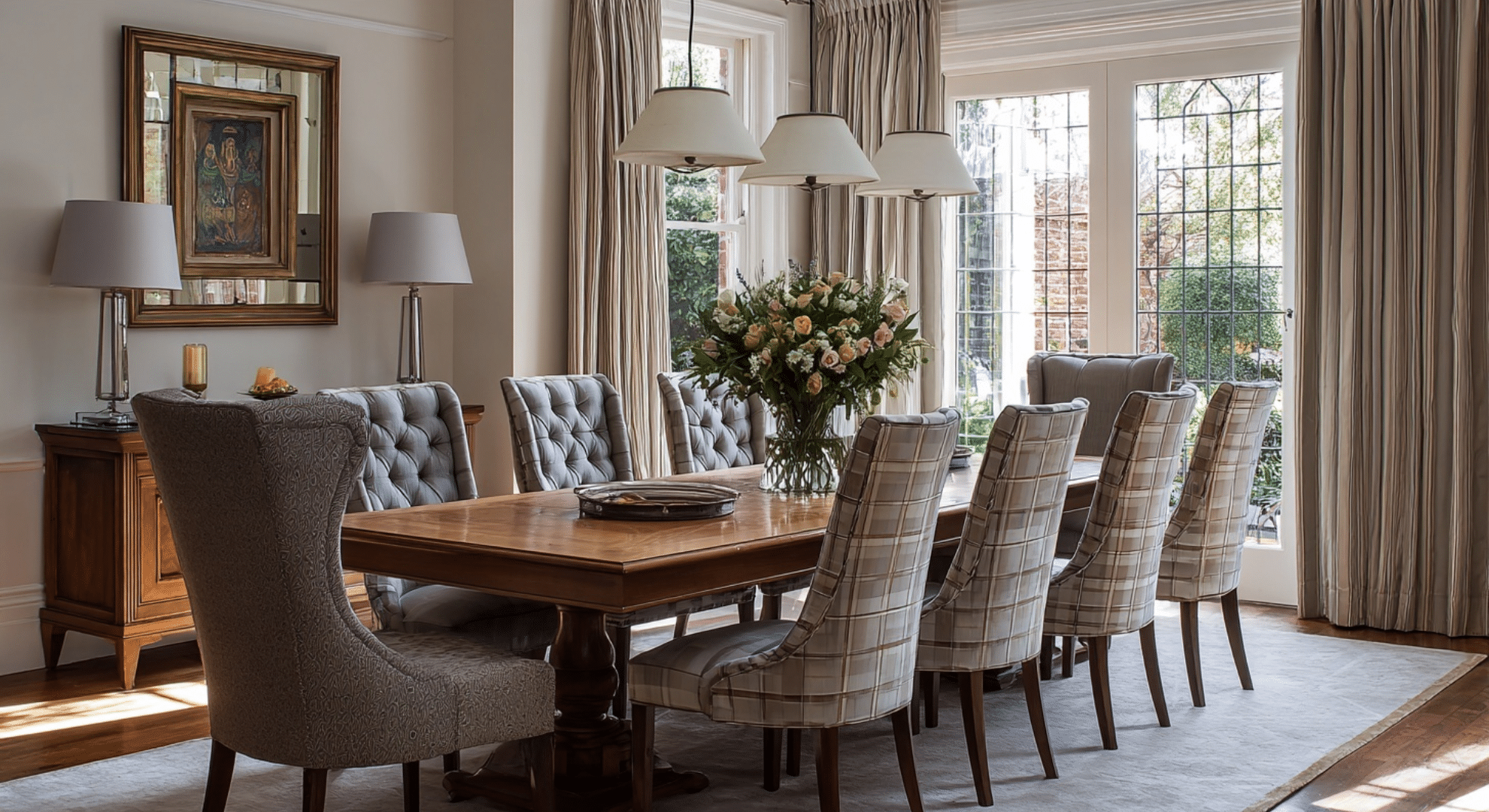
Choose dining chairs with tall backs and upholstered seats for comfort during long meals. Traditional chairs often feature carved wood frames with fabric seats and backs. Consider arm chairs at table ends for added formality.
Upholstery in durable fabrics protects chairs while adding softness and color. High backs create visual presence around your table and make the dining experience feel more substantial and intentional.
14. Formal Entryways With Console Tables
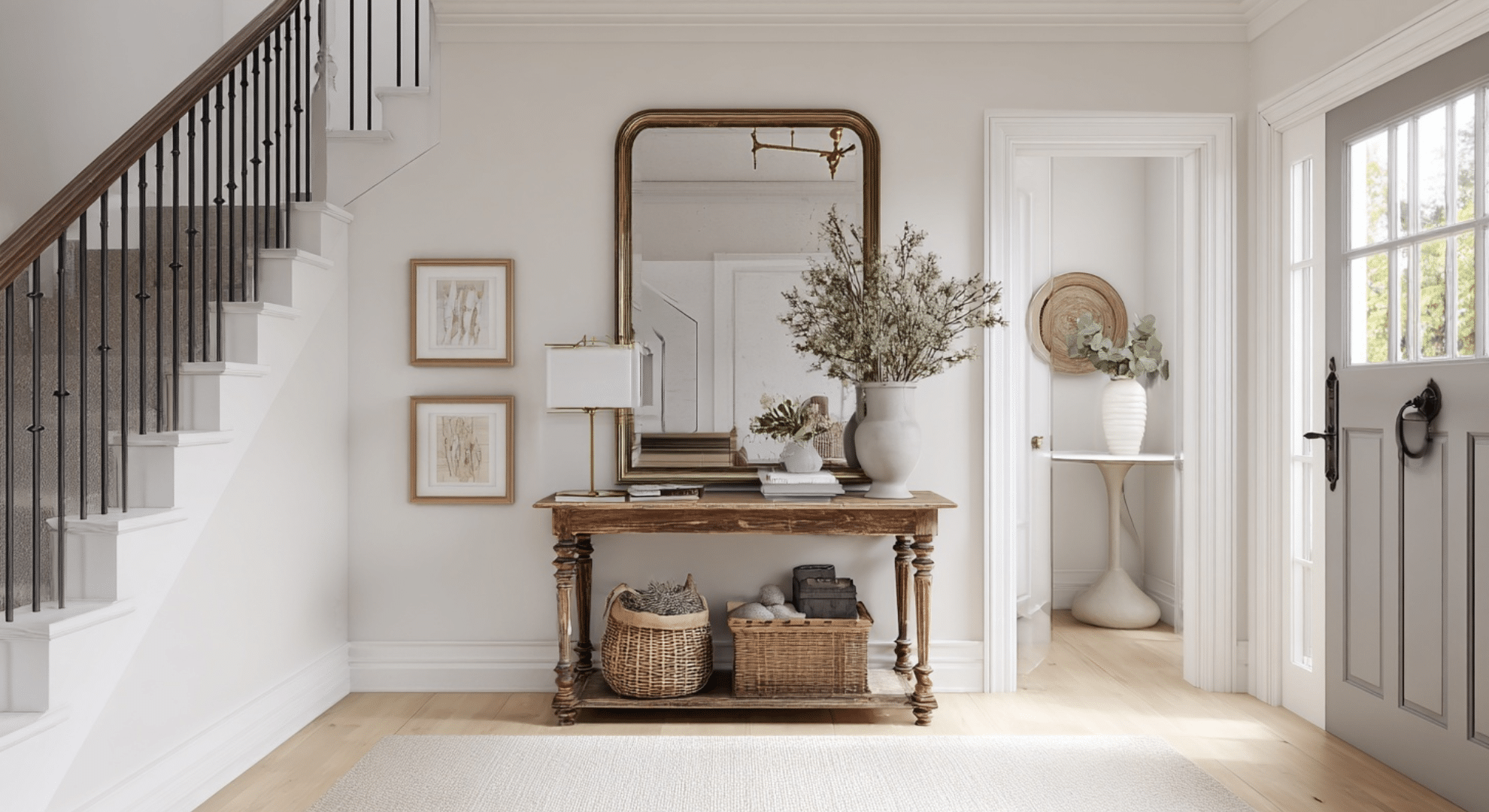
Place a console table against your entryway wall as a landing spot and focal point. Top it with a table lamp, framed mirror, and a few collected objects arranged symmetrically.
The console provides function while establishing your home’s traditional character immediately. Choose a table with decorative legs or carved details. This setup creates a welcoming transition from outside to inside your home.
15. Framed Artwork Hung in Balanced Groupings
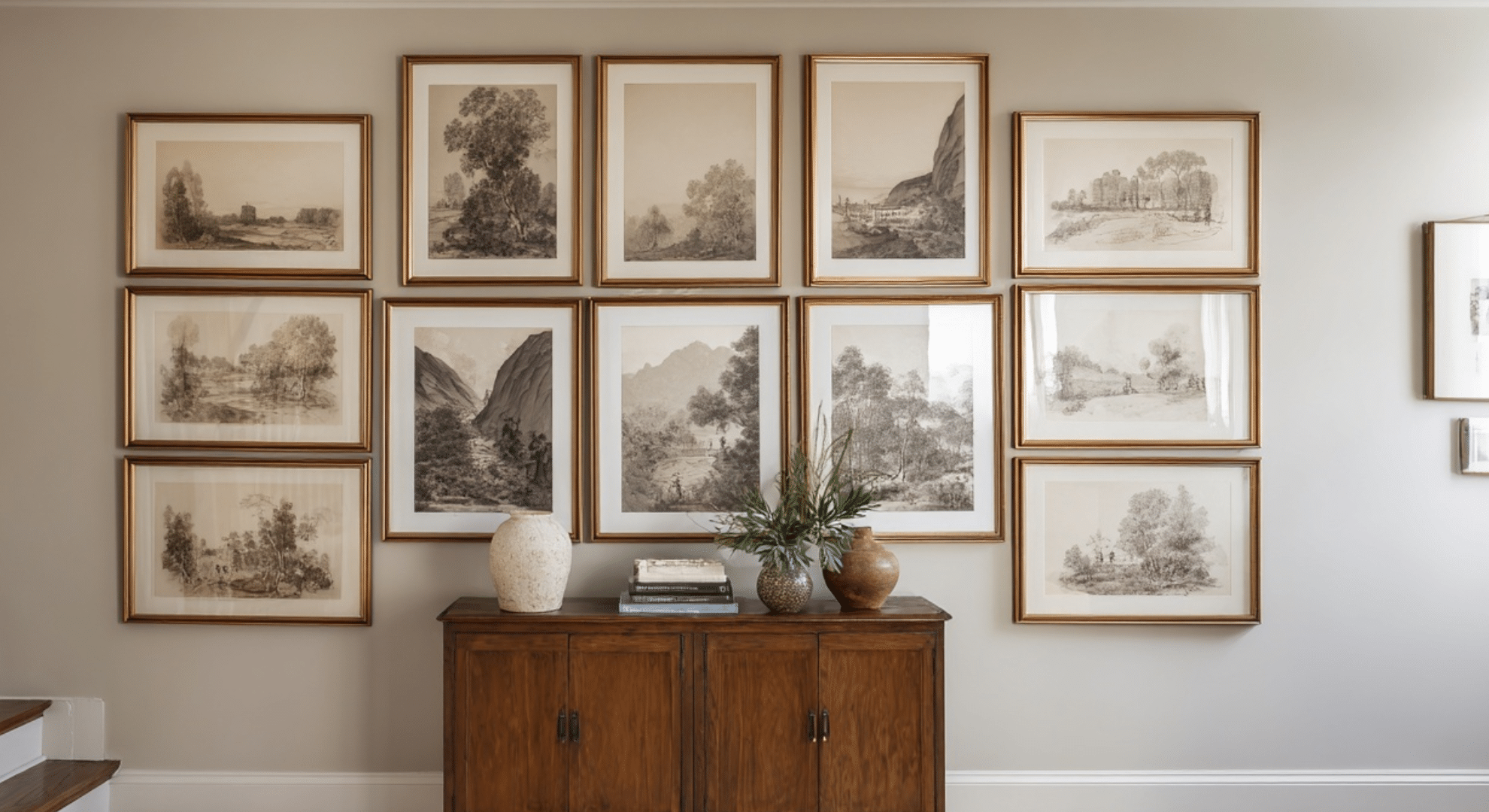
Arrange framed artwork in symmetrical groupings rather than random gallery walls. Hang matching frames in pairs flanking a central piece, or create a grid of similar-sized frames.
Traditional art includes landscapes, portraits, and botanical prints in classic frames. Keep spacing consistent between frames for a polished look. Balanced groupings feel intentional and support traditional design’s emphasis on order and visual harmony.
16. Layered Window Treatments With Drapes and Sheers
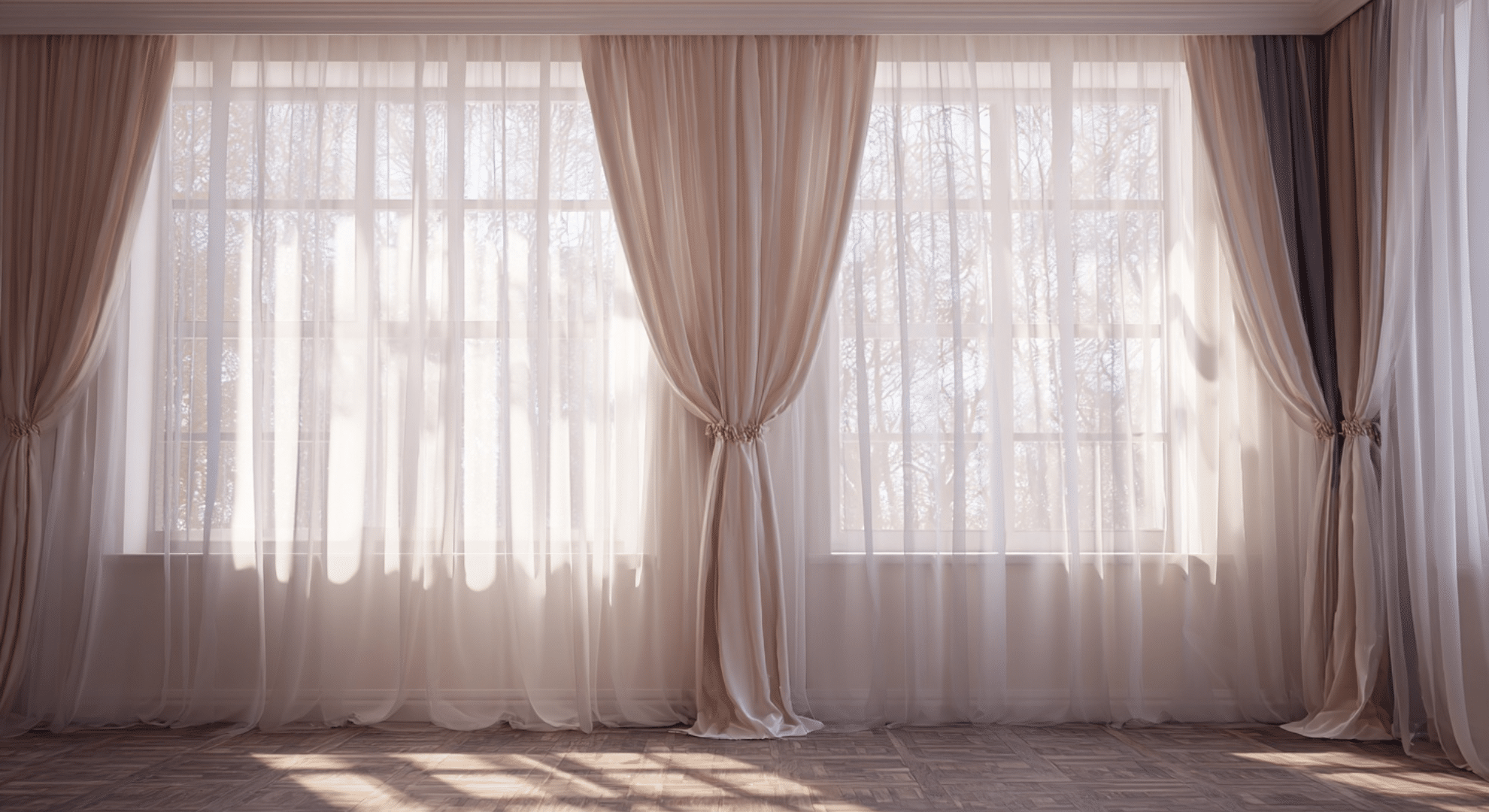
Hang floor-length drapes over sheer curtains for light control and privacy options. Mount hardware high and wide to make windows appear larger. Choose drapes in rich fabrics like silk, velvet, or lined cotton in colors that coordinate with your walls.
The layering adds depth and softness to hard window frames. This traditional approach controls light beautifully while adding elegance to every room.
17. Traditional Bedroom Headboards in Wood or Upholstery
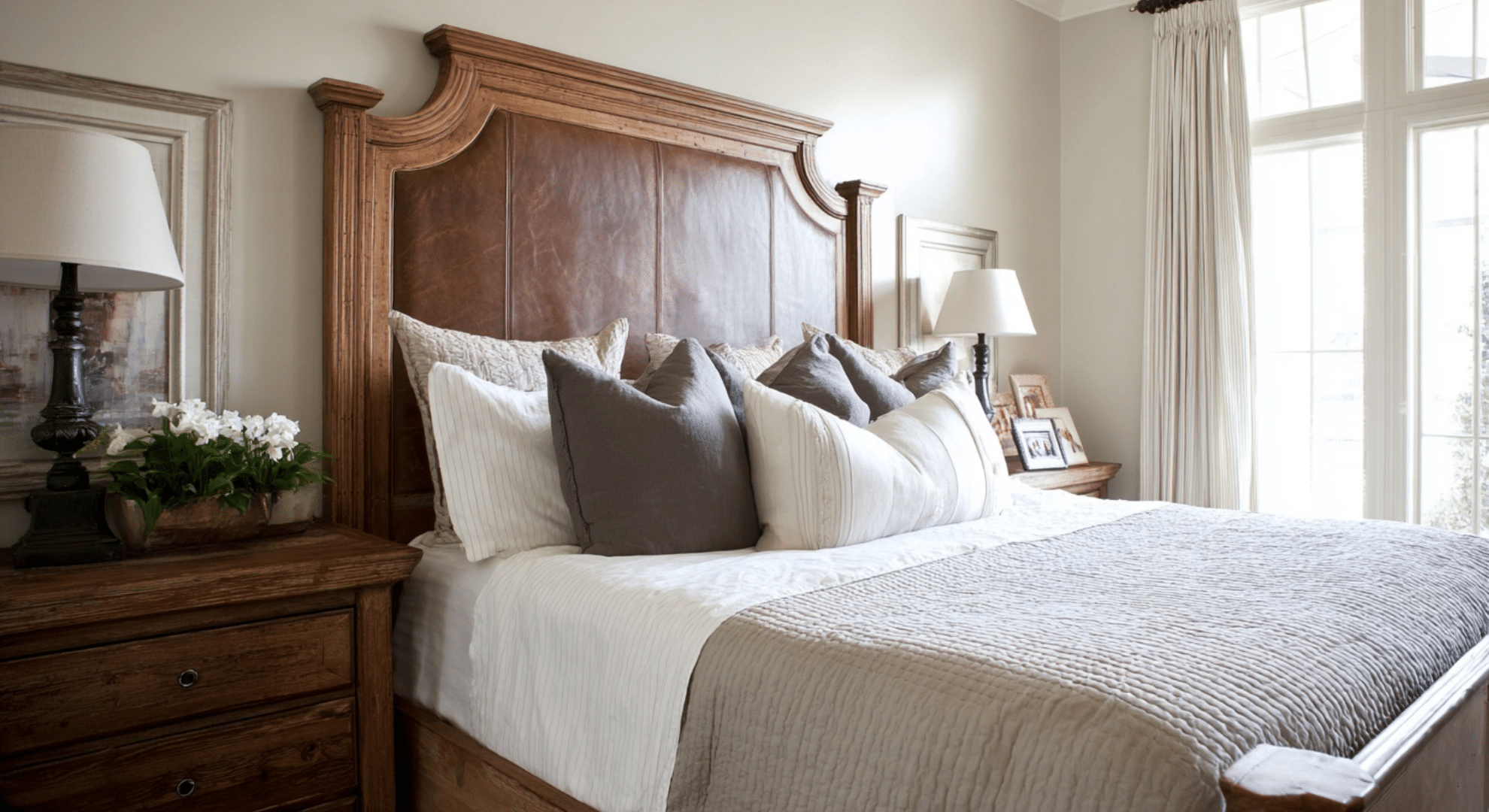
Install a substantial headboard in carved wood or upholstered fabric as your bedroom’s focal point. Wood headboards bring architectural weight while upholstered versions add softness and comfort.
Choose heights that balance your mattress size and ceiling height. A quality headboard grounds your bed and makes the entire room feel more finished. It’s the piece that defines your bedroom’s traditional character most clearly.
18. Nightstands That Match or Closely Coordinate
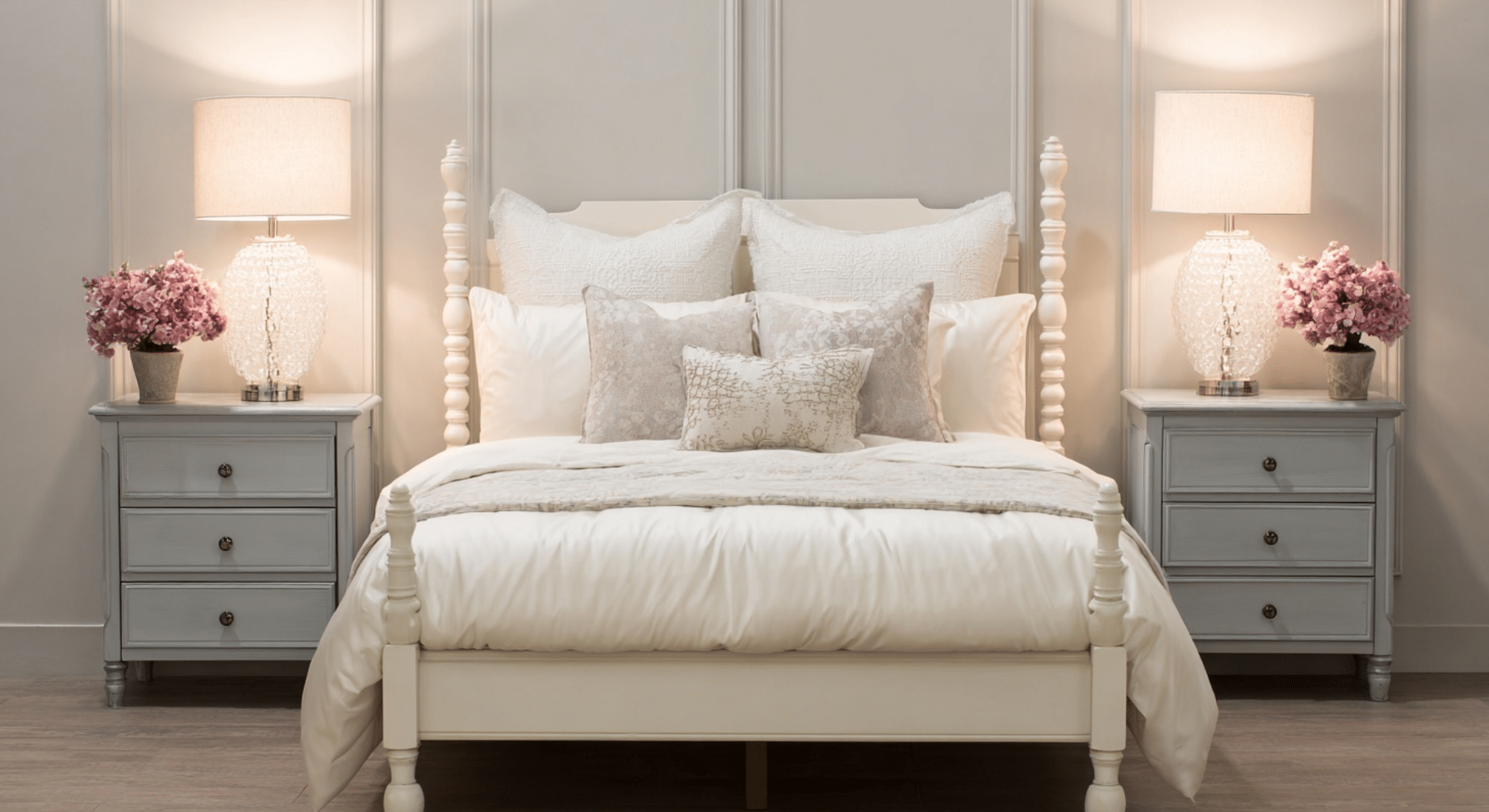
Use matching nightstands on either side of your bed for symmetry and balance. They don’t need to be identical, but should coordinate in style, height, and finish. Traditional nightstands feature drawers, turned legs, and substantial proportions.
Matching pieces create visual calm and make your bedroom feel intentional. Top each with a lamp for balanced lighting and practical bedside function you’ll use daily.
19. Classic Area Rugs With Borders or Medallions
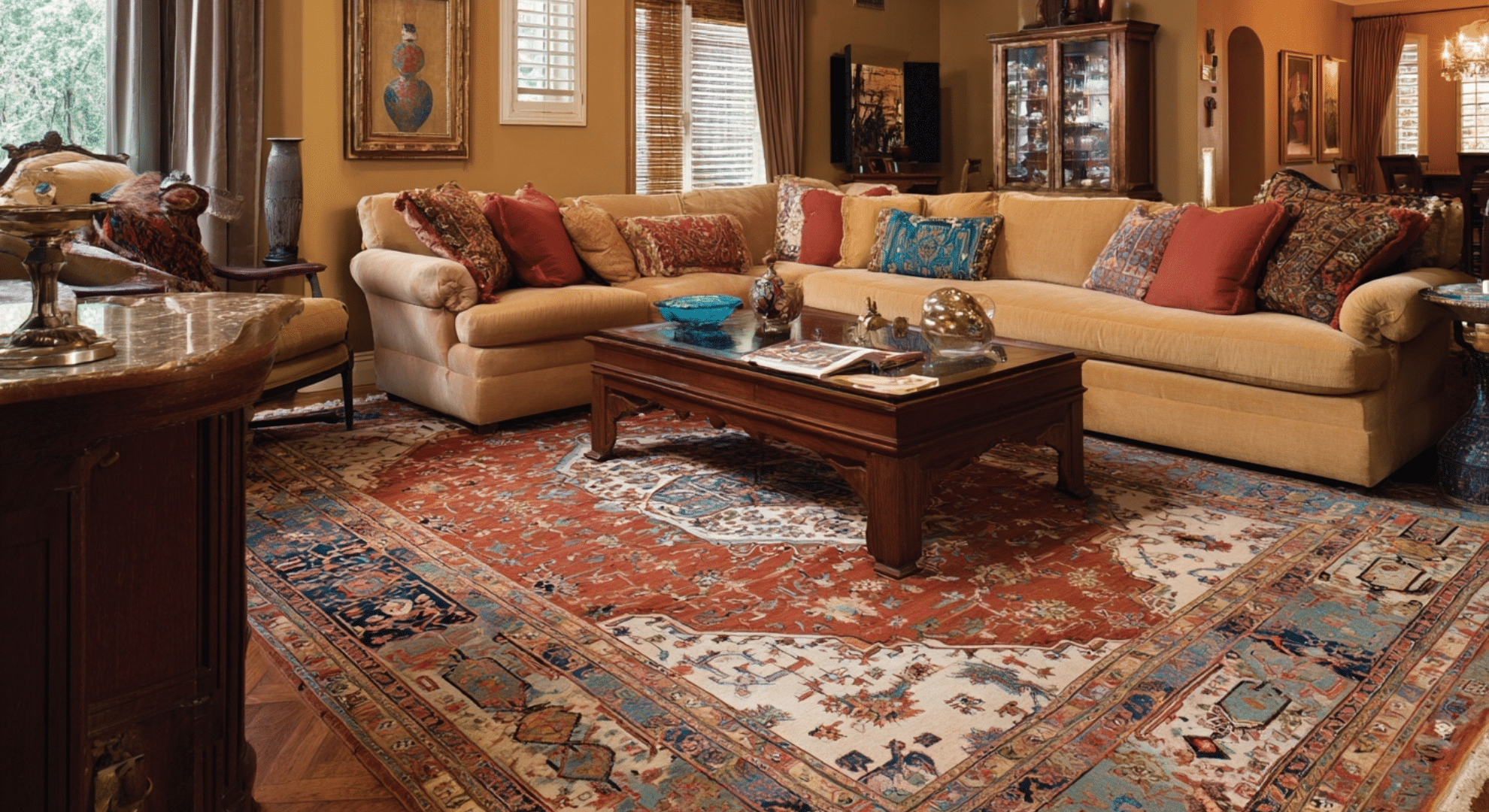
Choose area rugs with defined borders and central medallion patterns for traditional spaces. Persian and Oriental rug designs work beautifully with their intricate patterns and rich color palettes.
The border frames your furniture arrangement and defines the space clearly. Look for rugs in wool or silk blends that age gracefully. These patterns add visual interest to floors without overwhelming your furniture or competing for attention.
20. Decorative Mirrors With Traditional Frames
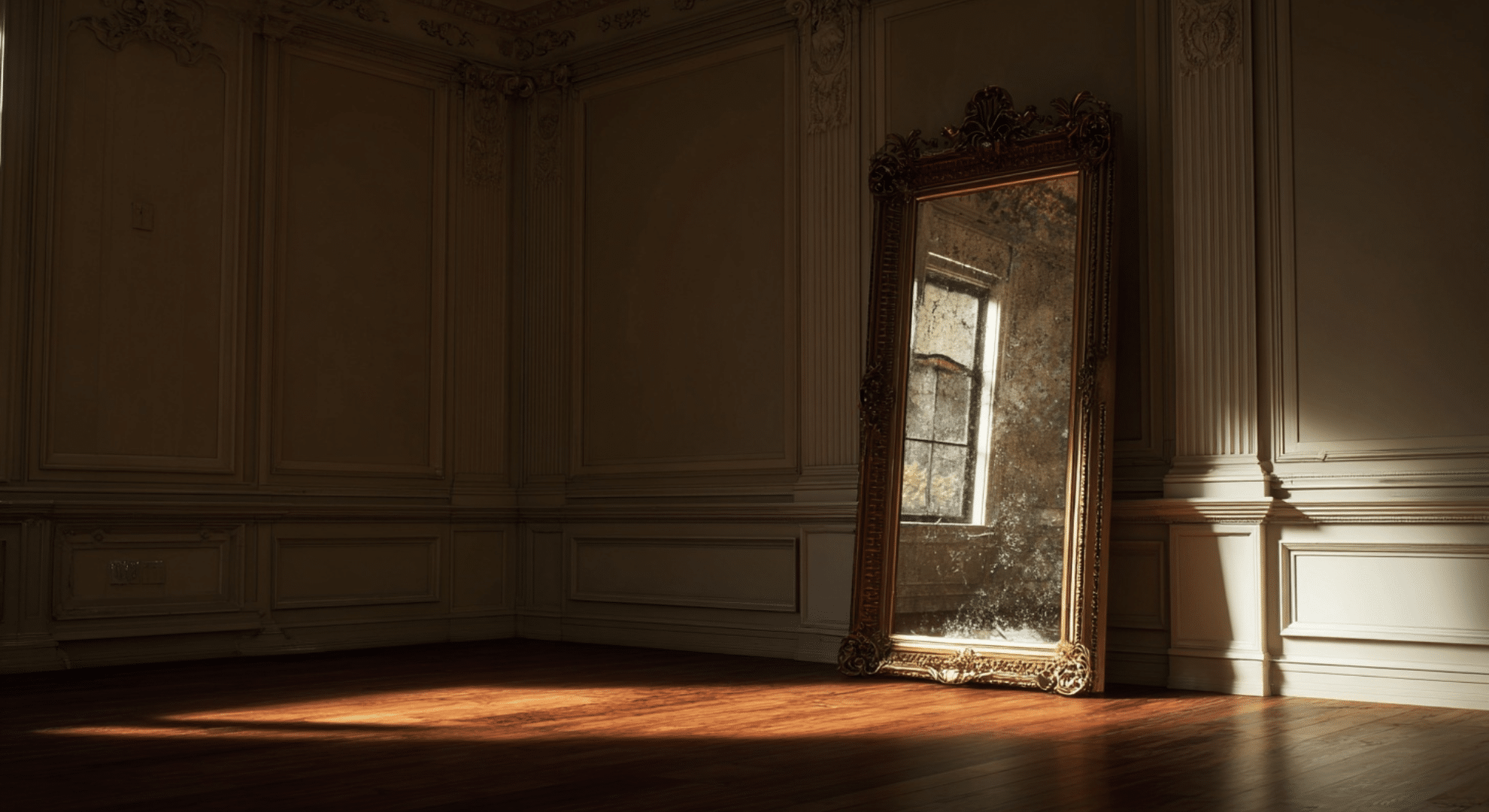
Hang mirrors in ornate frames over mantels, console tables, or dressers. Traditional frames feature gilded finishes, carved wood details, or beveled edges. Mirrors reflect light and make spaces feel larger while serving as decorative focal points.
Position them to reflect something attractive like a window or chandelier. Quality framed mirrors add elegance and function, working as both practical tools and statement pieces in your room.
21. Built-In China Cabinets or Hutches
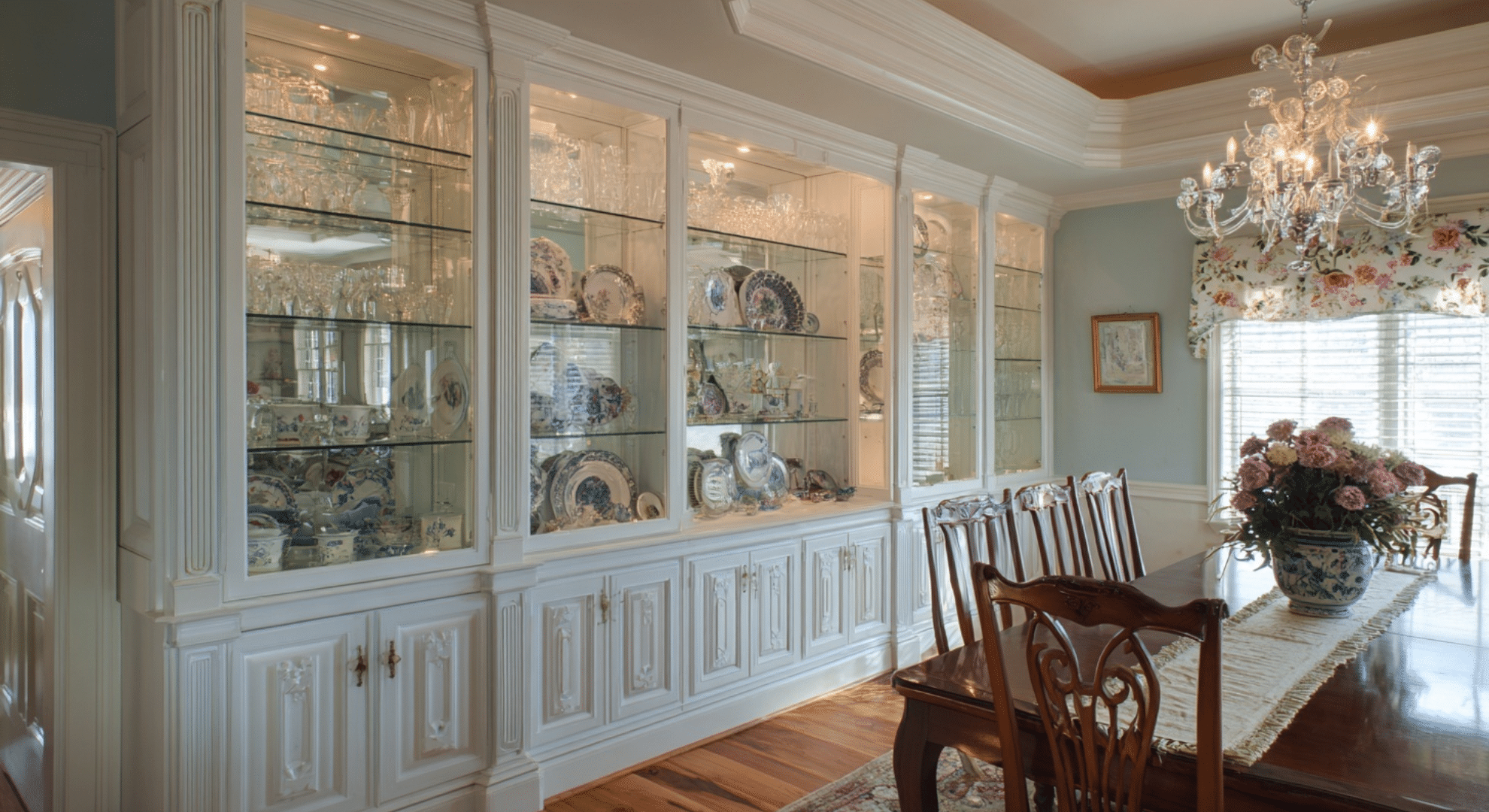
Install china cabinets with glass doors to display dishes, glassware, or collected objects. Traditional hutches feature detailed millwork, interior lighting, and lower storage cabinets. They add architectural presence while solving storage needs in dining rooms or kitchens.
Display items in balanced arrangements behind glass for visual interest. Built-ins make rooms feel custom and permanent rather than furnished with standalone pieces alone.
22. Accent Chairs With Turned Legs
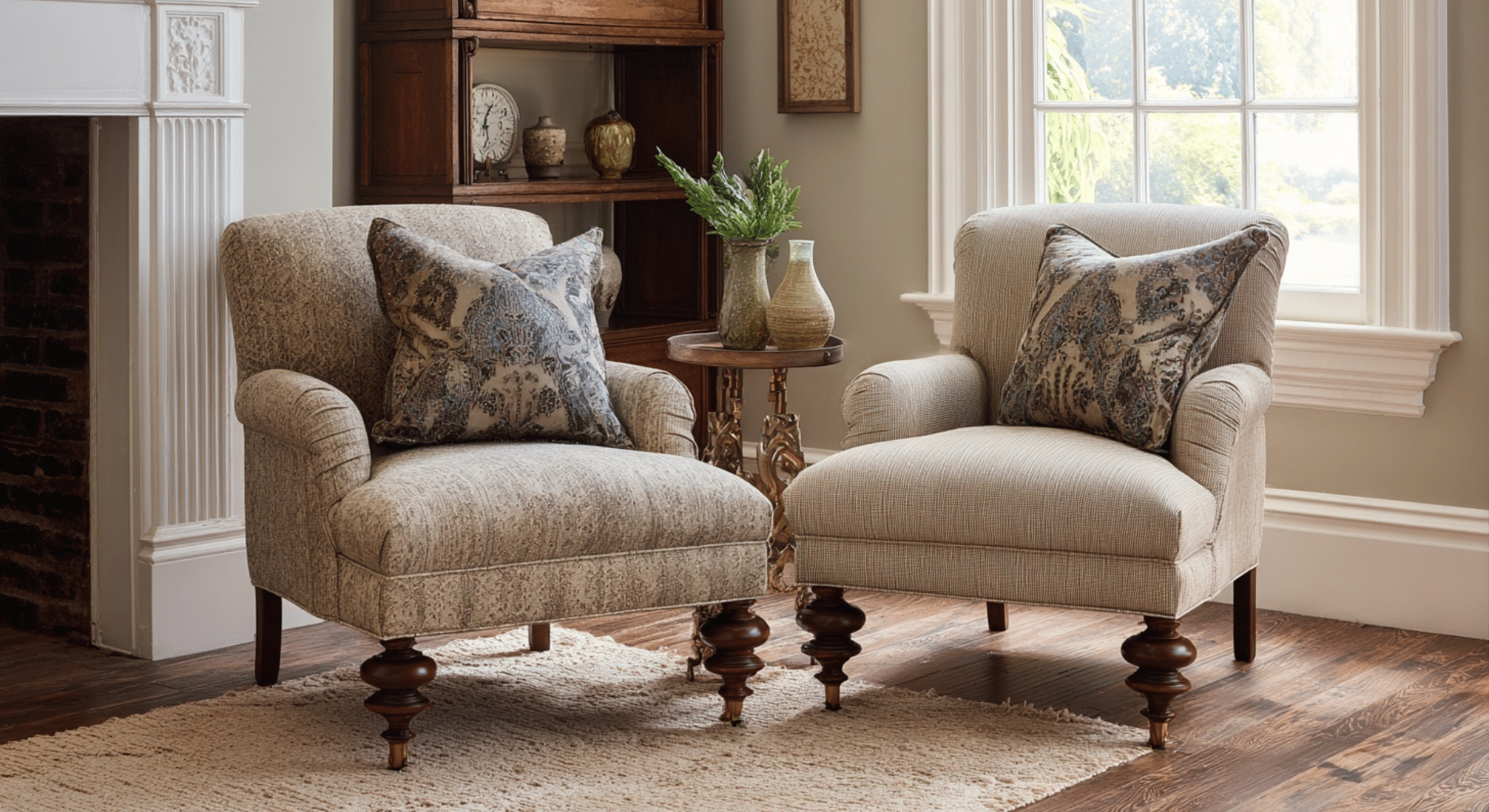
Add occasional chairs with turned wooden legs and upholstered seats throughout your home. These chairs work in living rooms, bedrooms, or entryways as flexible seating. Turned legs feature decorative carved details that add traditional character.
Choose fabrics that coordinate with your existing palette but add pattern or texture. Single accent chairs become conversation pieces while providing practical extra seating when you need it.
23. Fireplace Mantels With Traditional Profiles
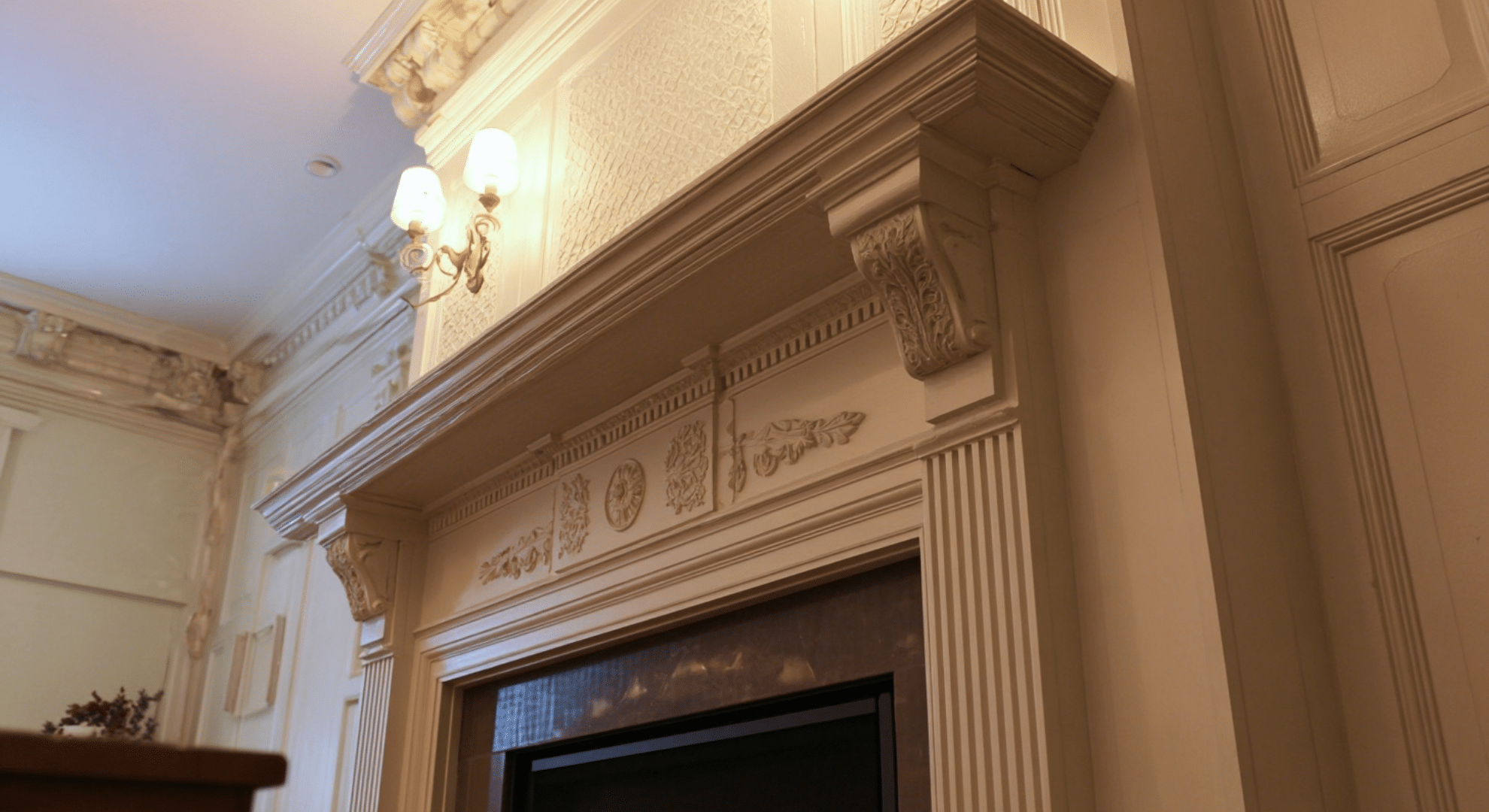
Install or update your fireplace mantel with traditional molding profiles and substantial proportions. Classic mantels feature detailed trim work, corbels, or dentil molding that adds architectural weight.
Paint mantels white for contrast or stain them to match your wood tones. The mantel becomes a natural focal point for symmetrical decor arrangements. It anchors your room and provides a display surface for collected objects and seasonal decorations.
24. Traditional Kitchen Cabinets With Raised Panels
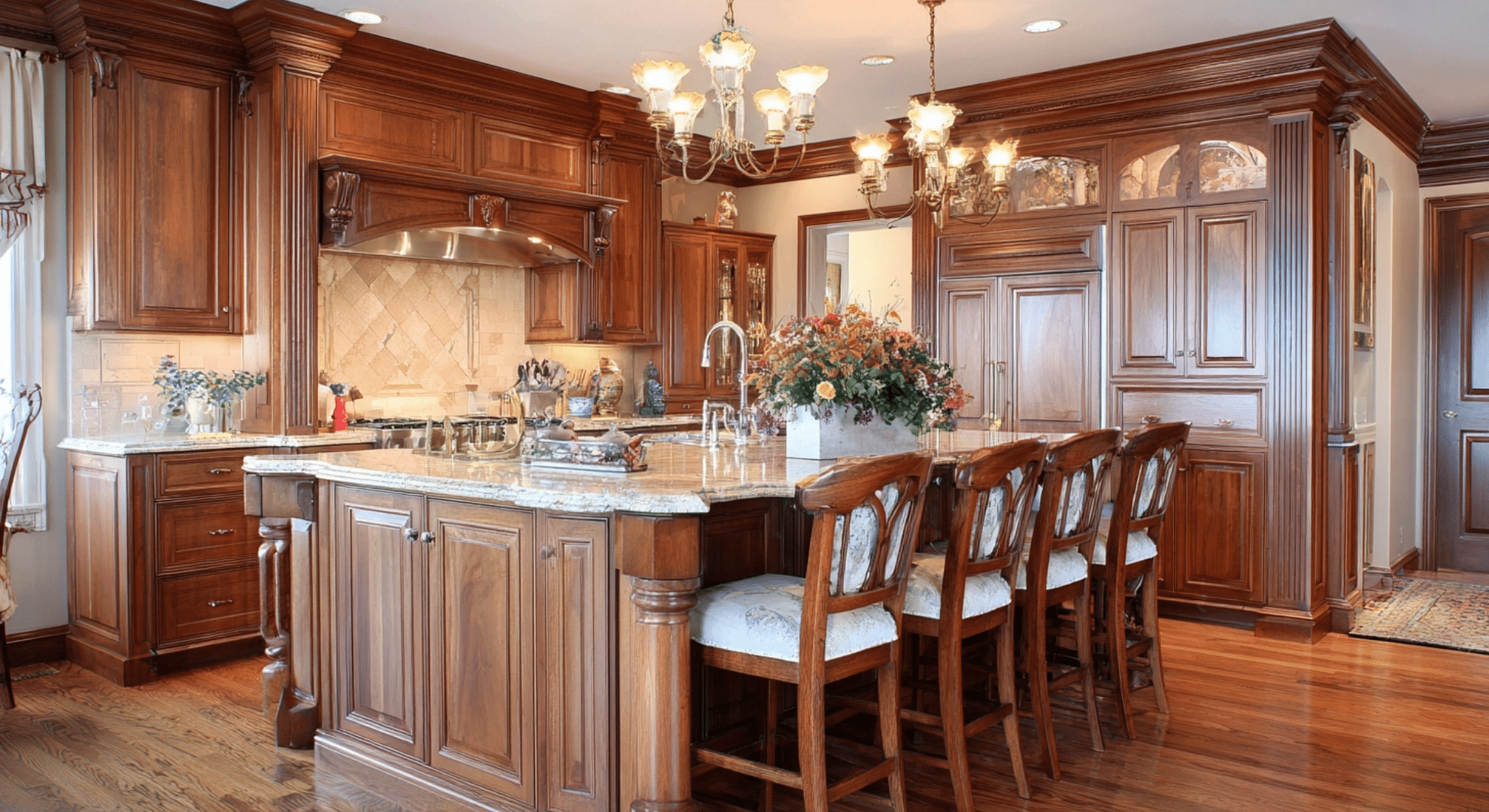
Choose kitchen cabinets with raised panel doors instead of flat modern fronts. Traditional cabinet styles include Shaker-inspired designs or more ornate raised panels with decorative edges.
Pair them with crown molding at the ceiling and furniture-style details like feet or turned posts. Quality wood cabinets in painted or stained finishes create a timeless kitchen. These details make your kitchen feel crafted and substantial rather than builder-grade.
25. Soft Patterned Wallpaper in Small Doses
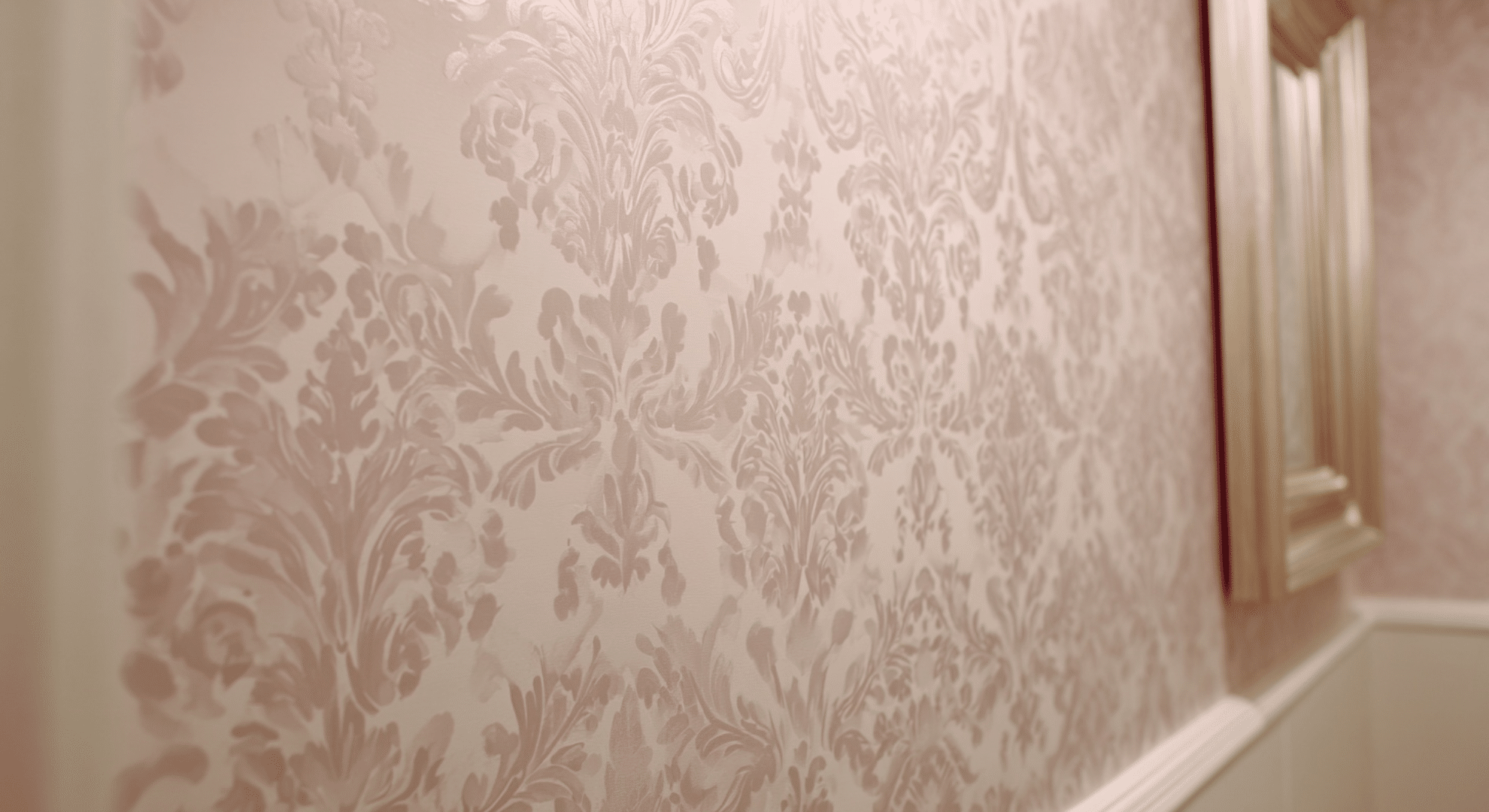
Use traditional wallpaper patterns in powder rooms, dining rooms, or accent walls rather than entire homes. Look for damask, toile, or subtle stripe patterns in coordinating colors.
Wallpaper adds texture and visual interest that paint alone can’t achieve. Small spaces handle pattern better without feeling overwhelming. This traditional element creates impact in focused areas while keeping your overall design approachable and livable.
26. Decorative Vases and Collected Accessories
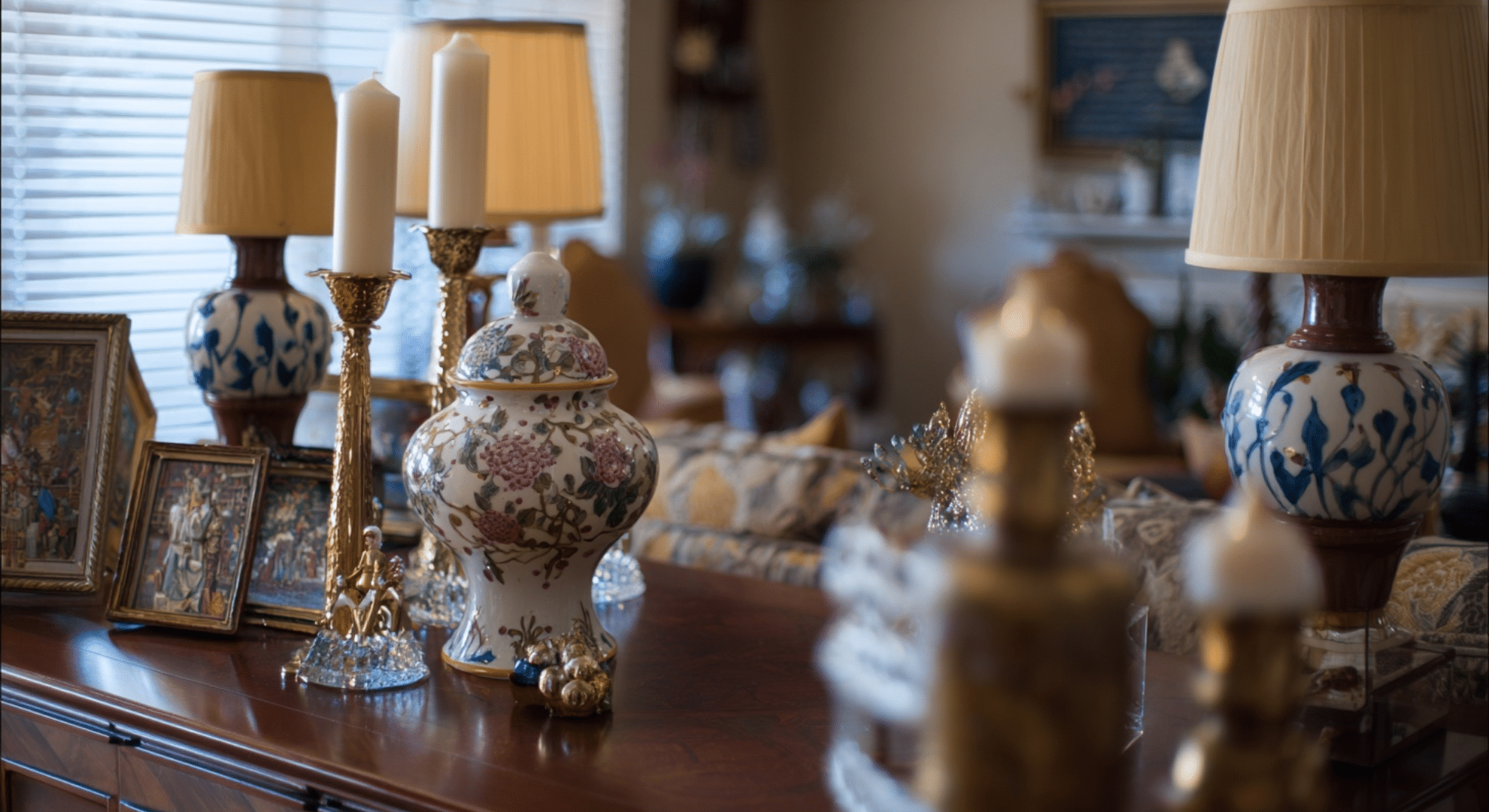
Display collected objects like ceramic vases, brass candlesticks, or framed miniatures on surfaces throughout your home. Group items in odd numbers and vary heights for visual interest. Traditional accessories feel curated over time rather than bought as matched sets.
Rotate displayed items seasonally to keep spaces feeling fresh. These personal touches make rooms feel lived-in and give you flexibility to adjust your decor without major changes.
27. Traditional Stair Runners With Subtle Patterns
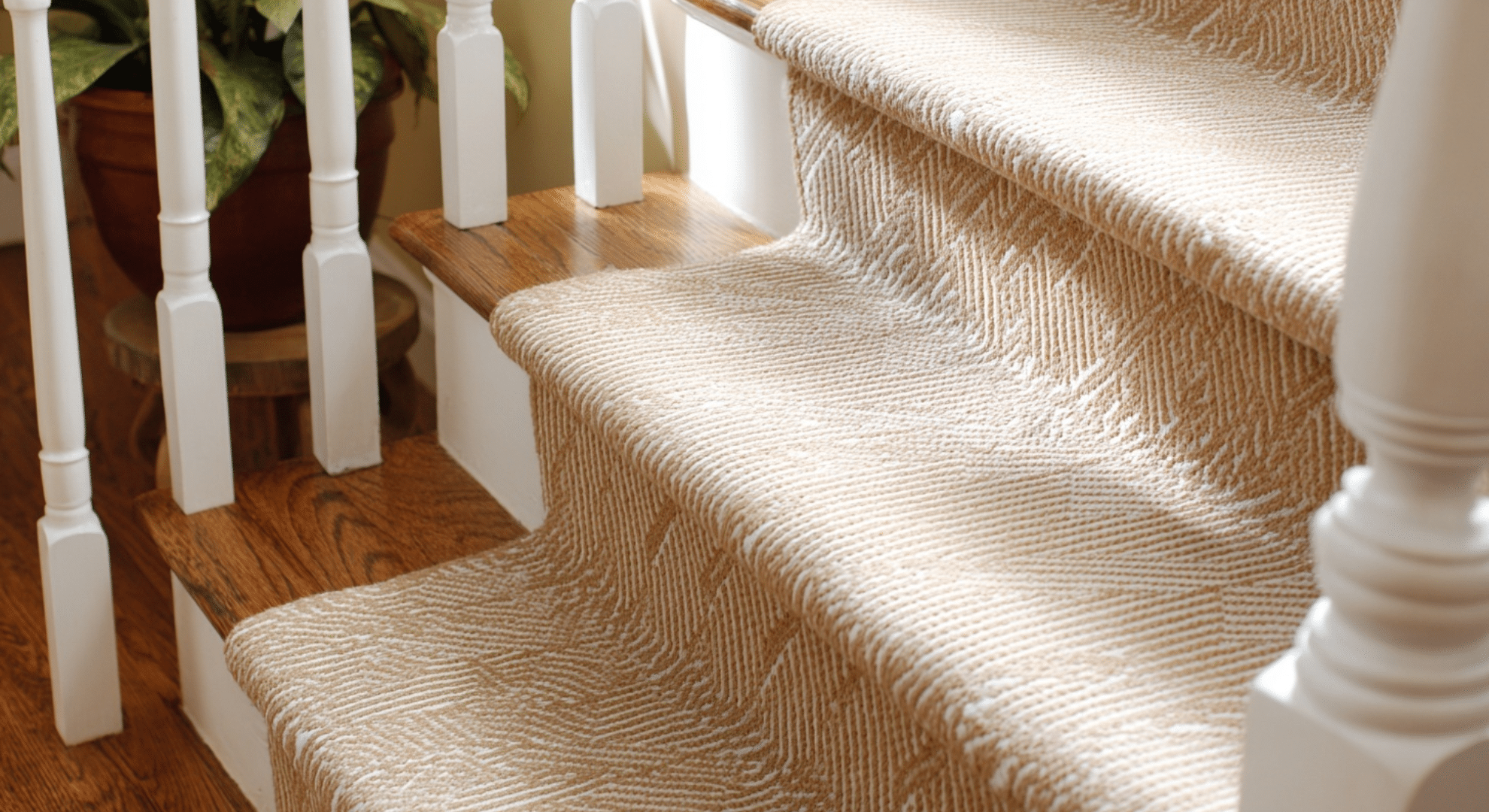
Install carpet runners on hardwood stairs in classic patterns like stripes or small geometrics. Runners protect high-traffic stairs while adding warmth and sound absorption. Traditional runner patterns coordinate with your overall color scheme without demanding attention.
Leave hardwood exposed on either side for visual contrast. Quality runners make stairs safer and more comfortable while contributing to your home’s traditional character from entry to upper floors.
28. Coordinated Color Palettes Across Rooms
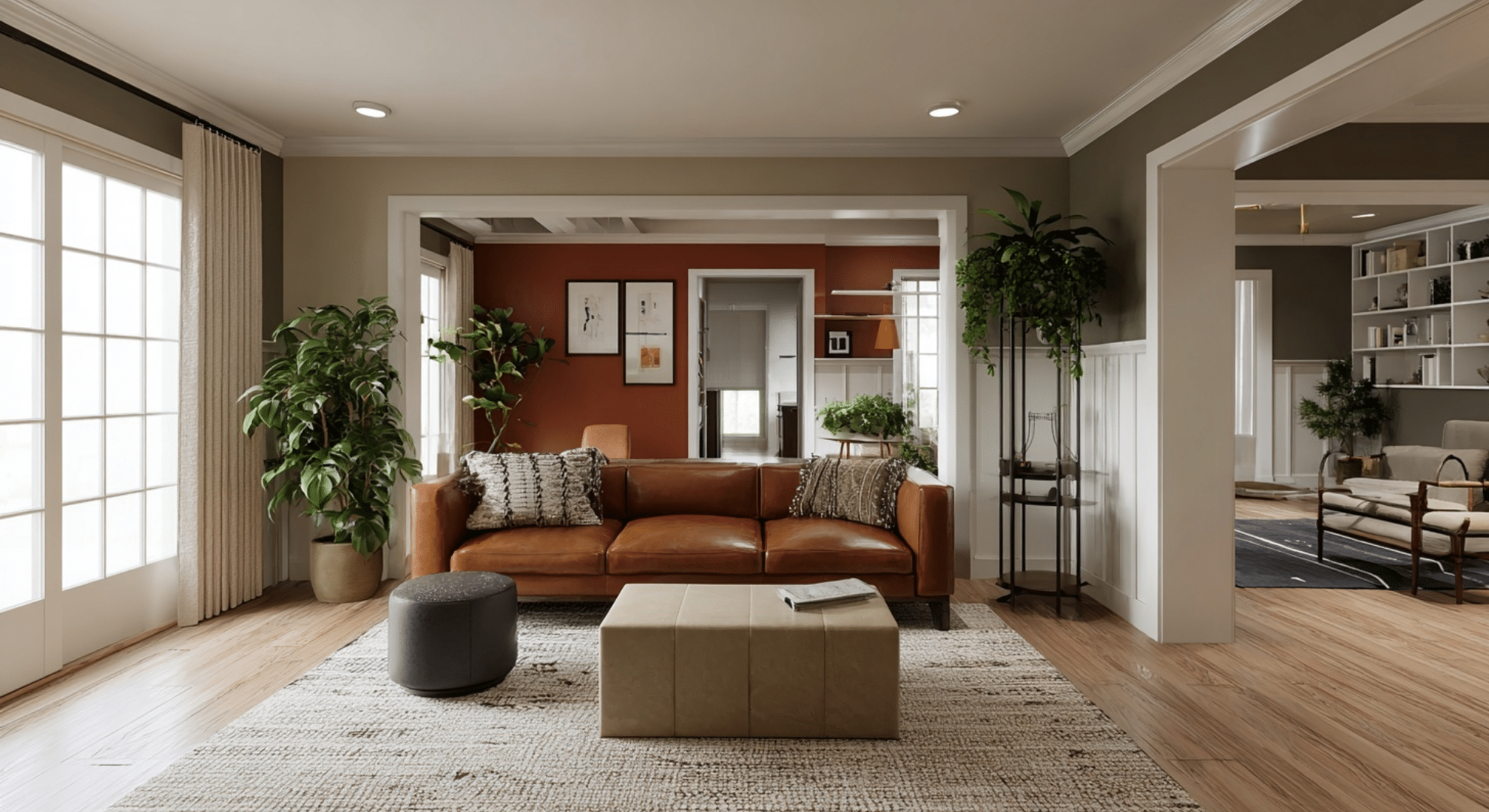
Use a consistent color palette throughout your home for cohesive flow between spaces. Pull three to five main colors and repeat them in varying proportions room to room. Traditional palettes favor warm neutrals with deeper accent colors rather than stark contrasts.
This approach makes your home feel unified and intentional. You’re creating visual connections that guide the eye naturally as you move through your space.
29. Antiques or Antique-Style Accent Pieces
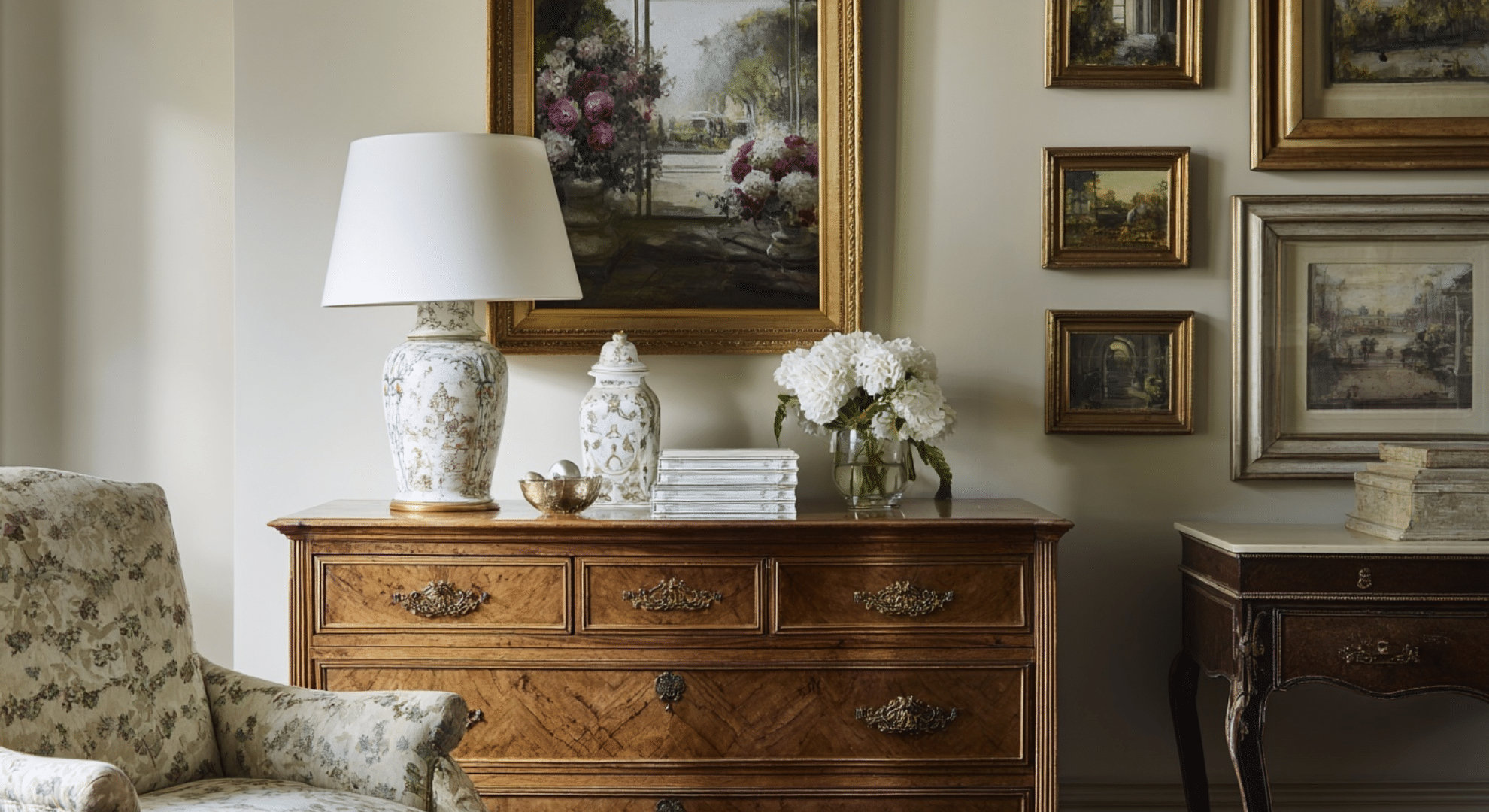
Mix genuine antiques or reproduction pieces into your rooms for character and authenticity. One quality antique dresser, side table, or chair adds instant traditional credibility. You don’t need everything to be antique, just a few key pieces create impact.
Look for solid construction and classic lines that complement your existing furniture. These pieces tell stories and give your space depth that new furniture alone can’t achieve.
30. Layered Textures Using Wool, Linen, and Cotton
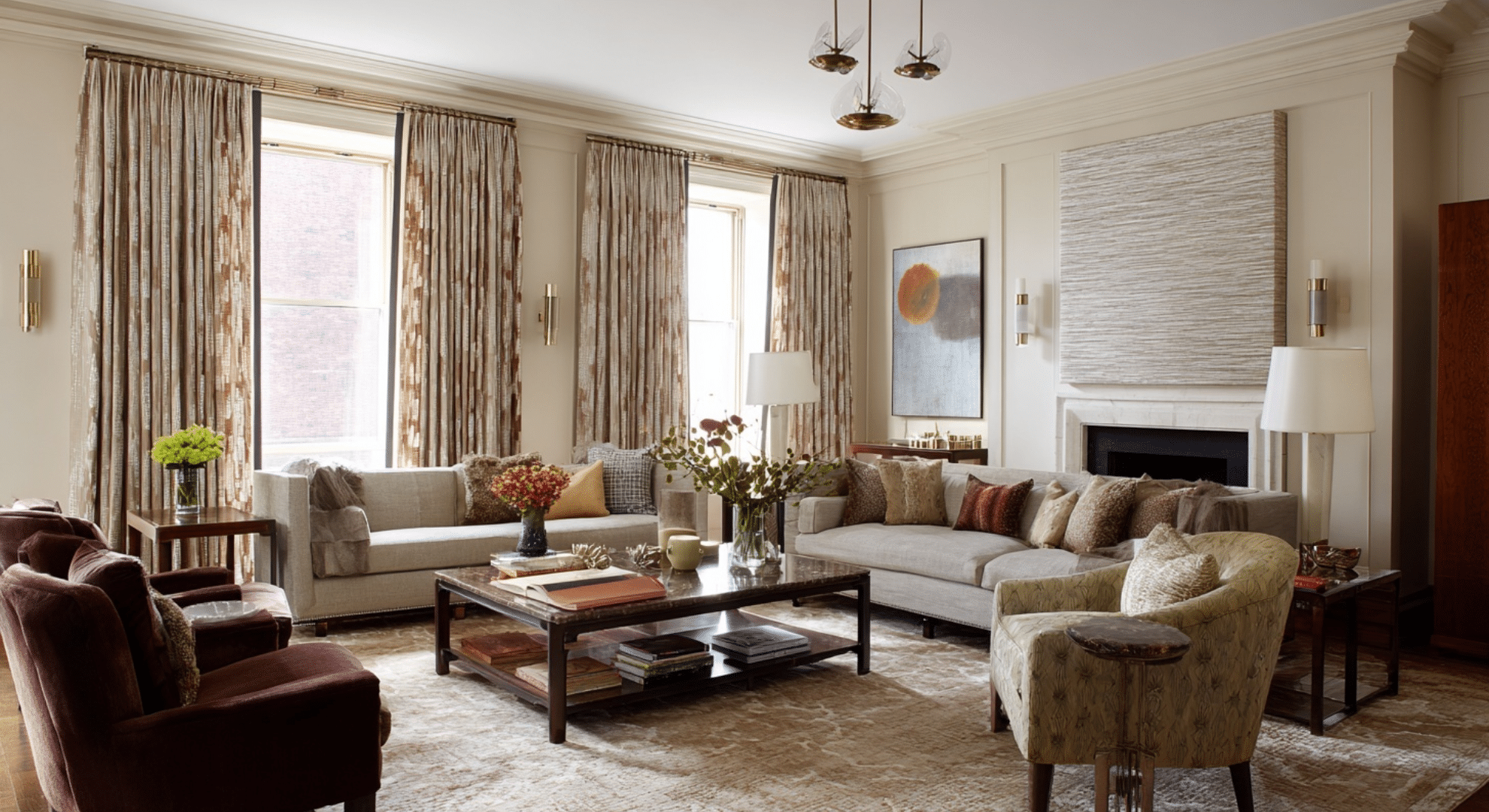
Combine different natural textures throughout your rooms for depth and visual interest. Use wool rugs, linen drapes, cotton upholstery, and velvet pillows in coordinating colors.
Texture variation keeps traditional spaces from feeling flat or one-dimensional. Natural materials age beautifully and feel substantial under your hands. This layering approach creates richness without relying on bold colors or busy patterns to make your rooms feel complete.
How to Keep Traditional Design From Feeling Heavy or Dated
People often go wrong by overdoing every traditional element at once. Too many dark woods, heavy drapes, and ornate details make spaces feel like museums instead of homes. You end up with rooms that look untouchable rather than livable.
Lighten the look by simplifying window treatments first. Swap heavy layered drapes for linen panels or simple Roman shades. Next, edit accessories—display fewer collected items with more breathing room between them.
Then update finishes by mixing lighter wood tones or painted furniture alongside darker traditional pieces.
Modern touches balance traditional foundations beautifully.
Hang contemporary abstract art in traditional frames or use sleek modern table lamps on classic furniture. Updated lighting fixtures bring freshness without fighting your traditional bones.
You’re keeping the structure and comfort of traditional design while giving it air to breathe. The goal is timeless, not frozen in time.
How Traditional Compares to Modern and Transitional Styles
Understanding the differences helps you figure out which direction fits your needs. Here’s how these three popular styles stack up against each other:
| Element | Traditional | Modern | Transitional |
|---|---|---|---|
| Furniture Lines | Curved, ornate, rolled arms | Clean, straight, minimal detail | Simplified curves, some detail |
| Color Palette | Warm neutrals, rich accents | Bold contrast or monochrome | Balanced neutrals with subtle pops |
| Materials | Dark woods, silk, velvet | Metal, glass, leather | Mixed woods, linen, cotton blends |
| Patterns | Florals, damask, stripes | Geometric or none | Subtle patterns, limited use |
| Decorative Details | Crown molding, carved legs | Bare walls, sleek hardware | Select molding, clean trim |
| Overall Feel | Established, layered, formal | Streamlined, open, minimal | Balanced, comfortable, flexible |
Traditional design works best if you value comfort, established looks, and spaces that feel collected over time. Transitional might fit better if you want traditional warmth without all the ornamentation.
Modern traditional mixes classic furniture shapes with lighter finishes and simpler details, you keep the bones but strip away heaviness.
Common Mistakes When Decorating in a Traditional Style
Even with good intentions, it’s easy to veer off course with traditional design. These mistakes can make your space feel stuffy, cluttered, or disconnected instead of refined and comfortable.
Common missteps to avoid:
- Using too many dark finishes at once: layer in lighter woods or painted pieces to avoid a heavy, cave-like feeling
- Matching everything exactly: traditional spaces should look collected over time, not bought from one showroom trip
- Over-accessorizing surfaces: edit down your displays and leave breathing room between grouped items
- Ignoring scale and proportion: oversized furniture in small rooms or tiny pieces in large spaces throws off balance
- Skipping the edit on window treatments: heavy drapes with swags and tassels can overwhelm rather than enhance
- Forgetting about lighting: relying only on overhead fixtures creates harsh shadows instead of warm ambiance
- Mixing too many competing patterns: stick to two or three coordinated patterns rather than introducing five different florals
- Neglecting flow between rooms: traditional design needs color and style consistency as you move through your home
Recognize these pitfalls early and you’ll create spaces that feel intentionally traditional rather than accidentally outdated. The difference comes down to editing, balance, and knowing when enough is enough.
Wrapping It Up
I’ve seen how traditional interior design creates spaces that feel grounded, intentional, and genuinely comfortable to live in.
The principles here give you a solid foundation to work from, whether you’re starting fresh or refining what you already have.
You now understand the key elements, practical ideas, and common mistakes to avoid as you shape your own traditionally styled home.
The beauty of this approach is its flexibility. You’re not locked into one rigid look or forced to follow every rule. Pick the elements that resonate with your lifestyle and let them guide your choices.
Balance matters more than perfection.
If you found this helpful, check out other design guides on the website for more ideas!