
Some plants are just easy to like. Lavender is one of them. It smells nice, looks calm and clean, and doesn’t ask for much.
But before I decided to grow it in my yard, I had one big question: is lavender a perennial? I didn’t want to replant it every year or guess if it would come back after winter.
If you’re wondering the same thing, you’re not alone. This blog will help you understand how lavender grows, how long it lives, and what it needs to stay healthy.
You’ll also learn what types are the easiest to grow and how to keep them alive in cold or hot weather.
If you want a yard that smells good and looks nice, keep reading; there’s more to lavender than meets the eye.
Why Lavender Causes So Much Confusion
Lavender can be confusing because it doesn’t always act the same way in every garden.
You might see it called a perennial, an annual, or even a shrub and all of those labels can be true, depending on a few things.
In warmer places with mild winters, lavender usually survives the cold and grows back every year.
That’s why it’s seen as a perennial. But in colder areas, where the ground freezes hard, the same plant may die over the winter. In those places, people treat it like an annual and replant it each spring.
Lavender also grows with thick, woody stems near the base, which makes it look and act like a shrub, especially when it gets older.
Another reason for the mixed answers is that there are several kinds of lavender. Some types can handle cold better than others.
So, depending on where you live and what variety you plant, lavender’s behavior and the way people describe it can change.
Is Lavender a Perennial Plant?
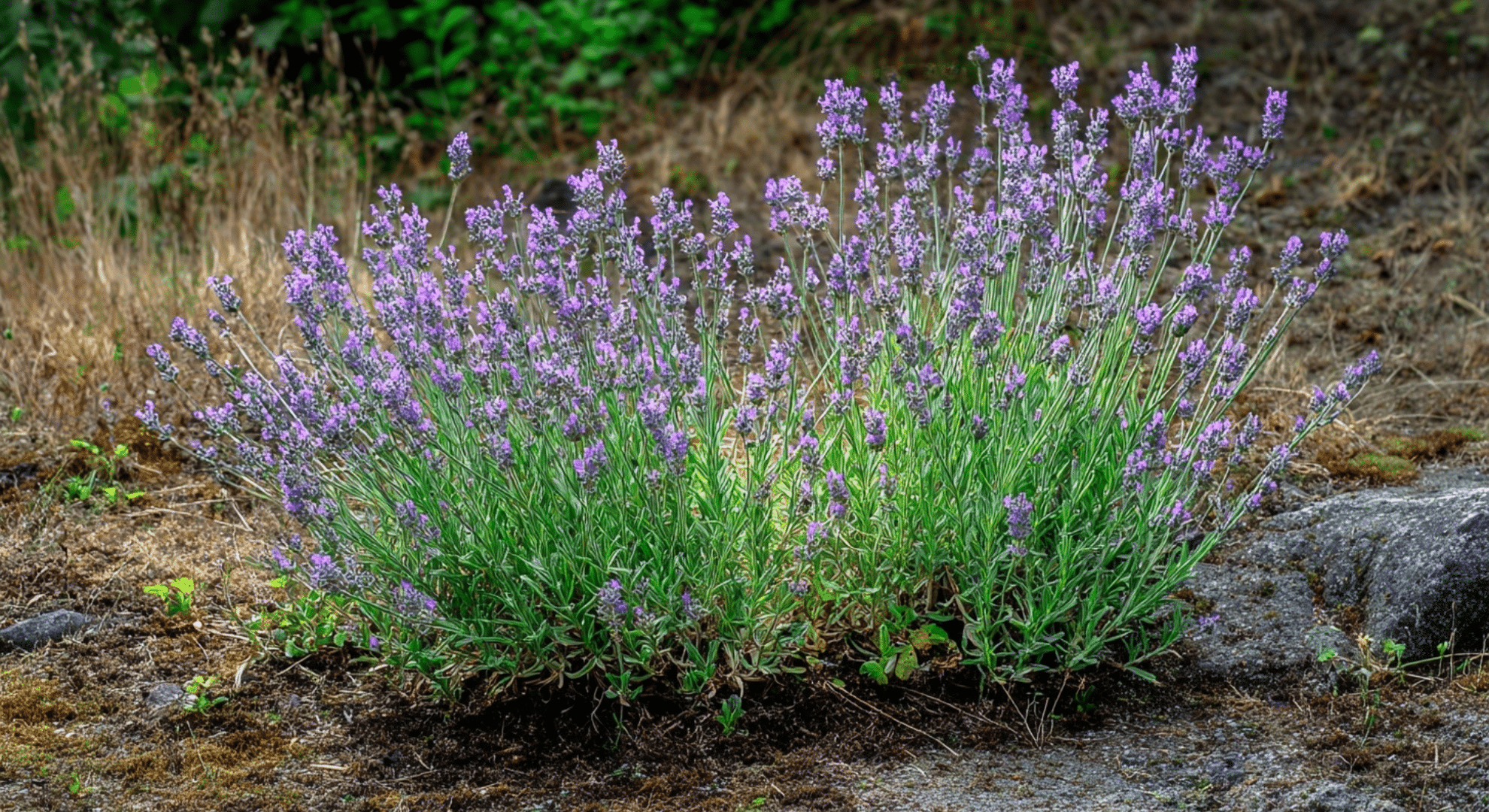
Yes, lavender is a perennial plant, but only if it’s planted in the right conditions.
That means it will grow back every year without needing to be replanted, as long as it’s in a spot that suits it.
In places with mild winters and plenty of sun, lavender can live for several years. It stays strong through the seasons and returns each spring, often bigger than before.
But in colder climates, especially where the ground freezes deeply, lavender may not survive the winter. In those cases, it often acts more like an annual, meaning it only lasts for one growing season.
The way lavender behaves depends a lot on your environment.
Soil, weather, and even how much wind the plant gets can change how long it lives.
That’s why some people see their lavender thrive year after year, while others have to start fresh every spring. Understanding your zone and growing conditions is key to getting the best results.
Does Lavender Come Back Every Year?
Lavender can come back every year, but it might not look like much at first. In early spring, it often looks gray, dry, or even dead. But that doesn’t always mean it’s gone for good.
Lavender goes into dormancy during the winter.
This is like the plant’s way of sleeping to protect itself from the cold. The top growth may turn brown, and the leaves might fall off, but the roots are still alive underground, waiting for the right time to wake up.
The tricky part is that dormant lavender can look very similar to a dead plant.
That’s why some people give up on it too early. Sometimes, it just needs warmer days and a little time before green shoots start to show again.
So if your lavender looks rough after winter, give it a chance.
Scratch the base of the stem gently, if you see green inside, it’s still alive and will likely grow back. Patience makes all the difference.
How Long Does a Lavender Perennial Live?
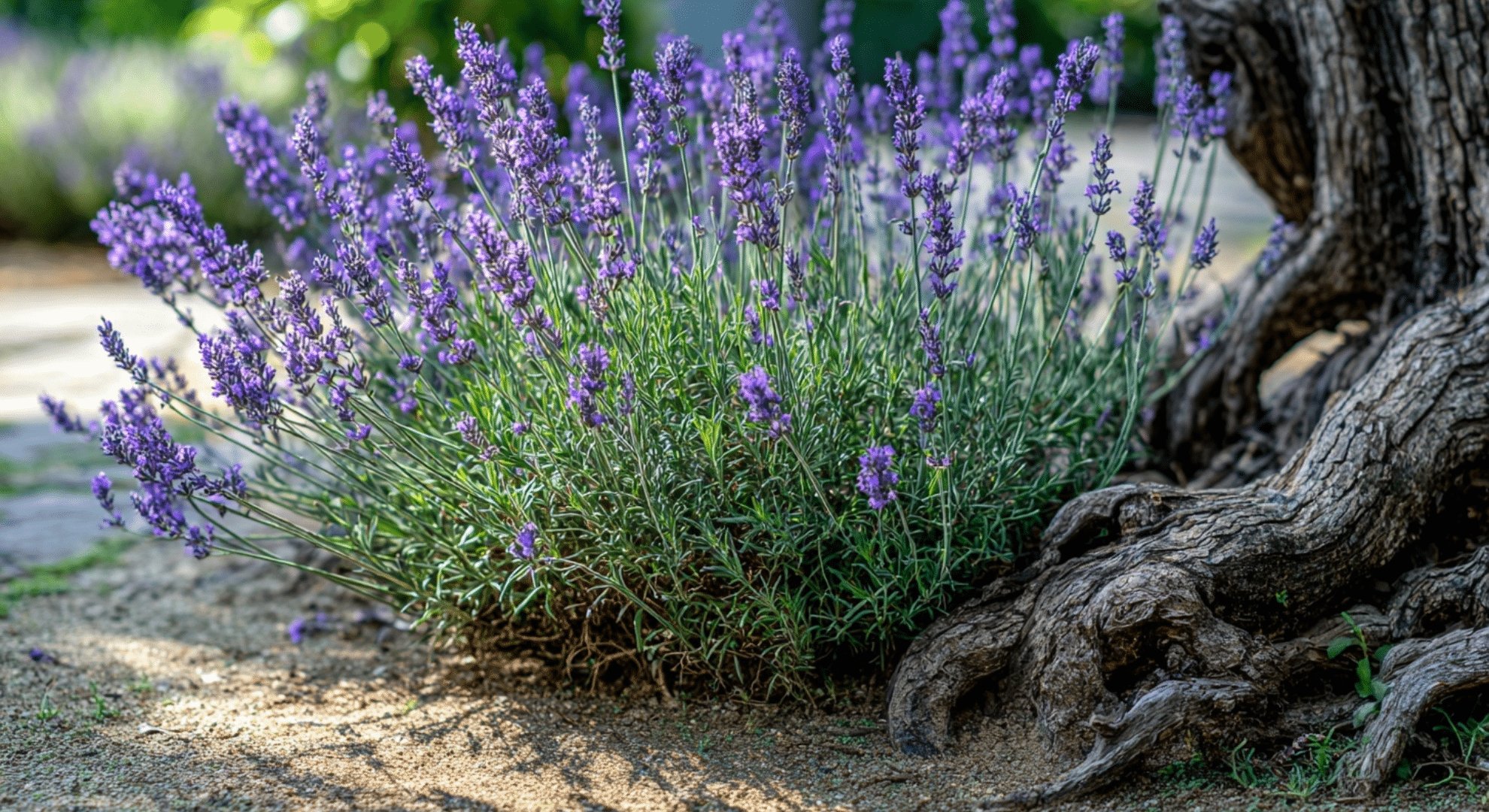
A healthy lavender perennial usually lives between 5 to 10 years, depending on the type and how well it’s cared for. Some may last even longer, but most fall within that range.
Compared to other plants, lavender is considered short-lived, it doesn’t stick around for decades like some shrubs, but it’s not gone after just one season either.
Each year, a healthy lavender plant should grow back thicker and fuller. You’ll notice new green shoots in the spring, followed by a round, bushy shape by summer. It should also bloom well once it’s settled in, with strong, fragrant flowers.
But not all lavender makes it that long. Some plants decline early because of poor drainage, harsh winters, or heavy pruning.
Others may get woody and stop producing fresh growth. If lavender doesn’t get enough sun or sits in soggy soil, it tends to struggle.
With the right care and growing spot, your lavender can come back strong for years, but it needs the right start.
Lavender Perennial Behavior by Climate Zone
Lavender’s survival depends more on winter conditions than just cold temperatures alone. In some places, it comes back strong every year. In others, it struggles or fades out.
One key thing to watch besides cold is moisture. Too much water during winter can be just as harmful as freezing temps.
Here’s how lavender usually acts based on the type of climate it’s growing in:
| Climate Type | Lavender Behavior |
|---|---|
| Cold with wet winters | Often struggles; roots may rot or freeze—may not return in spring |
| Cold but dry winters | Can survive if planted in well-draining soil and sheltered from harsh winds |
| Moderate winters | Usually returns yearly with healthy growth, especially if the soil stays well-drained |
| Warm and dry | Thrives; lives longer, grows bigger, blooms well |
| Warm but humid | May decline faster; fungal issues and root rot are more common |
If your winters are wet, freezing, or both, it may be smarter to treat lavender as a short-term plant or grow it in pots that can be moved.
Dry, sunny conditions give it the best shot at long life.
Types of Lavender and Their Perennial Traits
Not all lavender types behave the same. Some are strong and dependable perennials, while others are more sensitive to cold or wet weather. Knowing the difference can help you pick the right kind for your yard:
English Lavender
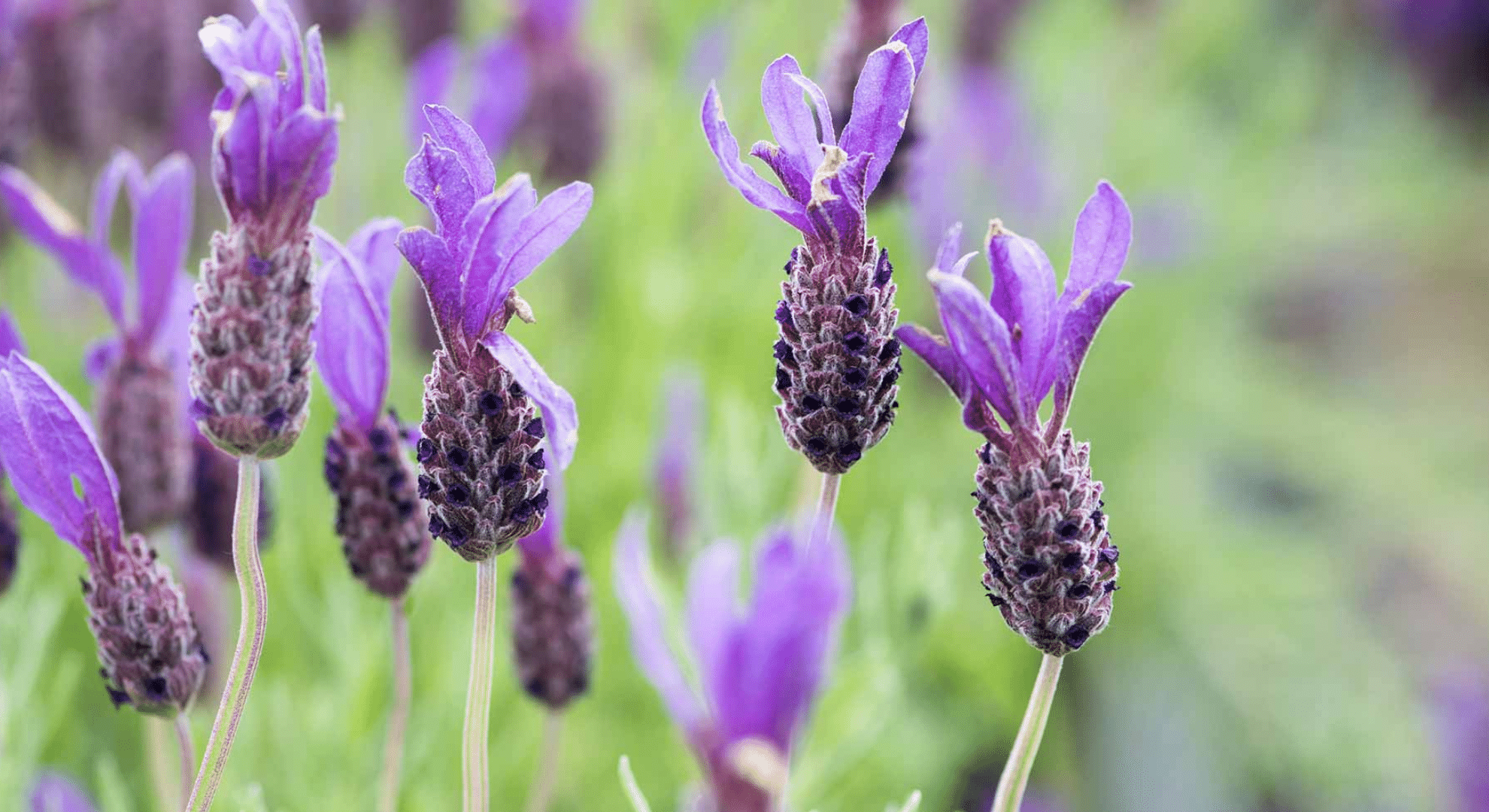
English lavender is the most dependable for coming back each year.
It handles cold weather better than other types and often lasts several years when planted in sunny, well-drained spots. Its stems may get woody over time, but regular pruning can keep it looking fresh and healthy.
French Lavender
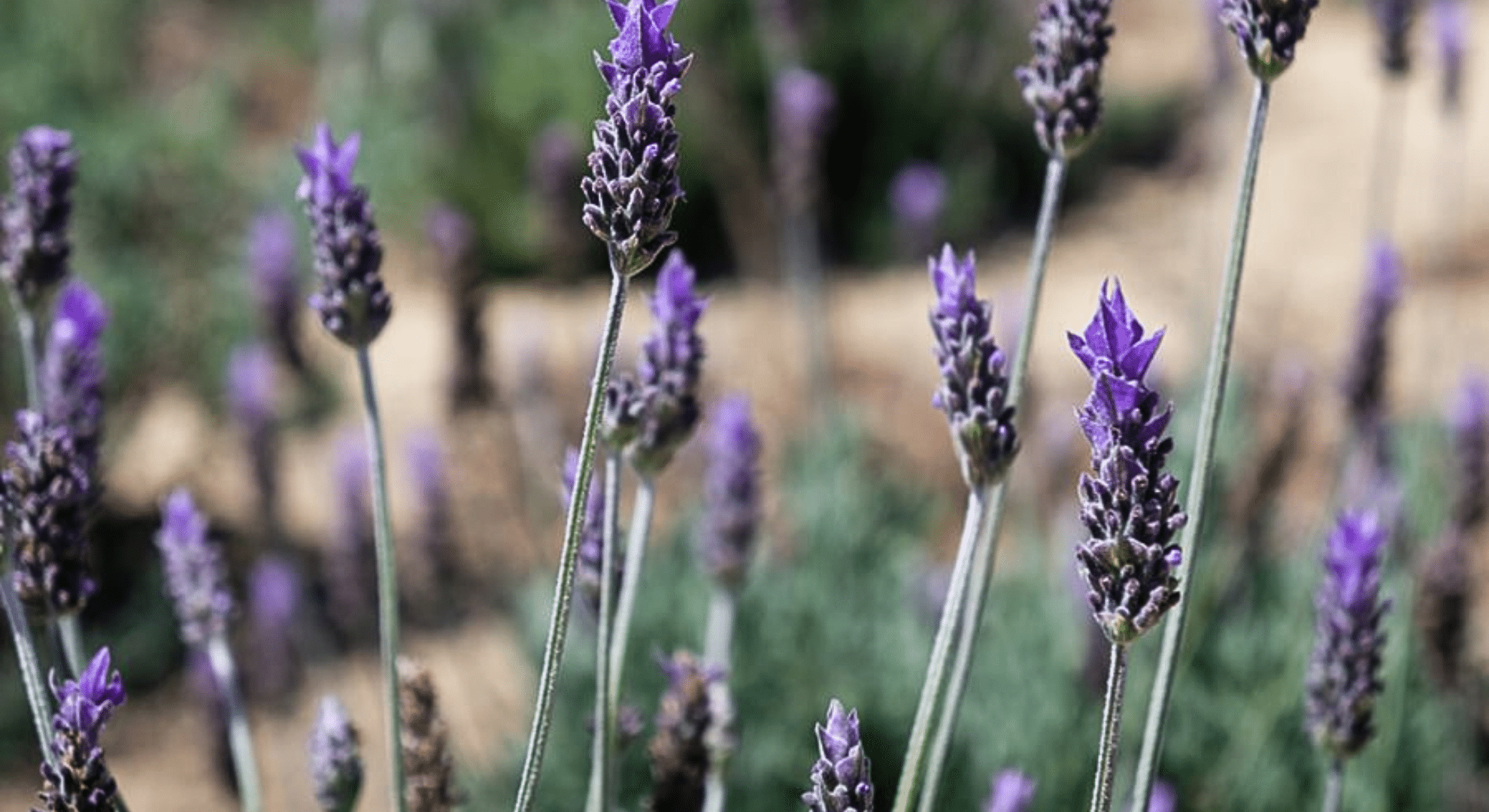
French lavender prefers mild, warm climates and doesn’t handle frost well.
It’s not the best choice for cold or wet winters unless you grow it in pots and move it indoors. Outdoors in colder areas, it often dies back and doesn’t return, making it a weaker perennial in those conditions.
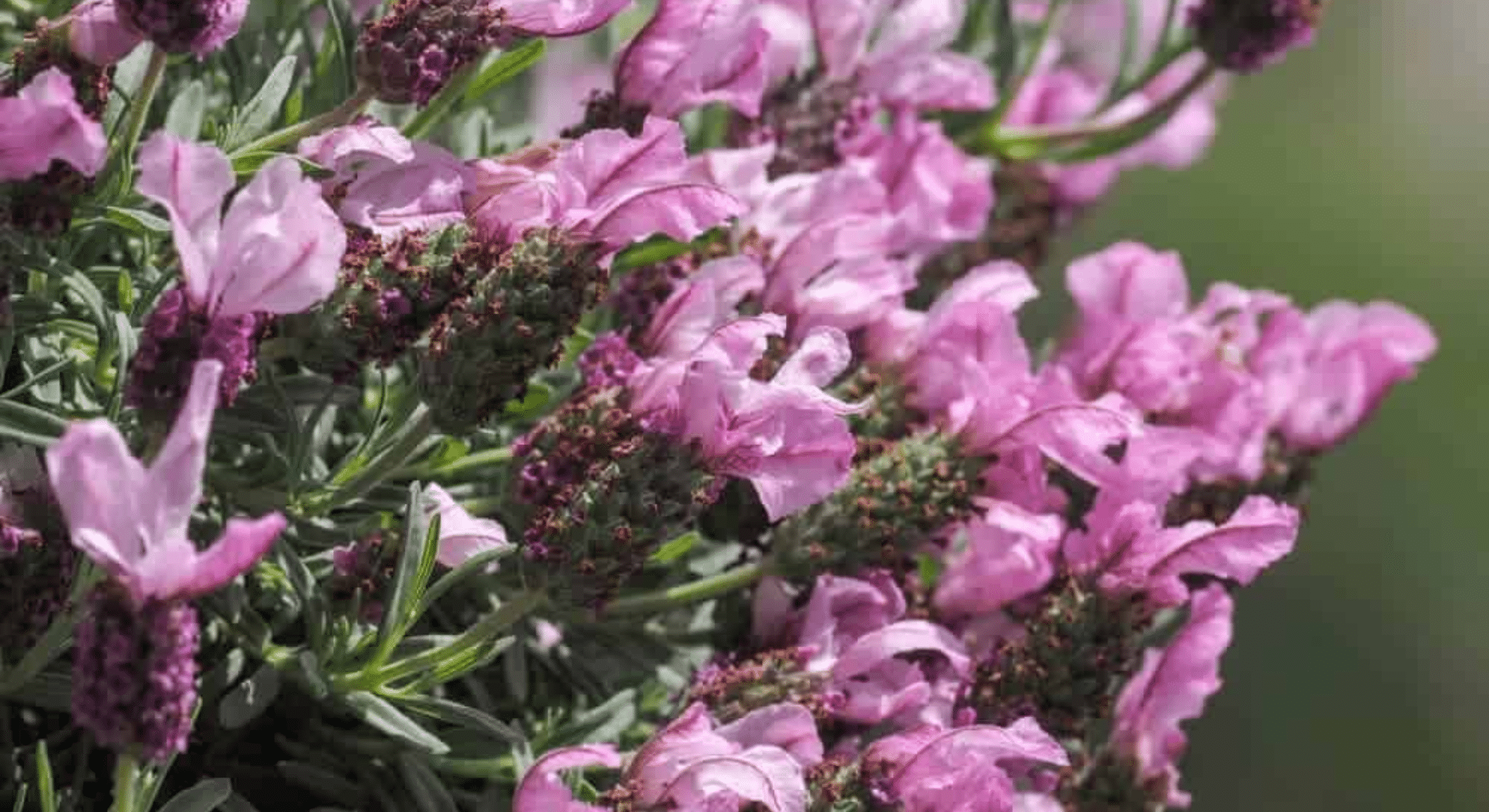
Spanish Lavender
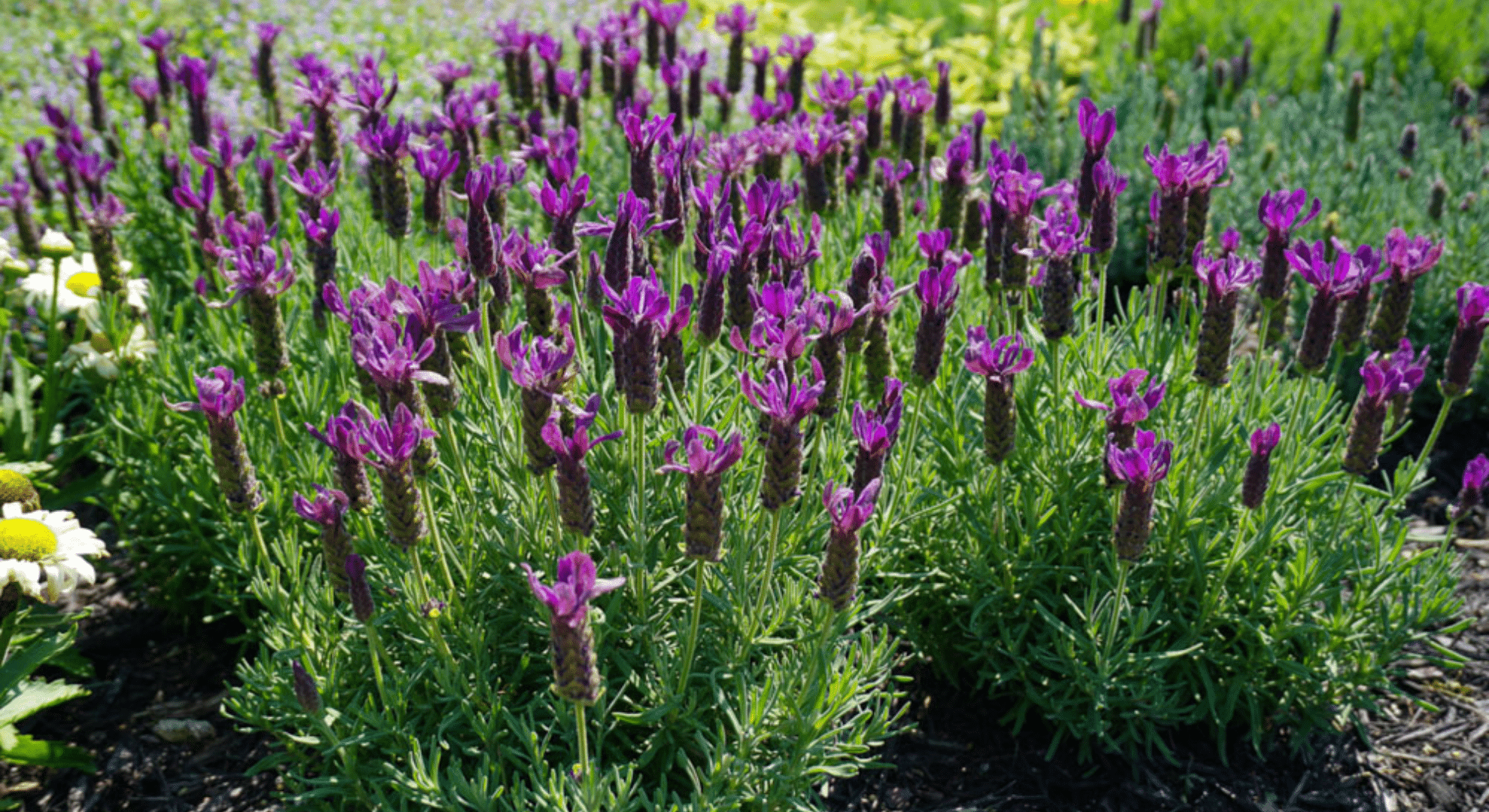
Spanish lavender needs mild winters and lots of sun. It grows differently than English types, with shorter leaves and a more compact shape.
It’s not as cold-hardy and may not come back after a harsh winter, but in warm zones, it can still act as a soft perennial for a few years.
Hybrid Lavender Varieties
Hybrid types, like Lavandin, are often sold as hardy and dependable. They mix traits from English and other types, which helps them grow larger and survive slightly tougher conditions.
While not always better in freezing zones, they can live longer and bloom more in the right spots, especially where winters are dry and not too cold.
What a Lavender Perennial Needs to Return Each Year
If you want your lavender to keep coming back strong each spring, you’ll need to give it the right setup.
Lavender is tough, but only when its basic needs are met, especially when it comes to sun, soil, water, and trimming.
Here’s a quick breakdown of what helps lavender live longer and grow back well:
| Need | Why It Matters |
|---|---|
| Sun Requirements | Lavender needs full sun—at least 6 hours daily. Less sun leads to weak growth and fewer flowers. |
| Soil and Drainage | Lavender hates soggy soil. It grows best in loose, sandy dirt that drains quickly. Fertilizer isn’t as important. |
| Watering Habits | Water deeply but not often. Overwatering causes root rot, especially in winter. Dry roots are healthier. |
| Pruning and Timing | Trim back after flowering to stop woody stems. This helps the plant stay full, healthy, and long-lasting. |
When these needs are met, lavender is more likely to survive cold months, bounce back in spring, and keep blooming year after year.
Skipping just one can shorten its life.
Common Reasons Lavender Does Not Come Back
Even with the right care, some lavender plants don’t return after winter. The most common problems usually start in the soil or show up during the cold season. Knowing what to avoid can save you the trouble of replanting each year.
- Soil that stays wet and doesn’t drain well
- Planting a type that isn’t suited for your climate
- Long periods of damp, cold weather
- Cutting the plant back too late in fall
- Pruning into the woody part of the stems
- Using too much mulch, which holds in moisture
- Soil that’s too heavy or compacted
- Not enough sunlight during the growing season
If your lavender doesn’t come back, it’s often one of these things.
The good news? Most of them are easy to fix once you know what to watch for. A few small changes can make a big difference next time.
Conclusion
If there’s one thing I’ve learned, it’s that lavender can be a steady, low-stress plant, if you understand what it needs.
For me, knowing that lavender is a perennial in the right conditions helped me avoid wasting time and money.
Now that you’ve got a clearer idea of how it grows, take a good look at your own yard or garden space.
Think about your winters, your soil, and how much sun you get. That small check can make all the difference.
Give your lavender the right setup, and it can grow back year after year.
If this helped you figure things out, keep going, check out more of my blogs to find simple tips for growing plants that are going to help you!