Industrial interior design has this steady, grounded energy that feels both modern and lived-in, and that’s what pulls people toward it.
You get the raw structure, the strong materials, and that calm, open vibe that never tries too hard. What makes it fun is how flexible it actually is once you understand the moving parts.
In this blog, I’m walking you through the essentials, the small choices that carry the most weight, and the room-by-room decisions that make the whole place feel intentional instead of thrown together.
By the time you’re through, you’ll know exactly how to build the look in a way that fits your home, your layout, and your comfort level.
What Industrial Interior Design Really Means
Industrial interior design comes from the old warehouse-and-factory world, but in a way that feels calm and real inside a home.
You’re working with raw materials like metal, brick, concrete, and wood, and you keep the layout open so the whole place feels easy to move through. It’s a look that doesn’t hide anything.
The structure becomes part of the room instead of something you cover up. And even though it sounds rough, it actually feels pretty balanced once everything comes together.
The style really took off when people started moving into old industrial buildings in big cities. These places were cheap, had huge windows, tall ceilings, and tons of open space.
Artists and creators loved that setup, and the look slowly grew into a full design trend. Pretty soon, urban lofts started leaning into it on purpose, and it spread everywhere.
What’s nice is that this style works for a lot of people. Renters can lean on furniture and lighting to get the feel. Homeowners can go deeper with materials. Small apartments stay open and clean. And if you’re into DIY, the mix of metal and reclaimed wood gives you plenty to work with.
Key Elements of Industrial Style
When you strip everything down and let the materials show, the room just feels more real. That’s the whole point here. You’re not trying to dress anything up. You’re letting the strong stuff stay visible, and it gives the space this grounded, honest energy that works in pretty much any home.
Core Materials
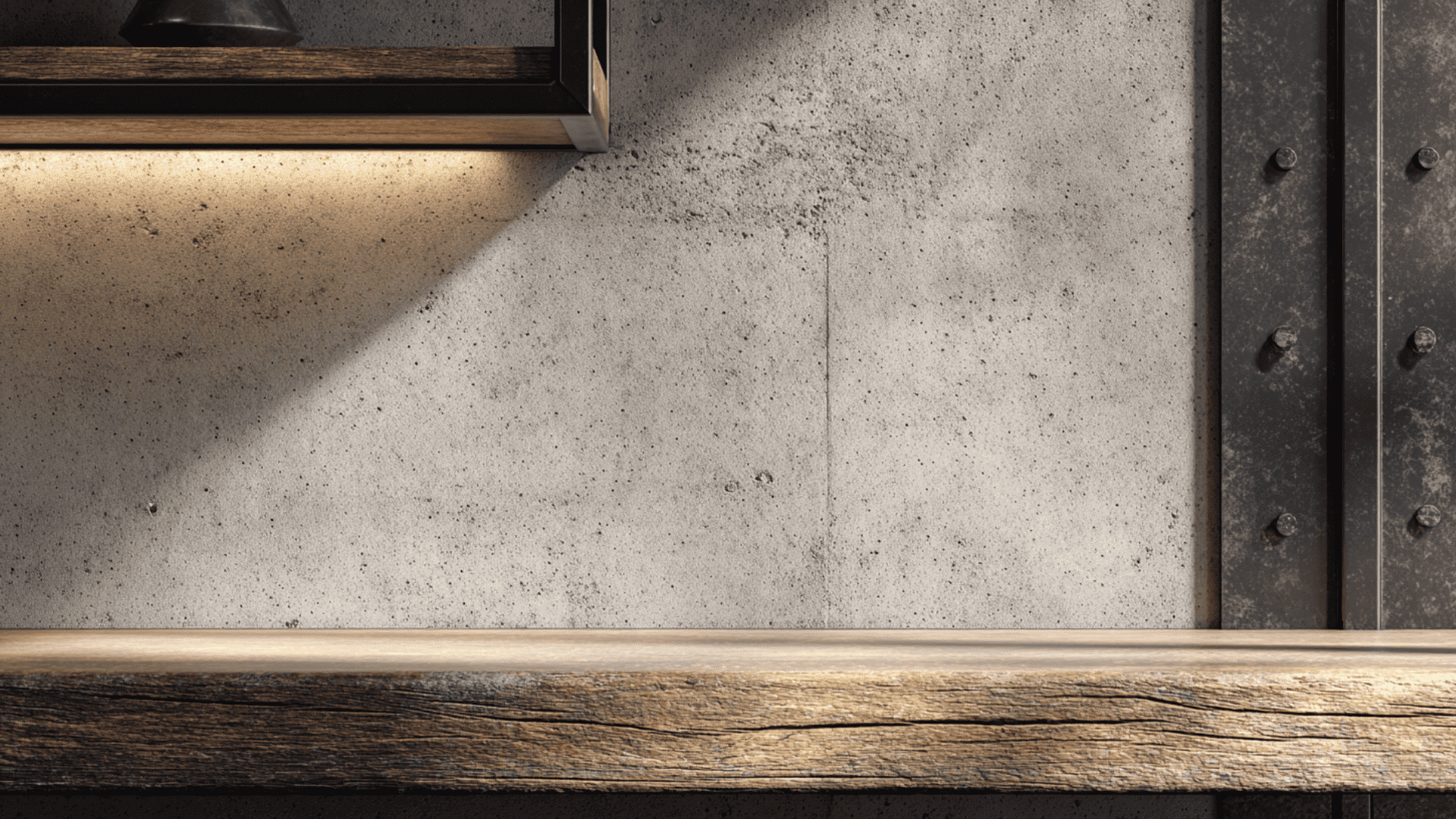
- Brick: That old-school brick texture gives a room this steady, confident feel. Doesn’t matter if it’s exposed brick, faux brick, or a veneer that plays the part. It brings warmth and grit at the same time.
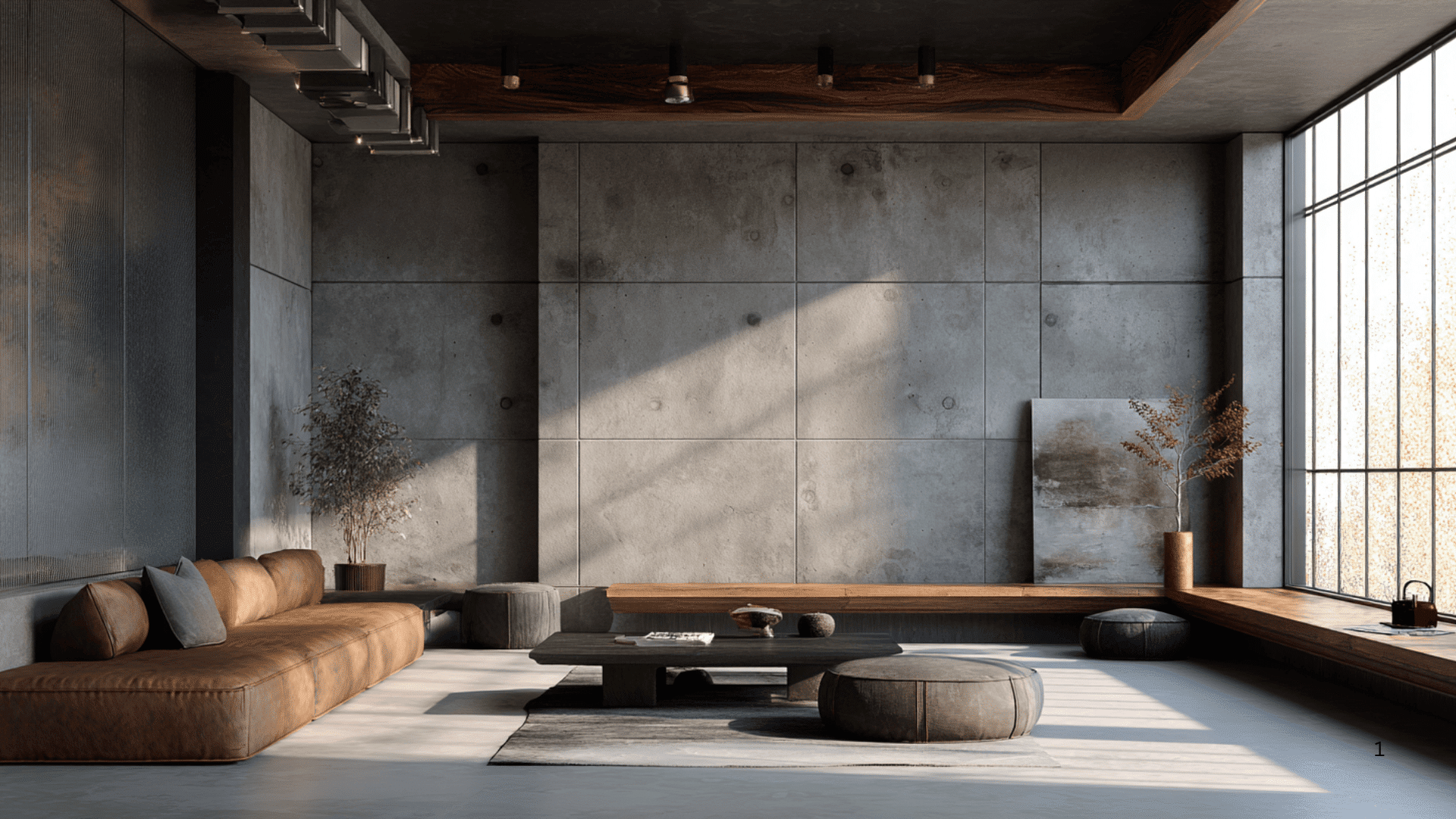
- Concrete: Concrete adds that calm, solid vibe to a room. Floors, walls, even countertops; it always shows up with this cool, steady presence that keeps everything balanced without trying too hard.
- Reclaimed wood: This is where the room gets some heart. Reclaimed wood feels like it already lived a whole life somewhere else, so when you bring it into your space, it adds warmth and a little bit of story.
- Steel/Iron: Metal is the backbone of the style. Steel and iron keep things grounded and simple. They don’t need shine. They don’t need polish. They just do their job and look good doing it.
- Distressed leather: Leather that’s already broken in always fits better than something straight out of the box. Sofas, chairs, ottomans; the worn look brings comfort and depth into all the hard edges around it.
Architectural Features
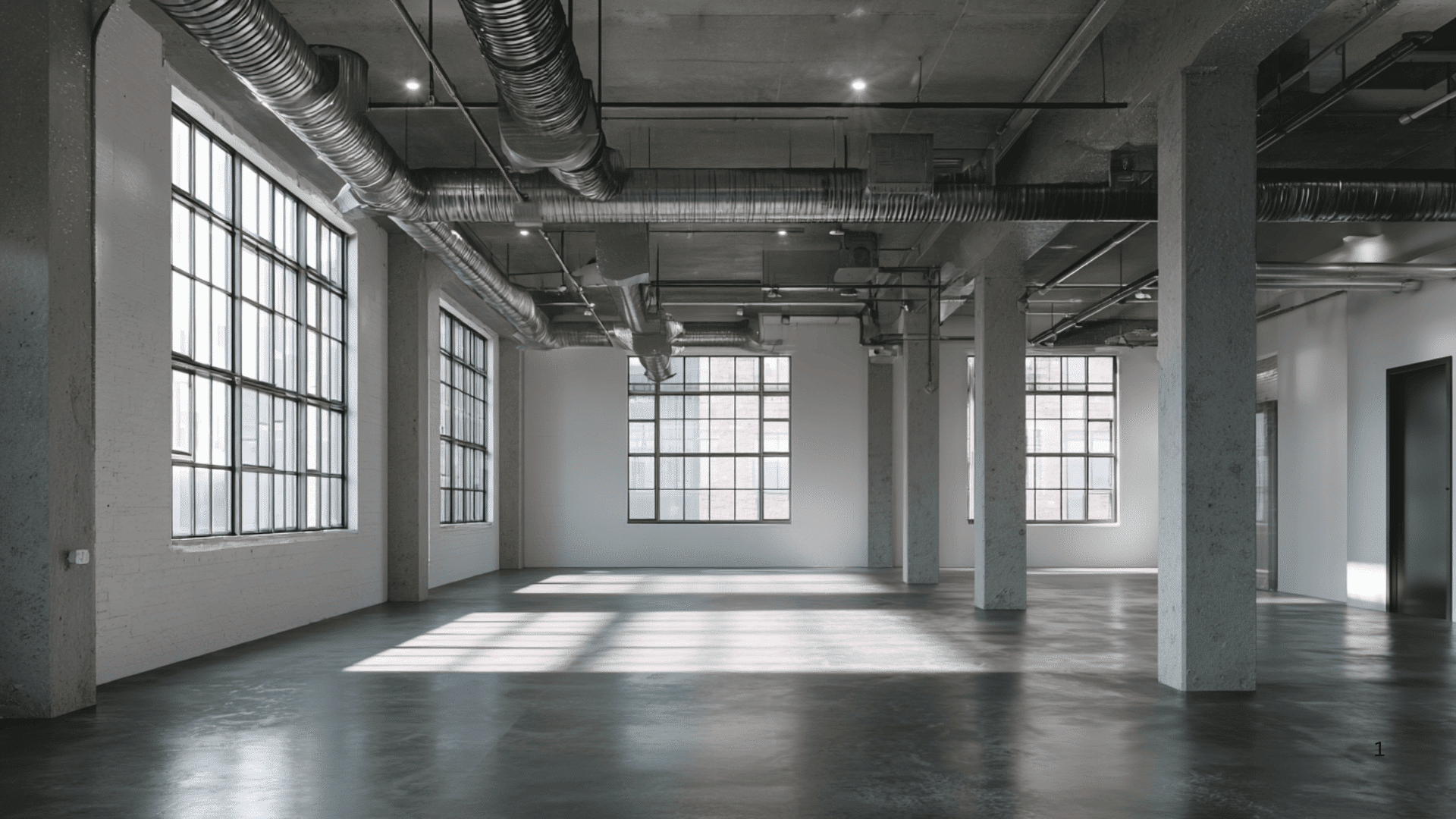
- Ductwork: When you leave the ductwork exposed, the whole ceiling suddenly feels honest. Nothing hidden. Nothing pretending. Just the structure doing what it does.
- Beams: Wood beams or metal beams both add strength and character. They make the ceiling feel taller and the room feel older in the best way.
- Pipes: Pipes running along a wall or ceiling give the space that open, working energy. It’s one of those details people notice right away, and it fits perfectly with the industrial vibe.
- Open ceilings: Opening up the ceiling gives the room breathing space. You get height, you get depth, and everything feels bigger without adding anything new.
- Large windows: Big windows bring in all the natural light, and that light softens every rough texture in the room. It keeps the whole place from feeling heavy.
Color Palette
| Brand | Gray | Black | Brown | White | Accent |
|---|---|---|---|---|---|
| Sherwin-Williams | Dovetail (SW 7018) | Tricorn Black (SW 6258) | Sticks & Stones (SW 7503) | Pure White (SW 7005) | Cast Iron (SW 6202) |
| Benjamin Moore | Kendall Charcoal (HC-166) | Black Panther (2125-10) | Rustic Taupe (999) | Chantilly Lace (OC-65) | Hale Navy (HC-154) |
These materials, features, and colors work together because they keep the space honest and grounded. Once you line them up right, the whole room feels tougher, warmer, and way more natural to live in.
Furniture Choices that Work Best
When you’re picking furniture for an industrial space, you want pieces that feel solid and simple. The stuff that works best usually looks like it could survive a warehouse, but still feels comfortable when you sit down.
Sofas, Chairs & Tables
- Leather: A leather sofa or chair brings warmth into all the metal and concrete around it. The more lived-in it looks, the better it fits.
- Metal frames: Metal legs or full metal frames keep everything sturdy and clean. They give the room structure without pulling attention away from the rest of the space.
- Reclaimed wood tops: Tables with reclaimed wood tops add texture and depth. The marks and grain make the room feel real in a way brand-new furniture never does.
Storage & Shelving
- Pipe shelving: Pipe shelving always hits the right tone because it feels functional and intentional. It’s simple, strong, and fits into any room without trying too hard.
- Metal racks: Metal racks bring that raw, open look you see in actual industrial spaces. They’re great for books, decor, or anything you want out in the open.
- Mixed material cabinets: Cabinets built from wood and metal pull the whole style together. They give you storage but still look like they belong in a loft or workshop.
How to Mix Industrial with Other Styles
- Modern: Keep the clean lines, but soften things with smooth finishes and lighter textiles.
- Boho: Add woven textures, plants, and softer patterns without drowning out the metal and wood.
- Minimalist: Stick to fewer pieces and strong shapes. Let the materials do the heavy lifting.
- Farmhouse: Bring in warm woods and simple fabrics, but keep hardware dark and the lines clean so it doesn’t turn rustic.
Lighting Guide for Industrial Interiors

Lighting is one of those things that can flip the whole room fast. You can have all the right materials and furniture, but if the lighting’s off, the space won’t feel right.
Industrial style works best when the light feels warm, focused, and a little dramatic, like it’s actually highlighting the textures and the structure instead of washing everything out.
Types of Fixtures
- Pendant lights: These hang low and bring the focus down where you want it. Metal shades, simple lines, nothing fancy, they fit the industrial look without trying too hard.
- Metal domes: Metal dome fixtures bring that classic factory feel. They’re strong, clean, and great over dining tables, kitchen islands, or workspaces.
- Track lighting: Track lighting works well when you want flexibility. You can point the beams at brick, art, shelving, or anything you want people to notice.
- Edison bulbs: Edison bulbs give you that soft, warm glow with a little bit of character. They’re basically the unofficial mascot of industrial lighting.
Light Temperature & Bulb Tips
Warm light makes the wood, brick, and leather feel softer. Cool light usually makes the room feel like a lab, and that kills the vibe fast. Warm white between 2700K and 3000K always works best.
When the lighting feels harsh or sterile, it usually means everything is coming from one overhead source, and that flattens the entire room.
You fix it by spreading the light around. Use pendants for focused spots, floor lamps to warm up corners, and smaller accent lights to highlight textures.
Softer bulbs help the materials look richer and keep the whole space comfortable instead of washed out.
Room-by-Room Industrial Design Breakdown
Every room hits a little different with industrial style because each one needs its own balance of warmth, function, and texture. You’re working with the same materials, but the mix changes depending on how you use the space.
1. Living Room
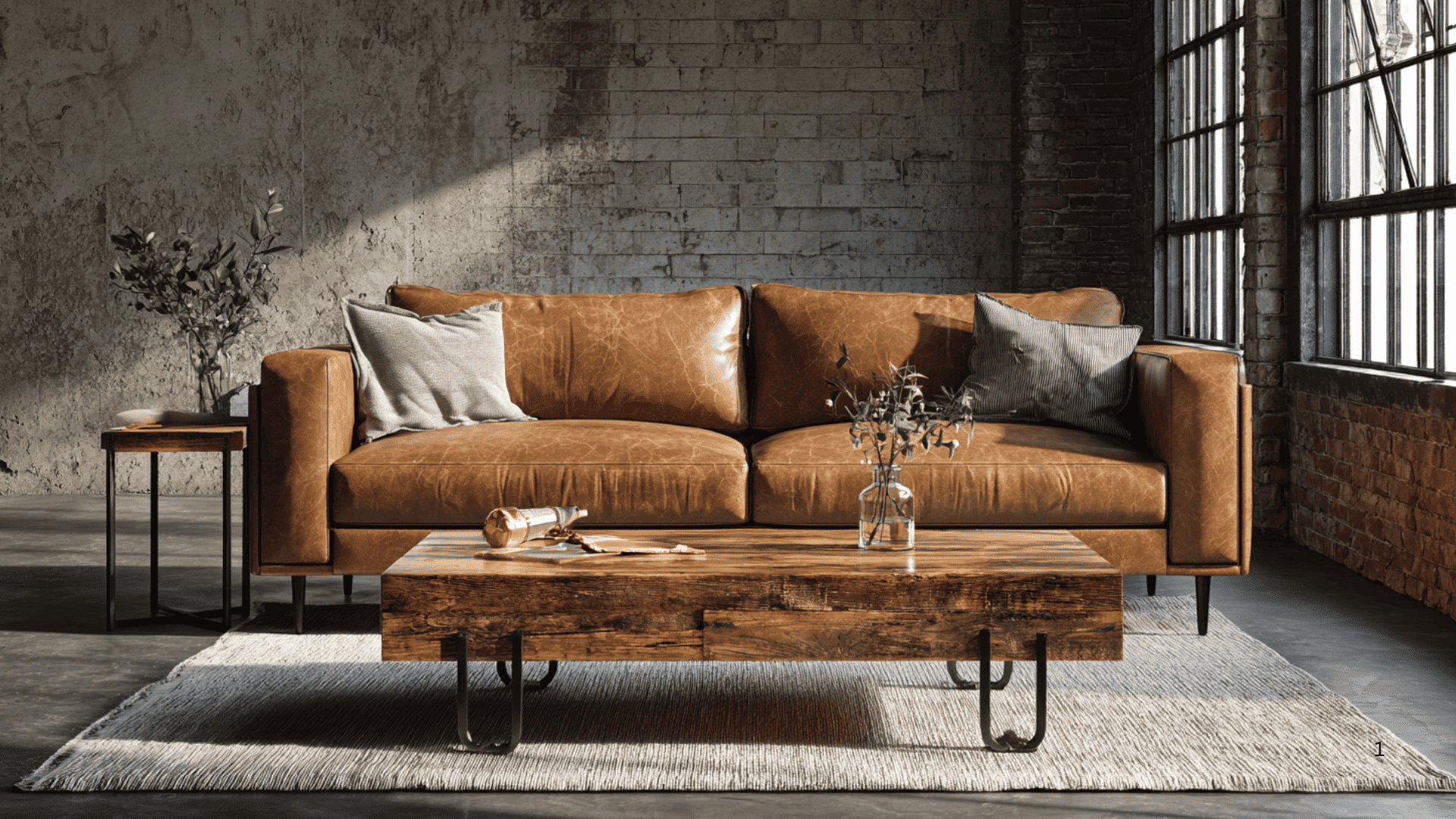
This is where you lean into texture. A worn leather sofa keeps things grounded, and reclaimed wood shelves add warmth against metal accents.
A big rug softens the floor and pulls the seating area together. Mix in a few stacked books or plants so the space feels lived-in instead of stiff.
2. Kitchen
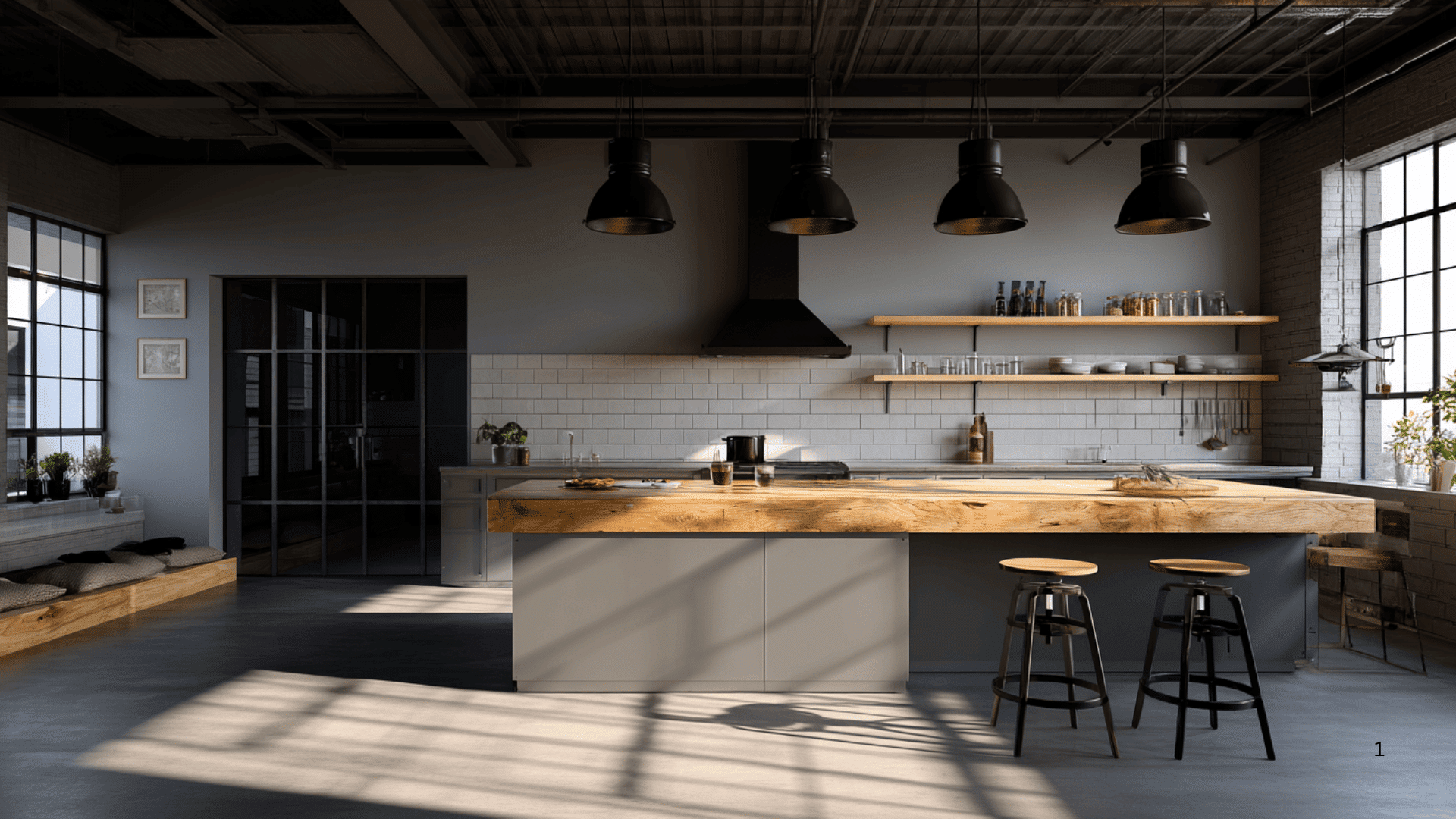
Metal fixtures set the tone right away, and they work great with wood counters or butcher-block islands. Bar stools with metal frames and simple lines fit the look without crowding the space.
Keep the palette clean, add open shelving, and let your cookware or dishes act as functional decor.
3. Bedroom
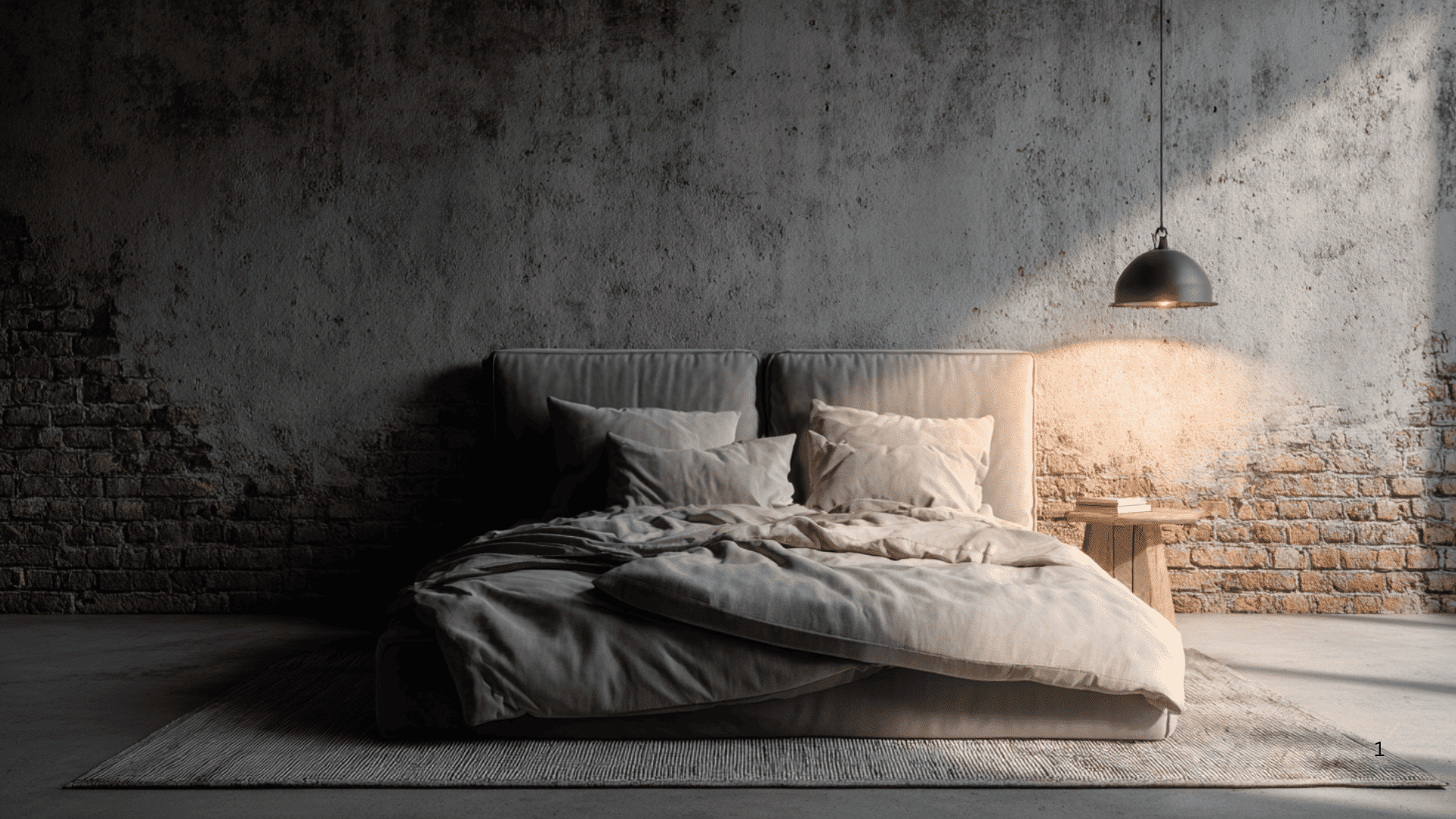
A bedroom needs warmth so it doesn’t slip into that cold, heavy industrial feel. Use soft linens, layered blankets, and a fabric headboard if the room feels too rigid.
Warm lighting by the bedside makes the space calmer, and a subtle rug cuts down the echo you get from hard floors.
4. Bathroom
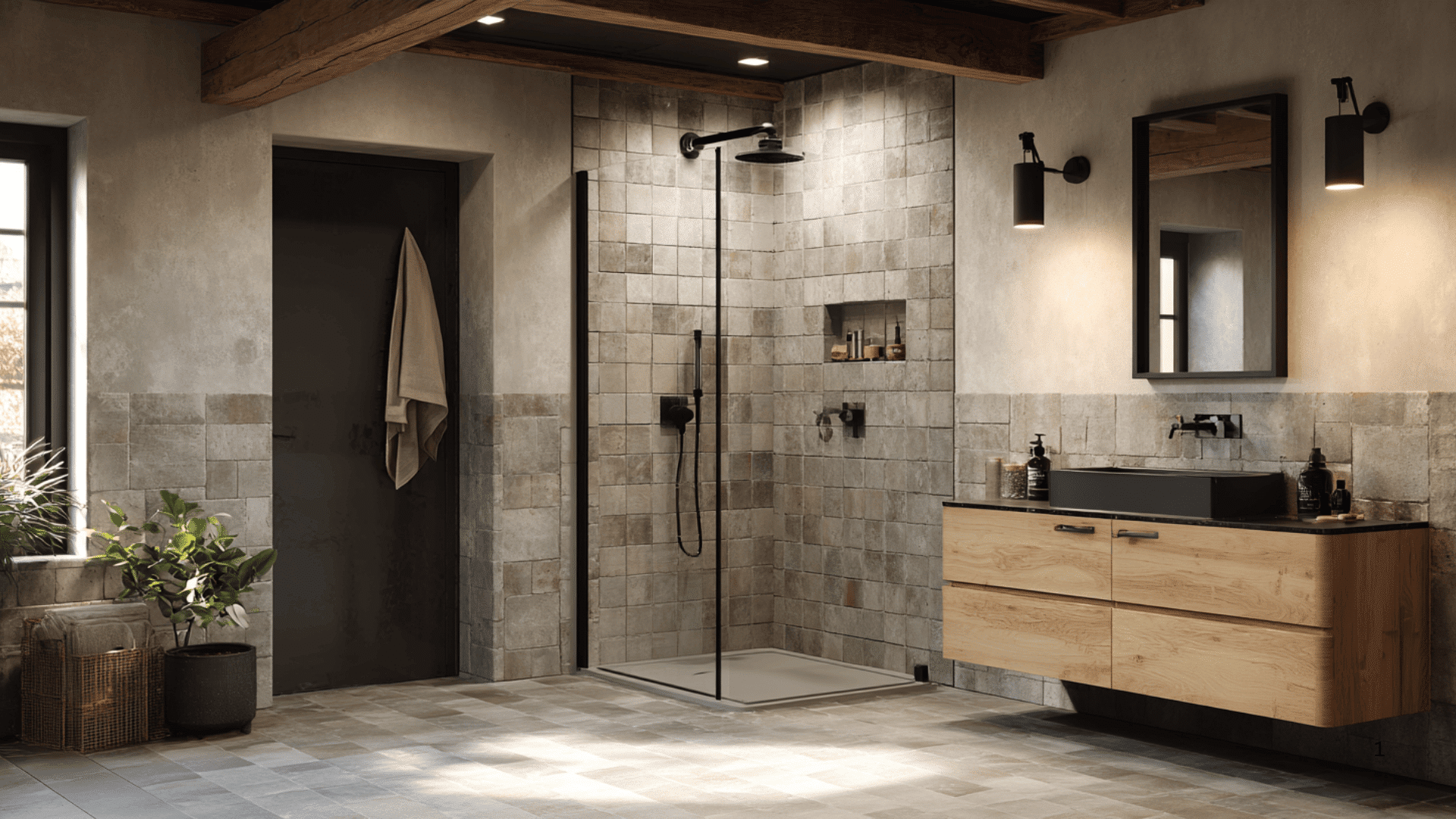
Industrial bathrooms look best with simple tile, strong lines, and black fixtures that stand out. A wood vanity or shelf adds warmth without fighting the style.
Keep the palette neutral, use clear glass on the shower, and let the hardware bring in most of the visual weight.
5. Home Office
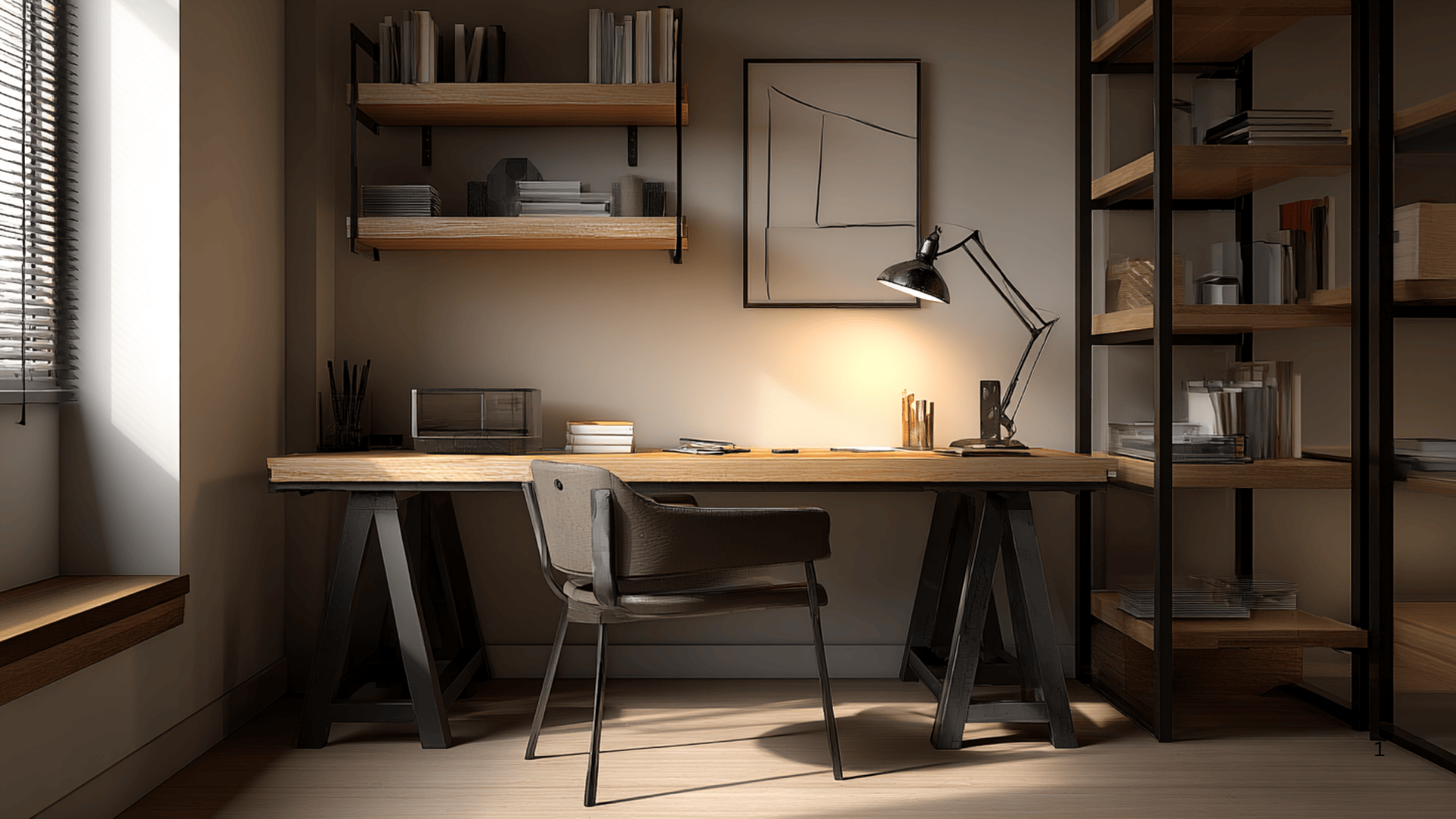
A sturdy desk made from wood and metal sets the right tone. Task lighting is important here, especially with darker materials, so use a focused lamp with warm light.
Open shelving keeps things practical and gives the room that workshop feel without making it messy.
Industrial Interior Design for Small Spaces
Small apartments and condos can still pull off industrial style without feeling cramped. You just have to be a little smarter about what you show, what you hide, and how much visual weight you bring into the room.
Visual Tricks to Make Spaces Feel Bigger
Light neutrals on the walls keep a small room from feeling boxed in, and mirrors help bounce light around so tight corners don’t feel closed off.
Furniture with open legs makes the space feel lighter, and open shelving works well as long as you don’t overload it.
Avoid bulky sofas or oversized tables, and choose slimmer metal accents so the room stays open and easy to move through.
Solutions for Renters
For renters, it’s all about non-permanent changes that still hit the industrial look. Peel-and-stick brick or concrete wallpaper gives you the right backdrop without damaging the walls.
Pipe shelving you can remove later works great for storage, and portable metal lamps or exposed-bulb fixtures bring in the style without any wiring.
Reclaimed wood pieces add warmth, textured rugs soften the room, and command hooks make it easy to hang art or mirrors without leaving marks.
Decor Ideas & Finishing Touches
When the main pieces are already set, the small details are what bring the room to life. You just want a few things that add character without crowding the space or messing with the clean industrial feel.
- Art, maps, vintage items: Simple black-and-white prints, old maps, or vintage pieces with a little history add personality without feeling loud. They work best when you keep the selection tight and let each item stand on its own.
- Plants & natural textures: A couple of well-placed plants soften the harder materials, and natural textures like baskets or pottery bring in warmth without changing the overall tone.
- Accessories that elevate the style: Useful pieces like metal trays, sturdy glassware, stacked books, or one or two textured pillows add depth while keeping the room intentional and uncluttered.
A few thoughtful touches go a long way. The room keeps its industrial backbone, but it feels more personal, warmer, and easier to settle into.
Common Mistakes to Avoid
Even when the style is simple and strong, it’s easy to push things too far. These are the mistakes that make industrial spaces feel off, and avoiding them keeps the room balanced and comfortable.
| Mistake | Why It Hurts the Space | What to Do Instead |
|---|---|---|
| Overusing metal | Too much metal makes the room feel sharp and overwhelming. | Balance it with wood, soft fabrics, and warmer textures. |
| Making the room feel cold or dark | Heavy materials and dark colors can kill the warmth fast. | Add warm lighting, lighter fabrics, and a few plants. |
| Cluttering the room | Industrial style loses its clean look when surfaces get crowded. | Keep decor simple and choose fewer, meaningful pieces. |
| Mixing too many design styles without a plan | Random blending makes the room feel messy instead of intentional. | Stick to a tight palette and mix styles in small, controlled ways. |
Wrapping Up
Industrial interior design works best when you treat it like a balance instead of a theme. Strong materials give the space its backbone, but it’s the small choices that make the room feel good to live in.
Once you understand how each piece plays off the next, you can shape the look in a way that feels clean, warm, and personal without overthinking it.
If you’re ready to start building your space, begin with one room, make a few focused changes, and let the rest grow from there.
Explore more guides on the site to learn how different styles, layouts, and room setups can work together in your home.