Air plants confuse a lot of people. They look simple. No soil. No pot. So it feels like a light mist should be enough. That assumption causes most problems.
People either under-water them or keep them wet in the wrong way. Both lead to stress, slow decline, or rot.
This guide explains how to water air plants by showing what is actually happening inside the plant.
I will explain how they take in water, why soaking works, how timing changes, and why drying matters so much. Once the basics make sense, the care steps stop feeling random.
Let’s start with how these plants hydrate in the first place.
How Do Air Plants Actually Take in Water?
Air plants do not absorb water through their roots. Their roots are for grip only. The real work happens on the leaves.
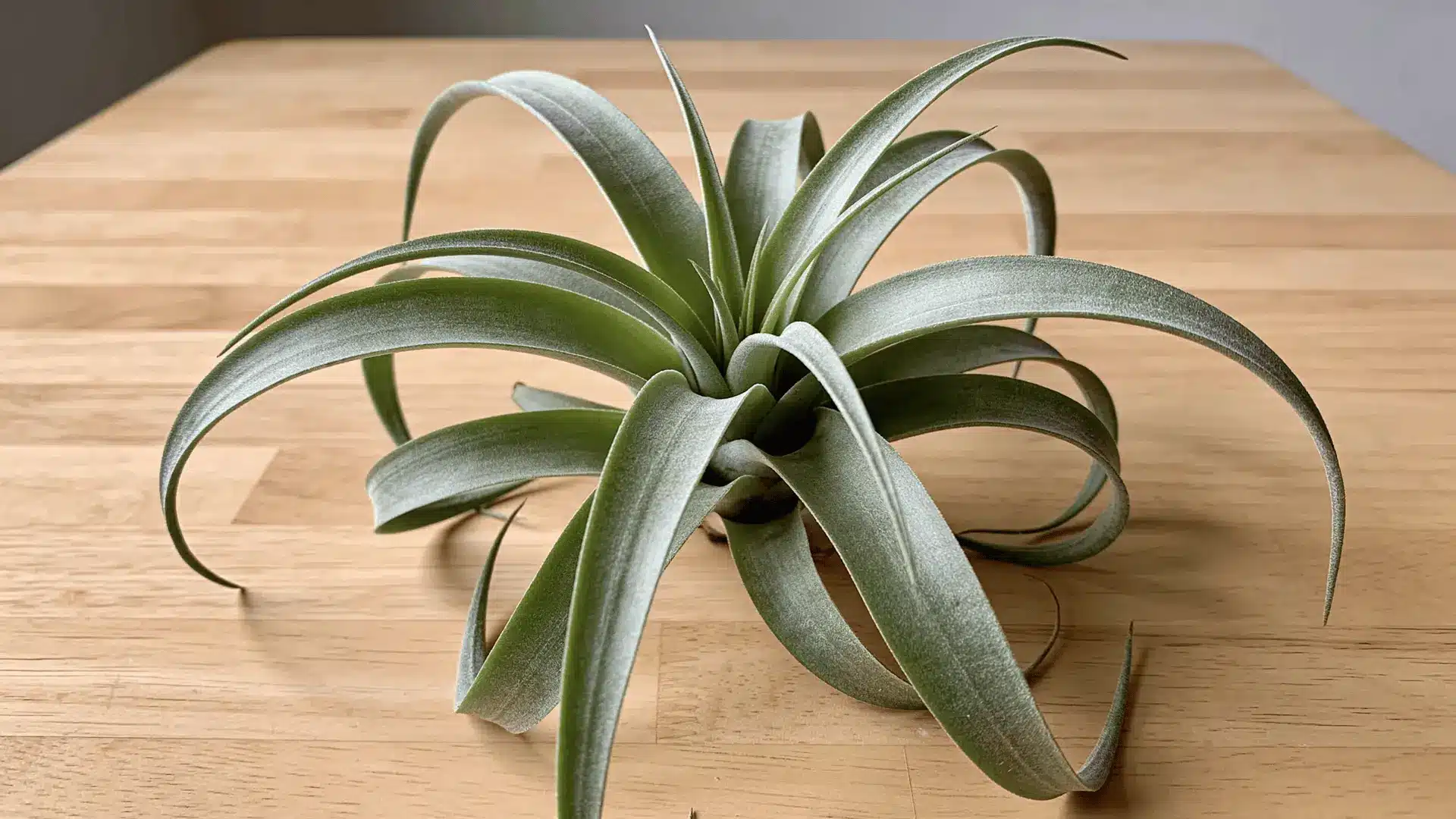
Each leaf is covered in tiny scales called trichomes. These act like sponges. When water touches them, they open and pull moisture into the plant tissue. This is not instant. It takes time for enough water to move from the leaf surface into the plant.
Surface wetness and hydration are not the same thing. A plant can look wet but still be thirsty inside. That is why quick splashes fail. The leaves get damp, but the inner tissue stays dry.
Humidity alone is also not enough. Moist air slows drying, but it does not provide the volume of water the plant needs to stay healthy. Air plants need real contact with water so the trichomes can fully load and pass moisture inward.
The key idea is this. Air plants need deep hydration through the leaves, not constant light moisture.
What is the Correct Way to Water Air Plants?
The most reliable way to hydrate an air plant is a full soak. This gives the trichomes time to absorb enough water to support the plant between waterings.
Water should be cool to room temperature. Very cold water shocks the plant. Hot water damages tissue. Regular tap water is usually fine if it sits out for several hours first, so gases can escape. Rainwater also works well.
Soaking Method
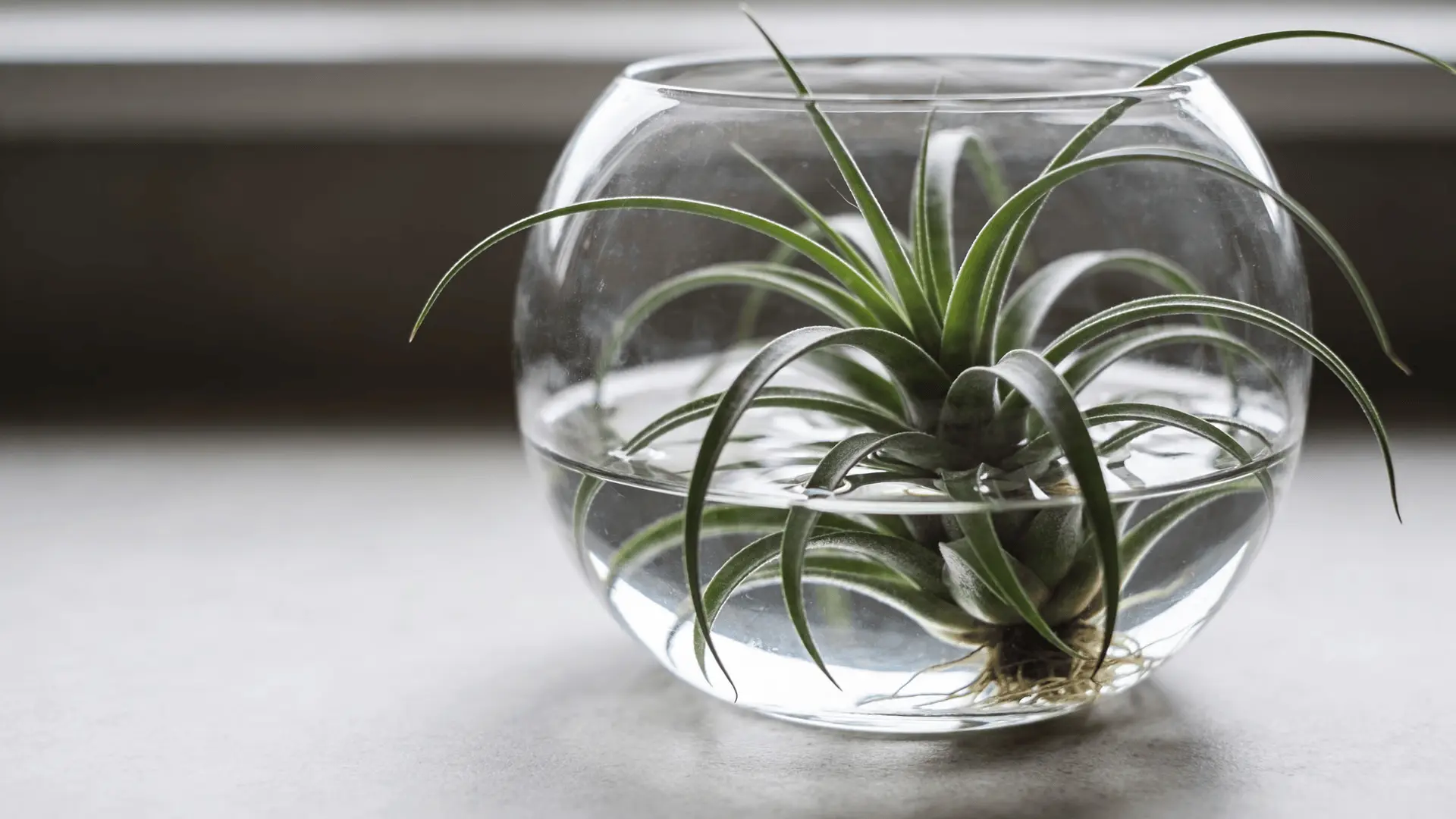
Soaking works because it allows slow, even absorption. The plant takes what it needs, then releases excess during drying. This mirrors how many air plants handle rain in nature.
- Place the whole plant in a bowl of water.
- Make sure all leaves are submerged.
- Leave it there for about 30 minutes. Thicker plants may need closer to an hour.
- After soaking, remove the plant and shake it gently. This clears the water trapped between leaves.
The goal is full hydration, not prolonged wetness. Once soaked, the plant should not sit in water again until it dries fully.
Dunking and Misting when Soaking is Not Appropriate
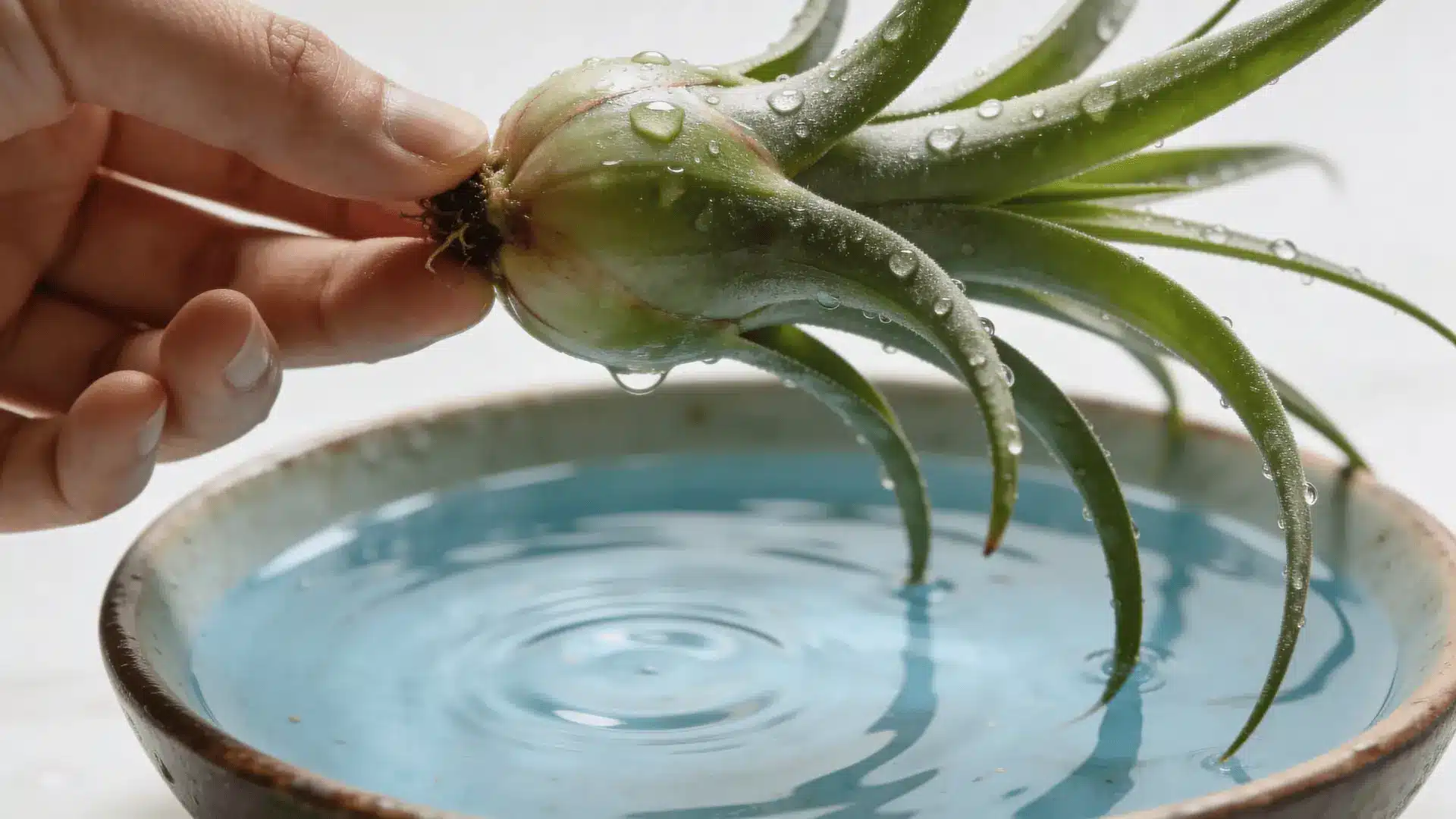
Some plants have very tight bases or bulb shapes. These can trap water more easily. In those cases, a long soak can raise the risk of rot.
For these plants, quick dunking works better. Here’s how to do it:
- Submerge the plant for a few seconds, then remove it.
- Repeat this a few times so the leaves get fully wet without holding water deep inside.
Misting can help between waterings, but it should not replace soaking long term. Mist only works when done thoroughly and often, and even then it gives less consistent results.
How Often Should Air Plants Be Watered?
There is no fixed schedule that works everywhere. Watering depends on how fast the plant dries.
Dry air, bright light, and warmth increase water use. Shady rooms, cooler air, and higher humidity slow it down. Plants kept outdoors usually dry faster than those indoors because of airflow.
Instead of counting days, watch the plant.
- If it dries within a few hours after soaking, it will need water more often.
- If it stays damp for a long time, spacing waterings further apart is safer.
Two homes can give the same plant very different experiences. The plant responds to conditions, not calendars.
Why Drying After Watering Matters
Drying after watering is not optional. It is part of the watering process itself.
After soaking, water can collect between the leaves and near the base of the plant. If that moisture stays there, it blocks airflow. Over time, this creates a low-oxygen environment, which causes plant tissue to break down.
Proper drying depends on gravity and air movement working together. Turning the plant upside down allows trapped water to drain away from the base. Steady airflow then removes the remaining moisture from between the leaves.
There are some clear signs that water is still trapped inside the plant. An air plant that has not dried fully will often feel cool or heavier than usual. Leaves may also stick together.
Rot does not happen because the plant got wet. It happens because the plant stayed wet in places where air could not reach for too long.
How to Tell if An Air Plant Needs Water
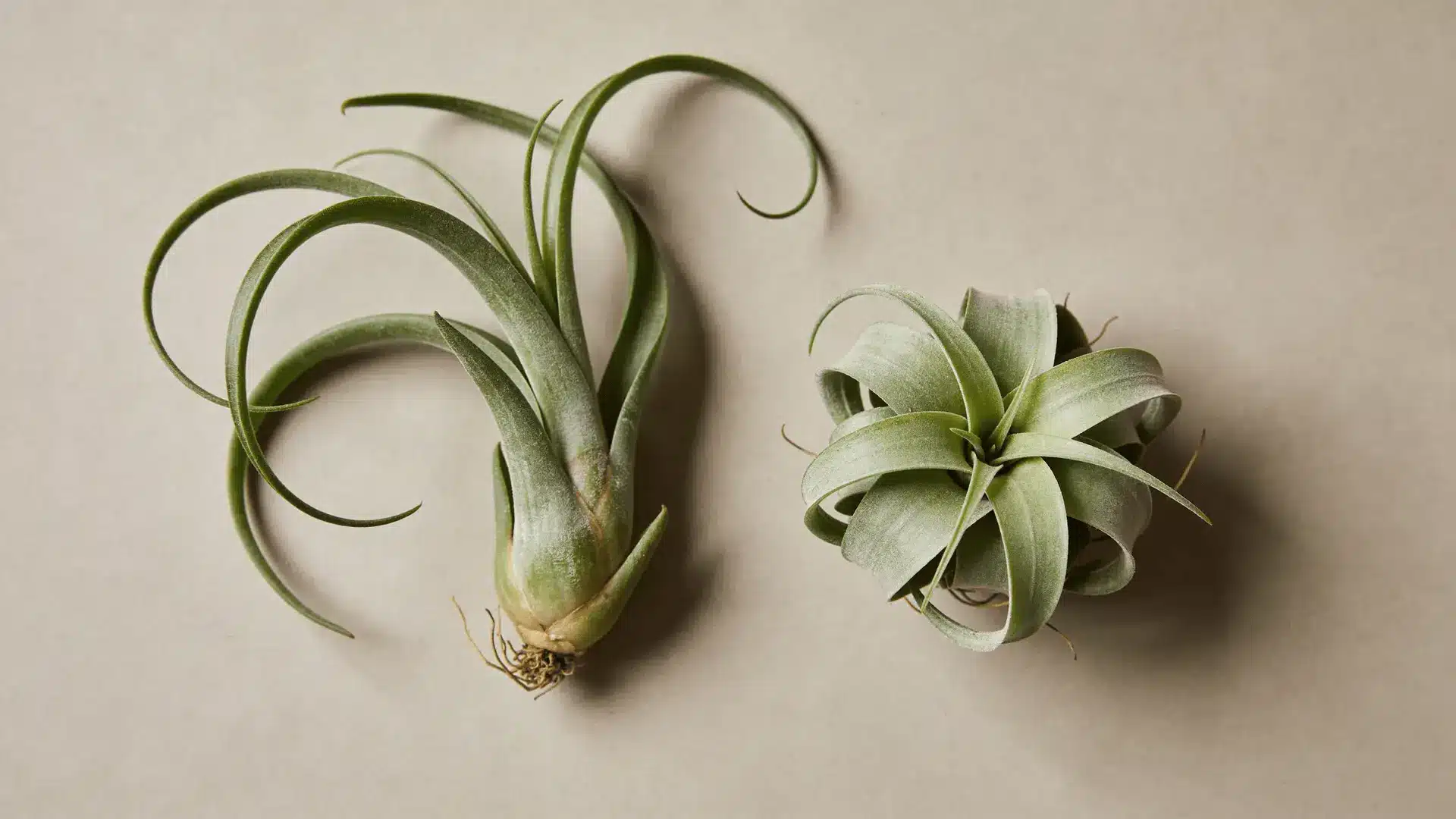
Air plants don’t wilt like typical houseplants. Instead, they show thirst through subtle changes in their leaves.
- Leaf curl: Dry air plants often curl their leaves inward. Mild curl means the plant is conserving moisture. Deep, tight curling means it has gone too long without water.
- Color shift: Thirsty plants usually look more gray or silver because the trichomes are raised. After watering, leaves turn greener as the trichomes flatten and moisture moves inside the plant.
- Texture: A hydrated air plant feels firm and flexible. A dry one feels stiff or slightly brittle when handled.
These signals don’t appear all at once. They develop gradually as the plant dries out. A little curl between waterings can be normal, but sharp folds combined with dull color point to real thirst.
When Watering Advice Fails and What Causes It
Sometimes people follow the rules and still struggle. This usually comes down to mismatches.
Low airflow is a common issue. A plant in still air may stay wet too long even if watering is correct. On the other side, strong heat with dry air can pull moisture out faster than expected.
Plant structure matters as well. Dense or bulbous plants react differently than open, wispy ones. Using the same method for all types can cause problems.
Most failures are not about effort. They are about conditions. The plant is responding to its environment, not refusing care.
Once you understand that, adjustments feel logical instead of frustrating.
Wrapping Up
Air plants are not fragile, but they are specific. When you understand how to water air plants, the care stops feeling like guesswork and starts feeling consistent.
These plants take in water through their leaves, need deep hydration at the right moments, and rely on drying to stay healthy.
Watching how fast they dry, how their leaves move, and how the air flows around them gives better guidance than any rigid rule.
Start by observing after each watering. Let the plant show you what works. Small adjustments go a long way, and confidence builds fast once the basics click.