Planting a tree feels like one of those things you’re supposed to just know how to do. Dig a hole, add water, move on. But that assumption causes more problems than people realize.
Trees don’t fail fast. They struggle quietly when early choices work against them. Depth, timing, soil contact, and aftercare all shape what happens underground long before you see results above ground.
Today, I’ll break down how to plant a tree in a way that makes those hidden factors clear, so you’re not guessing or copying half-explained advice.
Before touching a shovel, slow down and look at what needs to be set up first. That’s where we’ll start.
Considerations Before You Start Planting Trees
Most problems with newly planted trees start before the shovel ever hits the ground. Where you plant, when you plant, and what you plan for all shape how well the tree adjusts.
Trees don’t adapt quickly. They respond slowly. Giving them the right conditions upfront prevents stress that can linger for years.
Choose the Right Spot
A tree’s location matters more than most people realize. You’re not planting for how it looks today. You’re planting for how big it will be later.
Think first about space. Trees grow wider above ground and below ground. Roots often spread as wide as the branches, sometimes more. Planting too close to a house, fence, driveway, or sidewalk can cause problems that don’t show up until it’s hard to fix.
Sun exposure comes next. Some trees need full sun to stay healthy. Others struggle if they get too much direct light. Pay attention to how many hours of sun the spot gets across a normal day, not just at noon.
Distance from utilities is non-negotiable. Underground lines can be dangerous and expensive to damage. Overhead lines can force future pruning that weakens the tree. Always check before digging.
Pick the Right Time to Plant
Timing affects how much stress the tree feels during its first months in the ground. The goal is to plant when the tree can focus on root growth instead of survival.
Early spring and fall are usually best. Soil temperatures are mild. Moisture is more reliable. The tree isn’t pushing new leaves or fighting extreme heat.
Planting in summer adds stress. High heat and dry soil force the tree to work harder just to stay alive. Winter planting can also be rough if the ground is frozen or drainage is poor.
The calmer the conditions, the easier it is for the tree to settle in.
How to Plant a Tree Correctly: Step-by-Step Guide
This is the part most guides rush through. Each step affects the next, so it helps to move slowly and check your work as you go.
Tools and Materials You’ll Need
You don’t need much, but having the right basics helps.
- Shovel or spade
- Garden hose or watering can
- Mulch
- Gloves
- Measuring stick or shovel handle for depth checks
That’s it. Extra products are rarely needed at planting time.
Step 1 – Dig the Hole the Right Size
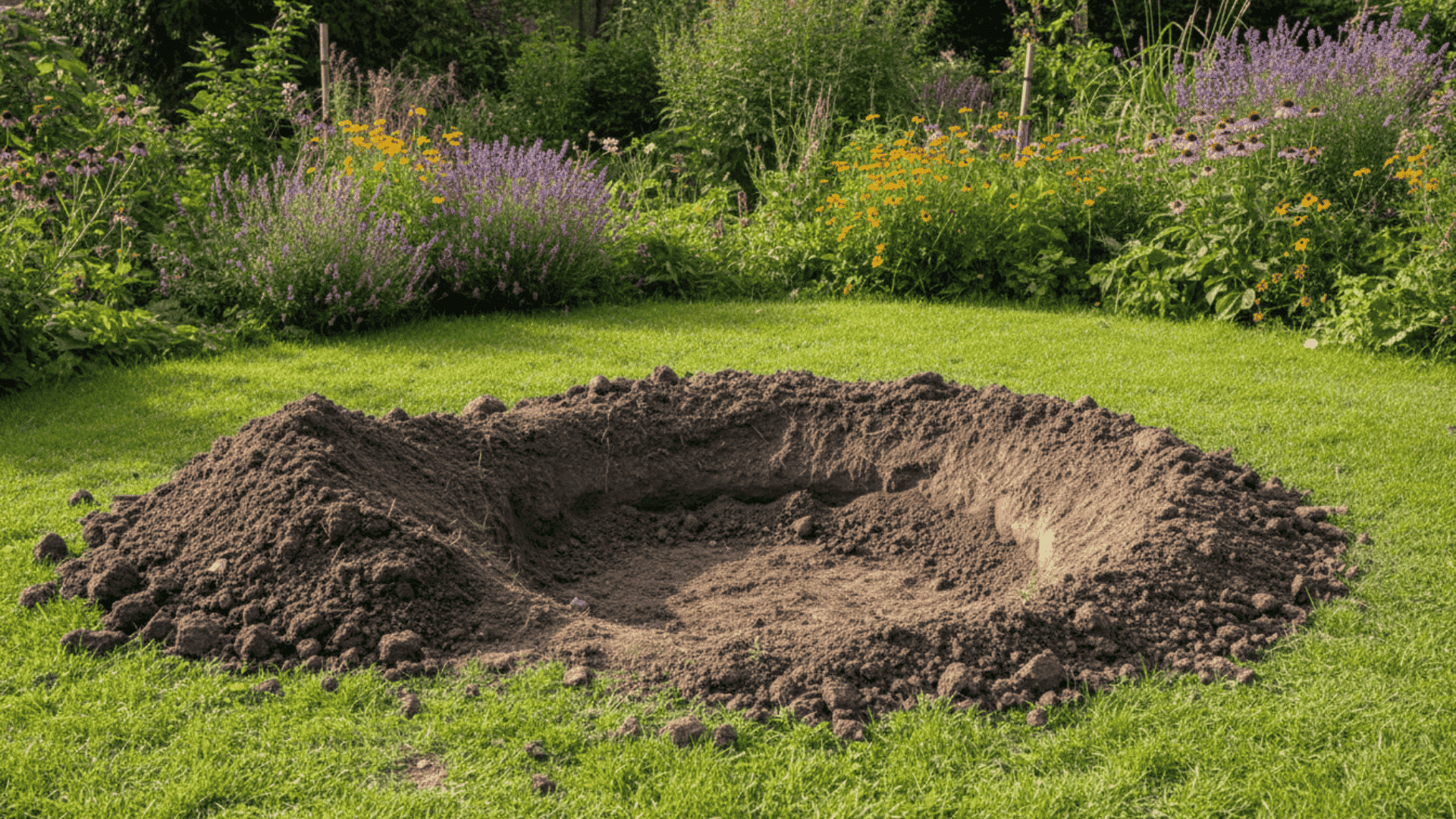
Width matters more than depth. Most tree roots grow outward, not straight down. A wide hole lets roots spread into loosened soil instead of hitting a hard wall.
Dig the hole two to three times wider than the root ball. The depth should be no deeper than the root ball itself.
Shallow beats deep because soil settles. If the hole is too deep, the tree sinks over time. That buries critical parts of the trunk and leads to long-term health problems.
Step 2 – Find the Root Flare
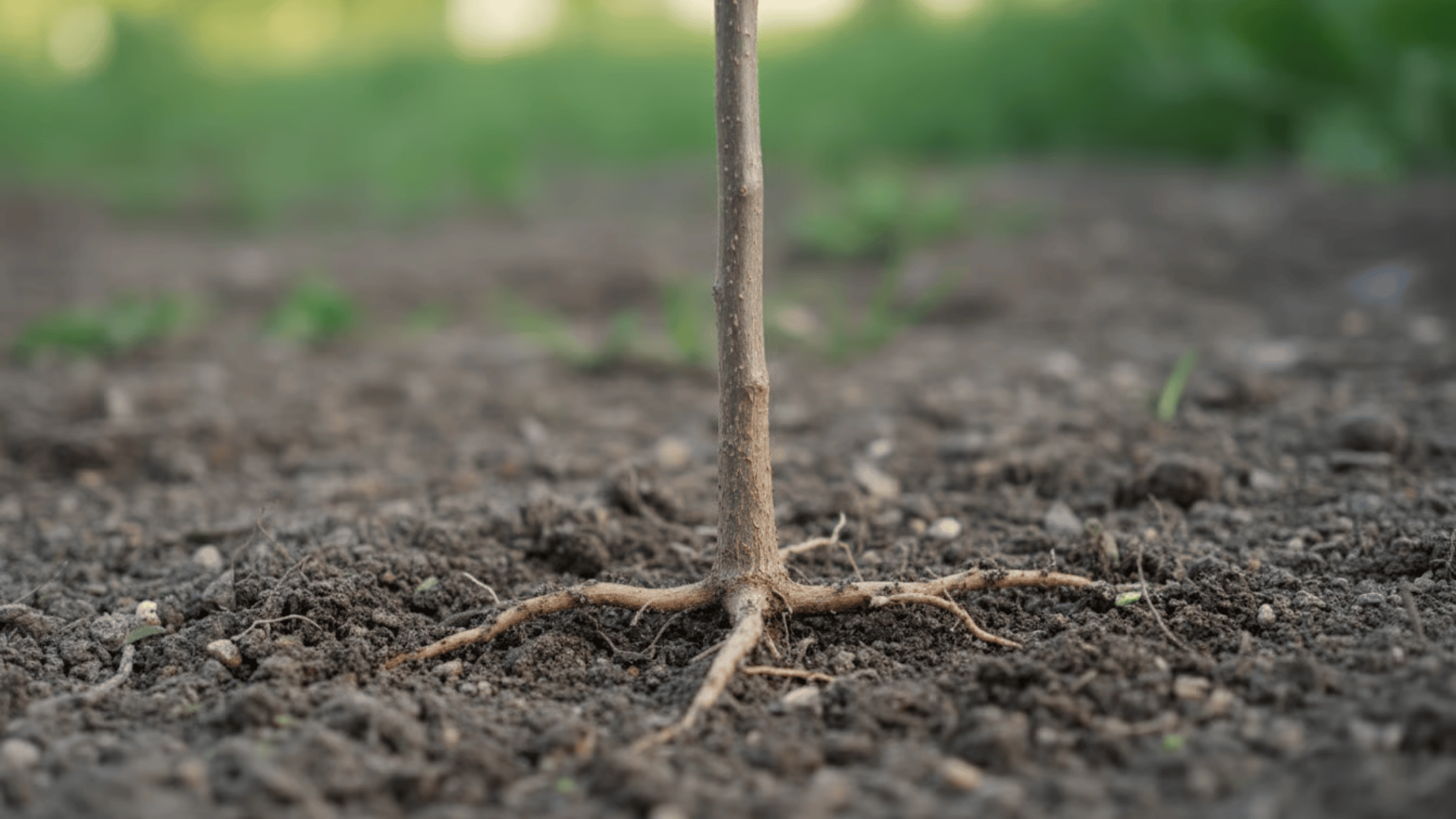
The root flare is where the trunk widens, and the main roots begin. It should sit at or slightly above the soil surface after planting.
Many nursery trees arrive with soil piled too high on the trunk. You may need to gently brush soil away to find the flare. This can feel wrong at first, but it’s necessary.
A buried root flare limits oxygen flow and invites decay. Trees planted this way often decline slowly and unpredictably.
Step 3 – Place the Tree Correctly
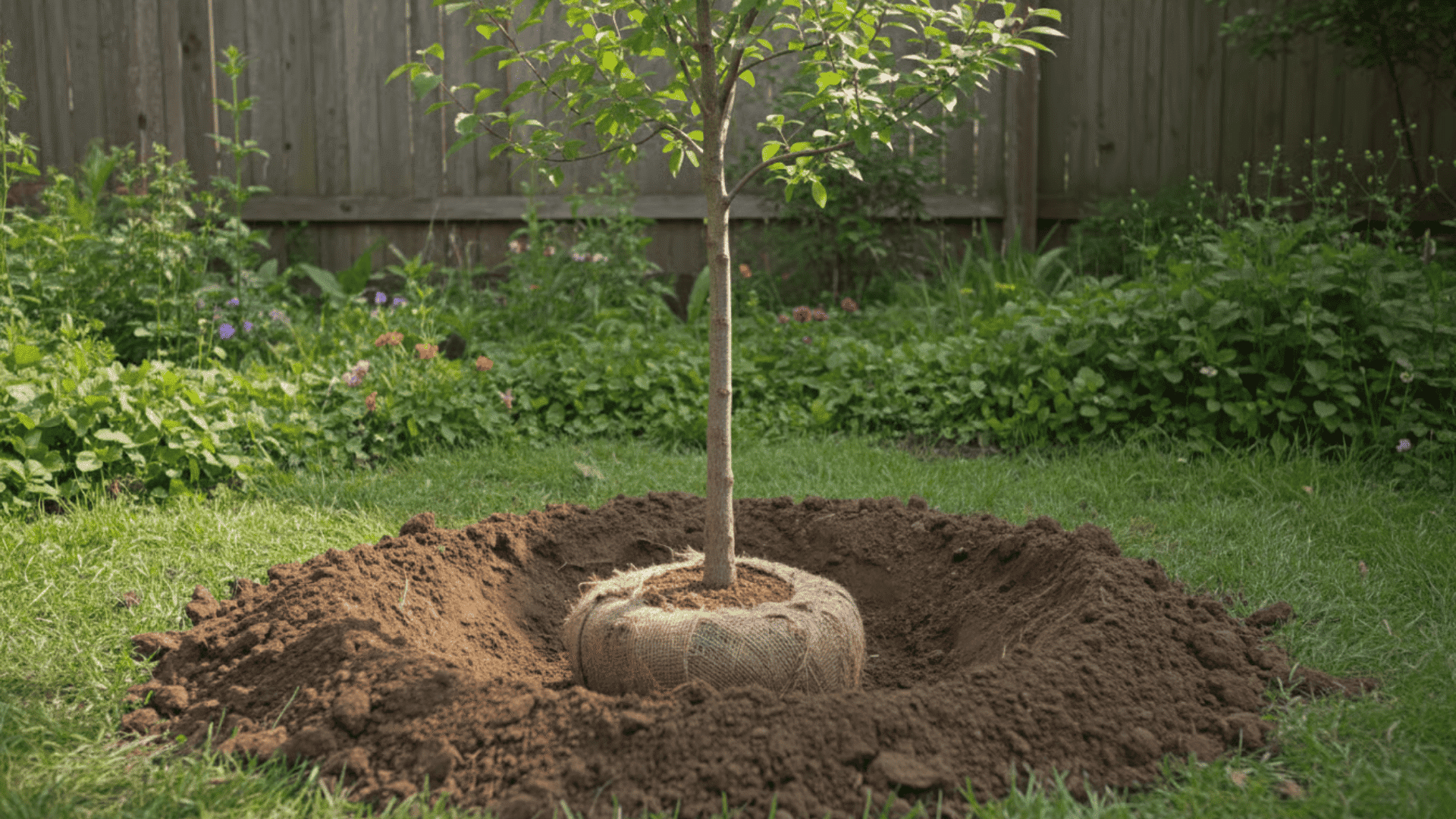
Set the tree in the hole and step back. Look at it from different angles. Check the height before adding soil.
The root flare should be visible. If it’s too low, remove the tree and adjust the soil underneath. If it’s too high, add a small amount of soil and reset it.
Once backfilling starts, adjustments become harder. This is the moment to get it right.
Step 4 – Backfill the Hole
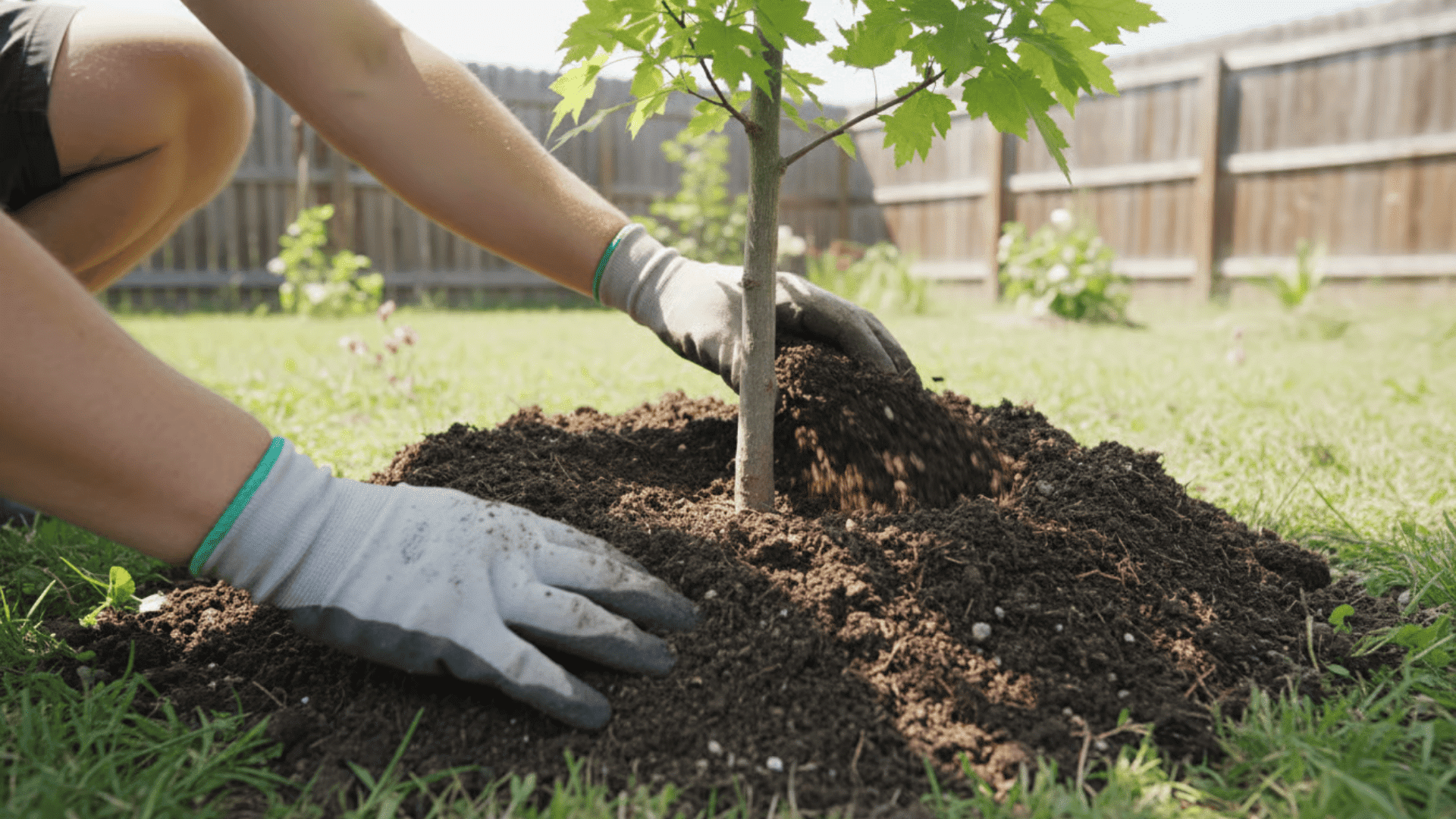
Use the soil you removed from the hole. Native soil helps roots adjust to surrounding conditions instead of staying trapped in a pocket of softer material.
Add soil in stages. Lightly press it in with your hands or foot to remove large air pockets. Don’t stomp it down hard. Compacted soil limits root growth and water movement.
The goal is contact, not compression.
Step 5 – Water Thoroughly
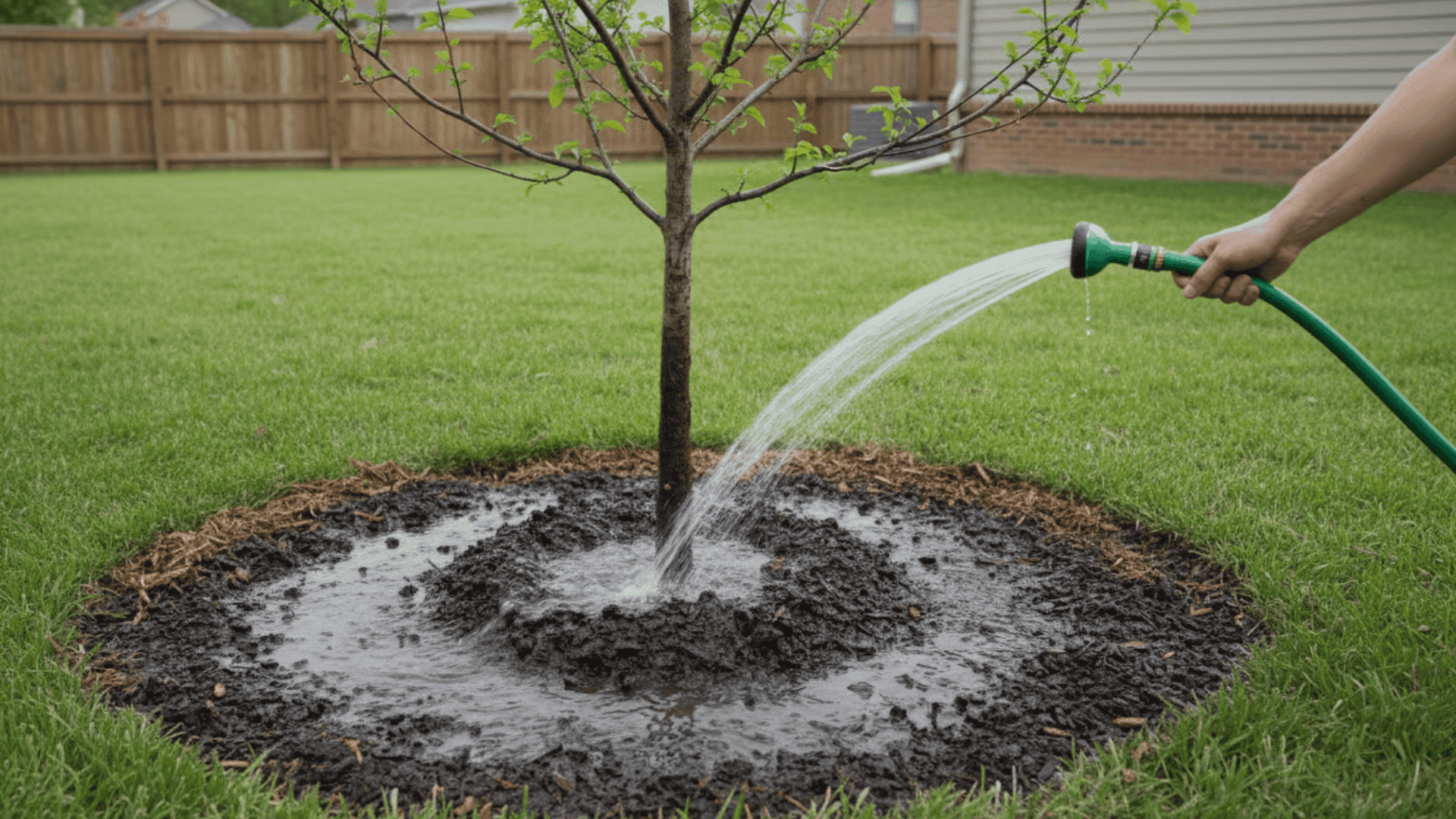
Water immediately after planting. This settles soil around the roots and removes remaining air gaps.
Deep watering means soaking the root ball and the surrounding soil, not just wetting the surface. Water slowly so it has time to sink in.
A good rule is to water until the soil is moist several inches down. Shallow watering trains roots to stay shallow, which makes the tree less stable later.
Step 6 – Mulch the Right Way
Press your finger 2–3 inches into the soil. If it feels dry at that depth, it’s time to water. If it’s still moist, wait.
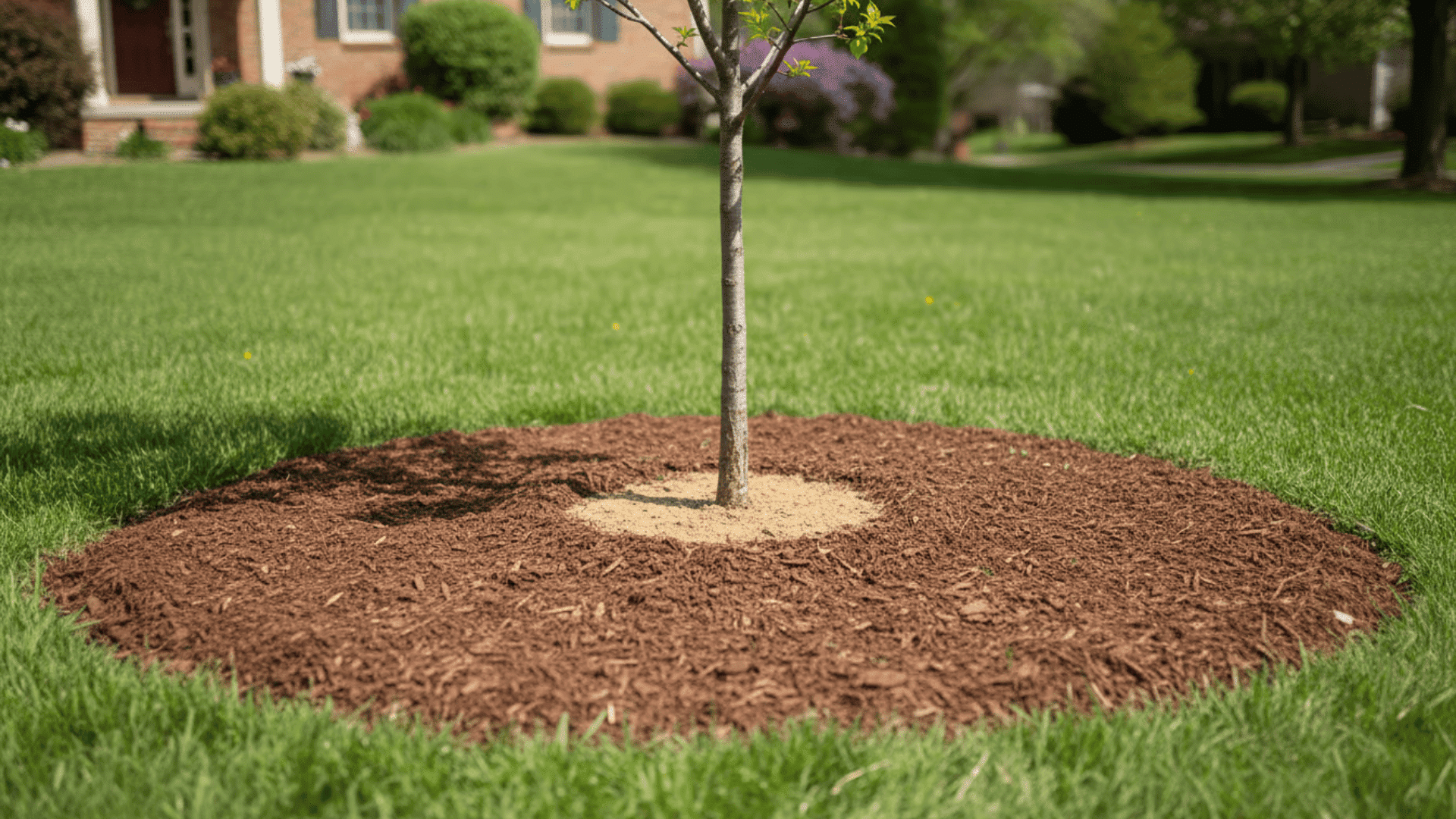
Mulch helps regulate soil temperature and moisture, but only if applied correctly.
Picture a donut, not a volcano. Spread mulch in a wide ring around the tree, leaving a clear gap around the trunk. The mulch layer should be about two to three inches deep.
Mulch piled against the trunk traps moisture and encourages rot. Keeping space allows the bark to breathe and dry properly.
Common Tree-Planting Mistakes and How to Avoid Them
Most tree failures trace back to a few early mistakes that seem minor at the time. These don’t kill a tree fast. They weaken it slowly, which makes the problem harder to spot later.
- Planting too deep: When the root flare is buried, oxygen can’t reach critical tissues. The tree survives at first, then declines over years as roots suffocate and decay sets in.
- Mulch touching the trunk: Mulch piled against bark traps moisture, encourages rot, and creates shelter for insects. The trunk stays damp when it should stay dry and exposed.
- Over-staking the tree: Excessive staking prevents natural movement. Without movement, the trunk stays weak, roots don’t anchor properly, and the tree struggles once stakes are removed.
- Fertilizing at planting time: Fertilizer pushes top growth before roots are established. This imbalance stresses the tree, increases water demand, and slows proper root development when it matters most.
Most of these issues come from good intentions applied at the wrong moment. A newly planted tree doesn’t need extra force. It needs space, air, water, and time to adjust.
After-Planting Care: First Year Timeline
Planting day is only the beginning. The first year determines whether the tree establishes or struggles.
| Timeframe | Do this | This is normal | Fix this if you see it |
|---|---|---|---|
| First 30 days | Keep soil consistently moist. Do not prune. Minimize disturbance. | Light wilting or minor leaf drop. | Yellow leaves, severe droop, dry edges. |
| Months 2–3 | Water less often but deeper. Check stability. | Slight trunk movement. | Leaning tree or ties rubbing bark. |
| After 6–12 months | Shift to rain-based watering. Remove stakes. | Slow visible growth. | Stakes still supporting tree. |
This timeline isn’t about doing more. It’s about doing less at the right moments. If water is steady, roots have air, and supports are removed on time, the tree can take over from there.
Can You Plant a Tree by Yourself?
In many situations, yes. Small to medium trees can usually be planted solo if you move slowly and plan each step before lifting or digging.
Help becomes important when the tree is heavy, unbalanced, or planted on a slope. These conditions make it easy to strain your body or damage the root ball while trying to adjust position.
Basic safety matters. Wear gloves, lift with your legs, and pause when needed. Take breaks between steps instead of rushing through them. Planting isn’t a test of strength. It’s a process that rewards patience and steady movement.
Final Checklist Before You Walk Away
Before you put the tools down, take one last slow look.
- Root flare is visible and sits at or slightly above soil level
- Tree stands straight when viewed from multiple angles
- Soil is firm but not compacted, with no large air pockets
- Mulch is spread wide in a donut shape and kept off the trunk
- Root ball and surrounding soil are fully watered
- No ties, tags, or wire are cutting into the trunk or branches
- The planting area drains properly, with no standing water
These checks take a few minutes, but they prevent problems that are hard to fix once the tree settles in.
Conclusion
Planting well is less about effort and more about understanding. When you slow down and pay attention to depth, spacing, and aftercare, you give the tree what it actually needs to adapt.
Most problems don’t show up right away. They build quietly from choices made early. Knowing what’s happening underground helps you make better calls above ground.
If you follow the steps with intention and patience, planting a tree becomes less stressful and more predictable.
Take a moment after planting to observe, adjust, and water. Then let the tree do what it’s built to do: grow at its own pace.
Frequently Asked Questions
How deep should a tree be planted?
The planting hole should be no deeper than the root ball. The root flare must remain visible at or slightly above soil level to allow proper oxygen flow.
What is the most common mistake when planting a tree?
Planting too deep is the most common mistake. It buries the root flare, restricts oxygen, and causes slow decline that often appears years after planting.
How often should I water a new tree?
Water deeply once or twice a week during the first few months. Adjust for heat, rainfall, and soil type so roots stay moist without becoming waterlogged.
Is staking always necessary?
No. Most trees develop stronger trunks without stakes. Staking is only helpful when a tree cannot stand upright on its own due to wind or slope.